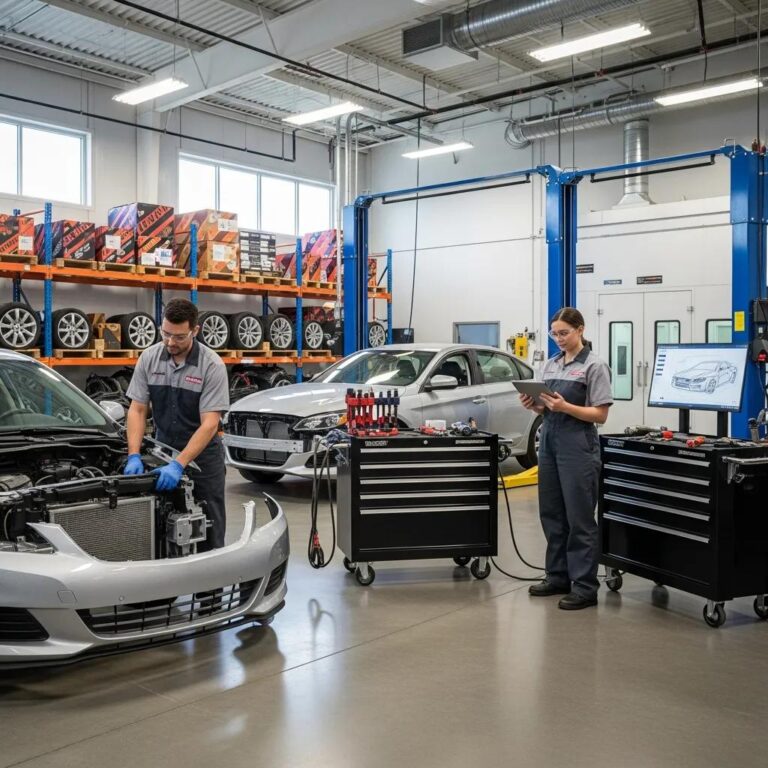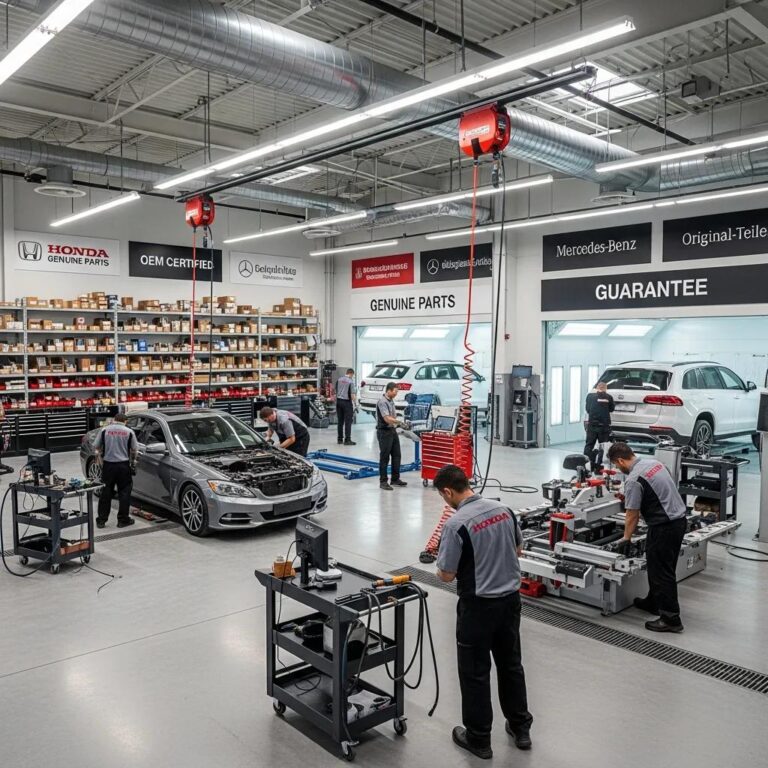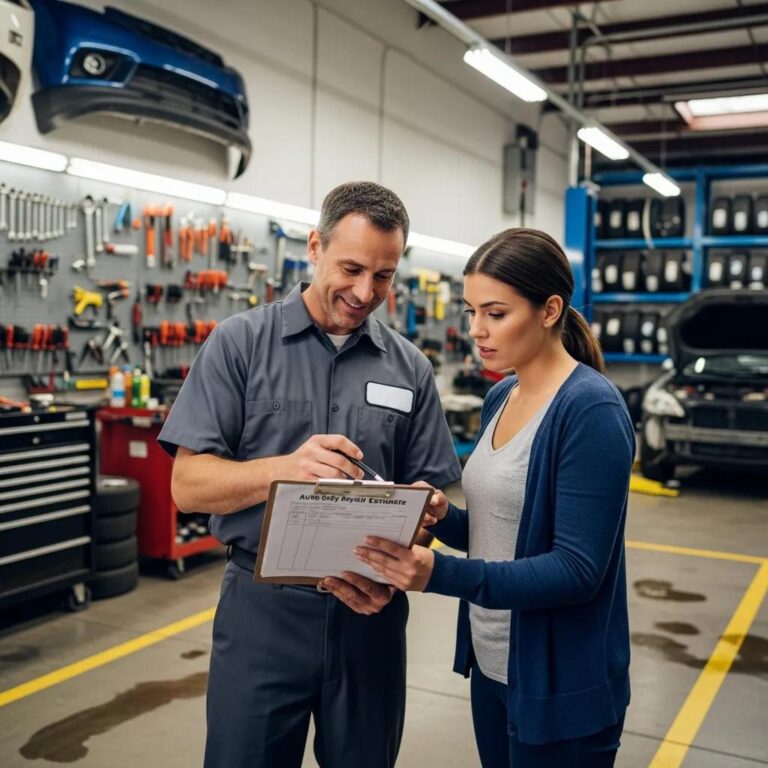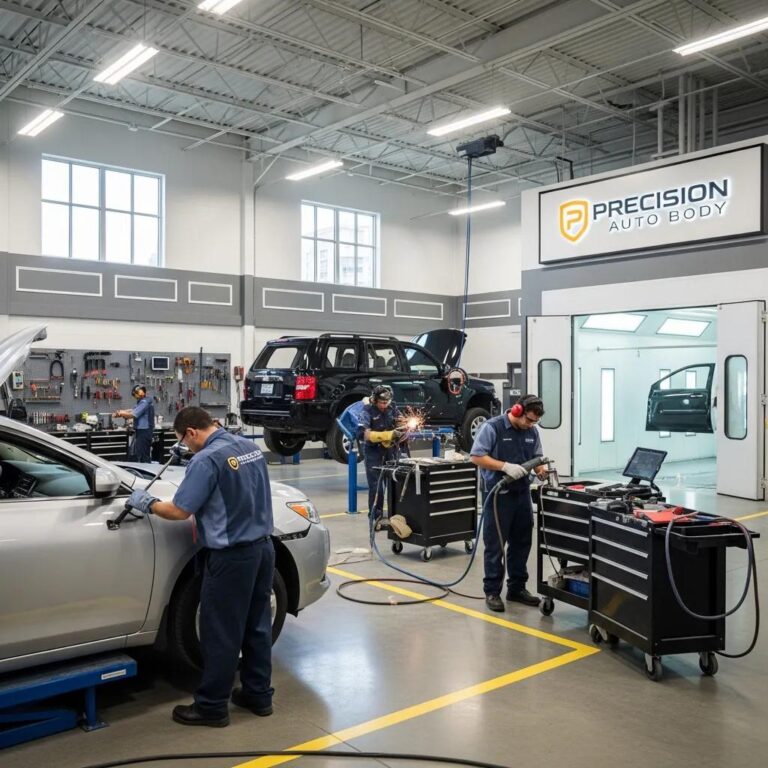
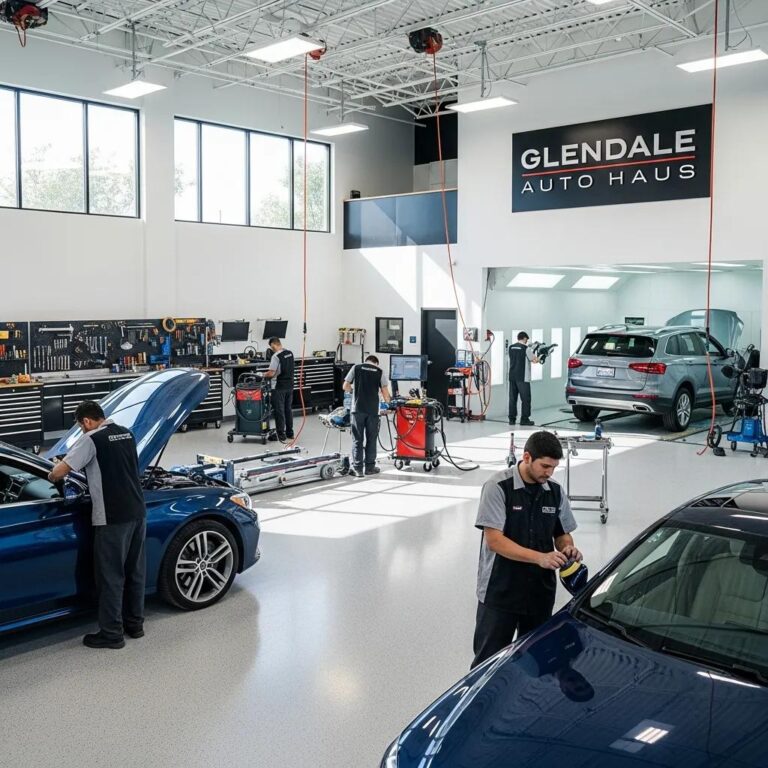
Top Collision Repair Services in Burbank California

Top Collision Repair in Burbank, CA — OEM-Certified & Insurance-Friendly Auto Body Shop
If you’ve been in an accident in Burbank, Prime Time Collision Center brings your vehicle back to factory standards and handles insurance communication so you can get safely back on the road. This guide explains how collision repair works, why OEM‑certified processes protect vehicle safety, and what local drivers should expect from an auto body shop in Burbank. You’ll find a step‑by‑step breakdown of our repair workflow, why ADAS calibration matters for modern safety systems, and which services matter most for luxury and electric vehicles. We also cover dent, paint, and frame repair methods, the immediate steps after a crash, and common insurance and warranty questions. Throughout, we reference practical service details for Glendale, Pasadena, Burbank, and Los Angeles and explain how to schedule a free estimate or request 24/7 towing if needed. By the end, you’ll know how to evaluate repair quality, what questions to ask your shop, and how to move from claim to a road‑ready vehicle.
Why Choose Prime Time Collision Center for Collision Repair in Burbank?
Collision repair specialists restore a vehicle’s structural integrity and safety systems after a crash by following manufacturer repair procedures, using calibrated equipment, and verifying post‑repair performance. That precision matters because correct repairs preserve occupant protection, help maintain resale value, and keep ADAS sensors functioning as intended. Choosing an experienced Burbank shop that follows OEM‑certified processes reduces the chance of hidden damage and repeat work. The sections below outline our credentials, how we coordinate with insurers, and the local conveniences that help drivers recover faster after an accident.
At Prime Time Collision Center we pair OEM‑level repair standards with clear communication and hands‑on insurance assistance so the repair experience is predictable and safe. Our team includes I‑CAR Platinum certified technicians who follow manufacturer procedures and use calibrated tools to protect both structural and electronic systems. We offer free estimates and actively manage insurance claims to remove administrative burden for vehicle owners. For immediate help or to request a free estimate and towing, call the shop directly at (818) 396-4997 — this speeds the path from assessment to repair.
Our safety‑first approach is backed by shop practices that preserve crashworthiness and ADAS integrity during repairs. Using genuine OEM parts where appropriate and documenting each repair step helps ensure airbags, seatbelt pretensioners, and sensor alignments are returned to factory tolerances. That emphasis on documented procedures leads naturally into how a typical repair workflow is structured and what you should expect from a thorough estimate.
Because we serve Glendale, Burbank, Pasadena, and Los Angeles, tow times are shorter and logistics are simpler for local drivers. That local presence, combined with certified technicians and active insurance coordination, reduces the time your vehicle spends in the shop and improves transparency throughout the process. This local advantage connects directly to the step‑by‑step repair process described next.
What Makes Our OEM Certified Repairs the Safest Choice?

OEM‑certified collision repair means following vehicle manufacturer procedures, using recommended parts, and completing repairs to restore engineered crash performance. Structural components and restraint systems operate as a system — altering one element without the manufacturer’s method can change how crash energy is managed. Our I‑CAR Platinum training and adherence to OEM technical bulletins reduce risk by ensuring technicians understand both mechanical and electronic systems. Attention to manufacturer tolerances and validated calibration is especially important when ADAS sensors and airbags are involved, and it sets the foundation for how we validate repairs through testing and documentation.
Beyond parts and procedures, OEM‑based repairs include verification steps such as frame measurements, torque specifications, and system recalibrations that demonstrate the vehicle meets pre‑crash performance. That documentation is useful for owners and insurers, and it leads into how insurance claim handling complements our technical repair practices.
How Do We Simplify Insurance Claims for Burbank Drivers?
Insurance coordination is designed to speed approvals, reduce delays, and minimize your effort by providing accurate documentation and direct communication with adjusters. Prime Time Collision Center compiles photo documentation, itemized labor and parts lists, and ADAS scan reports to support efficient claim review and approval. A simple three‑step flow illustrates the typical process: notify your insurer, request a free damage assessment, and let the shop submit documentation and coordinate with the adjuster. That coordination accelerates the move from estimate to authorization and cuts down on common hold‑ups like part approvals.
We also explain coverage implications and expected timelines and keep owners informed at key milestones during the repair. Clear updates about parts lead times, calibration requirements, and final quality checks help you plan alternate transportation and reduce frustration. With claim facilitation explained, the next section outlines our comprehensive repair process from initial assessment through final quality assurance.
What Is the Comprehensive Collision Repair Process at Prime Time Collision Center?
A complete collision repair process begins with a detailed assessment, moves through structural and cosmetic repairs, includes ADAS calibration when required, and finishes with quality assurance checks and documented delivery. This sequence protects safety systems and restores OEM performance by combining diagnostic scans, precision frame work, genuine parts, refinishing, and final validation. Knowing each phase helps set realistic expectations for timeline and outcomes; the steps below break the workflow into actionable stages.
The repair workflow typically follows these numbered steps to ensure completeness and traceability:
- Initial Assessment and Free Estimate: Document visible and hidden damage with photos, diagnostic scans, and a written estimate.
- Insurance Coordination and Authorization: Submit documentation to insurers and obtain approvals while sourcing OEM parts.
- Precision Repair and Parts Replacement: Perform frame alignment, structural welding, and part replacement per manufacturer methods.
- Refinish and Cosmetic Restoration: Match color, blend finishes, and restore exterior appearance in a controlled paint booth.
- ADAS Calibration and Diagnostics: Recalibrate sensors and run validation tests to restore advanced driver assistance systems.
- Final QA and Delivery: Conduct road tests, inspect repairs against factory specs, and provide complete documentation to the owner and insurer.
These steps set clear expectations and lead into the specific components of our free damage assessment and estimate.
Introductory table: the following table summarizes roles, durations, and expected deliverables across the core repair phases.
| Phase | Responsibility | Expected Deliverable |
|---|---|---|
| Assessment | Technician/Estimator | Itemized estimate with photos and ADAS scan report |
| Insurance Coordination | Shop Liaison | Submitted documentation and authorization status |
| Repair & Calibration | Repair Technicians | Repaired structure, replaced parts, calibrated systems |
| Quality Assurance | QA Inspector | Validation report, test‑drive notes, delivery checklist |
This concise summary clarifies who does what and what owners can expect, and it leads into how our free damage assessments are conducted.
How Do We Conduct Free Damage Assessments and Estimates?
Our free damage assessment inspects visible body damage, underlying structural components, and electronic systems to produce an accurate repair estimate. Typical assessments include photographic documentation, an ADAS/system scan when sensors are present, and an itemized parts and labor list to aid insurer review. We allow enough time to find hidden damage so surprises are minimized and timelines are realistic for both owners and insurers. The next paragraph highlights what makes a comprehensive estimate different from a cursory one.
A high‑quality estimate lists labor, OEM parts, refinishing, and calibration tasks separately, and it notes potential supplemental repairs that may appear once disassembly begins. That level of detail helps insurers and owners make informed choices and reduces common causes of delays. After the estimate is agreed, we schedule repairs and coordinate required calibrations and parts procurement.
What Are the Steps for Precision Repairs and ADAS Calibration?
Precision repairs start with controlled disassembly to locate hidden damage, then progress to frame measurement and alignment using industry‑grade machines, followed by structural welding or OEM part replacement. After mechanical repairs, painting and refinishing happen in a climate‑controlled booth with computer color matching to restore the finish. For vehicles with ADAS — such as forward collision, lane assist, or adaptive cruise — technicians perform sensor recalibration using manufacturer procedures and specialized equipment. Final steps include system diagnostics and a test drive to confirm sensors and safety systems operate within factory tolerances.
We document each calibration and diagnostic result for safety and insurance records; those reports show that advanced systems were restored correctly. With repairs and calibrations complete, the vehicle moves to final QA to ensure compliance with OEM repair standards before owner pickup.
Which Specialized Services Does Prime Time Offer for Luxury and Electric Vehicles in Burbank?
Luxury and electric vehicles need brand‑specific workflows, high‑voltage safety protocols, and equipment that preserves premium finishes and electrical systems. Luxury cars often require strict OEM part sourcing, delicate trim and interior handling, and exacting paint standards to protect value. Electric vehicles require battery isolation procedures, high‑voltage safety measures, and technicians trained to work around battery modules and EV‑specific structures. These specialized capabilities protect vehicle integrity and technician safety while restoring performance — the comparison table below outlines typical tasks and requirements.
| Vehicle Type | Specialized Task | Safety/Certification Requirement |
|---|---|---|
| Luxury Vehicles | Brand‑specific parts sourcing and finish restoration | OEM repair procedures and controlled work areas |
| Electric Vehicles (EVs) | Battery isolation, HV system inspection, post‑repair diagnostics | EV safety training and high‑voltage handling protocols |
| Daily Drivers | Structural repairs and ADAS recalibration as needed | Standard OEM repair methods and ADAS tools |
This comparison shows why different vehicles need tailored approaches and leads into how we handle luxury cars in practice.
How Do We Handle Luxury Car Collision Repairs with OEM Standards?
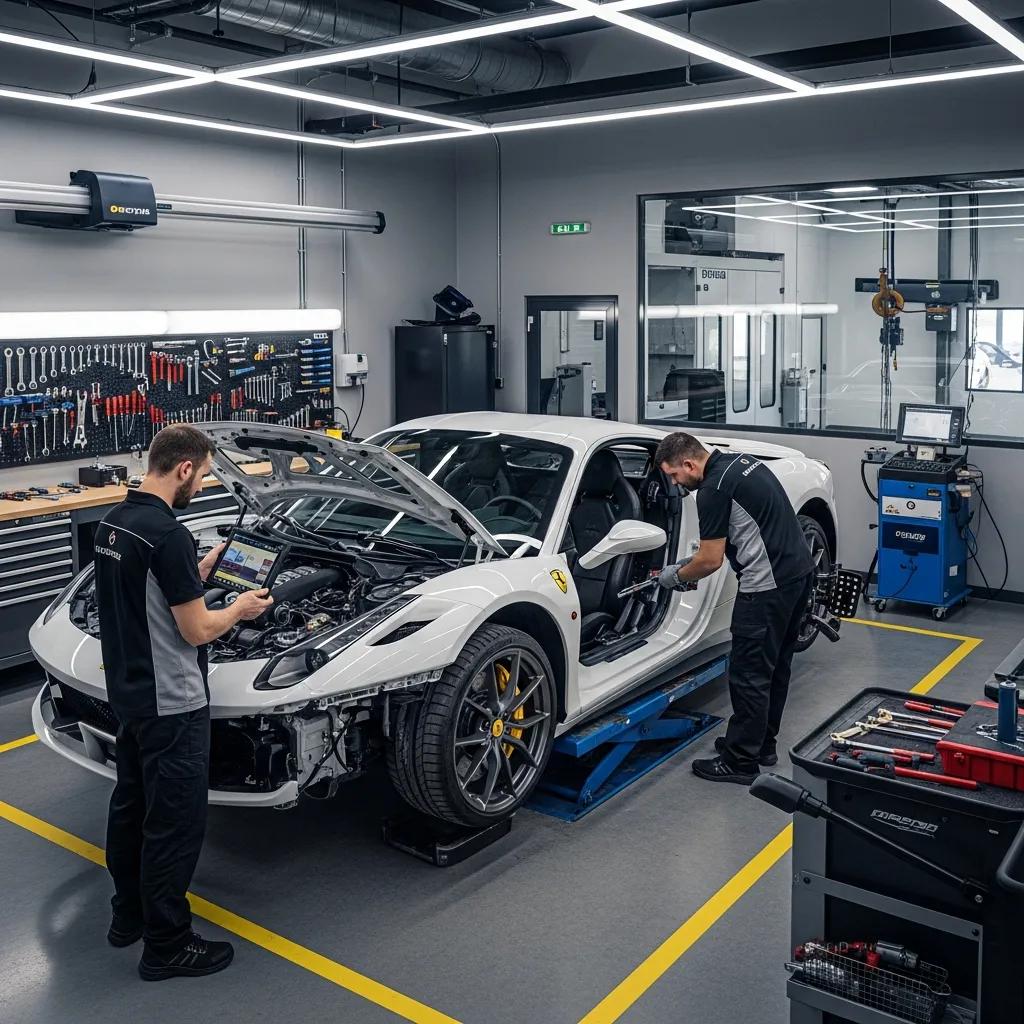
Repairing luxury vehicles focuses on minimal intrusion, dedicated workspaces, and careful reassembly to protect paint, trim, and interior details that define value. Our technicians follow OEM repair specs, source recommended parts when available, and use refined paint processes to match complex, multilayer finishes. Handling practices may include soft‑lift procedures, protective coverings, and separate staging areas to avoid cosmetic damage during repair. The next subsection explains our EV capabilities for protecting battery systems and electronic safety features.
Detailed documentation and post‑repair inspections confirm both mechanical and cosmetic standards were met, helping owners retain confidence in their vehicle’s appearance and performance.
What Are Our Capabilities for Electric Vehicle Collision Repair?
EV collision repair begins with strict safety protocols to isolate and discharge high‑voltage systems before any structural or component work. Technicians perform battery‑safety checks, inspect battery pack integrity, and consult OEM technical bulletins when manufacturer guidance is required. EV repairs often include specialized parts sourcing for battery enclosures and sensors, plus ADAS calibration that accounts for electric powertrain interactions. Timelines vary with part availability and OEM support; owners should expect thorough diagnostics before road testing.
Documenting every HV isolation step and calibration result creates verifiable records that the electric systems were handled correctly, which leads into how dent, paint, and frame repairs fit into broader collision work.
How Does Prime Time Collision Center Address Dent, Paint, and Frame Repairs in Burbank?
Dent, paint, and frame repairs use distinct techniques that balance cost, speed, and long‑term integrity. Knowing when to choose paintless dent repair (PDR) versus full refinishing or frame replacement helps owners make informed decisions. Frame and structural repairs restore alignment and crash energy paths, while paint processes restore protective coatings and appearance. Skilled color matching and controlled refinishing protect corrosion resistance and resale value. The table below clarifies typical services, techniques, and expected outcomes.
| Service | Technique | Benefit/Outcome |
|---|---|---|
| Paintless Dent Repair (PDR) | Interior access and gentle panel manipulation | Preserves factory paint, reduces repair time and cost |
| Traditional Refinish | Paint stripping, primer, color matching, clear coat | Restores appearance and corrosion protection to OEM standard |
| Frame Repair | Precision measurement and hydraulic straightening | Restores structural alignment and crash performance |
This table outlines trade‑offs among common repair options and prepares you for guidance on PDR and structural decisions.
What Are the Benefits of Paintless Dent Repair and Color Matching?
Paintless dent repair (PDR) works well for minor dents where the paint film is intact: it offers faster turnaround, lower cost, and keeps the original factory paint. Color matching for refinishing uses computerized spectrophotometers and blending techniques to ensure panels match adjacent areas, minimizing visible seams and preserving aesthetics. PDR isn’t appropriate when paint is cracked or damage includes creases or sharp edges that prevent access. Knowing when PDR is the right choice helps owners find cost‑effective solutions, which leads into considerations for frame damage and structural repairs.
Accurate color matching and blending reduce the risk of uneven appearance that can affect resale value, making refinishing quality an important part of any repair decision.
How Do We Manage Frame Damage and Structural Repairs?
Frame damage evaluation starts with precise measurement to compare current dimensions against factory tolerances using computerized systems. That determines whether straightening or component replacement is needed. When straightening is appropriate, hydraulic pull systems and fixture tables return the frame to specified geometry; when replacement is safer, we install OEM‑specified structural components to restore crashworthiness. Welding, adhesives, and torque specs follow manufacturer procedures and are inspected during quality assurance. We provide documented frame measurements and repair reports to insurers and owners to verify the structural integrity restored during repairs.
This structural rigor ensures post‑repair vehicles meet engineered safety expectations and leads into the immediate steps drivers should take after a collision.
What Should You Do After a Car Accident in Burbank?
After a collision, prioritize safety, document the scene, and notify your insurer — these actions protect health and preserve evidence for claims. Immediate steps include checking for injuries, moving to a safe location if possible, photographing damage and the scene, and exchanging information with other parties. Promptly contacting your insurer and scheduling a free damage estimate preserves evidence and starts the repair timeline. The checklist below summarizes the actions to take at the scene and shortly afterward.
- Check for Injuries: Make sure everyone is safe and call emergency services if needed.
- Move to Safety: If the vehicle is operable, move out of traffic and switch on hazard lights.
- Document the Scene: Photograph damage, vehicle positions, skid marks, and surroundings.
- Exchange Information: Collect names, insurance details, and vehicle information from other drivers and witnesses.
- Notify Your Insurer: Report the collision promptly to begin the claim process.
Following these steps protects personal safety and helps build a clear record for insurers; once the scene is documented, arrange towing and a damage estimate if needed.
What Immediate Steps Ensure Safety and Proper Reporting?
Immediate safety and reporting steps include checking for injuries and calling emergency responders when medical attention is required — that both protects health and creates official records. Take clear photos from multiple angles to capture vehicle positions, damage, and environmental context that insurers use during assessment. Exchange contact and insurance information with other drivers and witnesses to support claims and any legal follow‑up. File a police report when local rules require it; an official report supports insurance and repair actions. These steps ensure a complete record and pave the way to arrange recovery services like towing and estimates.
Prompt documentation and notification also help speed repair authorization and reduce the risk of disputed claims, which leads to how to access towing and free estimate services.
How Can You Access Our 24/7 Towing and Free Estimate Services?
If your vehicle needs towing or a free estimate, Prime Time Collision Center coordinates local pickup and assessment through direct contact channels and a 24/7 towing network serving Glendale, Burbank, Pasadena, and Los Angeles. When you request a tow, we collect vehicle details, damage notes, and an ETA; the shop then prepares for an on‑site or in‑shop free estimate that includes photos and an ADAS scan when applicable. Estimate timing varies with vehicle complexity, but we aim to provide a clear line‑item estimate and next‑step schedule promptly. To arrange towing and a free estimate, call (818) 396-4997 to start intake and scheduling quickly.
Coordinating towing and an immediate estimate reduces storage and delay costs and shortens the time from roadside recovery to scheduled repair.
Frequently Asked Questions
What should I look for when choosing a collision repair shop?
Look for certifications, customer reviews, and experience with your vehicle type. OEM certifications show the shop follows manufacturer standards. Ask about warranty policies, insurance partnerships, and technician qualifications. A reputable shop provides clear communication, a detailed estimate, and a transparent repair process. Visiting the facility in person helps you judge professionalism and workspace quality.
How long does the collision repair process typically take?
Repair time varies with the damage extent, parts availability, and shop workload. Minor repairs can take a few days; major structural or parts‑dependent jobs may take weeks. Insurance approvals and specialized parts add time. Discuss estimated completion times up front and stay updated during the repair to manage expectations.
Are there any specific maintenance tips after a collision repair?
After repair, follow any care instructions from the shop. Avoid washing the vehicle for at least 30 days to let paint cure properly, and regularly inspect repaired areas for peeling paint or alignment issues. Pay attention to any guidance about ADAS systems. Routine maintenance and prompt attention to concerns help preserve repair quality and vehicle performance.
What types of vehicles do you specialize in for collision repairs?
We repair a wide range of vehicles: luxury cars, electric vehicles, and everyday drivers. Each requires specific techniques and safety protocols. For luxury vehicles we emphasize high‑quality finishes and OEM parts; for EVs we follow strict high‑voltage safety procedures. Matching the repair approach to the vehicle type ensures safety and performance.
How can I prepare for my visit to the collision repair shop?
Bring your insurance information, accident details, and any previous repair records. Take clear photos of the damage and be prepared to describe the incident and any specific concerns. Good preparation helps technicians assess damage accurately and provides a more precise estimate, speeding up the process.
What are the common causes of delays in the repair process?
Common delays include parts availability, insurance approval times, and repair complexity. OEM parts for uncommon models can take longer to source. Hidden damage discovered during disassembly may require additional parts and assessment, extending timelines. Clear, ongoing communication with your shop helps you understand and plan for any delays.
Do You Work with All Major Insurance Companies?
Yes. Prime Time Collision Center works with all major insurers, delivering itemized estimates, photo documentation, and ADAS scan reports to simplify claim review and approval. We communicate directly with adjusters to explain repair methods and parts choices, which helps speed authorization and reduce back‑and‑forth. This cooperative approach reduces the administrative load on vehicle owners and helps ensure repairs follow documented manufacturer procedures.
This insurance coordination links directly to warranty and post-repair support questions discussed next. Is There a Warranty on Repairs at Prime Time Collision Center?
Prime Time Collision Center stands behind our workmanship and typically offers a warranty on repairs that covers labor and refinishing quality for a defined period, giving owners recourse if issues arise after delivery. Warranty claims require an inspection to confirm coverage; we document repairs and calibration results to facilitate any necessary follow‑up work. Clear warranty terms and easy claims processes help build trust and provide assurance that repairs meet expected standards.
This final point about warranty assurance underscores the importance of documented repair steps and open communication throughout the collision repair journey.
Conclusion
Choosing Prime Time Collision Center means your vehicle will be repaired to OEM standards so safety and value are preserved. Our focus on clear communication and insurance coordination simplifies the repair process so you can concentrate on getting back on the road. With specialized services for luxury and electric vehicles, we meet the needs of drivers across Burbank and nearby communities. Contact us today to schedule your free estimate and experience the difference in quality and care.