Professional Rust Repair & Prevention: Expert Auto Body Care You Can Trust
Rust often starts out small but can quietly compromise safety, shorten a vehicle’s life, and reduce resale value if it’s not addressed. This guide explains what automotive rust is, how it forms, and why prompt action matters for structural strength and crash performance. You’ll learn to spot different rust types, compare professional removal and restoration methods, weigh prevention options like undercoating and cavity treatments, and understand typical costs and insurance factors. Technical topics — inspection methods, metalwork versus panel replacement, rust-inhibiting primers, and routine maintenance — are presented with practical steps and clear comparisons for drivers in Glendale and nearby communities. By the end, you’ll know when to repair, which prevention service best fits your vehicle, and how a qualified shop restores OEM-quality results.
What is Car Rust and Why is Rust Repair Essential for Vehicle Safety?
Car rust is the electrochemical breakdown of iron-containing metals that happens when water, oxygen, and salts reach bare metal through chips or damaged coatings. It starts as surface discoloration, can progress into flaking (scale), and eventually eats through panels or frame members. Left unchecked, rust can break load paths and reduce crashworthiness. Fixing corrosion early preserves safety margins, prevents component failure, and protects mounting points for suspension, brakes, and safety systems. Treating rust as a structural risk helps focus repairs on the areas that matter most.
Rust shows up in a few common ways; knowing the differences helps prioritize inspections and repairs:
- Surface rust: small oxidation where paint is scratched and moisture sits.
- Scale or flake rust: oxidation that lifts paint and primer as it grows.
- Penetrating or structural rust: corrosion that eats through sheet metal or frame members.
Understanding how rust advances makes it easier to choose between spot treatment, panel repair, or full structural restoration. The next section breaks down causes and detection tips so you can spot warning signs early.
What are the Types and Causes of Automotive Rust and Corrosion?

Surface rust appears as a thin layer of oxidation where the paint or topcoat has been breached; it’s often cosmetic at first but can worsen without attention. Scale rust forms when that oxidation builds up and flakes away paint and primer, exposing fresh metal — common in seams, wheel wells, and behind trim where moisture collects. Penetrating and structural rust happen when corrosion moves through sheet metal or frame parts, typically accelerated by salt exposure, impact damage, or prolonged moisture — a frequent issue in coastal and winter-salt areas. Detect these types by looking for bubbling paint, soft or thin spots, perforations, and by checking underbody seams; catching it early can avoid full panel replacement.
How Does Rust Affect Vehicle Structural Integrity and Safety?
Rust reduces the thickness and strength of load-bearing metal, changing how forces travel through the car during everyday driving and in a crash. Corroded frame rails, suspension mounts, and rocker panels can fail to carry designed loads. Rust near crumple zones or attachment points for seat belts and airbags can alter energy management during impacts and increase risk to occupants. An OEM-standard repair restores geometry, weld quality, and material properties so crash performance returns to specification; poor repairs or quick patchwork may leave a vehicle unsafe. That’s why professional assessment and OEM-aligned metalwork are essential before returning a vehicle to service.
How Does Prime Time Collision Center Perform Professional Car Rust Repair?
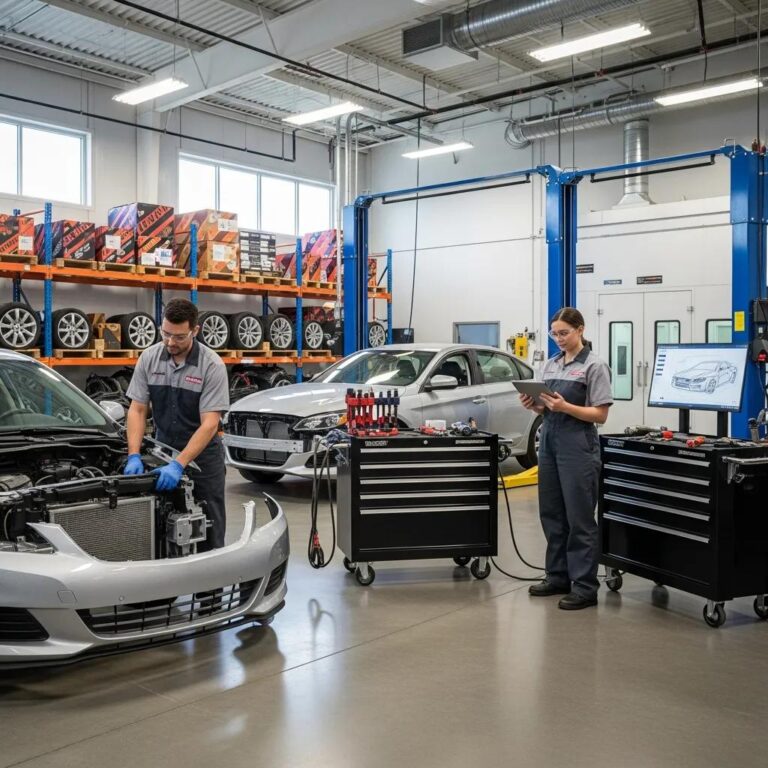
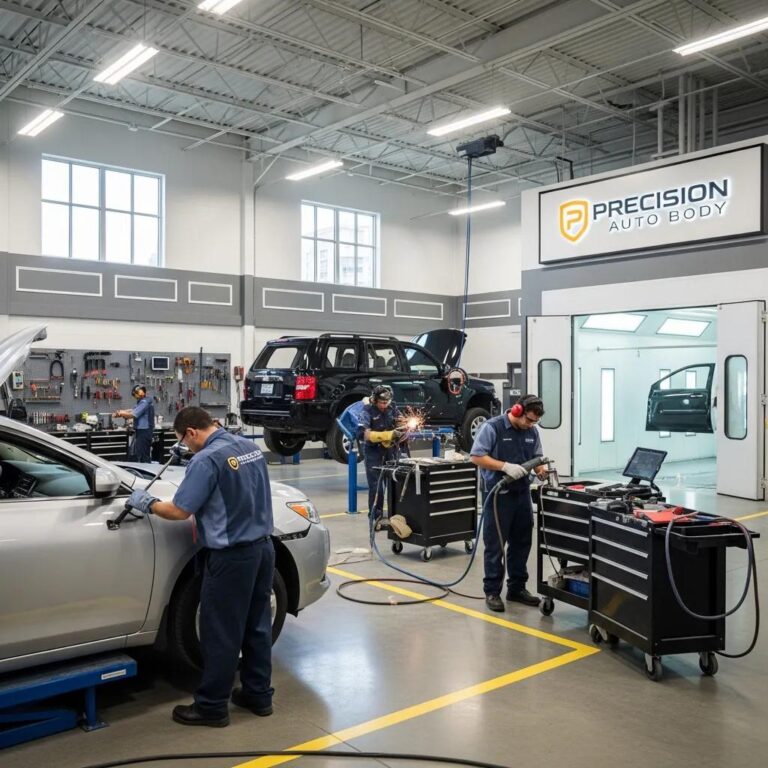
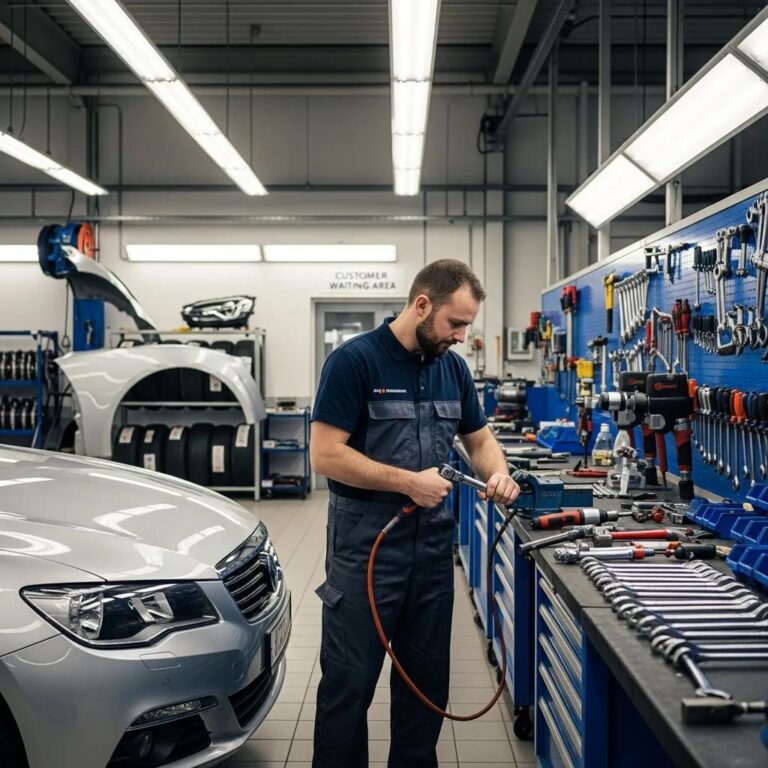
We start every rust job with a structured assessment to find visible and hidden corrosion, document what we see, and build a repair plan that prioritizes safety-critical areas. Prime Time Collision Center follows OEM repair intent using trained technicians, documented procedures, and modern corrosion protection systems to restore both form and function.
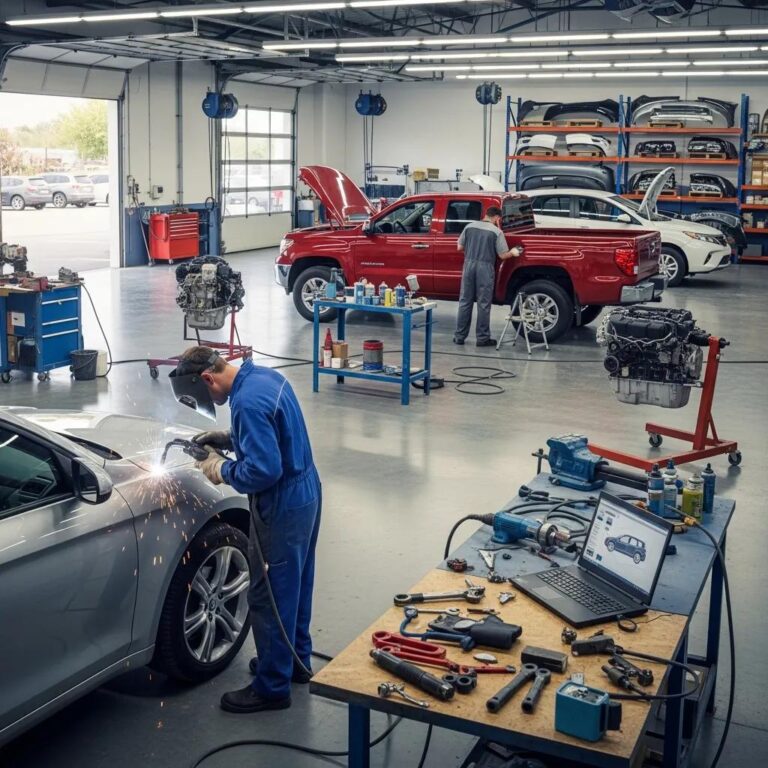
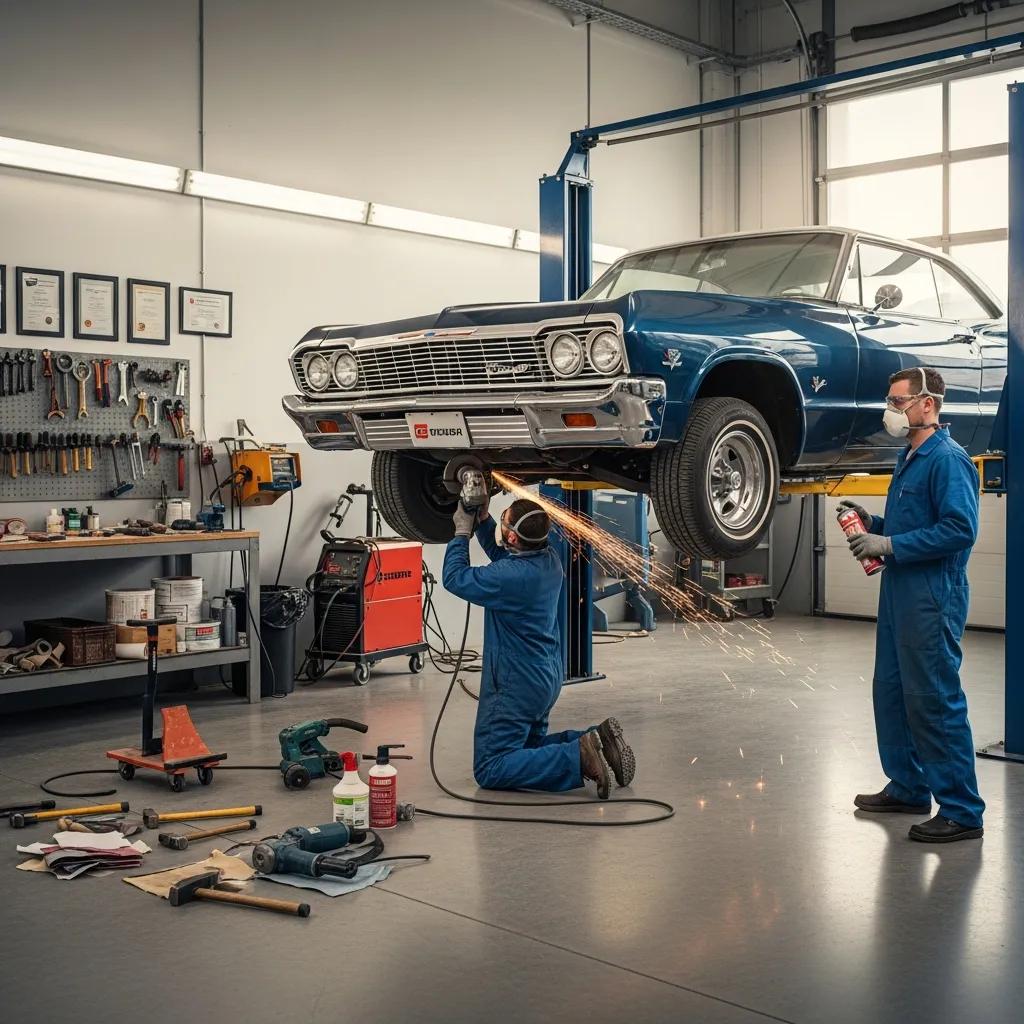
Typical repair work includes controlled rust removal, selective panel replacement or welded patch panels, corrosion-inhibiting primers and sealers, and refinishing to factory color and clearcoat.
Below is an overview of the approach we use at quality shops, focused on safety and long-term corrosion control.
- Comprehensive Inspection: Record corrosion, take photos, check structure and ADAS mounting points.
- Rust Removal & Metalwork: Remove rusted metal, cut out perforations, weld in new material or replace panels.
- Protection & Refinish: Apply rust-inhibiting primer, seam sealers, undercoating, then finish with paint and clearcoat.
This process keeps repairs traceable and supports insurance documentation. Below we expand each phase and show the practical outcomes in a compact table.
Quick table explaining repair phases and the benefits they deliver.
| Phase | Objective | Outcome |
|---|---|---|
| Inspection & Documentation | Find visible and hidden corrosion and document conditions with photos | Clear scope and a safety-first repair plan |
| Removal & Metal Repair | Remove compromised metal; weld or replace damaged panels | Restored structural integrity and secure attachment points |
| Corrosion Protection & Refinish | Apply primer, sealers, undercoating, and paint | Long-term corrosion resistance and factory-quality appearance |
This comparison shows how each phase protects safety, longevity, and looks. Knowing these steps helps owners choose the right action and supports clear claims handling at the shop.
What are the Steps in Prime Time’s Advanced Rust Removal and Restoration Process?
We begin with a methodical inspection that includes probing seams, checking frame rails, and documenting rust progression to set repair scope. Technicians remove rust mechanically or cut out metal when penetration affects structure, deciding between repair or replacement using OEM guidance. Repaired areas get corrosion-inhibiting primer, seam sealer at joints, and undercoating where needed before final paint and clearcoat restore the finish. Every step ends with quality checks for weld integrity, alignment, and finish consistency to reduce recurrence and ensure the vehicle meets safety expectations.
How Do I-CAR Platinum Certified Technicians Ensure OEM Certified Rust Repairs?
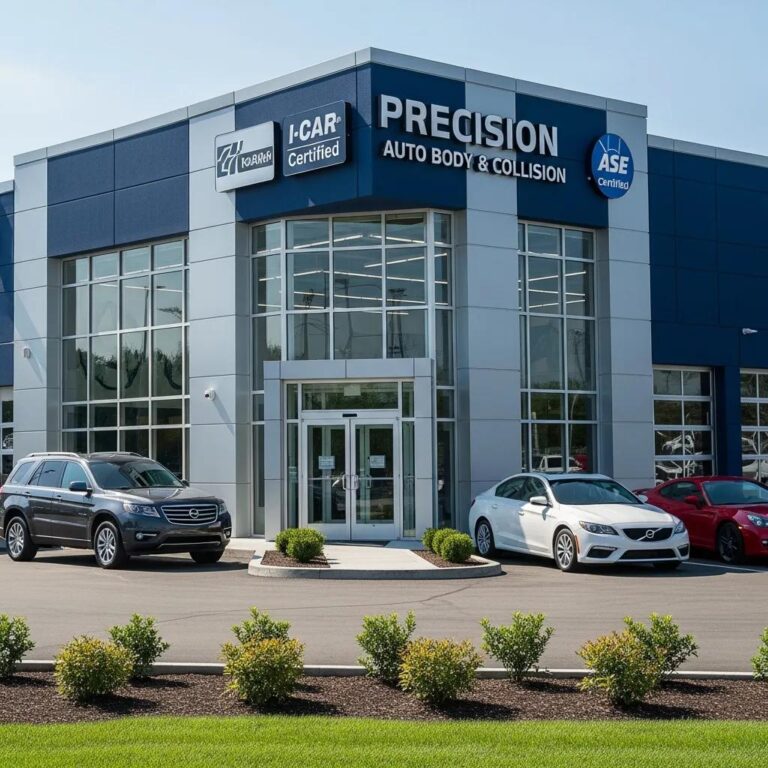
I-CAR Platinum means our technicians complete a rigorous, ongoing curriculum aligned with OEM repair methods. Certified techs use material-specific procedures, approved welding techniques, and calibrated fixtures to meet manufacturer tolerances — critical when restoring structural parts. That training supports correct ADAS recalibration and the documentation insurers and manufacturers expect. Choosing certified technicians lowers the risk of improper repairs and helps protect warranty and resale value by following manufacturer-recommended standards.
What Rust Prevention Services Protect Your Vehicle from Future Corrosion?
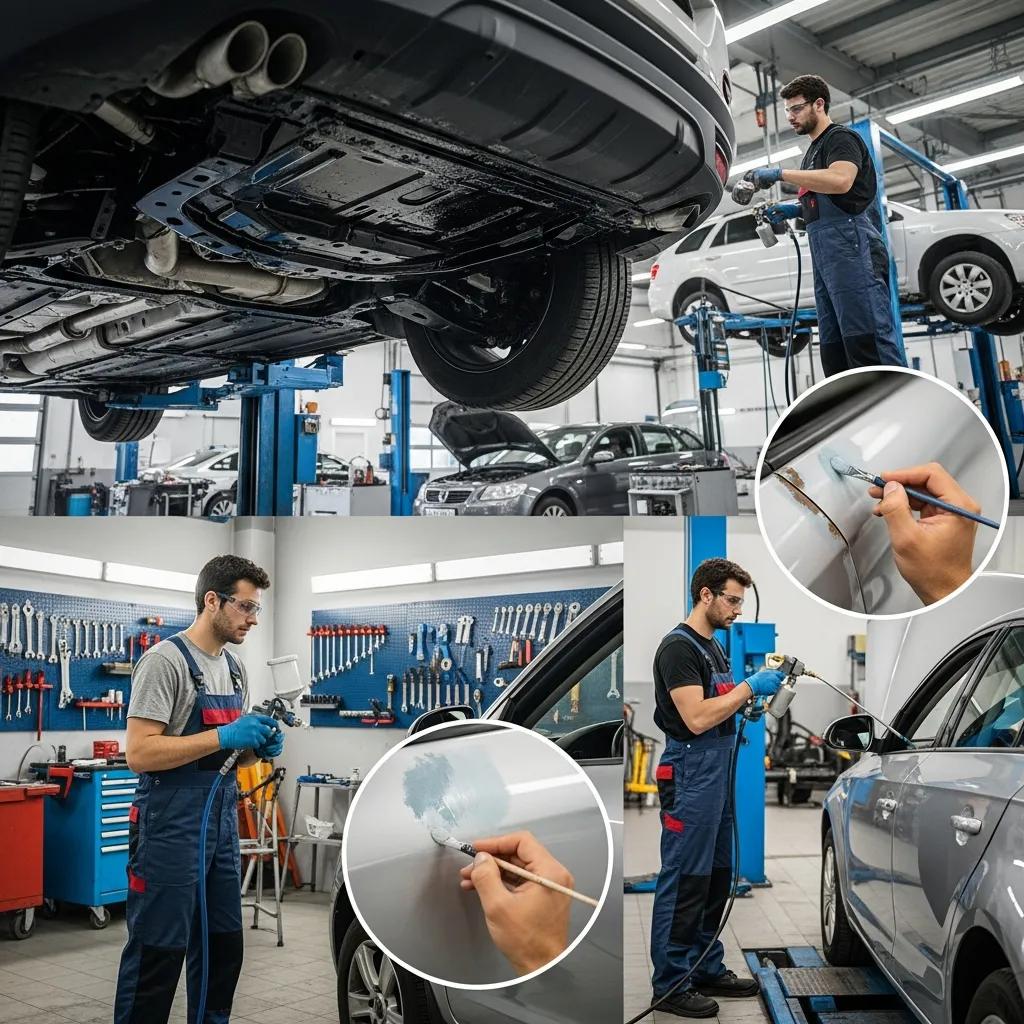
Good rust prevention pairs professional treatments with routine maintenance to block corrosion at vulnerable spots like seams, the undercarriage, and wheel wells. Options include undercoating, targeted cavity rust-proofing, and quick touch-ups for paint chips that expose bare metal. Regular maintenance — annual undercarriage washes, prompt paint repairs, and inspections after winter or coastal exposure — keeps protection working and extends the life of professional treatments.
Below is a simple comparison of common prevention choices to help you decide.
| Prevention Service | Typical Lifespan | Ideal Use Case |
|---|---|---|
| Professional Undercoating | 3–7 years depending on product | Vehicles driven where road salt or coastal air are common |
| Cavity Rust-Proofing | 3–5 years | Older cars with seam or internal body corrosion risk |
| Spot Paint Repair & Sealers | 1–3 years per touch-up | Fresh chips and scratches to prevent new rust |
Combining spot repairs with undercoating offers the best protection for cars in harsh conditions. The right mix depends on exposure, vehicle age, and how long you plan to keep the car — an inspection-based estimate helps decide what to do and when to reapply protection.
Routine care plus professional treatments create a layered defense that extends corrosion resistance and preserves value and safety over time.
Which Proactive Rust Prevention Solutions Does Prime Time Offer?
Prime Time Collision Center provides professional undercoating and targeted rust-proofing for seams, cavities, and the undercarriage to guard against moisture and salt. We recommend spot paint repairs and seam sealing as soon as chips appear to stop rust before it starts, and we’ll suggest the best combination of treatments for your driving conditions. For drivers in Glendale, Burbank, Pasadena, and greater Los Angeles, these services reduce future repair needs and help maintain resale value. A shop inspection gives a tailored estimate for how long protections should last and when to schedule follow-up maintenance.
How Does Vehicle Undercoating and Maintenance Extend Rust Protection?
Undercoating creates a durable barrier against road debris, salt, and moisture, while cavity treatments protect hard-to-reach seams and joints. Common materials include rubberized sprays for impact resistance and wax-based cavity coatings that seep into tight spaces; each option has trade-offs in longevity and reapplication needs.
Regular maintenance — annual undercarriage rinses, visual checks of coated areas, and repainting chips — keeps coatings effective. Professional reapplication when needed, combined with routine care, builds a layered defense that lowers lifetime rust risk and repair costs.
Why Choose Prime Time Collision Center for Your Car Rust Repair and Prevention Needs?
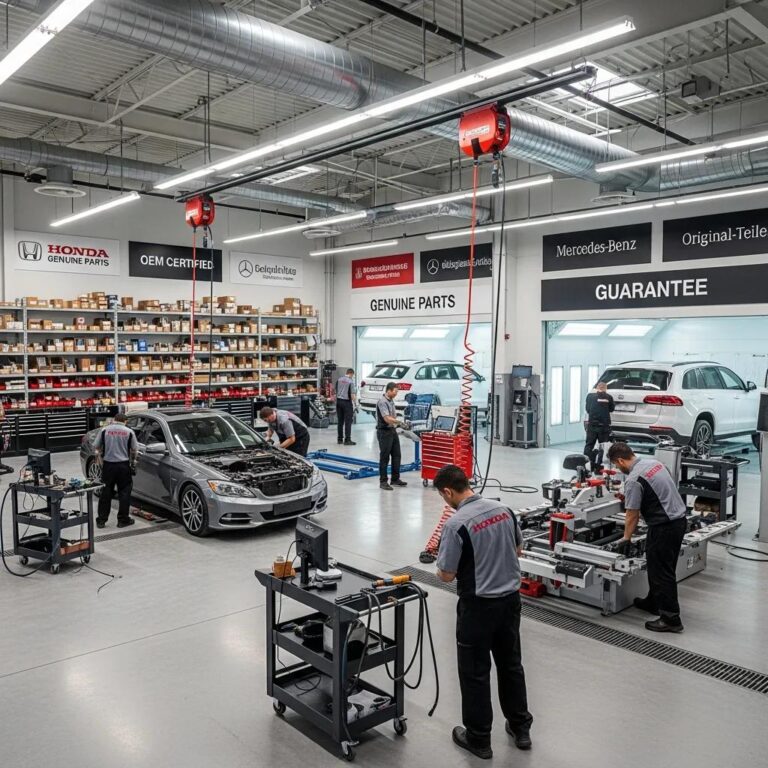
Pick a repair partner with proven skill, clear procedures, and customer-focused support to reduce uncertainty and protect vehicle safety. Prime Time Collision Center delivers OEM-quality repairs by I-CAR Platinum certified technicians, offers free 24/7 towing and estimates to simplify the immediate logistics, and backs repairs with a lifetime warranty so you can feel secure. Serving Glendale, Burbank, Pasadena, and the greater Los Angeles area, we combine technical know-how with service that makes the repair process easy.
- I-CAR Platinum certified technicians who follow manufacturer repair procedures.
- Free 24/7 towing and estimates to remove immediate hassles after an incident.
- Lifetime warranty on repairs for long-term confidence in our workmanship.
Those commitments matter because they align repair quality with safety and make claims handling simpler. The section below explains certifications and warranties in more detail.
How Do Certifications and Lifetime Warranty Build Trust and Quality Assurance?
I-CAR Platinum shows ongoing technician training tied to OEM procedures, which leads to better welding, correct materials, and documented safety checks. A lifetime warranty signals we stand behind our work and gives you recourse if issues tied to workmanship appear later. Together, certification and warranty mean technicians repair to manufacturer intent and stand behind the result — protecting safety and resale value. Knowing this helps owners choose a repair partner who treats corrosion work as structural safety, not just cosmetics.
What Hassle-Free Insurance Claim Support Does Prime Time Provide for Rust Repairs?
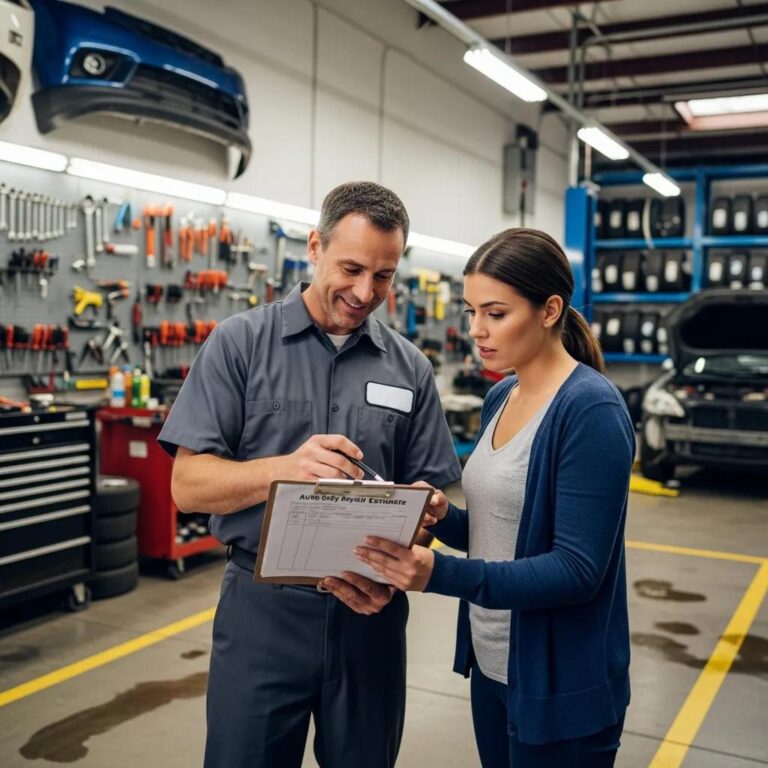
We help streamline claims with clear, documented estimates and photos that explain corrosion extent and necessary repairs to insurers. Prime Time coordinates adjuster communication, provides technical explanations of OEM procedures and metalwork, and offers free estimates and towing to speed inspections. That hands-on support reduces delays and stress for customers managing approvals so repairs move forward promptly.
What Are the Typical Costs and Insurance Considerations for Car Rust Repair Services?
Rust repair cost depends on severity, where the corrosion is located, whether panels must be replaced, and the labor required to meet OEM standards. Insurance may cover rust repair when corrosion is the direct result of a covered incident (for example, a collision), but not for long-term wear or neglect; documentation and cause-of-damage evidence affect coverage. Knowing these cost drivers helps owners decide when to repair and how to present claims to insurers.
| Severity Level | Typical Action | Rough Cost Range |
|---|---|---|
| Minor surface spot | Rust removal, primer, paint touch-up | $150–$600 |
| Moderate scale/perforation | Cut out rust, weld patch, primer & paint | $600–$2,000 |
| Structural/frame corrosion | Panel replacement or frame restoration, alignment, ADAS checks | $2,000–$6,000+ |
Surface repairs are usually affordable, while structural restoration can become a significant expense. Vehicle make, availability of OEM parts, and specialized procedures affect where a repair falls within these ranges.
How Do Severity and Vehicle Type Influence Rust Repair Pricing?
The level of damage drives the method: spot sanding and paint are inexpensive, but cut-and-weld repairs or panel replacement add labor and parts costs. Make and model matter because OEM parts, special welding techniques, or rare-material panels increase expense. Luxury or older vehicles often require manufacturer-specified processes and recalibration of safety systems, which pushes costs higher. Owners should weigh repair cost against vehicle value and safety — especially when rust affects suspension mounts, frame rails, or crumple zones.
How Can Prime Time Assist with Insurance Claims for Rust Damage?
Prime Time prepares comprehensive estimates, documents damage with photos, and explains OEM-required repair steps to insurers to justify necessary work. Our documentation helps differentiate collision-related corrosion from long-term wear, which affects coverage. Free estimates and towing speed inspections so evidence is collected quickly. That support helps claims move faster and ensures repair scopes reflect safety-focused, OEM-compliant work.
What Are the Most Common Questions About Car Rust Repair and Prevention?
Vehicle owners often ask whether repairs are worth the cost, whether rust can come back after repair, and which prevention methods are most reliable. The short answers below address cost ranges, recurrence risk, and practical prevention steps so you can decide what to do next.
- How much does car rust repair cost and is it worth it?
- Can rust spread after repair and what are the best prevention methods?
- When should I seek professional inspection versus DIY care?
These questions reflect trade-offs between safety, cost, and long-term value. The following sections give concise guidance to help you choose a path forward.
How Much Does Car Rust Repair Cost and Is It Worth It?
Minor spot repairs commonly run from about $150 up to a few hundred dollars and are usually worth doing to stop progression and protect paint. Larger repairs that require panel replacement or structural restoration can cost thousands but are necessary when safety-critical components or attachment points are affected. When rust touches suspension mounts, frame rails, or crumple zones, repair is functionally required. A free estimate and inspection will show whether spot work or full restoration makes the most sense for safety and budget.
Can Rust Spread After Repair and What Are the Best Prevention Methods?
Rust can return if not all affected metal is removed, if corrosion inhibitors are skipped, or if protective coatings fail. Proper removal and the correct sequence of protective layers are essential to prevent recurrence.
Top prevention steps are professional undercoating, cavity treatments, prompt touch-ups for paint chips, and routine undercarriage cleaning after salt exposure. Regular inspections and reapplying protection when its service life ends keep protection effective. Combining professional treatments with annual maintenance offers the lowest long-term risk of recurrence.
Frequently Asked Questions
What are the signs that my vehicle has rust damage?
Look for bubbling or peeling paint, visible rust patches, soft spots in the metal, or perforations in body panels or frame areas. Changes in handling or new noises while driving can also indicate structural issues from rust. Regular visual and tactile checks, especially in moisture-prone areas, help catch problems early.
How often should I have my vehicle inspected for rust?
Have your vehicle checked at least once a year, more often if you drive in coastal areas or where roads are salted in winter. Inspect after significant weather events or if you notice chips, damp spots, or surface rust. Early detection keeps repairs simpler and less costly.
Can I perform rust repairs myself, or should I hire a professional?
Small touch-ups or surface sanding may be manageable for DIYers, but more extensive rust — especially where structure is involved — needs professional attention. Shops have the tools, welding skills, OEM parts access, and testing equipment to restore structural integrity. If you’re unsure, get a certified technician to inspect the vehicle.
What is the difference between rust-proofing and undercoating?
Rust-proofing typically means treating seams and cavities to prevent moisture entry, while undercoating applies a thicker protective layer to the undercarriage to shield against debris, salt, and water. They work best together: cavity treatments protect internal seams, and undercoating defends exposed areas.
How long do rust prevention treatments last?
Service life varies by product and conditions. Undercoating often lasts 3–7 years, cavity rust-proofing about 3–5 years, and spot paint repairs may protect for 1–3 years. Environmental exposure and driving habits determine when reapplication is needed.
What should I do if I find rust on my vehicle?
Address rust promptly. Assess the severity: minor surface rust can be treated quickly, but deeper corrosion needs professional repair. Schedule an inspection with a certified auto body shop to evaluate the damage and get a repair plan and estimate. Early action saves money and keeps your vehicle safe.
Conclusion
Rust is more than cosmetic — it affects safety, longevity, and resale value. Timely, OEM-aligned repair and sensible prevention extend a vehicle’s life and protect occupants. Prime Time Collision Center offers expert rust repair and prevention tailored to your car and driving conditions, backed by certified technicians and a lifetime warranty. Contact us to schedule an inspection and keep your vehicle protected from corrosion.