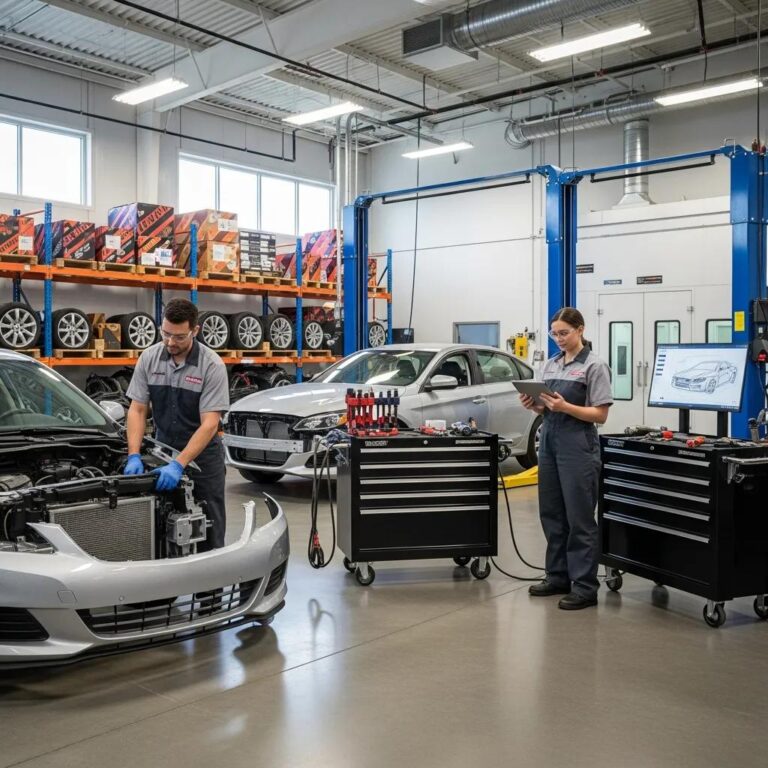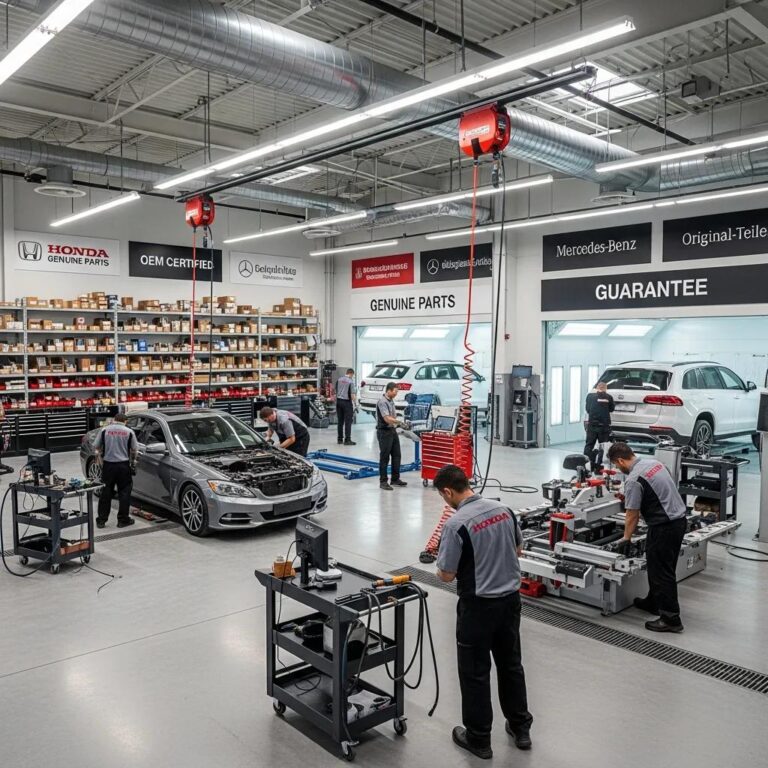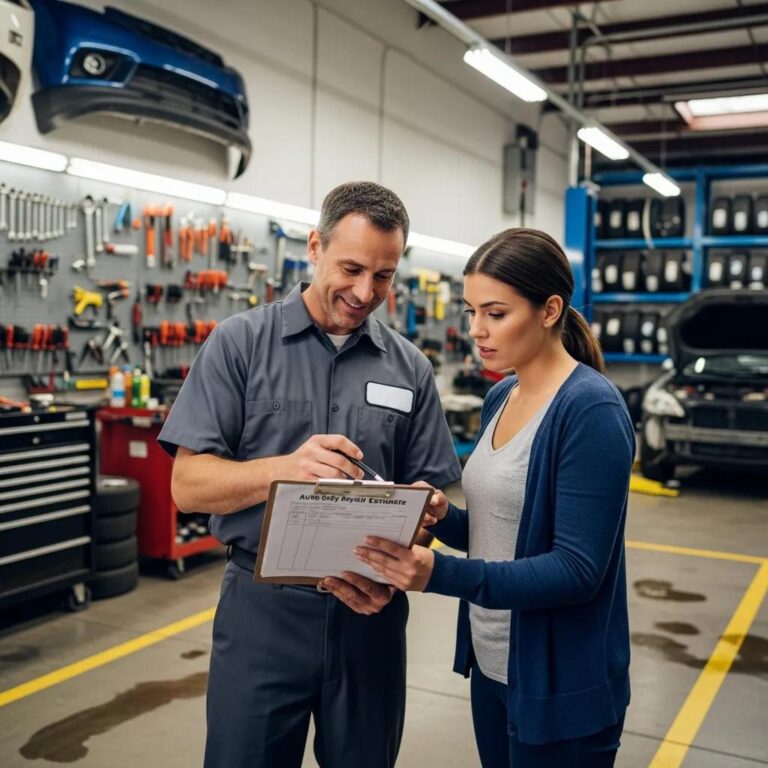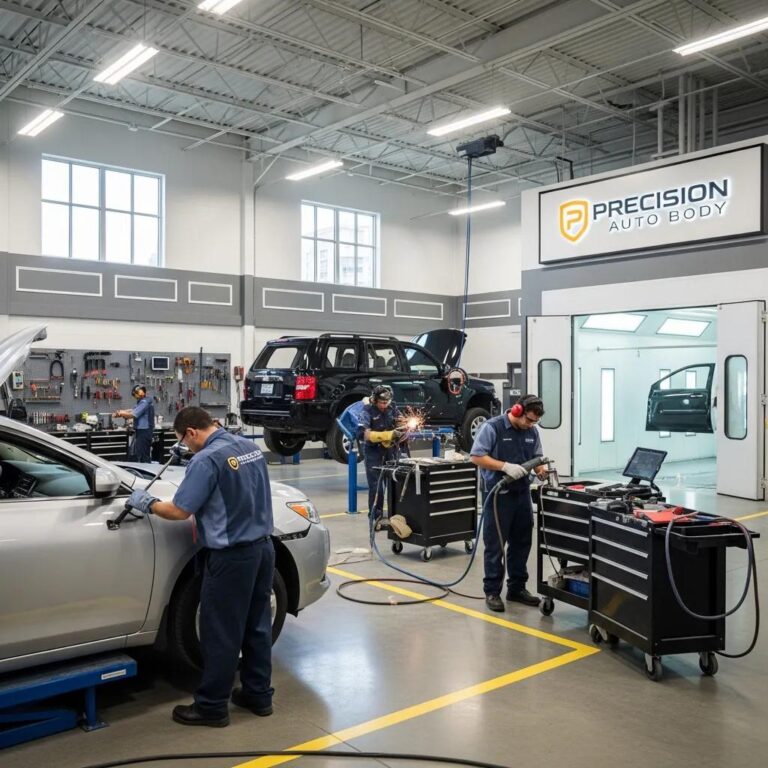
Glendale, CA — Car Accident Help & Resources: Your Complete Post‑Accident Guide
This guide walks Glendale drivers through the first hours and days after a car crash. You’ll find a clear, priority-based checklist for immediate safety, step-by-step instructions for getting a Glendale police accident report, plain-language guidance on handling insurance claims, and how to choose a trustworthy repair shop — including the benefits of OEM and I‑CAR certified collision repair. We cover emergency resources like 24/7 towing and short-term storage, explain when paintless dent repair is appropriate, and outline typical warranty and customer support after repairs. Expect concise how-tos, decision-ready checklists, and comparison tables that make it easy to find reports and understand which certifications protect safety and value. The focus is local to Glendale while keeping the advice neutral and practical — and showing how a local OEM-certified shop can support your claim and repairs.
What to Do Right After a Car Accident in Glendale
Right after a crash, your priorities are clear: keep people safe, document what happened, notify authorities, and alert your insurer so medical needs and later repairs are supported. Deliberate actions at the scene protect everyone and preserve evidence that insurers and repair shops use to determine fault and repair scope. Use the quick checklist below as an on-the-spot reference if you’re involved in a collision in Glendale.
- Call 911 if anyone is injured, there’s a fire risk, or the vehicle creates a hazard.
- Move to a safe spot if the cars are drivable and moving them won’t worsen injuries.
- Take photos of every vehicle, damage, road markings, and nearby traffic signals from several angles.
- Exchange names, phone numbers, insurance details, and license plate numbers with the other drivers.
- Get witness names and contact information and, when possible, a brief statement about what they saw.
- See a medical professional for any pain or symptoms — even mild ones can be important later.
- Tell your insurance company about the crash and keep your phone’s photos and videos safe for your claim.
These steps put life and health first, then protect evidence and create a clear record for police and insurers. After documenting the scene, the next practical task is obtaining the official accident report — a document that insurers and shops will often request.
How to Stay Safe and Call Emergency Services in Glendale
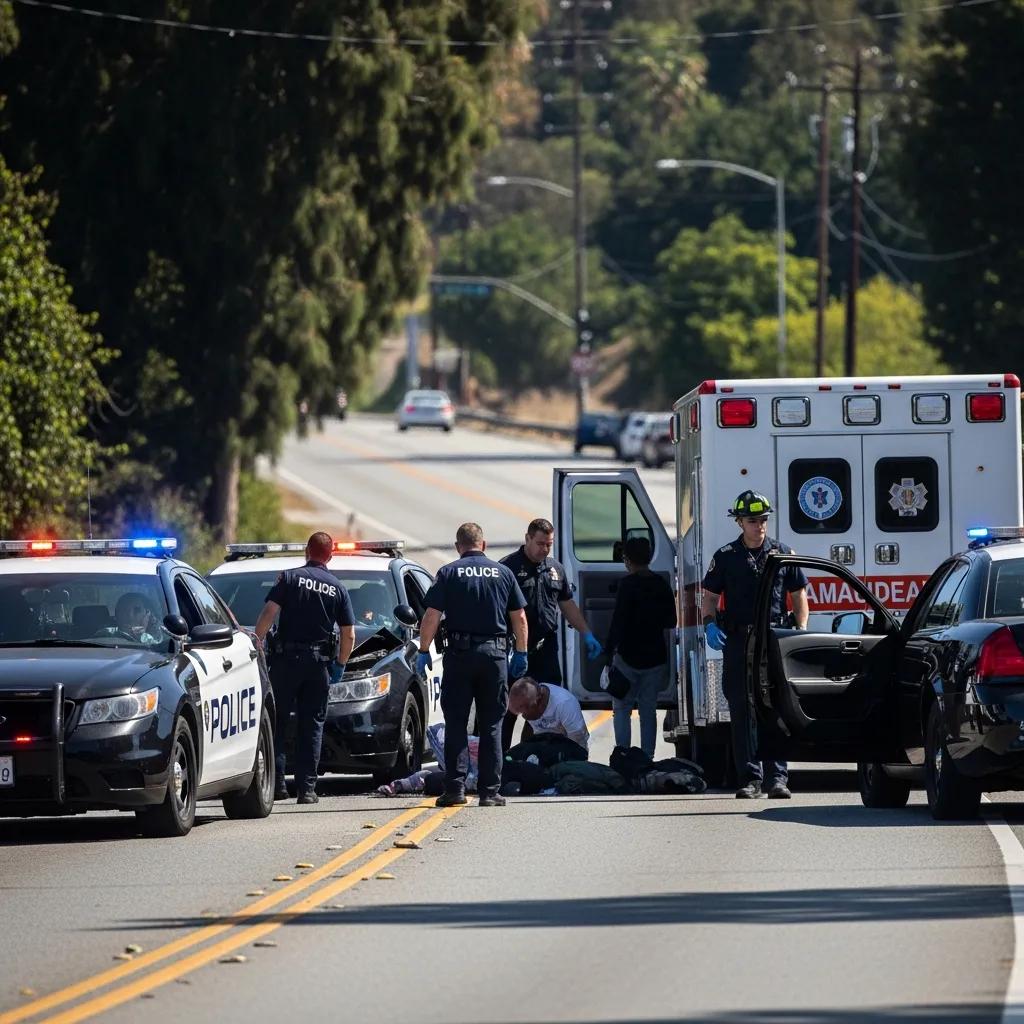
Start by checking for injuries and any hazards on the roadway, and call 911 whenever someone is hurt or a vehicle blocks traffic. If you’re trained, offer basic first aid while you wait; if not, don’t move anyone with suspected serious injuries — it can make things worse. Make the scene safer by switching on hazard lights, using cones or warning triangles if you have them, and keeping everyone well clear of moving traffic to reduce the chance of secondary collisions. When in doubt, call 911 — officers and paramedics will assess injuries and hazards and create the official record that helps later claims.
Once emergency needs are managed, document the scene carefully to support insurer reviews and repair planning.
What Evidence to Gather at the Accident Scene
Good evidence helps establish what happened and supports accurate repair estimates and insurance decisions. Use your phone to capture wide shots and close-ups of each vehicle from multiple angles — focus on damage, license plates, airbag deployment, and any skid marks or traffic signals nearby. Note weather, lighting, and road surface, and record vehicle positions relative to lane markings; short voice memos can preserve details while you stay safe. Collect witness names and numbers and, with their permission, a brief written or recorded account — independent statements often clarify fault when stories differ.
Gathering thorough evidence at the scene leads directly to obtaining the official Glendale police report, which consolidates officer observations and is commonly required for claims and repairs.
If you need immediate help moving or securing a disabled vehicle, Prime Time Collision Center provides 24/7 towing and can coordinate next steps for intake and repairs. Their recovery team can protect your vehicle, speed transfer to a repair facility, and explain how your photos and the police report will be used during the estimate and claims process.
How to Get a Car Accident Report in Glendale, CA
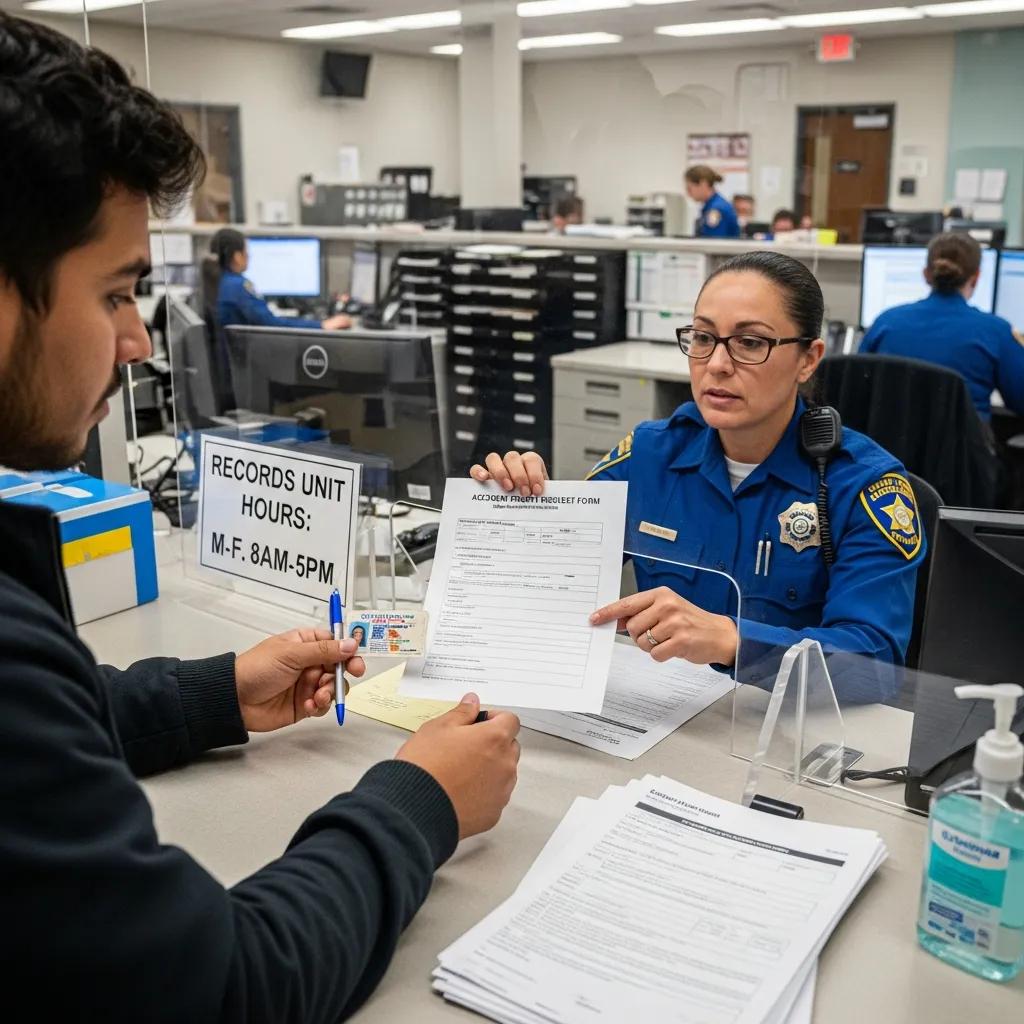
The official accident report records the officer’s observations, parties involved, any citations, and often a diagram. Glendale Police Department or an authorized records vendor typically issues it. You’ll usually request the report with basic details — date, location, and names or a report number — either at a records office or through an approved online vendor. Fees and wait times vary: some on-scene incidents are available the same day, while others take several days; third‑party services may offer faster delivery for an extra fee. Knowing where to request the report helps you supply insurers and repair shops with consistent, accurate documentation.
Intro: The table below compares local ways to get a Glendale accident report — method, likely cost, and typical wait time — so you can plan your next steps for claims and repairs.
| Source | How to Request | Typical Cost / Wait Time |
|---|---|---|
| Glendale Police Department Records Unit | In person or official records request with incident details | Low fee; 1–7 business days depending on processing |
| Authorized Online Records Vendor | Online request using incident date and parties | Moderate vendor fee; often 1–3 business days |
| Third-Party Report Aggregators | Search by name or plate and purchase a copy | Higher fee; can be same day or next day delivery |
Summary: Use Glendale PD for the official copy; online vendors are convenient for quicker access, and third‑party aggregators can speed retrieval for an added fee. Having the police report ready helps produce accurate repair estimates and smooth insurance communication.
Where and How to Request Your Glendale Police Accident Report
Gather the incident date and location and the names of involved parties or the report number before you request a Glendale police report — this helps records staff or vendors find the file quickly. If you visit the police records unit, bring photo ID and incident details; if you use an approved online vendor, save the confirmation you receive. Expect modest fees and variable processing times depending on department workload; complex incidents or multiple parties can add time. If you spot errors in the report, follow Glendale PD’s formal correction or supplemental report procedures rather than relying on informal summaries.
When you receive the report, provide it to insurers and repair shops — the officer’s narrative and observations often affect claim results and repair authorizations.
What Information Appears in a Glendale Accident Report?
A Glendale accident report usually includes date, time, exact location, identifying details for drivers and vehicles, a diagram or narrative of how the collision occurred, officer observations, injury notes, and any citations issued. Officers record vehicle descriptions, license plates, and statements from involved parties or witnesses — elements insurers and estimators use to determine fault and repair scope. The report may also note environmental conditions, visibility, and road markings that help explain the incident for legal and repair purposes. If you find significant inaccuracies, request a formal correction through Glendale PD to ensure your claim rests on accurate facts.
| Report Source | Required Identifiers | Typical Use |
|---|---|---|
| Police Narrative | Date, location, names | Establishes facts for claims and legal use |
| Officer Diagram | Vehicle positions, impact points | Guides structural repair assessment |
| Witness Statements | Names and contact info | Supports liability and credibility in claims |
This comparison shows that different parts of the report serve complementary roles: narratives provide context, diagrams inform repairs, and witness details help resolve liability.
Why Choose OEM‑Certified Collision Repair in Glendale?
OEM-certified collision repair means the shop follows the vehicle maker’s approved procedures, uses specified parts, and completes required calibrations so your car meets factory safety and performance standards. On modern vehicles with airbags, sensors, and ADAS features, OEM-aligned repairs ensure safety systems are recalibrated and structural integrity is restored to manufacturer tolerances — lowering the risk of post‑repair problems and preserving crashworthiness. Choosing an I‑CAR Platinum or OEM‑certified shop also helps maintain resale value and keeps repairs consistent with warranty expectations. If you care about both safety and value after a crash, knowing these certification differences will guide your shop choice.
Intro: The table below compares certification and practice types to show how they affect repair quality, safety, and outcomes for modern vehicles.
| Certification / Standard | What It Ensures | Value for Safety & Quality |
|---|---|---|
| I‑CAR Platinum Technician | Comprehensive training and ongoing education for techs | High confidence in correct repair techniques |
| OEM‑Certified Practices | Manufacturer procedures, specified parts, and required calibrations | Helps restore ADAS and factory performance |
| Conventional Shop Practices | General repair experience without specific OEM mandates | May work for minor jobs but can risk inconsistent OEM adherence |
Summary: I‑CAR and OEM‑verified approaches reduce variability and better protect modern vehicle safety systems than conventional practices — which matters especially for cars with advanced driver aids.
What OEM Certification Means for Your Vehicle’s Safety
OEM certification shows that repairs follow manufacturer-required steps, use recommended parts, and include necessary calibration of systems like airbags and ADAS sensors — all of which affect crashworthiness and occupant protection. Modern safety systems need precise alignment and calibration; if those steps are missed or approximated, the vehicle may not respond correctly in a future incident. OEM procedures also cover torque specs, material choices, and repair sequencing that preserve structural components and energy‑absorption characteristics. Following these steps reduces the chance of diagnostic errors, false warnings, or compromised protection after repair.
How Prime Time Collision Center Delivers Factory‑Quality Repairs
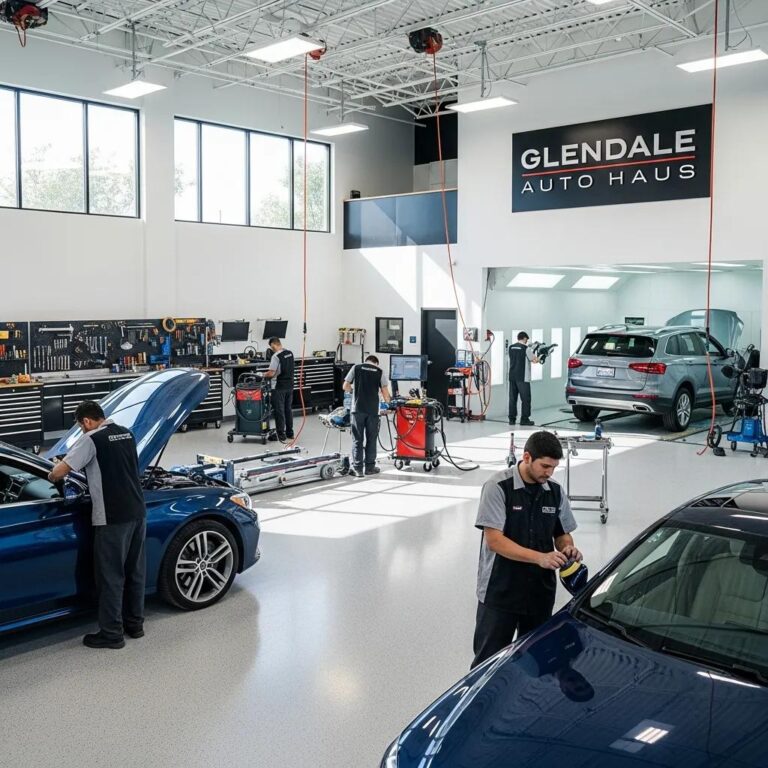
At Prime Time Collision Center we focus on OEM-quality results. Our technicians are I‑CAR trained and we follow manufacturer repair procedures, use specified parts, and run required calibrations with proper equipment. We’re I‑CAR Platinum and OEM-certified, and we handle a wide range of foreign and domestic makes that require factory-level processes. We work directly with insurers to communicate repair scope, use documented OEM workflows, and back our work with a lifetime warranty so drivers can feel confident in safety and value. Our team also helps guide you through intake and claim steps so repairs start as quickly as possible.
Because OEM alignment affects safety and resale value, the next important step after documenting the crash and choosing a shop is navigating the insurance claim efficiently.
| Certification | Ensures Which Action | Practical Outcome |
|---|---|---|
| I‑CAR Training | Technician competency and ongoing education | Lower risk of repair mistakes |
| OEM Procedures | Manufacturer‑specified parts and calibration | Restored ADAS and structural integrity |
| Shop Warranty | Coverage and follow-up service for repairs | Ongoing support after repair completion |
This chart highlights how certification, procedures, and warranty work together to protect vehicle safety and owner confidence.
How to Handle Your Insurance Claim After a Glendale Accident
Start by notifying your insurer right away, get a claim number, and provide the police report and your photos so an adjuster can be assigned and an estimate authorized. Typical claim stages are notification, adjuster review, estimate and authorization, repairs, and final inspection and payment; timelines vary by insurer and claim complexity. Complete documentation — photos, the police report, and repair shop estimates — helps prevent delays and supports supplements when hidden damage appears. Understanding how shops and insurers interact helps you push for a full, OEM‑aligned repair when needed.
Intro: The timeline table below shows common claim phases so you know who does what and when to expect progress while working with insurers and repair shops.
| Step in Claim | Who Does It | Expected Time / Result |
|---|---|---|
| Notify Insurer | Policyholder | Immediate; claim number issued |
| Adjuster Review | Insurance adjuster | 1–7 days; determines liability and scope |
| Estimate & Authorization | Repair shop + insurer | 1–5 days; repair approved or supplement needed |
| Repairs & Quality Check | Repair shop | Days to weeks depending on damage |
| Final Billing/Payment | Insurer/Shop | Completion triggers payment or customer billing |
Summary: Prompt notification and complete records speed claim resolution. Repair shops and insurers coordinate on estimates and supplements to make sure necessary work is authorized.
How Claims Work with Prime Time Collision Center
Prime Time Collision Center partners with customers and insurers to handle estimates, supplements, and repair authorizations while keeping OEM standards front and center. We document damage with detailed estimates, explain required OEM procedures to insurers, and assist with supplements if hidden damage is found during repairs. We coordinate directly with major insurance companies and help keep communication streamlined so repairs can begin quickly once authorization is in place. Our experience with insurer workflows reduces administrative delays and helps ensure OEM‑aligned steps are included in the authorized scope.
After authorization, expect regular updates during repairs and a final inspection before we release your vehicle to confirm the work meets our standards.
Do Auto Body Shops Work with All Insurance Companies in Glendale?
Yes. Many reputable body shops — including OEM‑certified providers — work with all major insurers and can coordinate billing and authorization on your behalf. The exact process depends on insurer policies and the repair authorization workflow. You always have the right to choose your repair shop; shops typically submit estimates and supplemental requests to insurers for approval, and some insurers may send an adjuster to inspect before final authorization. Keep written confirmation for approvals that change the scope or cost so supplements are handled transparently. Clear communication among you, the shop, and the insurer helps avoid disputes and keeps repairs on track.
Emergency Support Services for Glendale Drivers
After a crash, emergency services that can help include 24/7 towing, secure short-term storage, minor collision repairs, and paintless dent repair (PDR) for suitable low-impact damage. These services remove vehicles from danger, protect evidence for claims, and provide an intake path for shops to assess any needed OEM procedures. Short-term storage keeps your car secure while claims are processed, and PDR can restore appearance quickly when structure and paint are intact. Knowing which service fits your vehicle’s condition helps you prioritize safety, claims, and repairs.
- 24/7 towing for disabled or hazardous vehicles that need immediate removal from the roadway.
- Short-term secure storage to protect vehicles and evidence while claims are processed.
- Minor collision repair for surface damage that doesn’t affect structure or safety systems.
- Paintless dent repair (PDR) for small dents where the paint and metal are intact.
These services stabilize the situation so you can focus on claims and repair decisions. Next, learn how towing coordinates the recovery and intake process.
How 24/7 Towing Helps After a Car Accident
A trustworthy 24/7 tow service safely removes disabled vehicles, takes them to a secure lot or your chosen repair shop, and documents the vehicle’s condition and any hazards at pickup. When you call for a tow, provide the exact location, vehicle make/model, current condition (for example, leaking fluids or deployed airbags), and any hazards so the dispatcher sends the right equipment. Tow records and intake photos create a chain of custody useful for claims and repair authorization, and many shops coordinate directly with tow providers to accept vehicles for inspection. Knowing how towing fits into insurer and repair intake can cut red tape and speed repairs.
Once towed, the repair shop will inspect the vehicle, prepare an initial estimate, and work with your insurer to authorize any OEM procedures that are required.
Minor Collision Work and Paintless Dent Repair (PDR)
Paintless dent repair (PDR) removes small dents without repainting by massaging the metal back to its original shape, preserving the factory finish and often reducing time and cost for minor impacts. PDR is suitable when paint is intact and metal hasn’t been creased or stretched; for structural damage, airbag deployment, or sensor/calibration needs, full OEM repairs are necessary to restore safety systems. PDR typically has a faster turnaround and can sometimes be completed without full insurer involvement, but you should still document the repair for your records. Technicians evaluate each vehicle to decide whether PDR is appropriate or whether OEM procedures and parts are needed to fully restore safety and function.
Knowing PDR’s limits helps you pick the right repair path for safety‑critical issues and keeps your claims documentation accurate.
Prime Time Collision Center: Warranty and Customer Support
Prime Time Collision Center offers a lifetime warranty on repairs and clear customer support channels so vehicle owners understand coverage and post‑repair options. A lifetime warranty means the shop stands behind its workmanship and provides follow-up inspections and corrective repairs for qualifying issues related to the original job — customers present repair paperwork and the shop schedules an inspection when needed. Prime Time serves Glendale and nearby communities including Burbank, Pasadena, and Los Angeles; we work with all major insurers and follow I‑CAR and OEM‑certified processes to support warranty claims. For more perspective, read verified customer reviews on our website and Google Business Profile to see real outcomes and warranty experiences.
After you review warranty options, learn how to start a warranty claim and what documentation will speed inspection and resolution.
How the Lifetime Repair Warranty Works
Our lifetime warranty typically covers workmanship defects for the life of the vehicle while you own it, under normal use. To request warranty service, bring your repair order or warranty paperwork and describe the issue so we can arrange an inspection. The shop will determine whether the problem is covered by the warranty or is unrelated wear or new damage. Covered repairs are completed following the original OEM or I‑CAR procedures to maintain safety and quality. Warranty processes can vary by provider, so keep repair records and the initial estimate to make follow-up service faster.
Having your repair documents and the police report from the accident helps the shop diagnose issues and process warranty service promptly.
Where to Find Customer Testimonials and Success Stories in Glendale
Customer testimonials and success stories show how a shop follows OEM procedures, communicates during repairs, and responds to warranty issues. Look for reviews that mention certifications, complex repair outcomes, and claim coordination. Prime Time Collision Center posts testimonials on our site and keeps an updated Google Business Profile with verified customer feedback from Glendale and neighboring areas; these sources include examples of OEM‑aligned repairs on many foreign and domestic makes. When reading reviews, focus on repair quality, timeliness, and how the shop handled insurer coordination to judge whether the provider fits your needs. Verified reviews plus technical credentials like I‑CAR and OEM certification give a fuller picture when choosing a repair partner.
| Resource | What to Look For | Why It Matters |
|---|---|---|
| Website Testimonials | Detailed repair stories that mention certifications | Shows real examples of OEM-style repairs |
| Google Business Profile | Verified customer feedback and ratings | Offers community perspective on service and warranty |
| Repair Documentation | Estimates and warranty paperwork | Needed to start warranty or claim follow-up |
Summary: Use testimonials together with repair documentation to evaluate repair quality and warranty responsiveness, and keep records handy for any post‑repair needs.
Frequently Asked Questions
What should I do if I have injuries after a car accident in Glendale?
If you’re injured after a crash, seek medical care immediately — even seemingly minor injuries can become serious later. Get a medical record of any treatment you receive, because those documents are important for insurance claims and any legal steps. Also report your injuries to your insurance company as soon as you can so your claim includes documented medical care.
How do I pick the right collision repair shop in Glendale?
Look for shops that are OEM-certified and I‑CAR trained, since those credentials show they follow manufacturer standards. Read customer reviews to gauge reputation and communication, and ask whether the shop has experience with your make and model. Confirm they’ll work with your insurer and ask about warranties. Visiting the shop in person gives you a sense of professionalism and transparency.
What are the benefits of using OEM parts for repairs?
OEM (Original Equipment Manufacturer) parts are built to the vehicle maker’s specifications, which helps maintain safety, fit, and performance. Using OEM parts can protect resale value and reduce the chance of fit or function issues that sometimes occur with aftermarket parts. For vehicles with advanced safety features, OEM parts and procedures are especially important for correct calibration and operation.
How long does the insurance claim process usually take?
Claim timelines vary with accident complexity, responsiveness of those involved, and insurer policies. Typically, an adjuster reviews the claim within 1–7 days after notification. Estimates, authorizations, and repairs can take anywhere from a few days to several weeks, and hidden damage may extend the timeline. Keeping clear documentation helps speed things up.
What should I do if my vehicle is declared a total loss?
If your insurer totals your vehicle, they’ll usually offer a settlement based on the car’s pre-accident market value. Carefully review the offer and, if you think it’s low, gather evidence like recent repair receipts or comparable listings to negotiate. Once the settlement is finalized, you can decide whether to buy a replacement or look for other options.
Are there specific laws in Glendale about car accidents?
Yes. Glendale follows California law, which uses a fault system: the driver found at fault is responsible for damages. California also requires reporting certain accidents to police, especially those with injuries or substantial property damage. Knowing these rules helps you comply with local requirements and protect your rights after a crash.
Conclusion
Knowing the right steps and local resources after a car accident in Glendale helps you move from the scene to recovery with confidence. Prioritize safety, document everything, and choose an OEM‑aligned repair option when safety and value matter. Working with trusted local providers like Prime Time Collision Center can simplify repairs and claims while giving you reliable warranty support. If you need help or want to review your options, reach out to us — we’re here to guide you through each step.