Frequently Asked Questions — Quick Answers
What should I look for in a collision repair warranty?
Look for clear coverage, a solid time frame, and an easy claim process. A good warranty covers both parts and workmanship for at least one year and spells out what is and isn’t included. Check whether the warranty is transferable if you sell the vehicle, and make sure the shop explains how to start a claim. Knowing the warranty details protects your investment and gives you confidence after the repair.
How can I ensure my vehicle’s safety systems are properly calibrated after repairs?
Ask the shop how they handle ADAS calibration and what equipment and procedures they use. Confirm they follow manufacturer recommendations and request written proof that calibration and any post-repair tests were completed. A trustworthy shop will explain the steps they took and provide documentation showing your safety systems were checked and restored to proper function.
What are the benefits of choosing a local auto body shop over a national chain?
Local shops offer personalized service, community reputation, and familiarity with local insurance processes. They often build long-term relationships with customers and local insurers, which can smooth claims and communication. Supporting a local business also helps your community while you get attentive service tailored to your needs.
How do I handle disputes with my insurance company regarding repair estimates?
Gather all evidence: photos, your shop’s estimate, and any correspondence. Share this with your insurer and ask for a written explanation if you disagree with their decision. If the issue continues, consider a third-party appraisal or mediation. Having your repair shop speak directly with the insurer can also help resolve technical questions and justify necessary repairs.
What role do I-CAR Platinum certified technicians play in collision repair?
I-CAR Platinum certification shows technicians have advanced, ongoing training in industry and manufacturer procedures. Certified techs are more likely to follow correct repair sequences, handle modern vehicle systems properly, and reduce the chance of rework. Choosing a shop with I-CAR Platinum technicians increases the odds your vehicle will be repaired safely and to manufacturer standards.
What should I do if I notice issues after my vehicle has been repaired?
If you see a problem after pickup, contact the repair shop right away and describe the issue. Most reputable shops back their work with a warranty and will schedule an inspection. Take photos, keep repair paperwork, and save any related communications to speed up diagnosis and corrective work. Prompt reporting helps resolve issues before they cause bigger problems.
How can I prepare for my visit to a collision repair shop?
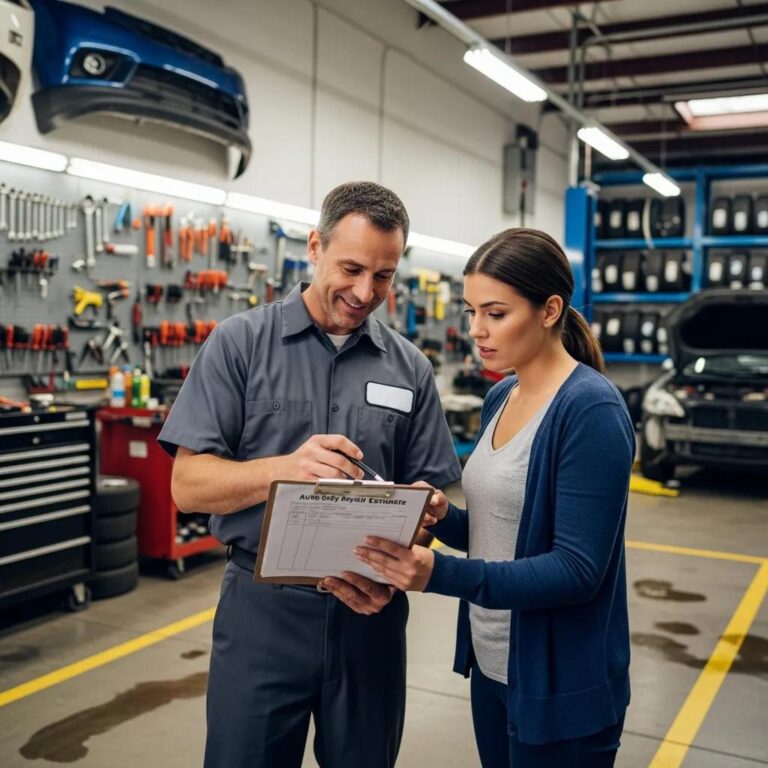
Bring your insurance details, the police report (if any), and photos from the scene. Make a list of questions about parts, repair timelines, and warranty coverage. Knowing specific concerns about your vehicle helps the estimator build an accurate scope and set expectations for the repair process.
What Should I Do Immediately After a Car Accident in Glendale?
Right after a collision, put safety first, then document the scene and handle next steps that protect your health and your claim. Stay calm, check for injuries, and call 911 if anyone is hurt or if there’s serious damage or hazards like leaking fluids. Once everyone is safe, take photos, collect witness information, and record vehicle positions — those details matter for insurance and repair accuracy. Below is a short, prioritized checklist you can use at the scene to preserve evidence and support your claim.
Step-by-step Safety and Information Exchange Guide
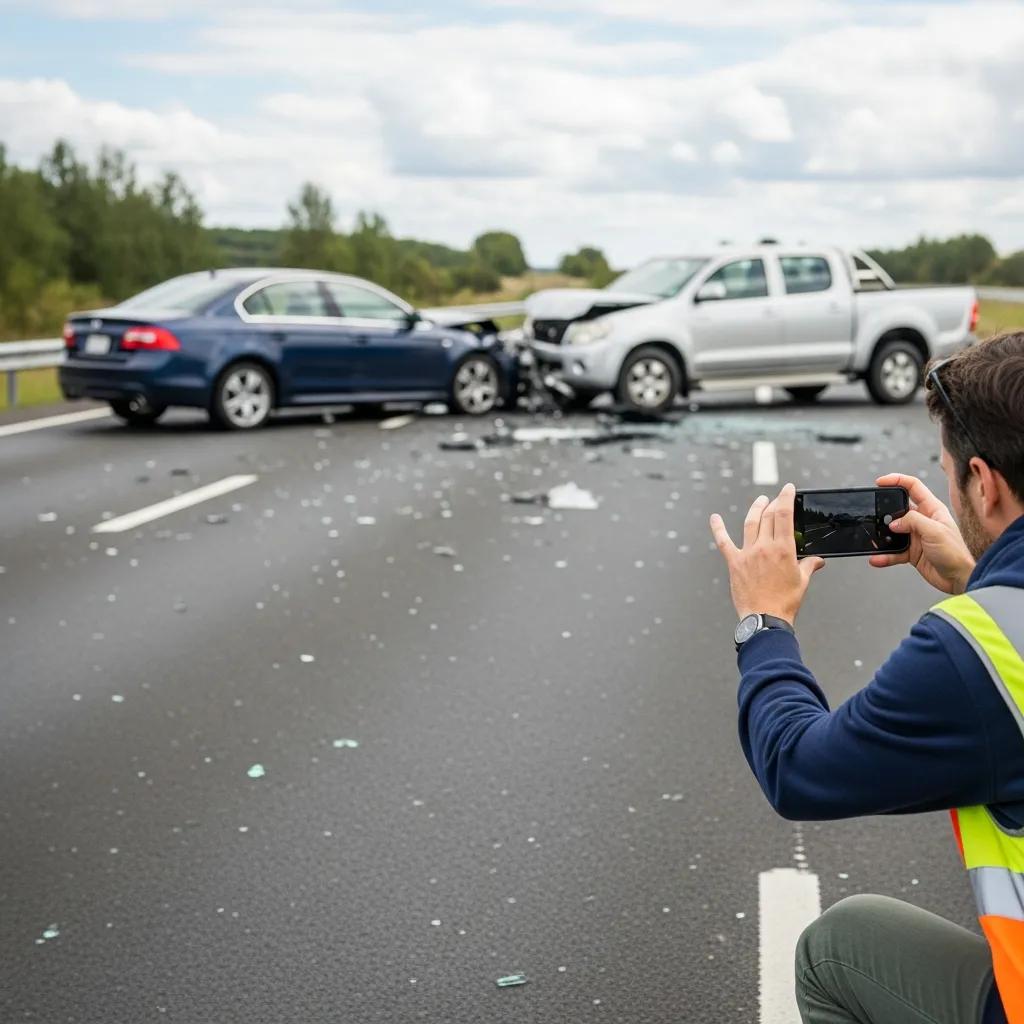
First, move everyone to a safe spot off the road if possible and avoid standing in traffic. Then document the scene in a consistent way: take wide shots that show vehicle positions, close-ups of all visible damage, and interior photos if airbags deployed or seatbelts show marks. Collect names, phone numbers, insurance companies and policy numbers, vehicle details, license plates, and the responding officer’s name and report number if one is filed. Leave vehicles as they are until towing is arranged when it’s safe to do so, and note road conditions, signage, or skid marks — these details help later when appraisers and repairers assess damage.
- Quick on-scene photo checklist:Wide-angle scene shots: Capture vehicle positions and surrounding context.
Close-up damage photos: Show bumpers, frames, lights, and any airbag deployment.
Interior and VIN photos: Photograph the VIN plate, airbags, and dashboard warning lights.
These images and contact details form an objective record insurers and repair shops use to estimate damage. Clear documentation reduces disputes over pre-existing issues and helps shops plan accurate, manufacturer-aligned repairs. Next, learn when to involve police and how to notify your insurer quickly.
How to Notify Authorities and Insurance Companies Promptly
Call 911 in Glendale for injuries, major damage, or if someone leaves the scene; ask for a police report even after a minor crash so there’s an official record. When you call your insurer, give a brief factual account, share the police report number if available, and reference the photos and contact details you collected. Request a claim number and a clear next-step timeline. If an adjuster or field estimate is offered, schedule it and tell them you’ll also get shop estimates — you have the right to choose your repair facility. Keep a log of every conversation, including dates and the names of representatives, to avoid confusion later.
How Does the Auto Insurance Claim Process Work for Collision Repair in Glendale?
A typical claim starts with your notice of loss and moves through damage appraisal, estimate negotiation, repair authorization, and final inspection. After you file, the insurer assigns a claim number and may inspect photos or the vehicle. You can get independent shop estimates to compare with the insurer’s figures. You have the right to pick your repair facility, and knowing how insurer estimates and shop supplements interact helps prevent delays and ensures necessary repairs are approved. The table below outlines common claim steps, who’s involved, and typical timing so you can track progress.
The claim workflow and responsible parties:
| Claim Step | Who Helps | Typical Timeline / Action |
|---|---|---|
| First Notice of Loss (FNOL) | Policyholder & Insurer | Immediate — obtain a claim number and next-step timeline from your insurer |
| Damage Appraisal & Estimate | Insurer adjuster and repair shop estimator | 1–7 days depending on inspection needs and photo detail |
| Repair Authorization | Insurer & chosen repair facility | 1–5 days after estimates or supplements are agreed upon |
| Repair Completion & Quality Check | Repair shop and customer | Varies by scope; final inspection before vehicle pickup |
This overview shows who acts at each stage and when to expect decisions. Below we explain how to assert your right to choose a repair shop without slowing the claim.
Understanding Your Rights to Choose a Repair Shop
You can choose your repair facility even if an insurer recommends a shop. Tell the claims rep you’ll use your preferred shop and have that shop work directly with the insurer on estimates and supplements. If there’s hidden damage, ask the shop to submit a written supplement and repair plan that follows manufacturer procedures. Keep thorough records — photos, estimates, and communications — to reduce the risk of under-repair and to ensure the chosen shop can meet OEM requirements for your vehicle.
How Prime Time Collision Center Works with All Insurance Providers
Prime Time Collision Center coordinates directly with insurers to explain repair scopes, submit supplements, and follow manufacturer-aligned procedures. We offer free estimates to kick off the process and help with towing and rental coordination when needed. Our estimators and technicians document the repair plan, explain part choices and calibrations, and keep you informed throughout the claim so approvals move more smoothly and your vehicle returns with OEM-quality workmanship.
What Makes OEM Certified Repairs Important for Your Vehicle?
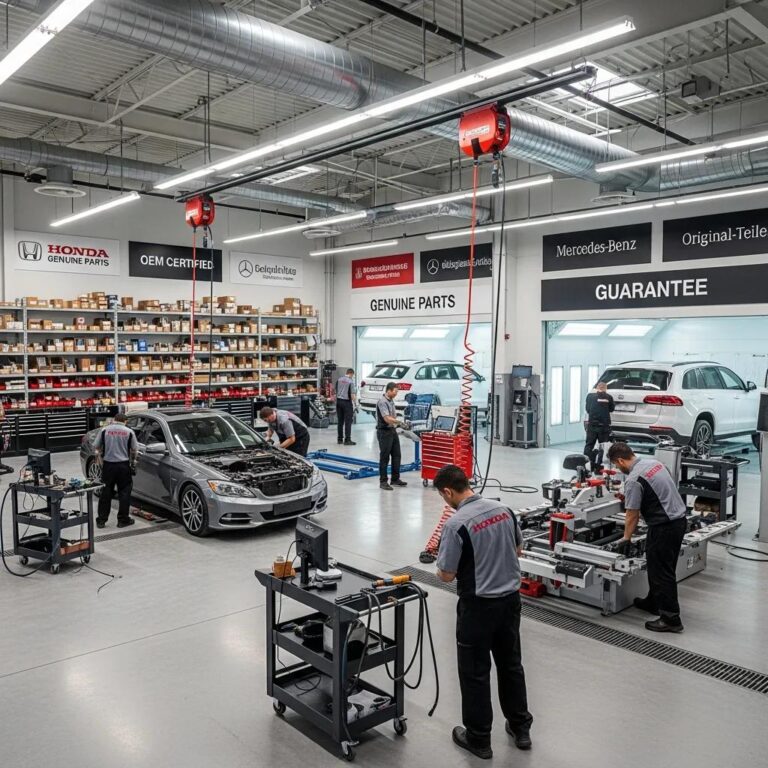
OEM-certified repairs follow manufacturer instructions and use recommended parts and processes to restore structure, safety systems, and appearance to factory standards. That ensures components fit correctly, airbags and restraints perform as designed, and sensors and electronics work reliably after repair. OEM alignment matters for safety, warranty considerations, and resale value. The comparison below helps you weigh manufacturer-aligned repairs against other approaches.
| Part Approach | Safety & Fit Standard | Warranty / Resale Impact |
|---|---|---|
| Manufacturer-aligned part | Meets original fit and safety specifications | Supports manufacturer expectations and traceability |
| Repaired component | Depends on structural integrity after repair | May need documentation; varies by insurer and maker |
| Non-aligned replacement | Fit or sensor compatibility can differ | Can affect warranty or resale if not documented |
This table helps you compare options when reviewing estimates and part choices during your claim. The next section lists the practical benefits of choosing genuine manufacturer-aligned parts.
Benefits of Using Genuine OEM Parts in Collision Repair
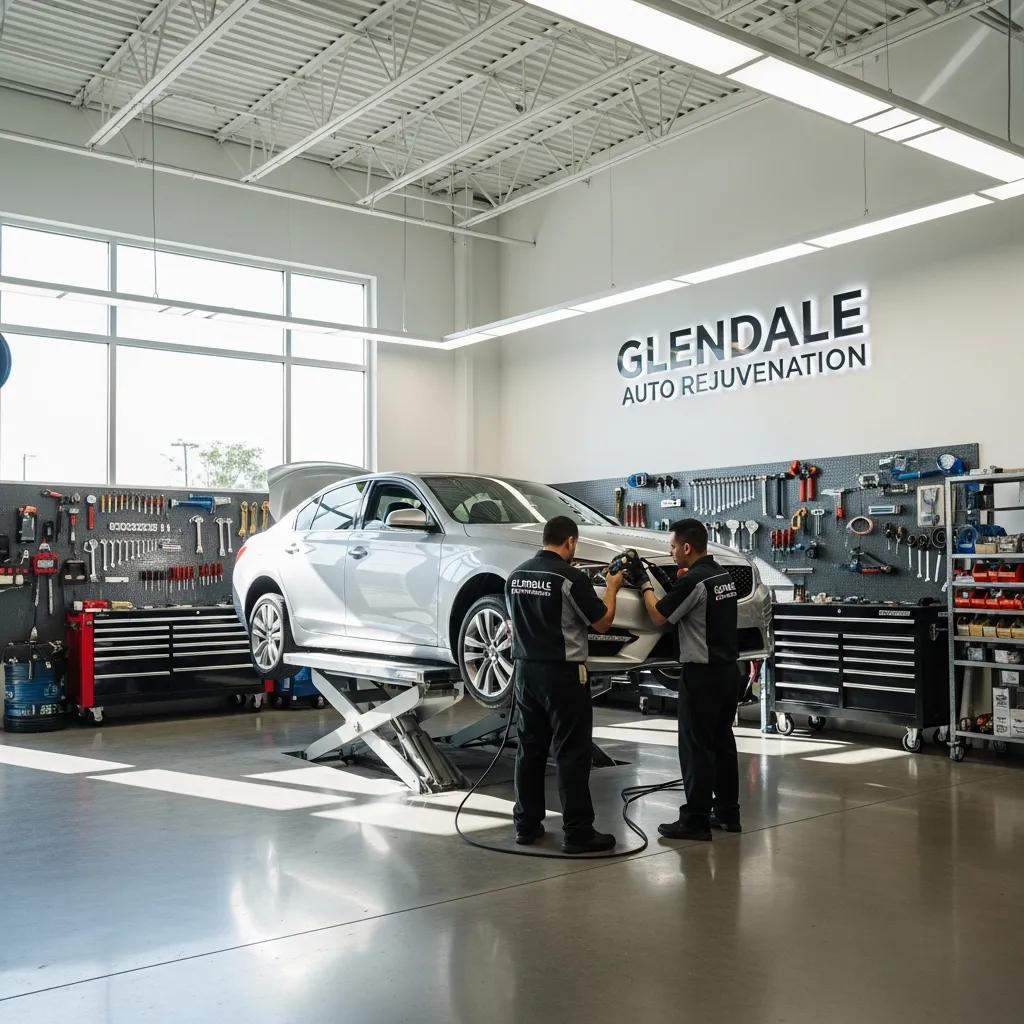
Genuine OEM parts fit precisely, preserve crash-energy management, and keep sensor and attachment points where the manufacturer intended. That reduces the need for rework, minimizes paint mismatches and corrosion risks, and helps systems like airbags and ADAS work as designed. Using OEM parts keeps repair traceability clear, which protects safety and ownership value over time.
How OEM Certification Ensures Vehicle Safety and Warranty Protection
OEM certification means repairs were performed using documented procedures, trained technicians, and manufacturer tests and calibration steps. That documentation supports warranty questions, future inspections, and diminished-value concerns by showing repairs followed established protocols. Certified repairs include checks and diagnostics to confirm safety-critical components meet manufacturer tolerances, reducing long-term risk and protecting vehicle value.
What Is the Prime Time Collision Repair Process and Quality Assurance?
Our repair process starts with a detailed estimate and appraisal, moves through disassembly and structural repair, and finishes with paint, ADAS calibration, and a documented final inspection. Each stage has quality checkpoints to ensure safety and fit before the vehicle returns to you. Where required, we coordinate approvals with insurers so the timeline stays clear and repairs are completed to proper standards. The table below outlines each stage, the QA actions we take, and expected results.
| Repair Stage | QA / Certification Action | Expected Result |
|---|---|---|
| Initial appraisal | Detailed photo and scan documentation | Accurate scope and estimate |
| Disassembly & structural repair | Measured frame alignment checks | Restored structural integrity |
| Parts sourcing & installation | Verify manufacturer part numbers | Correct fit and safety performance |
| Paint & finish | Color-match and curing protocols | Durable, factory-like finish |
| ADAS calibration & final inspection | Sensor calibration and road tests | Restored electronic safety functions |
Role of I-CAR Platinum Certified Technicians in Repair Excellence
I-CAR Platinum certification reflects advanced training and continuing education focused on proper repair techniques and modern vehicle systems. Our certified technicians follow structured procedures that reduce errors, support accurate estimates, and help ensure repairs meet safety tolerances. Trained staff also improve communication with insurers and customers by explaining why specific steps or parts are necessary to meet manufacturer standards.
Advanced Repair Techniques Including ADAS Calibration
ADAS systems use cameras, radar, lidar, and sensors that often require recalibration after repairs. Calibration includes diagnostic checks, static or dynamic procedures, and verification drives to confirm sensors and software operate within manufacturer tolerances. Skipping calibration can cause degraded performance or false warnings that affect safety. Expect written confirmation that calibration was completed and information about any post-repair tests performed.
What Warranty and Support Services Are Available After Collision Repair?
Warranty and post-repair support protect your investment and make follow-up fixes straightforward. A clear warranty explains what’s covered, how to request service, and which documents speed resolution. Prime Time also offers conveniences like free estimates, towing coordination, and rental assistance to reduce stress while repairs are underway. The section below explains how to make a warranty request and which records to keep.
Details of Prime Time Collision Center’s Repair Warranty
Prime Time Collision Center provides a written workmanship warranty so you can request follow-up service if an issue appears after repairs. To file a warranty request, keep your repair order, any pickup photos, and insurer paperwork, then call the shop to schedule an inspection. Our team will review the records and arrange corrective work as needed. Holding onto calibration and final-inspection documents speeds diagnosis and helps prioritize warranty tasks.
Additional Services: Free Estimates, 24/7 Towing, and Rental Assistance
We offer complimentary damage estimates to start your claim and repair plan. If your vehicle is unsafe to drive, we’ll coordinate towing and work with insurers to help arrange a rental when coverage allows. Bring any photos and the police report number to your estimate appointment so we can build a complete scope. These services cut administrative delays and let you focus on safety and recovery while we handle the repair details.
- Key post-accident support services:Free damage estimates: Begin claims and repair planning with no upfront cost.
Towing coordination: Arrange safe transport after disabling collisions.
Rental assistance: Work with your insurer to reduce downtime.
These services save time during a stressful claim and keep repairs moving from estimate to final inspection. Next, learn objective criteria to pick the right repair center in Glendale.
How to Choose the Right Auto Body Shop in Glendale for Your Collision Repair?
Choose a shop based on certifications, OEM alignment, warranty terms, insurer experience, and clear communication — not just appearances. Confirm technicians get ongoing training (for example, I-CAR Platinum), that the facility documents repair sequences and calibration, and that a clear workmanship warranty is offered. Ask specific questions about parts sourcing, ADAS calibration, and how supplements are handled to confirm the shop can meet manufacturer and insurer expectations. The checklist below offers practical vetting questions to use when comparing shops.
Key Factors to Consider When Selecting a Collision Repair Center
Use these objective factors when speaking to shops to assess their technical capabilities and transparency. Ask about technician certifications, how parts are sourced and repairs documented, what ADAS calibration procedures are used, and what the warranty covers. Also check whether the shop provides free estimates and coordinates towing or rentals — these services show practical support during a claim. Clear, confident answers reduce surprises and protect vehicle safety and value.
- Essential vetting questions to ask:What technician certifications do you maintain? This shows training and continuing education.
How do you source replacement parts and document repairs? This addresses OEM alignment and traceability.
How are ADAS systems calibrated and verified after repair? This confirms electronic-safety restoration.
Using a consistent vetting approach helps you compare providers on technical merits and choose a shop that meets safety and insurer requirements. The section below explains why Prime Time Collision Center meets these criteria.
Why Prime Time Collision Center Is the Trusted Choice in Glendale
Prime Time Collision Center is a local Glendale shop focused on factory-quality repairs, clear communication, and insurer coordination to keep claims moving. Our team includes I-CAR Platinum certified technicians who follow manufacturer-aligned procedures, and we provide free estimates, towing coordination, and rental assistance to support customers through the repair timeline. If you need local service, we’re at 6010 San Fernando Rd, Glendale, CA 91202 — call (818) 396-4997 to arrange an estimate or towing.
- Quick reasons to consider this shop:Factory-quality repair focus: We follow manufacturer procedures and source proper parts.
Certified technicians: I-CAR Platinum training ensures proper techniques.
Practical customer support: Free estimates, towing coordination, and rental help speed the process.
These capabilities match the factors you should evaluate and help ensure repair work preserves safety, warranty considerations, and vehicle value.
Conclusion
Choosing the right auto body shop in Glendale means your vehicle will be repaired safely and to manufacturer standards. Prioritize certified technicians, transparent processes, and clear warranties to protect your investment and resale value. If you’d like a free estimate or need help after an accident, contact Prime Time Collision Center — we’re here to guide you through every step.