Expert Auto Paint Color Matching in Los Angeles, CA: Precision Repairs That Preserve Your Vehicle
Auto paint color matching reproduces a vehicle’s original color and finish so repaired areas look indistinguishable from factory coatings. A precise color match restores the factory appearance and helps protect your vehicle’s value and curb appeal — important whether you’re selling, trading, or returning a lease. Owners needing collision repairs in Los Angeles get the best results when refinish work uses measured color data, controlled application environments, and verified blending so metallics and pearlescents behave consistently across panels. This page explains why precision color matching matters after a collision, walks through the technical workflow used to scan and recreate complex finishes, and highlights how OEM procedures and trained technicians deliver safe, durable results. You’ll also find a clear step-by-step color-matching process, equipment summaries, blending tips with visual-guide suggestions, and practical advice for working with insurers. Targeted phrases such as auto paint color match Los Angeles, computerized auto paint color matching Los Angeles, and paint blending techniques LA are included to help owners compare options and choose repairs that preserve finish integrity and vehicle value.
Why Is Precision Auto Paint Color Matching Crucial After a Collision?
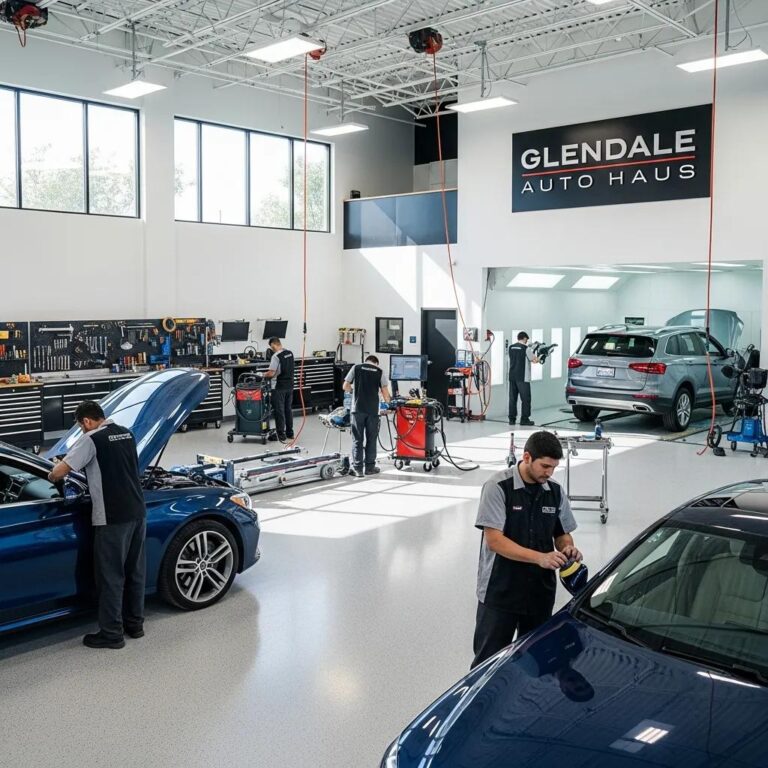
Precision color matching makes repaired panels reflect light, depth, and texture the same way as undamaged areas — producing a seamless finish and protecting resale value. Accurate matches minimize visible repairs by aligning pigment, metallic flake orientation, and clear coat thickness, all of which affect perceived color under different lighting. That means fewer surprises at lease return or when you sell, and less chance of costly rework due to tone or gloss differences. At Prime Time Collision Center we focus on restoring factory finishes for Glendale and nearby Los Angeles communities, using OEM-quality methods and certified technicians to preserve appearance and value after collisions. Below are three direct benefits owners see when color matching is done to professional standards.
- Preserves resale and trade-in value by preventing noticeable panel mismatches that lower appraisals.
- Maintains original factory appearance, keeping visual continuity across panel lines and trim.
- Reduces rework and uneven fading by using manufacturer-recommended materials and processes.
Those benefits flow directly from the technical steps required for accurate results, which we describe next: scanning, formula generation, and blending.
How Does Accurate Paint Matching Preserve Vehicle Value and Appearance?
Accurate paint matching preserves value by delivering the visual continuity appraisers and lease inspectors expect; a seamless finish signals a proper repair and lowers perceived damage. Technically, matching pigment concentration, metallic flake size/orientation, and clear coat depth limits optical differences that appear at oblique viewing angles and could otherwise lower valuations or trigger lease penalties. For example, a small hue shift across a door edge on a metallic luxury sedan can hurt buyer confidence and reduce offers. Preserving finish continuity also cuts the need for full-panel replacements or later repaints, protecting the vehicle’s original factory layers and any related warranty coverage. In short, precision matching is both an aesthetic and financial safeguard for owners.
What Are the Risks of Poor Color Matching in Auto Repairs?
Poor color matching produces visible mismatches, accelerates the perception of damage, and can create rework costs for owners who must correct finishes to meet resale or inspection standards. Mismatched panels may show banding, overspray, or irregular gloss, and pigments that aren’t blended properly can fade or oxidize unevenly, leading to a patchy look over time. In practice, customers sometimes face requests for repaints or lower trade-in offers when repairs don’t meet appraiser or lessor expectations. Those risks underscore the need for measured color identification and controlled application procedures that avoid short-term fixes and ensure lasting results.
How Does Prime Time Collision Center Achieve Expert Auto Paint Color Matching?
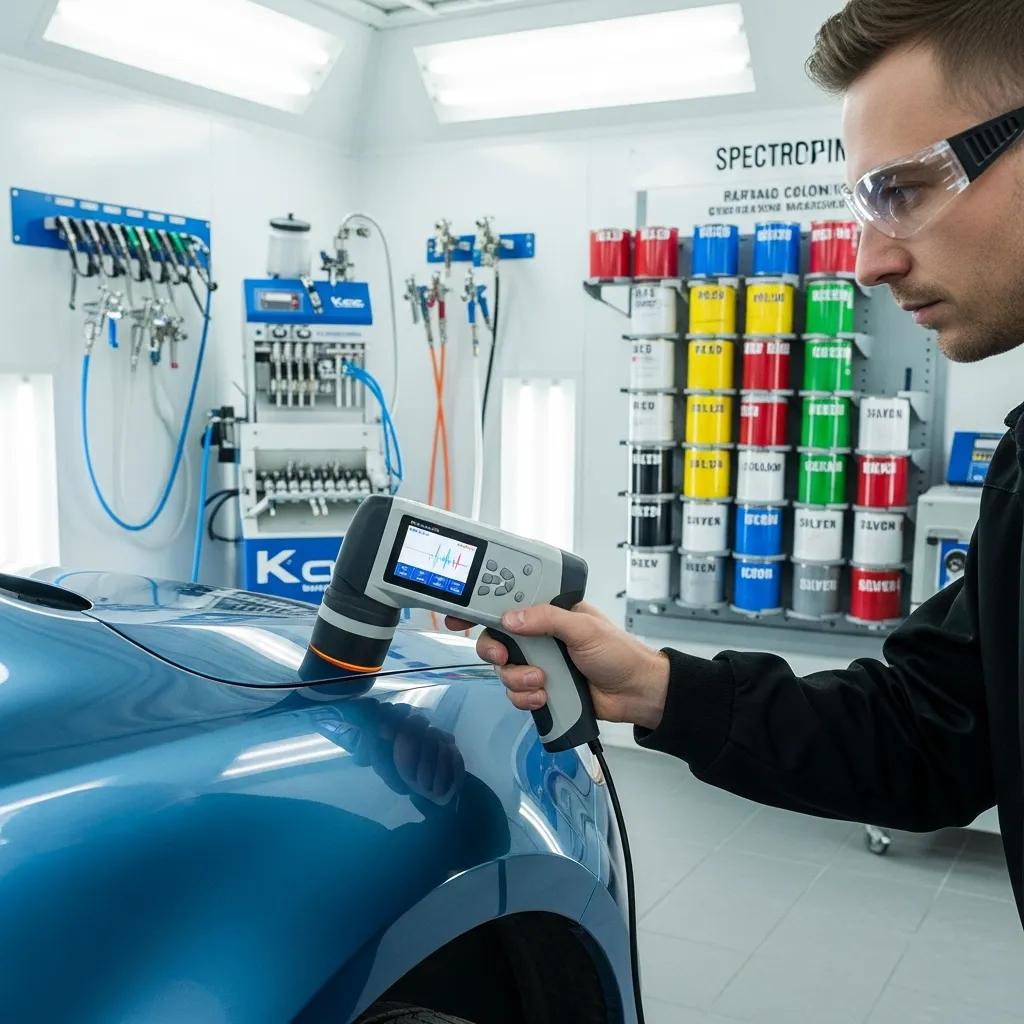
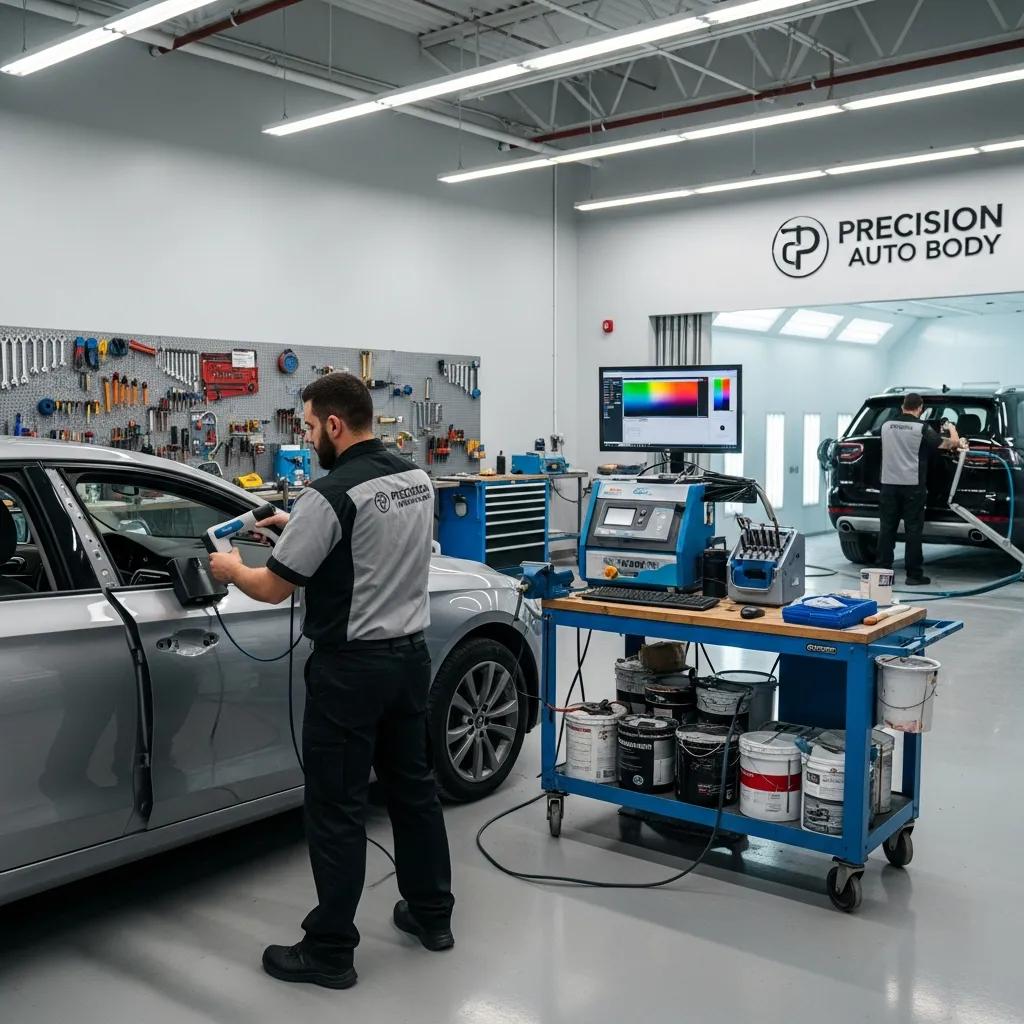
Expert color matching combines diagnostic scanning, manufacturer data, precision mixing, controlled application, and final verification to reproduce the original finish. Our workflow starts with documentation and a color-code lookup, moves through instrument-based scanning and computerized formula generation, and finishes with test-sprays, blending in a controlled booth, and both instrument and visual verification. Prime Time Collision Center follows a process-driven approach to restore factory finishes, with certified technicians and controlled facilities focused on OEM-quality repairs — contact us for an estimate or to discuss your vehicle’s color-code specifics. The numbered steps below summarize the sequence our technicians use to ensure accuracy and repeatability.
- Inspect and document the damaged area and identify the manufacturer’s color code to set the baseline.
- Scan the panel with a spectrophotometer (or similar device) to capture pigment values and metallic orientation.
- Generate a computerized paint formula using a central database and select appropriate basecoat and additives.
- Mix the matched formula precisely with a paint mixing system and test-spray to validate color and transparency.
- Apply basecoat and perform edge blending in a blending booth, then apply clear coat and cure under controlled conditions.
- Verify color with instrument readings and visual checks under multiple lighting conditions, then finish and polish.
This step-by-step approach supports consistent outcomes for complex finishes and underpins the equipment and verification processes described next.
Introductory table: key equipment and their primary functions used in the color-matching workflow.
| Tool or Facility | Primary Function | Typical Result |
|---|---|---|
| Spectrophotometer | Measure color values and metallic/pearlescent orientation | Precise numeric color data to generate formulas |
| Computerized Formula System | Translate scan data into a paint recipe | Accurate basecoat and additive mixing instructions |
| Paint Mixing Unit | Dispense and blend pigments to match the formula | Repeatable, consistent batch mixes |
| Blending Booth / Paint Booth | Controlled environment for test-sprays and blending | Reduced environmental variables for the final finish |
What Technology Is Used in Our Computerized Color Matching Process?
Computerized matching relies on spectrophotometer scans, formula databases, and paint-management software that translate measured color values into exact mixing recipes. The spectrophotometer quantifies color coordinates and metallic orientation to limit subjective calls, while the software converts coordinates into manufacturer or aftermarket formulas technicians can reproduce. Environmental controls in mixing and blending booths — temperature, humidity, and particulate filtration — minimize variables that affect pigment settling and gloss. Together, these tools create a repeatable chain: scan → formula → mix → test-spray → apply, improving first-pass accuracy and cutting the need for corrective repaints.
What Are the Step-by-Step Procedures for Matching and Blending Paint?
Transparent, repeatable procedures increase accountability and help owners know what to expect. Technicians follow a checklist: initial inspection, color-code confirmation, instrument scanning, computerized formula selection, controlled mixing, test-spraying, edge blending, clear coat application, curing, and final QA. Visual and instrument verification occur at multiple checkpoints so the repaired panel meets both numeric and perceptual standards before delivery. This staged approach prevents shortcuts and supports durable finishes that stand up to the elements.
What Are the Benefits of OEM Certified Paint Repairs in Los Angeles?
OEM-certified paint repairs follow manufacturer-approved materials, layering sequences, and repair steps so refinish work integrates correctly with vehicle systems and safety features. Using manufacturer-aligned processes reduces the risk of interfering with sensors, adhesives, or bonded joints that can be sensitive to different thermal or chemical properties. For owners, OEM-certified repairs protect warranty compliance, support resale value, and provide clear documentation showing the vehicle was restored to factory specifications rather than patched with ad-hoc methods. Below are the primary benefits owners gain when choosing OEM-aligned paint repairs.
- Ensures manufacturer-approved materials and layering for safe, compatible repairs.
- Protects structural and electronic system integrity by following specified repair sequences.
- Supports warranty and resale value with documented, factory-aligned repair records.
- Reduces the chance of uneven aging, premature fading, or sensor interference.
These advantages show why OEM-focused processes are preferred for complex or high-value vehicles and why technician qualifications matter for reliable matches.
Introductory table: how certification and related attributes contribute to repair quality.
| Certification or Practice | Attribute | Benefit |
|---|---|---|
| OEM Repair Procedures | Manufacturer-approved materials and steps | Ensures compatibility with vehicle design |
| I-CAR Platinum | Technician competency and ongoing training | Higher consistency and quality of repairs |
| Lifetime Warranty | Coverage on repair workmanship | Long-term confidence and resale protection |
How Do OEM Certifications Ensure Repair Quality and Safety?
OEM certifications require using listed materials and following repair sequences designed to preserve engineering tolerances and safety performance. For paint work this can mean specific primer types, exact clear coat layering and cure cycles, and avoiding incompatible solvents or adhesives that might affect sensors or bonded joints. Following these specifications reduces the risk of post-repair issues and aligns documentation with factory standards — especially important on vehicles with advanced driver-assistance systems. OEM compliance therefore protects both appearance and functional integrity.
Why Choose I-CAR Platinum Certified Technicians for Your Paint Repair?
I-CAR Platinum certification means technicians have completed industry-recognized training across multiple repair disciplines and that the facility invests in ongoing education to keep up with evolving vehicle technology. Certified techs apply refined techniques for color matching, blending, and finish verification, reducing variability and improving first-time-right outcomes. Choosing a shop with I-CAR Platinum staff gives owners confidence that repairs follow current best practices and that technicians can interpret manufacturer repair bulletins correctly.
How Do Seamless Paint Blending Techniques Create Flawless Finishes?
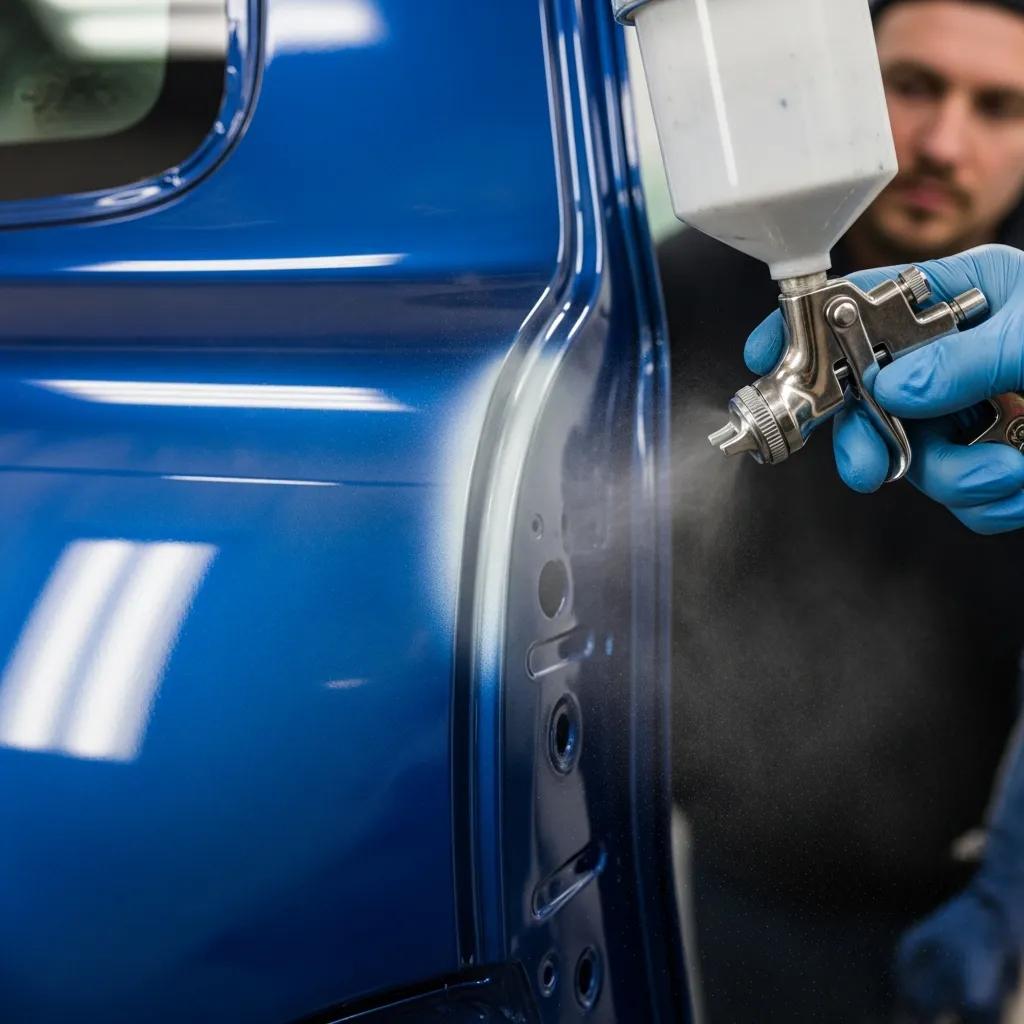
Paint blending creates a transition zone where new and existing paint merge so repaired panels match surrounding surfaces; blending removes hard edges and aligns sheen, depth, and color shift. Key techniques include feathering edges, multi-stage overlap (where successive passes extend the wet edge), and careful control of metallic flake orientation to keep light reflection consistent. Visual guides — photos and diagrams — help technicians mark the blending zone precisely and set realistic expectations with owners before work begins. Below are common blending techniques used in professional refinishing.
- Feathering edges to smooth transitions between new and old paint.
- Multistage overlap to progressively match color and depth across the panel.
- Controlling metallic flake and pearl orientation during application.
What Is Paint Blending and Why Is It Essential?
Paint blending extends repaired paint into adjacent panels or surfaces to smooth transitions so a repair is effectively invisible; it’s essential when spot repairs would otherwise leave visible lines or mismatched effects. Blending is the preferred option for localized damage when the surrounding finish is in good condition because it preserves original factory layers and reduces total refinishing. There are limits — severely faded or damaged areas may require full-panel refinish — so technicians evaluate surrounding finish and fading patterns before choosing blending versus full repaint. Choosing the right approach keeps repairs minimal while maximizing visual continuity.
How Do Visual Guides Illustrate the Blending Zone?
Visual guides should include a test-spray photo, a labeled diagram showing intended overlap, and before/after close-ups that reveal the transition under consistent lighting. Recommended images include a spectrophotometer scan in use, a close-up of the blending edge, and a finished-panel comparison. Suggested alt text patterns for clarity are “spectrophotometer color scan on door panel,” “paint blending transition close-up,” and “before-and-after matched metallic finish.” Captions should point out the blending zone and the lighting used for verification so owners and appraisers can see why the repair looks seamless.
How Does Prime Time Collision Center Support Insurance Claims for Paint Damage?
Insurance support centers on documentation, accurate estimates, and clear communication with carriers to speed approvals and minimize repair delays. Prime Time Collision Center works with major insurers, prepares detailed estimates and photos, and helps customers through the claims process to reduce administrative friction and keep repairs on schedule. Our service model emphasizes factory-quality repairs and presents insurer documentation that supports OEM procedures and any necessary supplements. Below is a short checklist customers can expect when filing a paint-damage claim and working with a professional shop.
- Report the loss to your insurer and collect preliminary photos of the damage.
- Bring the vehicle to a repair shop for a documented estimate and diagnostic photos.
- The repair shop submits the estimate and supporting documentation to the insurer for review.
- The insurer reviews, authorizes repairs or requests a supplement; the shop coordinates approvals.
- Repairs are scheduled and completed once authorization and parts are secured.
Introductory table: claim workflow interactions and typical outcomes.
| Party | Action | Typical Outcome |
|---|---|---|
| Repair Shop | Prepares detailed estimate and photos | Clear documentation for insurer review |
| Insurance Company | Reviews estimate and photos | Approval, supplement request, or clarification |
| Customer | Receives communication and repair schedule | Faster repair with proper documentation |
What Is the Process for Handling Insurance Claims on Auto Paint Repairs?
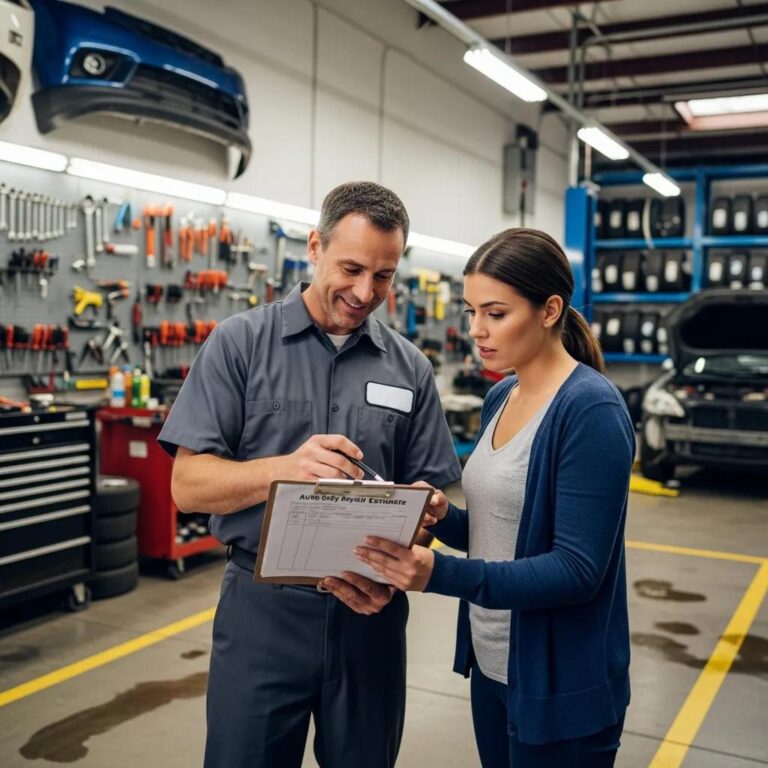
Claims begin with thorough documentation: high-resolution photos, spot measurements, and an itemized estimate that notes OEM materials when needed. The shop submits this packet to the insurer and stays the point of contact for clarifications or supplements; owners are kept informed about timelines and approvals. Timelines depend on insurer review cycles, parts availability, and supplement handling, but proactive documentation and direct shop–insurer communication usually speed authorization. Customers should provide claim numbers and any policy details so the shop can coordinate with the insurer when permitted.
Which Major Insurance Companies Do We Work With?
We partner with major insurance companies under standard cooperation models that include estimate submission, supplement negotiation, and repair scheduling coordination. That partnership is designed to simplify the customer experience while ensuring manufacturer-compliant repairs proceed. Rather than list specific insurers, our typical model covers direct estimate submission, communication about OEM materials or procedures, and scheduling once authorizations arrive. When filing a claim, notify your insurer and bring the claim reference to the shop so we can begin documentation and coordination immediately.
Why Should Vehicle Owners Choose Prime Time Collision Center for Paint Matching in Los Angeles?
Prime Time Collision Center serves Glendale, Burbank, Pasadena, and greater Los Angeles with a factory-focused approach to collision repairs. We emphasize OEM-quality procedures, certified technicians, and a lifetime warranty to build trust and protect long-term value. Our process includes computerized color matching, controlled blending booths, and layered verification steps so finishes meet rigorous standards. Below are the primary reasons owners choose our shop for paint matching.
- OEM-focused repairs using manufacturer-aligned processes to protect vehicle function and resale value.
- I-CAR Platinum certified technicians who follow current training and refinishing best practices.
- Lifetime warranty on repair work to provide confidence in long-term finish performance.
- Local service for Glendale and nearby Los Angeles communities, plus customer-centered claims support.
What Customer Testimonials Highlight Our Paint Match Quality?
Customers often describe results that look factory-original and call out our attention to metallic and pearlescent finishes. Common feedback praises “perfect paint match” and satisfaction with blending on luxury vehicles where optical effects are more noticeable. Case examples show complex metallic matches completed with instrument verification and test-spray validation to confirm flake orientation and depth. While individual reviews vary, the consistent theme is careful scanning, formula control, and blending produce finishes that meet owners’ expectations for visual continuity and resale presentation.
What Warranty and Satisfaction Guarantees Do We Offer?
Prime Time Collision Center offers a lifetime warranty on repair work as part of our commitment to long-term quality. The warranty gives owners recourse if workmanship or materials fail to meet durability or finish expectations — simply contact the shop to start a warranty review and any corrective work. The warranty covers defects from the repair process, and our documentation helps speed assessment and repairs when needed. Keep your repair records and provide them when requesting warranty service to simplify verification and scheduling.
Frequently Asked Questions
What should I consider when choosing an auto paint repair shop?
Look for certifications, technician qualifications, and color-matching technology. OEM certifications indicate the shop uses manufacturer-approved materials and procedures. Check customer reviews and examples of finished work, especially on metallic and pearlescent finishes. A clear warranty on repairs also provides peace of mind about durability and longevity.
How long does the auto paint color matching process take?
Timing varies with repair complexity, vehicle type, and shop workload. The process—inspection, scanning, formula generation, mixing, and blending—can take from a few hours for simple touch-ups to a few days for more complex jobs. Ask the shop for an estimate tailored to your vehicle and the extent of damage.
Can I choose a different color for my vehicle during repairs?
Yes, but changing color has implications. A color change can affect resale value and usually requires more extensive work than a match. It may also affect warranties or insurance claims. Discuss the options, costs, and potential impacts with the repair shop so you can make an informed decision.
What types of vehicles benefit most from precision paint matching?
High-end and luxury vehicles with metallic or pearlescent finishes benefit most from precision matching, as do classic cars and vehicles still under warranty. Any owner who wants to preserve appearance and resale value will benefit from professional matching, but complex finishes require experienced technicians and proper equipment.
How can I prepare my vehicle for a paint repair appointment?
Clean the damaged area to remove dirt and debris, gather insurance and repair records, and take photos of the damage if possible. Bring any claim information and tell the shop about specific concerns or preferences so technicians can plan the repair to meet your expectations.
What should I do if I’m not satisfied with the paint repair results?
If you’re not satisfied, contact the repair shop directly. Reputable shops like Prime Time Collision Center offer warranties and will review your concerns. Provide specific details about what’s unsatisfactory and request a review. Most shops will make necessary adjustments or corrections to reach an acceptable result.
Conclusion
Choosing Prime Time Collision Center for auto paint color matching helps keep your vehicle’s factory finish intact, protecting both appearance and resale value. Our technicians use advanced tools and OEM-certified processes to deliver seamless, durable results. By prioritizing precision and quality, we help you avoid the pitfalls of poor repairs and maintain your vehicle’s integrity. Contact us today to schedule a consultation and see the difference professional paint matching makes.