
Winter Car Prep: Get Your Vehicle Ready for Cold Weather with Expert Maintenance & Safety Tips
Winter car preparation covers the simple maintenance and driving habits that keep your vehicle reliable when temperatures drop and roads get slick. Cold weather changes tire grip, battery output, fluid flow, and visibility — so a few targeted checks lower the chance of breakdowns and accidents. This guide walks you through why winter prep matters, the checks to do before freezing weather arrives, what fluids and parts to inspect, safe winter driving techniques, and what to keep in an emergency kit. You’ll also find step-by-step advice for handling winter collisions and why choosing OEM-certified repairs protects your vehicle. Use this practical winterization checklist and local tips if you drive around Glendale and the greater Los Angeles area.
Why Winter Car Preparation Matters for Safer Driving
Preparing your car for winter reduces common cold-weather failures through straightforward maintenance and smarter driving. Checking tires, batteries, fluids, and lights boosts traction, starting reliability, and stopping power so you stay in control on snow, ice, and slush. Weather-related crashes make up a large portion of seasonal incidents, and practical steps cut your exposure by improving vehicle resilience and helping you avoid risky situations. Even short trips in colder weather speed component wear; doing checks early prevents small problems from becoming dangerous. Below we explain how winter conditions raise accident risk and mechanical strain so you know what to prioritize.
How Cold Weather Raises Accident Risks and Stresses Your Car
Snow, ice, salt, and low temperatures change how your car and the road behave. Reduced friction on slick surfaces increases stopping distances and makes a vehicle more prone to oversteer or understeer, while tire rubber firms up below about 7°C (45°F) and loses grip. Batteries also lose usable capacity in cold air because chemical reactions slow, so cranking power drops and starters work harder. Road salt speeds corrosion on exposed metal and electrical connections, which over time can harm brake lines and sensors and degrade ABS and ADAS performance. Knowing these common failure modes helps you focus maintenance where it will restore safety margins before winter gets worse.
Key Stats on Winter Driving Accidents and Breakdowns
Winter weather plays a big role in seasonal crashes, so winterizing your vehicle is a high-impact safety move. About one in four weather-related crashes happen on snow- or ice-covered roads, and national reports tie thousands of injuries and more than a thousand fatalities each year to winter driving. Stopping distances on snow and ice can be several times longer than on dry pavement, so correct tires and extra following space make a big difference. For drivers in Glendale and the surrounding Los Angeles communities, occasional cold snaps and mountain routes make winter prep sensible risk management — not optional. These facts make the checklist that follows essential.
Must-Do Winter Maintenance Checks
A short, prioritized checklist will restore important safety margins for winter driving by addressing traction, electrical reliability, braking, and visibility. Start with tires — inspect tread, consider winter tires or chains when needed, and adjust pressure for colder air. Test battery state-of-charge and run a load test if readings are borderline, since cold cuts available cranking amps. Inspect brakes, lights, and windshield systems and replace worn parts so stopping power and visibility stay reliable.
The table below summarizes practical thresholds for tires, battery, brakes, and related items so you can make quick, confident decisions before winter travel.
| Component | Measurable Threshold | Action |
|---|---|---|
| Tires | Tread depth ≥ 6/32″ for winter conditions | Replace or fit winter tires if below threshold |
| Tire Pressure | Check weekly; add 2–3 PSI to compensate for cold | Adjust pressure when cold and recheck after driving |
| Battery | Resting voltage ≥ 12.4 V; suspect below 12.2 V | Perform a load test or replace if capacity is low |
| Brakes | No grinding; pads ≥ 4 mm remaining | Service rotors/pads and bleed fluid as needed |
| Lights/Visibility | All lamps functional; wipers streak-free | Replace bulbs/wipers; use winter washer fluid |
If any item falls outside these recommended values, schedule a service inspection or replacement before cold weather sets in.
Preparing Tires for Reliable Winter Traction
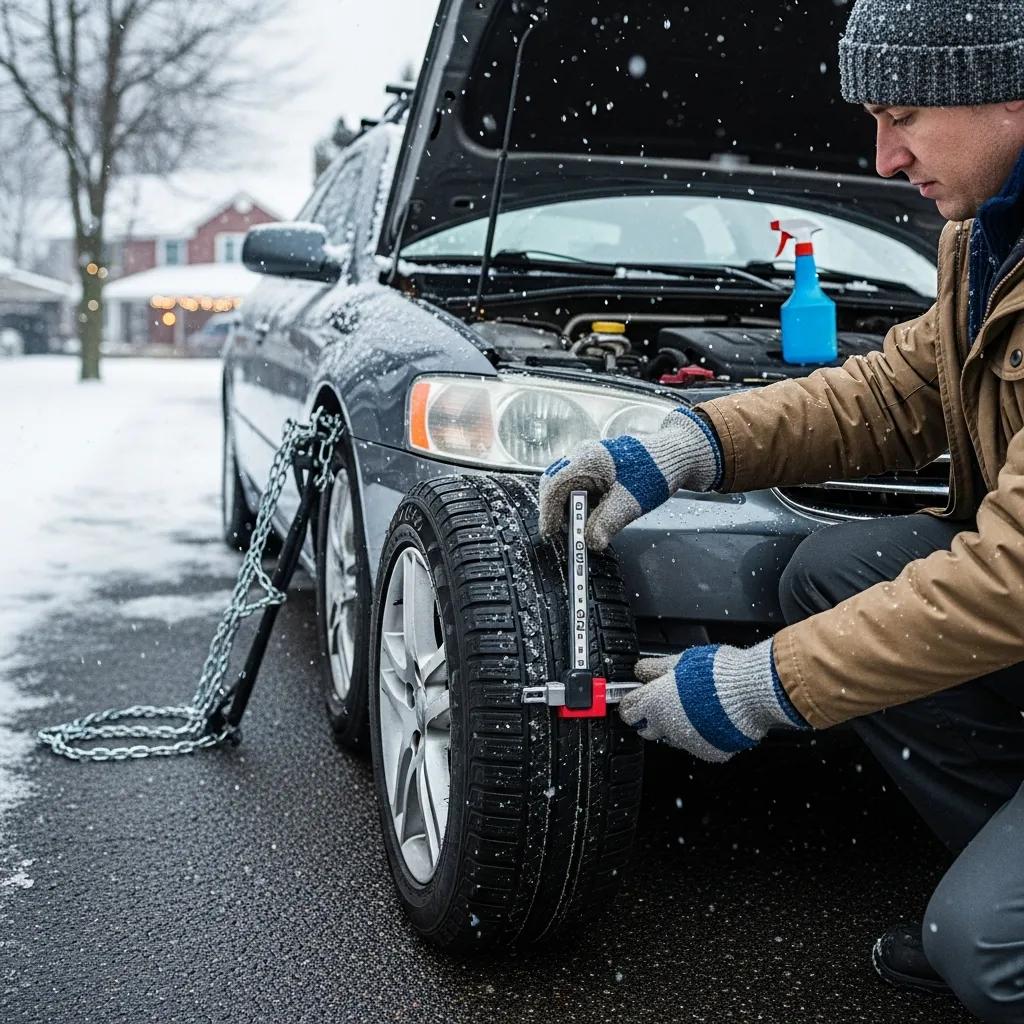
Tires are your car’s contact with the road. Choosing the right tires and keeping tread and pressure in check restores traction margins. Winter tires use softer rubber and deeper tread that stay flexible below about 7°C and move slush and snow away from the contact patch, cutting braking distance and improving cornering versus worn all-season tires. Use a tread gauge and aim for 6/32″ or more on roads that regularly pack with snow; check for uneven wear that may indicate alignment or suspension issues. Because cold air lowers tire pressure, check pressures weekly during winter and add 2–3 PSI when needed.
After tires, battery reliability is the next critical winter readiness item.
Battery Health in Cold Weather — Why It Matters and How to Test
Battery capacity drops as temperatures fall because internal reactions slow, often cutting effective capacity by 30–50% at freezing and more at very low temperatures. A resting-voltage check around 12.4 volts or higher shows acceptable charge; readings below ~12.2 V should lead to a professional load test to confirm cold-cranking amps (CCA). Signs of a weak battery include slow cranking, dim lights, or electronics resetting. Replacing a marginal battery before freezing weather prevents no-starts. If you want professional assurance, Prime Time Collision Center offers winterization checks and diagnostic testing to confirm readiness for long trips or mountain routes.
Which Fluids and Components to Inspect Before Winter
Fluids and visibility systems affect mechanical reliability and how well you can see the road. Winter checks should include coolant concentration, washer fluid, brake fluid, and steering/transmission fluid where applicable. Coolant needs the right mix to prevent freezing and maintain boil-over protection, and many manufacturers recommend a 50/50 mix — always follow your vehicle’s spec. Use winter-rated washer fluid so lines won’t freeze, and fit winter or high-quality wiper blades before the season. Check brake fluid and transmission fluid levels and condition so hydraulic systems and seals perform in cold weather.
The table below gives quick recommended levels and actions for key systems so you can verify readiness fast.
| System | Recommended Level/Action | Rationale |
|---|---|---|
| Coolant/Antifreeze | 50/50 mix or manufacturer spec; test with hydrometer | Prevents freeze and overheating; protects the engine |
| Washer Fluid | Winter-rated (freeze point below expected temps) | Keeps windshield clear and sprayers working |
| Brake Fluid | At manufacturer-specified level; replace if contaminated | Maintains braking performance and prevents vapor lock |
| Transmission Fluid | Correct level and no burnt smell; service if overdue | Ensures smooth shifting and protects components |
| Power Steering | Proper level; inspect hoses for cracks/corrosion | Prevents loss of steering assist on cold starts |
If you’re unsure about any reading, a professional fluid check will confirm protection and let you postpone worries.
How Antifreeze Protects Your Engine and What Levels Work Best
Antifreeze lowers the cooling mixture’s freezing point and raises its boiling point, preventing freeze damage and overheating. A 50/50 mix of coolant and distilled water is a common guideline for many vehicles — it generally protects down to around −34°F (−37°C) — but always use the type and concentration your manufacturer specifies. Test with a hydrometer or test strips so you can fix dilution or contamination before winter. If coolant is discolored, has debris, or tests below recommended protection, a service flush and refill will restore reliable protection and avoid seasonal cooling failures.
Next, make sure visibility systems are tuned — wipers and washer fluid directly affect safety in winter conditions.
When to Replace Windshield Wipers for Better Winter Visibility
Wiper rubber stiffens and loses elasticity in cold weather, causing streaks when you most need a clear windshield. Replace worn blades before winter and consider winter-specific blades with covered frames or heating elements for snowy conditions. Inspect blades for nicks, tears, or skipping as cues to replace them. Swap blades annually or sooner if streaking appears, and use winter-rated washer fluid to prevent reservoir freezing. The right wipers and fluid keep your view clear through snow, sleet, and salted spray so you can react faster on the road.
With fluids and visibility tuned, the next section covers building an emergency kit for unexpected winter roadside events.
What to Pack in a Winter Emergency Car Kit
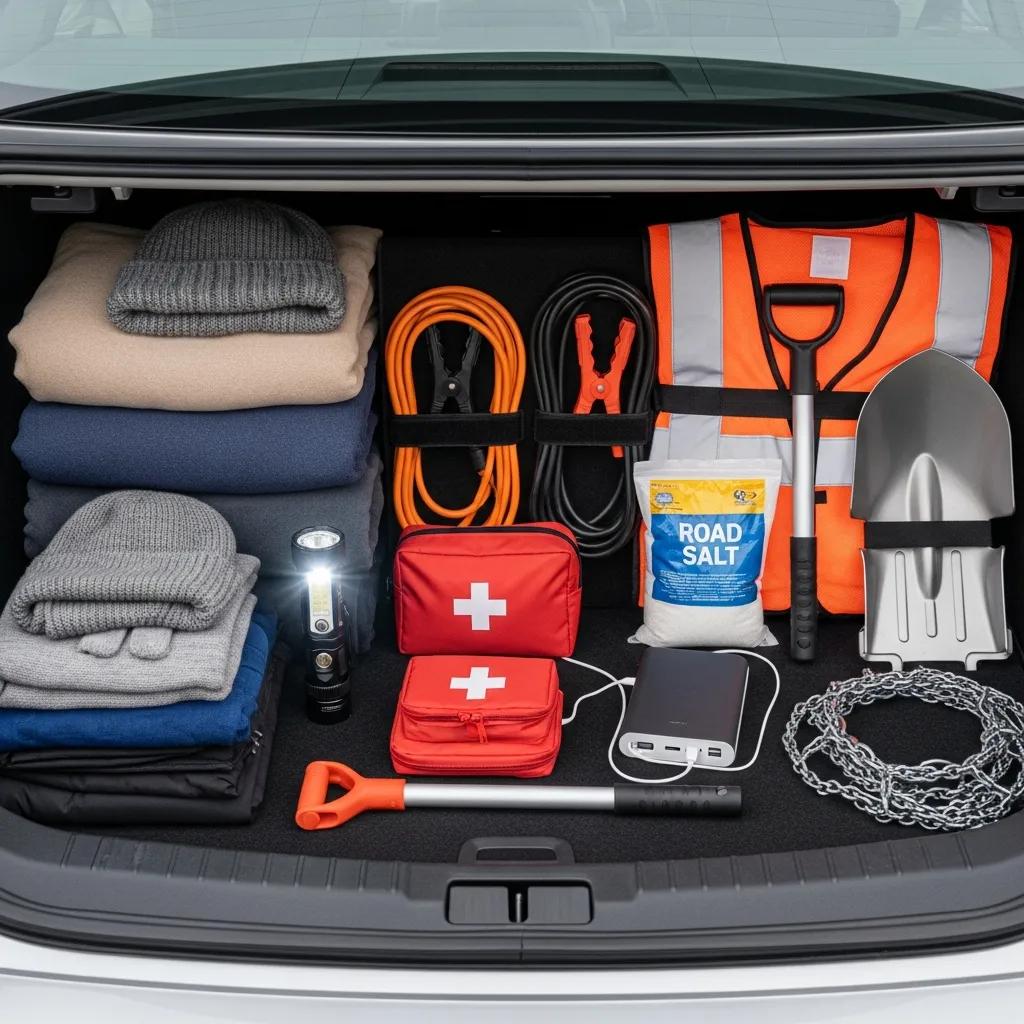
A prioritized winter emergency kit gives you safety, recovery, and comfort items to handle delays, a stuck vehicle, or collisions while keeping you warm, visible, and able to call for help. Include safety gear, recovery tools, lighting and power, and basic survival supplies sized to your trip length and vehicle. Store the kit where you can reach it and check it yearly to replace expired food, batteries, and perishable items. The short checklist below highlights essentials and why each one matters so you can pack efficiently before winter travel.
- Warm clothing and blankets: Prevent hypothermia and keep you comfortable during waits.
- Reflective triangle and flashlight with extra batteries: Make your vehicle visible to passing traffic and responders.
- Shovel and traction mats: Help free a stuck vehicle from snow or packed ice.
- Jumper cables or portable jump starter: Get a dead battery going without waiting for a tow.
- First-aid kit, water, and nonperishable snacks: Provide basic medical supplies and energy during long delays.
Keep the kit tailored to your vehicle size and usual routes so it stays practical, not just decorative.
Essential Items for Unexpected Winter Roadside Situations
A compact selection of about a dozen items covers most winter roadside needs for sedans and SUVs. Focus on warmth, visibility, traction, and communication, plus tools for simple recovery tasks you can do without a tow. A small kit with layered insulation, signaling devices, and basic recovery gear greatly increases your safety if you’re stranded. The list below explains why each item belongs in a winter kit and how it helps in an emergency.
- Warm blanket and extra gloves/hat: Prevent hypothermia while you wait for help.
- High-visibility triangle and flashlight: Make your vehicle and position visible to other drivers and responders.
- Collapsible shovel and traction mats: Help dig out and gain traction on packed snow.
- Jumper cables or compact jump starter: Restore power if the battery fails in cold conditions.
- Portable phone charger and emergency water/snacks: Keep communication and energy during extended delays.
Check expiry dates and battery charge on stored electronics regularly so the kit works when you need it.
How to Assemble and Maintain an Effective Winter Kit
Start with a short inventory matched to your vehicle and typical trips, then pack so heavy tools sit low and frequently used items are easy to reach. Use a waterproof container or sturdy bag in the trunk or cargo area, and keep a checklist you review before the season and after long trips. Replace perishable items like water and snacks yearly, refresh batteries each season, and test electronic chargers periodically. A disciplined routine keeps the kit compact and dependable so you can deploy it quickly under winter stress.
Keeping your kit ready reduces the chance of being caught unprepared on a cold roadside.
How to Drive Safely on Snow and Ice
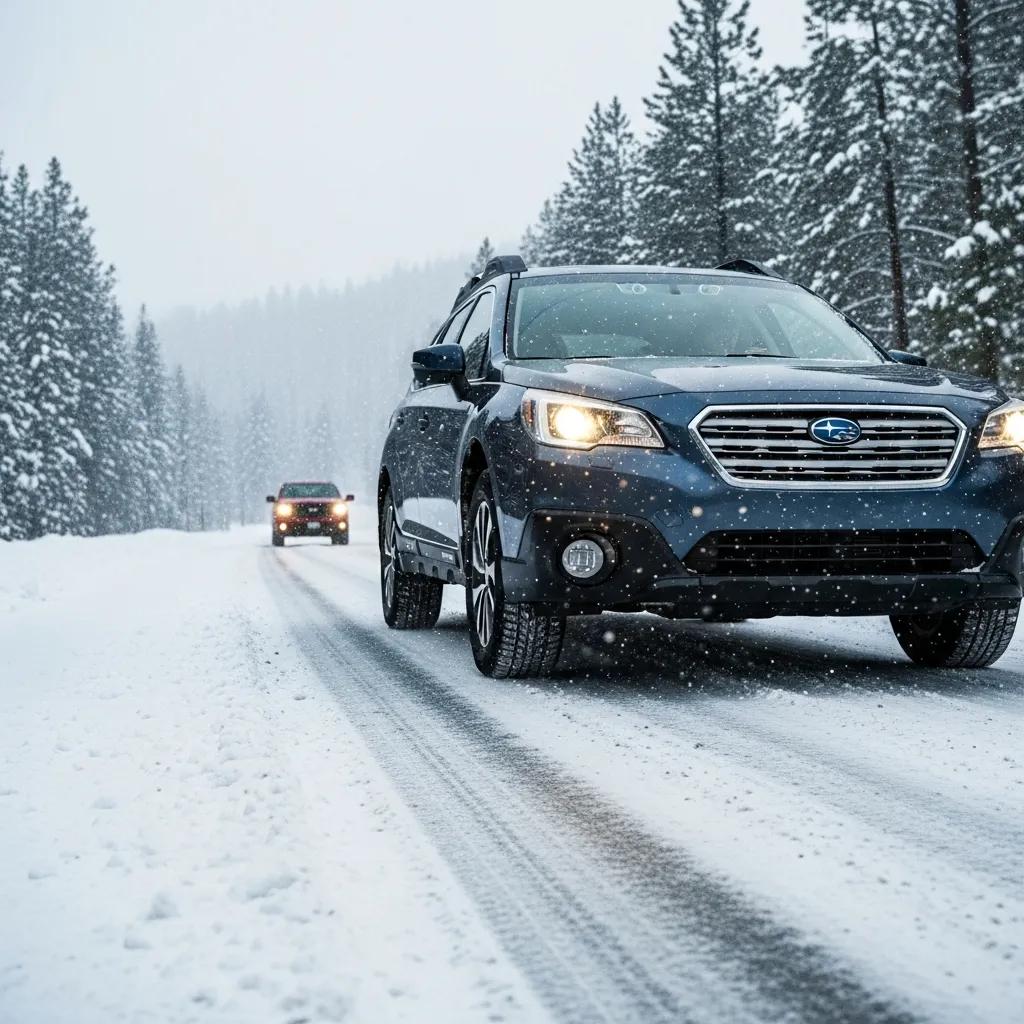
Driving technique is the other half of winter safety: even a well-prepped car can be mishandled without the right speed control, spacing, and skid-recovery skills. Slow down, increase following distances significantly, and anticipate stops. Accelerate gently to avoid wheel spin and loss of traction. Know how your brakes behave — ABS lets you press firmly and hold, while vehicles without ABS use threshold braking — and practice gentle steering corrections to recover from slides. Sometimes the best choice is to delay travel, pick a safer route, or wait for plows and better conditions.
Best Practices for Controlling Your Vehicle on Slippery Roads
Safe winter control relies on smooth inputs: gradual throttle, deliberate steering, and early braking to avoid abrupt forces that exceed traction. Use lower gears on descents to take advantage of engine braking, avoid sudden lane changes, and modulate brakes gently to stay stable. If oversteer happens, steer into the skid smoothly and avoid hard counter-steering. For ABS-equipped cars, hold steady pressure and let the system pulse while steering; for non-ABS cars, practice threshold braking to prevent lockup. These habits reduce spin-outs and give you time to respond to hazards on low-traction surfaces.
These techniques tie directly to spotting black ice, where traction can disappear with little warning.
How to Recognize and Avoid Black Ice
Black ice is a thin, transparent layer of ice that often appears on bridges, shaded stretches, and spots where cold air traps moisture; it looks like a shiny or wet patch. Because it’s hard to see, treat any glossy-looking pavement near freezing as potential black ice. Slow down, avoid sudden braking or steering, and increase your following distance in suspected areas. Descend hills cautiously in low gear and be extra careful on overnight refreeze routes and shaded roads. Noticing temperature and environmental cues helps you anticipate black ice and adjust driving ahead of time.
Recognizing these signs completes the driving-safety toolkit and leads into collision-response steps if the worst happens.
Immediate Steps After a Winter Car Accident
After a winter collision, follow a safety-first routine that protects people, documents the scene, and connects you with medical, towing, and repair help — all while accounting for cold and road conditions. If it’s safe to move, get people out of traffic, call emergency services for injuries, and turn on hazards. Photograph vehicle damage, road surface, tire marks, and nearby ice or snowbanks — these details matter for insurance and liability. Contact your insurer and arrange towing or repair estimates; choosing an OEM-certified repair shop protects safety systems and helps with insurance requirements. A local, trusted center can assist with towing, estimates, and claims coordination.
The numbered checklist below lists immediate actions to take at the scene and explains how professional towing and repairs support recovery and safety.
- Ensure safety and call emergency services if needed: Move to a safe place away from traffic if it is safe to do so.
- Check for injuries and render basic aid: Prioritize life-saving measures and wait for medical responders for serious injuries.
- Document the scene thoroughly: Photograph vehicle positions, damage, road conditions (ice/snow), and any skid marks or debris.
- Exchange information and collect witness details: Record names, phone numbers, and insurance details; note environmental conditions.
- Contact insurer and arrange towing/repairs: Request a tow and an estimate from a trusted repair center; preserve ADAS sensor evidence and warning lights.
After these steps, arranging professional towing and OEM-quality repairs helps restore safety and lowers future liability risk.
How to Safely Document a Winter Collision
When you document a winter crash, capture the environment as well as vehicle damage because road conditions often explain contributory factors. Take wide shots of the scene and close-ups of damage, tire position, brake marks, and nearby ice or snow. Note timestamps, temperature, and precipitation. If airbags deployed or ADAS warnings appeared, record those indicators and avoid removing debris investigators may need. Gather witness names and concise statements and give factual accounts to police and insurers — preserving evidence helps reconstruct events accurately and supports proper insurance outcomes.
Good evidence collection naturally leads to repair choices where OEM-certified work matters for safety system restoration.
Why OEM-Certified Auto Body Repairs Matter After Winter Damage
OEM-certified repairs return your vehicle to manufacturer safety and performance standards by using genuine parts, factory procedures, and calibrated equipment that preserve crashworthiness and ADAS accuracy. After a winter collision, structural alignment and sensor calibration are as important as visible bodywork — poorly fitted parts or uncalibrated ADAS can leave occupants at greater risk later. Insurers often look for certified repair documentation, and factory-aligned work helps keep warranties and resale value intact. Prime Time Collision Center provides I-CAR Platinum technicians, OEM-certified repairs, lifetime repair warranties, and coordination with major insurers, plus free 24/7 towing and estimates to help simplify the post-crash process.
| Repair Attribute | What It Restores | Benefit |
|---|---|---|
| ADAS Calibration | Sensor alignment and software settings | Restores lane-keeping and automatic braking accuracy |
| Genuine OEM Parts | Manufacturer-specified components | Preserves structural integrity and correct fitment |
| Certified Technician Procedures | Factory repair methods and tooling | Ensures repairs meet safety standards |
| Insurance Coordination | Verified estimates and documentation | Smooths the claims process and ensures compliance |
| Warranty Coverage | Lifetime warranty on repairs (our service guarantee) | Provides long-term protection and peace of mind |
These repair attributes translate into restored safety systems, insurance compliance, and long-term vehicle reliability after winter damage.
Prime Time Collision Center supports drivers in Glendale, Burbank, Pasadena, and Los Angeles with proven winter repair solutions: I-CAR Platinum technicians, OEM procedures, free towing and estimates, and insurance coordination to move you from collision to road-ready with confidence.
Frequently Asked Questions
What are the signs that my vehicle is not ready for winter driving?
Watch for hard starting, dim headlights, sluggish acceleration, or slipping when you accelerate or brake — these are signs your vehicle needs attention. Tires with uneven wear or tread below 6/32″ need service. Streaking wipers or washer fluid that freezes also indicate a winter prep job. Regular pre-season checks catch these issues before they become serious.
How often should I check my tire pressure during winter?
Check tire pressure at least once a week in cold weather. Tire pressure typically drops about 1 PSI for every 10°F decrease in temperature. If your tires run consistently low, adding 2–3 PSI can help compensate for colder conditions. Regular checks keep handling and traction where they should be.
What should I do if I get stuck in the snow?
If you’re stuck, stay calm and clear snow from around the tires and under the vehicle. Try gently rocking the car by shifting between drive and reverse — avoid spinning the wheels, which can dig you in deeper. Use traction mats or a shovel if you have them. If you can’t free the car safely, call for help and stay with your vehicle.
How can I improve visibility while driving in winter conditions?
Replace worn wipers and use winter-rated washer fluid. Keep headlights clean and working, and remove snow and ice from your roof and windows before driving so nothing blows onto your windshield or other vehicles. These steps help maintain a clear view in challenging winter weather.
What are the best practices for using brakes on icy roads?
Use brakes gently to maintain control. Avoid sudden braking that can cause skids. If your car has ABS, apply steady pressure and let the system modulate braking; if it doesn’t, use threshold braking to prevent wheel lockup. Slow, smooth inputs preserve traction and stability.
How can I prepare my vehicle for long winter trips?
Before a long winter trip, make sure tires have sufficient tread and correct inflation, check battery health, and top off winter-rated coolant, brake fluid, and washer fluid. Pack an emergency kit with warm clothes, food, water, and a flashlight, and tell someone your travel plan and expected arrival time for extra safety.
Conclusion
Getting your vehicle ready for winter is one of the smartest safety moves you can make. Prioritize tire readiness, battery health, fluid checks, and visibility systems to reduce the risk of breakdowns and accidents. Don’t wait for the first snow — take a few proactive steps now. For hands-on help and reliable service, bring your car to Prime Time Collision Center and we’ll make sure it’s ready for whatever the season brings.