How to Choose the Best Auto Body Repair Shop: Key Factors for Quality & Trust
Choosing the right auto body repair shop makes all the difference after an accident. With so many options, knowing what to look for—certifications, repair standards, how they handle insurance, and how they treat customers—helps you pick a shop confidently. This guide walks you through the essentials so you can find a shop that fits your needs and gives your vehicle reliable care.
What Certifications and Expertise Should You Look for in an Auto Body Shop?

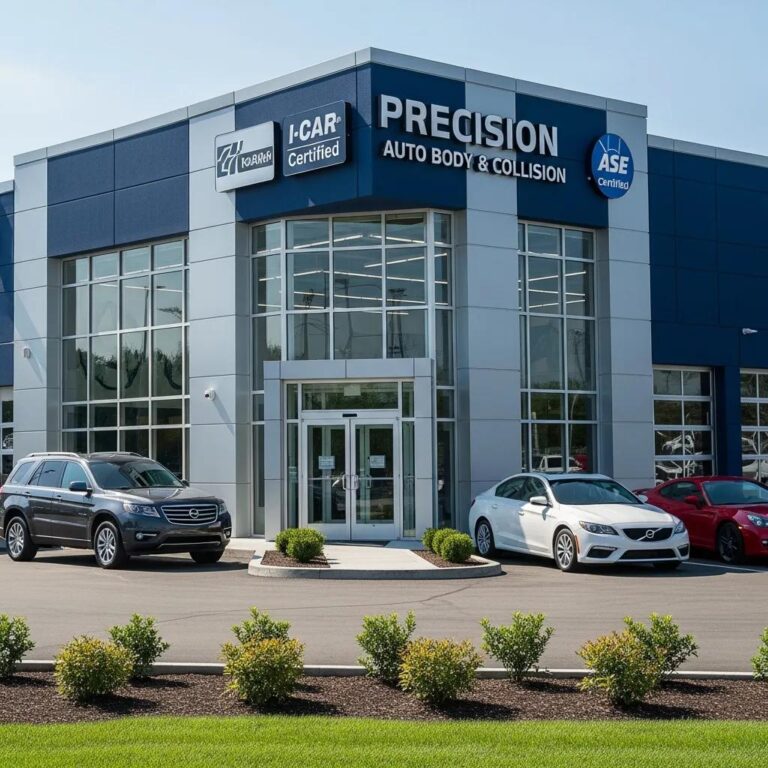
When you’re comparing shops, look closely at the technicians’ certifications and training. Credentials like I-CAR Platinum and OEM (Original Equipment Manufacturer) certifications show a shop invests in proper training and follows manufacturer repair methods—both important for safe, long-lasting repairs.
Why Are I-CAR Platinum and OEM Certifications Critical for Vehicle Safety?
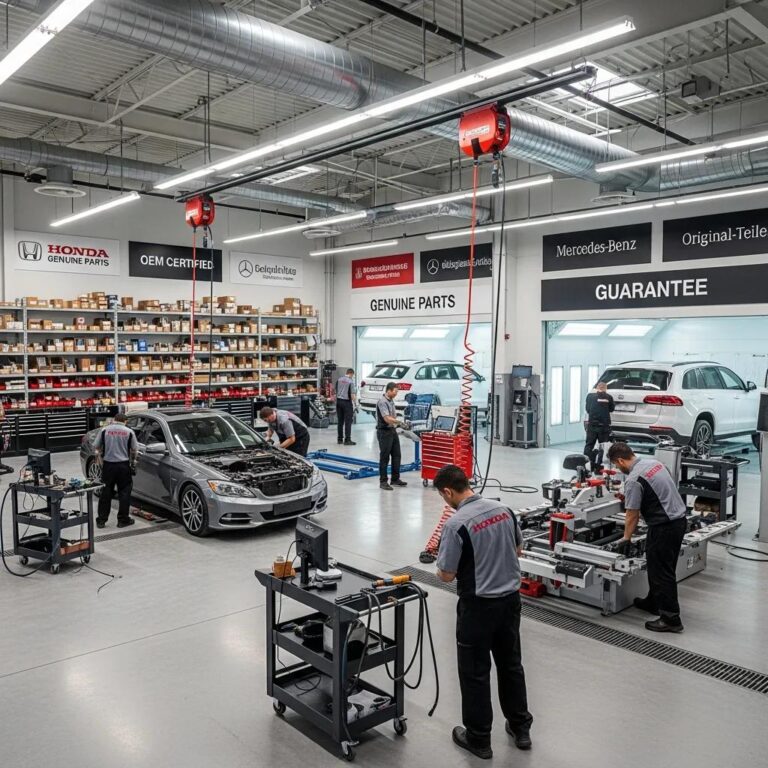
I-CAR Platinum means a technician has completed advanced collision-repair training and stays current with industry best practices. OEM certifications mean the shop follows manufacturer-recommended repair procedures and uses approved methods and parts when required. Together, these credentials help preserve your vehicle’s safety systems and structural integrity—so you can be confident the repairs were done right.
How Do Experienced Technicians and Advanced Equipment Ensure Quality Repairs?
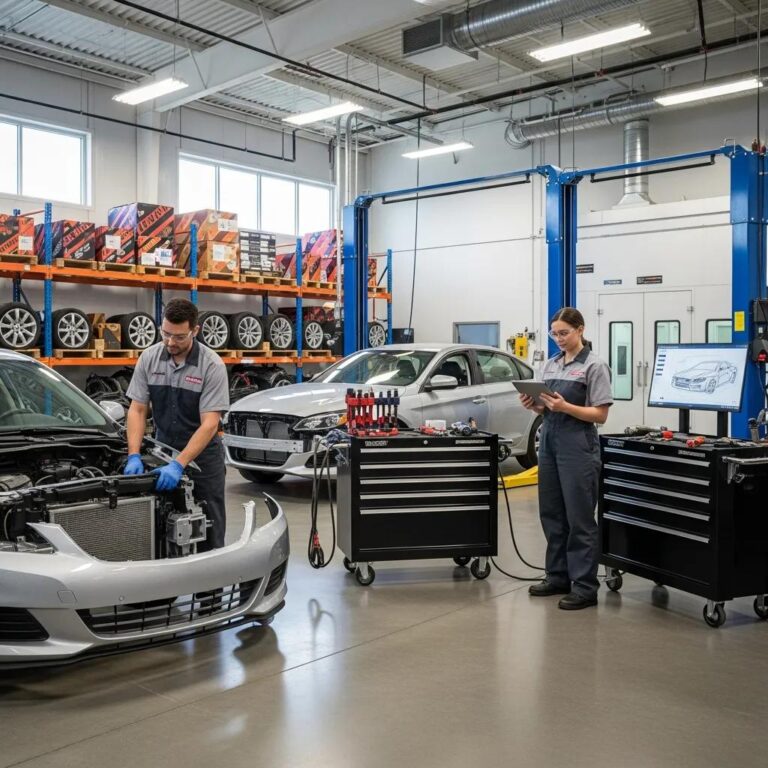
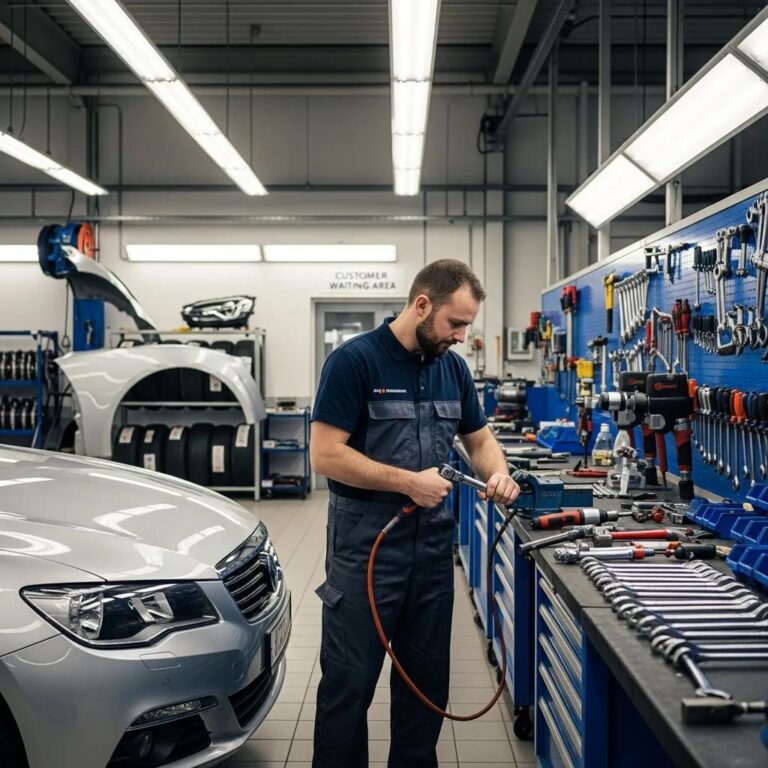
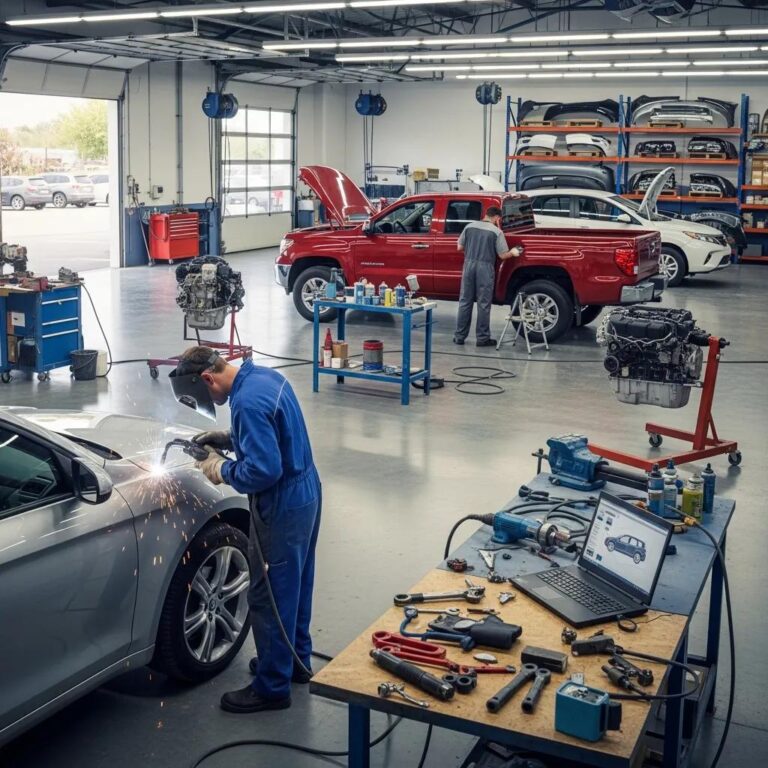
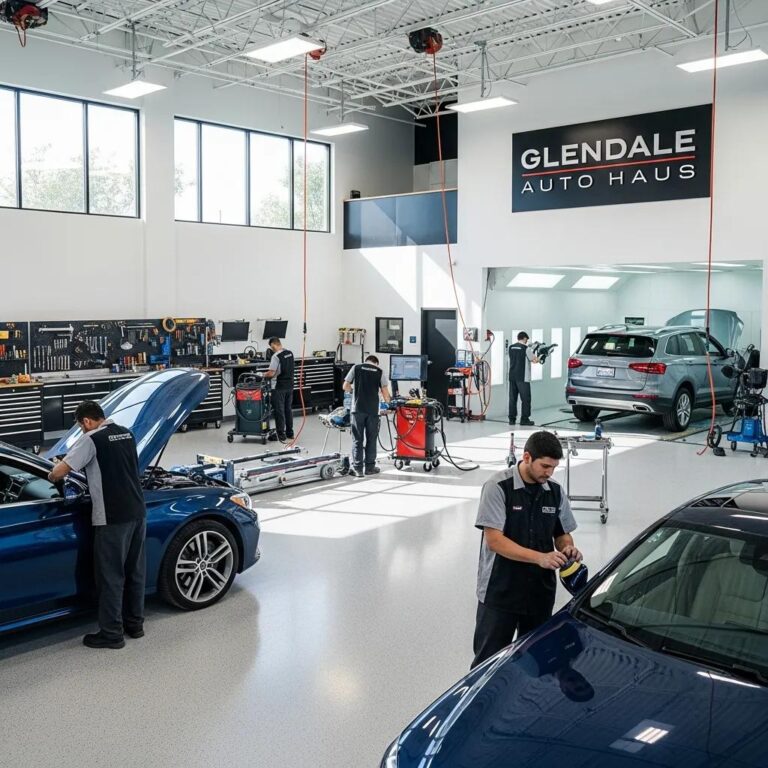
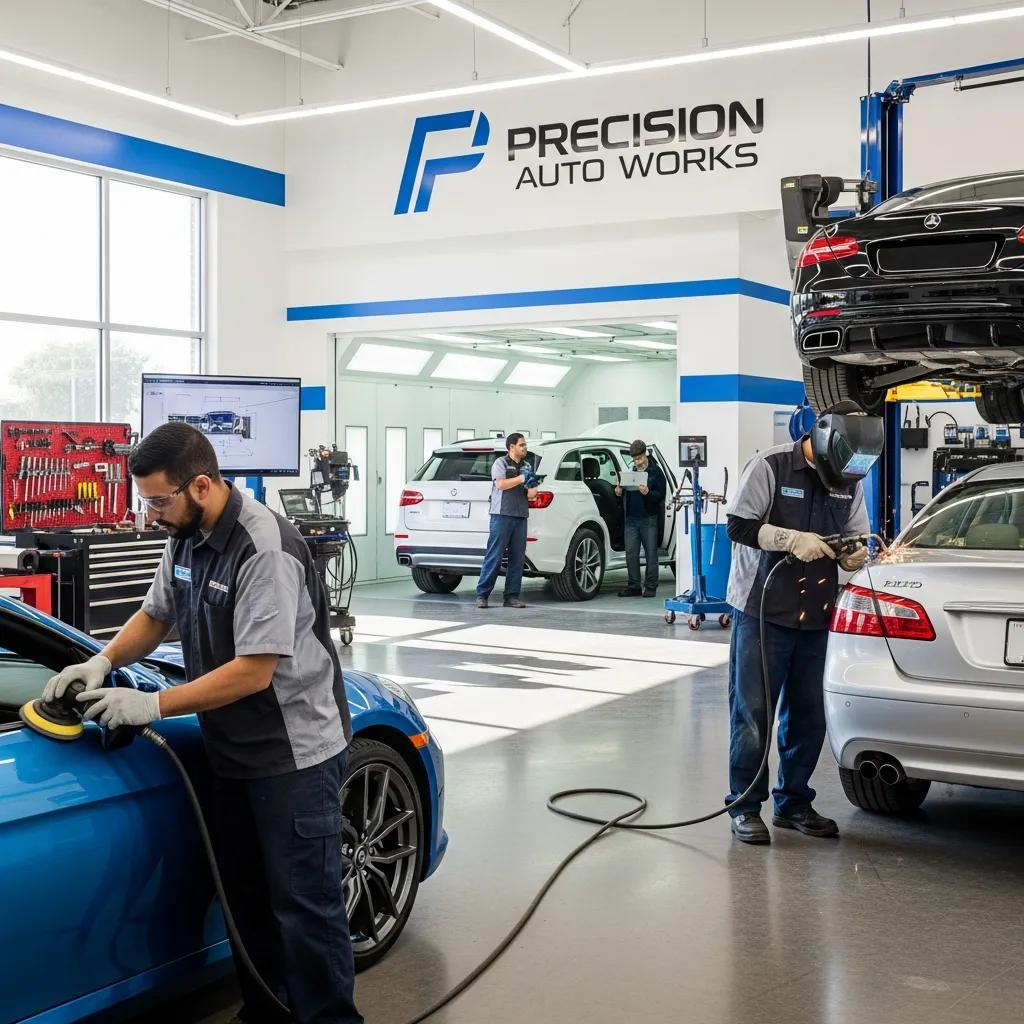
Skilled technicians plus modern equipment equal more precise repairs. Technicians who know how to use computerized frame alignment systems, calibrated tooling, and accurate paint-matching equipment can restore your vehicle closer to factory condition. Shops that invest in the right tools and training are more likely to deliver work that’s safe, durable, and visually seamless.
How Does the Auto Body Repair Process Work from Estimate to Completion?
Understanding the repair process helps you stay in control. Most repairs begin with a complete inspection and a clear estimate that lists needed work and costs. A reputable shop will explain the estimate, the parts being used, and the expected timeline so there are no surprises along the way.
What Steps Are Involved in Getting a Free, Transparent Repair Estimate?
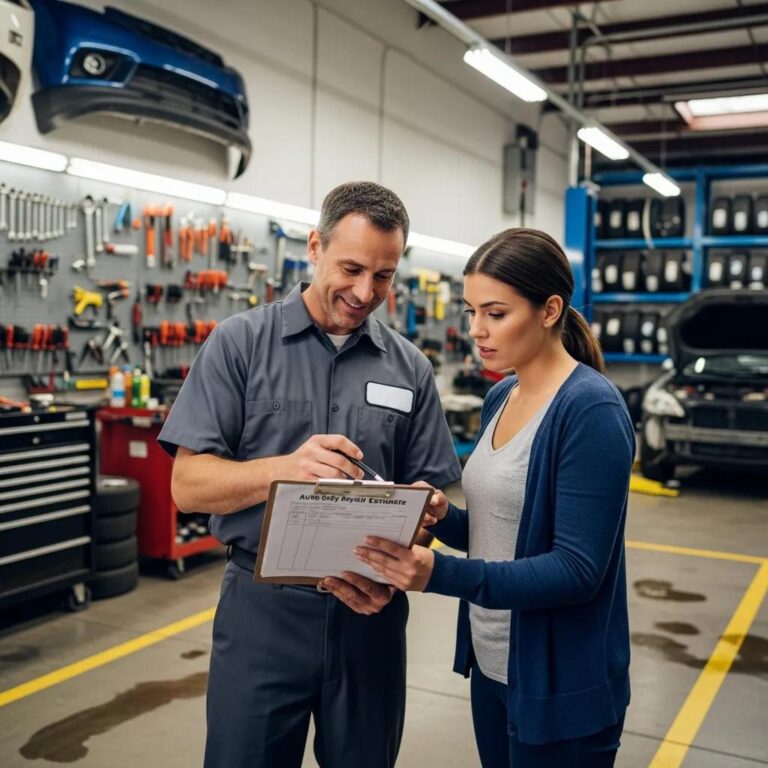
Getting a free estimate typically starts with an inspection—either in person or with photos—where a technician documents the damage and discusses repair options with you. A transparent estimate breaks down labor, parts (OEM vs. aftermarket), and a realistic completion date. Ask questions and request the written details so you know exactly what to expect.
How Are OEM Parts, Frame Repairs, and Paint Matching Performed to Factory Standards?
OEM parts are designed to fit your vehicle and preserve safety systems and resale value. Frame repairs use calibrated equipment and manufacturer procedures to restore structural alignment. Paint matching leverages computerized color tools and test panels to blend new and existing finishes. Shops that follow these standards prioritize safety, fit, and a finished look that blends in with the rest of your vehicle.
How Can an Auto Body Shop Help You Navigate the Insurance Claim Process?

Filing a claim can feel overwhelming. A trustworthy auto body shop will guide you through the process, work directly with your insurer when appropriate, and help keep paperwork and approvals moving so repairs don’t stall.
Which Major Insurance Companies Do Reputable Shops Work With?
Reputable auto body shops commonly work with major insurers like State Farm, Allstate, and Geico. That familiarity helps streamline communications, clarify coverage, and speed approvals—so repairs can begin sooner and proceed smoothly.
What Support and Communication Should You Expect During Your Claim?
Expect regular updates and clear communication from your shop. That includes status reports on repairs, notification of any changes to parts or timeline, and help coordinating with your insurance adjuster. Good shops keep you informed by phone, email, or in person so you always know where your vehicle stands.
Why Is Warranty and Customer Trust Important When Selecting a Collision Repair Shop?
Warranty coverage and local reputation are strong indicators of a shop’s confidence in its work. A solid warranty and positive customer feedback show a shop stands behind its repairs and cares about long-term satisfaction.
What Does a Lifetime Warranty on Auto Body Repairs Mean for You?
A lifetime warranty typically covers defects in workmanship and materials for as long as you own the vehicle. That means if something goes wrong because of the repair, the shop will correct it. It’s a commitment that adds reassurance and protects your investment.
How Do Reviews and Community Reputation Reflect Shop Reliability?
Customer reviews and word-of-mouth give you a real-world picture of how a shop operates. Look for consistent praise around repair quality, on-time delivery, and how the shop handled problems. Ask friends and neighbors for recommendations and check ratings on sites like Google and Yelp to gauge reliability.
How Do Local Factors Influence Choosing the Right Auto Body Repair Shop Near Me?
Local considerations—like distance, turnaround time, and community reputation—matter. A nearby shop can be more convenient for drop-off and pick-up, and local shops often tailor service to neighborhood needs.
What Benefits Come from Choosing a Shop Serving Glendale, Burbank, Pasadena, and Los Angeles?
Choosing a shop that serves Glendale, Burbank, Pasadena, and Los Angeles gives you local expertise and convenience. These shops know local traffic patterns, common vehicle types in the area, and often have established relationships with nearby insurers and parts suppliers—helping speed repairs and personalize service.
How Do Services Like Free 24/7 Towing Enhance Customer Convenience?
Complimentary 24/7 towing removes a major stress point after a collision. It gets your vehicle to a trusted shop without extra cost or hassle and is a sign the shop prioritizes customer care from the very first call.
These core services highlight what reputable shops focus on: clear communication, factory-accurate parts and repairs, and practical customer support that makes the process easier.
Choosing the right auto body repair shop comes down to checking credentials, understanding repair standards, and confirming how the shop supports you through insurance and aftercare. With those factors in mind, you’ll be in a better position to select a shop that delivers safe, reliable repairs and a straightforward experience.
Frequently Asked Questions
What should I do if my insurance company recommends a specific auto body shop?
Insurance recommendations can be useful, but you’re not required to use a shop they suggest. Do your own checks—look at certifications, ask about warranties, and read reviews. Ask the insurer why they recommended that shop and whether they have experience with its work before you decide.
How can I verify the reputation of an auto body repair shop?
Start with online reviews on Google, Yelp, and Facebook, and look for consistent feedback on repair quality and customer service. Ask for before-and-after photos, request references, and check accreditation like Better Business Bureau listings. Personal recommendations from friends and family are also valuable.
What should I expect in terms of repair time for my vehicle?
Repair time varies with the extent of damage and the shop’s workload. Minor jobs may take a few days; major repairs can take several weeks. A reputable shop will give you an estimated timeline during the initial assessment and update you if anything changes.
Are there any additional costs I should be aware of during the repair process?
Yes—unexpected damage discovered during disassembly, additional parts, or changes in labor can add cost. A trustworthy shop will notify you of any extras before proceeding and provide an updated estimate so you approve the work and costs in writing.
How can I ensure my vehicle is repaired to factory standards?
Choose a shop that uses OEM parts when appropriate and employs certified technicians. Ask whether they follow manufacturer repair procedures and what equipment they use. A warranty on the work also indicates the shop expects their repairs to meet high standards.
What role does customer service play in choosing an auto body shop?
Customer service is central—clear communication, timely updates, and responsiveness make the repair process far less stressful. A shop that treats you with respect and keeps you informed is more likely to handle issues quickly and deliver a smooth experience from start to finish.
Conclusion
Choosing the right auto body repair shop matters for your safety, your vehicle’s value, and your peace of mind. Focus on certifications, proven repair processes, insurance support, and strong customer service when you compare shops. Reach out, ask questions, and pick the shop that gives you clear answers and confidence—your car will thank you for it.