Body Shop Services Near You — What to Expect from Expert Collision Repair
After a collision, the repair process can feel overwhelming. This guide walks you through the practical steps after an accident, how collision repairs work, and why choosing an OEM‑certified shop matters. With clear expectations about insurance, modern vehicle systems, and warranties, you can make confident decisions for your vehicle’s safety and value. We’ll cover immediate actions, the repair workflow, OEM certification, insurance help, tech considerations, and what warranties typically include.
What Are the First Steps After a Car Accident?
How you handle the first moments after a crash affects safety and the repair journey. Put safety first: check for injuries and call emergency responders if needed. Document the scene, exchange insurance and contact details, and let your insurer know what happened. Getting your vehicle to a safe location and contacting a trusted body shop are important next steps to get repairs started.
How to Contact a Local Body Shop for Immediate Assistance
Reach a local body shop by phone, their online form, or by visiting in person. Reputable shops — including Prime Time Collision Center — prioritize quick, helpful replies. Expect a responsive team who will explain next steps and arrange towing or an estimate, typically within hours so you’re not left waiting.
What Does 24/7 Towing Service Include?
Round‑the‑clock towing gets your vehicle from the scene to a safe, secure location any time of day. A professional tow protects your car from further damage and speeds the path to repair. 24/7 service provides peace of mind — especially when a vehicle isn’t safe to drive.
How Does the Collision Repair Process Work?
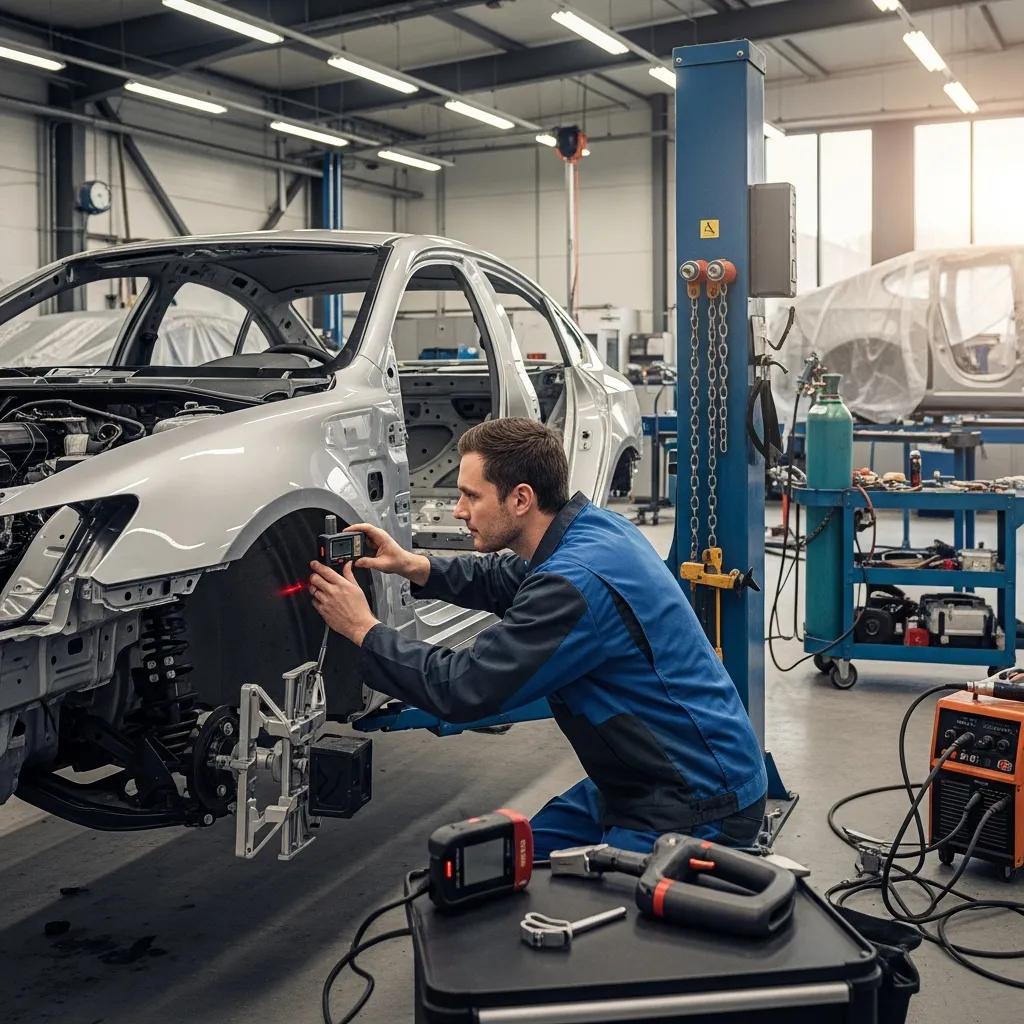
Knowing the collision repair steps helps you follow the work and feel confident in the outcome. The process typically begins with a detailed inspection and estimate so the team can identify visible and hidden damage and map out repairs.
What to Expect During the Vehicle Estimate and Inspection
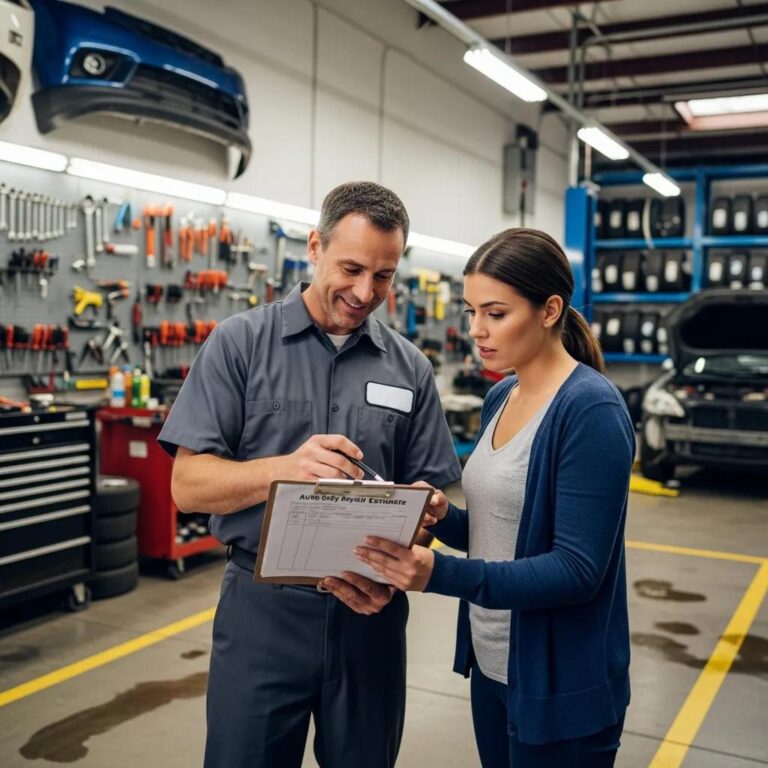
Bring your insurance information and any service records you have. During the inspection technicians check for structural, mechanical, and cosmetic damage — from frame issues to paint and electronics. A thorough assessment upfront reduces surprises and helps the shop give a realistic timeline and cost estimate.
How Are Frame, Dent, and Paint Repairs Performed?
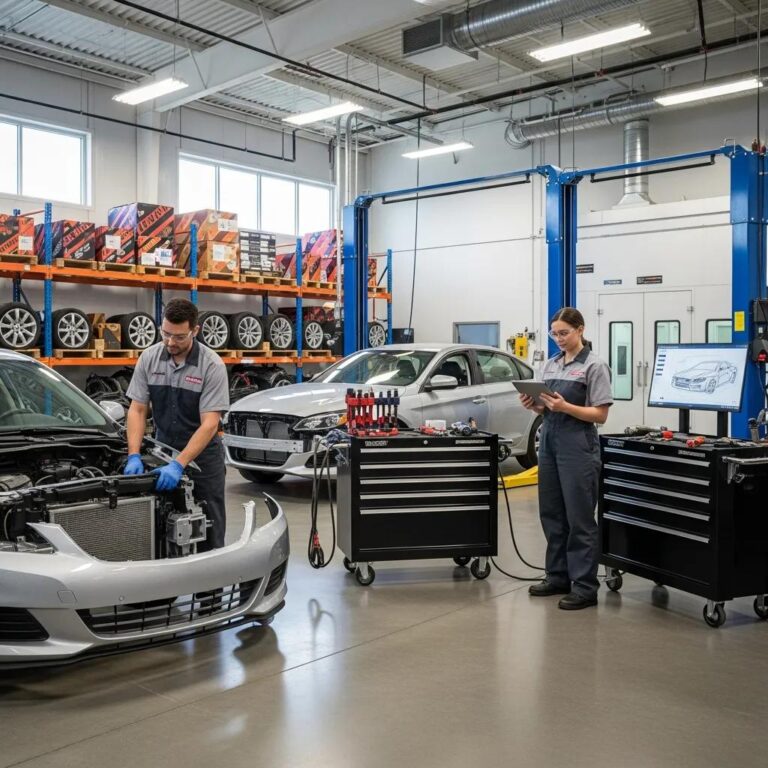
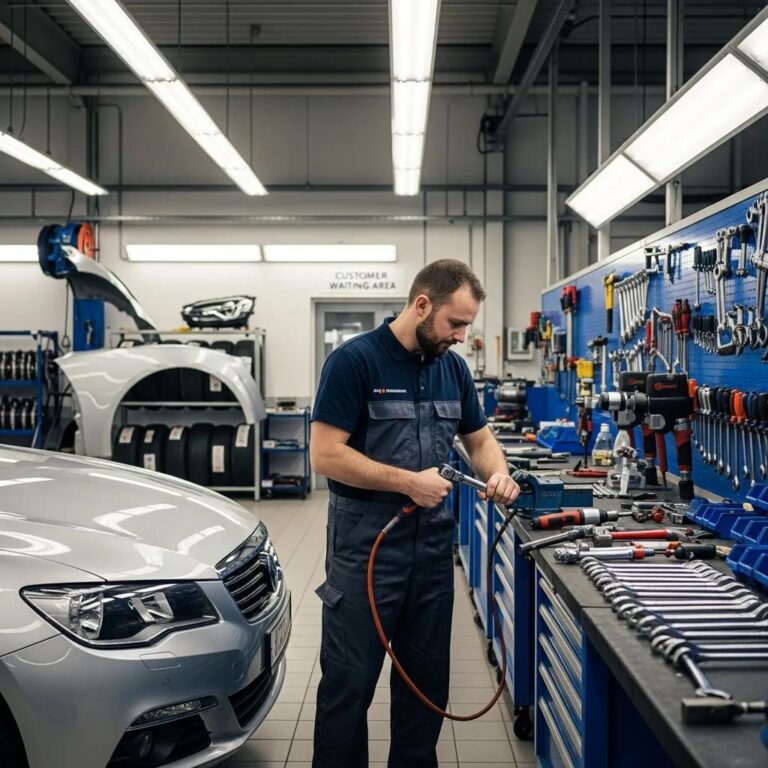
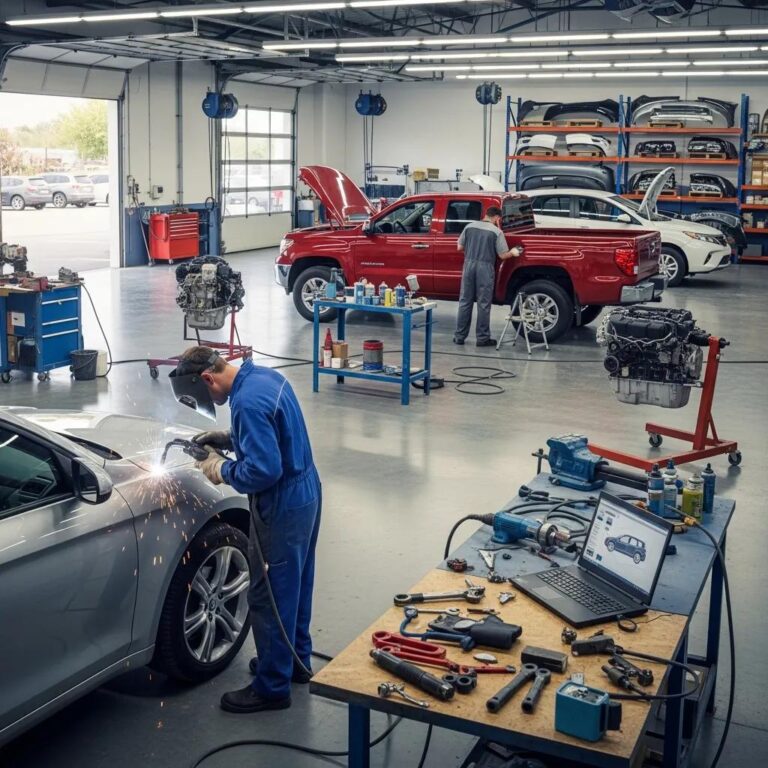
Repairs use specialized tools and methods. Frame work often requires computerized realignment to factory specs. Dent removal can use paintless techniques when possible to preserve the finish. Paint work involves surface prep, priming, and color‑matched painting so the repair blends seamlessly with the rest of the vehicle.
Why Choose an OEM Certified Auto Body Shop?
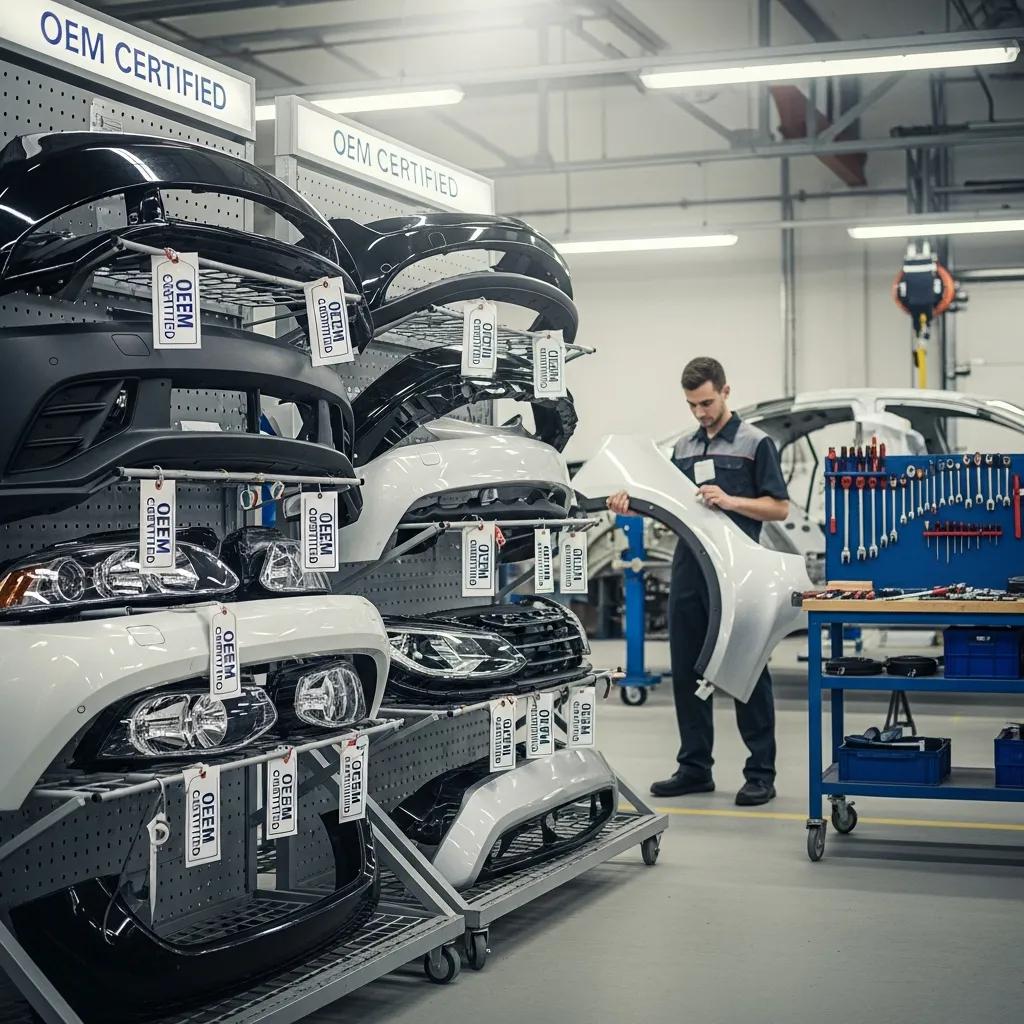
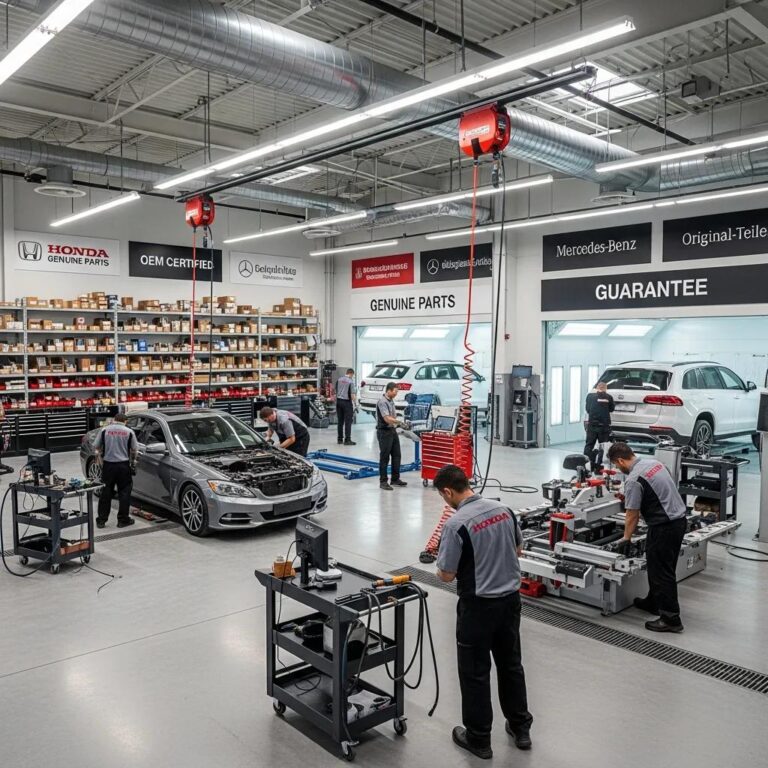
OEM certification means repairs follow manufacturer standards and use factory‑specified parts. That keeps your vehicle safer, preserves performance, and helps maintain resale value. If your vehicle is newer or still under manufacturer recommendations, OEM work is often the best choice.
What Are OEM Certified Repairs and Their Benefits?
OEM repairs use parts designed for your make and model, fit correctly, and meet safety expectations. Using OEM parts and following factory repair procedures preserves vehicle integrity and can prevent future issues that sometimes come from mismatched components.
How Do I-CAR Platinum Certifications Ensure Quality?
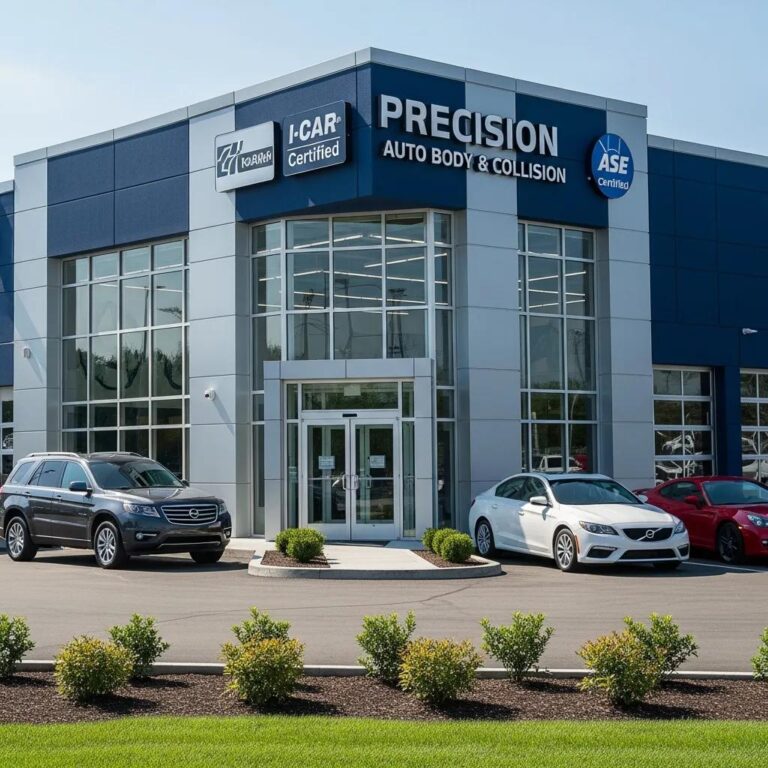
I‑CAR Platinum signifies ongoing technician training in modern repair methods and safety standards. Technicians with this certification stay current on the latest procedures and tools, which translates to more reliable repairs and safer vehicles coming back to you.
The industry’s focus on training and certification reflects global efforts to raise repair quality and protect drivers everywhere.
Global Standards for Expert Auto Body Repair
This study compared automobile repair systems in the United States, Germany and Japan — countries with advanced repair industries — and highlighted features worth considering for improving repair practices elsewhere.
해외 자동차정비제도 현황 분석을 통한 국내 제도 개선방안 연구, 2020
How Does Insurance Claim Assistance Work at a Body Shop?
Handling insurance paperwork can be stressful. Many body shops assist by preparing estimates and repair documentation and by communicating directly with your insurer to keep the process moving.
What Support Is Provided for Navigating Insurance Claims?
Shops commonly help you understand coverage, file claims, and coordinate with adjusters. That support reduces confusion and lets you focus on getting your car back on the road while the shop manages technical details with the insurer.
While most shops act transparently, it’s worth noting that questions about estimate accuracy have appeared in industry research and reports over time.
Auto Body Shop Insurance Claims & Quality Repair
Past field research has examined how repair estimates and insurance interactions can vary, highlighting the importance of clear documentation and oversight in the repair process.
A field experiment on insurance fraud in auto body repair, JA Fox, 1989
How Long Does the Insurance and Repair Coordination Take?
Timing depends on damage complexity and how quickly your insurer and the shop exchange information. Simple claims can move in a few days; more extensive repairs or parts orders may take a couple of weeks or longer. Your shop should give progress updates so you know what to expect.
What Modern Vehicle Technologies Affect Repair Services?
Modern cars pack sensors, cameras, and driver‑assist systems that require special handling after repairs. Recognizing these systems helps ensure repairs are complete and safe.
Why Is ADAS Calibration Important After Repairs?
Advanced Driver Assistance Systems (ADAS) — like lane‑keep assist and automatic braking — need precise calibration after body or windshield work. Incorrect calibration can affect safety features, so certified techs use proper tools and procedures to restore system accuracy.
How Do Certified Technicians Handle Advanced Vehicle Systems?
Certified technicians have the diagnostic tools and training to service ADAS and other electronics. They verify system operation after repairs and perform any required calibrations to return your vehicle to safe working order.
What Warranty and Customer Satisfaction Can I Expect?
Reputable shops stand behind their work with warranties and clear customer care policies. A repair warranty protects against defects in parts and workmanship, giving you confidence in the repair long after you drive away.
What Is Covered Under the Repair Warranty?
Warranties typically cover the quality of workmanship and the parts used in the repair. If an issue related to the repair appears, the shop will make it right at no extra charge during the warranty period. Ask for the specific terms so you know what’s included.
How Does the Body Shop Ensure Customer Trust and Safety?
Trust comes from open communication, consistent quality, and timely follow‑up. Good shops provide detailed estimates, regular status updates, and a clear process for addressing concerns. That transparency helps you feel confident throughout the repair.
This quick reference shows common repair types and why each matters for your vehicle’s safety and appearance.
In short, understanding body shop services helps you make smart choices after an accident. Choosing an OEM‑certified provider like Prime Time Collision Center ensures repairs follow manufacturer standards and are backed by trained technicians and insurance coordination.
Frequently Asked Questions
What should I look for when choosing a body shop?
Look for certifications, customer reviews, and transparent estimates. OEM certification and I‑CAR Platinum for technicians are strong indicators of quality. Also consider the shop’s communication style — clear updates and written estimates are signs of a reliable provider.
How can I prepare for my visit to the body shop?
Bring your insurance details, vehicle registration, and any previous repair records. Take photos of the damage and note any concerns you have. This helps the estimator make a thorough assessment and speeds up the process.
What types of payment options do body shops typically accept?
Most shops accept credit or debit cards, cash, and checks. Many also work directly with insurers so you won’t have to pay out of pocket for covered repairs. Confirm payment methods with the shop when you schedule service.
How can I ensure my vehicle’s safety after repairs?
Ask for documentation of inspections and ADAS calibrations, and test‑drive the vehicle to check for issues. If anything feels off, contact the shop immediately so they can re‑inspect and correct it under warranty if needed.
What should I do if I’m not satisfied with the repairs?
First, tell the shop about your concerns — reputable shops will address problems promptly. If you don’t get a satisfactory response, contact your insurer or local consumer protection agency and keep records of all communications.
Are there any specific maintenance tips after a collision repair?
Let new paint cure before washing the vehicle (follow the shop’s instructions), inspect repaired areas regularly, and follow any care guidance the shop provides. Routine checks help spot issues early and protect the repair work.
Conclusion
Knowing what to expect from collision repairs helps reduce stress and get you back on the road safely. Choose a shop that follows OEM standards, employs trained technicians, and supports you through insurance and warranty questions. If you need help, reach out to Prime Time Collision Center — we’ll walk you through the process and restore your vehicle with care.