

Practical Tips to Improve Your Car’s Gas Mileage: Essential Fuel‑Efficiency & Maintenance Guide
Gas mileage (MPG) tells you how efficiently your car turns fuel into miles. Better MPG means lower fuel bills, fewer emissions and longer trips between fill‑ups. This guide lays out practical, easy‑to‑use tips you can start today: smart driving habits, routine maintenance, engine and fuel‑system checks, and how aerodynamics and post‑accident inspections affect economy. Many drivers blame only their driving style, but small mechanical issues — underinflated tires, clogged air filters, or misaligned body panels — quietly shave MPG. Learn what to check, what to expect from common services, and when to bring your vehicle to a professional so you get the best fuel economy possible.
How can eco‑driving techniques boost your car’s fuel economy?

Eco‑driving is a handful of simple behaviors that cut fuel use — things like gentle throttle control, avoiding needless idling, and keeping speed changes smooth. Engines and transmissions work most efficiently under steady loads, so smooth acceleration and cruising use less fuel than repeated stop‑and‑go driving. Using cruise control on steady highway stretches, scanning traffic to avoid sudden braking, and keeping speeds in a sensible range are small changes that add up to measurable MPG gains. These habits work best when your car is well maintained, so driving technique and mechanical care go hand‑in‑hand.
Quick, high‑impact eco‑driving actions and their typical MPG effects:
- Accelerate smoothly and brake gently to cut fuel wasted in stop‑start traffic — city MPG can improve by up to 10%.
- Use cruise control on highways to maintain an efficient engine load — often saves 3–7% at steady speeds.
- Avoid high speeds; fuel use climbs quickly above 50–60 mph, and each 5–10 mph increase can cost several percentage points of MPG.
- Reduce idling — turn the engine off during long stops to avoid wasting fuel equivalent to driving several miles.
- Combine errands to limit cold starts and short trips, which burn extra fuel while the engine warms up.
These driving habits give fast wins. Pair them with simple vehicle checks so the car responds predictably and you keep those gains over time.
What driving habits save the most on gas?
The best fuel‑saving habits focus on planning, smooth control and avoiding needless work for the engine. In town, ease onto the throttle — in most cars that means keeping revs between 2,000–2,500 RPM — and coast to slow instead of slamming the brakes. Time departures to avoid heavy stop‑and‑go traffic when you can. On the highway, aim for the vehicle’s most efficient speed (usually 50–65 mph), use cruise control on long flat runs, and avoid repeated aggressive passing that forces high‑throttle bursts. Group errands into a single trip and use route planning to bypass congestion — that reduces cold starts and idling time. These habits pair naturally with maintenance checks on tires and drivetrain components, which help your car behave the way it should when you drive gently.
Which maintenance tasks have the biggest impact on MPG?
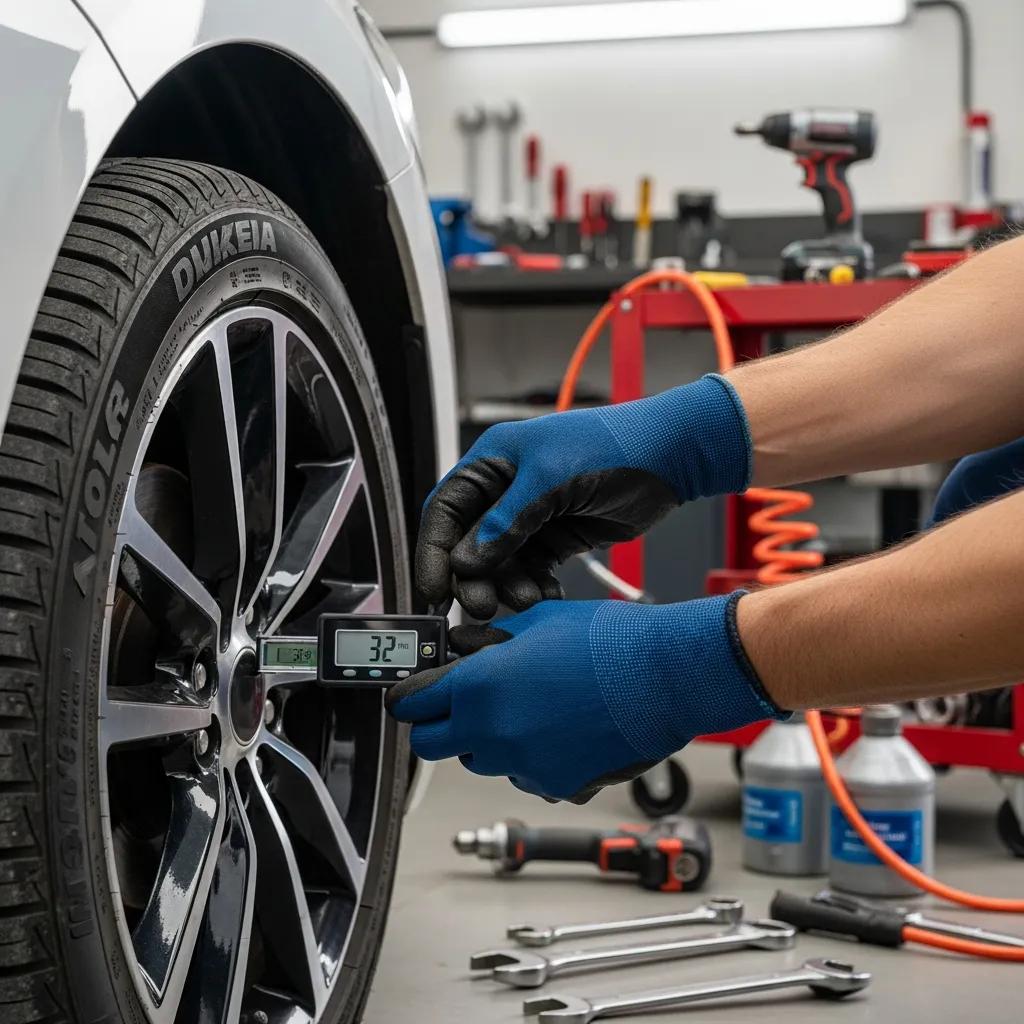
Regular maintenance restores components that affect combustion, rolling resistance and drivetrain efficiency — in short, well‑kept parts turn more fuel into forward motion. Key items to watch: tire pressure and alignment, air filter condition, spark plugs, correct oil viscosity, and routine tune‑ups for fuel and ignition systems. Fixing these small issues prevents them from adding up into a noticeable MPG loss. The table below compares common maintenance items, how they help, and the typical MPG gains so you can prioritize services that deliver the most value.
| Maintenance Action | Mechanism | Typical MPG Impact |
|---|---|---|
| Tire pressure check & inflation | Reduces rolling resistance | 0.6–3% improvement |
| Wheel alignment & rotation | Ensures even wear and proper contact | 1–2% improvement |
| Air filter replacement | Improves airflow and combustion | 1–3% improvement |
| Spark plug replacement | Restores efficient ignition | 1–4% improvement |
| Regular oil changes (correct viscosity) | Reduces friction in engine | 1–2% improvement |
Individually these services return a few percentage points of MPG; together they compound into a meaningful saving. Start with the highest‑impact checks and keep a simple schedule to protect your fuel economy.
How much does proper tire pressure affect fuel efficiency?
Correct tire pressure lowers rolling resistance and keeps the tread contacting the road as intended, so the engine needs to work less to keep you moving. Underinflated tires flex more and generate heat, which wastes fuel — typically costing 0.6–3% of MPG depending on how underinflated they are. Check tire pressure monthly and before long trips with a calibrated gauge when tires are cold, and follow the PSI on your driver‑side placard. Temperature swings can change PSI by several pounds, so adjust seasonally and inspect tires for uneven wear that might signal alignment problems. Good tire care also extends tread life and works with alignment services to preserve long‑term efficiency.
How do engine tune‑ups and fuel‑system services improve gas mileage?
Tune‑ups and fuel‑system work restore accurate fuel delivery, proper air‑fuel ratios and reliable ignition timing — every combustion cycle then converts more fuel into power. Parts like spark plugs, fuel injectors and air filters, plus diagnostic scans, reveal issues such as misfires or clogged injectors that lower MPG. Proactive diagnostics often catch problems before they affect drivability, and routine service typically improves MPG by low to mid single digits depending on condition. The table below lists common engine and fuel services, the problems they fix, and expected MPG benefits to help you decide what to schedule first.
| Service | Problem Addressed | Typical MPG Benefit |
|---|---|---|
| Spark plug replacement | Misfires, poor ignition | 1–4% |
| Fuel injector cleaning | Clogged/nozzles affecting spray pattern | 1–3% |
| Air intake and filter service | Restricted airflow reducing combustion | 1–3% |
| Engine diagnostic & ECU check | Detects timing/fuel issues | Variable; can resolve major losses |
| Fuel system cleaning | Deposits that reduce delivery efficiency | 1–3% |
Combined, these services often add up to a noticeable improvement. If you notice rough idle, hesitation under load or a sudden drop in MPG, schedule targeted diagnostics to find the root cause.
What maintenance services does Prime Time Collision Center offer to help MPG?
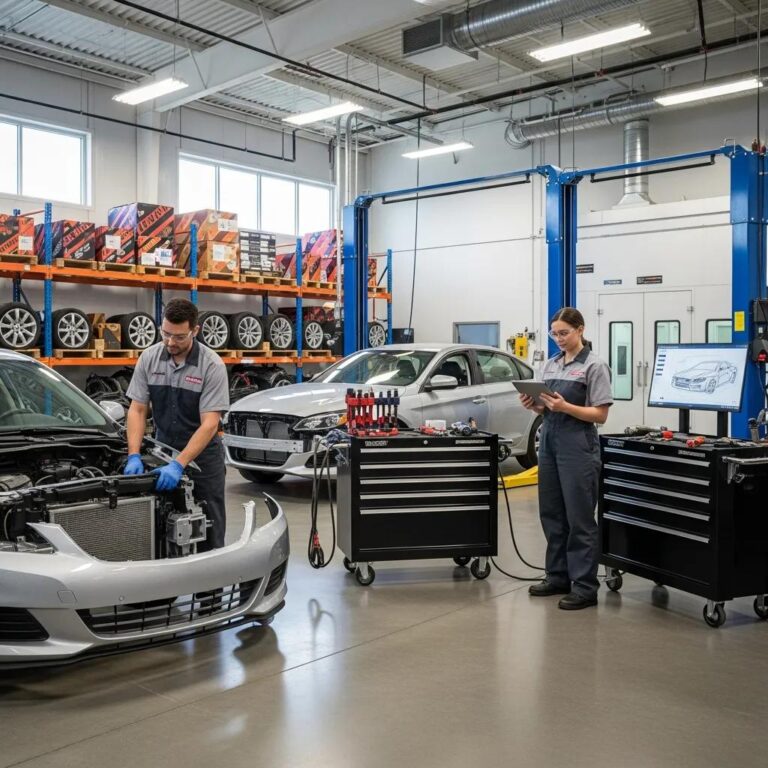
At Prime Time Collision Center we provide services that support fuel economy by fixing the mechanical and structural issues that affect MPG: wheel alignment, tire service, air filter checks and diagnostic assessments to find engine or fuel‑system problems. Our technicians follow factory‑quality (OEM) repair standards and I‑CAR Platinum processes to restore fit, function and aerodynamics — that helps avoid extra drag or drivetrain inefficiency after repairs. We also assist with insurance claims and offer free repair estimates so you can move promptly from diagnosis to repair. If your MPG has dropped or you have post‑repair concerns, book a diagnostic evaluation or free estimate and we’ll help identify whether mechanical or bodywork repairs are needed to recover original fuel efficiency.
Why do vehicle weight and aerodynamics matter for fuel economy?
Weight and aerodynamics affect MPG in different ways: extra mass uses more energy for acceleration and hills, while aerodynamic drag rises with the square of speed and dominates at highway velocities. Every extra 100 pounds typically costs around 1% of MPG, and roof racks, open windows or damaged bodywork that disturbs airflow can shave several percent off highway economy. Small aerodynamic issues — gaps, misaligned panels or missing trim — create turbulence that increases drag. Removing unnecessary weight, securing cargo and restoring smooth body contours are high‑leverage ways to improve MPG, especially if you do a lot of highway driving.
| Factor | What It Affects | Estimated MPG Impact |
|---|---|---|
| Excess cargo weight (per 100 lb) | Acceleration & hill‑climbing | ~1% MPG loss |
| Roof racks / carriers | Increased aerodynamic drag | 2–5% at highway speeds |
| Misaligned panels / gaps | Turbulence and drag | 1–4% depending on severity |
| Restored OEM fit/finish | Smooth airflow and efficiency | Recovers pre‑damage MPG |
The table shows how modest changes in weight and airflow can produce measurable MPG differences. Practical fixes include removing unused roof accessories, decluttering cargo and repairing panel alignment — tasks best performed to OEM standards to preserve original airflow.
How do OEM‑certified repairs restore your car’s aerodynamics?
OEM‑certified repairs restore aerodynamics by replacing damaged panels and trim with the correct parts and fitting them to factory tolerances. When panels are out of alignment or aftermarket parts don’t match the original fit, airflow separates earlier and creates drag‑inducing turbulence that raises fuel use at highway speeds. Technicians trained to OEM and I‑CAR Platinum standards use factory measurements and alignment procedures to return surfaces to spec, recovering pre‑damage aerodynamic performance. Correct fasteners, seals and trim also prevent wind noise and drag — so restoring those details after a collision helps protect both comfort and fuel economy.
What post‑accident checks help your car run efficiently?
After a collision, focused checks make sure nothing hidden reduces MPG or drivability. Inspections typically include wheel alignment and suspension geometry, engine and transmission diagnostics, fuel‑system checks for leaks or injector issues, and panel fitment reviews to restore aerodynamics. These verifications confirm repair work didn’t introduce extra rolling resistance, misalignment or airflow problems. The checklist below covers the key post‑repair items drivers and technicians should confirm to protect fuel economy and safe operation.
- Wheel alignment and suspension geometry verification to prevent uneven tire wear and excess rolling resistance.
- Engine and transmission diagnostic scan to ensure sensors, ignition timing and fuel delivery meet specifications.
- Fuel‑system inspection for leaks, correct pressure and injector performance to maintain efficient combustion.
- Body panel and trim fitment check to restore intended aerodynamic contours and reduce drag.
- Test drive with fuel‑economy monitoring to confirm real‑world MPG returns to expectations after repairs.
Running through this checklist after repairs lowers the risk that hidden issues will erode MPG. Certified repair standards give you the confidence that those checks restore the vehicle close to factory performance.
How does Prime Time Collision Center support fuel economy after repairs?
Prime Time Collision Center combines OEM‑quality repairs with verification steps — alignment checks, diagnostic scans and road testing — to confirm restored performance and fuel economy. Our I‑CAR Platinum Certified Technicians follow factory repair processes to ensure correct panel fitment and suspension geometry, which influence both aerodynamics and rolling resistance. We also help with insurance claims, provide free repair estimates and coordinate 24/7 towing so repairs happen promptly and properly. Schedule a post‑repair inspection or diagnostic evaluation with Prime Time to document that your vehicle’s handling and MPG have been returned to expected levels.
What practical steps can you take to save gas and improve MPG?
Practical savings come from three pillars: how you drive (smooth acceleration, steady speeds), the car’s condition (tires, filters, oil) and load/aerodynamics (lighter load, fewer roof accessories). Monitor MPG trends over weeks, address sudden drops quickly and keep up with scheduled maintenance to limit gradual performance loss. The daily and weekly actions below are low effort and deliver steady, compounding improvements.
Which simple daily steps boost fuel efficiency?
Make these quick checks and habits part of your routine: check tire pressure weekly or before long trips, remove unneeded cargo, turn the engine off during long stops when safe, and use A/C sparingly — prefer ventilation at moderate speeds. Combine errands to reduce cold starts, plan merges and exits to keep speeds steady, and watch your trip computer or keep a short log of MPG to spot declines early. Each micro‑habit takes minutes but, over time, they add up to several percentage points of fuel savings when combined with regular service and occasional professional diagnostics.
Frequently Asked Questions
1. How often should I check my tire pressure for optimal fuel efficiency?
Check tire pressure at least once a month and before long trips. Measure when the tires are cold for the most accurate reading and follow the PSI on your vehicle’s driver‑side placard. Regular checks help avoid underinflation, which can reduce MPG by 0.6–3%, and they improve both safety and tire life.
2. What role does vehicle weight play in fuel economy?
Extra weight increases the energy needed to accelerate and climb hills. As a rule of thumb, every 100 pounds of additional cargo can reduce MPG by about 1%. Removing unnecessary items and avoiding heavy loads when possible will improve fuel economy, especially on longer drives or hilly routes.
3. Can driving style really affect my gas mileage?
Yes — driving style has a big effect. Smooth acceleration and gentle braking reduce wasted energy in stop‑and‑go traffic. Maintaining steady speeds, using cruise control on suitable highway stretches and anticipating traffic all improve MPG. Aggressive driving (rapid acceleration, hard braking) can cut urban fuel economy by as much as 30% in some cases. Adopting eco‑driving habits saves fuel and reduces emissions.
4. How do engine tune‑ups contribute to better fuel efficiency?
Tune‑ups keep components like spark plugs, injectors and air filters working correctly so the engine runs at the right air‑fuel ratio and timing. A well‑tuned engine typically improves MPG by 1–4%, depending on the vehicle’s condition. Regular tune‑ups prevent larger problems and help the car operate efficiently over time.
5. What are some quick daily habits to improve gas mileage?
Daily habits that help include checking tire pressure, removing excess cargo, avoiding long idling, and combining errands to reduce cold starts. Plan merges and exits to maintain steady speeds and track your MPG to catch sudden drops. Consistent small changes add up to meaningful savings.
6. How does aerodynamics affect fuel economy?
Aerodynamics matters most at highway speeds. Poorly aligned panels, roof racks and other disruptions to airflow increase drag and fuel use — a roof rack can reduce highway MPG by 2–5%. Keep bodywork intact, remove unnecessary accessories and repair panel misalignments to restore airflow and recover lost efficiency.
7. What should I do if I notice a sudden drop in my MPG?
If MPG suddenly drops, check basic maintenance items first: tire pressure, air filter and oil level. If those look fine, schedule a diagnostic evaluation to inspect the fuel system, ignition and engine sensors. Addressing drops early helps avoid bigger problems and higher fuel costs.
Conclusion
Improving your car’s gas mileage is a mix of smarter driving and regular maintenance. Adopt smooth driving habits, keep tires and filters in good shape, and address aerodynamic or mechanical issues promptly. Small, consistent actions — plus timely professional checks — deliver measurable fuel savings over time. Start with a few of these tips today and you’ll see the benefits at the pump.