
Silver Lake Car Painting & Auto Refinishing — Expert Color-Matched Repairs
If a ding, scratch, or faded panel has you worried, you’re not alone. In Silver Lake, we help drivers restore their cars’ looks and protect them from corrosion — all while keeping factory standards in mind. This guide walks you through what professional car painting really involves: how technicians achieve accurate color matches, when a spot repair is enough versus a full repaint, and what to expect for cost, timing, and insurance. You’ll learn how modern refinishing preserves resale value, follows manufacturer procedures, and returns your vehicle with a finish that blends in seamlessly. Read on for practical tips and local guidance to evaluate auto paint Silver Lake, car painting Silver Lake, and Silver Lake auto paint color matching options near you.
Why Choose Prime Time Collision Center for Car Painting in Silver Lake?
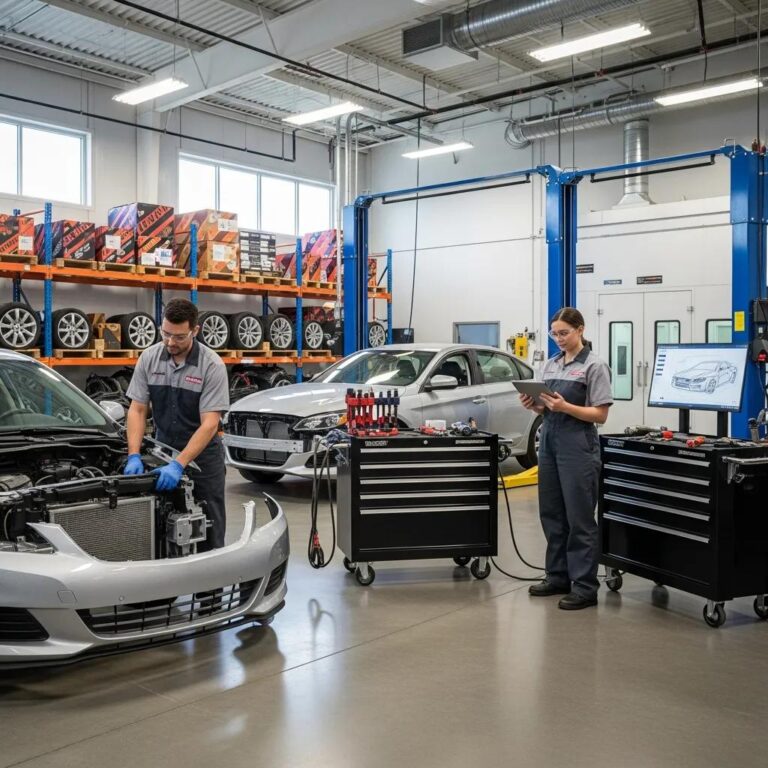
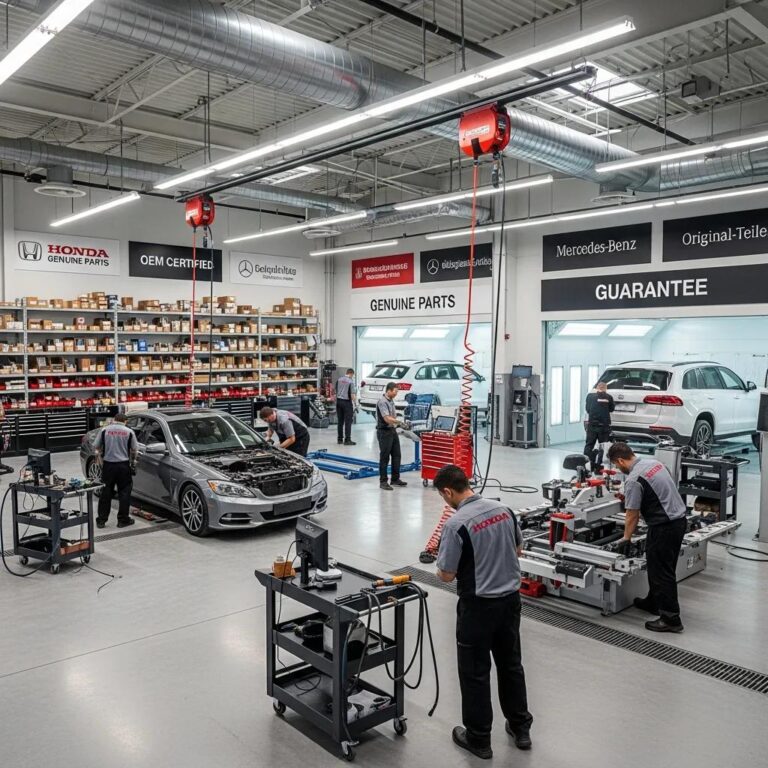
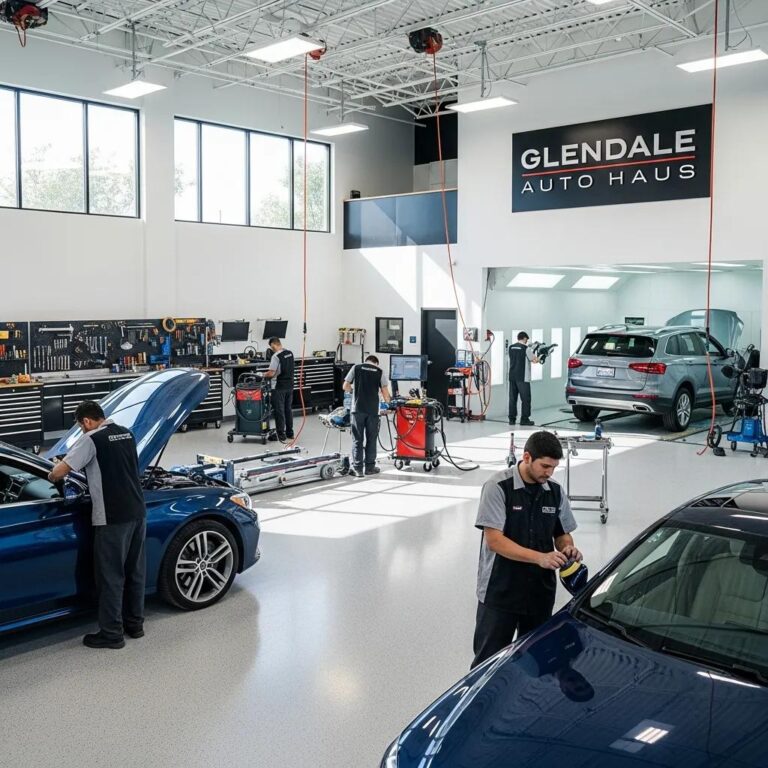
Good paintwork is part science, part craft. We combine OEM-aligned procedures, calibrated color systems, and controlled shop environments to recreate factory finishes and protect the metal underneath. Local, certified technicians reduce the risk of mismatched panels, poor adhesion, or premature clear coat failure — and they preserve safety-related coatings built into many panels. For Silver Lake drivers, choosing a nearby, transparent shop means faster turnarounds and fewer headaches during your daily routine.
How Does I-CAR Platinum Certification Ensure OEM-Level Paint Quality?
I-CAR Platinum means the whole shop commits to ongoing training across the skills that matter for safe, lasting repairs — including refinishing, materials handling, and repair sequencing. Technicians trained to I-CAR standards follow manufacturer guidance on when to refinish, how to protect original coatings, and the correct sanding and priming steps. That consistency lowers the chance of corrosion or adhesion problems later on and gives drivers confidence that repairs meet OEM intent and safety considerations.
- I-CAR training covers manufacturer refinishing procedures for accurate repairs.
- Certification keeps the team current on repair sequencing and materials handling.
- Technicians use standardized methods that protect fit, finish, and long-term performance.
Those training standards naturally lead into why accurate color matching matters for an invisible repair.
What Makes Our Color Matching Technology Deliver Flawless Finishes?
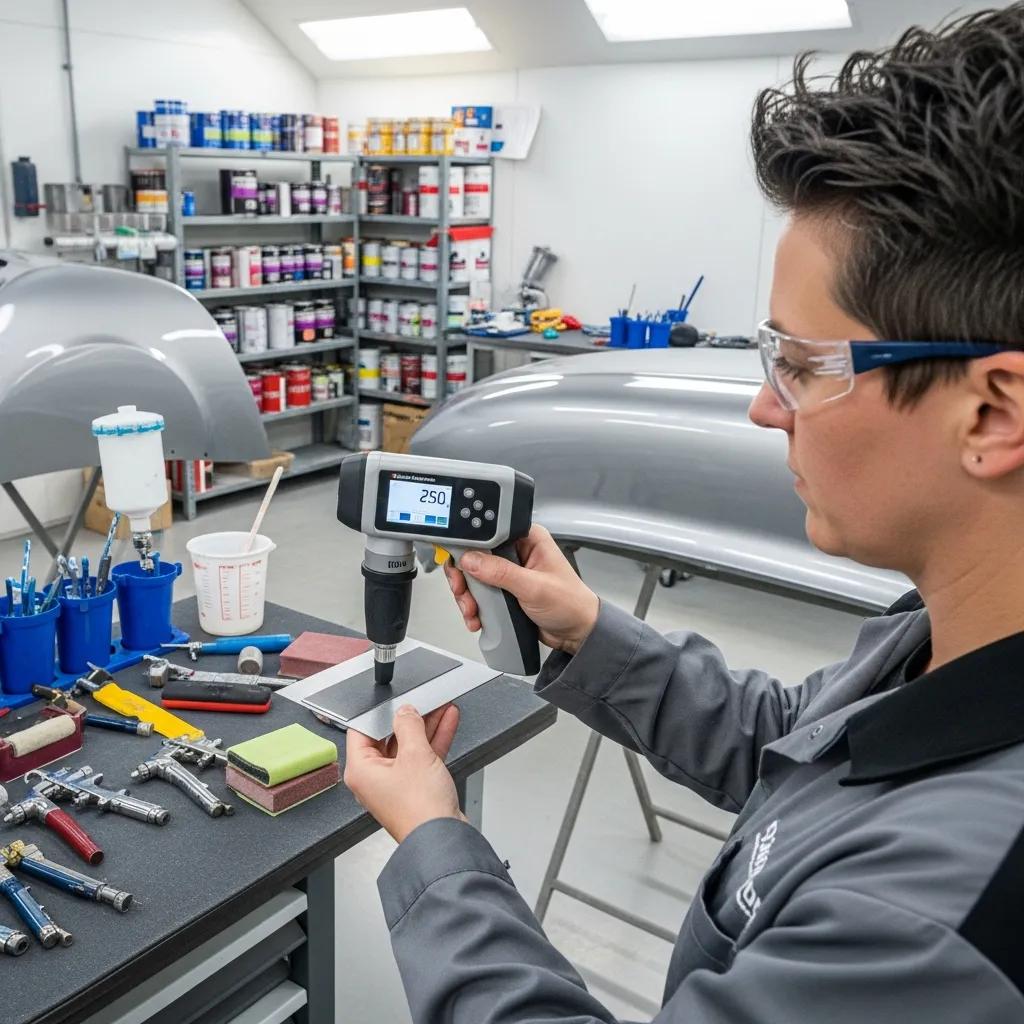
Modern color matching pairs precision tools with experienced eyes. We start with a spectrophotometer read and consult manufacturer-grade paint databases to generate an initial formula, then refine it with test sprays under controlled lighting. Multi-stage application — base coat, any mid-coat effects, then clear coat — plus feathering and panel blending help the repair flow into surrounding panels without a visible edge. That mix of measurement and technique delivers durable, near-invisible results that preserve the vehicle’s original look.
- Measure: Capture exact surface color coordinates with a spectrophotometer.
- Formulate: Pull and fine-tune manufacturer-grade paint formulas.
- Validate: Test-spray and inspect under controlled lighting before final application.
When color science and hands-on skill work together, the repaired area becomes visually seamless and long-lasting.
What Is the Comprehensive Car Painting Process at Prime Time Collision Center?
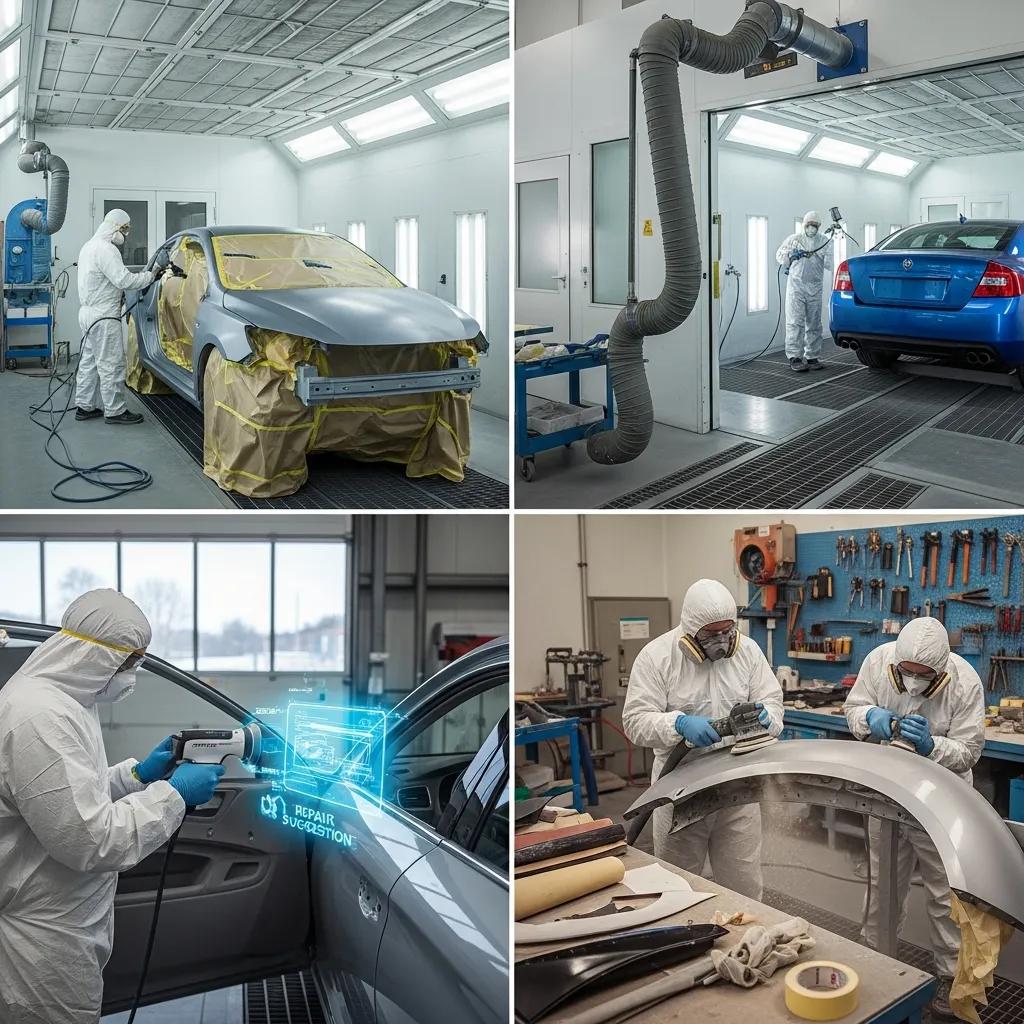
Our paint workflow is deliberate: assess the damage, prepare the surface, apply color in a controlled environment, and finish with curing and quality checks. Each step has clear goals — documenting scope, ensuring adhesion, matching color and gloss, and verifying durability — and following manufacturer procedures keeps warranty conditions intact. That structured approach produces consistent timelines and transparent estimates you can trust.
The essential painting steps for a typical repair are:
- Damage assessment and estimate: We document dents, exposed substrate, and needed parts to build an itemized plan.
- Surface preparation: Sanding, corrosion treatment, and primer create a stable base for paint.
- Color matching and application: Precision mixing, base coat, blending, and clear coat to recreate OEM appearance.
- Curing and final QA: Controlled cure, polishing, and inspection to confirm adhesion, gloss, and color consistency.
These stages form the backbone of a dependable repair and explain how we arrive at clear, accurate estimates.
Introductory table comparing process steps for quick reference.
| Phase | Tools Used | Outcome |
|---|---|---|
| Assessment | Digital photos, written checklist | Transparent scope and line-item estimate |
| Preparation | Sanders, corrosion inhibitors, primers | Proper adhesion and corrosion protection |
| Application | Spectrophotometer, OEM paint systems, spray booth | Color-accurate multi-layer finish |
| Curing & QA | Controlled ovens, polishers, inspection | Durable gloss and verified match |
This comparison shows how each phase contributes to a factory-level finish and what to expect before you authorize work.
How Do We Assess Damage and Provide Free, Transparent Estimates?
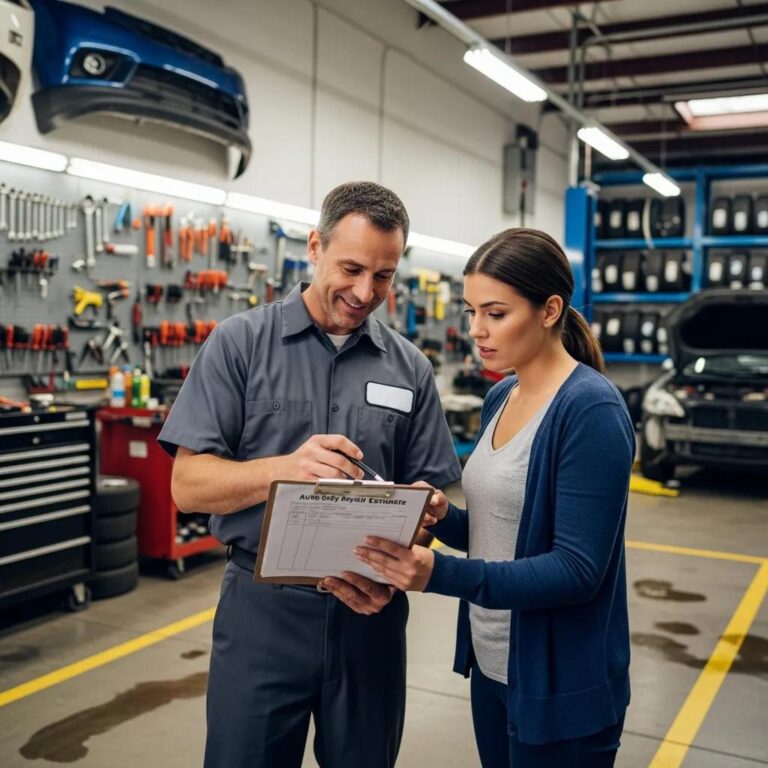
Assessment begins with a visual and digital inspection that records where paint, primer, or substrate is compromised and flags any hidden issues. We take photos, measure repair areas, and produce a written, itemized estimate that separates paint labor, materials, and any parts. That clarity shows the difference between surface paint work and more involved panel replacement or corrosion mitigation. Free estimates give you the information needed to compare options before you decide.
- Inspectors document visible and potential hidden damage with photos and notes.
- Estimates itemize paint labor, materials, blending time, and required parts.
- Free estimates include recommended sequences and optional protective coatings.
Clear estimates reduce surprises and make insurer reviews smoother.
What Are the Steps for Paint Preparation and Application?
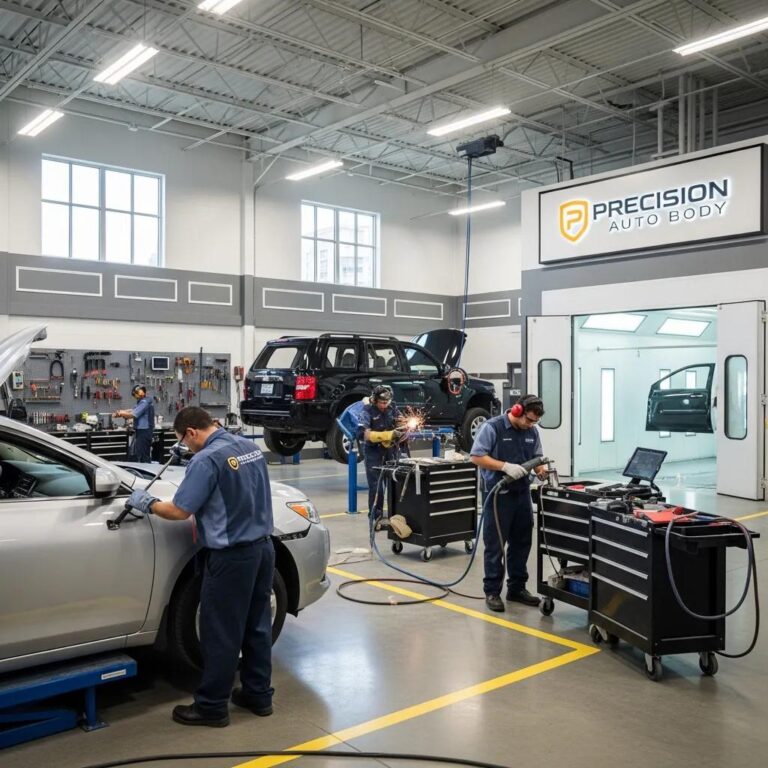
Preparation is where durable paint begins. We start with controlled cleaning and corrosion treatment, sand away damaged clear coat, and prime problem areas to create a uniform surface. Panels are masked, then base coats are applied in a temperature- and humidity-controlled booth for even film build. After the color goes on, clear coats lock in gloss and protection; final wet sanding and polishing integrate texture and optical continuity. We verify film thickness, adhesion, and visual match before releasing the car.
- Cleaning and corrosion treatment: Remove contaminants and neutralize rust.
- Sanding and priming: Create a uniform substrate for paint adhesion.
- Color application and clear coating: Layer base and protective coats in a booth environment.
- Curing and finishing: Controlled cure followed by polishing to achieve OEM gloss.
Strong surface prep is as important as the visible paint — it’s the foundation of a long-lasting finish.
Which Specialized Car Painting Services Are Available in Silver Lake?
We offer spot repairs for chips and light scratches, panel-level refinishes for localized damage, and full-vehicle repaints for color changes or full restorations. We also handle luxury and electric vehicle finishes that require manufacturer-aligned formulas and careful multi-coat techniques. Lease-return touch-ups focus on removing visible defects while keeping factory panels intact. Knowing the right service type helps you balance appearance goals with time and budget.
| Service Type | Typical Use Case | Typical Time/Cost Range |
|---|---|---|
| Spot paint repair | Small chips, scratches, bumper scuffs | 1–3 days / lower cost than panel repaint |
| Panel repaint | Fender, door or quarter panel damage | 2–5 days / moderate cost for blending |
| Full vehicle repaint | Color change or extensive damage | 1–2+ weeks / higher cost based on finish |
Use this comparison to pick the least invasive option that meets your aesthetic and budget needs.
How Do Spot Paint Repairs and Scratch Removal Work?
Spot repairs address limited areas where the clear coat or paint is damaged but the panel remains structurally sound. We feather-sand, apply localized primer, and blend color carefully so the repair disappears into the surrounding finish. Surface scratches often respond to spot blending; deeper damage that exposes metal may require panel-level work. Spot repairs keep most of the factory paint intact, cost less, and shorten turnaround when appropriate.
- We identify whether a defect is surface-level or exposes the substrate.
- Localized sanding and color feathering integrate the repair with adjacent panels.
- Spot repairs preserve original finish where possible and minimize downtime.
If blending can’t fully hide the damage, we’ll recommend a panel repaint instead of promising an imperfect result.
What Options Exist for Full Vehicle Repaints and Luxury Car Paint Services?
Full repaints require complete surface prep, consistent sanding across panels, and multi-stage paint systems — including pearlescent or metallic layers when needed. Luxury and EV work often uses OEM color formulas and additional layering for depth and gloss, plus extra inspection time to meet showroom standards. We can also recommend post-paint protection like ceramic coatings or paint protection film to extend the finish’s life. For high-value vehicles, documentation and OEM-aligned materials are a must.
- Full sanding or panel prep: Remove previous finish where necessary for uniform adhesion.
- Multi-stage paint: Apply base, special-effect layers, and clear coats for depth.
- Post-paint protection: Consider ceramic coating or PPF to extend finish longevity.
Choose options that match your vehicle’s value and how you plan to use it.
How Does Prime Time Collision Center Assist with Insurance Claims for Paint Damage?
Handling insurance for paint repairs means providing clear documentation, itemized estimates, and timely communication with adjusters so the approved scope reflects OEM repair needs. We prepare detailed estimates, supply photos and repair plans, and talk directly with insurers to explain necessary paint and prep steps. Those records help prevent denials or scope cuts that could leave a repair incomplete. For local drivers, coordinated communication between the shop, you, and your insurer keeps the process moving and the repair aligned with factory standards.
| Role | Responsibility | What to Expect |
|---|---|---|
| Customer | Provide photos, incident details, and policy info | Quick intake and documentation request |
| Shop | Produce itemized estimate and technical notes | Submit to insurer and explain OEM procedures |
| Insurer | Review estimate and authorize payment | Adjuster may request inspection or clarification |
This breakdown clarifies roles and sets expectations for the documents and timelines needed to move from estimate to repair authorization.
What Is the Process for Streamlined Insurance Claim Handling?
We start with customer intake and photo documentation, then build a line-item estimate and submit supporting photos and technical notes to the insurer. Shops that reference manufacturer procedures reduce scope disputes and speed approvals. After authorization, we schedule repairs, order parts if needed, and complete the work with documented quality checks. Clear, proactive communication at every step minimizes surprises and focuses the repair on restoring factory-level protection and appearance.
- Intake and photo documentation kick off the claim accurately and quickly.
- Itemized estimates reference OEM procedures to justify necessary work.
- Approval triggers scheduling, parts ordering, and documented repairs with QA.
This coordinated approach gives customers a predictable timeline and transparency about what their policy will cover.
How Do We Work with All Major Insurance Companies in Silver Lake?
We maintain standard workflows for estimate submission, adjuster communication, and authorization tracking so repairs don’t stall on paperwork. Our team regularly provides insurers with required documentation, measurement records, and manufacturer repair references to help speed approvals. We also advise customers on coverage questions and can coordinate direct billing where policies allow. That cooperation reduces administrative burden and helps ensure repairs meet both insurer expectations and OEM standards.
- Prepare insurer-ready documentation: Estimates, photos, and technical notes.
- Communicate proactively with adjusters: Clarify necessary procedures and materials.
- Coordinate scheduling after approval: Align parts, labor, and customer availability.
For help with a claim, Prime Time Collision Center in Glendale, CA offers free estimates and claim guidance — call us at (818) 396-4997 to start the process.
What Are Common Questions About Car Painting Services in Silver Lake?
Most customers ask about cost, timing, warranties, and next steps after an incident. Price depends on damage extent, number of panels, paint type, and prep needs; timelines hinge on parts, insurer approvals, and curing cycles. Warranties vary, but when OEM procedures are followed you’ll typically get coverage for workmanship and adhesion. Knowing these factors helps you pick a repair scope that balances budget, appearance, and long-term durability.
How Much Does Car Painting Cost in Silver Lake Los Angeles?
Price scales with damage severity and finish complexity. Spot repairs cost less than panel or full-vehicle repaints because they require less material and labor. Key cost drivers include the number of panels to blend, corrosion or structural repairs, specialty finishes, and whether OEM paint formulas are necessary. Get a free, itemized estimate that separates paint labor, materials, and ancillary repairs to compare options fairly.
- Cost drivers include labor hours, materials, number of panels, and finish complexity.
- Spot repairs lower costs by limiting material and blending time.
- Full repaints increase cost because of complete surface prep and multi-coat application.
A clear, itemized estimate reduces uncertainty and helps you choose the most cost-effective route to a factory-quality finish.
How Long Does the Car Painting Process Take?
Turnaround depends on service type: spot repairs often finish in a couple of days, panel repaints usually take several days for prep and curing, and full vehicle repaints can stretch to a week or more. Delays can occur for parts, insurer approvals, or unexpected corrosion discovered during prep. Curing and QA steps are essential and shouldn’t be rushed — they protect adhesion and finish quality. Plan for realistic windows so you can arrange alternate transportation if needed.
- Spot repair: 1–3 days including prep and cure.
- Panel repaint: 2–5 days depending on blending and parts.
- Full repaint: 1–2+ weeks for complete prep, paint, and finish.
These ranges set expectations and emphasize why thorough prep and controlled curing are non-negotiable for lasting results.
Frequently Asked Questions
What Should I Look for When Choosing a Car Painting Service?
Look for certifications, customer reviews, and warranty terms. I-CAR Platinum indicates technician training in OEM methods. Ask about paint types, color-matching tools, and the shop’s process for blending and finishing. A reputable shop provides transparent estimates, clear timelines, and experience with your vehicle type — especially important for luxury or electric models.
Are There Eco-Friendly Options for Car Painting?
Yes. Many shops now offer low-VOC and water-based paint systems that reduce harmful emissions. Ask whether eco-friendly options are available and what steps the shop takes to minimize environmental impact during painting and disposal.
How Can I Maintain My Car’s Paint After a Repaint?
Protect your new finish by washing with a pH-balanced car soap, avoiding automatic brush car washes, and applying quality wax or sealant periodically. Park in shade or use a cover when possible, and check for chips or scratches so you can address them before rust develops.
What Are the Risks of DIY Car Painting?
DIY painting often leads to poor adhesion, color mismatch, and uneven finishes without professional equipment and controlled conditions. Improper prep can cause corrosion or peeling later. A professional shop uses correct materials and processes to avoid costly mistakes and ensure a durable finish that meets OEM standards.
What Should I Do If My Car Paint Gets Damaged Again?
First, assess the damage. Minor chips and scratches are good candidates for spot repair; deeper or widespread damage should be evaluated by a professional. Addressing issues quickly prevents rust and reduces future repair costs. Keep records of past repairs and warranties to streamline any follow-up work.
How Do Weather Conditions Affect Car Painting?
Weather matters: high humidity can cause runs or poor adhesion, while low temperatures slow curing. That’s why painting in a controlled spray booth is best. If weather is a concern, schedule work when conditions are mild or choose a shop with proper environmental controls.
Conclusion
Choosing professional car painting in Silver Lake means getting expert care that restores appearance, protects against future damage, and follows OEM standards. With precise color matching and a step-by-step refinishing process, you can expect a finish that looks and lasts like the factory original. Review service options, get a clear estimate, and pick the repair that fits your needs. Call Prime Time Collision Center today to schedule a free estimate and see the difference our local, certified team can make.