24/7 Emergency Towing in Glendale, CA — Fast, Professional Accident Recovery & Roadside Help
When a breakdown or collision leaves your car unsafe to drive, quick, dependable towing matters. In Glendale, our 24/7 emergency towing pairs fast on-scene support with practical roadside services — and a smooth handoff to factory-quality repairs and insurance workflows. This guide explains how around-the-clock towing and roadside assistance work, what to do at the scene, and how towing ties into OEM-standard collision repair and claims handling. You’ll get clear explanations of towing methods — accident recovery, flatbed transport, specialty hauling — plus simple guidance on when a jump, tire change, or tow is the right call. We also walk through post-crash steps, how to reach help any time of day, and how a repair center coordinates with your insurer to keep repairs moving. Practical checklists and tips throughout help you stay safe and make insurance-friendly choices while arranging urgent vehicle recovery in Glendale and nearby communities.
What Emergency Towing Services Does Prime Time Collision Offer in Glendale?
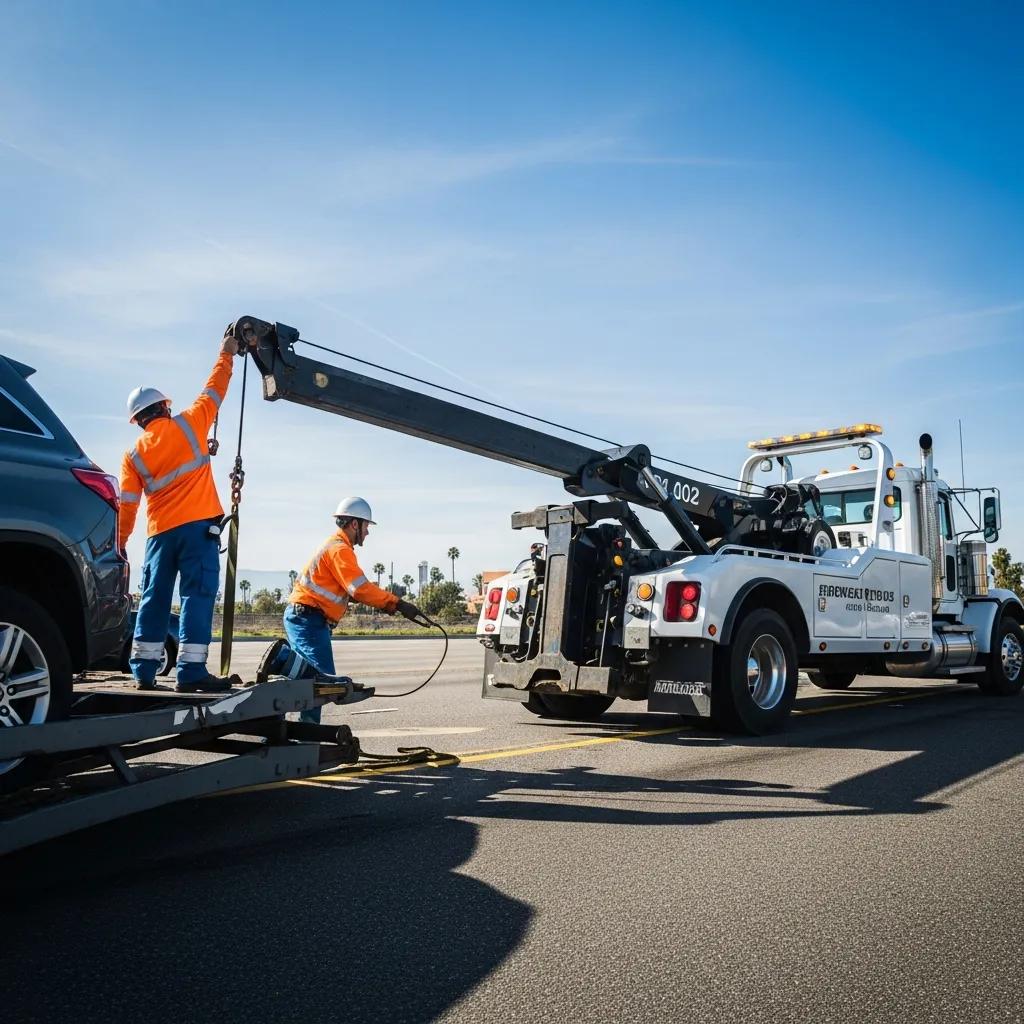
We provide immediate accident recovery, flatbed transport for delicate or specialty vehicles, heavy-duty recovery for larger rigs, and on-site winching and stabilization to protect your vehicle. Our teams stabilize vehicles, use flatbeds and winches to prevent further damage, and transport cars to a secure facility for inspection and repair. Proper equipment and trained operators reduce chassis stress, protect airbags and sensors, and preserve EV systems during recovery. Knowing your options helps you pick the safest recovery method and preserves evidence needed for insurance and OEM-compliant repairs.
| Service Type | Typical Use Case | Key Benefit |
|---|---|---|
| Accident Towing | Vehicles involved in collisions that need safe removal from the scene | Stabilizes the vehicle and prevents further mechanical or body damage |
| Flatbed Towing | Luxury cars, EVs, motorcycles, and total-loss transport | Supports the vehicle fully to avoid wheel and suspension stress |
| Roadside Assistance | Jump starts, tire changes, lockout help, fuel delivery | Quick on-site fixes that often avoid a full tow and reduce downtime |
Choosing the right service protects the vehicle and smooths post-accident steps — next, here’s how recovery crews keep the scene safe and load vehicles carefully for transport.
Prime Time Collision also coordinates free 24/7 towing for accident-involved vehicles to our collision facility so we can begin OEM-focused repair planning right away. Our on-call recovery options aim to reduce stress after a crash and speed the move from rescue to inspection and repair while keeping insurers informed. Having round-the-clock towing available reduces the time a damaged vehicle sits exposed at the scene and gets you into the repair process faster.
How Does Accident Towing Service Glendale Ensure Safe Vehicle Recovery?
Safe recovery starts with stabilizing the scene, documenting damage, and handling the vehicle in ways that protect occupants and vehicle systems. Crews secure the area and stabilize the car with chocks, straps, and winches to stop unintended movement, then document visible damage and note fluid leaks or battery concerns — especially for EVs and modern electronics. Technicians select flatbeds or wheel-lift systems based on the vehicle and its condition to minimize stress on suspension and body panels. These steps protect the vehicle and create a clear record for insurance estimates and OEM-compliant repair planning.
Knowing these steps helps you understand what to expect when the tow operator arrives and what information to share — for example, whether flatbed transport is recommended for high-value or electrified vehicles.
What Types of Flatbed Towing Glendale Services Are Available?
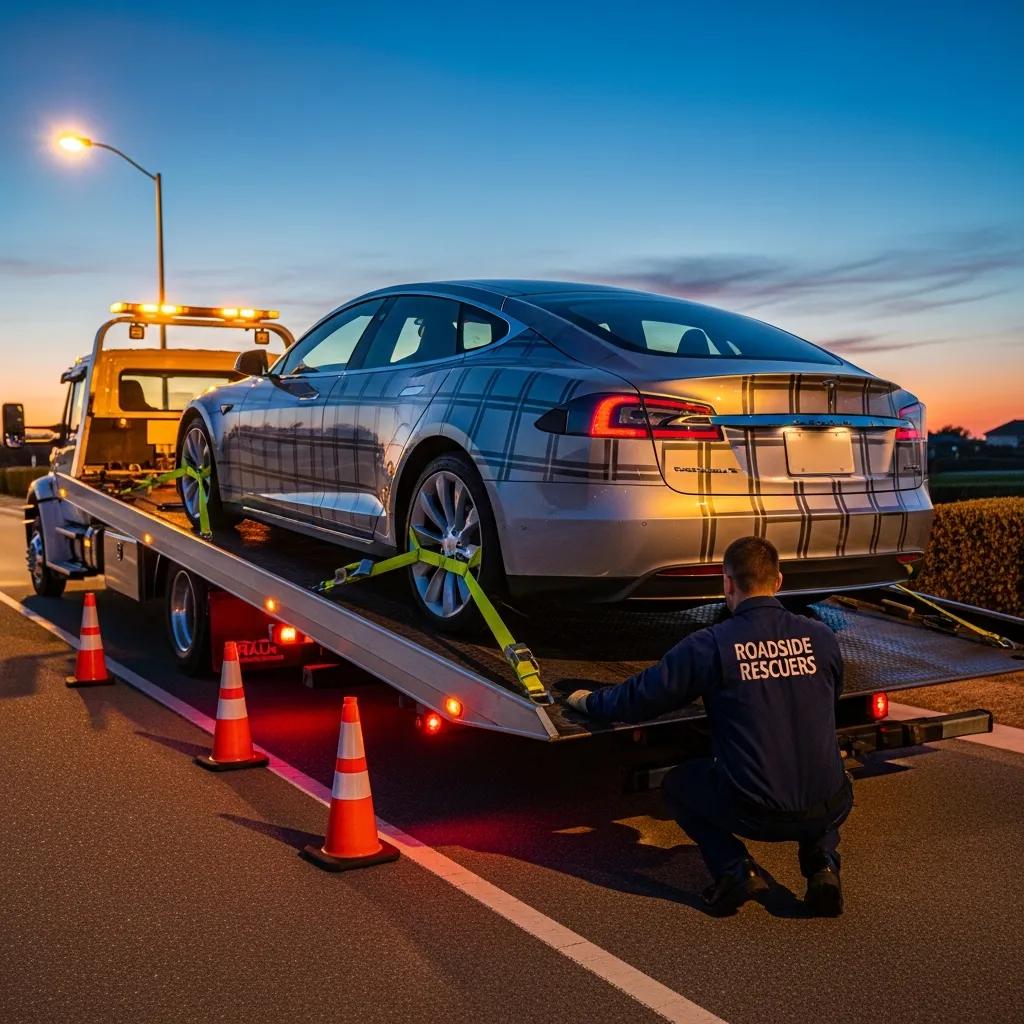
Flatbed towing is often best for luxury cars, low-clearance sports cars, electric vehicles, and motorcycles because the vehicle is carried off the road surface, eliminating contact-driven stresses. When loading, technicians level and secure the bed, use soft straps around safe attachment points, and follow EV precautions like noting battery state and protecting high-voltage components. Compared with wheel-lift towing, flatbeds remove extra wear on steering and driveline parts and greatly reduce the risk of scuffs or undercarriage damage. For specialty transports or total-loss recoveries, flatbed transport is the safest way to preserve resale value and insurance valuation.
If your car is modified, vintage, or electric, request a flatbed when possible — it helps preserve alignments and sensor calibrations that matter for OEM-style repairs.
How Can Drivers Access 24 Hour Roadside Assistance in Glendale, CA?
Getting 24-hour roadside help is easier if you know the right contacts, what information to share, and what to expect when help arrives. Common ways to reach assistance are calling an emergency roadside number, using your insurer’s or membership app, or contacting a local collision center with 24/7 dispatch. When you call, give your exact location, vehicle description, visible damage, and any hazards like leaking fluids or deployed airbags — this helps dispatch the correct equipment and speeds response.
- Emergency roadside phone dispatch: Connects you with a live operator who coordinates tow and safety resources.
- Insurance or membership app: Often shares your location and gives step-by-step guidance for roadside needs.
- Local collision center with 24/7 dispatch: Sends tow trucks directly to bring the vehicle to a repair facility when appropriate.
Each option has trade-offs in speed and billing. Choose based on whether you want insurer coordination or a direct-to-shop tow — next we explain roadside services that can sometimes avoid towing altogether.
Which Roadside Assistance Services Complement Emergency Towing?
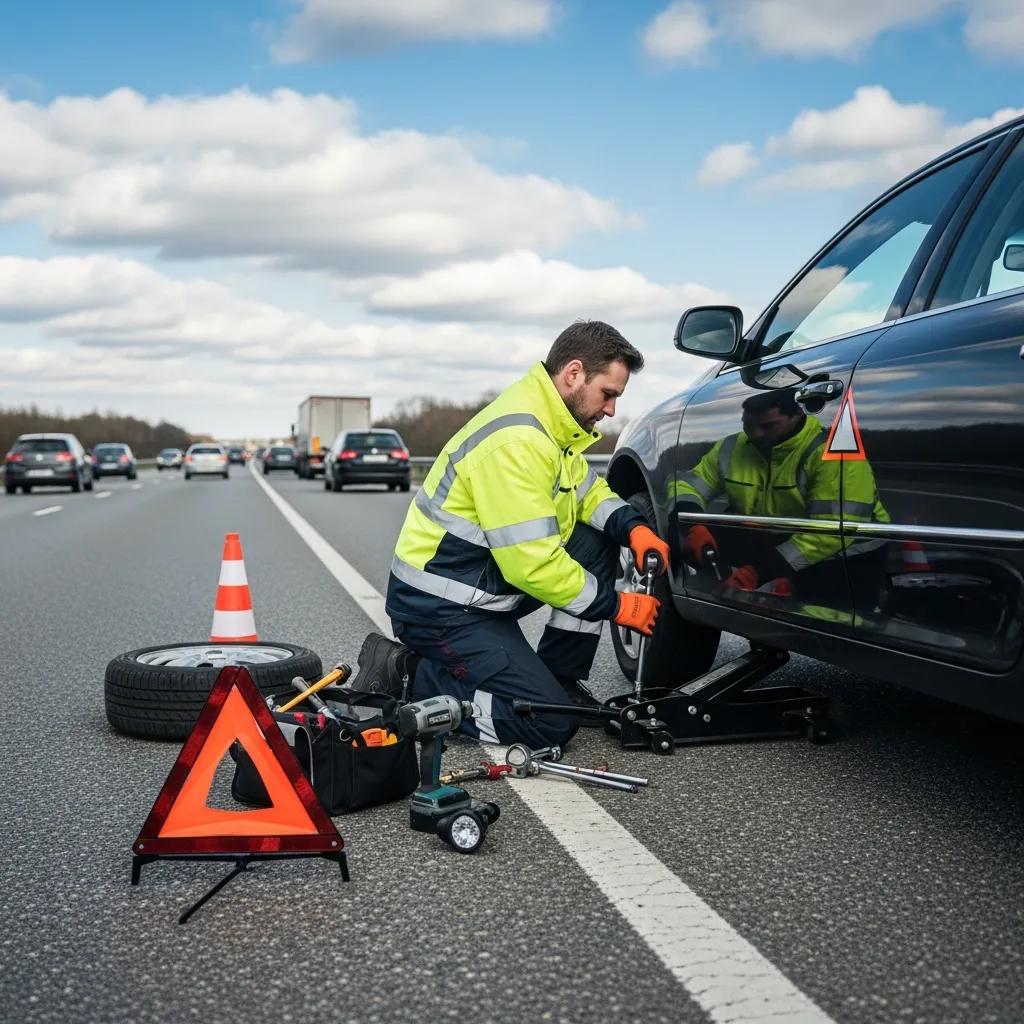
Roadside assistance commonly covers jump starts, flat tire changes, lockout help, and short fuel delivery — fixes that often get you back on the road without a tow. Technicians can perform a quick multi-point check to decide whether a safe on-site fix is possible or whether structural or electronic damage means the vehicle needs transport and inspection. With EVs, providers take extra care around high-voltage systems and may recommend towing for battery or charging faults instead of on-site repairs. Skipping a tow when safe saves time and limits insurance involvement, but knowing when a tow is necessary protects safety and long-term repair quality.
Being able to tell when roadside help is sufficient versus when a tow is required helps protect your vehicle’s value and its safety systems.
How Does Prime Time Collision Support Vehicle Owners After an Accident?
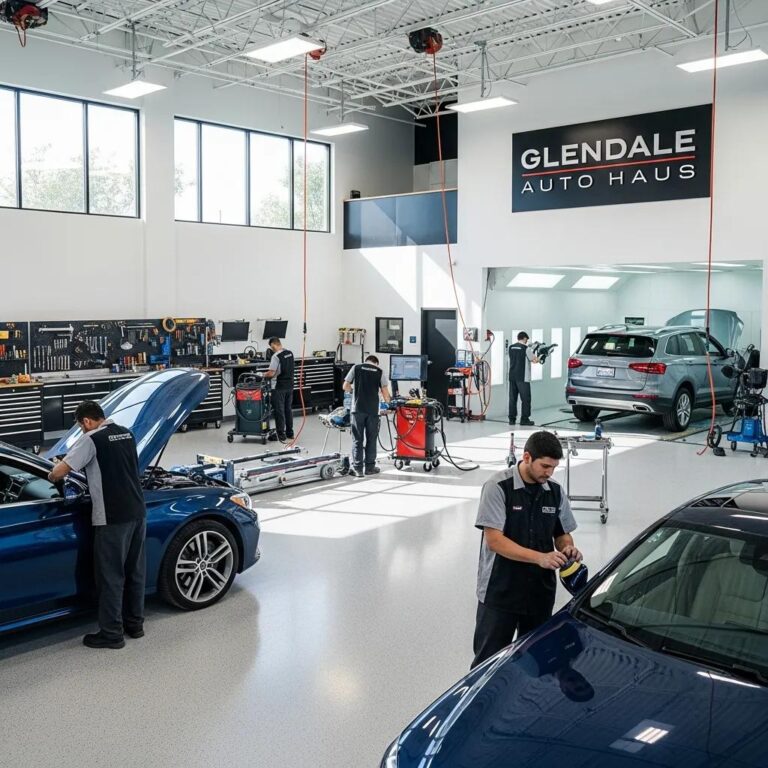
Once your vehicle arrives at our shop, we begin a structured intake: safety inspection, thorough photo documentation, and a preliminary damage estimate to share with your insurer. We schedule a full assessment, identify OEM parts and any recalibration needs, and give you a clear timeline and rental recommendations when needed. We set up communication between you and your insurer to speed approvals and parts orders while keeping the vehicle secure for repair. Coordinating intake and insurer contact helps reduce delays and centers repair planning on factory-compliant procedures that protect the vehicle’s safety systems.
This intake process connects directly to insurance workflows and explains how claims and free towing coordination typically move forward after a crash.
What Steps Should You Take Immediately After a Car Accident in Glendale?
Right after an accident, focus on safety, documenting the scene, and notifying emergency services and your insurer to protect people and preserve the claim. Use the checklist below to capture the critical actions that help with towing, repairs, and claims. Following these steps lowers the risk of injury, preserves the vehicle for OEM-compliant repair, and speeds repair authorization. After completing these on-scene items, contact a 24/7 towing or repair provider to arrange safe transport and intake.
- Move to a safe spot if you can and call 911 for injuries or hazards.
- Turn on hazard lights and set warning triangles or cones if available.
- Photograph the scene, license plates, vehicle damage, and road conditions.
- Exchange basic information with other drivers and collect witness names and contact details.
- Notify your insurer and arrange a tow or roadside service if the vehicle isn’t driveable.
- Remove personal items and secure documents like your registration and insurance card.
Following this checklist controls immediate hazards and creates a clear record for insurers and repairers — next, prepare the vehicle and yourself for the tow operator.
How to Safely Prepare for Emergency Towing and Accident Recovery?
Prepare by gathering key documents, securing personal items, and telling the tow operator about vehicle-specific details like EV battery state or aftermarket modifications. Before loading, remove valuables, photograph the interior for your records, and avoid disturbing airbags or deployed safety features. Tell the operator about unusual noises, fluid leaks, or electrical issues and ask whether flatbed transport is recommended. These steps help the recovery team protect sensitive systems and support accurate estimates for insurers and repair technicians.
Good preparation reduces the risk of lost items and gives the recovery crew the context they need to limit further damage during transport, moving the process smoothly into post-tow shop procedures.
What Is the Role of Prime Time Collision in Post-Accident Procedures?
Prime Time Collision receives towed vehicles, completes forensic-quality documentation, produces detailed OEM-based estimates, and coordinates directly with insurers to get repair authorizations. Our I-CAR Platinum focus on technician training and OEM-compliant repair plans guides damage assessments, parts selection, and sensor recalibration decisions that preserve safety performance. After intake, we schedule repairs and communicate timelines and rental options to the vehicle owner. This structured role shortens authorization cycles and ensures repair choices follow factory standards with documented safety outcomes.
Understanding our responsibilities clarifies how towing, intake, and repair scheduling work together to restore vehicles to pre-accident condition per OEM guidance.
How Does Prime Time Collision Assist with Insurance Claims for Towing and Repairs?
Yes — Prime Time Collision helps by preparing estimates, communicating with insurers, and arranging billing to reduce friction during claims. We build comprehensive repair estimates following OEM procedures, submit them to your insurer for authorization, and explain billing so you know what’s covered and what’s your responsibility. When free 24/7 towing applies, we help document the tow for insurer billing and advise you on the typical information insurers require, like claim numbers and adjuster contacts. This support speeds approvals and helps drivers move from the scene to safe repair more quickly.
| Stakeholder | Primary Action | Typical Outcome |
|---|---|---|
| Driver | Report the incident and provide documentation | Starts the claim and enables tow/repair coordination |
| Insurance Company | Review the estimate and authorize repairs | Approval and billing or reimbursement options |
| Repair Shop | Produce an OEM-based estimate and perform repairs | Factory-quality restoration and insurer communication |
What Insurance Companies Does Prime Time Collision Work With?
We work with all major insurance carriers to coordinate estimates, approvals, and billing so repairs move smoothly for drivers. Working across carrier workflows lets us submit documentation directly, work with adjusters, and recommend OEM-aligned repair plans that many insurers accept. For you, that means fewer handoffs and clearer timelines for parts and authorizations — helping get your vehicle returned sooner. Always report the tow and repair to your insurer quickly and share the claim reference with us to speed communication.
How Is Free 24/7 Towing Coordinated Through Insurance Claims?
Free 24/7 towing is usually arranged by contacting the repair facility or insurer right after the accident to schedule transport, documenting the tow with photos and claim details, and sharing adjuster information for billing. Check whether your insurer authorizes direct billing to the shop or if the shop will submit a towing invoice for reimbursement; documenting the scene and getting a claim number helps. Often a repair center that offers round-the-clock towing will dispatch immediately and then follow up with the insurer to align coverage and authorization. Clear documentation and prompt notification are the two most reliable ways to ensure tow charges are processed efficiently.
| Role | Action | Next Step |
|---|---|---|
| Driver | Notify insurer and the repair shop about the tow | Provide claim number and vehicle details |
| Repair Shop | Dispatch tow and document the damage | Submit estimate and towing documentation to the insurer |
| Insurance | Review submitted materials and authorize payment | Approve repairs or request more information |
Why Choose Prime Time Collision Center for 24/7 Emergency Towing in Glendale?
Your repair partner after an emergency tow matters — the repair path affects safety, vehicle value, and long-term performance. Choose shops that follow OEM procedures and keep technicians current with certified training. Our I-CAR Platinum training and factory-repair focus mean technicians follow correct diagnostics, use appropriate parts, and complete required recalibrations. A local provider with round-the-clock towing connections shortens the route from recovery to certified repair while keeping insurers in the loop. Those trust signals add up to better outcomes for safety-critical systems and resale value.
| Trust Signal | Meaning | Driver Benefit |
|---|---|---|
| I-CAR Platinum Certification | Advanced technician training and ongoing education | Higher likelihood of factory-compliant repairs and safer results |
| Response Time | Fast dispatch and intake when you need it | Less time with a damaged vehicle exposed and quicker repair starts |
| Service Area | Coverage of Glendale and nearby communities | Convenient transport and faster customer access |
What Does I-CAR Platinum Certification Mean for Towing and Repairs?
I-CAR Platinum certification shows a repair facility’s commitment to advanced training and ongoing education for collision repair and modern vehicle systems. It reflects structured skill development in diagnostics, structural work, and systems recalibration — essential when recovering vehicles with advanced driver-assistance tech or electrified drivetrains. For drivers, this means repairs that better match OEM procedures, stronger safety verification, and a documented training standard insurers and buyers recognize. Choosing a certified shop cuts the risk of missed recalibrations or improper repairs that can affect safety and long-term performance.
Knowing this certification helps you prioritize shops that meet the technical demands of modern vehicles and back that up with local reputation and consistent practices.
How Do Customer Reviews Reflect Prime Time’s Quality and Trust?
Local reviews help show how a shop performs on responsiveness, communication, and repair outcomes. A pattern of prompt tow coordination, clear insurer communication, and adherence to factory repair standards signals reliability. We encourage prospective clients to check current review sources and ask about certifications and insurance coordination to validate those signals. Doing this helps drivers pick a provider that pairs emergency towing with documented repair quality needed for long-term vehicle health.
Those reputation cues bring the discussion full circle: fast, safe towing combined with certified, verified repairs is the core of effective accident recovery and peace of mind for Glendale drivers.
- Common roadside fixes that reduce towing: Jump starts, spare tire installs, and short fuel delivery often get drivers back on the road.
- When towing is required: Structural damage, airbag deployment, fluid leaks, and EV system faults usually mean the vehicle needs transport to a repair facility.
- Documentation to have ready: Registration, insurance card, photos of the scene, and notes on vehicle condition speed insurance and repair processing.
Frequently Asked Questions
What should I do if my vehicle breaks down in Glendale?
Make safety your first priority. Move your vehicle to a safe spot if you can, turn on hazard lights, and set up warning triangles if available. Then call a 24/7 roadside assistance service or towing company. Give your exact location, vehicle details, and any visible damage so help arrives with the right equipment as quickly as possible.
How can I ensure my vehicle is towed safely?
Tell the tow operator about any specific issues with your vehicle, including mechanical problems or the need for a flatbed. Remove personal items and take photos of the vehicle’s condition before the tow. Let the operator know about modifications or special features, especially for EVs. These steps help the crew handle your vehicle correctly and reduce the risk of further damage during transport.
What are the costs associated with emergency towing services?
Towing costs vary by distance, vehicle type, and tow complexity. Local tows for standard vehicles typically range from about $75 to $150, with extra fees for flatbeds or heavy-duty recovery. Check your insurance policy — many cover towing, particularly if the service is arranged through your carrier.
How long does it usually take for a tow truck to arrive?
Arrival time depends on location, time of day, and current demand. Expect a tow truck within about 30 to 60 minutes after you call; during peak times or in remote spots, it may take longer. Providing an accurate location and noting hazards helps speed the response.
What information should I provide when calling for a tow?
Be ready to give your exact location, a description of your vehicle (make, model, color), and any visible damage. Mention specific problems like fluid leaks or electrical issues and whether you want flatbed towing. This helps the towing service send the right equipment and personnel.
Can I choose where my vehicle is towed?
Yes — you can usually direct where your vehicle is towed (a repair shop, your home, or another location). Tell the towing service your preference when you call. If you have a preferred repair facility, let them know so they can coordinate transport. Note that some insurers have rules about where vehicles are taken.
What should I do if my vehicle is towed without my consent?
If your vehicle was towed without your consent, first check for posted signs about towing in the area. Contact the towing company to learn where your vehicle was taken and why. You’ll likely need proof of ownership to retrieve it. If you believe the tow was wrongful, you can file a complaint with local authorities or get legal advice to understand your options.
Conclusion
Reliable 24/7 emergency towing in Glendale gets you off the roadside and into experienced hands quickly. With an emphasis on OEM-compliant repairs and clear insurance coordination, Prime Time Collision helps protect your vehicle’s safety and value. Understanding available services and how to prepare after a crash helps you make safer, faster decisions when it matters most. Contact Prime Time Collision to learn more about our towing and repair options tailored to your needs.