Lifetime Paint Warranty for Cars in Los Angeles: What’s Covered and Why It Matters
A lifetime warranty on car painting means long‑term protection for refinished surfaces, giving vehicle owners real peace of mind after collision repairs or cosmetic work in Los Angeles’ sun‑soaked environment. This guide walks you through what a genuine lifetime paint warranty covers, common exclusions and owner responsibilities, how OEM‑certified processes help preserve color and gloss, and how warranty paperwork fits into insurance workflows.
Paint durability matters in Southern California: intense UV, coastal salt and urban pollutants speed fading and clearcoat wear. Knowing repair standards and warranty details helps you avoid surprises. We outline the typical scope of lifetime paint guarantees, show how OEM‑quality processes and QA checks support long‑lasting results, explain claims and insurer interactions, and highlight why certified technicians and documented processes matter when you want a finish that lasts. Throughout, we reference useful search terms like auto paint guarantee LA, OEM paint certification Los Angeles, and I‑CAR certified paint repair LA to help you evaluate options and ask the right questions.
What a Lifetime Car Paint Warranty Covers in Los Angeles
Most lifetime paint warranties promise that paint applied during covered repairs will stay free of certain defects for as long as the original owner keeps the vehicle. These warranties typically cover workmanship and material failures tied directly to the repair — not normal aging or damage from new incidents. Coverage is validated through documented OEM procedures and quality checks. A clear, well‑documented warranty shifts the cost of qualifying corrective work to the repairer instead of the owner, which preserves appearance and resale value. Below we list typical covered items and outline claim and owner requirements.
Which paint defects are usually covered?
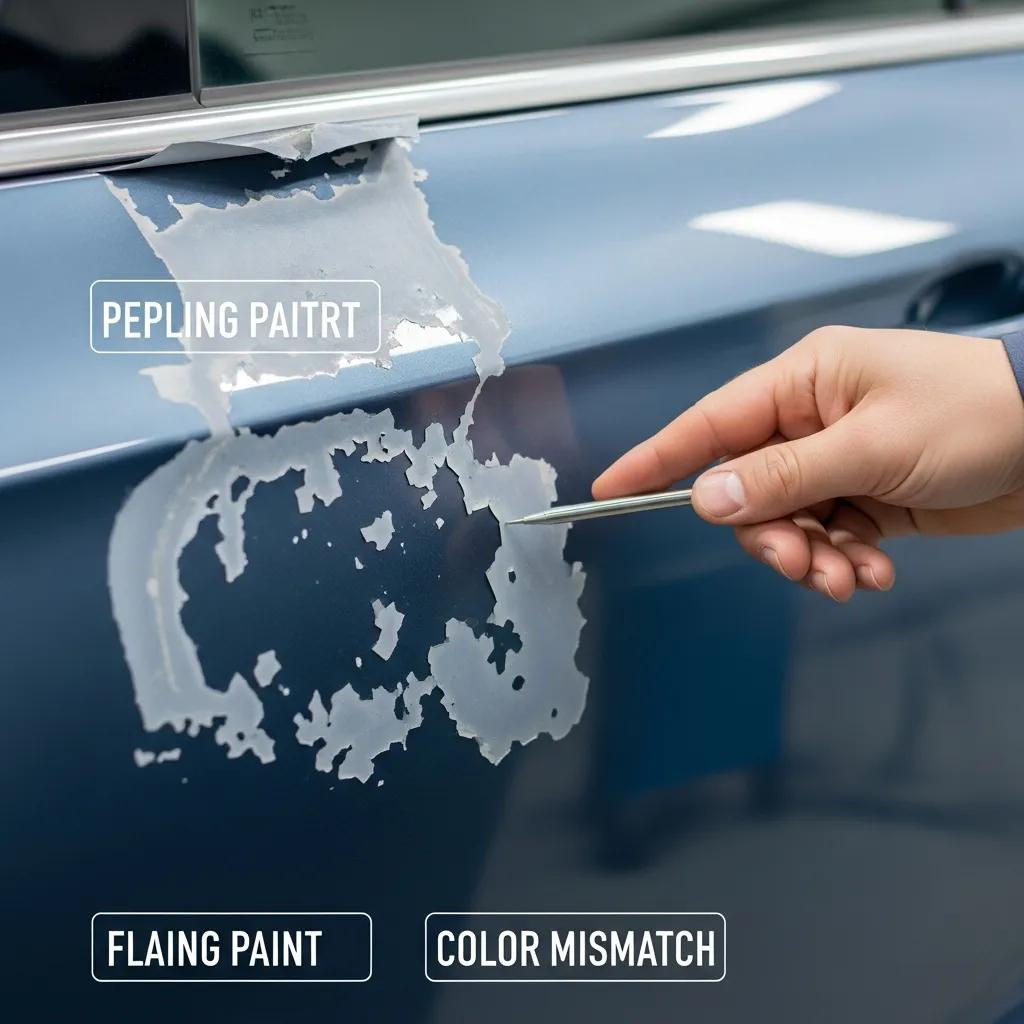
Warranties normally cover defects that point to material or application failures rather than gradual environmental wear. Typical covered items include peeling or flaking from adhesion failure, color mismatch that can’t be corrected by standard color‑matching, clearcoat cracking or delamination, and premature gloss loss caused by improper curing or application. Each claimed defect ties back to a root‑cause assessment — for example, peeling often stems from inadequate surface prep — and most warranties require the original repair paperwork and evidence of routine maintenance when you file a claim. The list below highlights the common covered defects so you can check written terms easily.
- Peeling and flaking: Paint layers separate because of adhesion failure from improper prep or contaminated surfaces.
- Color mismatch: Noticeable differences from factory color that standard color‑match methods can’t correct.
- Clearcoat failure: Delamination, cracking or bubbling resulting from incorrect cure or application.
- Premature gloss loss: Significant loss of shine due to material or application defects, not normal aging.
Before reviewing the table below, confirm in writing what “lifetime” means and which owner actions are required to keep coverage—warranty validity often depends on documented care and timely reporting of defects.
| Warranty Item | Covered / Excluded | Notes and Owner Requirements |
|---|---|---|
| Adhesion Failure (peeling/flaking) | Covered | Requires the original repair invoice and photos; shop inspection confirms root cause. |
| Color Match (basecoat differences) | Covered | Applies when match is outside acceptable tolerance; owner must report within the stated timeframe. |
| Clearcoat Delamination/Cracking | Covered | Covered if caused by repair materials or process; damage from the environment is excluded. |
| UV Fade & Gloss Loss | Conditionally Covered | Covered when caused by improper application; normal long‑term environmental fade is usually excluded. |
| Transferability | Typically Limited/Excluded | Many lifetime warranties are tied to the original owner; transfer rules must be spelled out in writing. |
This table summarizes common warranty items, coverage status, and typical owner responsibilities. Always request written terms that define “lifetime,” reporting windows, and maintenance requirements so you can verify coverage quickly.
What exclusions and limitations should you expect?
Yes — lifetime paint warranties usually include exclusions and limits you should know. Common exclusions cover new accident or impact damage, vandalism, road debris, and untreated environmental contaminants (bird droppings, sap, industrial fallout). Aftermarket modifications that alter surface integrity, commercial or fleet use beyond normal passenger conditions, and failure to follow recommended maintenance (regular washing, protective wax) can also void coverage. Warranties often require timely notification, permission for inspection, and adherence to care instructions. The short list below clarifies typical exclusions so you know what to watch for when reading a written policy.
- Environmental abuse: Damage from prolonged sun, salt, or chemicals without proper maintenance is commonly excluded.
- Accidental or impact damage: New dents, scratches or collision damage aren’t covered under paint workmanship warranties.
- Aftermarket modifications: Non‑factory alterations that affect surface integrity can void coverage.
- Improper maintenance: Neglect, harsh cleaners, or failure to follow care instructions may invalidate claims.
Understanding exclusions helps owners maintain coverage and sets realistic expectations about when the shop is responsible for repairs versus the owner.
How Prime Time Collision Center Ensures OEM‑Certified Paint Quality
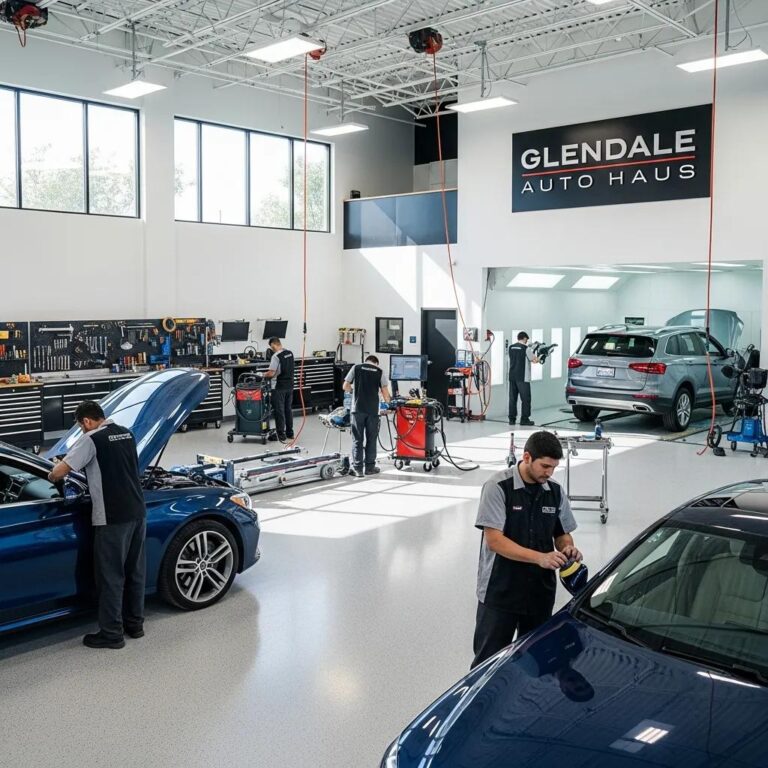
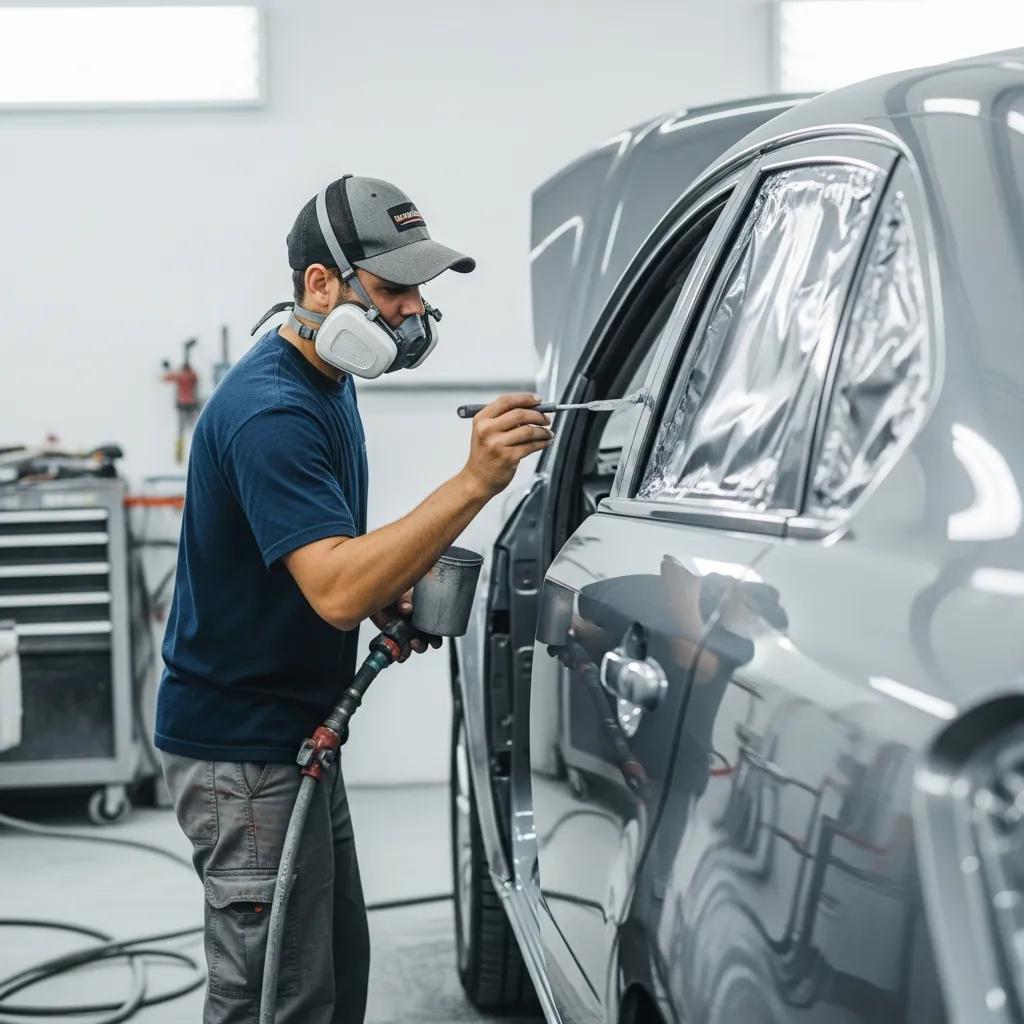
OEM‑certified paint quality means following manufacturer specifications for products, tolerances and processes so repaired panels match factory appearance and durability. That requires strict steps for panel prep, primer choice, basecoat mixing, color‑match validation, clearcoat application and controlled curing in a proper paint booth — steps that reduce long‑term failures like delamination and premature fade. Look for documentation showing manufacturer color formulas, spectrophotometer readings for color and gloss, and signed QA checks before release. At Prime Time Collision Center we align repair workflows to OEM data and staff trained technicians who follow documented QA checkpoints to protect both the lifetime warranty and the finish’s performance.
Why OEM certification matters for paint repairs
OEM certification helps ensure repaired panels meet the manufacturer’s standards for fit, finish and material compatibility — which protects vehicle systems and resale value. Following OEM methods reduces the risk of material mismatches that can cause corrosion, sensor issues or uneven wear, and it supports insurer and manufacturer documentation requirements. For vehicles with precise coatings, OEM compliance preserves factory‑grade gloss, color accuracy and adhesion — benefits that go beyond looks and support long‑term durability.
How I‑CAR Platinum technicians improve paint outcomes
I‑CAR Platinum certification reflects ongoing training across collision repair disciplines so technicians stay current with manufacturer procedures and evolving paint technologies. Certified techs bring better diagnostic skills, exacting surface preparation and disciplined blending and finishing that lower the chance of workmanship‑related warranty claims. The result is fewer reworks, more consistent color matches and repair documentation insurers and manufacturers trust — a practical advantage when a lifetime warranty is on the line.
How the Paint Repair Process Works at Prime Time Collision Center
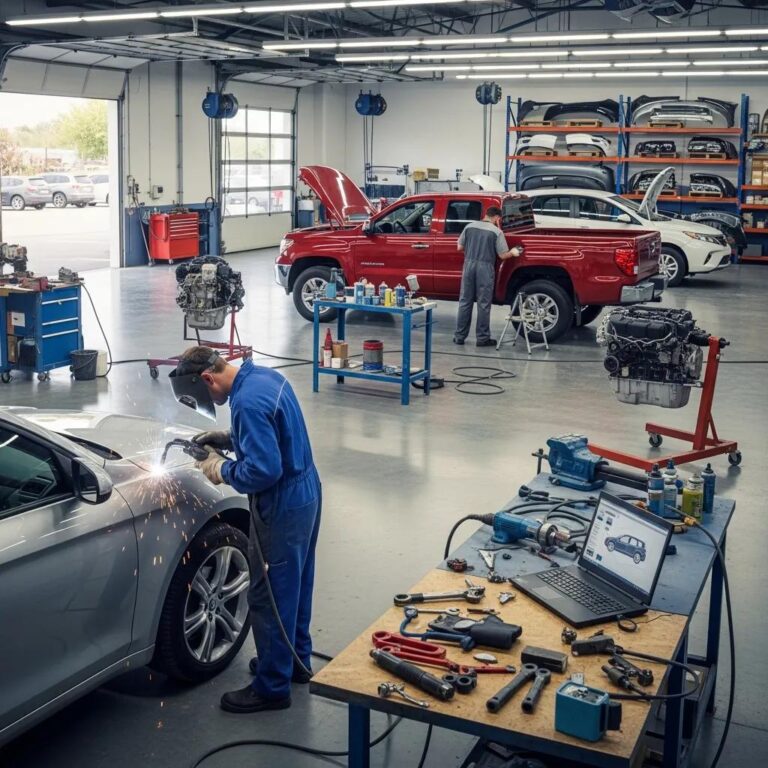
An OEM‑grade paint repair starts with a thorough inspection and ends with documented QA checks that confirm adhesion, color match and gloss. Each phase reduces warranty risk by addressing root causes before finishing. Our workflow includes diagnostic photography, mechanical and corrosion repairs as needed, controlled surface prep, primer and basecoat application, spectrophotometer‑assisted color matching, clearcoat application and final curing in a downdraft, temperature‑controlled booth. Those steps produce measurable outcomes — consistent film thickness, verified color tolerances and reproducible gloss — which support long‑lasting performance and the shop’s warranty obligations. The steps below summarize the typical stages of an OEM‑style paint repair.
- Digital inspection and estimate: Photos and notes document pre‑repair condition and back up warranty records.
- Surface preparation and corrosion repair: Proper prep removes contamination and creates a sound bonding surface.
- Primer and basecoat application: Manufacturer‑specified products are applied to factory tolerances.
- Color matching and blending: Spectrophotometer readings and careful blending reduce visible transitions.
- Clearcoat and controlled curing: Clear layers are applied and properly cured in an environmental booth for durability.
- Final QA and detailing: Measurements and visual checks confirm finish standards before delivery.
Before the process table below, note that each stage includes defined QA tasks and expected timeframes to document longevity and to support any future warranty claim.
| Process Stage | Materials / Tools / QA Check | Expected Outcome & Timeframe |
|---|---|---|
| Inspection & Estimate | Digital photos, OEM repair specs, written estimate | Baseline for warranty records; 1–2 days to gather information |
| Prep & Panel Repair | Sanding, corrosion treatment, filler materials | Clean adhesion surface; 1–3 days depending on extent |
| Primer Application | OEM‑approved primer, film thickness gauge | Uniform primer coat for adhesion; 1 day including dry time |
| Basecoat & Color Matching | Waterborne/basecoat systems, spectrophotometer | Factory‑close color match; 1–2 days with blending |
| Clearcoat & Cure | UV‑stable clearcoat, downdraft booth cure cycle | Durable gloss and chemical resistance; 1 day cure |
| Final QA & Delivery | Gloss meter, visual inspection, documentation | Measured results and warranty records; final sign‑off before pickup |
This table shows how each process stage maps to materials, tools, QA checks and typical timeframes so owners and insurers can evaluate the thoroughness behind a lifetime paint warranty.
What advanced paint technologies and materials are used?
Modern OEM‑quality systems use waterborne basecoats with high‑performance clearcoats, precision color‑matching tools like spectrophotometers, and controlled downdraft booths that regulate temperature and humidity for consistent curing. These technologies reduce solvent retention, improve film integrity and help maintain gloss while meeting California environmental rules. Calibrated spray guns, computerized color formulation and measurement tools such as film thickness gauges and gloss meters give objective QA metrics — important when durability and warranty support matter.
What are the step‑by‑step stages of an OEM‑certified paint process?
A clear, step‑by‑step OEM process establishes responsibilities and outcomes from documentation through final QA and warranty recording. Effective workflows may include necessary teardown, careful prep and corrosion control, and applying primer, basecoat and clearcoat under controlled conditions with blending into adjacent panels to prevent visible transitions. Each step includes objective QA checks — adhesion tests, film thickness readings, color tolerance checks and gloss verification — recorded to support future warranty claims. This structure reduces rework and creates a defensible repair history owners and insurers can trust.
How Prime Time Collision Center Helps with Insurance Claims for Paint Repairs
A repair shop that supports insurance claims acts as a technical partner: it documents damage, explains the OEM repair rationale, and submits estimates and photos that justify the materials and labor needed for OEM‑compliant paint work. Our role is turning technical repair requirements into insurer‑friendly documentation that shows why manufacturer‑specified processes and products preserve safety and finish quality. When a lifetime warranty is available, we provide warranty terms and QA records to insurers, which often reduces disputes over scope. The table below maps the typical insurance workflow and the shop’s supporting actions so owners understand timelines and required documentation.
| Step | Action by Shop / Customer / Insurer | Documentation Required & Typical Timeline |
|---|---|---|
| Report & Estimate | Customer reports incident; shop provides a free estimate and photos | Estimate, photos, repair plan; 1–3 days |
| Submission & Negotiation | Shop sends OEM‑based estimate to insurer and clarifies necessity | Itemized estimate, OEM procedures, color‑match data; 3–7 days |
| Approval & Scheduling | Insurer approves scope or requests review; shop schedules work | Approval letter or EOB; scheduling within days of approval |
| Repair & QA | Shop performs repairs and records QA documentation | Repair logs, QA checks, final photos; repair duration varies |
| Final Inspection & Payment | Insurer or appraiser reviews final work; payment processed | Final invoice, warranty documents; payment timing varies |
How do you file an insurance claim for paint damage?
Start with immediate documentation and a detailed, free estimate from a reputable shop that follows OEM procedures. Report the incident to your insurer, get written estimates and photos, and authorize the shop to submit OEM‑based repair rationale to reduce scope disputes. The shop will provide itemized estimates, diagnostic photos and QA records that justify manufacturer‑specified materials and processes. Clear communication and timely submission usually speed approvals and protect your ability to request warranty corrections later.
Does warranty coverage influence insurance approvals?
Yes — a warranty can strengthen the case for insurer approval of OEM materials and procedures because it shows the repairer stands behind their work. Insurers are more likely to accept manufacturer‑specified scopes when the shop provides detailed QA records and a lifetime warranty that lowers the chance of repeat claims. Insurers still evaluate proximate cause — they cover the reported damage, not pre‑existing wear — so warranty evidence should be paired with clear repair documentation. For example, when a shop documents OEM color‑match and cure steps in the estimate, insurers are less likely to contest the need for specific coatings that ensure long‑term durability.
Why Choose Prime Time Collision Center for a Lifetime Paint Warranty in Los Angeles?
Choosing a shop that pairs OEM‑grade processes with clear warranties improves the odds that your vehicle’s repaired finish will hold up under Los Angeles conditions for years. Look for verified technician training, adherence to manufacturer repair data, objective QA records and written warranty terms that explain coverage and owner duties. Prime Time Collision Center centers its work on these principles — OEM‑quality repairs, insurance claim support and lifetime warranty backing — to reduce rework and protect resale value. Below are common trust signals customers cite when evaluating warranty reliability.
What do customer testimonials say about warranty satisfaction?
Customers who praise warranty performance usually point to lasting durability, spot‑on factory color match and hassle‑free insurance interactions. Owners report satisfaction when warranty work is handled quickly, when color transitions stay invisible after years, and when communication during claims is clear and helpful. These results come from durable materials, careful prep and documented QA — not just promises — and they’re the outcomes you should expect from a serious lifetime paint warranty.
How does Prime Time Collision Center build trust through certifications and experience?
Trust comes from transparent processes, verifiable certifications and clear documentation that ties repairs to OEM standards. Prime Time Collision Center shows this through I‑CAR Platinum‑trained technicians, use of OEM repair data, documented QA checkpoints and a signed lifetime warranty that reflects confidence in materials and workmanship. Certifications show ongoing training, QA logs prove standards were followed, and written warranties set out expectations for owners — all signals that make it easier for owners and insurers to accept the repair plan and rely on post‑repair support.
If you’re evaluating repair options, ask for written warranty terms, QA records for painted panels and confirmation that technicians are I‑CAR Platinum trained — those items usually indicate a shop ready to support long‑term performance.
Common Questions About Car Paint Warranties and Certifications
Owners often ask whether lifetime paint warranties are standard, how California’s environment affects longevity, and what actions can void coverage — questions that shape both buying decisions and maintenance routines. Straight answers help you separate marketing language from real protection: not every “lifetime” promise is the same, and certifications like I‑CAR Platinum plus OEM process documentation are practical indicators of genuine warranty support. The short list below answers typical questions and gives quick verification steps you can use at intake.
- Are lifetime paint warranties standard? No. Coverage varies widely — always verify terms in writing, including what “lifetime” and transferability mean.
- What should I ask about warranty terms? Request written exclusions, required owner maintenance, reporting windows and who is responsible for honoring repairs.
- How do certifications affect warranty reliability? Certifications and documented OEM repair steps increase the likelihood that a warranty is backed by disciplined processes and measurable QA.
Do all auto body shops offer a lifetime paint warranty?
No — many shops don’t, and among those that do there’s big variation in how “lifetime” is defined and enforced. To check legitimacy, ask for written terms that say whether coverage is owner‑based or transferable, list excluded causes, and outline required maintenance and reporting procedures. Confirm the shop documents QA checkpoints and follows OEM repair data — those process details show the warranty rests on disciplined workmanship instead of marketing. A short verification checklist helps you assess whether a claimed lifetime warranty is substantive.
How long does paint typically last in California’s climate?
With OEM‑quality repairs and proper maintenance, modern factory‑grade paint systems often keep good color and gloss for many years. Still, intense UV, coastal salt and airborne pollutants accelerate wear. Regular washing, sun protection and periodic inspections extend life and may be required by warranty terms. Without maintenance, visible fade and clearcoat issues can appear sooner. Well‑executed OEM repairs generally outperform quick‑shop finishes and are more likely to be covered under a lifetime warranty when backed by documented processes and QA.
Final note: when comparing repair providers, prioritize written warranty terms, OEM process adherence, objective QA documentation and technician certifications like I‑CAR Platinum to make sure a “lifetime” paint warranty is real and enforceable rather than promotional language.
Frequently Asked Questions
What should I do if I notice a defect covered by the warranty?
If you spot a defect that may be covered by your lifetime paint warranty, act quickly. Gather the original repair invoice, photos and any maintenance records, then contact the shop that did the work to report the issue and schedule an inspection. Most warranties require you to notify the repairer within a set timeframe, so meet that deadline to protect your coverage. The shop will inspect the vehicle and explain the next steps for a possible warranty repair.
Can I transfer my lifetime paint warranty to a new owner if I sell my car?
Transferability depends on the warranty’s written terms. Many lifetime warranties are limited to the original owner, but some providers allow transfers under specific conditions (for example, notifying the shop or paying a transfer fee). Always read the warranty carefully to confirm whether the coverage can move to a new owner and what steps are required.
How can I maintain my car’s paint so the warranty stays valid?
Follow the shop’s maintenance recommendations: wash regularly to remove contaminants, use recommended protective products such as wax or sealant, avoid harsh cleaning agents, and limit prolonged sun exposure when possible. Keep records of maintenance — they help if you need to file a claim and show you followed required care instructions.
What happens if my warranty claim is denied?
If a claim is denied, ask the shop or warranty provider for a detailed explanation and the evidence used to deny it. If you disagree, provide additional documentation (photos, maintenance records, independent inspections) and follow the warranty’s appeal process. Reviewing the written warranty terms will clarify your rights and the provider’s obligations.
Are there specific environmental factors in Los Angeles that affect paint durability?
Yes. Strong UV rays speed fading and clearcoat breakdown; coastal salt increases corrosion risk; and urban pollutants can damage surfaces if not removed. Regular cleaning and protective coatings help combat these forces and are often part of warranty care requirements.
What should I look for in an auto body shop that offers lifetime warranties?
Look for OEM certification, I‑CAR Platinum‑trained technicians, clear written warranty terms with exclusions and maintenance requirements, and documented QA records for painted panels. Customer reviews and examples of past warranty work are also useful for judging reliability.
Conclusion
Choosing a lifetime paint warranty in Los Angeles gives you protection against repair‑related defects and helps preserve your vehicle’s appearance and resale value. Read the written warranty carefully so you understand coverage, exclusions and required maintenance. Pick a shop that follows OEM procedures, documents QA checks and employs certified technicians — like Prime Time Collision Center — so the “lifetime” promise is backed by real processes and support. Ready to protect your finish? Contact us to learn more about our paint services and warranty options.