South Pasadena Paintless Dent Repair — Expert Dent Removal and Insurance Support
Paintless Dent Repair (PDR) in South Pasadena is a precision method for fixing minor body damage without repainting — it reshapes metal so your factory finish and vehicle value stay intact. Below we explain how PDR works, which dents are good candidates, how costs are estimated, and what to expect when working with your insurer. We also cover the quality standards that matter here — like OEM-aligned procedures and I‑CAR Platinum training — plus practical details about common repairs, price ranges, and convenience services such as towing and photo estimates. By the end, you’ll know when PDR makes sense and how to get an inspection or start a claim for door dings, hail, or small creases.
Why Choose Prime Time Collision Center for Paintless Dent Repair in South Pasadena?
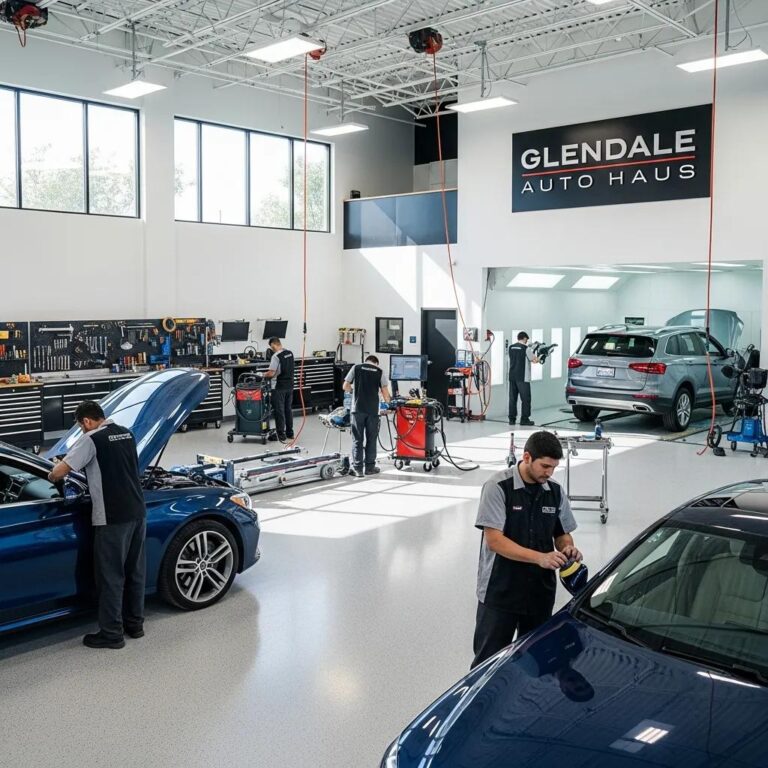
PDR restores a panel’s shape without repainting, and picking a certified local shop matters. At Prime Time Collision Center we combine trained technicians, a controlled shop environment, and insurance-ready documentation so repairs meet OEM expectations and avoid surprises during claims. That approach helps protect your warranty, preserves resale value by keeping the factory paint, and reduces the chance of follow-up issues. Below we outline the technician credentials and shop services that make PDR successful and insurer-friendly.
Prime Time Collision Center builds confidence through clear credentials and straightforward insurance help:
- I‑CAR Platinum–trained technicians who understand modern vehicle construction and electronics.
- Repairs aligned with OEM procedures to limit hidden damage and support warranty expectations.
- Free estimates plus direct coordination with insurers to simplify approvals for qualifying PDR work.
Want a quick estimate or to talk about a dent that needs to keep its factory finish? Call (818) 396-4997 for a no‑pressure conversation or to schedule an in‑shop evaluation. We’ll help you choose the safest, most cost‑effective repair path.
What Benefits Do I-CAR Platinum Certified Technicians Provide?
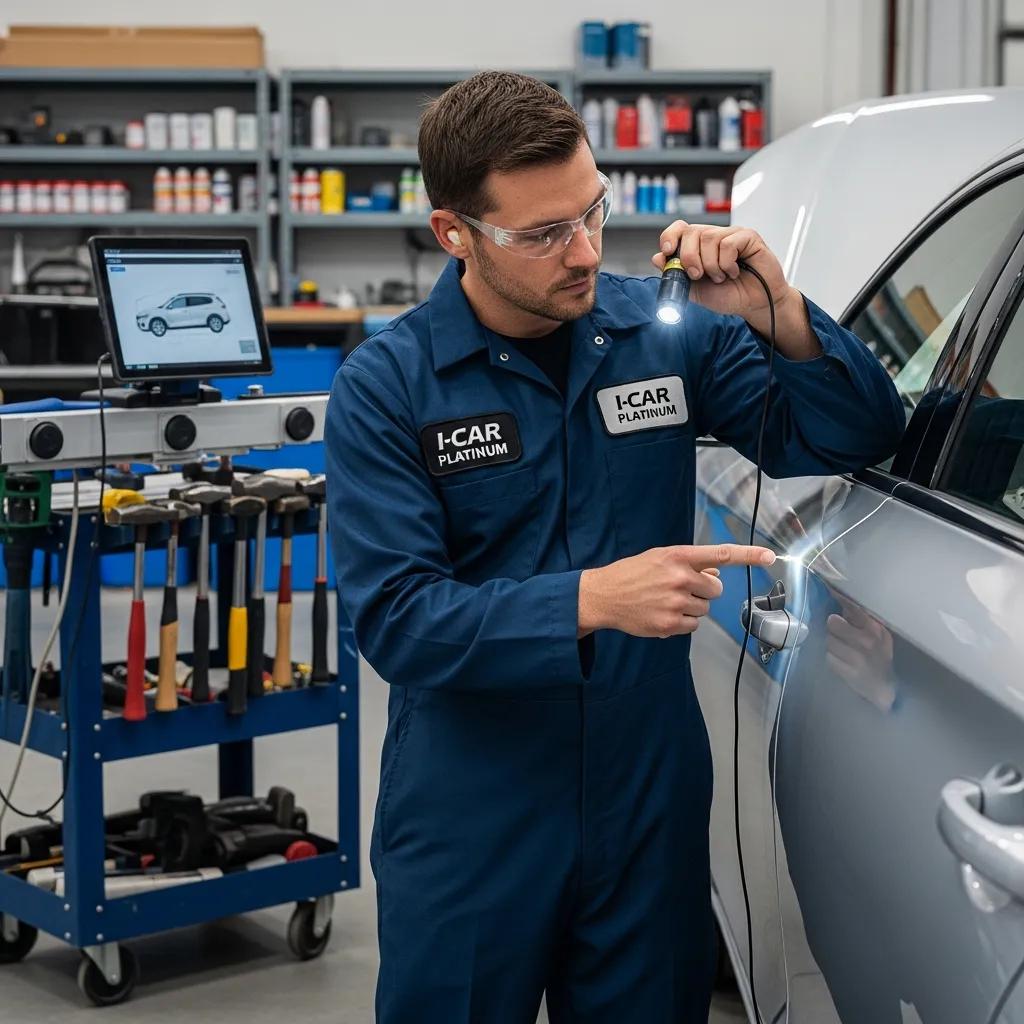
I‑CAR Platinum is a rigorous training standard for collision technicians that focuses on current vehicle materials and repair methods. Our certified techs can quickly assess whether PDR is the right option, access panels safely, and avoid damaging sensors, trim, or paint. That expertise shortens repair time, improves the final result, and gives insurers the documentation they need to approve paintless repairs where appropriate. In short: certified technicians help ensure a reliable, long‑lasting repair for South Pasadena drivers.
How Does Prime Time Collision Simplify Insurance Claims for PDR?
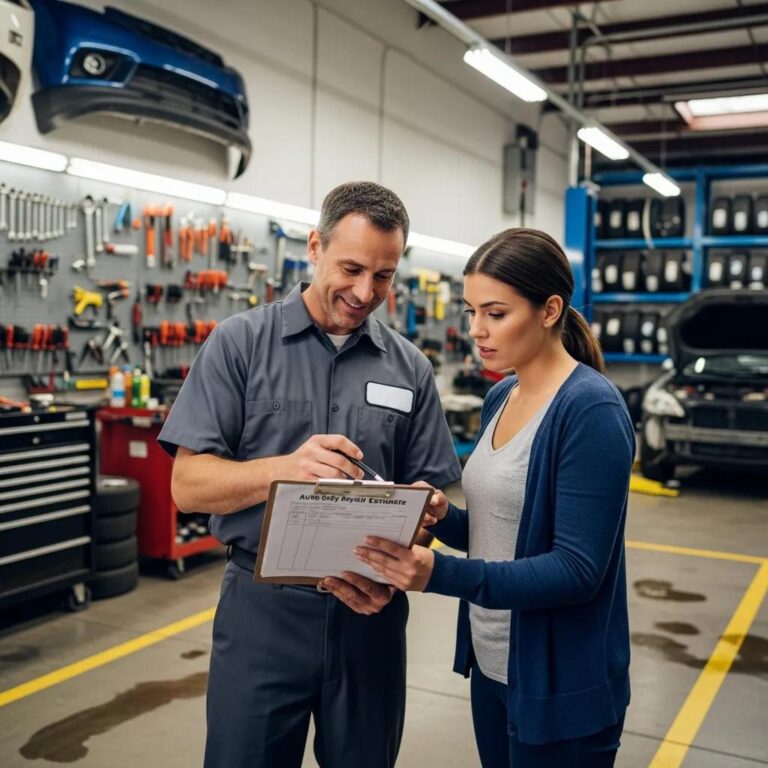
We work with all major insurers and prepare clear, insurer‑friendly documentation for PDR claims. That usually includes photos, damage location notes, and a PDR suitability assessment along with the estimate — the kind of evidence adjusters look for when approving non‑repaint repairs. Our technicians explain expected outcomes and any limits to both you and the adjuster, which reduces back‑and‑forth and sets realistic timelines. We can also arrange towing to our facility if needed. When presented with technician‑backed proof that paint is intact and the dent is suitable, insurers often approve PDR.
What Is Paintless Dent Repair and Which Damages Can It Fix?
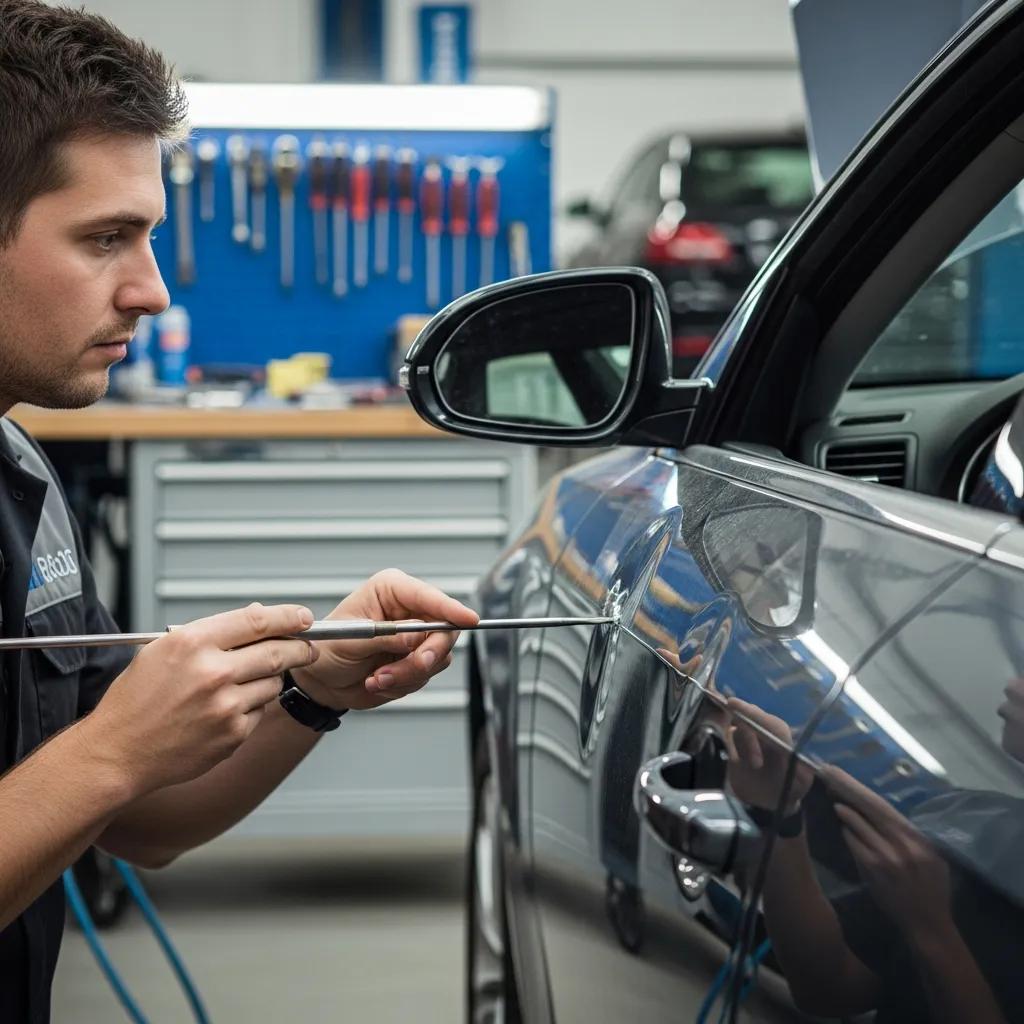
Paintless Dent Repair reshapes dented metal either by working the panel from the backside or by using controlled glue‑pull techniques — all without sanding, filler, or repainting. Because PDR preserves the factory finish it avoids color mismatch and retains more resale value. PDR works best on shallow dents, door dings, small creases, and clustered hail when the paint isn’t cracked and the metal hasn’t been overly stretched. If paint is torn, there’s a sharp crease, or a panel needs replacing, conventional bodywork is usually the better choice.
Below is a quick reference that shows which damage types commonly respond well to PDR and why.
PDR suitability by common damage types and why the technique works.
| Damage Type | PDR Suitability | Why PDR Works |
|---|---|---|
| Door ding (single impact) | High | Localized deformation with intact paint — ideal for reshaping |
| Hail cluster | High to Moderate | Many small dents can be massaged back when paint remains unbroken; access and size affect outcome |
| Small crease/line | Moderate | Gentle creases can respond if metal hasn’t stretched; needs experienced tooling |
| Sharp crease or torn paint | Low | Stretched or broken paint usually requires filler and repainting |
| Large panel stretch | Low | Significant stretching or bending often means panel repair or replacement |
This quick guide helps South Pasadena drivers spot likely PDR candidates and when to expect traditional bodywork instead. Next we explain the steps technicians take to protect your factory paint during PDR.
How Does the PDR Process Preserve Your Vehicle’s Original Paint?
PDR keeps the factory finish intact because it avoids sanding, filling, or repainting. Technicians evaluate the dent from multiple angles, locate access points, and use thin rods, leverage tools, or calibrated glue tabs to apply precise, opposing force until the panel returns to its original contour. When glue‑pull methods are used, careful tap‑down finishes the surface without disturbing the clearcoat. Preserving the factory finish maintains color consistency and helps protect your vehicle’s OEM integrity and resale value — a conservative approach when conditions allow.
What Types of Dents Are Ideal for Paintless Dent Removal?
The best PDR candidates are small, shallow dents with unbroken paint and reasonable backside access — door dings, clustered hail, and minor creases fit this description. Dents with deep, sharp folds, punctures, or cracked paint are poor PDR candidates and typically need filler or repainting. Our technicians check paint elasticity, dent depth, and whether structural or electronic components are affected to recommend the most effective, lowest‑risk repair path.
How Much Does Paintless Dent Repair Cost in South Pasadena?
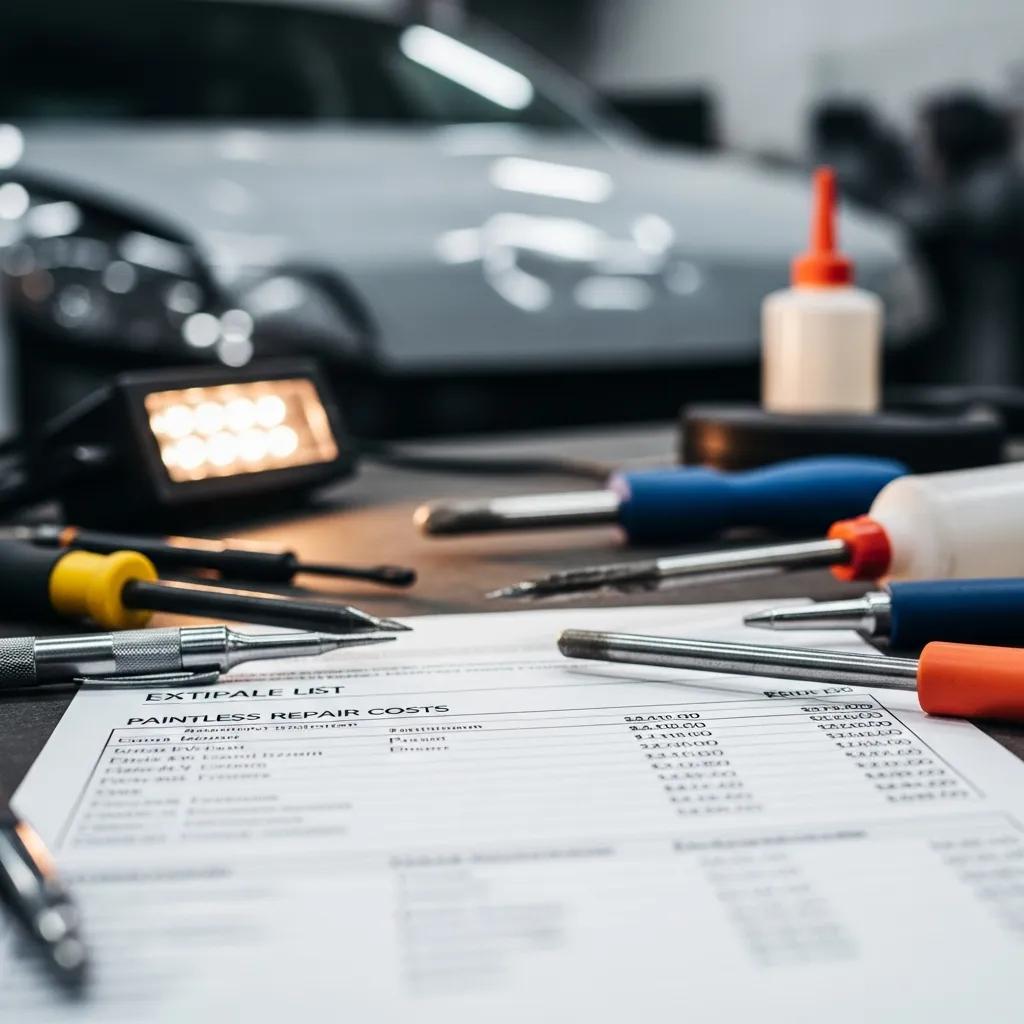
PDR pricing in South Pasadena depends on dent size, location, and complexity. Small door dings often start at modest rates, while hail damage or multiple panels raises the total cost. Factors like the number of dents, panel access difficulty, and whether specialized tools or multi‑day labor are required all influence price. Insurers use similar criteria when evaluating payouts. The table below gives typical ranges to help you form realistic expectations before an in‑shop estimate.
Common PDR cost ranges by dent type for quick comparison.
| Dent Type | Typical Size/Location | Estimated PDR Price Range |
|---|---|---|
| Single door ding | Small, outer door panel | $75–$200 |
| Shallow hood dent | Small to moderate | $150–$400 |
| Hail cluster | Multiple small dents on one panel | $200–$800 per panel |
| Multiple dents/multi-panel | Several panels affected | $500–$1,500+ depending on severity |
Use this table as a starting point — final pricing requires an in‑person assessment because access and paint condition matter. The section below outlines the main factors that influence those ranges.
What Factors Influence Dent Repair Pricing?
Several variables affect PDR cost, which is why two similar dents can have different estimates. The main drivers are dent size and depth, how easy it is to access the panel (some areas sit behind trim or electronics), the number of affected panels, and paint condition — cracked paint lowers PDR suitability. Vehicle type also matters: luxury or specialty panels can be harder to access and take longer, raising labor costs. These factors change the tools and time required, so a free hands‑on estimate is the most reliable way to know the final price.
Main pricing drivers include:
- Dent size and severity.
- Access and panel obstruction.
- Number of affected panels.
Short summary: every vehicle and dent is unique — expect a tailored estimate after an in‑shop assessment for the most accurate price.
How Can I Get a Free Estimate for PDR Services?
Getting a free PDR estimate usually starts with photos or an in‑shop inspection. Clear images from several angles, a note about any cracked paint, and your vehicle’s make and model speed a preliminary review. If the car can’t be driven safely, we can arrange towing to the shop. Many customers get same‑day or next‑day estimate appointments, and for insurance work we can upload documentation directly to the insurer to begin approvals. To schedule a no‑cost evaluation or discuss towing and direct billing, call (818) 396-4997 and our service coordinator will assist you.
This process reduces surprises and ensures the estimate reflects real access constraints and OEM alignment needs that affect cost.
What Quality Standards and Certifications Ensure Reliable Dent Repair?
Dependable dent repair depends on following OEM repair standards and using certified technicians who understand modern materials, electronics, and safety systems. OEM‑aligned procedures preserve manufacturer tolerances and recalibration needs, while certifications like I‑CAR Platinum show technicians have completed recognized training in diagnostics, safe disassembly, and repair validation. Combined with clear documentation, these standards lower the risk of hidden damage and help insurers accept PDR as the right solution. The table below compares key qualifications and their practical impact.
| Standard/Certification | What It Represents | Impact on Repair & Insurance |
|---|---|---|
| OEM repair procedures | Manufacturer‑prescribed methods and tolerances | Protects safety systems and helps maintain warranty alignment |
| I-CAR Platinum | Advanced technician training and testing | Shows technician competency and boosts insurer confidence |
| Documented estimates/photos | Clear pre‑repair evidence | Speeds approvals and reduces disputes with adjusters |
Using OEM procedures, certified technicians, and thorough documentation creates a solid foundation for dependable, insurable PDR work in South Pasadena. The following sections explain OEM and I‑CAR in more detail.
Why Are OEM Repair Standards Important for PDR?
OEM repair standards describe how a vehicle should be serviced to protect safety systems, structural integrity, and warranty coverage. Following manufacturer access points and removal sequences during PDR prevents accidental damage to sensors, adhesives, or electronically monitored panels. This is especially important on modern cars with ADAS and integrated trim — improper procedures can lead to misalignment or malfunctions later. For both owners and insurers, OEM compliance signals quality and helps justify PDR when it’s appropriate.
How Does I-CAR Platinum Certification Guarantee Repair Excellence?
I‑CAR Platinum means a technician has completed extensive, ongoing training across collision repair topics, including current materials and structural considerations relevant to PDR decisions. Technicians with this credential are prepared to assess complex situations, choose safe access methods, and document necessary steps for insurer review. For customers, it’s a clear marker of competence; for adjusters, it validates the repair approach and methods used.
What Convenient Services Does Prime Time Collision Offer for South Pasadena Customers?
We make the repair process easier by combining flexible estimate options, transportation help, and insurer coordination. Free estimates, photo-based pre-assessments, convenient appointment times, and towing availability give owners several ways to start repairs without extra hassle. These services are useful when a car can’t be driven or when you’d rather have us handle insurer communication. Below are the convenience features our customers use most.
- Free estimates and photo assessments: Send images or bring the vehicle in for a no‑cost evaluation.
- Flexible appointment scheduling: In‑shop estimates and repairs scheduled around your day.
- Towing to the facility: 24/7 towing available for vehicles that can’t be driven safely.
In short: flexible assessments, easy scheduling, and towing support remove barriers to professional PDR and keep the repair process transparent.
How Does 24/7 Towing Enhance Mobile Dent Repair Convenience?
Round‑the‑clock towing ensures a damaged vehicle reaches a certified facility where technicians have the tools, lighting, and controlled environment needed for OEM‑aligned PDR. Bringing a car to the shop is often better than a field repair when access is limited or when hidden components could be affected. A shop environment improves documentation and quality control — both important to insurers — and is the safer choice for complex dents or when post‑repair safety checks are required.
Can I Schedule Paintless Dent Repair at My Location?
Some providers do offer on‑site PDR, but availability depends on technician schedules, dent accessibility, and whether controlled conditions are required to protect paint and electronics. If you prefer an on‑location assessment, send clear photos and a description of the damage so we can advise whether mobile PDR is likely to succeed or if an in‑shop inspection is recommended. For dents needing precise pressure, controlled lighting, or access behind trim, we typically recommend the shop to ensure OEM‑aligned handling. Scheduling options include photo assessments, in‑shop appointments, and towing arrangements.
What Do South Pasadena Customers Say About Their Paintless Dent Repair Experience?
Local customers value consistent outcomes: preserved paint, seamless panel restoration, and smoother insurance coordination. While we don’t list individual testimonials here, common review themes highlight accurate estimates, timely repairs, and clear documentation for insurers. Before‑and‑after photos paired with short case notes also help show how PDR kept the factory finish intact without repainting. Below we describe the testimonial styles and images that best demonstrate PDR quality.
Which Testimonials Highlight Our PDR Expertise?
The most helpful feedback focuses on measurable results — for example, “door ding removed without repainting,” “insurance approved quickly,” or “hail fixed across multiple panels.” Reviews that call out technician certifications, thorough pre‑repair documentation, and responsive follow‑up tend to indicate consistent, trustworthy work. These themes help prospective customers understand expected quality, timelines, and how we interact with insurers.
How Do Before-and-After Photos Demonstrate Repair Quality?
Before‑and‑after photos show PDR results clearly when taken under similar lighting and angles: a wide shot for context, a close‑up for surface detail, and an angled view to show contour restoration. Captions that note the dent type and the method used (rod access or glue‑pull) explain why PDR was chosen. When paired with documented technician credentials and insurer‑ready estimates, clear photos make a strong case for the reliability of paintless dent repair.
For help with a PDR estimate, towing, or insurance coordination in South Pasadena, call Prime Time Collision Center at (818) 396-4997 to schedule a free assessment and discuss OEM‑aligned repair options that preserve your vehicle’s factory finish.
Frequently Asked Questions
What is the typical turnaround time for paintless dent repair?
Turnaround depends on damage extent and shop workload. Small repairs like single door dings can often be done in a few hours. More extensive jobs, such as hail across multiple panels, may take a day or two. Call us with details for a more specific timeline based on your vehicle and our current schedule.
Is paintless dent repair safe for all vehicle types?
PDR is safe for most vehicles with metal panels that haven’t been excessively stretched or damaged. Some luxury or specialty cars with unique materials or complex electronics may need extra care — that’s why a certified technician should evaluate your vehicle to ensure PDR won’t compromise safety systems or structure.
Can paintless dent repair be performed on vehicles with existing paint damage?
PDR works best when the paint is intact. If there are scratches, chips, or cracked paint, PDR may not be appropriate; traditional bodywork could be required to fix the paint first. A qualified technician will inspect the damage and recommend the best path.
How can I maintain my vehicle’s finish after a PDR?
After PDR, regular washing and waxing help protect the finish. Avoid prolonged exposure to extreme heat or direct sun for a few days if adhesives were used during repair. Parking in the shade or using a car cover also helps preserve the restored surface.
What should I do if my insurance claim for PDR is denied?
If a claim is denied, review the denial reason and collect supporting documentation such as estimates and photos from certified shops. You can appeal with that evidence, and our team can help communicate with your insurer to explain the repair’s suitability and alignment with OEM standards.
Are there any warranties or guarantees for paintless dent repair services?
Many reputable PDR shops offer warranties covering workmanship for a set period. That typically means if the dent reappears or a repair issue is related to our work, we’ll make it right at no extra cost. Always ask about warranty specifics before approving a repair.
Conclusion
Choosing paintless dent repair in South Pasadena is a cost‑effective way to restore your vehicle while keeping the factory finish. With I‑CAR Platinum technicians, OEM‑aligned practices, and insurer‑ready documentation, Prime Time Collision Center provides repairs you can trust. Call (818) 396-4997 for a free estimate and to schedule an inspection — we’ll walk you through the best option to preserve your car’s appearance and value.