Windshield Replacement After a Car Accident — Expert Repairs, Insurance Help, and Safety You Can Trust
A cracked or shattered windshield after a collision is more than a cosmetic problem — it affects visibility, vehicle structure, and safety systems. This guide explains how a proper windshield replacement restores structural strength, protects Advanced Driver Assistance Systems (ADAS), and smooths the insurance process. You’ll learn how to assess damage, decide between repair and full replacement, and why OEM-certified glass plus correct ADAS calibration matter. We also walk through practical next steps after a crash, typical coverage scenarios, and what to expect from a repair shop handling claims. Clear checklists, comparison tables, and action steps make it easy to evaluate damage and choose the safest option.
Why Choose Prime Time Collision Center for Windshield Replacement After an Accident?
The shop you pick after an accident affects safety, repair quality, and claim outcomes. At Prime Time Collision Center we follow manufacturer bonding procedures, verify sensor alignment, and document repairs for both owners and insurers. Our trained technicians use standardized quality checks to help prevent leaks, mis-timed airbag deployment, and ADAS problems that can come from poorly fitted glass. Below are the key trust signals and services to look for when choosing a post-accident windshield provider — the items that separate safety-focused shops from the rest.
- I-CAR Platinum–certified technicians who follow manufacturer repair and installation standards.
- An OEM-first glass policy that prioritizes fit, sensor compatibility, and structural integrity.
- Hands-on insurance support, including paperwork help, insurer coordination, and complimentary post-accident services like towing and estimates.
Those trust signals translate into technician skill and smoother insurer coordination, which we describe next so you understand how our commitments become safer repairs and fewer headaches for you.
How Do I-CAR Platinum Certified Technicians Ensure Quality Repairs?
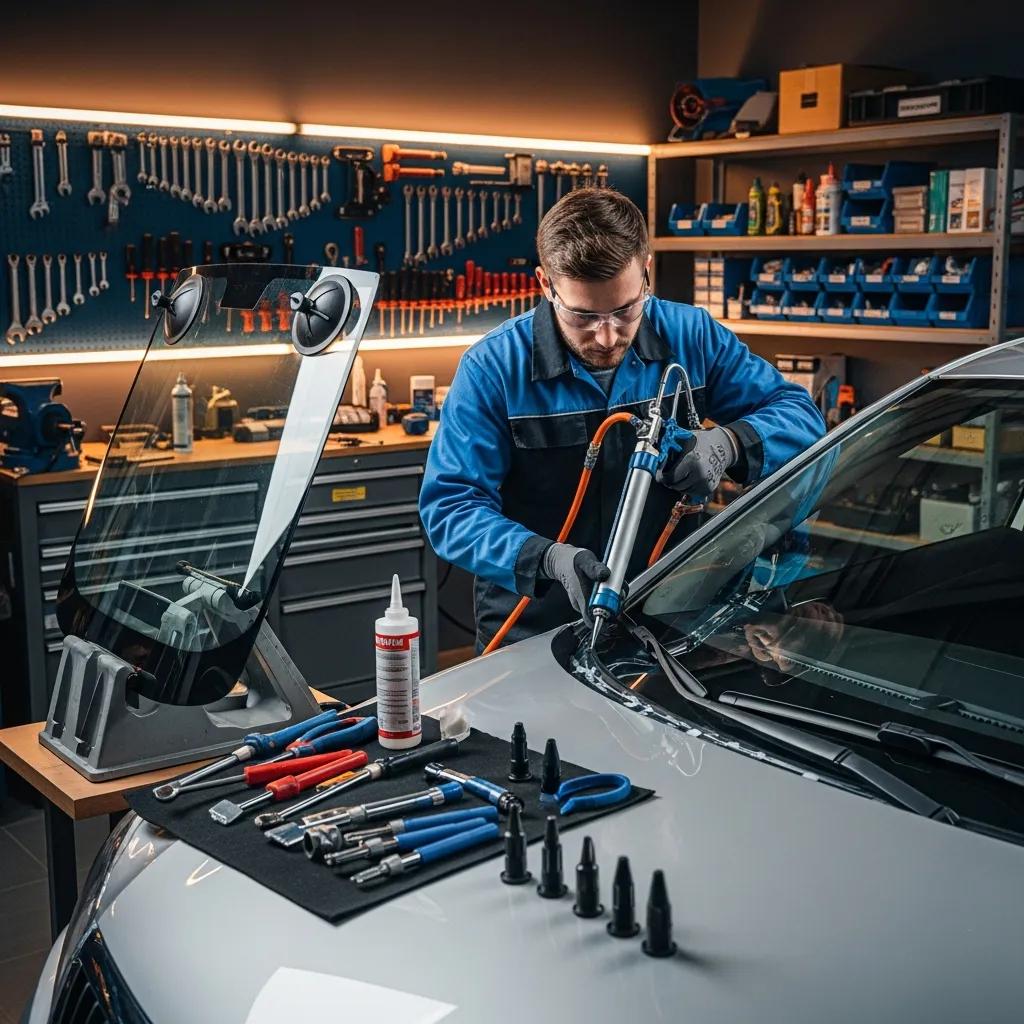
I-CAR Platinum is proof of advanced, manufacturer-aligned training and a shop commitment to ongoing technician development — and that matters for windshield replacements. Certified technicians follow precise steps: remove old urethane, prep the pinch weld, apply the correct adhesive bead, and allow the proper cure time so the glass bonds to factory specs. That process preserves the windshield’s role in roof support and airbag deployment. You also get documented workflows, post-installation inspections, and ADAS camera alignment checks when needed. Those controlled steps reduce leaks, glazing distortion, and sensor misalignment — and lower the chance of rework or safety issues down the road.
What Insurance Claim Support Does Prime Time Provide for Auto Glass Damage?
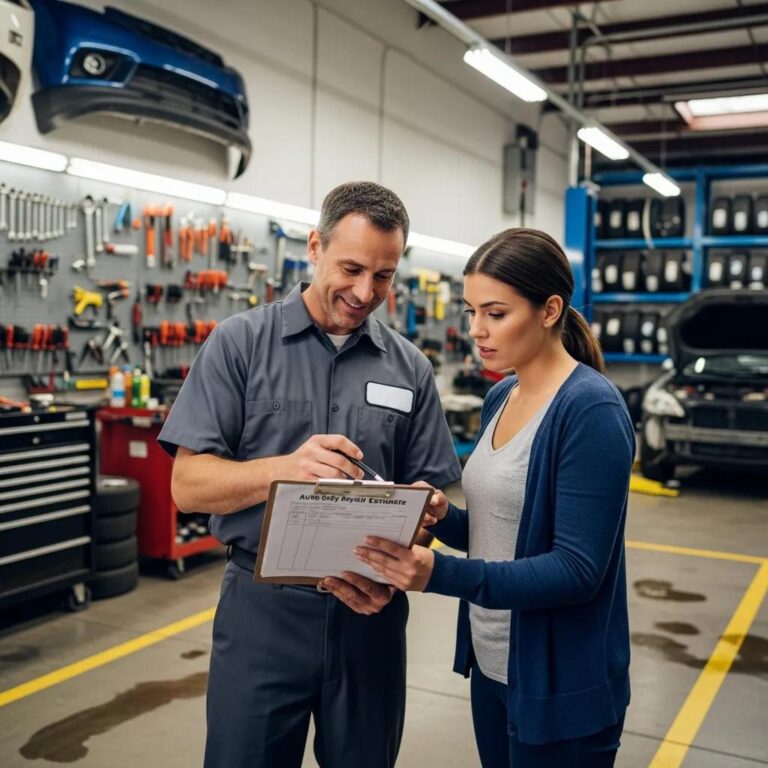
We work with insurers every day and supply the documentation that speeds approvals and cuts customer effort. Prime Time prepares detailed estimates and photos, submits required paperwork, and explains coverage and deductible options so you know what to expect. We’ll schedule repairs to minimize downtime and preserve claim integrity. By taking on the administrative work, we let you focus on safety and recovering from the accident instead of wrestling with forms. That support also ties directly into how to assess windshield damage and decide between repair and replacement.
How to Assess Windshield Damage: Repair vs. Replacement After a Collision
Start by identifying the damage type, size, and location — those factors determine whether a resin repair will restore strength and clarity or a full replacement is needed for safety. Look at chip diameter, crack length, proximity to the edge, multiple crack origins, and any delamination or shattered areas. The checklist below gives simple, on-scene steps you can use when photographing damage for a claim. Using a consistent decision process improves accuracy and supports conversations with insurers and repairers.
- Measure and photograph: Take clear photos from multiple angles and note the chip diameter and crack length.
- Check location relative to edges and sensors: Note how close damage is to the windshield edge and any cameras or sensor mounts.
- Evaluate glass condition: Watch for delamination, spiderwebbing, or multiple impact points — those usually mean replacement.
Apply this checklist for a quick determination of repairability. The table below compares common damage types and recommended actions.
| Damage Type | Repairability Criteria | Recommended Action |
|---|---|---|
| Small chip (bullseye or star) | Under 1 inch, away from edge and sensors, no delamination | Repair with resin to restore clarity and strength |
| Short crack | Under 3 inches, not reaching the edge or sensors | Repair may be possible depending on technician assessment |
| Long crack or multiple cracks | Over 3 inches, reaches the edge, or multiple propagating cracks | Full windshield replacement required |
| Edge chip | Within ~2 inches of the perimeter or molding | Replacement recommended due to structural risk |
| Delamination or shattered glass | Laminate layers separating or glass fragmented | Replacement required to restore structural integrity |
What Types of Windshield Damage Require Replacement?
Replacement is usually necessary for long cracks, edge chips that weaken the bonding area, delamination, or any damage that affects ADAS cameras or sensor mounts. Cracks longer than a few inches tend to grow and reduce the windshield’s load-bearing ability — an important factor for roof strength and airbag performance. Edge damage is especially serious because the adhesive bond to the pinch weld is essential for structure; resin can’t reliably restore that bond. If camera mounts are deformed or ADAS hardware is affected, only a properly positioned replacement will preserve sensor geometry and system accuracy. Put simply: prioritize safety over short-term cosmetic fixes.
When Is Windshield Repair a Safe and Effective Option?
Resin repair is a safe, effective solution for small, localized chips and short cracks that don’t reach the edge or interfere with ADAS hardware. Proper repairs restore optical clarity and rebond small fractures to reduce stress points that allow cracks to spread. Technicians use vacuum-and-inject methods to remove air and fill voids for a durable result. For many minor impacts — like a single bullseye or star chip under about 1 inch — repair keeps factory glass, is fast, and is more economical. We’ll monitor repaired areas and advise replacement if cracking progresses.
What Is the Importance of OEM Certified Auto Glass in Windshield Replacement?
OEM-certified glass matches original fit, curvature, sensor mounts, and bonding interfaces — and that precise compatibility preserves crashworthiness and ADAS performance. Glass made to the vehicle maker’s tolerances ensures the windshield seats correctly, bonds across the pinch weld as intended, and supports airbag dynamics. Vehicles with windshield-mounted cameras typically need glass with calibrated mount locations and specific coatings; using OEM glass minimizes calibration complexity and helps long-term performance. The table below summarizes how OEM and aftermarket glass compare on key attributes.
| Glass Type | Fit and Sensor Compatibility | Safety / Warranty Impact |
|---|---|---|
| OEM glass | Exact manufacturer tolerances; mounts for ADAS sensors | Preserves original crashworthiness and aligns with factory specs |
| Equivalent aftermarket | Varies by supplier; may need adjustments for sensor mounts | Possible sensor alignment or warranty differences |
| Generic aftermarket | May not match curvature or mounting points | Higher risk of improper bonding and ADAS calibration issues |
How Do OEM Parts Enhance Vehicle Safety and Structural Integrity?
OEM windshields are made to original tolerances so they keep the windshield’s structural role intact — supporting roof strength and influencing airbag deployment. Correct curvature and bonding area let adhesives spread and cure as the manufacturer intended, transferring loads between roof, windshield, and body in a crash. Using OEM glass reduces fit-related gaps, inconsistent adhesive thickness, or shifted sensor mounts that could compromise safety. Since crash testing assumes original components, OEM replacements help preserve the vehicle’s tested protective performance.
Why Choose OEM Glass Over Aftermarket Alternatives After an Accident?
Choosing OEM glass protects ADAS sensor alignment, preserves manufacturer adhesive interfaces, and supports lease or resale expectations where original parts matter. Luxury vehicles and lease returns especially benefit from OEM glass to avoid fitment disputes and preserve function and appearance. While some aftermarket options look similar, OEM glass reduces calibration and warranty friction because sensor mounts and coatings match design specs. For owners focused on long-term safety and value, OEM replacement is the conservative, factory-recommended choice.
Why Is ADAS Calibration Critical After Windshield Replacement?
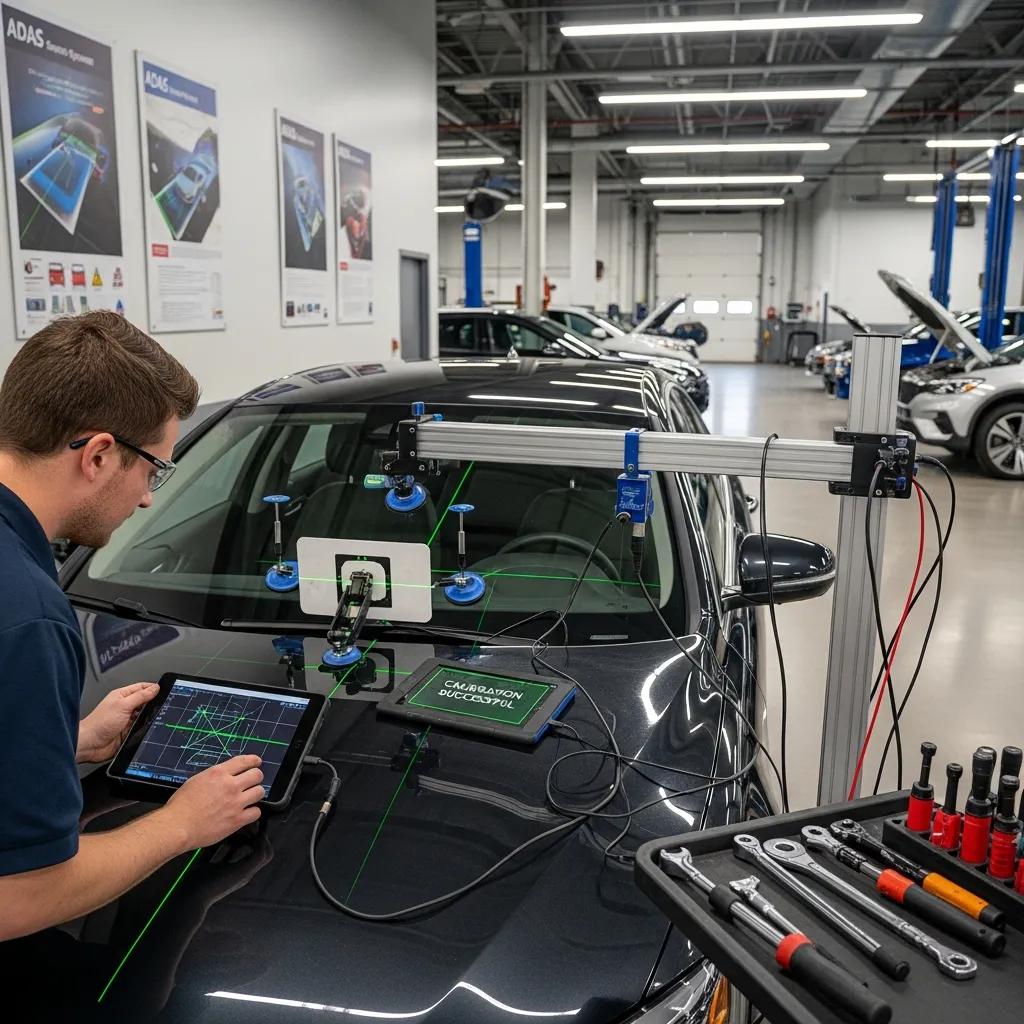
Advanced Driver Assistance Systems (ADAS) use cameras, radar, and sensors many of which reference the windshield. After any windshield replacement, recalibration is essential to restore correct system geometry and reliable performance. Misaligned cameras or sensors can cause false alerts, disabled lane-keep features, or degraded automatic emergency braking — all of which affect safety. Calibration returns sensors to OEM tolerances using static or dynamic methods and is verified through targeted tests and road checks. Skipping calibration can leave critical safety systems unreliable.
- Lane-keeping and lane-departure systems rely on correct forward camera geometry.
- Automatic emergency braking combines camera and radar data and needs aligned reference frames.
- Adaptive cruise and traffic-sign recognition require precise sensor positioning relative to the windshield.
Any windshield work that involves sensor mounts or camera fields of view will usually trigger recalibration — see the table below for common features and the risks of skipping calibration.
| ADAS Feature | Calibration Requirement After Windshield Work | Risk if Uncalibrated |
|---|---|---|
| Lane keep assist / lane departure | Camera recalibration (static or dynamic) | Incorrect lane centering or missed lane warnings |
| Automatic emergency braking (AEB) | Camera and sensor calibration | False positives or missed brake interventions |
| Adaptive cruise control | Radar and camera alignment checks | Unsafe following distances or inoperative control |
| Traffic sign recognition | Camera optical alignment verification | Missed or misread signs |
What Is ADAS and How Does It Affect Windshield Replacement?
ADAS is a group of safety systems — like lane-keeping, automatic emergency braking, adaptive cruise, and traffic-sign recognition — that use sensors and cameras to help the driver. Many ADAS sensors depend on a fixed mounting position relative to the windshield, so even small shifts in glass placement change measured angles and fields of view. Recalibration aligns the sensor coordinate system with the vehicle chassis so the software interprets inputs correctly and the features work as designed. Proper ADAS calibration is a required step after windshield replacement to ensure the systems detect and respond to hazards reliably.
How Does Prime Time Perform Precise ADAS Calibration Services?
We use a safety-first ADAS protocol that starts with an assessment of sensor mounts and camera alignment, then follows manufacturer-specified static or dynamic calibration procedures performed by trained technicians. The process includes measuring sensor reference points, using bench or vehicle-mounted calibration tools when needed, and completing a verification drive or test sequence to confirm systems are within OEM tolerances. We document calibration results and share them with owners and insurers so you have proof the systems were returned to working order. That documented approach reduces post-repair liability concerns and gives you confidence in your vehicle’s safety systems.
What Steps Should I Take Immediately After a Car Accident with Windshield Damage?
Right after a crash, your priorities are safety and documentation. Follow these steps to protect people, preserve evidence for claims, and speed repairs: make sure everyone is safe, photograph the damage, notify your insurer, and arrange for towing or on-site help if needed. The checklist below lists practical, prioritized actions to take at the scene and shortly after.
- Prioritize safety: Move to a safe spot if you can and check for injuries. Call emergency services if anyone is hurt.
- Document the scene: Photograph the windshield from several angles, capture surrounding damage, and note debris or impact points.
- Preserve evidence and note VIN: Photograph sensor areas, the VIN, and any markings showing proximity to cameras or mounts.
- Contact your insurer and a trusted repair shop: Report the claim promptly and schedule an inspection or tow to a qualified facility.
- Request tow and estimate if needed: Arrange secure towing if the vehicle isn’t drivable and get a written estimate that documents recommended repairs.
Taking these steps prepares you for the repair process. The next sections explain how to assess damage safely on-scene and the complimentary services qualified shops may offer after an accident.
How to Safely Assess Damage and Contact Prime Time Collision Center?
When it’s safe, move the vehicle out of traffic and inspect the windshield from the passenger side to avoid broken-glass hazards. Take close-up photos of chips and cracks, capture the windshield in relation to interior cameras or sensors, and photograph the VIN and overall vehicle condition to support your claim. When you call a repair facility, tell them the impact details and whether ADAS is present — and ask about estimates and towing. Prime Time can guide vehicle recovery and, when appropriate, schedule a free estimate and towing to get your car to a qualified shop quickly.
What Free Services Does Prime Time Offer Post-Accident, Including Towing and Estimates?
After an accident, complimentary services like 24/7 towing and free estimates take the logistics off your plate and help move repairs forward while preserving evidence for claims. Prime Time offers free towing and free estimates as part of our post-accident assistance, bringing your vehicle to a qualified shop for inspection and OEM-standard repair planning. These services include an initial assessment and documentation for insurer submission, which reduces friction in the claims process and speeds decisions. Knowing towing and estimates are available lets you focus on safety and documentation immediately after a crash.
How Does Insurance Coverage Work for Windshield Replacement After an Accident?
Coverage depends on your policy type, how the damage happened, and deductible choices. Comprehensive coverage usually covers glass-only incidents (like debris or vandalism), while collision coverage applies when the damage results from an accident with another vehicle or object. Deductible rules vary: some policies waive glass deductibles, others apply your standard collision or comprehensive deductible, and some insurers offer zero-deductible glass provisions. The overview below lists common scenarios and what to confirm with your insurer when reporting windshield damage so you know likely out-of-pocket costs and timing.
- Comprehensive coverage: typically covers non-collision glass damage such as road debris or vandalism.
- Collision coverage: applies when windshield damage results from a collision with another vehicle or object.
- Glass-specific provisions: some insurers offer glass coverage that reduces or removes the deductible.
Knowing these policy categories simplifies conversations with your insurer and the repair shop. The table below outlines common coverage types, deductible considerations, and typical outcomes.
| Coverage Type | Typical Glass Coverage | Deductible Considerations |
|---|---|---|
| Comprehensive | Often covers repair or replacement for non-collision events | May apply standard deductible unless a glass waiver exists |
| Collision | Covers damage from collisions with other vehicles or objects | Deductible applies per your collision policy |
| Glass-specific add-on | Designed to waive or reduce the glass deductible | Lowers or eliminates out-of-pocket cost for glass repairs |
Which Auto Insurance Policies Typically Cover Windshield Repair or Replacement?
Windshield repair or replacement is commonly covered under comprehensive policies for incidents like road debris or vandalism. Collision coverage typically applies if the damage happened during a crash with another vehicle or an object. Check whether your insurer offers a glass waiver or separate glass coverage that reduces or removes the deductible. Report damage promptly, provide photos, and follow insurer instructions on authorized repair centers or estimate submission to avoid disputes. Confirming coverage before authorizing repairs helps your repair facility move forward with minimal delay.
How Does Prime Time Assist with Navigating the Insurance Claim Process?
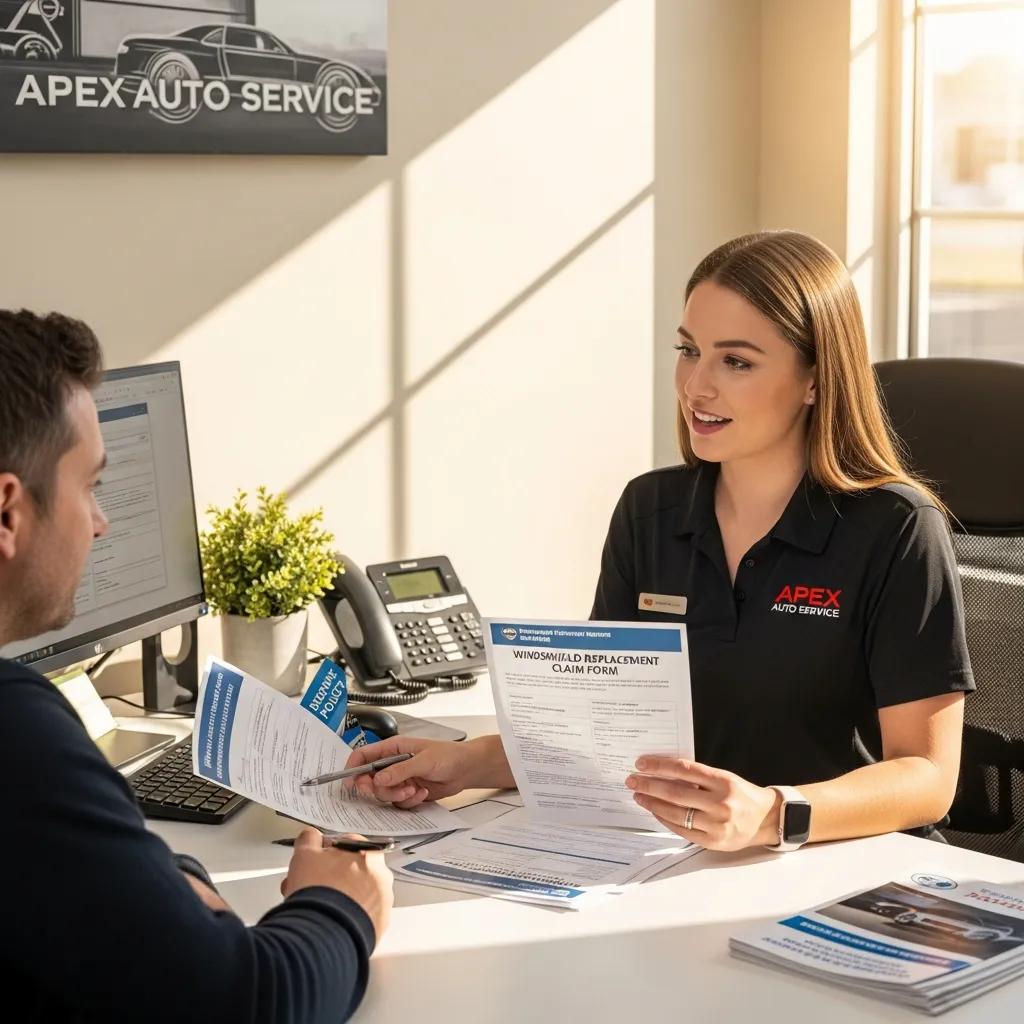
Prime Time prepares detailed estimates, documents damage with photos for claims, and communicates directly with major insurers to submit repair documentation and clarifications. We outline the OEM replacement steps, document ADAS calibration needs, and give repair timelines so insurers can approve work efficiently. Acting as your technical liaison reduces the administrative burden and helps ensure insurer approvals match safety-focused, OEM-standard repair plans. Contact us early for an estimate or towing after a collision to streamline your claim and get repairs started sooner.
Frequently Asked Questions
What should I do if my windshield is damaged in a minor accident?
First, make sure everyone is safe. Then photograph the damage from several angles and note the size and location of any chips or cracks. Report the incident to your insurer and ask about coverage. Many small chips can be repaired instead of replaced, which saves time and money — but always have a qualified technician assess the damage and recommend the best option.
How long does a windshield replacement typically take?
Replacement time varies by vehicle, damage, and part availability. The replacement itself usually takes about one to two hours. Allow extra time for ADAS calibration when required — that process can add time depending on system complexity. Ask your repair shop for a precise estimate based on your vehicle and situation.
Will my insurance cover the cost of windshield replacement?
That depends on your policy. Comprehensive insurance generally covers glass damage from non-collision events, while collision coverage applies when damage results from an accident. Some policies include a glass waiver that reduces or removes the deductible. Review your policy and talk with your insurance agent to understand coverage and any out-of-pocket costs.
What are the risks of using aftermarket glass for windshield replacement?
Aftermarket glass can vary in fit and sensor compatibility. Risks include improper fit, compromised structural integrity, and ADAS misalignment. While some aftermarket options meet high standards, OEM-certified glass is the safest choice when sensor mounts and exact fit matter. For consistent safety and performance, we generally recommend OEM glass, especially for vehicles with ADAS.
How can I ensure my ADAS systems are properly calibrated after a windshield replacement?
Have calibration done by trained technicians using manufacturer procedures and the right equipment. Calibration can be static or dynamic depending on the vehicle and systems involved. After calibration, request a verification test so you can be confident all systems work within OEM specifications.
What are the signs that my windshield needs to be replaced rather than repaired?
Signs that replacement is needed include long cracks (generally over 3 inches), damage near the edge, multiple cracks, or delamination. If ADAS sensors or camera mounts are affected, replacement is usually required. Any damage that impairs visibility or compromises structural integrity should be addressed immediately. Always get a professional assessment to determine the best option.
Conclusion
After a car accident, choosing the right windshield service matters for safety, vehicle integrity, and insurance outcomes. By using OEM-certified glass and professional ADAS calibration, you protect your vehicle’s safety systems and preserve its value. When you’re ready, contact Prime Time Collision Center for expert help and complimentary post-accident services — we’ll get your vehicle back to safe, reliable condition.