Certified Tesla Body Shop in Glendale, CA — Expert Tesla Collision Repair & OEM Services
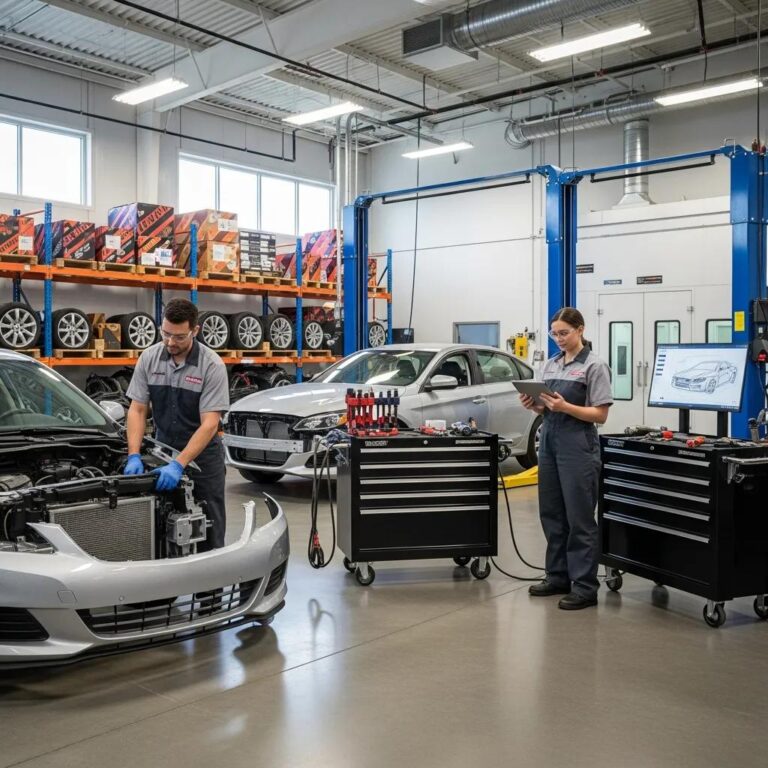
At Prime Time Collision Center in Glendale, we deliver OEM-quality collision repairs specifically for Tesla vehicles — with safety, structural accuracy, and factory system preservation as our priorities. This page explains why choosing a Tesla-capable shop matters, reviews the specialized procedures for aluminum-bodied EVs, and outlines advanced steps like ADAS calibration and high-voltage safety. If you own a Tesla and need clarity on parts, technician training, or recalibration, this guide walks you through how aluminum repairs differ from steel, what Autopilot sensor recalibration involves, and the repair workflow from estimate to final inspection. Below you’ll find straightforward guidance on: why certified-level repairs matter, a breakdown of comprehensive Tesla services, key safety and tech protocols, our step-by-step repair process, and concise answers to common Tesla repair questions for Glendale drivers.
Why Choose a Tesla Certified Body Shop in Glendale?
Repairing a Tesla correctly takes specialized training, the right tooling, and reliable parts sourcing. A certified or deeply experienced Tesla repair center preserves crash performance, keeps ADAS and Autopilot working as intended, and lowers the chance of hidden problems after a repair — especially where aluminum structures and high-voltage systems are involved. Working with a properly equipped shop also smooths communications with insurers, who prefer documented OEM procedures and calibration records. Below are the immediate benefits Tesla owners should expect from a qualified collision repair provider in Glendale.
- Safety Preservation: Repairs that follow OEM procedures maintain designed crash energy paths and occupant protection.
- Warranty and Value Protection: Proper parts and documented repairs reduce warranty disputes and help preserve resale value.
- Systems Reliability: Correct ADAS calibration and sensor reprogramming restore driver assistance features to factory performance.
These outcomes all come down to two things: well-trained technicians and genuine parts. The next sections explain the certifications we hold and why OEM parts matter.
What Training and Certifications Do Our Tesla Technicians Hold?
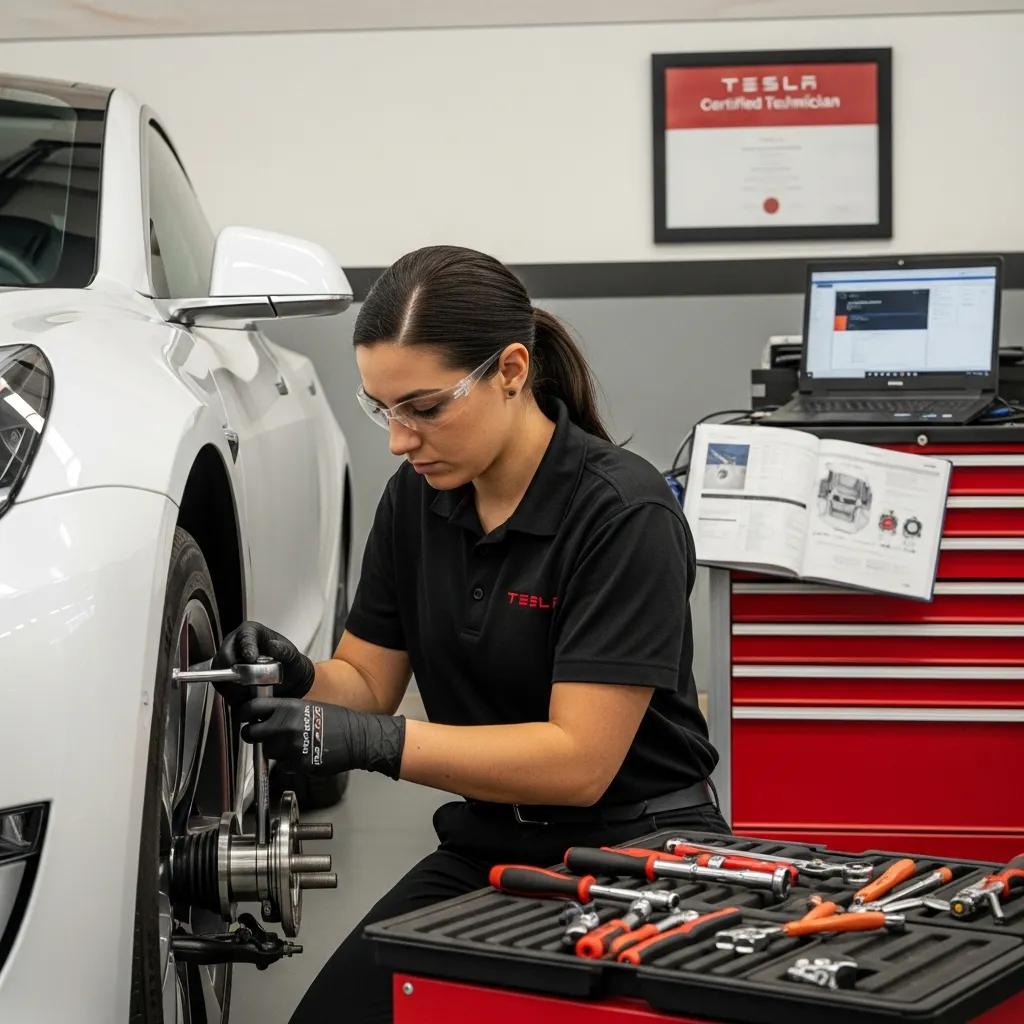
Our technicians hold industry-recognized credentials that prove they can follow OEM repair methods, work safely on aluminum structures, and handle high-voltage systems. Prime Time Collision Center highlights I‑CAR Platinum technicians and ongoing EV-specific training, including approved aluminum joining techniques and high-voltage safety. Because aluminum behaves differently than steel, documented training matters to insurers and owners — it supports inspection checkpoints, quality control, and reliable ADAS recalibration after repairs.
How Do Genuine Tesla OEM Parts Preserve Vehicle Safety and Warranty?
Genuine Tesla parts are made to factory tolerances and materials to keep crash behavior, sensor alignment, and system interoperability consistent. Aftermarket parts can vary in material, fit, or sensor mounting geometry, which risks changed load paths, misaligned ADAS components, or premature corrosion on aluminum assemblies. Using OEM parts reduces ambiguity with insurers and supports warranty considerations by documenting factory-specified replacements and approved procedures. For owners, that means restored crashworthiness, accurate sensor performance, and cleaner resale records.
Comprehensive Tesla Collision Repair Services in Glendale
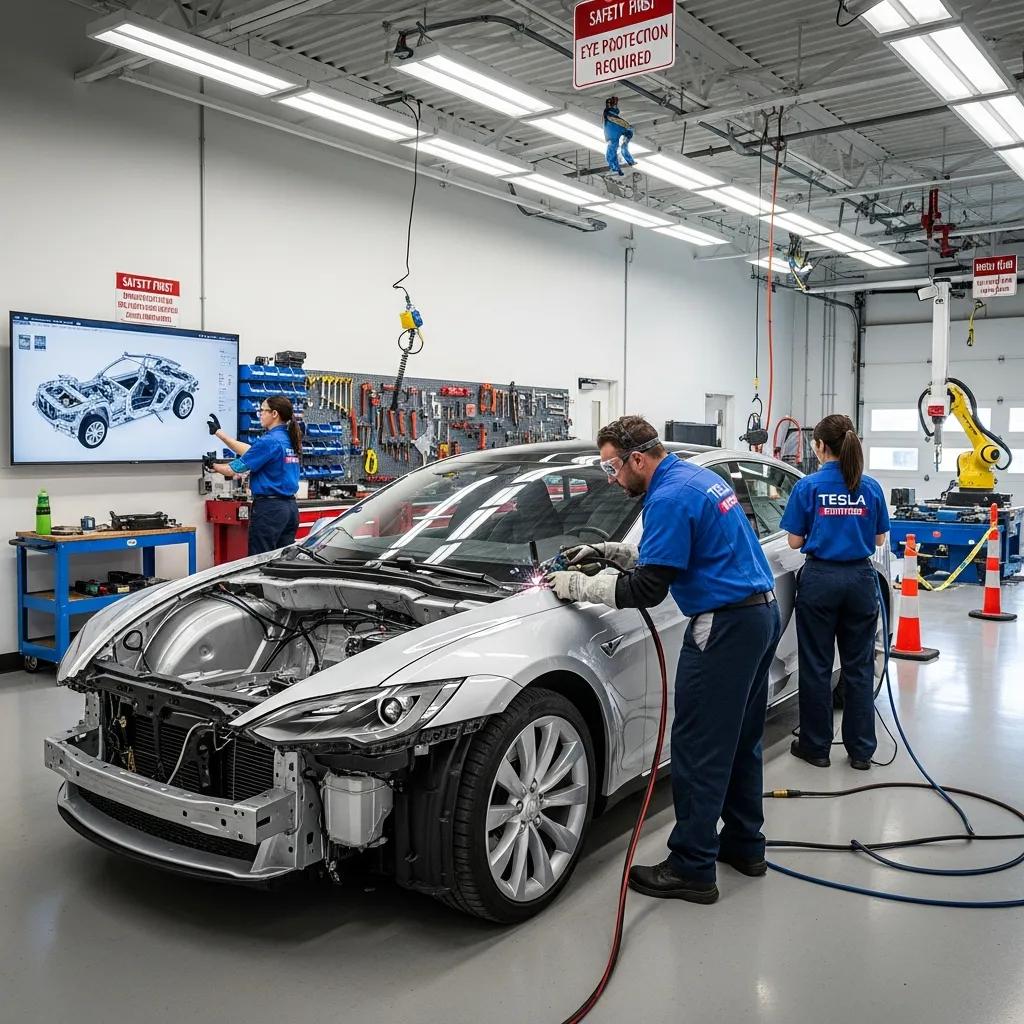
Full Tesla collision repair ranges from small panel work to structural restoration and complete system recalibration — each scope needs different tools, methods, and qualifications. Tesla vehicles commonly use aluminum panels and bonded structures, so repairs require dedicated fixtures, corrosion-control practices, and OEM measurement systems. Paint matching, paintless dent repair (PDR), structural alignment, and ADAS calibration together return both the look and functionality of the vehicle. The table below compares common Tesla repair services and typical results to help owners choose the right approach.
Different collision services align to repair scope, with each method carrying distinct techniques and outcomes.
| Repair Service | Typical Scope | Typical Outcome |
|---|---|---|
| Aluminum Body Repair | Panel replacement, welding or bonding, corrosion control | Restored fit, strength, and durability |
| Paint Matching & Refinishing | Color scanning, blending, clearcoat application | Seamless factory finish and UV protection |
| ADAS Calibration | Sensor alignment, software calibration, static and road tests | Restored Autopilot and driver-assist accuracy |
| Structural Frame Alignment | Fixture-based measuring and straightening | Chassis geometry returned to OEM specs |
This comparison shows how services combine to bring a Tesla back to factory performance. The right path depends on damage type, sensor involvement, and whether the structure was affected.
Aluminum repairs use purpose-built equipment and controlled procedures to avoid weakening joints or causing galvanic corrosion. PDR and selective refinishing preserve factory finish when possible; major structural work requires fixtures and documented measurements to verify geometry. The section below explains those specialized aluminum methods and why they matter for safety and durability.
How Do We Perform Specialized Aluminum Body Repair for Tesla Models?
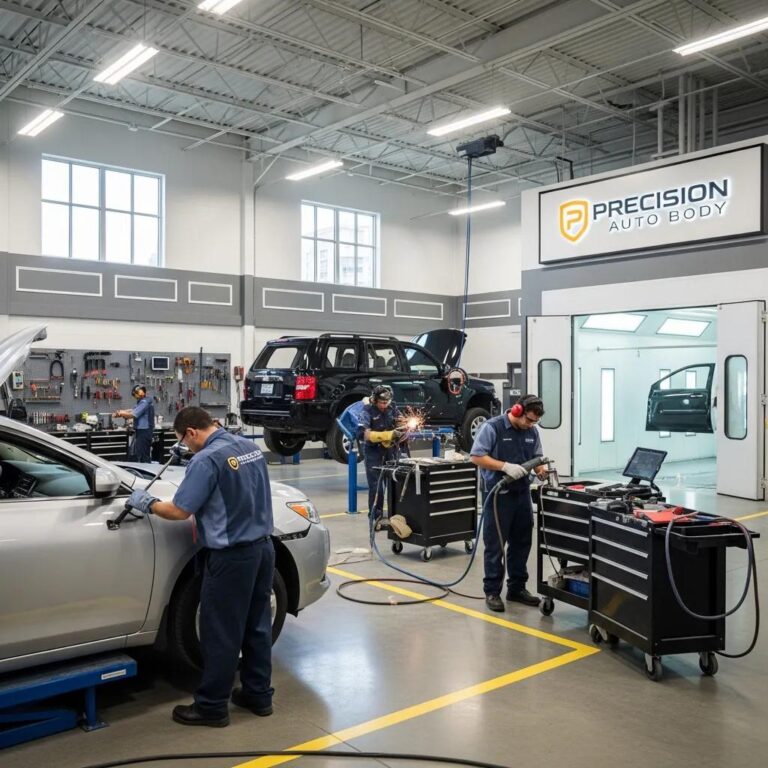
Aluminum repair follows different rules than steel: controlled straightening, approved joining methods (welding or bonding per OEM guidance), and corrosion-inhibiting steps. We use calibrated fixtures and OEM measurement systems so panels and subframes return to precise locations — small deviations can affect sensors, aerodynamics, and crash performance. Quality control includes non‑destructive inspections, torque verification, and step-by-step documentation for insurers and future owners, ensuring repaired components restore original load paths and occupant protection.
What Is Included in Our Tesla Paint Matching and Dent Removal Services?
We start paint repair with color-scan tools and factory color codes to recreate the original basecoat and clearcoat layers. Paintless Dent Repair (PDR) is used when the paint is intact, saving time and preserving the factory finish. If repainting is needed, we blend adjacent panels and apply matched clearcoats to match gloss, texture, and depth. Final checks use controlled lighting and color meters when required, and documented finish inspections occur before vehicle handoff to confirm a consistent, factory-aligned appearance.
Advanced Tesla Repair Techniques and Technology
Modern Tesla repairs combine strict electrical safety procedures, ADAS expertise, and precise diagnostics to restore the vehicle’s complex systems. Cameras, ultrasonic sensors, and radar units often need physical alignment and software recalibration after impact; skipping calibration can reduce system performance and safety. High-voltage battery enclosures require isolation procedures and specialized tools to prevent shock hazards and protect battery health during disassembly and reassembly. Knowing how these systems interact helps owners evaluate repair scope and pick a shop with the right capabilities.
- ADAS Systems: Cameras, radar, and ultrasonic sensors need alignment and software calibration after body, glass, or suspension work.
- High-Voltage Safety: Battery isolation, lockout/tagout procedures, and trained personnel reduce electrical risk during repairs.
- Diagnostic Tools: OEM-level diagnostics verify system function and create calibration logs for insurers.
Pairing structural and cosmetic repairs with electronics restoration is essential for safe, reliable EV ownership.
Why Is ADAS Calibration Critical After Tesla Collision Repairs?
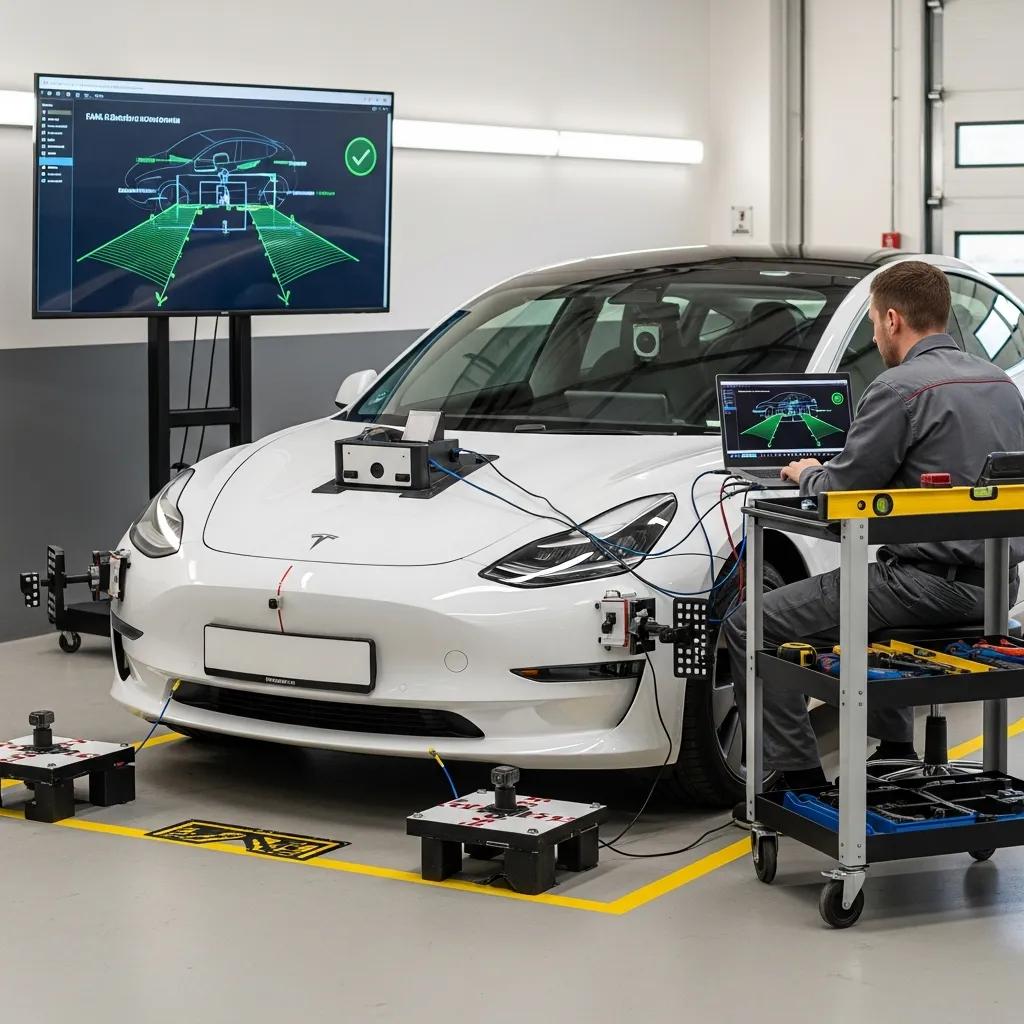
ADAS calibration re-establishes the spatial relationships between sensors and the vehicle so driver-assist features perform as designed. Proper calibration realigns cameras, radar, and ultrasonic sensors to vehicle reference points, then verifies sensor outputs through static and dynamic tests so lane markings, vehicles, and obstacles are correctly detected. Missing or incomplete calibration can cause false alerts, missed detections, or degraded system behavior — risks that affect safety and liability. We document every calibration and keep records with the repair file for owner and insurer review.
How Do We Handle High-Voltage Battery and Autopilot Sensor Repairs?
High-voltage battery work follows strict safety protocols: verified de‑energization, PPE, insulated tools, and technicians trained in battery enclosure and thermal systems. Autopilot sensors are handled to avoid contamination or misalignment and are re‑educated using OEM diagnostic workflows as part of post-repair checks. If a repair requires factory-only software or proprietary tooling, we coordinate with suppliers or OEM resources and document any limitations and next steps. These procedures reduce electrical risk and restore both powertrain integrity and sensor performance.
Tesla Repair Process and Customer Support in Glendale
We follow a clear, step-by-step repair process so owners know what to expect from estimate to final inspection. Typical flow: estimate → insurance coordination → parts procurement → structural and cosmetic repair → ADAS calibration and diagnostics → final QA and handoff. We focus on timely communication about schedules, parts, and calibration results so you’re never left wondering, and we retain documentation that verifies repairs met technical standards.
The table below maps common customer touchpoints to the shop’s actions and the value delivered during the repair journey.
| Touchpoint | What the Shop Does | Value to Owner |
|---|---|---|
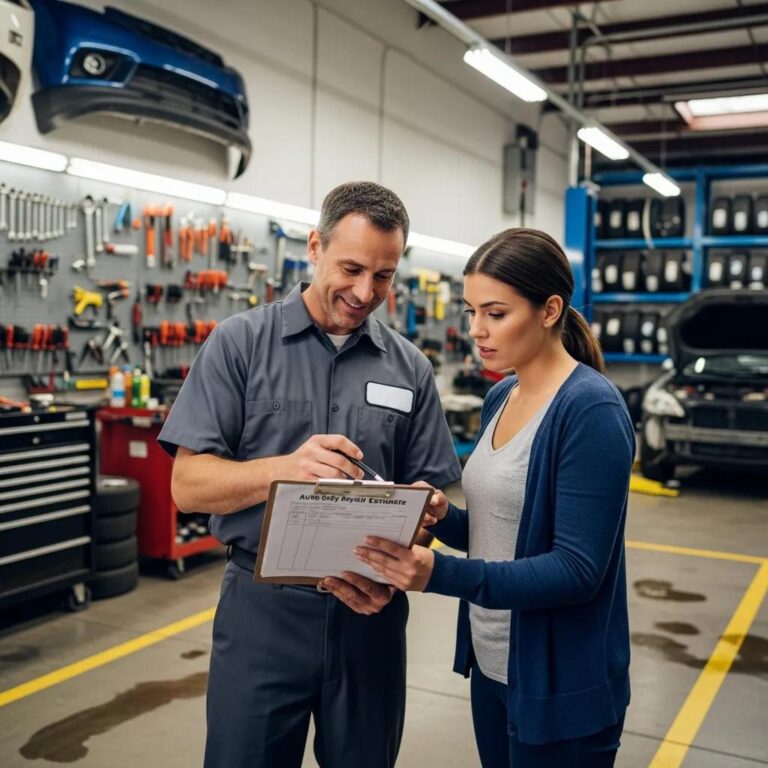
| Estimate | Free damage assessment and clear repair plan | Understanding of scope, timeline, and costs |
| Insurance Liaison | Provide documentation, adjuster coordination, parts justification | Faster approvals and advocacy for OEM parts |
| Repair Execution | Structural, paint, and electrical work completed to OEM standards | Restored safety, systems, and appearance |
| Final QA & Calibration | ADAS checks, road testing, and written verification | Documented system functionality and peace of mind |
Prime Time Collision Center supports drivers through every stage of repair. We offer free estimates, help with insurance claims, and 24/7 towing when needed. After repairs, we deliver the vehicle only when QA checkpoints are complete and calibration records are filed — so you leave confident the work was done right.
How Does Prime Time Collision Assist with Tesla Insurance Claims?
We serve as your insurance liaison by supplying detailed estimates, damage photos, and OEM parts justification to speed approvals and limit disputes. Our technicians document repair procedures and calibration steps so adjusters see the technical reasons for recommended work. We keep you updated on parts status and approval milestones to reduce delays — a helpful process when ADAS work or high-value OEM parts are involved.
What Warranty and Quality Assurance Do We Offer on Tesla Repairs?
Our quality assurance process includes layered checkpoints: initial damage analysis, mid-repair inspections, post-repair structural measurement, paint finish verification, ADAS recalibration confirmation, and a final road test. Specific warranty terms are provided in our official policy, but these QA steps are the practical guarantees that work was completed to documented standards and systems were validated before handoff. We provide repair documentation, calibration certificates, and inspection notes so owners have full records if questions arise later.
Frequently Asked Questions
What Should I Look for When Choosing a Tesla Body Shop?
Pick a shop with certified technicians and proven Tesla experience. Verify they use genuine OEM parts, have training in aluminum repair and ADAS calibration, and can show documentation of work. Customer reviews, photos of past repairs, and clear communication about timelines and warranties are good indicators of reliability.
How Can I Ensure My Tesla’s Warranty Remains Valid After Repairs?
To protect your warranty, choose a shop that uses Tesla OEM parts and follows manufacturer-recommended procedures. Keep all repair invoices and calibration certificates — that paperwork is crucial if warranty questions come up later. Using a certified or highly experienced Tesla repairer reduces the risk of warranty complications.
What Are the Risks of Using Aftermarket Parts for Tesla Repairs?
Aftermarket parts can differ in material, fit, or sensor mounting, which may change load paths, impair ADAS alignment, or invite corrosion on aluminum assemblies. Those differences can affect safety and long-term performance. For critical structural or sensor-mounted components, we recommend OEM parts to maintain original safety and system behavior.
How Do I Know If My Tesla Needs ADAS Calibration After a Repair?
If you’ve had bodywork, glass replacement, suspension work, or any impact near sensors, calibration is likely required. Dashboard warnings or degraded driver-assist behavior are signs. Have a certified technician verify and perform calibration so systems operate safely and reliably.
What Should I Expect During the Tesla Repair Process?
Expect an initial estimate and damage review, insurance coordination if needed, parts ordering, the repair work itself, ADAS calibration, and final QA before pickup. We keep communication open about timelines, parts status, and any approvals so you always know where your repair stands.
Are There Any Special Considerations for High-Voltage Battery Repairs?
Yes. High-voltage battery work requires strict de‑energization checks, insulated tools, PPE, and technicians trained in battery enclosures and thermal management. Proper procedures protect both the vehicle and the people working on it, so choose a shop experienced in EV battery safety.
What Documentation Should I Keep After My Tesla Repair?
Keep the estimate, final invoice, calibration certificates, and any warranty paperwork. A complete repair file helps with future warranty claims and resale, and it proves that repairs and calibrations were completed to documented standards.
Conclusion
Choosing a certified Tesla body shop in Glendale means your vehicle gets the technical care it needs to retain safety, performance, and warranty alignment. With trained technicians, OEM processes, and documented QA, Prime Time Collision Center restores your Tesla to factory-level standards. Don’t compromise — protect your vehicle’s integrity by choosing a shop that uses genuine parts and follows proper procedures. Contact us today to schedule your free estimate and see the difference in Tesla collision repair.