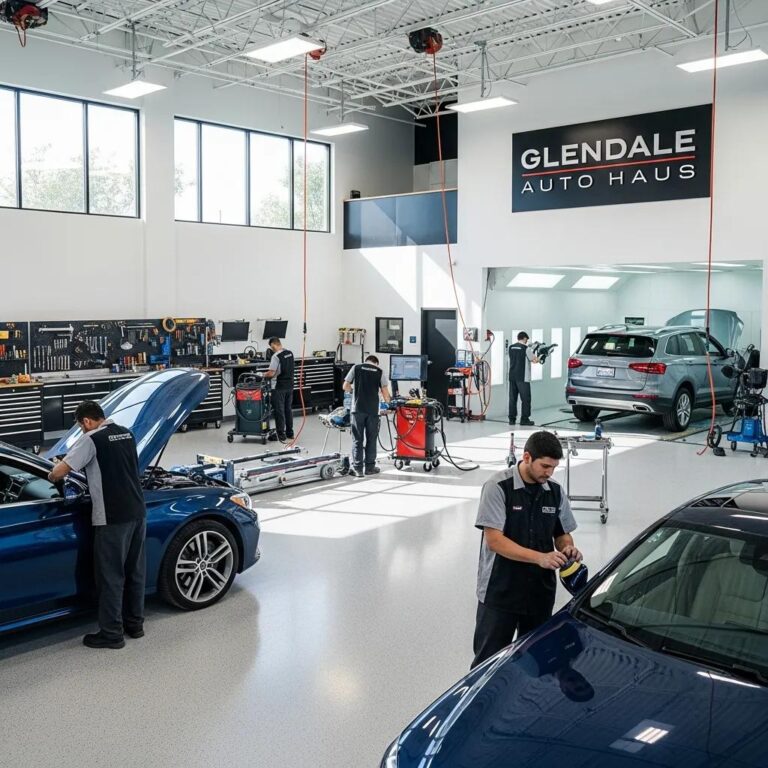
Mercedes‑Benz Certified Body Shop — Burbank: Expert Collision Repair & OEM Parts Specialists
We know how stressful a collision can be—especially when your Mercedes‑Benz is involved. Owners need clear, accurate guidance to protect safety, warranty coverage and resale value. This guide explains why Mercedes‑specific repair standards matter, what genuine OEM parts deliver, and how a certified shop workflow restores structure and ADAS performance after an accident. You’ll learn which certifications and equipment affect repair quality, how OEM parts differ from aftermarket alternatives, and the step‑by‑step collision and insurance claim process tailored for Mercedes owners in Burbank. Along the way we address common concerns—safety‑critical components, ADAS calibration, lease‑return work, and how to verify repair documentation—so you can make confident decisions after a crash. Keywords covered include Mercedes body shop Burbank, Mercedes repair Burbank, Burbank Mercedes collision, and Mercedes‑Benz ADAS calibration Burbank to help local owners find the right expertise.
Why choose a Mercedes‑Benz certified body shop in Burbank?
A Mercedes‑certified body shop follows factory repair procedures that protect structural integrity, use the right materials, and verify safety systems. Certification requirements make sure technicians follow approved methods for frame alignment, restraint systems and ADAS sensors—reducing post‑repair risk and helping your vehicle perform like it did from the factory. Choosing a certified facility also helps preserve warranty coverage and resale value because repairs meet factory tolerances and are documented. In short: safer reassembly, accurate sensor function, and a verifiable service history that reassures buyers and lessors.
Here are three practical benefits of factory‑level repairs:
- Safety preservation: Repairs restore crash energy management and restraint performance by using correct parts and alignment.
- Warranty and value protection: Factory procedures and documented OEM parts reduce disputes and support resale.
- ADAS reliability: Proper calibration of cameras and sensors keeps driver‑assist systems working as designed.
Those advantages depend on technician training and shop capabilities, which we explain next.
Which certifications matter for quality Mercedes‑Benz repairs?
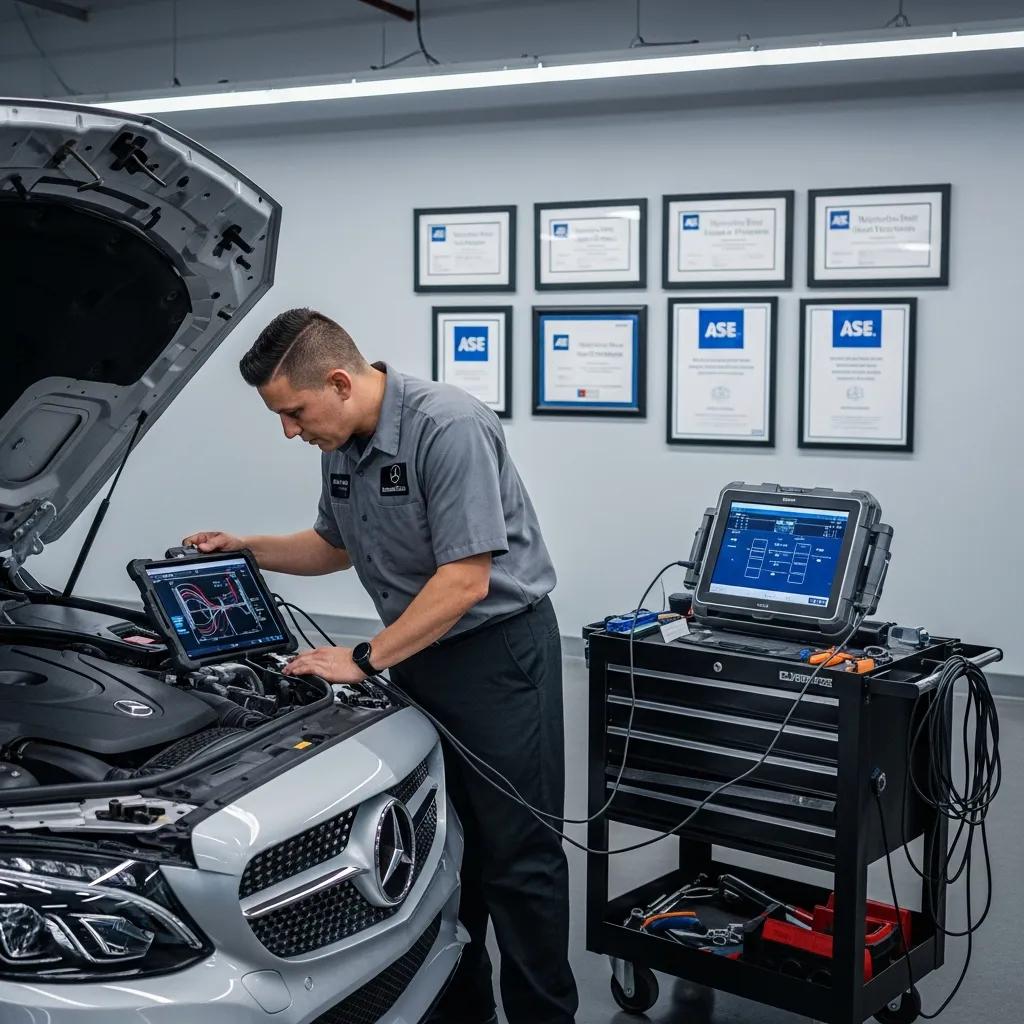
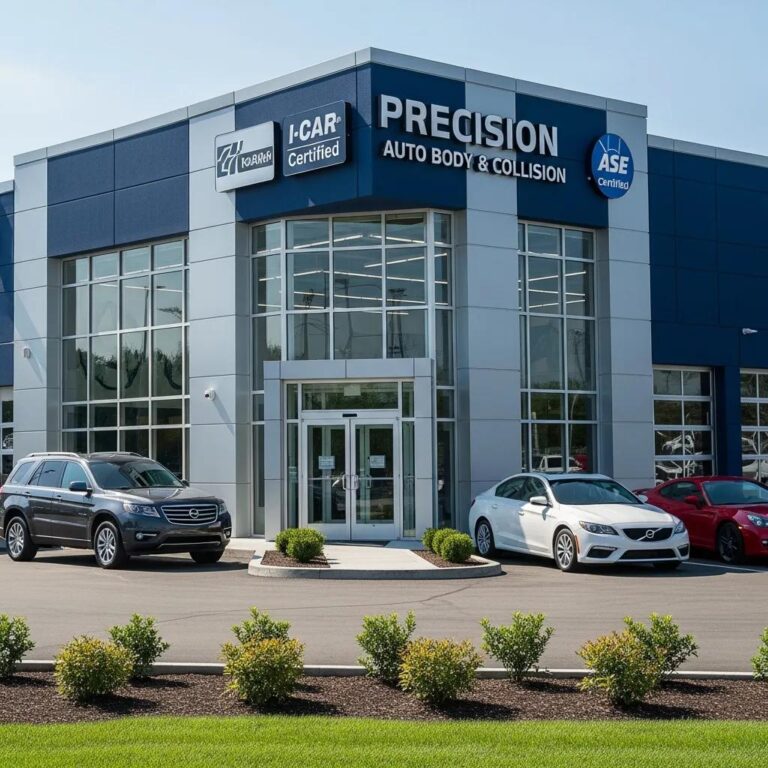
Certifications confirm a shop’s training and facility standards for complex collision work. A commonly recognized program is I‑CAR Platinum, which shows ongoing advanced training across structural, electronic and refinish disciplines. I‑CAR Platinum means technicians receive continued education on high‑strength steels, airbag systems and ADAS—systems common on Mercedes models. Some shops also hold manufacturer‑specific credentials; if you don’t see Mercedes OEM certification posted, ask about documented training and factory procedures. Knowing a shop’s certifications helps you evaluate whether technicians can follow Mercedes repair methods and calibration protocols.
Certified technicians turn training into repair decisions that protect your vehicle’s long‑term performance.
How do certified technicians protect your Mercedes’ value?
Certified technicians use factory procedures, the correct fasteners and calibrated electronics so fixes aren’t merely cosmetic—hidden structural problems are addressed. Replacing safety‑critical components with OEM parts and documenting ADAS recalibration reduces the chance of future failures or degraded crash performance. Detailed estimates, OEM part sourcing and technician notes create a clear repair history that supports lease returns and resale. That transparency—itemized work, parts records and service notes—helps protect long‑term value.
This focus on training and documentation leads naturally to the next choice: OEM parts versus aftermarket options.
What are the benefits of using genuine Mercedes‑Benz OEM parts?
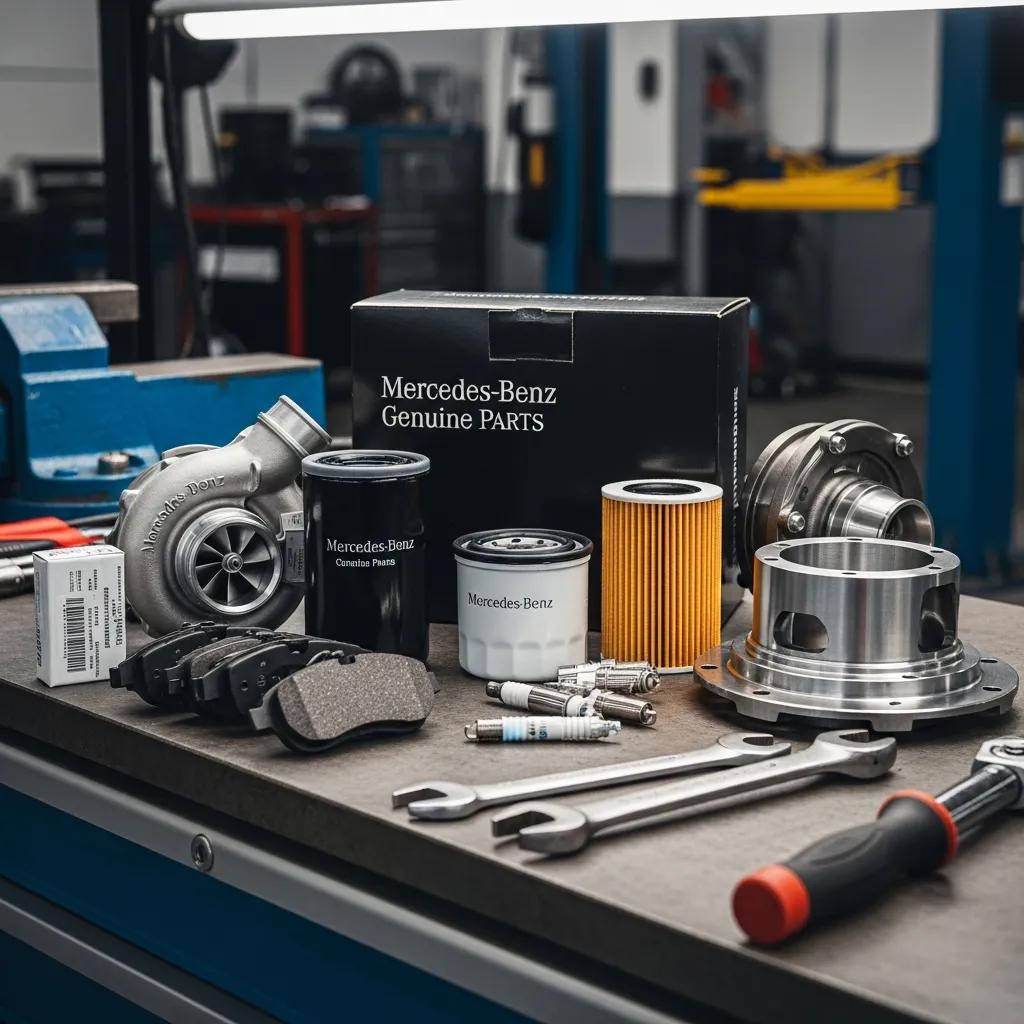
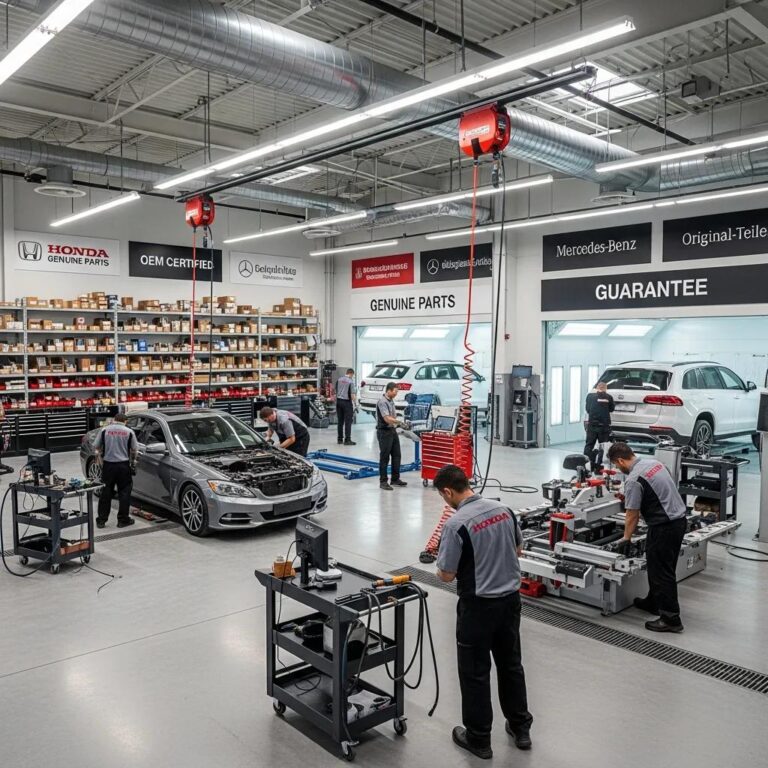
Genuine Mercedes‑Benz OEM parts are built to the vehicle’s original tolerances, delivering correct fit, material properties and crash performance. OEM components preserve engineered energy paths, sensor locations and fastener specifications that aftermarket parts often don’t match—directly affecting occupant protection and ADAS behavior. For luxury vehicles where finish, color match and fit matter, OEM parts reduce rework and keep the vehicle’s aesthetic and functional integrity intact. Those outcomes influence safety, warranty standing and resale value in practical, measurable ways.
Below is a compact comparison showing how OEM parts differ from common aftermarket equivalents:
| Part / Component | OEM vs Aftermarket | Impact on Fit, Safety & Resale |
|---|---|---|
| Front bumper assembly | OEM follows original crash‑energy design | Ensures correct sensor placement and crash behavior |
| Structural frame rails | OEM meets tensile and geometry specifications | Restores factory alignment and occupant protection |
| ADAS sensors and cameras | OEM modules calibrated to manufacturer specs | Preserves driver‑assist accuracy and reduces false alerts |
This comparison shows that choosing OEM parts lowers the risk of poor fit, compromised crash performance and resale issues. The next sections explain safety and warranty impacts in more detail.
How do OEM parts maintain safety and performance?
Safety‑critical items—airbag modules, reinforcement rails and ADAS sensors—are designed and tested as integrated systems. OEM parts preserve those engineered interactions so crash energy is managed correctly, airbags deploy as intended, and sensor baselines remain consistent. On Mercedes vehicles, where sensor fusion and tight mechanical tolerances are common, deviations from OEM specifications can cause alignment errors, inconsistent sensor readings or reduced crashworthiness. Restoring factory interfaces and performing post‑repair system tests and ADAS calibration returns the vehicle to certified performance levels.
Correct parts and calibration link directly to the warranty and resale outcomes discussed next.
Why do OEM parts help preserve warranty and resale value?
OEM parts create a verifiable repair record: they’re identifiable, traceable and documented on repair orders—details insurers and future buyers value. Manufacturers and lessors typically accept repairs done to factory standards using OEM parts as meeting return‑to‑factory condition expectations, lowering the risk of lease penalties. By contrast, uncertain aftermarket parts can raise warranty questions or reduce buyer confidence, lowering trade‑in or resale offers. Documented OEM repairs help owners avoid disputes and protect market value when selling or returning a leased Mercedes.
Owners focused on long‑term value should compare the upfront part cost to potential depreciation and rework—an informed, practical calculation.
How does the Mercedes‑Benz collision repair process work at our Burbank shop?
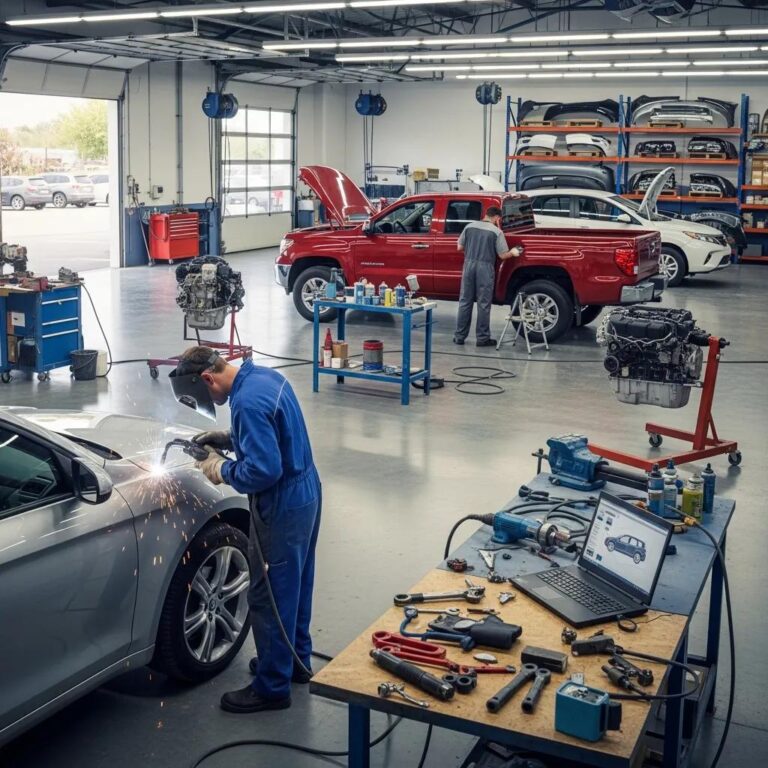
A complete collision repair starts with a thorough assessment, continues through structural and systems repairs per factory procedures, and finishes with multi‑point quality control and ADAS recalibration. Each stage restores safety, alignment, electronics and finish to manufacturer tolerances while documenting work for warranty and insurance. A numbered process sets clear expectations for timing and outcomes. Below is a concise, industry‑standard step‑by‑step flow for Mercedes repairs.
- Initial assessment and damage documentation, including photos and OEM part identification.
- Structural repair and frame alignment to factory geometry using specified tooling.
- Replacement of safety‑critical components with OEM parts and controlled refinish.
- ADAS calibration and full quality control inspection before delivery.
This sequence leads into an EAV‑style table that connects each stage to actions and customer outcomes.
| Repair Stage | What We Inspect / Do | Benefit / Outcome + Typical Timeframe |
|---|---|---|
| Assessment & Estimate | Photo documentation, OEM part lists, insurer liaison | Clear scope and authorization; 1–3 days |
| Structural & Mechanical Repair | Frame alignment, welds, fastener torque per factory | Restores chassis integrity; 2–7 days |
| Paint & Finish | Controlled color matching and refinishing procedures | Invisible factory finish and color match; 1–4 days |
| Calibration & QC | ADAS calibration, road test, multi‑point inspection | Restores system accuracy and safety; 1–2 days |
That timeline clarifies each phase’s safety impact and outcomes. Beyond technical work, practical customer supports make repairs easier.
At Prime Time Collision Center we offer free estimates, 24/7 accident guidance and towing direction, plus hands‑on help coordinating with insurers to reduce your workload. Those services complement the technical repair steps by cutting logistical friction and keeping you informed from start to finish.
What are the steps from initial assessment to final quality control?
The first step documents damage and creates an OEM‑based estimate aligning parts and labor with factory methods; this establishes scope and insurer communication. Structural repairs follow using calibrated frame machines and factory‑approved techniques to restore geometry; technicians then install OEM components and complete mechanical work. Paint and finish work uses controlled processes to match factory color and texture. Final ADAS calibration and a multi‑point inspection verify sensors, restraints and alignment meet manufacturer tolerances. You’ll receive a documented repair report and any recommended follow‑ups—a record that supports warranty and resale.
Clear milestones and regular updates reduce surprises and guide you back to safe, documented service.
How is advanced equipment used for precise Mercedes‑Benz repairs?
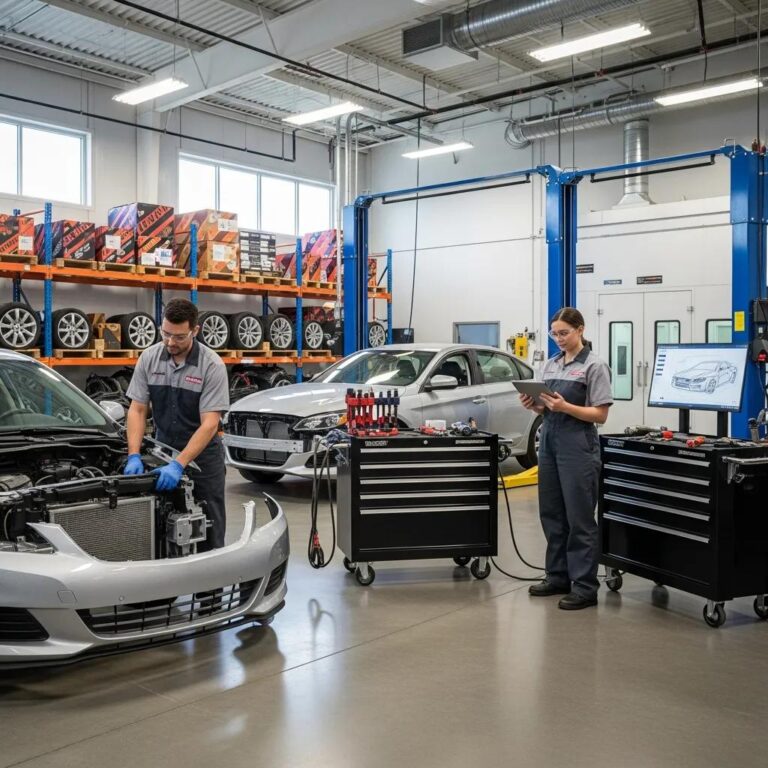
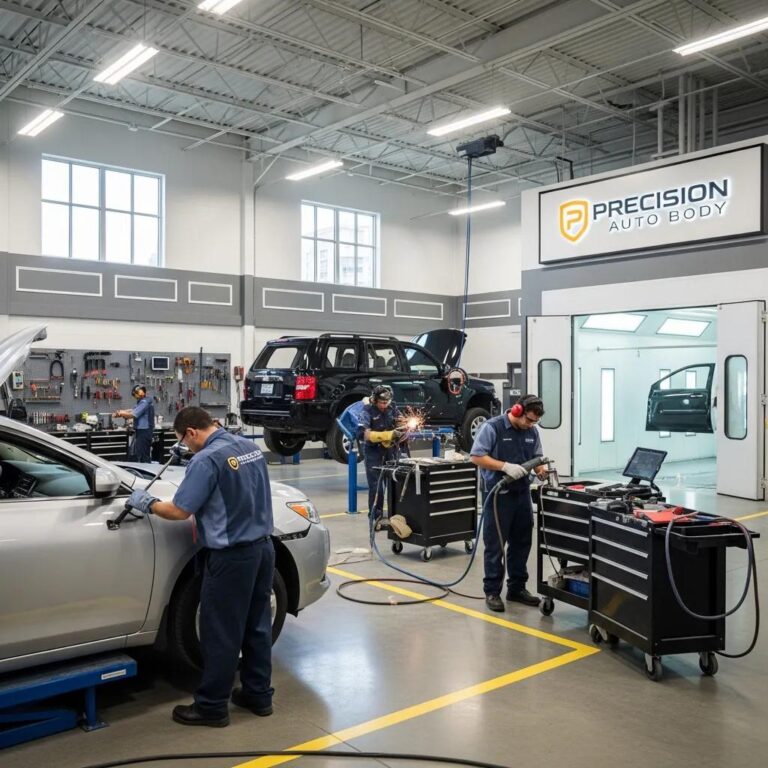
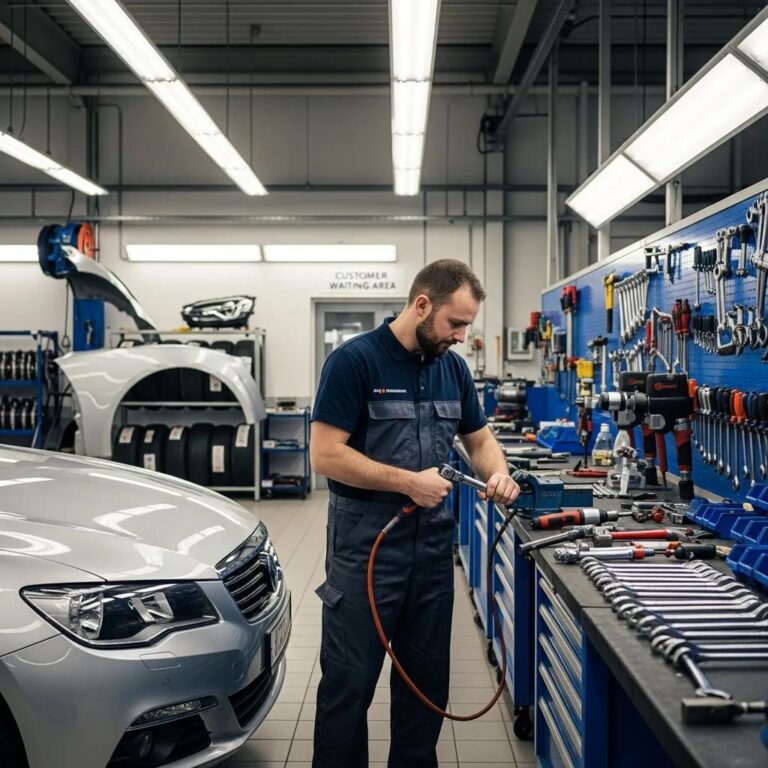
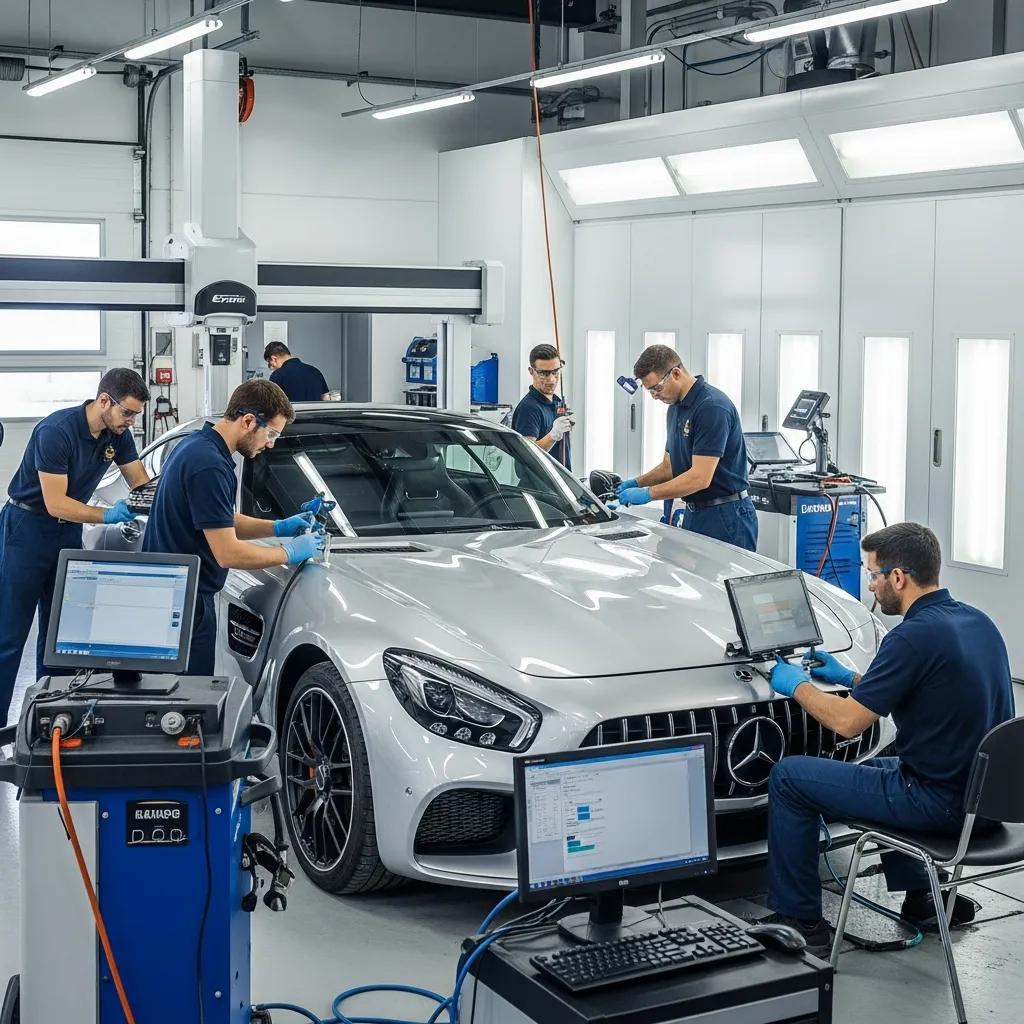
Specialized equipment—OEM diagnostic tools, frame alignment systems and ADAS calibration rigs—turns factory procedures into repeatable shop results. OEM diagnostics reveal hidden electronic faults, frame and jig equipment restores structural geometry, and calibration rigs ensure cameras and radar align correctly with vehicle axes. Using the right tools reduces rework, prevents sensor drift and supports documented quality checks that luxury vehicles require.
Investing in these tools is essential because modern Mercedes models integrate structural and electronic safety systems that must be restored to factory accuracy before delivery.
How do we assist with Mercedes‑Benz insurance claims in Burbank?
Navigating claims after a Mercedes collision requires accurate estimates, strong documentation and proactive communication to support OEM parts and factory procedures. Our team prepares detailed OEM part lists, photos and repair‑method notes for your insurer to justify factory parts and documented processes. Working cooperatively with adjusters reduces delays from supplementary estimates or inspections and helps keep repairs on a timeline that protects both safety and convenience. Below is a practical outline of typical claim steps and how we help streamline them.
- Claim initiation: We document the loss and provide a comprehensive OEM‑based estimate.
- Insurer coordination: We submit evidence and explain repair methods to support OEM parts.
- Approval & scheduling: We manage authorizations and keep you informed of timelines.
Acting as your technical advocate during the claims process reduces your paperwork and helps protect repair quality.
| Insurance Step | Shop Action | Customer Benefit / Time Saved |
|---|---|---|
| Estimate Submission | Provide OEM part list, photos, and repair procedure notes | Faster approvals and fewer supplemental rounds |
| Supplementary Repairs | Document hidden damage with follow‑up estimates | Minimizes surprises and unexpected out‑of‑pocket costs |
| Authorization & Scheduling | Coordinate directly with adjusters and schedule work | Reduced wait times and consolidated communications |
Which major insurance companies do we work with?
We partner with all major carriers and tailor our documentation to each insurer’s audit and approval workflow, focusing on clear OEM‑based estimates and photographic evidence. Rather than vague descriptions, our detailed parts lists and factory‑method notes explain why OEM components and calibrated procedures are necessary for Mercedes safety. We also support owners during inspections or disputes by explaining technical needs and offering cost comparisons when appropriate. This approach protects safety‑first repairs and reduces avoidable administrative delays.
Clear insurer communication saves you time and avoids common misunderstandings about parts and procedures.
How do we streamline the claims process for Mercedes owners?
To speed claims, we prepare full documentation packages—detailed estimates, OEM part numbers, damage photos and repair explanations—to submit directly to adjusters and reduce clarification cycles. Our staff coordinate inspections, produce timely supplementary estimates for hidden damage, and provide regular status updates on completion and any insurance notes. This hands‑on coordination decreases turnaround time, lowers stress and helps ensure repairs meet factory standards. You’ll have a single point of contact who understands Mercedes priorities and can translate technical needs to your insurer.
If you’re ready, request a free estimate and we’ll guide you through insurer communications from first claim to final sign‑off.
Which Mercedes‑Benz models do we service in Burbank and Glendale?
Our shop is equipped to repair a wide range of modern Mercedes models—compact and executive sedans, coupes, and SUVs that require both structural and ADAS‑focused work. Experience with multiple body styles matters because SUVs often have different structural loads and sensor placements than sedans, and newer models introduce more advanced driver assistance features. Confirm a shop’s experience with your specific model, especially with S‑Class or performance variants that can require unique parts or calibration steps. The list below shows common model families we typically service.
- Sedans and coupes: C‑Class, E‑Class and similar models that demand tight tolerances.
- SUVs and crossovers: GLC, GLE and others with different frame and sensor layouts.
- Luxury and flagship models: high‑end finishes and complex electronics that need documented care.
Do we repair popular models like C‑Class, E‑Class and GLC?
Yes. Our technicians handle common Mercedes repairs—bumper and sensor replacement, door and quarter‑panel work, and sensor recalibration after bumper or windshield service. Sedans need precise panel fit and paint blending to preserve lines and resale appeal; SUVs often require attention to higher sensor placement and different reinforcement designs. Documented calibration and OEM part sourcing apply across model families to keep safety systems and finishes at factory standard. Ask for repair records and ADAS calibration confirmation when you pick up your vehicle.
Knowing these model differences helps you choose the correct repair scope and parts to protect performance and appearance.
Are lease‑return and luxury car body repairs available?
Yes. Lease‑return work focuses on fixing blemishes that affect lessor inspections while avoiding unnecessary repairs that don’t change lease outcomes. That means targeted cosmetic and mechanical repairs documented against lease inspection criteria. Using OEM parts and factory‑approved finish methods matters for lease returns because lessors and appraisers look for factory‑accurate repairs. For luxury cars, finish quality and color matching are priorities; shops that document paint processes and parts help owners prove the vehicle was returned to acceptable condition. These services reduce the risk of excess lease fees and help preserve market value.
If you’re preparing a lease return, request an inspection‑based estimate that aligns repairs with documented lease criteria.
What do Mercedes‑Benz owners say about our Burbank collision repair services?
Customer feedback shows whether technical processes and communication translate into reliable results. Owners commonly praise timely service, clear updates and restored safety performance. Reviews that mention OEM parts, ADAS calibration or documented repairs are particularly useful for prospective clients—they show the shop meets factory‑level expectations. Common themes we hear include quality repairs, helpful insurance coordination and careful finish work—signals of consistent processes rather than isolated successes. Below are representative praise themes from Mercedes owners who value documentation and quality.
- Quality Repairs: Owners report factory‑like fit and finish after collision work.
- Communication: Clear updates and explanations reduce stress during repairs.
- Safety Focus: Documentation of ADAS calibration and OEM parts builds confidence.
Can customer testimonials confirm our expertise and trustworthiness?
Short, specific customer quotes mentioning Mercedes repairs, OEM parts or ADAS calibration give focused evidence of capability. Typical remarks note restored sensor function, invisible paint matching and smooth insurance coordination—details that reflect technical competence and organized service. Prospective customers should look for reviews referencing documented repairs and clear handoff procedures, since those indicate an emphasis on factory standards over purely cosmetic fixes. Reading several owner accounts gives a clearer picture of consistency across repair types.
These satisfaction signals back up a simple next step: request a documented estimate and discuss OEM parts and calibration before authorizing work.
How do our 5‑star reviews reflect quality and satisfaction?
High aggregate ratings often point to consistent performance in communication, repair quality and final inspections. Reviews that repeatedly praise OEM‑quality finishes and reliable ADAS outcomes are especially meaningful for Mercedes owners. Don’t rely on a single review—look for comments that reference calibration reports, warranty documentation and finish matching to confirm alignment with your priorities. Viewing the shop’s live review profile and asking for recent repair examples helps verify ongoing standards and transparency. Positive feedback highlighting documented procedures and insurer coordination shows operational maturity.
If you prefer hands‑on verification, request a free estimate and ask to review sample repair documentation and ADAS calibration reports before you approve work.
Prime Time Collision Center offers free estimates, 24/7 accident guidance and towing direction, plus claim coordination help for Mercedes owners in the Glendale/Burbank area. To confirm service options and scheduling, request an estimate and ask about documented OEM parts use and ADAS calibration through our contact channels or Google Business Profile.
Frequently Asked Questions
What should I do immediately after a collision with my Mercedes‑Benz?
Put safety first: move to a safe location if you can, check for injuries and call emergency services if needed. Photograph the scene, exchange information with other parties and collect insurance details. Report the accident to your insurer and ask about the claims process. Then contact a certified Mercedes‑Benz body shop to inspect the damage and start the repair process so your vehicle can be restored to factory standards.
How can I verify that a body shop is certified for Mercedes‑Benz repairs?
Ask the shop to show Mercedes‑Benz OEM certification and industry credentials like I‑CAR Platinum. Check the shop’s website for posted certifications or contact Mercedes‑Benz for a list of authorized repair facilities. Reading customer reviews and testimonials gives additional insight into the shop’s experience with Mercedes vehicles and helps you choose a qualified provider.
What is the typical timeline for collision repairs at a certified body shop?
Repair timelines vary with damage severity and OEM part availability. Typical ranges are: initial assessment and estimate—1–3 days; structural repairs—2–7 days; paint and finish—1–4 days; ADAS calibration and QC—1–2 days. Complex jobs or hard‑to‑source parts can extend those windows. Clear communication from the shop will keep you informed of the expected timeline.
How do I know if my vehicle’s ADAS systems are properly calibrated after repairs?
Request written documentation of the calibration process from the body shop. A certified shop should use specialized equipment to test and calibrate sensors, then perform a road test to confirm features like lane‑keeping assist and adaptive cruise control are functioning correctly. Ask for the calibration report as part of your final delivery paperwork.
What are the potential risks of using aftermarket parts for my Mercedes‑Benz repairs?
Aftermarket parts can present fit and compatibility risks that affect alignment, crash performance and electronic systems. They may not meet the same standards as OEM parts, potentially triggering warranty questions or reducing resale value. For safety‑critical components and ADAS devices, we recommend genuine OEM parts to maintain performance and peace of mind.
Can I get a warranty on the repairs done at a certified body shop?
Yes. Most certified shops offer warranties covering parts and labor; durations vary by shop and repair type but commonly range from one year to lifetime coverage on certain services. Ask the shop for written warranty terms so you understand what’s covered and for how long.
What should I look for in a repair estimate for my Mercedes‑Benz?
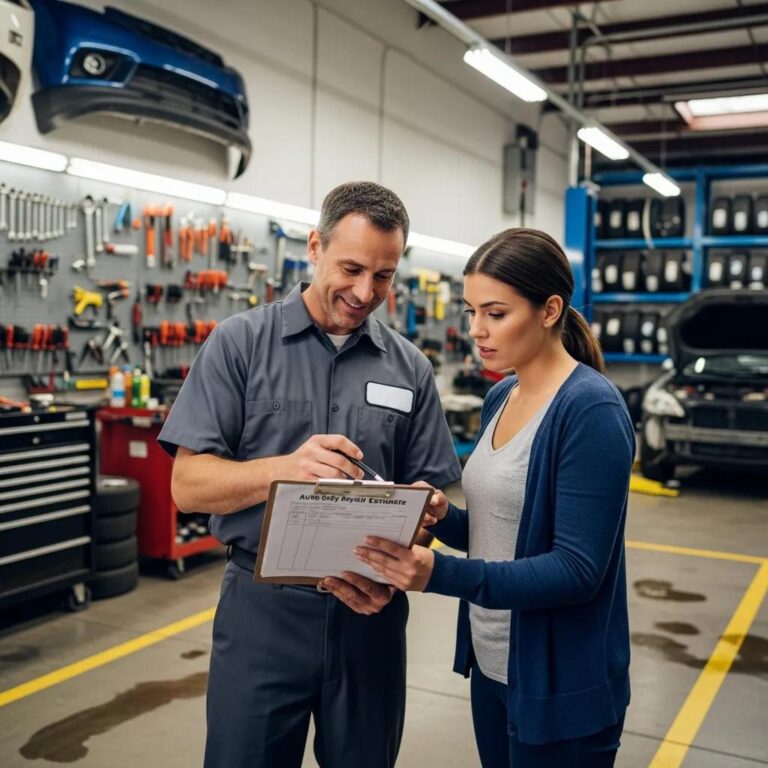
Look for a detailed estimate that breaks out parts, labor and any additional services. Confirm listed part numbers and whether OEM parts are specified, and ask for the repair methods that will be used. The estimate should include an expected timeline and note any inspections or calibrations. If anything is unclear, request clarification so you fully understand the scope before authorizing work.
Conclusion
Choosing a Mercedes‑Benz certified body shop in Burbank ensures your vehicle receives factory‑level collision repair with genuine OEM parts—protecting safety and resale value. Clear repair processes, documented procedures and trained technicians make the difference after an accident. Prioritize certified repairs, request a documented estimate and ask about OEM parts and ADAS calibration so you can return your Mercedes to safe, reliable service. Request a free estimate today to get started.