Post-Accident Checklist: Inspect, Repair, and Maintain Your Car with Confidence
Being in a collision is stressful. The choices you make right after impact affect safety now and your vehicle’s value later. This checklist walks you through what to check at the scene, how to spot hidden damage, how to confirm OEM-quality repairs, and what maintenance to follow so new work lasts. You’ll get clear, prioritized steps—safety-first actions, visible-damage checks, a symptom-to-cause guide for latent issues, and a repair verification list that covers ADAS recalibration and paint matching. Practical, vehicle-owner-focused checks like post-accident vehicle inspection, ADAS recalibration post-collision, and OEM certified auto repair are woven throughout. Continue for numbered immediate steps, symptom tables, verification checklists, and a short timeline to keep your car safe and resale-ready after an accident.
What Should You Check Immediately After a Car Accident?
Right after a crash, put people first, then preserve evidence and assess anything that affects safety or the decision to tow. In those first minutes: make sure everyone is out of harm’s way, call emergency services if someone is hurt, and move the vehicle if it’s safe and legal to do so. Quick visual checks for fluid leaks, tire damage, and lighting tell you whether the car is drivable and help document the scene for your insurer. That immediate inspection protects occupants and creates the factual record technicians and adjusters use for accurate estimates and correct repairs. Below we break down the safety priorities and the exact photos and details to collect for a clear, defensible claim.
- Make sure everyone is safe and, if possible, move to a safe spot off the roadway.
- Call emergency services for injuries and law enforcement when required.
- Photograph the scene: wide shots, close-ups of damage, VIN/license plate, and overall context.
- Quickly check for fluid leaks, tire or wheel damage, non-working lights, and deployed airbags.
- Exchange insurance and witness information and keep copies of everything for your claim.
These steps prioritize safety and establish the documentation you’ll need for the detailed checklist below.
How to Prioritize Safety and Document the Accident Scene
Start by confirming everyone is okay, then secure the scene so you can document it for later repairs and claims. If there are injuries, call emergency services immediately. If it’s safe and lawful to move vehicles out of traffic, do so to avoid further danger. For documentation: take multiple-angle photos of the whole scene, close-ups of damage, license plates, the VIN, skid marks, and road signs. Collect names, insurance companies, policy numbers, and contact info for drivers and witnesses, and note the responding officer and police report number when available. A clear, time-stamped record reduces disputes later and helps repair technicians match visible damage to the hidden repairs that may be needed.
Photos and notes protect your claim and help technicians spot possible hidden damage—see the next section for visible damage items to inspect.
Which Visible Damages to Inspect on Exterior and Interior

Visible damage helps you decide whether the car can be driven and gives early clues about deeper problems. Check exterior lights, glass, and panel gaps—broken headlights, cracked windshields, or uneven gaps often mean more than cosmetic issues. Inspect tires and wheels for punctures, bent rims, or bulging sidewalls; serious tire or wheel damage makes driving unsafe and may require towing. Inside, note whether airbags deployed, seatbelts locked, and dashboard warning lights are on—deployed airbags must be professionally replaced and related sensors reset. If you see major structural distortion, large leaks, or doors that bind, arrange towing to a collision repair facility instead of driving the vehicle.
- Exterior inspection items to photograph and note:
Panel gaps, paint damage, and cracked glassHeadlights, taillights, and turn-signal functionTire sidewall condition and obvious wheel damage
These visible checks help decide whether to drive the car and give technicians the information they need to start diagnosing hidden issues.
How Can You Detect Hidden Car Damage After an Accident?
Hidden damage can be subtle. Catching it early prevents progressive failures and safety risks. Typical hidden issues include frame misalignment, suspension damage, drivetrain stress, and sensor miscalibration—symptoms like steering pull, new noises, dashboard warnings, or premature tire wear point to these problems. Professional diagnostics—frame measurement, alignment checks, and electronic scans—are often needed to find and quantify latent damage. Technicians use specialized tools to translate symptoms into specific repair actions. Early detection reduces the chance of secondary failures and keeps safety systems operating correctly. Use the symptom-to-cause table below to map what you notice to likely causes and next steps.
| Symptom | Likely Cause | Recommended Action |
|---|---|---|
| Vehicle pulls to one side while driving | Wheel misalignment, bent control arm, or frame distortion | Have a professional perform alignment and frame measurements |
| New clunks or rattles over bumps | Damaged suspension parts or worn bushings | Inspect and replace affected suspension components |
| Dashboard warning lights after repair | Faulty sensor, damaged wiring, or ADAS out of calibration | Run a diagnostic scan and recalibrate sensors as needed |
| Uneven tire wear | Poor alignment or bent suspension components | Check tires, correct alignment, and repair damaged parts |
| Fluid spots under car | Radiator, oil pan, transmission, or fuel-line leaks | Check fluid levels and perform pressure/leak testing |
This mapping helps you prioritize inspections that reveal hidden safety and integrity problems, leading into signs of frame and suspension damage.
What Are the Signs of Frame and Suspension Damage?
Frame or suspension damage usually shows up as handling changes or uneven wear rather than obvious visual damage, so what you feel while driving matters. Look for a steady steering pull, excessive vibration, rapid or uneven tire wear, doors or panels that no longer close flush, and new knocks over bumps. A precise diagnosis needs alignment machines, suspension gauges, and frame racks to compare measurements to manufacturer specs. Don’t delay inspection—driving on damaged components can make problems worse and more expensive to fix. The next section explains why ADAS sensor recalibration must accompany structural and mechanical repairs.
Spotting these signs quickly lets technicians focus on frame measurement and suspension repairs to restore safe handling.
Why Is ADAS Sensor Recalibration Critical Post-Collision?

Advanced Driver-Assistance Systems (ADAS) depend on cameras, radar, and sensors for features like automatic braking and lane-keeping. Even small impacts can move sensor mounts or damage components, reducing system accuracy. When sensors are out of spec, safety features may underperform or produce false alerts. Recalibration follows manufacturer procedures and requires calibrated equipment to return sensors to factory geometry. Certified shops document recalibration in repair records, supporting warranty and insurance needs. Proper ADAS recalibration protects passengers and preserves the effectiveness of other repairs—next is a checklist to verify OEM-quality work.
Having ADAS recalibrated to manufacturer specs ensures safety systems work as intended after repairs.
| Repair Element | Attribute | Acceptable Standard |
|---|---|---|
| Paint | Match and texture | Color match within OEM tolerance; smooth texture and blended edges |
| Panels | Gap uniformity | Even gaps to manufacturer spec; doors and lids operate smoothly |
| ADAS | Recalibration status | Manufacturer-spec recalibration completed and documented |
| Fasteners | Torque and placement | OEM fasteners used and torqued to spec |
| Functional systems | Operational tests | All lights, locks, windows, and warning systems verified working |
This table clarifies the inspection targets for quality verification and leads into a step-by-step OEM repair checklist.
How to Verify Repair Quality with OEM Certified Auto Repair Checklist?
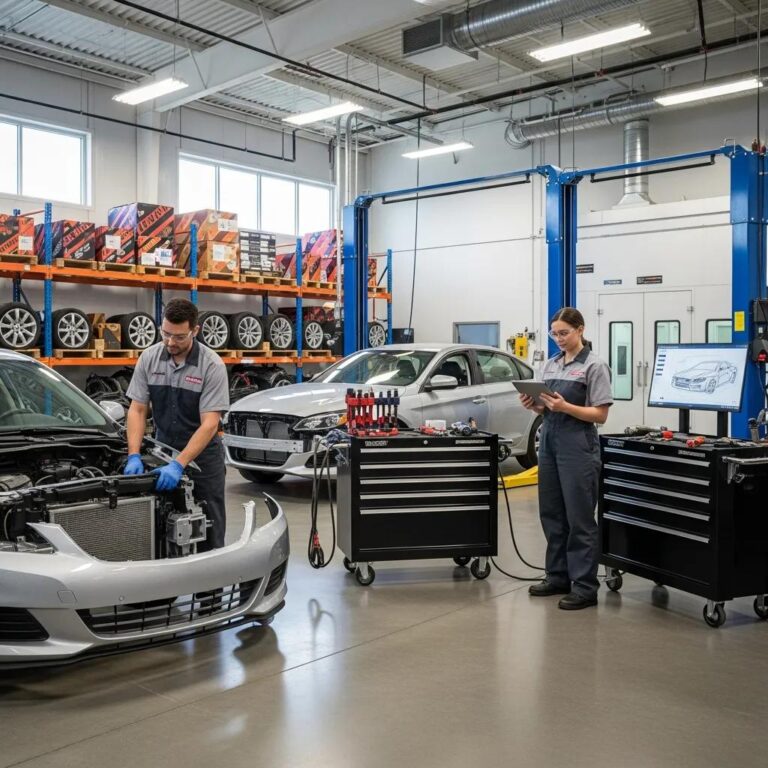
Verifying repair quality means confirming repairs meet manufacturer standards, paperwork is complete, and systems function correctly. Use a short verification checklist to confirm paint match, panel alignment, structural records, ADAS recalibration, and basic functional tests for lights, windows, and engine start. Before you accept the vehicle, do a visual and functional walk-around: inspect paint blending, check panel gaps for consistency, operate electronic systems, and make sure no warning lights remain. Ask for documentation showing OEM parts where specified and records of alignment, frame measurements, and ADAS recalibration to confirm factory procedures were followed. Here’s a compact checklist for pickup.
Bring this checklist to vehicle handoff to make sure the shop completed repairs to manufacturer specifications.
- Paint Match: Verify color, texture, and edge blending across repaired panels.
- Panel Alignment: Check gap uniformity and smooth door/lid operation.
- Functional Systems: Confirm lights, windows, locks, and dash indicators work normally.
- ADAS Documentation: Request proof of manufacturer-spec sensor recalibration.
- Structural Records: Verify frame measurements, alignment reports, and OEM parts notes.
After this checklist, you’ll better understand what OEM certification and I-CAR training mean and why they matter for repair quality.
What Does OEM Certification and I-CAR Platinum Technician Expertise Mean?
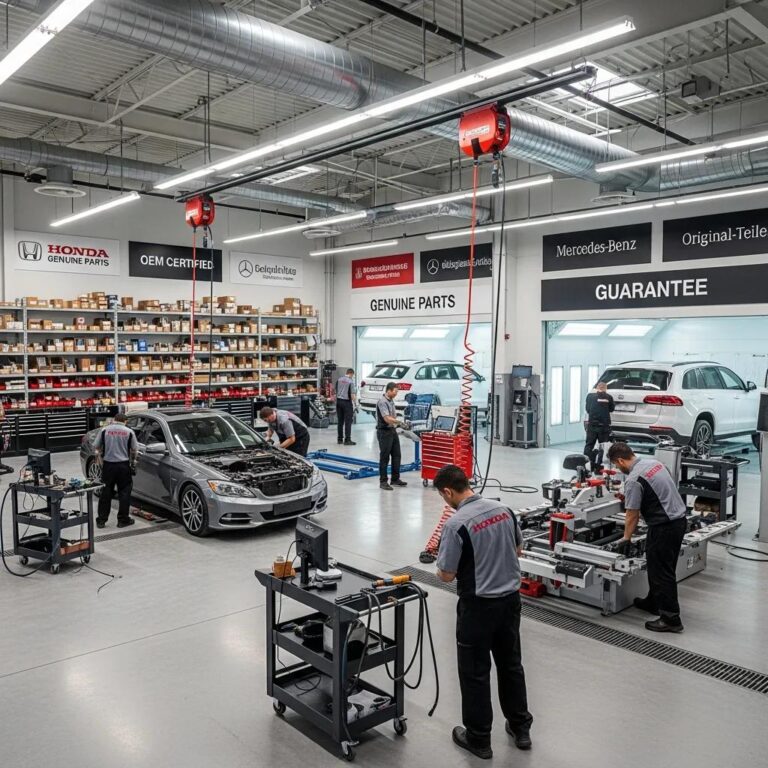
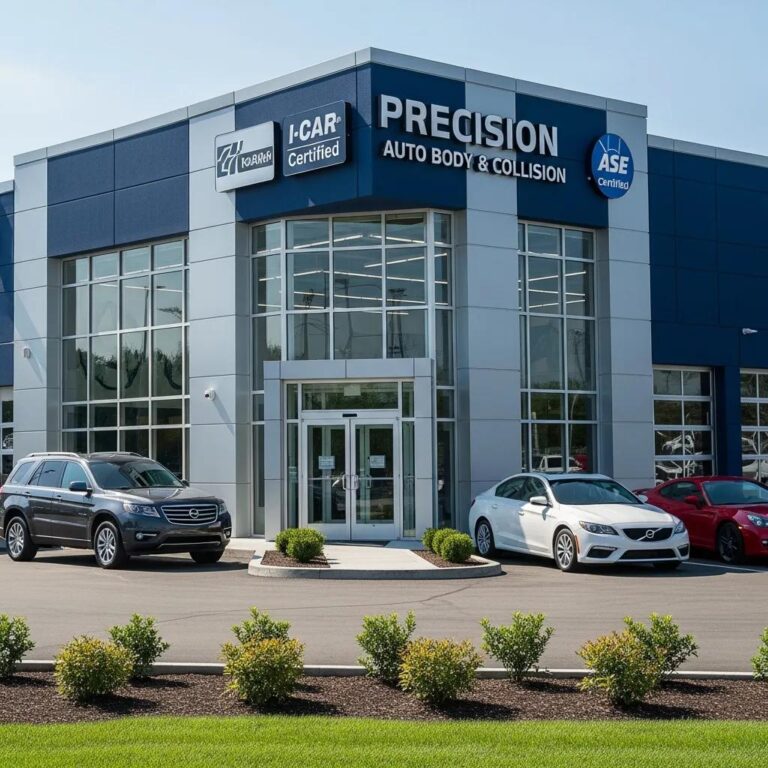
OEM certification means a shop follows manufacturer repair procedures, uses approved tools, and documents work to factory standards—protecting safety systems and vehicle value. I-CAR Platinum is the highest level of recognized technician training for collision repair, diagnostics, and manufacturer procedures. When a shop has OEM certification and I-CAR Platinum technicians, repairs are more likely to meet factory tolerances, use the right parts and fasteners, and include proper ADAS recalibration. Choosing a shop with these credentials reduces the risk of poor repairs and supports warranty, resale, and insurance documentation. Prime Time Collision Center is a local auto body and collision repair facility focused on OEM-quality repairs, insurance coordination, and customer trust, staffed with I-CAR Platinum Certified Technicians who deliver factory-standard work.
Those credentials improve repair outcomes and lead into the visual checks you can do when picking up your car.
How to Inspect Paint Match, Panel Alignment, and Functional Components?
When you pick up a repaired vehicle, do a straightforward visual and functional check: view paint in consistent light, feel repaired edges for texture differences, and open and close doors and panels to check alignment and latch action. Look for even gap spacing and flush panel edges—small deviations can indicate improper fitment. Test lights, HVAC controls, windows, mirrors, and locks while listening for odd noises or binding. If the vehicle has ADAS features, perform simple checks like confirming the backup camera image and watching for normal lane-assist behavior during a low-speed drive. If you find problems, request documented rework to OEM specs and the required recalibration.
A clear, methodical pickup inspection helps you catch issues early and decide whether follow-up work or documentation is needed.
| Repair Check | Attribute | User Action |
|---|---|---|
| Paint finish | Edge blending and texture | Inspect in daylight and feel edges for smooth transitions |
| Panel gaps | Uniformity and latching | Open and close doors and visually confirm consistent gaps |
| Electrical systems | Operational verification | Test lights, windows, locks, and warning lights during your walk-around |
| ADAS function | Sensor behaviors | Check camera views and confirm warning-light resets during a short drive |
| Documentation | OEM parts and procedures | Ask for written evidence of parts used and calibrations performed |
This table summarizes what to confirm at pickup and what to request the shop document before you leave.
What Are the Essential Car Maintenance Steps After Collision Repair?
After repairs, a short maintenance routine protects new paint, confirms mechanical integrity, and watches for emerging issues. In the first 0–30 days focus on fluid leaks, warning lights, tire pressure, and how panels settle; listen for new noises and re-check visible fasteners or seams. Between 30–90 days, inspect for paint cure problems, re-confirm alignment and suspension behavior, and watch for unusual tire wear that could indicate lingering issues. Continue routine manufacturer maintenance and keep repair documentation for any warranty-covered items. A simple timeline and checklist make maintenance manageable and help surface problems early.
Follow the short maintenance timetable below during the first three months after repair.
- 0–7 days: Do a daily visual walk-around for leaks, tire pressure, and warning lights.
- 7–30 days: Take short test drives to listen for new noises and verify steering behavior.
- 30–90 days: Reinspect for paint curing issues, check alignment again, and validate brake performance.
This timetable outlines short- and medium-term checks and leads into the mechanical inspections you should perform or request from the shop.
Which Fluid Checks, Tire Care, and Brake Inspections Are Needed?
Post-repair mechanical checks focus on fluids, tires, and brakes—issues here can be hidden but dangerous. Inspect engine oil, coolant, transmission, and brake fluid levels and look for fresh leaks; low or contaminated fluid can mean damaged lines or seals. Check tires for sidewall damage, correct pressure, and uneven wear—odd wear patterns point to alignment or suspension problems. Test brakes for firm pedal feel, abnormal noises, and consistent stopping at low speeds; a spongy pedal or pulsing warrants immediate attention. If any checks raise concern, schedule a professional inspection right away to prevent escalation.
Regular monitoring of these systems reduces the risk of secondary failures and supports long-lasting repairs.
How to Protect New Paint and Monitor for New Issues?
Fresh paint needs gentle care while it cures. Avoid aggressive washing or waxing for the first 30 days so solvents can evaporate and the finish can harden. When you wash, use soft water and pH-neutral soap, and skip automated brush washes that can scuff fresh edges. Keep the vehicle sheltered from direct sun and harsh weather when you can, and avoid parking near abrasive surfaces. Check repaired areas regularly for lifting, edge separation, or bubbling—if you see any signs of poor adhesion or finish defects, return to the shop promptly for inspection. Early care and monitoring protect finish quality and reduce the chance of rework.
Protecting new paint preserves appearance and resale value. The next section explains how insurance handling can influence repair decisions.
How Does Navigating Insurance Claims Affect Your Car Repair Quality?
Insurance estimates and approvals influence repair scope, parts choices, and whether OEM procedures are followed. Insurers often use cost-focused estimates that can push shops or owners toward aftermarket parts or cheaper procedures, which can affect safety and long-term value. To protect repair quality, document damage thoroughly, insist on written repair procedures that match manufacturer guidance, and make sure ADAS recalibration and frame measurements are included in the scope. Choosing a certified repair facility experienced with insurer negotiations and manufacturer-level documentation increases the chances repairs meet OEM standards and that warranties and diminished-value concerns are preserved. The next subsection explains how a local shop can help manage claims and keep repairs aligned with factory standards.
Knowing how insurance affects repairs helps you advocate for choices that prioritize safety and long-term value, not just immediate cost savings.
How Does Prime Time Collision Assist with Hassle-Free Insurance Claims?
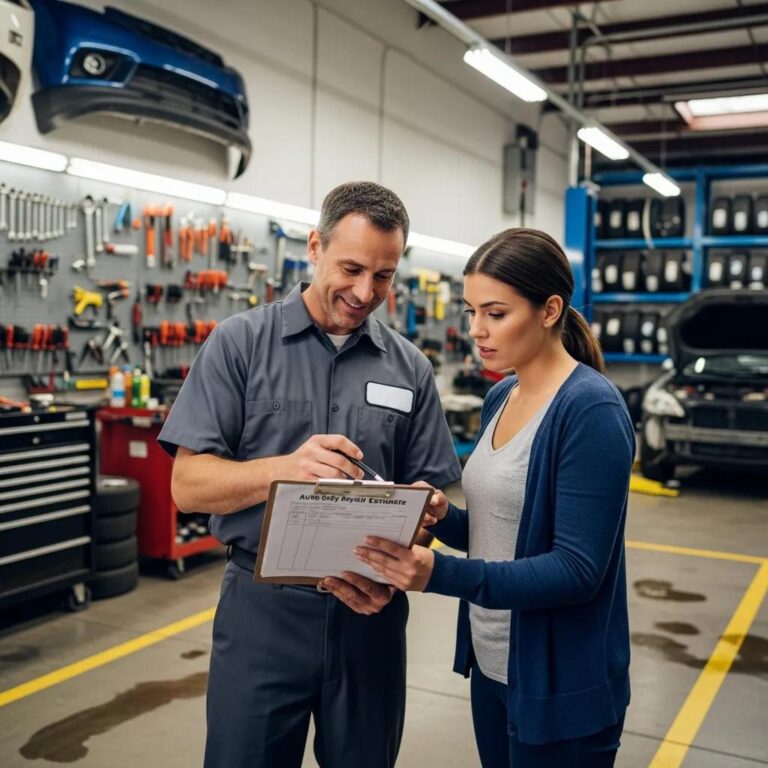
Prime Time Collision Center helps customers through the claims process while keeping OEM-quality repairs front and center. As a local collision repair shop focused on factory-quality work, insurance claims, and customer trust, we offer free estimates, 24/7 towing, and lifetime warranty options to ease stress and provide continuity of care. Our I-CAR Platinum Certified Technicians and documented repair procedures make it easier to explain necessary manufacturer-specific steps to insurers, improving the chance of approval for OEM parts and required recalibrations. If you want help coordinating estimates, towing, or repair documentation, request a free estimate and discuss insurer communication with one of our repair advisors to streamline the process and protect repair quality.
Our hands-on support reduces friction and helps keep repairs aligned with OEM procedures and safety priorities.
Why Choosing an OEM Certified Shop Benefits Your Insurance Claim?
An OEM-certified shop follows manufacturer procedures, which supports safer repairs and stronger insurance claims. Certification and detailed documentation make it easier to show that repairs were necessary, performed to factory tolerances, and included required calibrations—this can help with claim acceptance and protect resale value. Certified repairs with frame measurements, ADAS recalibration reports, and OEM parts records also support warranty requests and any diminished-value conversations after repair. Picking an OEM-focused facility helps preserve safety systems and long-term vehicle value—especially important in markets with high resale expectations.
Thorough, certified documentation not only protects safety but also strengthens your position with insurers and future buyers.
Prime Time Collision Center supports OEM-certified repairs and offers free estimates, 24/7 towing, and a lifetime warranty to customers in Glendale, Burbank, Pasadena, and Los Angeles. Our focus on factory-quality repairs and I-CAR Platinum technician expertise helps ensure your vehicle is repaired to manufacturer standards. If you want a repair partner that documents OEM procedures, coordinates with insurers, and provides immediate support after an incident, request a free estimate from Prime Time Collision Center and discuss ADAS recalibration and documented frame work before you authorize repairs. Our local collision services emphasize transparency and safety-first repairs so you can drive away with confidence.
Frequently Asked Questions
What should I do if my car is not drivable after an accident?
If your car isn’t drivable, first ensure everyone is safe and call emergency services if needed. Once the scene is secure, arrange for towing to a repair facility. Photograph the damage and take notes on visible issues—this information is important for your insurance claim and helps the repair shop assess what’s needed.
How can I ensure my insurance covers OEM parts for repairs?
To improve the likelihood of OEM parts coverage, document damage thoroughly and tell your adjuster you prefer OEM repairs. Ask the repair shop for a detailed estimate that specifies OEM parts. Review your policy’s terms about parts replacement and be prepared to explain why OEM parts matter for safety and vehicle value.
What are the potential long-term effects of using non-OEM parts?
Using non-OEM parts can lead to reduced performance, potential safety compromises, and possible warranty issues. Aftermarket parts don’t always meet the same fit or quality standards as OEM components, which can affect structural integrity and system function. Poor documentation of repairs can also complicate future claims or lower resale value.
How often should I have my vehicle inspected after repairs?
After repairs, check your vehicle regularly—especially during the first 90 days. Do daily visual checks for leaks and warning lights in week one, then take short test drives to listen for unusual noises. Recheck alignment and suspension after about 30 days. Regular checks help catch problems early and ensure repairs remain effective.
What steps should I take if I notice new issues after repairs?
If you notice new noises, warning lights, or performance changes after repairs, document the symptoms and return to the repair shop promptly. Request a thorough inspection to find any post-repair issues, and ask for written documentation of any additional work so warranty coverage remains intact.
Can I perform my own inspections after a collision repair?
Yes—basic inspections are helpful. Check paint quality, panel alignment, and whether lights and other systems function. Look for consistent panel gaps, smooth paint transitions, and correct operation of electronics. Your checks are valuable, but always get a professional assessment for hidden damage or complex systems like ADAS.
What is the importance of keeping repair documentation?
Keeping repair records is essential. They show what work was done, which parts were used, and what procedures were followed—important for warranty claims and future repairs. Good documentation also supports insurance claims and can boost resale value by proving the vehicle was repaired to manufacturer standards.
Conclusion
Following a clear, step-by-step approach to post-accident inspection and repair helps keep you safe and protects your vehicle’s value. Document the scene, watch for hidden damage, confirm OEM-quality repairs, and follow a short maintenance timeline to catch problems early. If you need guidance or repairs done to factory standards, reach out to Prime Time Collision Center—request a free estimate today and let our team help restore your vehicle with the care and documentation it deserves.