Stay Safe in the Rain: Practical Driving Tips to Avoid Wet‑Weather Accidents
Rain and wet pavement change how your car grips the road — increasing stopping distances, reducing traction, and raising the chance of hydroplaning. This guide breaks down why wet conditions raise crash risk and gives clear, practical steps you can use today: from checking tires and improving visibility to steering and braking techniques. You’ll learn what causes hydroplaning, how tread depth and tire pressure affect wet‑road grip, driving habits that keep control, how to see better in the rain, and what to do if a rain‑related crash happens. Each section pairs straightforward explanations with actions you can take before and during wet weather. We also cover the immediate post‑accident steps that protect your safety and insurance claim, plus local OEM‑level repair options in Glendale and the greater Los Angeles area. Read on to lower your risk in wet weather — and to know what to do if the worst happens.
What Causes Hydroplaning and How Can You Prevent It?
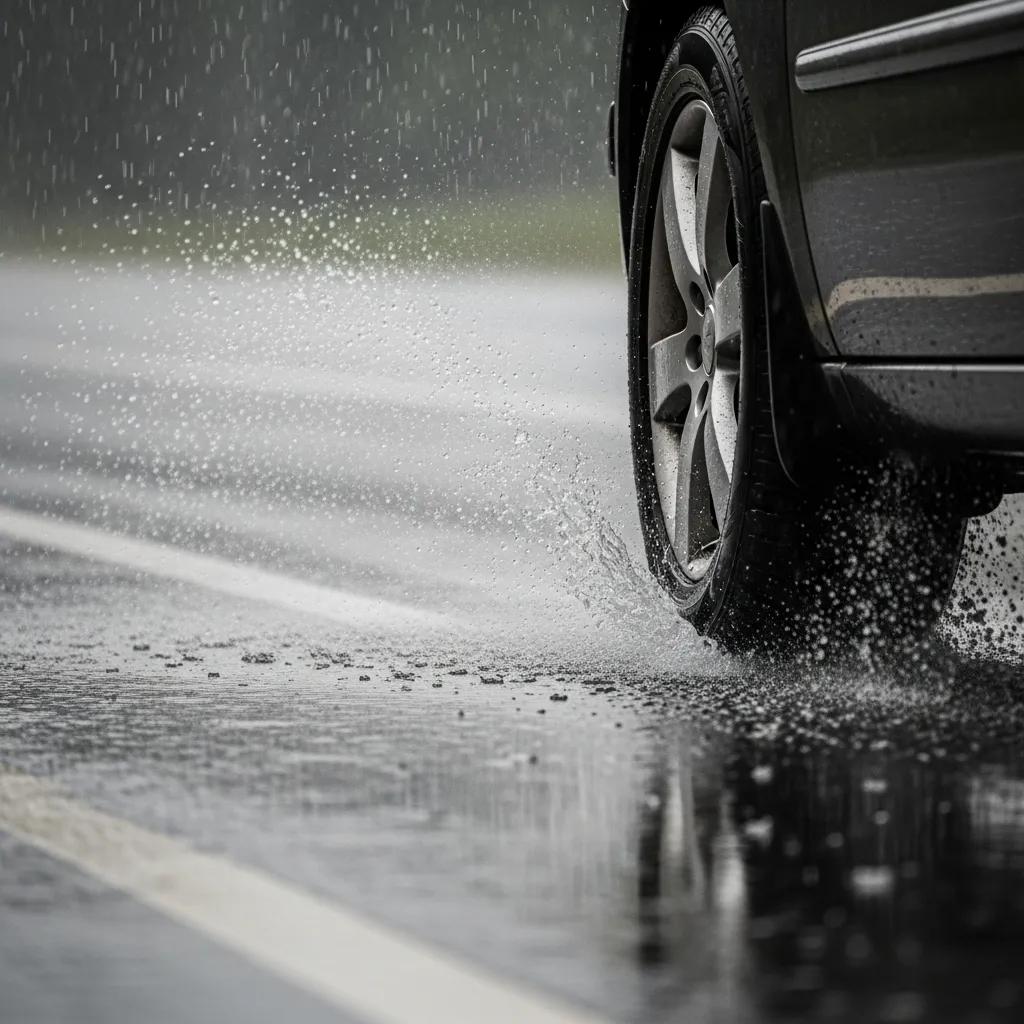
Hydroplaning happens when water builds between the tire and the road so quickly the tire can’t push it away, and the tire rides on a thin layer of water instead of pavement. That water cushion cuts friction and robs your steering and braking of effectiveness. Preventing hydroplaning reduces the chance of an uncontrolled skid and helps you keep steering response and stopping ability when roads are wet.
Speed, worn tread, incorrect tire pressure, and standing water all raise the odds of hydroplaning. To lower that risk, slow down in heavy rain, check tires for wear and correct inflation, and avoid deep puddles. The checklist below highlights the most effective prevention steps.
- Slow down noticeably in standing water or heavy rain so your tires can evacuate water.
- Keep tire tread depth and inflation within recommended ranges to maximize water channels.
- Avoid abrupt steering or hard braking that can trigger loss of control once traction is reduced.
- Skirt large puddles and follow the tire path of the vehicle ahead when it’s safe — clearer pavement often lies there.
These basics form the foundation of safer wet‑weather driving and lead into a closer look at how hydroplaning works and what raises the risk.
What is hydroplaning and why does it happen on wet roads?
Hydroplaning is the sudden loss of traction that occurs when tires ride on a film of water instead of the road surface, making steering and braking less effective. Tire tread normally channels water away; when speed or water depth outpaces that drainage, the tire lifts slightly and the contact patch shrinks. The result can be a light, floating feeling at the wheel, reduced braking response, or an ABS pulsing without full stopping power. Knowing how hydroplaning happens explains why even moderate rain can be hazardous and why early speed reduction and good tire condition matter.
Hydroplaning can start at relatively modest speeds when tread is worn or water is deep, so prevention focuses on increasing the tire’s contact patch and avoiding deep water. Watch for signs — lighter steering, engine rev shifts, or a pulsing brake pedal — and respond calmly to avoid overcorrection, which often causes secondary crashes.
Which driving and vehicle factors increase hydroplaning risk?
Hydroplaning risk grows from a mix of factors: vehicle speed, tread depth, tire pressure, water depth, and vehicle weight or load distribution. Higher speed increases the water volume the tire must displace every second; worn tread and low pressure reduce the tire’s ability to move water out of the contact patch. Lighter vehicles can hydroplane in shallower water, though heavy vehicles can too if tires are degraded. Each factor points to preventions: slow down, replace worn tires, and keep pressure correct to reduce the chance water overwhelms traction channels.
Treat these elements as a system: tire care, speed management, and lane choice together determine hydroplaning likelihood. Regular tread and pressure checks, choosing lanes with better drainage, and avoiding standing water combine to cut your risk of losing control on wet roads.
How Can Proper Tire Maintenance Improve Safety on Wet Roads?
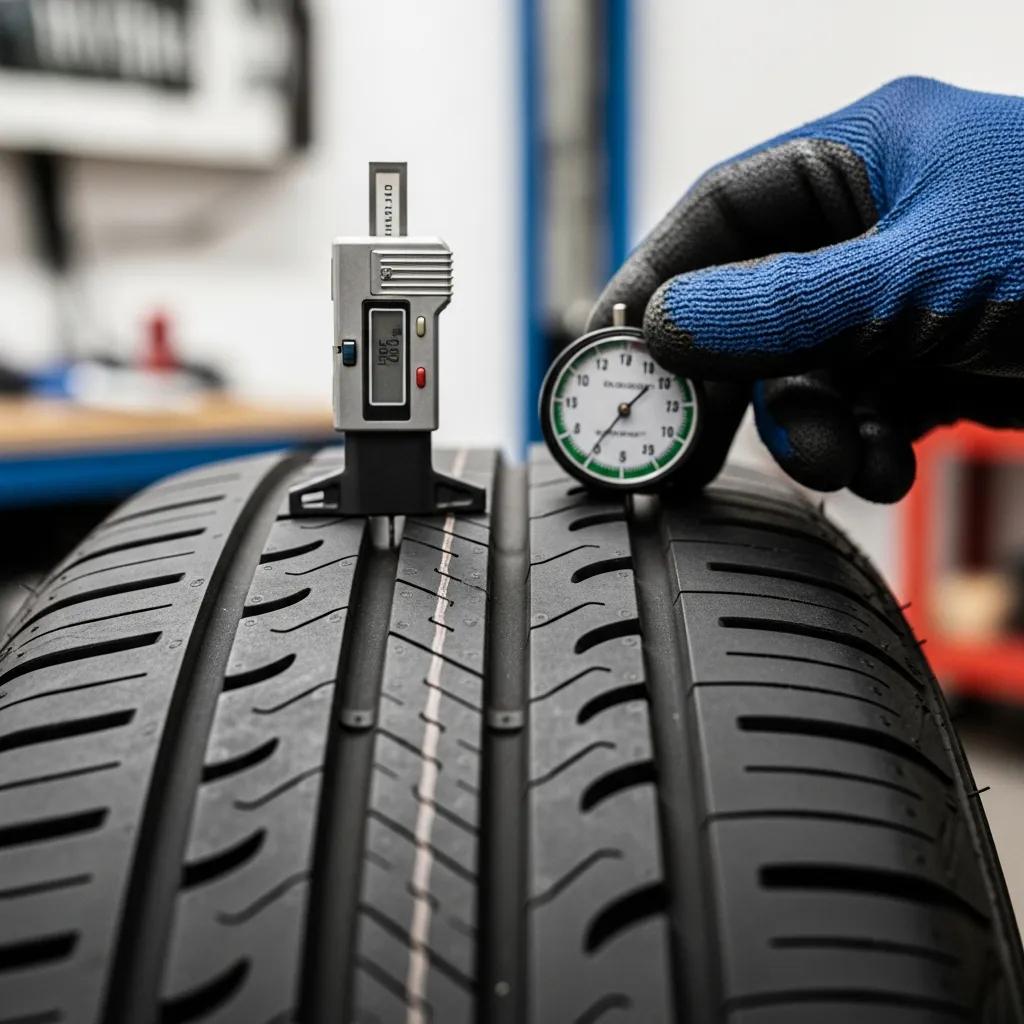
Tires are the single most important part of keeping traction in rain, so keeping tread depth, inflation, and overall tire health in good shape is essential. Deeper tread helps evacuate water and lowers hydroplaning risk; correct pressure preserves the intended contact patch and predictable handling. The payoff is shorter stopping distances, crisper steering, and better stability on wet surfaces.
Before we look at replacement triggers, the table below shows key tire attributes and how each affects wet‑road performance.
| Attribute | Measurement / Threshold | Impact on Wet Traction |
|---|---|---|
| Tread depth | 4/32″ or less = increased risk; 6/32″+ recommended for heavy rain | Lower depth reduces water‑channeling ability and raises hydroplaning risk |
| Tire pressure | Manufacturer spec (psi range) | Underinflation increases irregular contact area; overinflation shrinks effective contact patch |
| Tire age and condition | Cracks, bulges, uneven wear | Deterioration lowers grip and can compromise water evacuation channels |
Keeping tread above minimal thresholds and pressure within manufacturer ranges preserves a tire’s ability to move water and stay planted on the road.
Why is tire tread depth and pressure critical for wet weather traction?
Tread depth creates the channels that push water away from the contact patch; as depth falls, the tire’s drainage ability drops and hydroplaning risk rises. Simple checks with a gauge or coin can tell you when replacement is needed — many experts recommend replacing tires before you hit the legal minimum for safer wet‑weather performance. Tire pressure shapes the contact patch: correct pressure promotes even wear and steady handling, while wrong pressure can reduce traction or cause uneven grip.
Regularly checking tread depth and pressure is a low‑effort habit that improves braking and steering in the rain and helps you decide when to visit a pro for inspection or replacement.
When and how should you replace tires for optimal wet road performance?
Replace tires when tread no longer channels water effectively, when you see damage like cuts or bulges, or when tires are old and hardened — because rubber loses elasticity over time. Look for tread wear bars, uneven wear patterns, or unusual vibration as signs you need immediate inspection. For the best wet‑weather performance, pick tires rated for wet traction and have a professional confirm OEM‑compatible fitment, alignment, and rotation; those steps extend safe service life.
Scheduling a pro inspection before the rainy season and replacing tires that show early wear are practical steps to cut hydroplaning risk and keep you safer on wet roads. Next we’ll cover driving techniques that complement tire care to help you retain control in rain.
What Driving Techniques Enhance Vehicle Control in Rainy Conditions?
Adjusting how you drive in rain is about giving yourself time and space, keeping inputs smooth, and letting safety systems work as designed. Slower speeds reduce the amount of water tires must displace, longer following distances allow for increased stopping distance, and gentle acceleration or braking avoids abrupt weight transfers that cost traction. The result is steadier directional control and fewer skids — which lowers collision risk for you and others.
Below is a practical table summarizing recommended speed reductions, following distances, and braking approach by common road speeds to guide your decisions when pavement is wet.
| Road Speed | Speed Adjustment | Following Distance / Braking Action |
|---|---|---|
| 25–35 mph | Reduce speed 10–15% | Increase following distance to 3–4 seconds; brake gently and earlier |
| 40–55 mph | Reduce speed 15–25% | Increase following distance to 4–6 seconds; use gradual braking and let ABS modulate |
| 60+ mph | Reduce speed 25% or more | Maintain long gaps; avoid standing water and plan lane changes early |
How should you adjust speed, following distance, and braking on wet pavement?
On wet pavement, cut your speed well below dry‑road speeds so tires can clear water and keep contact with the road. Increase following distance — doubling or tripling the normal gap depending on rain intensity — to give yourself more time to react. Brake smoothly and progressively; if you have ABS, keep steady pressure so the system can do its job rather than pumping the pedal. These habits lower crash risk and help maintain direction, especially when visibility or surface water depth changes suddenly.
Smooth inputs and anticipating other drivers’ moves keep traffic flowing and reduce abrupt maneuvers that often cause skids. The next section describes steering and recovery techniques to avoid overcorrection if a skid starts.
What steering and movement practices help avoid skidding and loss of control?
Use small, steady steering inputs instead of abrupt turns — sudden steering shifts weight and can break traction. If you do begin to skid, gently lift off the throttle, steer toward where you want the car to go, and avoid heavy braking if your vehicle lacks ABS. Traction control and ABS help stabilize the car, but they work best when driver inputs are calm and predictable.
Mentally rehearsing these recovery steps and, where safe and legal, practicing them in a controlled environment builds muscle memory and reduces panic in real situations. Calm, controlled movements let both you and your vehicle’s safety systems respond more effectively when traction is low.
How Do Visibility Factors Affect Safe Driving in Rain and How Can You Improve Them?
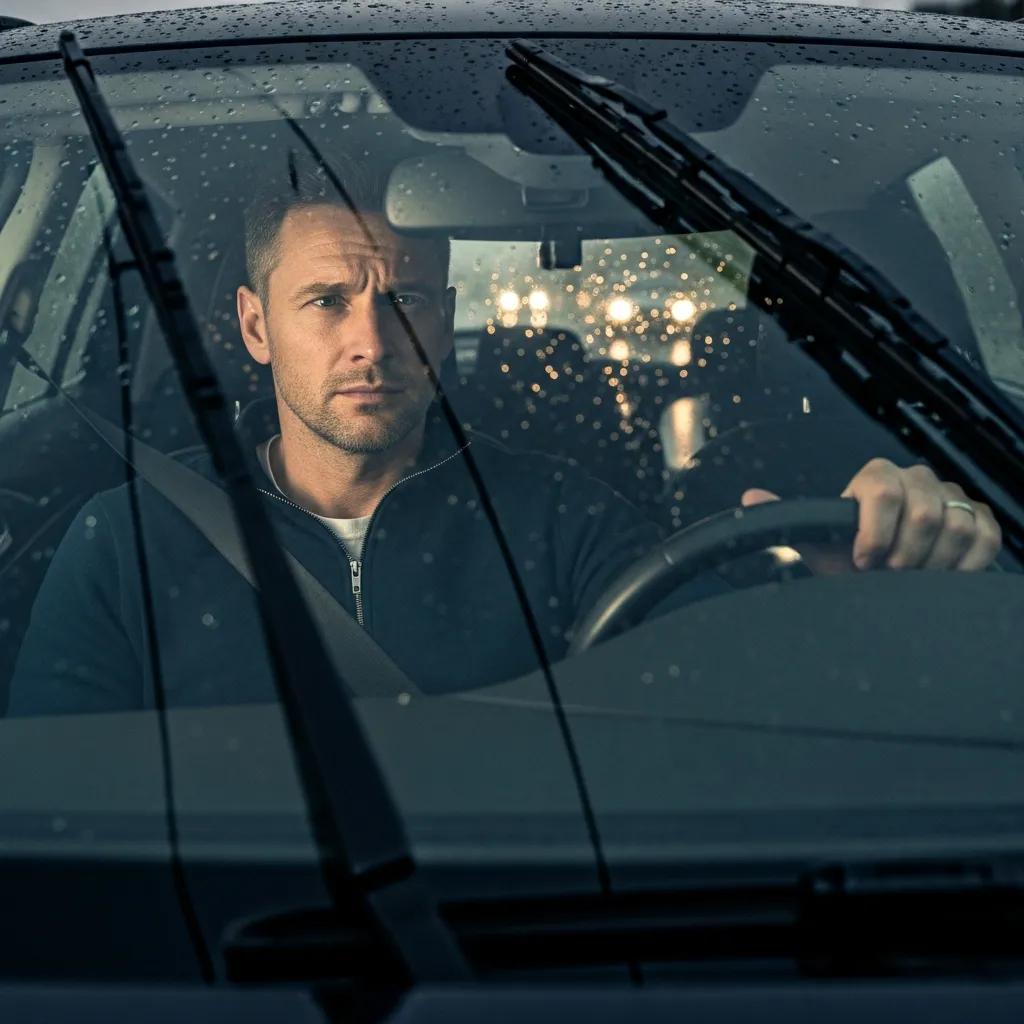
Rain reduces light, creates spray from other vehicles, and can fog interior glass — all of which cut reaction time and raise collision risk. Using the right lights, keeping wipers in good shape, and preventing interior fog restore sightlines and reduce distraction. That helps you spot hazards earlier and keep safer lane control.
Below are practical steps to optimize visibility before and during rain so your field of view and signals stay effective.
- Turn on low‑beam headlights as soon as rain reduces visibility — they make you easier to see without blinding other drivers.
- Keep windshield wipers in good condition and match wiper speed to rainfall; replace worn blades for a clear view.
- Keep windows clean inside and out and use the defogger or AC to prevent condensation that hides hazards.
Visibility measures complement tire and driving adjustments to create a fuller safety posture in wet conditions.
When and how should headlights and windshield wipers be used effectively?
Turn on headlights whenever rain reduces visibility, and use low beams to avoid reflecting light off droplets. Daytime running lights help in lighter rain, but full low‑beam use is best in heavy downpours. Replace wiper blades as soon as they streak, chatter, or make noise — a pre‑season check is a smart habit to keep glass clear when rain starts.
Regular wiper and headlight checks before the rainy season preserve visibility and reduce the mental load of coping with obscured sightlines while driving. Predictable lighting and clean glass help everyone on the road.
What methods help prevent window fogging and reduce spray from other vehicles?
Interior fog happens when warm, humid cabin air meets cool glass; use the defogger with fresh air intake and moderate fan speed to clear windows fast without adding interior moisture. Anti‑fog treatments and clean interior surfaces also slow condensation. To cut down on spray from other vehicles, increase following distance and avoid driving directly in large trucks’ wheel tracks — that reduces water thrown into your line of sight and keeps your windshield clearer.
Combining HVAC settings with smart positioning helps you spot hazards sooner and keep steadier control in slippery conditions. Good visibility choices reinforce safer speed and steering habits discussed above.
What Steps Should You Take Immediately After a Rain-Related Accident?
After a wet‑weather collision, safety comes first. Once people are safe, document the scene and contact insurance and repair resources to protect your claim and the vehicle’s integrity. Move to a safe spot if possible, check for injuries, call emergency services when needed, and record clear information about the crash. These actions protect occupants and preserve evidence that supports insurance and repair evaluations.
Below is a straightforward checklist tying immediate actions to why each matters for safety and claims.
| Action | Immediate Task | Why it matters |
|---|---|---|
| Ensure safety | Move to a safe spot, turn on hazards | Reduces risk of secondary collisions and keeps occupants safe |
| Document scene | Take photos of vehicles, road conditions, and damage | Visual evidence supports insurance claims and liability review |
| Collect information | Exchange details with other drivers and record witness contacts | Helps insurers reconstruct the event and validate claims |
| Notify authorities | Call police if there are injuries or significant damage | Official reports provide independent documentation for claims |
| Arrange towing/repairs | Secure vehicle removal and OEM‑level repair options | Preserves structural integrity and restores safety systems |
- Prioritize safety: check for injuries, move out of traffic if you can, and alert oncoming traffic with hazard lights. Staying safe at the scene prevents further harm and creates a secure space to document the incident.
- Document thoroughly: photograph vehicle positions, damage, skid marks, road surface, and weather conditions; write a short account while details are fresh and gather witness names. Good documentation supports accurate insurance assessments and repair decisions.
- Exchange details and request a police report when appropriate; collect witness contacts to corroborate events later. Official records and witnesses strengthen claim credibility.
- Notify your insurance company promptly with factual details and the documentation you collected; timely reporting avoids delays and helps clarify liability early in the process.
- Arrange safe towing if the vehicle isn’t drivable; prioritize shops that deliver certified, OEM‑quality repairs when structural integrity or sensors may be affected.
- Preserve evidence and avoid immediate repairs until an assessor evaluates safety‑critical components that affect airbag deployment, structural strength, or ADAS calibration.
Once you’ve handled immediate safety and documentation, arranging trusted towing and repair is the next step to protect safety and vehicle value. Below we explain why OEM‑certified collision repair matters and how local certified services support insurance outcomes and long‑term safety.
How do you safely respond and document the scene after a wet weather collision?
Start by securing the scene and checking for injuries, moving vehicles only if they block traffic and it’s safe. With occupants safe, document the scene: photograph vehicle positions, all damage, license plates, road surface, and any nearby signs or skid marks. Get contact information for other drivers and witnesses, write a brief account while memories are fresh, and request a police report when injuries or significant damage occur. These steps build a strong record that helps insurers and repair shops assess hidden damage and safety‑critical systems, informing OEM repair choices.
Keeping clear photos and written notes protects you during insurance review and helps repairers understand crash forces that may not be obvious. Good documentation speeds claims processing and helps prioritize repairs that preserve vehicle safety long term.
Why choose OEM certified collision repair from Prime Time Collision Center?
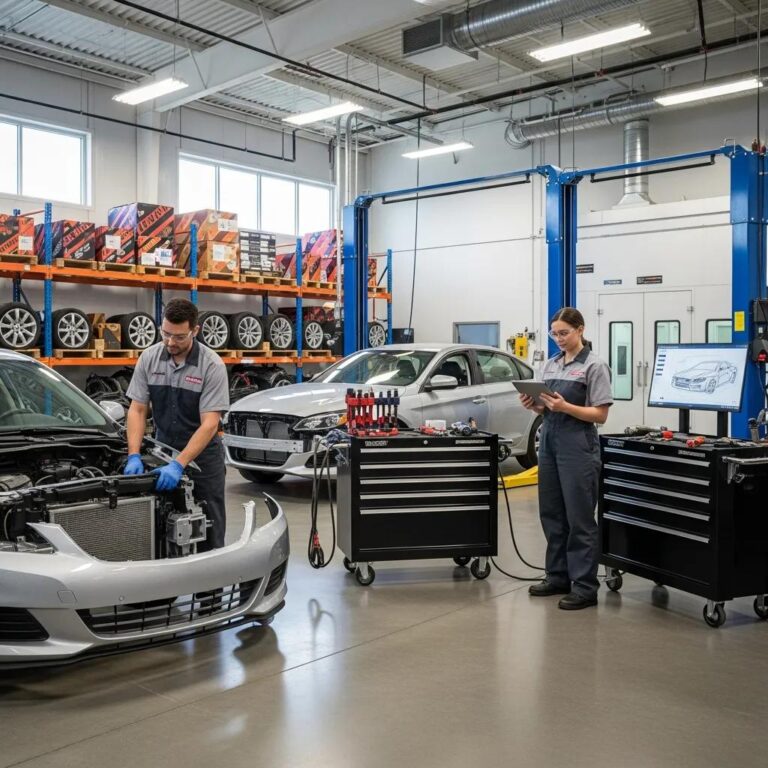
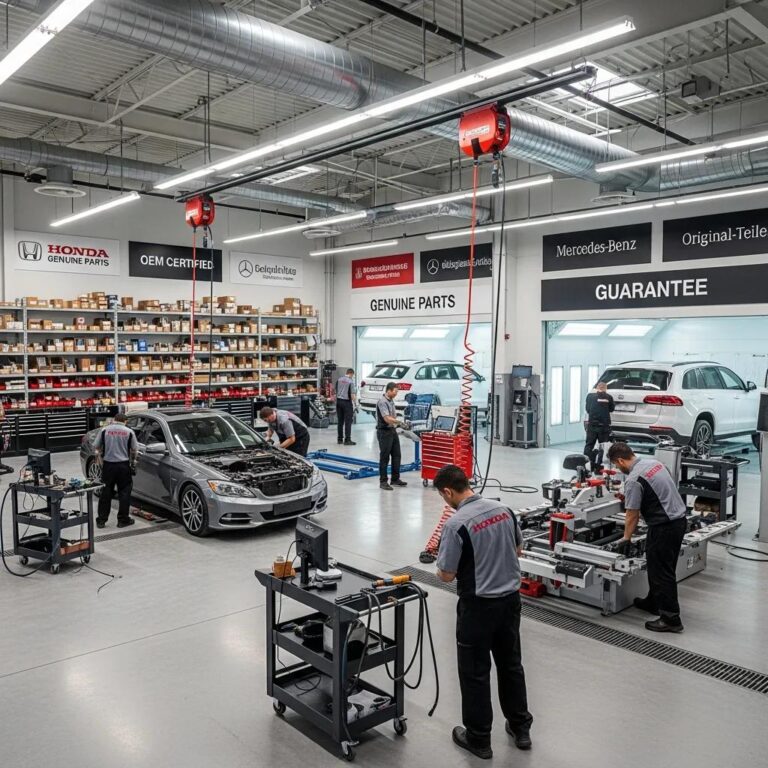
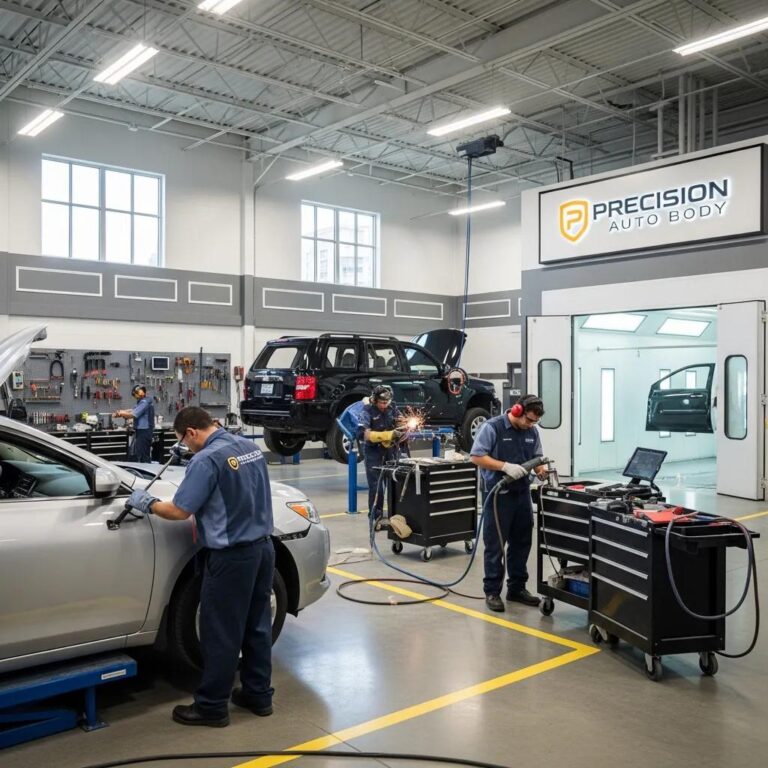
OEM‑certified collision repair matters because it restores factory structural alignment, airbag sensors, and safety system calibrations so your vehicle performs as designed in future crashes. Prime Time Collision Center delivers factory‑quality, OEM‑level repairs performed by I‑CAR Platinum Certified technicians who follow manufacturer procedures. We assist with insurance claims and back our work with a lifetime warranty, giving drivers confidence that repairs meet original safety standards.
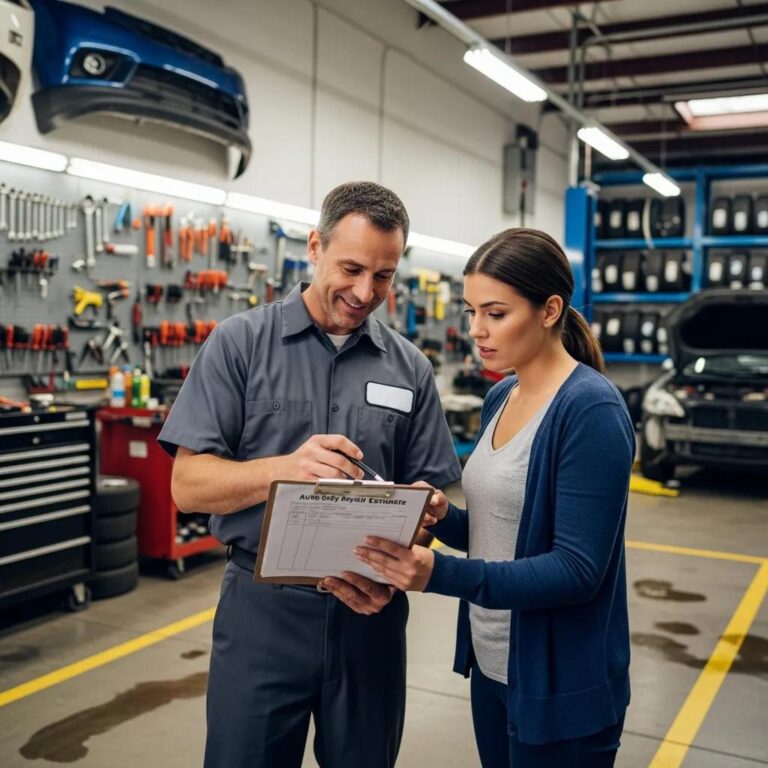
Prime Time Collision Center serves the greater Los Angeles area — including Glendale, Burbank, and Pasadena — and offers 24/7 towing and free estimates to get you from the crash scene to professional recovery quickly. We work with all major insurers and focus on OEM standards and certified technician credentials to restore safety‑critical systems. If rain damages your vehicle, contacting a certified repair center that provides free estimates and towing is a practical next step to protect both safety and your claim.
(End of article)
Frequently Asked Questions
What should I do if my vehicle starts to hydroplane?
If you start hydroplaning, stay calm and avoid sudden moves. Lift off the accelerator to let speed drop naturally so the tires can regain contact. Steer gently in the direction you want to go and avoid hard braking or sharp turns that can make the situation worse. If your car has ABS, apply steady brake pressure and let the system do its job. Practicing these responses mentally makes them easier to use if it happens for real.
How can I improve my vehicle’s visibility during heavy rain?
To boost visibility in heavy rain, make sure wipers are in good condition and replace them if they streak. Use low‑beam headlights to be seen without causing glare. Keep windows clean inside and out and run the defogger to remove condensation. Maintaining a safe following distance also reduces spray and gives you more time to react to traffic changes.
What are the best practices for driving in heavy rain?
When rain is heavy, slow down significantly so tires can move water away, and increase following distance to allow for longer stopping distances. Use smooth, gradual inputs for acceleration and braking, avoid sudden lane changes or sharp turns, and stay alert to other drivers. Anticipating traffic and maintaining a calm, steady approach will help you navigate wet conditions more safely.
How often should I check my tire tread and pressure?
Check tire tread depth and pressure at least once a month and before long trips. Use a tread gauge or a coin test to confirm adequate tread for wet conditions. Check pressure when tires are cold for an accurate reading. Keeping tread and pressure in the right range is crucial for traction and safety in rainy weather.
What should I do if I get into an accident during rainy conditions?
After a rain‑related crash, put safety first: move to a safe location if you can and check for injuries. Photograph the scene, road conditions, and damage; exchange information with other drivers; and collect witness contacts. Notify your insurer quickly with the facts and documentation you gathered. Those steps protect your safety and support a smoother claims process.
How can I prevent my windows from fogging up while driving in the rain?
Use your vehicle’s defogger with fresh air intake and a moderate fan speed to clear glass quickly without adding cabin moisture. Apply anti‑fog treatments to the inside of windows and keep interior surfaces clean. Keeping a comfortable cabin temperature also lowers humidity and helps prevent fog from forming while you drive in the rain.
Conclusion
Driving in rain requires a little extra planning and a few simple habits: slow down, care for your tires, smooth out your inputs, and keep good visibility. Those steps dramatically reduce your risk of wet‑weather collisions. If an accident does occur, follow the safety and documentation steps above and choose an OEM‑certified repair shop to protect vehicle safety and value. For more practical tips and local repair help, explore our guides or contact Prime Time Collision Center.