



Transmission Fluid Maintenance: Benefits, Warning Signs, and Expert Care
Transmission fluid is the specialized lubricant and hydraulic medium that lets your gears engage, helps cool critical parts, and protects internal components in both automatic and manual gearboxes. Keeping that fluid in good condition can prevent costly powertrain repairs, keep shifts smooth, and help preserve fuel economy under everyday and severe driving conditions. This guide walks you through what transmission fluid does, how to spot problems like leaks or burnt fluid, and how service intervals change by vehicle and use. It also compares common fluid types—ATF, CVT fluid, and manual transmission fluid—and explains why following OEM specifications matters for performance and warranty coverage. If you need professional help after a collision or for routine service, Prime Time Collision’s OEM-focused repairs and I‑CAR Platinum certified technicians offer post-accident inspections, insurance coordination, free estimates, towing, and a lifetime warranty on qualifying repairs. Read on for practical diagnostic steps, service options, and cost comparisons to help you decide when to inspect, change, or flush your transmission fluid.
Why is Transmission Fluid Maintenance Essential for Your Vehicle?
Transmission fluid plays several linked roles that keep your transmission working reliably: it lubricates moving parts, absorbs and carries away heat, provides hydraulic pressure for clutches and bands, and helps remove contaminants. When fluid breaks down or becomes dirty, friction and wear increase on clutch packs, gear sets, torque converters, and coolers, which speeds component failure and raises the risk of overheating. Regular maintenance reduces internal wear, stabilizes hydraulic pressure, and keeps friction modifiers and detergents at effective levels — which means smoother shifts and a longer-lasting transmission. The table below maps these fluid functions to affected parts and the performance results you can expect.
This comparison shows why paying attention to fluid condition is a basic—yet critical—step in keeping your transmission healthy.
| Function | Affected Components | Performance Impact |
|---|---|---|
| Lubrication | Gear sets, bearings, clutch packs | Reduces wear and metal-to-metal contact, extending component life |
| Cooling | Torque converter, fluid passages, cooler | Lowers operating temperatures to prevent thermal breakdown |
| Hydraulic pressure | Servo pistons, band actuation, clutch engagement | Maintains accurate shifting and reliable torque transfer |
| Cleaning / detergency | Fluid filter, valve body passages | Prevents clogging and preserves valve operation |
Keeping fluid within spec helps avoid friction-related damage and preserves reliability. With that foundation, the next section explains how technicians and drivers can spot early warning signs before wear becomes irreversible.
What are the key functions of transmission fluid in vehicle performance?
Transmission fluid acts as both a lubricant and a hydraulic medium: it reduces friction on gear sets and clutch packs while providing the pressure needed for precise gear engagement. Detergents and dispersants carry small particles to the filter so valve bodies and narrow passages don’t clog. Thermal stability and correct viscosity keep the fluid working under high temperatures—important during heavy use or after collisions that can affect cooling systems. When these functions break down, you’ll often notice slipping, rough shifts, or overheating—early signs that the fluid needs attention.
Those mechanical roles lead directly to the concrete benefits regular maintenance delivers for vehicle longevity and efficiency.
How does regular maintenance extend transmission lifespan and improve fuel efficiency?
Regular transmission fluid service removes contaminants and replenishes friction modifiers so clutches engage consistently, cutting slippage and heat that accelerate wear. Fresh fluid with proper viscosity and thermal stability reduces parasitic losses in the torque converter and gear train, which can produce modest fuel-economy gains under normal driving. Routine inspections and timely fluid changes help prevent progressive damage that would otherwise lead to expensive rebuilds or replacements. Following OEM intervals—and shortening them for severe service—can postpone major transmission work and help preserve resale value with documented maintenance.
With those benefits in mind, the next section lists the warning signs that mean your transmission fluid needs immediate attention.
What Are the Common Signs Your Transmission Fluid Needs Attention?
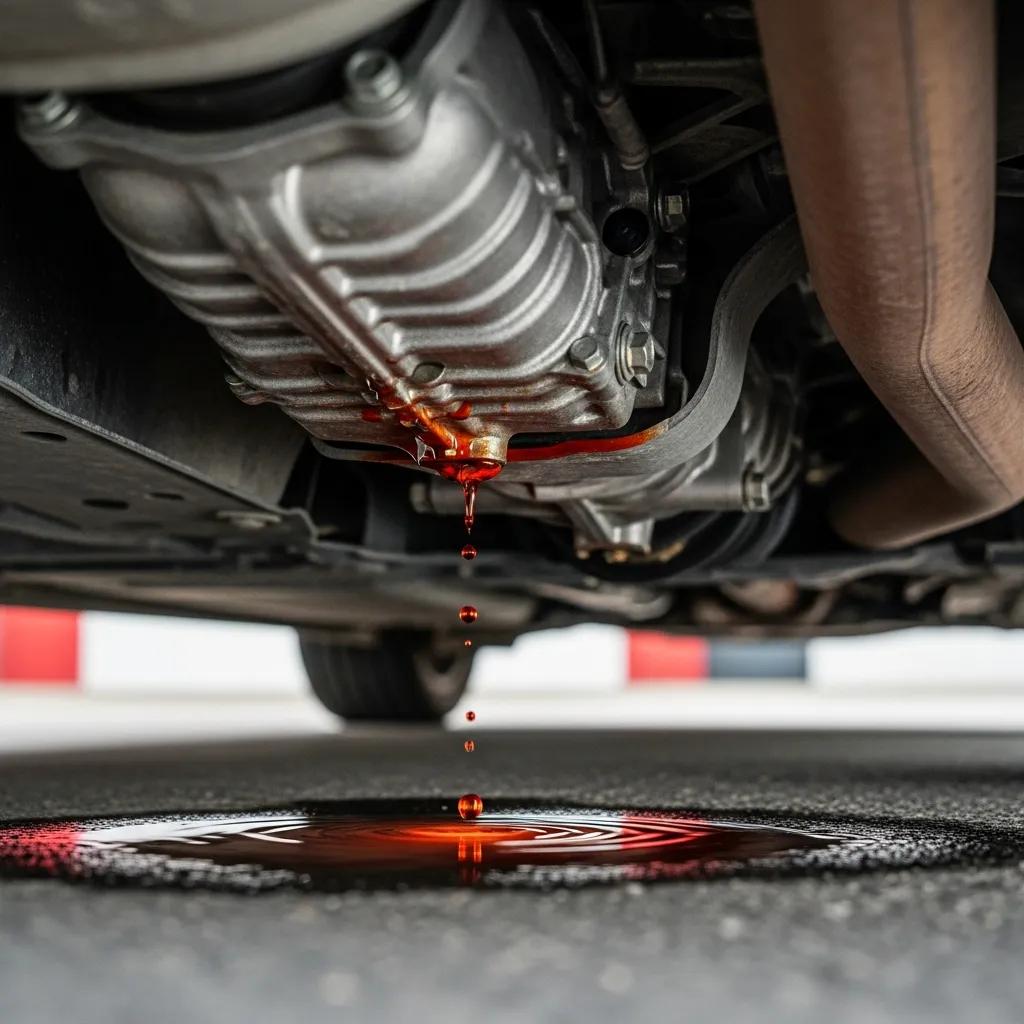
Transmission fluid problems usually show up as visual, smell, or performance changes you can notice without special tools. Catching issues early allows quick inspection and repair before internal damage sets in. Common signs include visible leaks, dark or burnt-smelling fluid, delayed or harsh shifting, and dashboard warnings about transmission temperature or slippage. The list below highlights the most actionable indicators to check during routine inspections or after unusual events like a collision.
Watch for these warning signals and schedule an inspection when more than one appears.
- Visible leaks under the vehicle: Reddish or brownish puddles or wet spots under your car often point to a transmission fluid leak and need prompt inspection.
- Discolored or burnt-smelling fluid: Dark brown or black fluid with a sharp, burnt odor is a sign of overheating and breakdown.
- Shifting problems: Hard shifts, slipping, delayed engagement, or unexpected downshifts can indicate degraded fluid or hydraulic faults.
- Overheating warnings or unusual noises: Transmission temperature alerts, whining, or grinding noises are serious signs of internal stress and should be checked right away.
Spotting these symptoms leads into practical checks you can do to confirm leaks or contamination.
How to identify leaking transmission fluid and its indicators?
Leaks commonly come from pan gaskets, seals, cooler lines, or the input/output shaft areas and leave telltale marks on the ground or undercarriage. Fresh ATF is usually reddish and flows easily; older fluid darkens and becomes tackier. A quick homeowner checklist: look under the transmission pan for seepage, inspect cooler lines near the radiator, and check seals after a short drive. If a leak is large, avoid long drives—arrange towing or a professional inspection to prevent low-fluid damage. Early detection protects internal parts and keeps hydraulic systems working until repairs are done.
Next we cover what changes in color and smell say about fluid condition.
What do discoloration and burnt smell reveal about fluid condition?
When fluid shifts from translucent red to dark brown or black, it usually shows oxidation, contamination, or overheating; a burnt smell indicates additive and base oil breakdown. Healthy automatic fluid is clear red with a mild oily scent; darkened fluid means detergents and friction modifiers are depleted and protection is reduced. Driving with degraded fluid accelerates clutch wear and can leave varnish-like deposits that clog valve bodies or filters, often requiring more extensive service. If a fluid sample looks or smells like this, schedule a professional inspection and consider a drain-and-fill or filter service based on OEM guidance and contamination level.
These diagnostic cues help determine the right service interval and the appropriate repair option, which the next section addresses.
How Often Should You Change Your Transmission Fluid?
Change intervals depend on manufacturer recommendations, transmission type, and driving conditions—so following the OEM schedule is the safest route for warranty and performance. Typical guidance sets normal-service intervals between about 30,000 and 60,000 miles, while severe-service use may call for changes every 15,000–30,000 miles. Regular checks of fluid color and condition are a useful halfway check between services and help technicians decide on a simple drain-and-fill versus a more comprehensive procedure. The table below gives a quick mileage reference for normal versus severe-service intervals.
| Service Condition | Typical Interval (miles) | Reason |
|---|---|---|
| Normal driving | 30,000–60,000 | Routine protection under moderate use |
| Severe driving | 15,000–30,000 | Towing, frequent short trips, heavy traffic, high temps |
| Post-accident inspection | Immediate check | Possible contamination or leaks after collision |
These ranges are a practical planning tool—your owner’s manual is the final authority, which we cover next.
What are manufacturer recommendations for fluid change intervals?
OEM recommendations vary by make and model and often include both mileage and time limits; some modern transmissions are sold with “lifetime” fluid claims under normal conditions but still require periodic inspection. Manufacturers specify fluid type, capacity, and approved service procedures—details that determine whether a drain-and-fill or a controlled exchange is appropriate. When unsure, consult the owner’s manual or an OEM-aligned service center. Vehicles used for towing, in extreme heat, or heavily in stop-and-go conditions should be treated as severe service and inspected more often.
How do driving conditions affect transmission fluid maintenance schedules?
Driving habits and environment affect how quickly fluid degrades. Towing heavy loads, climbing steep grades, repeated short trips that don’t allow full fluid circulation, and congested city traffic all increase operating temperature and mechanical stress, accelerating fluid breakdown. If you regularly drive under these conditions, follow your OEM’s severe-service guidance and book inspections sooner. Those usage patterns also influence the correct fluid choice, which we cover next.
What Types of Transmission Fluid Should You Use?
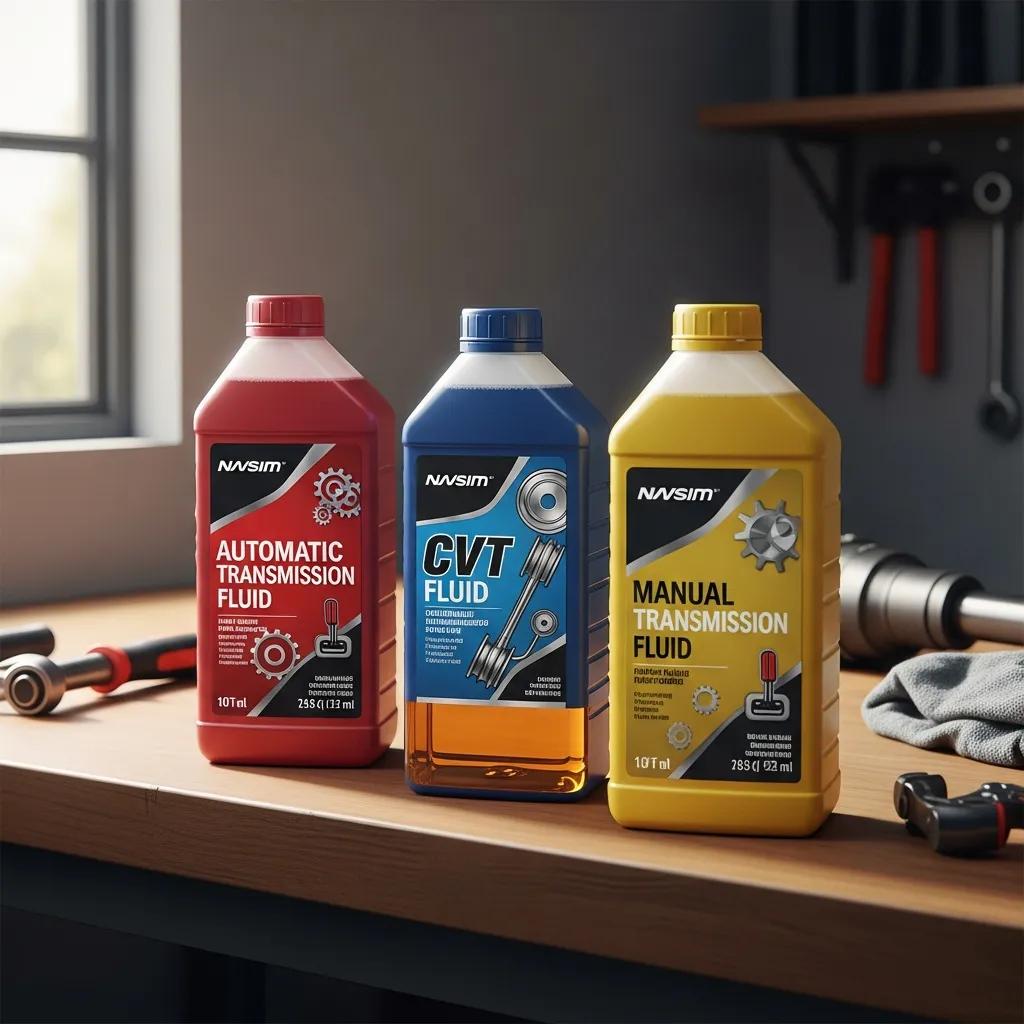
Transmission fluids are engineered for specific transmission designs: automatic transmission fluid (ATF) for traditional automatics, CVT fluid for continuously variable transmissions, and manual transmission fluid (MTF) or gear oil for manuals. They differ in viscosity, friction modifier content, and additive chemistry to meet each transmission’s hydraulic and lubrication needs. Using the OEM-specified fluid—whether ATF, CVT fluid, or MTF—is essential. The table below compares typical uses and the key attributes that make each fluid appropriate.
| Fluid Type | Typical Uses | Viscosity / Key Attribute |
|---|---|---|
| ATF (automatic) | Traditional torque-converter automatics | Medium viscosity with friction modifiers |
| CVT fluid | Continuously variable transmissions | Specialty low-viscosity with high shear stability |
| MTF / Gear oil | manual transmissions and differentials | Heavier viscosity; often GL-4 spec depending on make |
Knowing these differences helps avoid cross-compatibility problems that can cause slipping or mechanical damage.
What distinguishes automatic, manual, and CVT transmission fluids?
ATF contains friction modifiers and detergents to manage clutch engagement and hydraulic actuation in torque-converter systems. CVT fluid focuses on belt or chain friction characteristics and shear stability to protect the variable pulley system. Manual transmission fluids emphasize wear protection for gears and synchronizers and may be lighter (similar to engine oil) or heavier gear oil, depending on the design. The wrong fluid can change friction behavior, cause harsh or slipping shifts, and damage clutches or belts—so follow OEM naming (Dexron, Mercon, ATF+4, or specific CVT specs) and confirm the part number when selecting fluid.
This technical detail leads into why strict OEM compliance matters for both performance and warranty.
Why is adhering to OEM fluid specifications critical for your vehicle?
OEM fluid specs match the materials, clearances, and hydraulic tolerances in your transmission. A mismatched fluid can reduce lubrication, change friction behavior, and may even lead to warranty issues. Manufacturer specs list viscosity grades, approved additive chemistries, and sometimes proprietary formulations that ensure consistent clutch modulation and thermal performance. Verify these specs in your owner’s manual or with an OEM-aligned service center. For vehicles under warranty or owners seeking long-term reliability, following OEM fluid recommendations is a simple, effective way to avoid preventable damage.
Next, learn how Prime Time Collision applies OEM standards when performing transmission fluid services.
How Does Prime Time Collision Center Provide Expert Transmission Fluid Services?
Prime Time Collision delivers OEM-quality repairs and post-accident care with I‑CAR Platinum certified technicians who follow manufacturer procedures and material specs. For transmission fluid service that means we verify the OEM fluid requirement, check for collision-related contamination or leaks, and document findings for insurance claims when needed. Prime Time provides free estimates, coordinates with major insurers, offers towing, and stands behind qualifying repairs with a lifetime warranty. We serve drivers in Glendale, Burbank, Pasadena, and Los Angeles and make transparent recommendations—whether a drain-and-fill, filter replacement, or deeper inspection is the right choice.
What benefits do I-CAR Platinum Certified Technicians bring to transmission maintenance?
I‑CAR Platinum certification shows ongoing training and proven capability in collision repair best practices, keeping technicians current with OEM procedures and safety standards. For transmission work, that training means technicians use modern diagnostic methods to find leaks, contamination, or damage after collisions and follow OEM fluid and service specs to protect drivetrain performance. Their approach emphasizes correct disassembly, inspection, and reassembly to avoid adding contamination or creating misalignment. The result is OEM-aligned repairs and documentation that insurers and buyers recognize as consistent with manufacturer expectations.
How does post-accident transmission fluid inspection protect your vehicle?
After a collision, impact forces or fluid transfer can cause hidden damage to seals, cooler lines, or the transmission pan—letting in contaminants or causing slow leaks that degrade fluid over time. A post-accident inspection checks visible damage, samples fluid for color and odor, inspects cooler lines, and tests hydraulic pressure when appropriate to find compromised parts. Prime Time documents those findings for insurance claims and recommends targeted services—ranging from a drain-and-fill to more extensive repairs—based on evidence rather than guesswork. Early detection after a crash prevents progressive damage and preserves drivability and vehicle value.
With services and technician credentials explained, the next section compares service options and typical costs to help you choose the right path.
What Are the Costs and Options for Transmission Fluid Service?
Service options range from a basic drain-and-fill to a full machine-assisted exchange or a detailed inspection and filter replacement. Cost varies with fluid type, vehicle capacity, and labor. Drain-and-fill is typically the lower-cost option and replaces part of the system’s fluid. A flush or exchange replaces more fluid but must be chosen with OEM guidance and the transmission’s condition in mind. The table below compares common service options, typical cost patterns, and when each is recommended to help you make an informed choice.
| Service Option | Typical Cost Range | When It’s Recommended |
|---|---|---|
| Drain & Fill | Lower range for fluid and labor | Routine maintenance with light contamination |
| Fluid Flush / Exchange | Mid to higher range depending on equipment | Heavy contamination or when OEM permits exchange |
| Inspection & Filter Replacement | Variable based on parts/labor | When symptoms or post-accident findings indicate contamination |
Below we explain how a change and a flush differ so you can weigh pros and cons.
What is the difference between transmission fluid change and flush services?
A transmission fluid change (drain-and-fill) drains the pan and replaces the fluid there, typically replacing only part of the total system volume. It’s less invasive and suits routine maintenance when fluid isn’t heavily contaminated. A flush or machine-assisted exchange replaces a larger portion of the fluid and can remove more residue, but if a transmission already has significant wear or varnish deposits, a flush can dislodge material that may block valve bodies if not handled carefully. A technician following OEM guidance can evaluate which approach reduces risk and maximizes life—especially for older transmissions or after collision-related contamination.
Now we’ll outline how Prime Time delivers value through estimates, insurance coordination, and warranties.
How does Prime Time Collision Center offer value with free estimates and warranties?
Prime Time focuses on transparent, OEM-aligned service by offering free estimates that assess transmission needs and by coordinating with major insurers to smooth claims for collision-related work. We provide towing when a vehicle can’t be driven and document inspections to support repair recommendations that match manufacturer specs. Qualifying repairs come with a lifetime warranty, giving customers long-term confidence in workmanship. Schedule an estimate when you notice symptoms, after an accident, or as your OEM inspection intervals suggest to take advantage of coordinated insurance handling and warranty protection.
This final service overview gives a clear next step for owners who want expert transmission care.
Frequently Asked Questions
1. What are the consequences of using the wrong type of transmission fluid?
Using the wrong transmission fluid can cause serious problems. Each fluid type—automatic, CVT, or manual—has specific viscosity and additive requirements. A mismatch can reduce lubrication, change friction behavior, cause overheating, and lead to premature failure. It can also void warranty coverage if the manufacturer’s specified fluid wasn’t used. Always check your owner’s manual for the correct fluid spec.
2. How can I tell if my transmission fluid is contaminated?
Contaminated fluid usually changes color and smell. Healthy fluid is a translucent red with a mild oily scent. Dark brown or black fluid and a burnt odor indicate thermal breakdown and contamination. Finding metal shavings or particles in the fluid is a clear sign of internal wear. Regular checks let you catch contamination early and schedule the right service before damage grows.
3. Are there DIY methods for checking transmission fluid levels?
Yes. Park on level ground and warm the engine, then locate the transmission dipstick (often a bright handle). Pull it, wipe it clean, reinsert it, and pull it again to read the level. The fluid should sit within the marked range. If it’s low, add the manufacturer-recommended fluid. If levels drop often, check for leaks and have a professional inspect the system.
4. What should I do if I notice a transmission fluid leak?
If you find a leak, act quickly. Try to identify where it’s coming from—seals, gaskets, or cooler lines are common sources. Avoid long trips if fluid is low; arrange towing or a professional inspection to prevent transmission damage. Timely repairs usually save money and keep your vehicle reliable.
5. How does driving style affect transmission fluid lifespan?
Your driving habits matter. Aggressive driving, frequent stop-and-go traffic, towing heavy loads, and extreme temperatures speed up fluid degradation by increasing heat and mechanical stress. Smoother driving, lighter loads when possible, and sticking to recommended maintenance schedules help extend fluid life. Regular inspections catch issues early.
6. What are the signs that indicate I need a transmission fluid flush?
Consider a flush if the fluid is discolored, smells burnt, or you notice shifting problems such as slipping or harsh engagement. A flush may also be recommended after a collision to remove contaminants introduced during the event. Always weigh a flush against OEM guidance and the transmission’s overall condition.
7. Can I mix different brands of transmission fluid?
Mixing brands is generally not recommended, even if they claim the same specs. Brands can use different additive packages that may interact poorly. It’s best to stick with the same brand and type specified in your owner’s manual. If you must top off, try to match the existing fluid as closely as possible.
Conclusion
Regular transmission fluid maintenance protects vehicle performance, helps maintain fuel efficiency, and reduces the risk of costly repairs. By watching for warning signs and following OEM fluid specifications, you give your transmission the best chance of running smoothly for years. If you want expert, OEM-focused service, schedule an inspection with Prime Time Collision. We’ll protect your investment and give you peace of mind with thorough diagnostics, clear recommendations, and backed repairs.