

Defensive Driving Made Simple: Practical Skills to Prevent Crashes and Protect Lives
Defensive driving means staying a step ahead on the road — spotting risks early, keeping control, and reducing the chance of a collision. This guide gives clear, usable tips you can start using today: keeping safe following distances, spotting hazards, and adjusting for weather and traffic. We also explain modern vehicle safety systems like ADAS, why OEM-certified repairs matter after a crash, and the practical steps to take after an accident so repairs and insurance go smoothly. Along the way we point to local resources around Glendale and nearby cities so you know where to turn if prevention isn’t enough.
What Are the Top Defensive Driving Techniques to Improve Road Safety?
Defensive driving is a set of habits that help you anticipate danger and react calmly. These behaviors increase your reaction time, lower decision errors, and make evasive maneuvers safer — which means fewer crashes and less severe outcomes when incidents do happen. The aim is to move from passive driving to active risk management: scan, judge, and act. Below are five practical fundamentals to practice regularly.
Practice these five core techniques every time you drive:
- Keep a safe following distance — use the three-second rule so you have time to respond to sudden stops.
- Scan ahead with a ten-second sweep to spot changing conditions, intersections, and other road users.
- Follow a mirror → signal → check blind spot routine before lane changes or turns.
- Smoothly manage speed and braking to preserve traction and give other drivers predictable behavior.
- Remove distractions: silence phones and set navigation before moving so your focus stays on driving.
These habits combine awareness and controlled inputs to lower both crash frequency and severity. Next we break down following distance and hazard perception in practical terms.
How Does Maintaining a Safe Following Distance Prevent Collisions?
The three-second rule gives you a measurable buffer to perceive and react to what the car ahead does. To use it, pick a fixed landmark, start counting when the vehicle ahead passes it, and make sure at least three seconds pass before you cross the same point. Increase that interval at higher speeds, in poor visibility, or on slick roads — four seconds or more is safer in those conditions. More time means more stopping distance and a smaller chance of rear-end crashes. It also leaves room for evasive moves and reduces unexpected ADAS interventions if systems misread a situation.
Why Is Hazard Perception Critical for Avoiding Accidents?
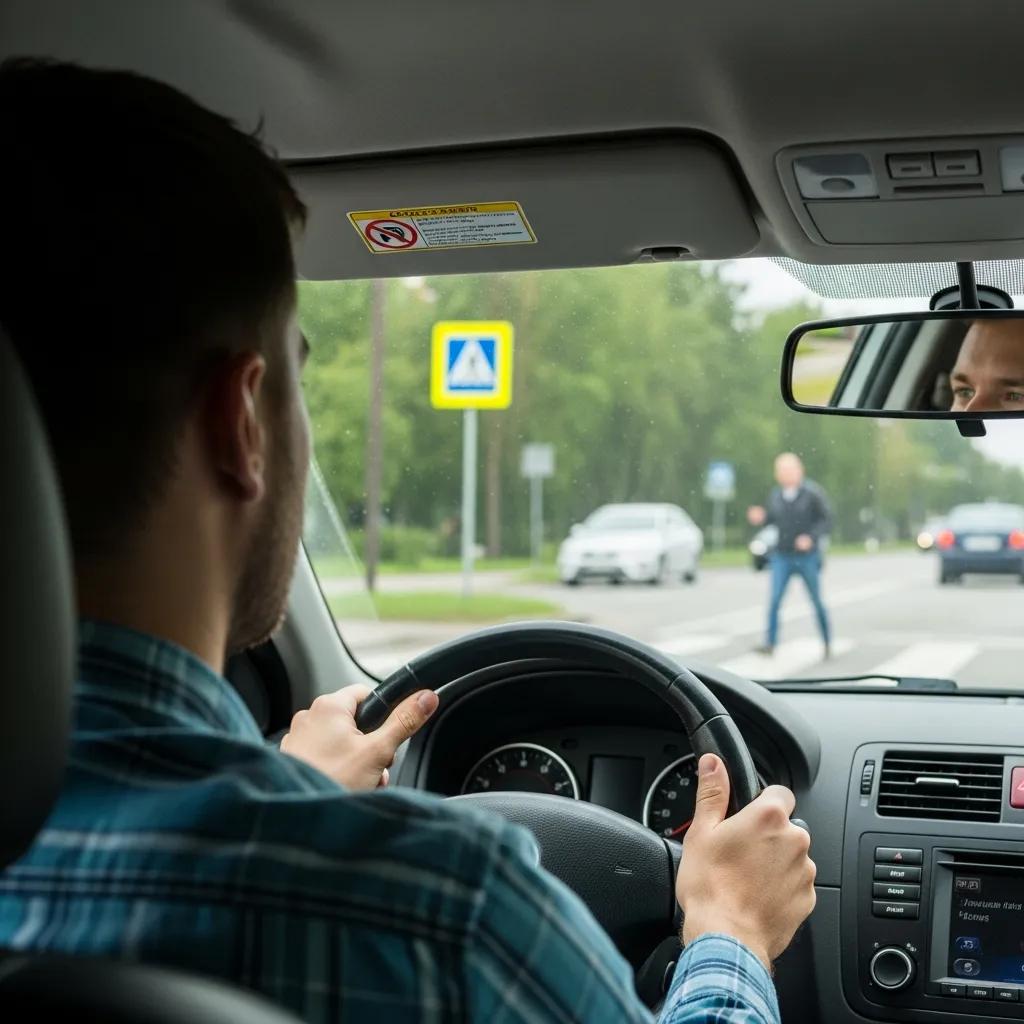
Hazard perception is the trained habit of spotting threats — a pedestrian stepping off a curb, a drifting car, or debris — before they become emergencies. The ten-second scan teaches you to look 10–15 seconds down the road, check edges and intersections, and update a mental picture of risks. Preparing decisions ahead of time shortens reaction delay and often prevents hard braking. Simple exercises — scanning intersections deliberately or noting escape routes on each block — make this automatic. Strong hazard perception works hand-in-hand with safe following distance, especially in busy urban areas.
How Can Accident Prevention Strategies Lower Your Risk?
Accident prevention blends smart behavior, vehicle readiness, and route planning to reduce exposure to risk. The goal is to remove or reduce common crash contributors — mechanical issues, fatigue, bad route choices, and risky habits — so you face fewer dangerous scenarios. Pre-trip checks, scheduled rest stops, and avoiding peak-risk times are simple steps that pay off. Below are focused prevention practices you can adopt for safer, more predictable driving.
Key prevention strategies:
- Do routine pre-trip checks — tires, lights, brakes and fluid levels catch problems before they become hazards.
- Schedule rest breaks to avoid drowsy driving and keep your attention sharp on long trips.
- Plan routes to steer clear of known high-risk corridors and heavy commuter periods when possible.
- Make speed control and consistent seat belt use non-negotiable — they greatly reduce crash severity.
These steps target the main behavioral and environmental factors that increase crash risk and lead naturally into cutting distractions as a major prevention tactic.
What Role Does Eliminating Distractions Play in Safer Driving?
Distractions — phones, infotainment, eating, or loud passengers — pull your eyes, hands, or mind away from driving and dramatically increase crash risk. Reduce that risk by using do-not-disturb modes, programming navigation before you move, relying on voice controls only for simple tasks, and pulling over for anything complex. For families or fleets, set a clear device policy and model calm, focused driving. Fewer distractions mean better hazard detection and quicker, clearer decisions — especially when weather or traffic gets tough.
How Should You Adjust Driving for Weather and Traffic?
When conditions worsen, proactively slow down, increase following distances, and simplify your maneuvers. In rain, fog, or at night, aim for about 70–80% of the posted speed and widen following to four seconds or more to preserve grip and reaction margin. Use headlights correctly, defog early, and avoid sudden steering or hard braking to keep stability. In heavy traffic, anticipate stop-and-go, ease off the throttle, and avoid lane weaving to reduce crash chain reactions. If conditions become dangerous — whiteouts or severe downpours — pull over to a safe place until visibility and traction improve.
What Road Safety Tips Should Every Driver Remember?
Simple, repeatable practices add up to big safety gains. Following laws, buckling every passenger, and avoiding aggressive moves make traffic more predictable for everyone. The checklist below summarizes core actions to use on every trip.
A printable checklist of essential road safety tips:
| Tip | When to Apply | Practical Action |
|---|---|---|
| Obey speed limits | On every road | Adjust speed for conditions and posted limits |
| Always wear seat belts | Before moving the vehicle | Make sure every occupant is buckled on each trip |
| Avoid distractions | While driving | Enable DND, stow devices, and plan stops for tasks |
| De-escalate aggressive driving | When provoked | Give space, avoid gestures, and don’t engage |
| Keep vehicle maintained | Regularly and before trips | Check tires, brakes, lights, and fluids routinely |
How Does Following Traffic Laws Help Prevent Crashes?
Traffic laws create predictable behavior on the road, lowering conflict points and helping drivers anticipate what others will do. Speed limits, right-of-way rules, and lane regulations coordinate flow so decisions are easier and safer. Breaking those rules — running lights or failing to yield — creates sudden conflicts that often cause severe crashes. Stay current on local regulations, use turn signals, and yield when required to keep interactions smooth and reduce mental workload while driving.
Why Is Avoiding Aggressive Driving Important?
Aggressive driving — tailgating, sudden lane cuts, road rage — shortens time and space for everyone to react, raises stress, and sparks dangerous responses. De-escalation is simple: increase following distance, let others merge, use calm nonverbal cues, or take an alternate route if someone is hostile. A patient mindset reduces exposure to retaliatory driving and helps you make clear decisions. These interpersonal habits pair with vehicle and perceptual defenses to keep you safer on the road.
How Do Vehicle Safety Features Support Defensive Driving?
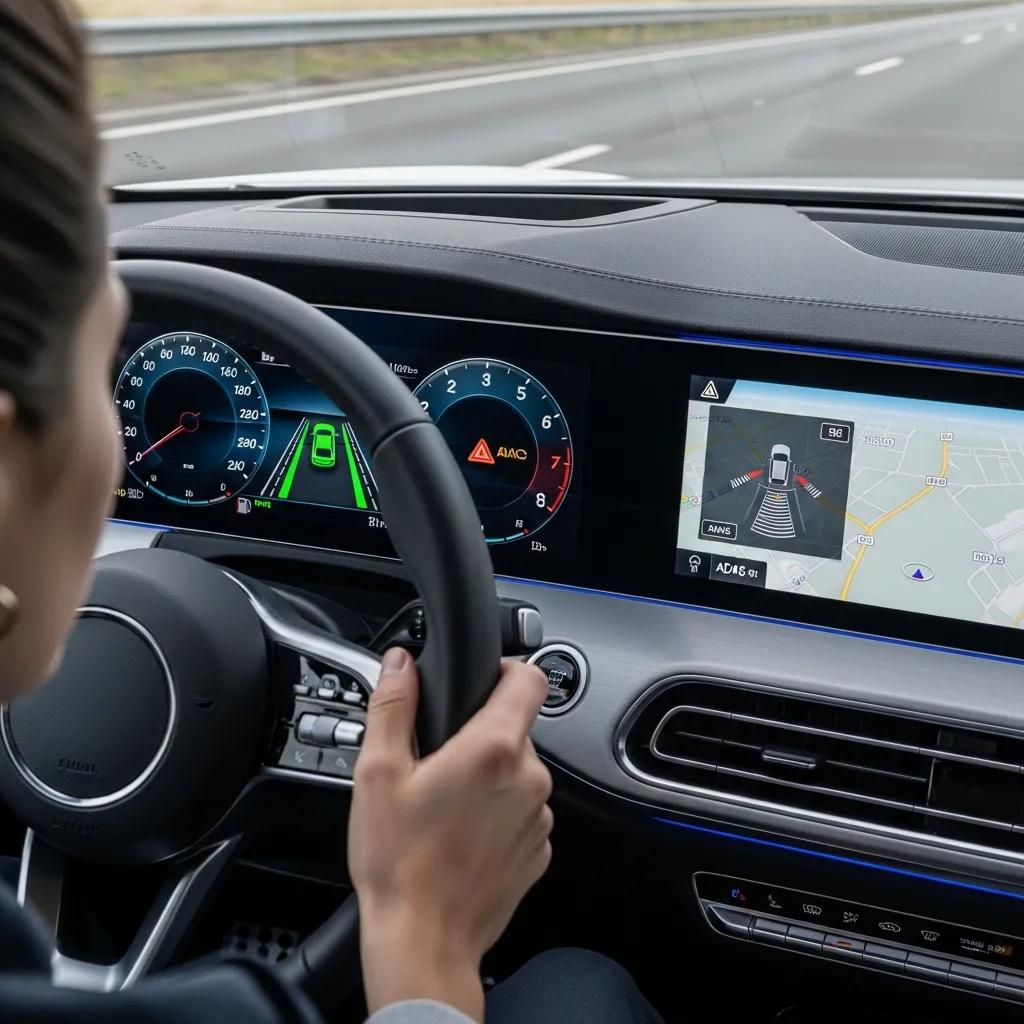
Vehicle safety systems help detect hazards, warn you, or step in to avoid crashes — but they’re aids, not substitutes for attention. ADAS features like automatic emergency braking, forward collision warning, lane keeping assist, and blind spot monitoring use cameras and sensors to support safer driving. They reduce certain crash types and injuries, but they also have limits: sensors can be blocked, performance can vary in bad weather, and systems require proper calibration after repairs. The table below explains what these systems do and what to expect after a collision.
The following table compares major ADAS features and what drivers should expect:
| System | How It Helps | Limitation / Calibration Notes |
|---|---|---|
| Automatic Emergency Braking (AEB) | Applies brakes to help avoid or reduce frontal impacts | May miss low-contrast objects; needs sensor calibration after body repairs |
| Forward Collision Warning (FCW) | Alerts you to a likely frontal collision | Depends on camera/radar alignment; can give false alerts in heavy rain or fog |
| Lane Keeping Assist (LKA) | Gently corrects steering to keep you in lane | Performs best with clear lane markings; steering calibration may be needed after repairs |
| Blind Spot Monitor (BSM) | Warns of vehicles alongside you | Sensors can be blocked by debris; calibration required after bumper or panel repairs |
What Are ADAS Systems and Why Do They Matter?
ADAS — cameras, radar, and lidar working together — back up features like FCW, AEB, LKA, and BSM to reduce crash risk and severity. Studies show systems like AEB cut certain frontal collisions by a meaningful margin because they react faster or more consistently than people. Still, ADAS assume sensors are aligned and software is up to date; relying on them without attention can breed complacency. Regular maintenance, software updates, and post-repair checks keep these systems working as intended and underline why factory-quality repairs matter.
How Do OEM-Certified Repairs Protect Vehicle Safety After a Crash?
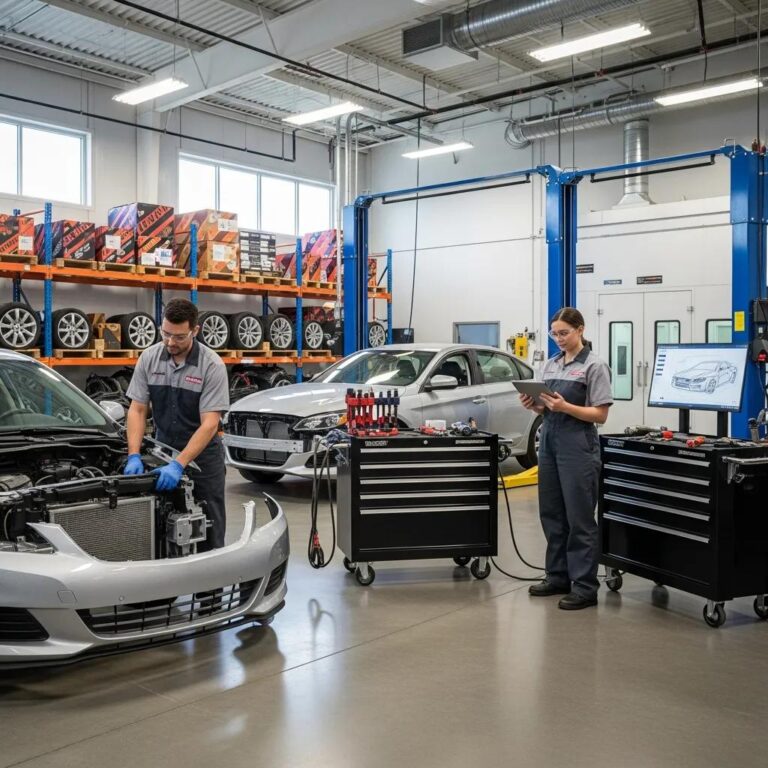
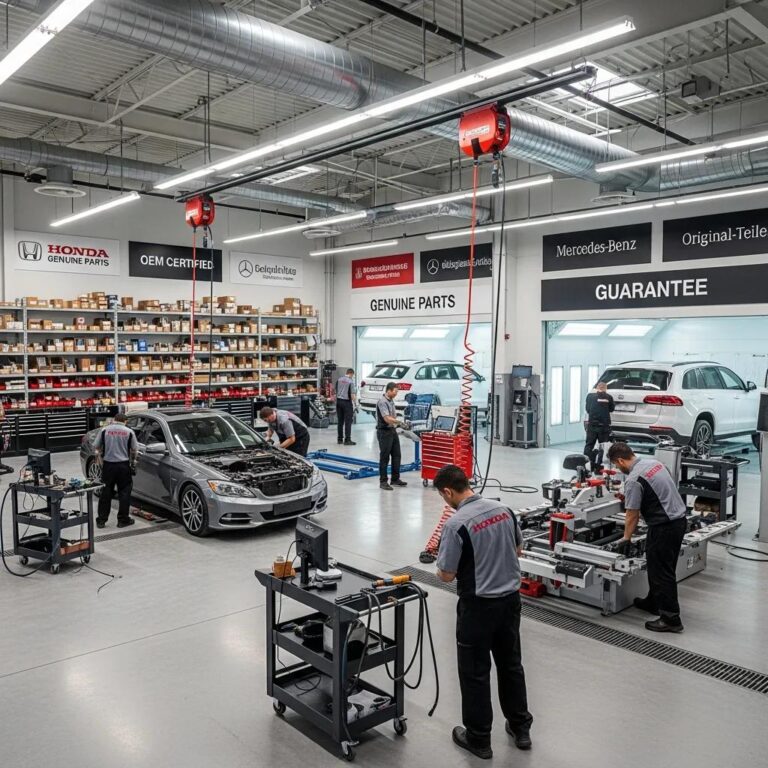
OEM-certified repairs follow manufacturer procedures, use specified parts, and include ADAS recalibration and structural checks to restore crashworthiness. Certification programs like I-CAR Platinum show advanced training and access to factory repair information, helping preserve safety systems and occupant protection. Proper recalibration and verified repair tolerances reduce the risk of degraded ADAS performance or structural issues. When repairs meet OEM standards and come with a warranty, drivers can trust safety features will work the way they should.
What Steps Should You Take After an Accident to Stay Safe and Get Proper Repairs?
After a collision, protecting people and preserving evidence are top priorities, then you start the repair and insurance process to restore vehicle safety. Move to a safe spot if you can, check for injuries, and call emergency services if needed. Document the scene and exchange information, then contact your insurer and a certified repair shop to plan repairs and ADAS recalibration. The checklist below puts those actions in order so you can follow them quickly and confidently.
Follow these steps after a collision:
- Make sure everyone is safe — move out of traffic when possible and call emergency services for injuries.
- Document the scene with photos, note vehicle positions and damage, and exchange contact and insurance details.
- Report the accident to your insurer and request an estimate; keep records of all calls and documents.
- Arrange towing and a repair estimate with a certified collision shop that coordinates with insurers and follows OEM procedures.
- Approve repairs only after confirming OEM parts, required calibrations, and written warranties are included in the work plan.
| Post-Accident Action | Who Typically Handles It | Recommended Timeline / Outcome |
|---|---|---|
| Documenting the scene | Driver(s) on site | Immediate; photos and notes to support the claim |
| Towing the vehicle | Tow service arranged by driver or repair shop | Within hours if the vehicle is inoperable; preserves the car for inspection |
| Repair assessment | Certified collision shop technician | Within 24–72 hours; estimate prepared for insurer |
| Insurance claim reporting | Policyholder to insurer | Within 24–48 hours; begins the claims process |
How Does Prime Time Collision Center Restore Vehicle Safety with Certified Repairs?
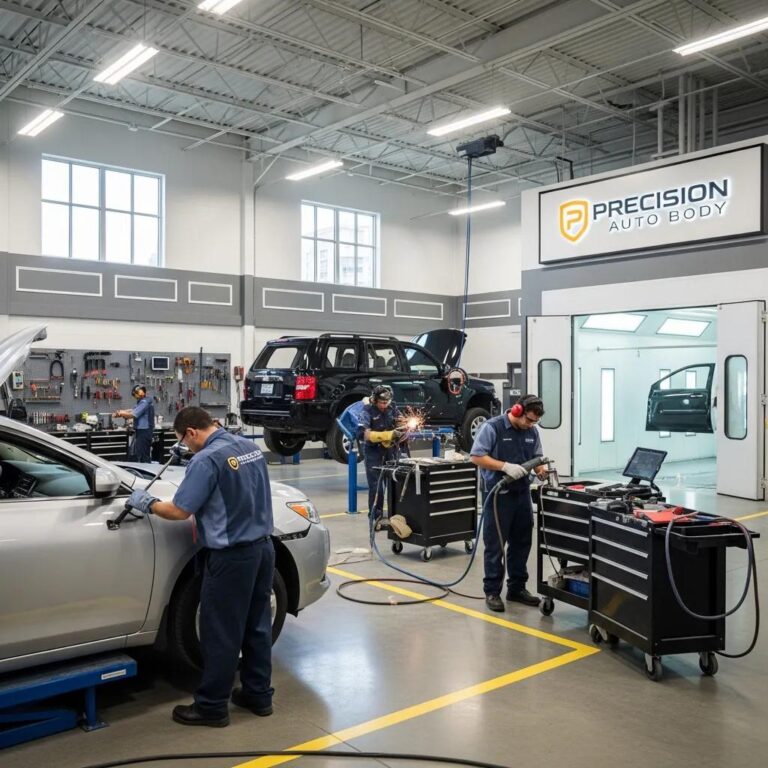
Prime Time Collision Center delivers factory-quality repairs using OEM procedures and I-CAR Platinum–level practices that prioritize structural integrity and ADAS recalibration. We handle insurance coordination, provide free estimates and 24/7 towing when available, and walk you through the repair plan so you know what’s being done. With clear communication and a lifetime warranty on repairs, our goal is to return your vehicle to safe, road-ready condition so you and your family can drive with confidence in Glendale and surrounding communities.
What Happens When You File an Insurance Claim After a Collision?
Filing a claim starts with telling your carrier, sharing scene documentation, and getting an initial estimate from a certified shop; the insurer assigns an adjuster to evaluate damage and approve repairs. Clear, timely documentation — photos, witnesses, and police reports — speeds approvals and reduces disputes over fault or scope. Experienced collision shops often submit OEM-based estimates and calibration requests directly to insurers to limit delays. Common hold-ups come from parts availability, complex structural issues, or disagreements over repair scope; proactive communication and choosing a shop experienced with insurers help keep things moving.
How Can Local Traffic Safety Efforts in Glendale and Nearby Cities Support Defensive Driving?
Local safety programs shape driver behavior and road design to reduce crash hotspots and protect pedestrians and cyclists across Glendale, Burbank, Pasadena, and greater Los Angeles. Efforts range from stricter enforcement in school zones to public education campaigns about speeding and distracted driving. When enforcement, engineering, and education work together, roads become more predictable and defensive driving is more effective. The next section lists local rules and common road conditions to watch for.
What Local Traffic Rules and Road Conditions Should Drivers Expect?
Expect frequent construction zones, heavy commuter congestion, and strict school-zone enforcement around Glendale and neighboring cities. Local rules typically call for reduced speeds in school areas, careful yielding at busy intersections, and strict adherence to temporary work-zone signage. During rush hour, anticipate stop-and-go flow and frequent lane changes — conditions that demand longer following distances and patient merging. Knowing these patterns helps you plan routes and timing so you can drive more safely.
How Do Community Safety Programs Help Drivers Adopt Safer Habits?
Community programs — driver education campaigns, traffic-calming projects, and coordinated enforcement — raise awareness and shift norms over time, reducing risky behavior and improving compliance. You can get involved by attending local safety workshops, reporting hazards to municipal hotlines, or supporting school pedestrian safety efforts. These programs back up defensive driving lessons by providing social and infrastructure support for safer choices, which lowers crashes along high-risk corridors.
Frequently Asked Questions
Why is vehicle maintenance important for defensive driving?
Regular maintenance keeps critical systems working — tires, brakes, lights, and fluids — and lowers the chance of a malfunction that could lead to an accident. A well-maintained car responds better in emergencies, helping you stay in control when it matters most.
How can drivers sharpen their hazard perception?
Practice is key. Use the ten-second scan, consciously check intersections and sidewalks, and practice spotting escape routes. Defensive driving courses also offer structured exercises to speed recognition and decision-making.
What are the benefits of a defensive driving course?
Courses improve skills, increase hazard awareness, deepen knowledge of traffic laws, and can lower insurance costs or points on your record. They give practical techniques you can use every day to reduce risk.
How do I stay updated on local traffic laws and safety initiatives?
Check your local DMV for law updates, follow city social channels or newsletters for safety alerts, and attend community meetings or workshops. Staying connected helps you adapt to new rules and road changes.
What should I do if I encounter an aggressive driver?
Stay calm, give them space, avoid eye contact and gestures, and don’t engage. If the behavior continues or feels threatening, put distance between you and the other driver and report the incident to authorities if necessary.
How does community engagement improve road safety?
When residents, local agencies, and organizations work together, they can improve road design, enforce laws more effectively, and raise awareness. Community involvement builds safer travel corridors and encourages responsible driving habits.
Conclusion
Defensive driving cuts risk by helping drivers anticipate hazards and respond calmly. Simple steps — keeping safe distances, removing distractions, and adjusting for weather and traffic — make every trip safer. Local safety programs and certified repair partners like Prime Time Collision Center strengthen those efforts by restoring vehicles correctly when crashes do happen. Start using these techniques today — they protect lives and make driving less stressful for everyone.