
Burbank Dent Repair — Paintless (PDR) and Traditional Options to Restore Your Vehicle
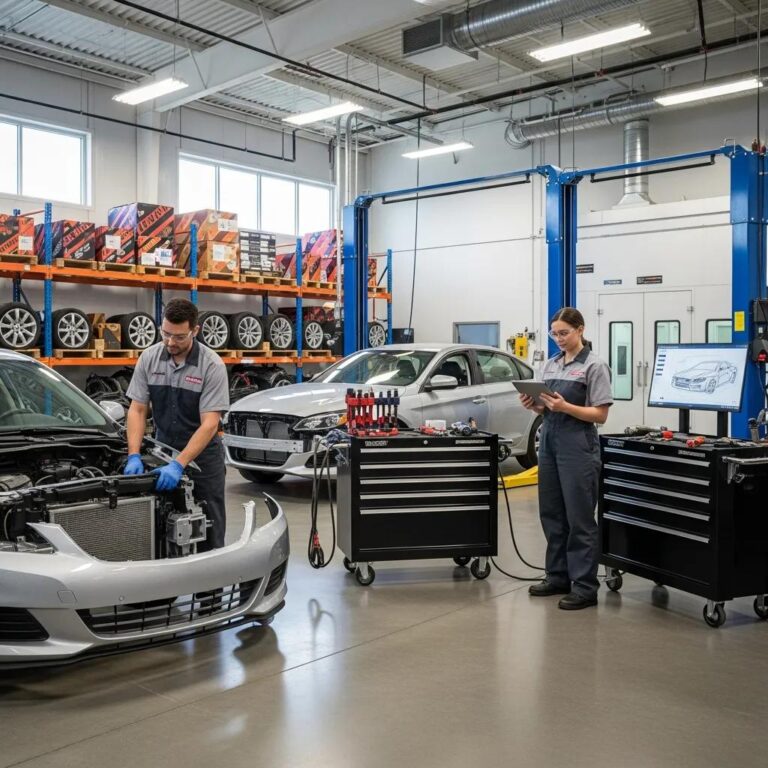
Dents can hurt how your car looks — and sometimes how it performs. In Burbank, local repairs typically fall into two paths: Paintless Dent Repair (PDR) or traditional body repair. PDR gently reshapes the metal from behind with precision rods or glue-pull tools, leaving the factory paint intact and speeding up the turnaround. Traditional repair is used when paint is cracked, metal is stretched, or parts need replacement; it includes bodywork, filler, and repainting to restore appearance and OEM safety features. This guide explains how each method works, when to pick one over the other, expected costs and timelines, and how to handle insurance and post-accident steps in Burbank. You’ll also find quick checklists, comparison tables to aid decisions, and a note on how Prime Time Collision Center helps drivers with certified technicians, OEM procedures, free estimates, and towing support.
What Is Paintless Dent Repair and How Does It Work in Burbank?
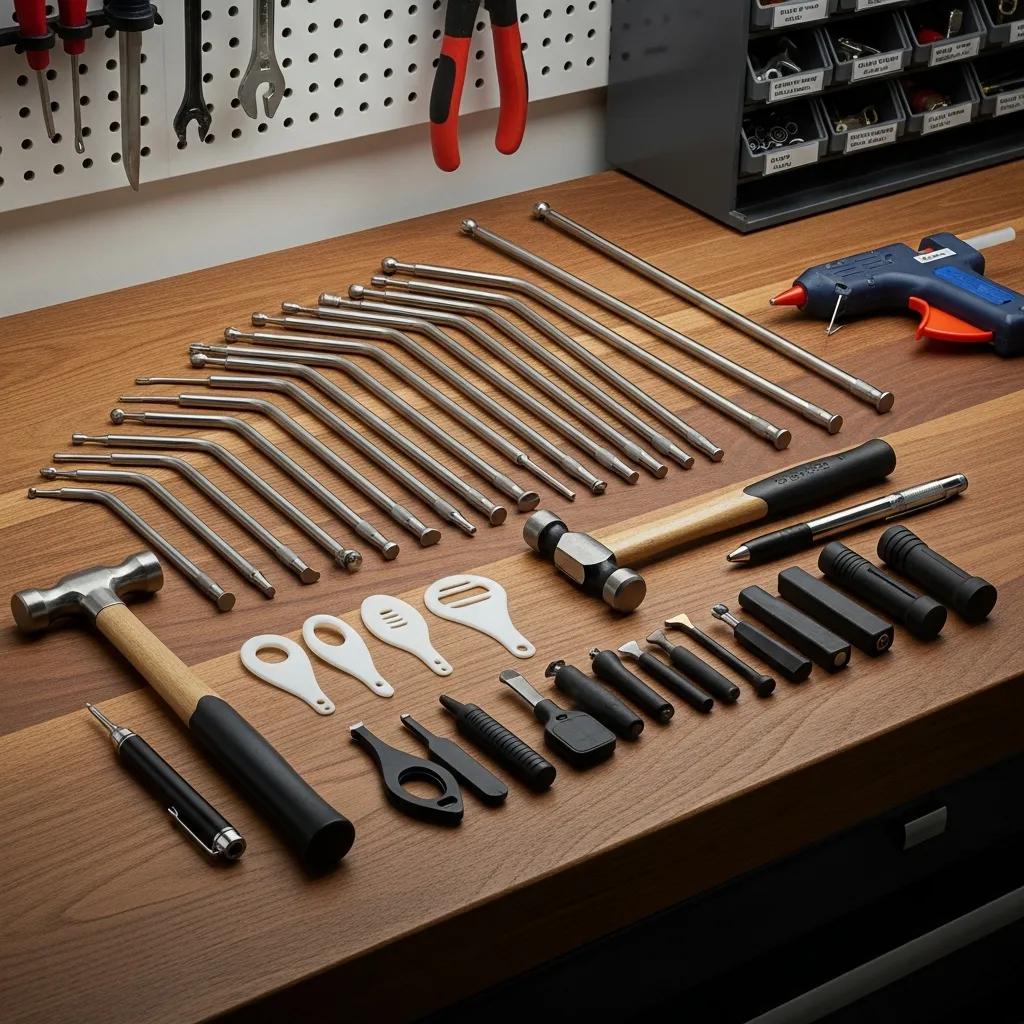
Paintless Dent Repair (PDR) fixes minor dents by working the metal back into shape from behind the panel using specialized tools. The process uses controlled pressure and tapping to restore the panel’s original contours without sanding or repainting, which preserves the factory finish and avoids added VOCs. PDR works best on aluminum and steel panels where the paint is intact and the metal hasn’t been severely stretched. Technicians check backside access, dent depth, creasing, and paint condition to decide if PDR is appropriate. When access is limited, they may combine rod work with glue-pull techniques. Knowing these basic steps helps Burbank drivers quickly see if PDR is a fast, cost-effective option for their dent repair.
When applied to the right damage, PDR produces consistent results and shortens the repair timeline compared with traditional paint-and-body workflows. Below is a quick reference that links common PDR tools to typical dent sizes and real-world applicability.
PDR Tool Reference — use this table to match dent types to common PDR techniques.
| Tool Type | Typical Dent Size | Applicability |
|---|---|---|
| Precision rods | Small dings & shallow creases (≤2 inches) | Best when backside access is available and paint is intact |
| Glue-pull tabs | Broad shallow dents and limited-access areas | Allows exterior access without removing panels |
| Tap-down / knockdown tools | Minor high spots and low-profile creases | Used for fine-tuning after main reshaping |
This table shows how common PDR approaches match typical damage and helps drivers anticipate what an estimate might include. The next section explains which dent patterns are most likely to be PDR candidates.
What Types of Dents Are Suitable for Paintless Dent Repair?
Many everyday dents in Burbank are ideal for PDR when the paint remains unbroken and the metal hasn’t been severely creased. Hail damage that leaves many small, shallow depressions across a roof or hood is often a PDR candidate because the metal still has good elasticity and technicians can work efficiently across multiple dents. Door dings from parking lots are another common PDR case: localized, shallow depressions with intact paint are typically corrected quickly without repainting. Some shallow creases can be repaired with PDR if the crease radius isn’t sharp and the paint hasn’t cracked — technicians evaluate the crease and backside access to confirm. Recognizing these patterns helps vehicle owners prioritize PDR for faster, lower-cost restoration when it’s appropriate.
What Are the Environmental and Cost Benefits of PDR?
PDR reduces environmental impact by eliminating paint, primer, and clearcoat steps that generate volatile organic compounds and sanding waste. It also typically requires fewer labor hours and no paint materials, which lowers estimates and shortens downtime compared with traditional repairs — often cutting or eliminating rental-car needs. For fleets and hail events, PDR can save significant time and money because multiple small dents can be corrected in one efficient workflow. These advantages make PDR both an eco-friendlier and budget-wise choice for many Burbank drivers, and they often speed insurance approvals and reduce out-of-pocket costs when covered. Understanding these benefits helps owners choose the most efficient repair path.
When Should You Choose Traditional Dent Repair in Burbank?
Choose traditional dent repair when the paint is cracked or peeling, when metal is visibly stretched or deeply creased, or when repair must address structural or sensor-related issues. Traditional repair can include panel replacement, metal straightening, filler and sanding, paint blending, and final reassembly — steps that restore appearance and maintain OEM alignment and safety. These methods are necessary when damage affects edge areas, safety components, or when paint blending is required to match adjacent panels. The choice between PDR and traditional repair depends on paint condition, dent severity, panel access, and safety concerns — when in doubt, a trained estimator will recommend the approach that best preserves safety and resale value.
Use this quick decision checklist to identify when traditional repair is likely required.
- Paint Damage Present: Opt for traditional repair when paint is cracked, chipped, or bubbled.
- Metal Stretching or Deep Creases: Use traditional methods if the metal shows visible stretching or severe deformation.
- Structural or Sensor Impact: Choose traditional repair when structural components or safety sensors are affected.
These points help set expectations before an estimate that may involve disassembly and paint blending. Below is a concise comparison of typical traditional repair attributes for quick reference.
Traditional Repair Attributes — compare costs, timeframe, and when traditional repair is required.
| Repair Attribute | Typical Range | When Required |
|---|---|---|
| Cost Range | Moderate to higher depending on parts & paint | Needed when paint is damaged or metal is stretched |
| Timeframe | Several days to multiple weeks | Longer when parts or paint blending are required |
| Process Complexity | Bodywork, filler, paint, reassembly | Required for structural, edge, or sensor repairs |
This table clarifies how repair time and cost scale with complexity and why traditional repair is the right choice for more serious damage. The next section outlines the step-by-step actions technicians take during traditional repairs and why OEM practices matter.
How Does the Traditional Dent Repair Process Address Major Damage?
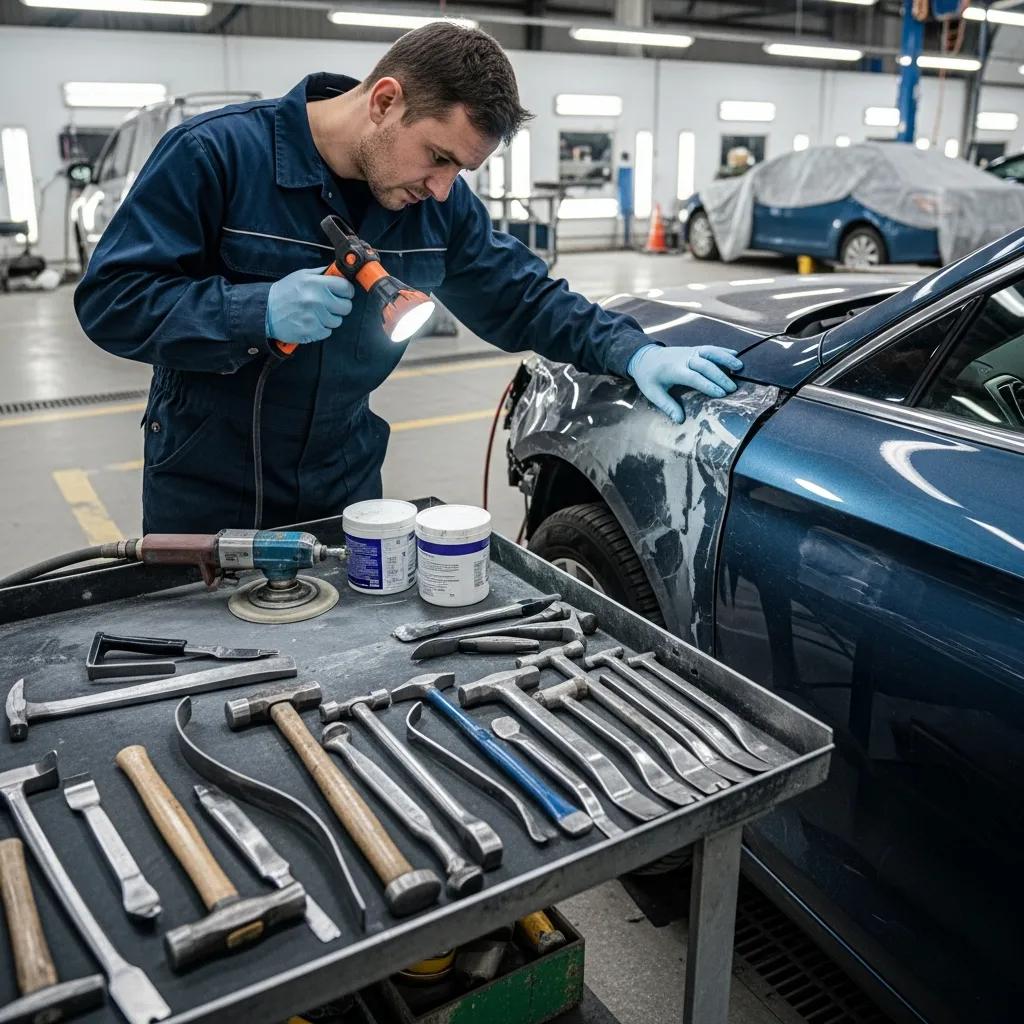
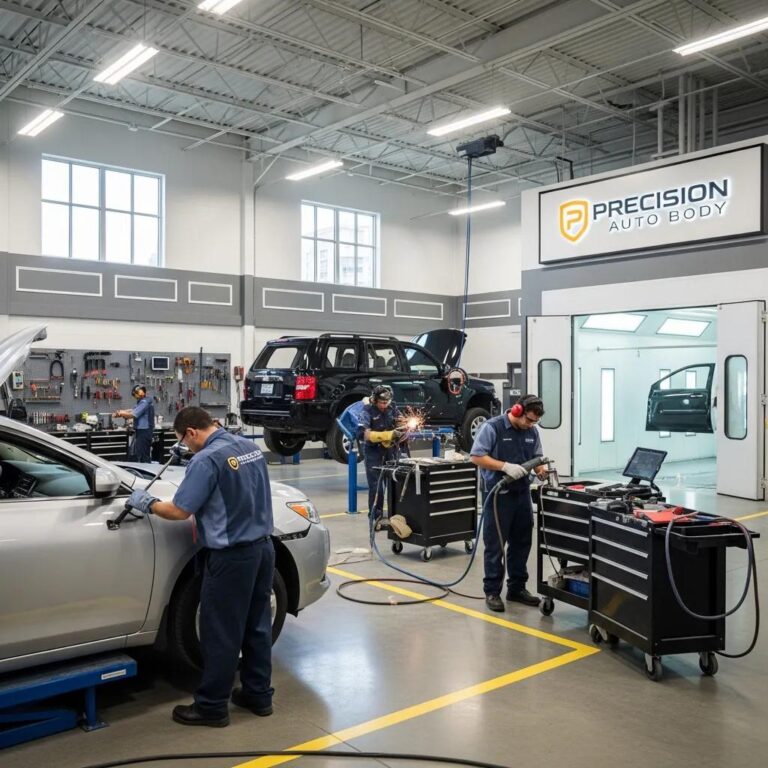
Traditional repair starts with a full inspection to find structural, mechanical, and cosmetic issues — including frame checks and sensor evaluations when needed. Technicians decide whether to repair or replace panels, remove affected parts for access, and perform metalwork (welding, hammer-and-dolly) to restore shape before applying filler for final contouring. Paint prep follows with priming, sanding, and OEM color-matching, then painting and clearcoating to achieve a factory finish and corrosion protection. The job finishes with reassembly, any necessary system recalibration, and quality assurance checks to confirm structural integrity and paint match so the vehicle meets manufacturer standards for safety and appearance.
What Are the Typical Costs and Timeframes for Traditional Dent Repair?
Costs vary based on vehicle make, parts availability, labor rates, and the complexity of paint matching; timeframes depend on paint curing, parts ordering, and insurance approvals. Major cost drivers include damage severity, OEM replacement part pricing, and paint complexity (metallic or specialty finishes). Additional work like frame alignment or sensor recalibration increases time and cost. Timelines typically range from a few days for minor panel work to several weeks for complex structural repairs or parts-dependent jobs. Because variables matter, get an in-person or digital estimate so the technician can document damage and provide an accurate price and timeline before you authorize work.
How Does Prime Time Collision Center Ensure Quality Dent Repair in Burbank?
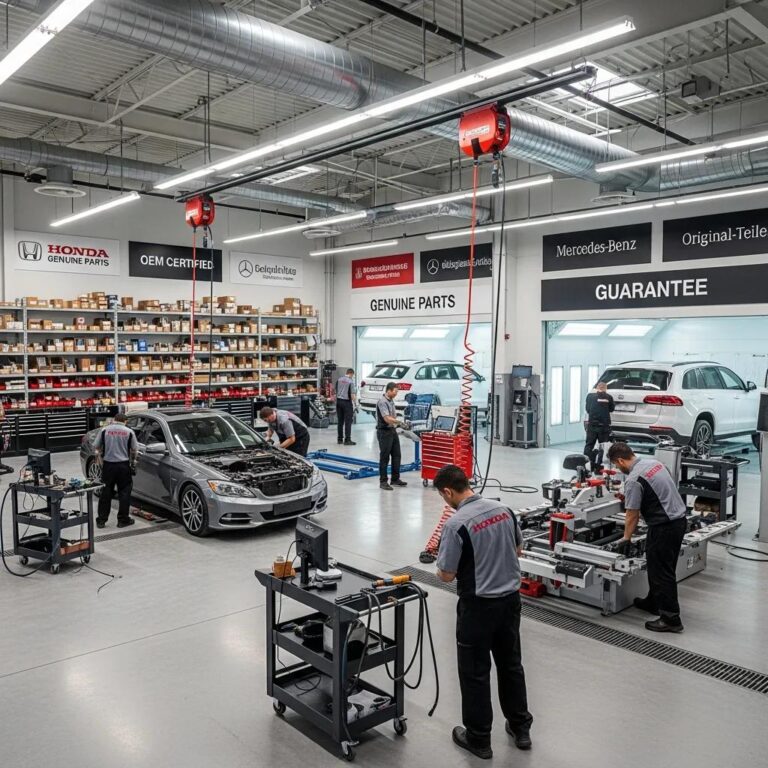
At Prime Time Collision Center, quality starts with certified technicians and OEM repair practices that prioritize safety, fit, and finish for Burbank drivers. Our facility staffs I‑CAR Platinum technicians, follows manufacturer repair procedures when parts or systems are involved, and provides free estimates plus insurance-claim assistance to help speed approvals. We match repair methods — PDR or traditional — to each vehicle’s needs with an eye toward safety and resale value, and our shop supports tow-to-shop workflows and thorough QA checks including paint-match verification and final inspections. Those processes give customers confidence that repairs are documented and performed to industry standards.
The following list highlights the core quality practices you should expect from a certified collision center.
- Certified Technicians: Skilled staff trained in current repair protocols.
- OEM Repair Standards: Procedures that preserve vehicle safety systems and fit.
- Documentation & QA: Inspections, paint‑match checks, and repair records.
These practices reduce the chance of improper repairs and protect your vehicle’s value with manufacturer-aligned work. The next sections explain why I‑CAR Platinum matters and how OEM adherence affects safety.
Why Are I-CAR Platinum Certified Technicians Important for Dent Repair?
I‑CAR Platinum certification shows a high level of training across collision-repair disciplines — refinishing, structural repairs, and vehicle systems. That training helps technicians choose the safest, most effective repair method, whether it’s determining if PDR is appropriate or when full panel replacement is required. Shops with I‑CAR Platinum certification invest in continuing education and industry best practices, which gives insurers and vehicle owners confidence in repair recommendations. This training is especially important today, when ADAS features and modern structures require precise repairs to maintain safety.
What Is the Significance of OEM Certified Repairs for Vehicle Safety?
OEM-compliant repairs follow manufacturer-prescribed techniques, parts, and tolerances to preserve crash performance, sensor function, and corrosion protection. Sticking to OEM methods reduces the risk of altering airbag timing, ADAS performance, or structural load paths — all of which affect occupant safety and liability. OEM documentation also supports resale value because buyers and insurers can see repairs were done to factory standards. For these reasons, prioritize shops that commit to OEM methods when repair complexity touches safety systems or structural components.
How Can Burbank Drivers Navigate Dent Repair Costs and Insurance Claims?
Handling dent repair costs and insurance claims is simpler when you follow a clear process: document the damage, get a free estimate, talk with your insurer, and choose the repair method that balances safety and cost. Cost drivers include dent size and location, paint condition, vehicle make, and whether parts must be replaced; eligible PDR jobs are usually at the lower end of the cost spectrum, while traditional repairs are pricier when paint or parts are involved. Before your estimate, collect photos, policy details, and vehicle info to speed approvals. Direct communication between the shop’s estimator and the insurer often shortens authorization times and clarifies whether PDR or traditional work is covered.
Below is an insurance-focused reference to show common insurer responses and recommended customer actions.
Insurance Coverage Reference — common insurer responses and recommended customer actions.
| Insurer Response | Typical Coverage | Customer Action |
|---|---|---|
| Approve PDR | May cover PDR for minor dents | Provide photos and a free estimate; request PDR approval |
| Request traditional repair | Cover when paint/structure damaged | Share a detailed estimate and OEM procedure notes |
| Need supplemental info | Additional photos or inspection required | Schedule an in-shop inspection and provide documentation |
This table shows how insurers typically evaluate PDR versus traditional repair and what you can do to speed decisions. The next section explains how to get an accurate free estimate and what to bring.
What Is the Process for Getting a Free Dent Repair Estimate?
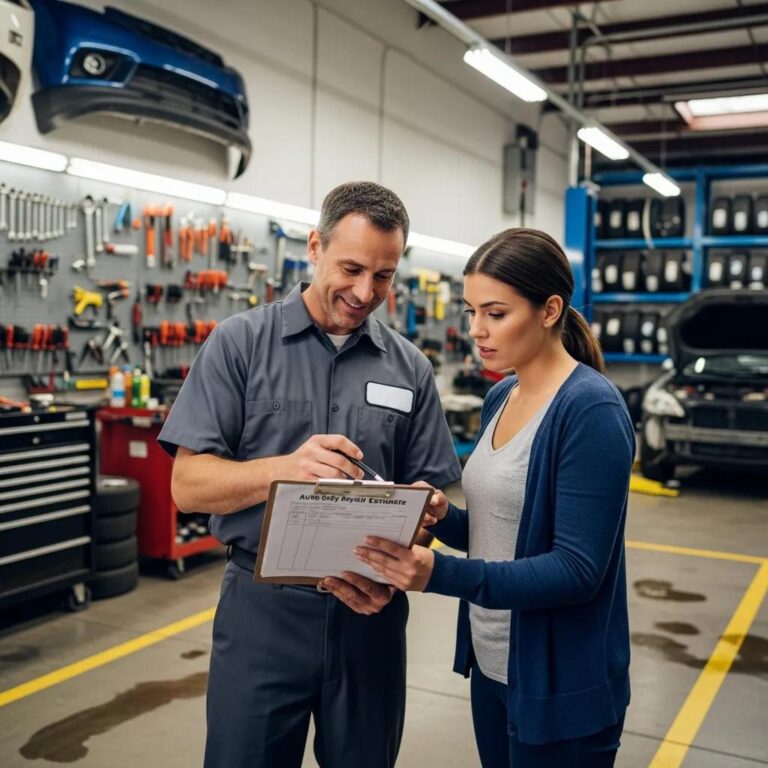
For an accurate free estimate, document the damage with clear photos from multiple angles, note where and when it happened, and have your insurance information ready if you’re filing a claim. Estimates are available in-shop or via digital tools where a technician reviews photos and recommends PDR or traditional repair. During inspection the estimator checks paint condition, panel access, and dent geometry, then prepares a written estimate outlining recommended repairs, timelines, and parts needs. Expect the estimator to explain cost drivers and next steps for scheduling or insurer coordination — providing full documentation up front speeds the whole process.
How Does Prime Time Collision Center Assist with Insurance Claims?
Prime Time helps with claims by preparing clear, documented estimates that explain recommended repair methods and parts needs, coordinating with adjusters when needed, and offering free estimates so you can compare options before authorizing work. Our certified technicians document OEM procedures to support traditional repair needs and provide the information insurers often request. We also document PDR recommendations when appropriate, and our estimators advise on expected timelines and the claim steps that avoid delays. This hands‑on support helps Burbank drivers move from estimate to repair more quickly.
What Should You Do After a Car Accident in Burbank Regarding Dent Repair?
After an accident, prioritize safety, document the scene, and gather the information you’ll need for estimates and insurance claims. Immediate steps include making sure everyone is safe, exchanging insurance and contact details, photographing vehicles and damage from multiple angles, and getting a police report if required. Once safe and documented, arrange an inspection at a certified repair facility that can evaluate visible and hidden damage and recommend PDR or traditional repair. Tow-to-shop service speeds diagnosis and helps prevent secondary damage, getting your vehicle back on the road safely sooner.
Use this numbered checklist to guide post-accident actions and prepare for repair.
- Ensure Safety: Move to a safe location and check for injuries.
- Document the Scene: Photograph vehicles, damage, and surroundings from multiple angles.
- Exchange Information: Collect names, insurance, and contact details.
- Contact Repair Shop: Arrange an inspection or tow to a certified facility.
- File Claim & Share Documentation: Provide photos and reports to your insurer.
Following these steps helps move your claim and repair forward with fewer delays and preserves the evidence insurers may need. The next section covers towing support and what to consider when choosing a repair shop.
How Does 24/7 Towing Support Help After an Accident?
24/7 towing gets your vehicle to a secure repair facility quickly, preventing further damage from weather or vandalism and allowing technicians to start inspections sooner. Fast tow-to-shop workflows let technicians spot structural issues, fluid leaks, and safety-system faults that may not be obvious at the scene, which speeds parts ordering and scheduling. Towing directly to a certified collision center also centralizes paperwork and insurer communication, reducing handoffs. When you call for a tow, share your location, vehicle details, and preferred certified shop so the operator can deliver the vehicle where you want it inspected and repaired.
What Factors Should You Consider When Choosing a Dent Repair Shop?
When picking a dent repair shop in Burbank, look at certifications, commitment to OEM repairs, insurance-handling experience, warranty terms, and examples of finished work. Choose shops that employ certified technicians, follow manufacturer procedures for complex jobs, and communicate clearly about estimates and claims. Check warranty coverage for paint and structural repairs, read reviews for consistent service, and confirm whether the shop offers digital estimates and pickup/delivery options to reduce downtime. Ask about experience with similar vehicle makes — especially luxury or aluminum-bodied cars — to make sure the shop has the right expertise.
This bulleted scoring checklist helps you compare shops side-by-side before deciding.
- Certifications & Training: I‑CAR Platinum or equivalent signals advanced training.
- OEM Alignment: Commitment to manufacturer procedures preserves safety.
- Claims Experience: Estimator communication with insurers reduces delays.
- Warranty & Transparency: Clear coverage and documented QA build confidence.
Using these criteria leads to better repair outcomes and long-term protection of your vehicle. Prime Time Collision Center is a local option that emphasizes certified technicians, OEM-quality results, free estimates, insurance assistance, and towing support to help Burbank drivers choose the right repair path and return their vehicles to factory-aligned condition.
Frequently Asked Questions
What should I do if my car has a dent but the paint is not damaged?
If the paint isn’t broken, Paintless Dent Repair (PDR) is often the best choice. PDR lets technicians restore the metal without repainting, keeping the factory finish intact. Have a certified technician inspect the dent to confirm PDR is suitable — if the dent is shallow and the metal hasn’t stretched, PDR is usually quick and cost-effective.
How can I tell if my dent requires traditional repair instead of PDR?
Look for paint damage, deep creases, or metal stretching. Cracked or peeling paint, sharp creases, or damage that affects sensors or structural parts usually needs traditional repair. A certified technician can assess the damage and recommend the safest option for your vehicle.
Are there any warranties for dent repair services?
Many reputable shops, including Prime Time Collision Center, offer warranties on repairs. Warranties typically cover workmanship and, where applicable, the paint finish. Ask about terms before you authorize work so you understand what’s covered and for how long — a solid warranty gives peace of mind if issues appear after repair.
How long does it typically take to repair a dent using PDR?
PDR timing depends on size and complexity. Small dents can often be fixed in a few hours; larger or trickier dents may take most of a day. PDR is usually faster than traditional repairs, which can take days to weeks because of painting and curing. Your estimator can give a more accurate timeframe after inspection.
Can I perform PDR myself, or should I hire a professional?
While DIY PDR kits exist, professional technicians deliver the best results. Certified techs know how to assess damage and use specialized tools without causing further harm. DIY attempts can sometimes make the damage worse and increase repair costs. For reliable results and to protect your vehicle’s value, hire a pro.
What factors influence the cost of traditional dent repair?
Costs depend on damage severity, vehicle type, parts needs, and paint complexity. Labor rates and whether structural or sensor work is required also affect price. Getting a detailed estimate from a certified technician will clarify expected expenses for your specific repair.
How can I prepare for my dent repair appointment?
Bring documentation: clear photos of the damage, insurance details, and the date/location of the incident if relevant. Arrive ready to discuss any concerns and ask questions about timelines, warranties, and parts. Being prepared helps the estimator provide a quicker, more accurate quote and speeds scheduling.
Conclusion
Choosing the right dent repair method in Burbank depends on paint condition, dent severity, and safety concerns. PDR offers a fast, eco-friendlier, and often lower-cost solution when the paint is intact; traditional repair restores appearance and safety when paint or structure is compromised. For straightforward advice, reliable estimates, and OEM‑aligned repairs, contact Prime Time Collision Center — we’ll help you find the best path to get your vehicle back to factory condition.