

Spark Plug Care: Signs of Wear, When to Replace Them, and Local Cost Guide
Keeping spark plugs in good shape is a simple, high-impact way to protect your engine’s ignition system. This guide walks you through how spark plugs work, the symptoms of worn plugs, recommended replacement windows for copper, platinum, and iridium types, and how local factors in Glendale, CA affect cost. You’ll learn to spot misfires, rough idling, and hard starts, understand why plug material matters, and see realistic price ranges and service options. We’ll also explain basic diagnostics and preventive checks, plus why timely replacement helps fuel economy, lowers emissions, and prevents further engine damage after a collision. Finally, we’ll cover how OEM‑aligned repairs and certified technicians help keep your vehicle reliable. Read on for: plug function, warning signs, replacement timing, causes of wear, local cost breakdown, and the benefits of prompt maintenance.
What Are Spark Plugs and Why Are They Essential for Engine Performance?
A spark plug is the part of your ignition system that produces the spark to ignite the compressed fuel‑air mix in each cylinder. When plugs are working properly, combustion stays consistent, fuel economy stays steady, and emissions stay lower. As plugs wear, combustion can become uneven, causing lost power, misfires, and extra strain on coils and catalytic converters. Knowing what a plug does helps you decide when to inspect or replace them—especially after a collision, when systems should be checked against OEM specs. Our certified technicians follow OEM procedures to pick the correct plug and install it properly, restoring performance and preventing related engine problems.
How Do Spark Plugs Ignite the Fuel-Air Mixture in Your Engine?
Spark plugs complete a high‑voltage path so current can jump the electrode gap and create a controlled spark inside the combustion chamber. The ignition coil boosts battery voltage into the thousands of volts, and the plug’s center electrode focuses that energy to the tip where combustion starts. The electrode gap and the plug’s insulator must be correct for reliable sparking under compression and heat; if they’re off, sparks can be weak or fail entirely. During diagnostics we check resistance, measure the gap, and inspect the tip so we can tell whether a plug needs cleaning, regapping, or replacement—and to separate plug issues from coil or injector faults.
What Are the Common Signs of Bad Spark Plugs?

Worn or failing spark plugs show up as drivability issues you can feel and that a technician can confirm with diagnostics. Catching problems early protects other ignition components and helps keep fuel economy and emissions in check. Watch for these common signs and bring your car in for inspection if you notice them.
- Engine misfire or check engine light: You may feel a sudden dip in power while accelerating and see an OBD‑II code logged.
- Rough idle and vibration: Uneven combustion can make the engine shake or sit at unstable RPMs.
- Sluggish acceleration: Loss of spark energy reduces throttle response and overall acceleration.
- Hard starts or stalling: A weak spark can lengthen crank times or cause the engine to stall after starting.
- Reduced fuel economy: Incomplete combustion burns more fuel and increases emissions.
Those symptoms narrow the likely causes, but technicians rely on OBD‑II codes, live data streams, and a physical inspection of plugs, coils, and injectors to pinpoint the root cause. Spotting patterns—like a misfire code tied to a single cylinder versus a multi‑cylinder issue—helps separate plug problems from coil or fuel delivery faults so repairs are targeted and effective.
How Does Engine Misfire Indicate Spark Plug Issues?
A misfire happens when a cylinder doesn’t combust correctly. Plugs are often the culprit when electrodes are fouled, worn, or gapped incorrectly. You’ll notice hesitation, bucking, or a sudden loss of power, and the check engine light may show codes like P0300 (random/multiple misfire) or P0301–P0308 (cylinder‑specific). Technicians check plug color and tip condition, measure gap and resistance, and may swap coils or plugs between cylinders to see if the problem follows a component. If it follows the plug, replace it; if it follows the coil, the coil or wiring likely needs attention. Methodical testing prevents unnecessary parts changes and gets the ignition system back to working together smoothly.
What Causes Rough Idle and Sluggish Acceleration Related to Spark Plugs?
Rough idle and slow acceleration result from uneven combustion—often caused by carbon build‑up, oil contamination, electrode wear, or an incorrect gap that reduce spark energy and timing precision. Deposits, oil, or fuel additives can coat electrodes and insulators, while worn electrodes need more voltage and produce unstable sparks. Those conditions lead to uneven firing that you feel as roughness and poor throttle response. If symptoms appear after collision repairs, we also check for vacuum leaks, wiring damage, or fluid contamination that can mimic plug problems to avoid misdiagnosis.
When Should You Replace Your Spark Plugs?
Replacement intervals depend on plug material, your vehicle maker’s recommendations, and how you drive—there’s no single universal timetable. Consult your owner’s manual first, but generally copper, platinum, and iridium plugs fall into different lifespan ranges. Routine inspections during tune‑ups or after an accident help catch wear early. Proactive replacement prevents misfires and protects downstream parts like the catalytic converter. The table below shows typical intervals, performance expectations, and trade‑offs for common plug types so you and your technician can make an informed choice that follows OEM guidance.
| Plug Type | Typical Lifespan (miles) | Performance / Trade-off |
|---|---|---|
| Copper spark plugs | 20,000–30,000 | Excellent conductivity and low cost; requires more frequent replacement. |
| Platinum spark plugs | 60,000–100,000 | Longer life than copper with balanced durability; common on many OEM engines. |
| Iridium spark plugs | 90,000–120,000+ | Best longevity and consistent spark energy; higher upfront cost but fewer replacements. |
That comparison explains why some vehicles keep iridium plugs longer while others use copper more often. Your owner’s manual is the final authority, and driving conditions can shorten these ranges. After collision repairs, a professional inspection confirms whether plugs still meet OEM specs or need replacement to restore ideal ignition timing and combustion.
How Do Different Spark Plug Types Affect Replacement Timing?
Copper, platinum, and iridium plugs use different electrode materials that wear at different rates, which changes how often they need replacing and how they affect engine performance. Copper gives strong conductivity at low cost but erodes faster—good for older engines or frequent tune‑ups; expect 20,000–30,000 miles. Platinum adds durability with a longer life—typically 60,000–100,000 miles. Iridium has a harder, fine tip that keeps the gap and spark steady for 90,000–120,000+ miles, though parts cost more. Balancing price, engine needs, and OEM guidance helps pick the right option—especially when restoring post‑accident reliability where correct heat range and fitment matter.
What Driving Habits and Conditions Influence Spark Plug Wear?
Your driving style and environment affect how quickly plugs wear: lots of short trips, heavy idling, towing, and stop‑and‑go traffic encourage carbon build‑up and fouling; sustained high‑load driving raises temperatures and speeds electrode erosion. Cold starts run richer mixtures and boost carbon deposits if trips don’t let the engine fully warm up. Oil or coolant contamination from leaks speeds fouling and signals bigger engine issues that shorten plug life. Knowing these factors helps you set realistic inspection intervals, and technicians consider driving history when recommending replacements during routine or post‑repair service.
What Are the Causes of Spark Plug Wear and Failure?
Spark plug failure comes from mechanical wear, heat damage, contamination, and electrical faults that reduce spark quality and combustion reliability. Common causes include carbon build‑up from rich running, oil fouling from valve cover or piston ring leaks, electrode erosion through normal wear, and thermal cracking from overheating or the wrong heat range. Electrical problems like poor grounding or damaged wiring lower spark energy, while incorrect torque or gap during installation can physically damage the plug. Finding the true cause means a visual inspection, resistance checks, and looking at related systems—coils, fuel delivery, and seals—to make sure repairs stop repeat failures.
- Carbon fouling: Soot on the electrode blocks consistent sparking and cuts combustion efficiency.
- Oil contamination: Oil on the tip points to internal leaks and speeds misfires if ignored.
- Overheating: Excess heat erodes or melts electrodes and can result from wrong heat range or detonation.
- Mechanical damage: Improper torque or debris can crack insulators or bend electrodes.
These issues often overlap—for example, overheating can speed electrode erosion while contamination hides the underlying problem. A careful diagnostic sequence isolates causes so repairs address both plugs and the systems that led to their failure.
How Does Improper Gapping and Overheating Damage Spark Plugs?
Wrong electrode gap changes the voltage needed to fire and can cause misfires, pre‑ignition, or poor combustion if it’s too wide or too narrow. Overheating shows as blistered or eroded electrodes, melted tips, or white deposits—signs the plug is running above its design temperature. Those changes upset combustion timing, increase the chance of knock or detonation, and shorten plug life; in severe cases they can damage pistons or the cylinder head. Technicians set gaps with precision tools, confirm the correct heat range per OEM specs, and check for signs of overheating or detonation so new plugs run in their intended range.
What Role Does Age and Maintenance Play in Spark Plug Longevity?
Age and regular maintenance largely determine plug life: plugs left past manufacturer intervals will collect deposits, lose electrode mass, and deliver weaker sparks that hurt performance. Simple maintenance—checking plug condition, measuring gap and resistance, replacing per plug type, and fixing oil or coolant leaks—extends life and protects nearby parts. Including plug checks in major service intervals catches wear early and prevents issues like catalytic converter damage. Replacing plugs based on condition, not just time, keeps combustion steady and reduces the chance of breakdowns or expensive repairs after a collision.
How Much Does Spark Plug Replacement Cost in Glendale, CA?
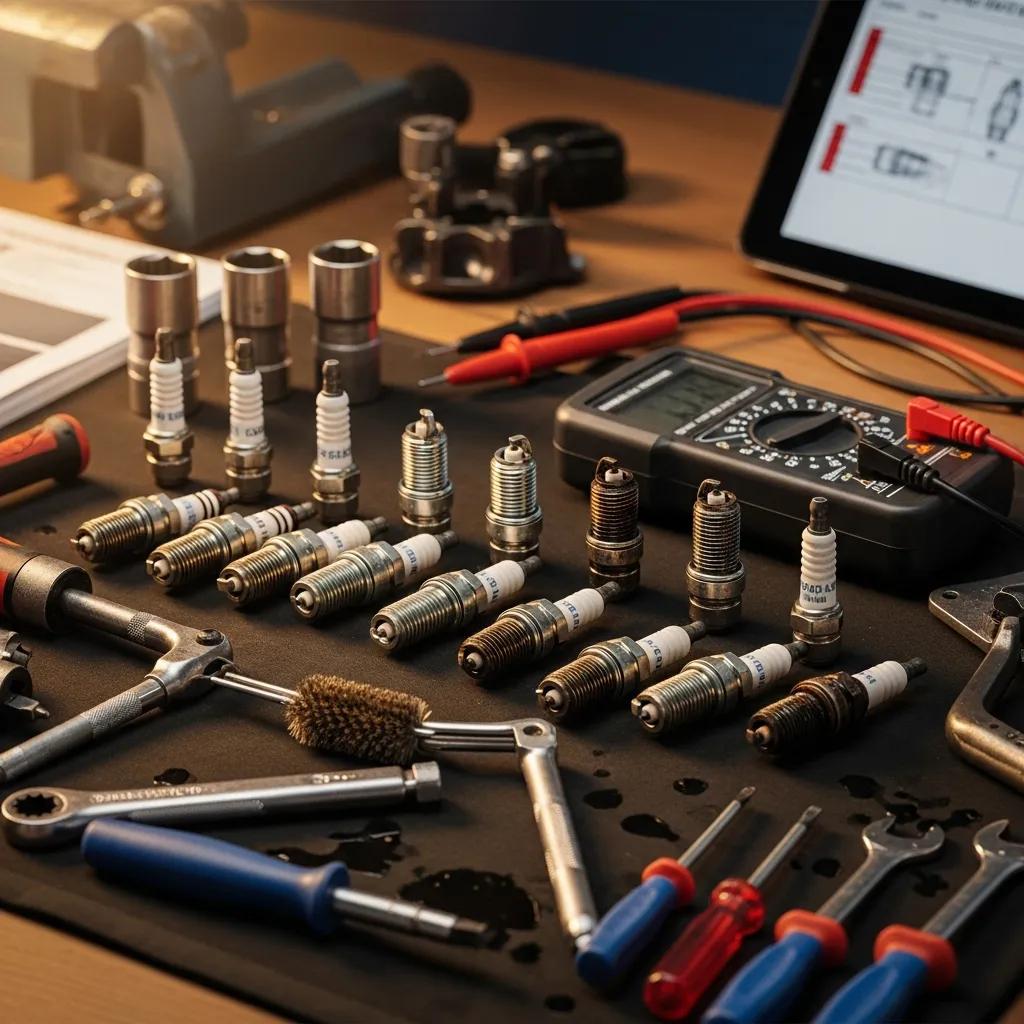
Local replacement cost varies with plug type, engine layout, and how long it takes to reach the plugs. The table below outlines the main price drivers—parts, labor, and complexity—and typical local ranges to help estimate costs for compact, mid‑size, and performance vehicles. For an exact price, a technician will inspect your vehicle and provide a clear, itemized estimate separating parts and labor.
| Cost Component | Typical Attribute | Local Range / Impact |
|---|---|---|
| Parts cost | Plug material and brand | $5–$30 per plug (copper lower, iridium higher) |
| Labor hours | Accessibility and engine layout | 0.5–3.5 hours; more for V6/V8 or engines with coil‑on‑plug setups |
| Vehicle complexity | OEM part needs, turbo or timing covers | Raises labor and parts cost; luxury/performance vehicles typically higher |
Those elements combine into local price ranges: compact cars typically cost less because plugs are easier to access, while AWD, luxury, and performance engines have higher labor and parts costs due to complex layouts. For a precise quote, bring your vehicle in for an inspection and a transparent estimate that details parts and labor.
What Factors Influence the Cost of Spark Plug Replacement?
Final price depends on plug material (copper vs. iridium), how many cylinders need service, whether ignition coils must be replaced, and how accessible the plugs are. Extra diagnostics—compression checks, coil testing, or repairing oil/coolant leaks—will add cost but prevent repeat visits and protect downstream parts. Labor rates and shop certifications also affect pricing; collision repair shops that handle insurance work often include diagnostic steps to ensure OEM‑spec replacements. Always ask for an itemized estimate so you can see parts selection, labor time, and any recommended follow‑ups that keep your engine healthy long term.
- Parts selection: Higher‑end iridium plugs cost more up front but usually last longer.
- Labor complexity: Deep‑seated plugs or obstructed access increase mechanic hours.
- Related repairs: Replacing coils or fixing leaks raises total cost but is often necessary for a lasting fix.
Because of these variables, professional inspection beats guessing at home—an itemized approach reduces the chance of a recurring problem and clarifies whether a plug change alone will fix the symptoms.
Why Choose Prime Time Collision Center for Spark Plug Maintenance?
At Prime Time Collision Center we focus on OEM‑quality repairs and certified technicians to restore vehicle systems to manufacturer standards—especially after incidents that may affect ignition components. Our team includes I‑CAR Platinum certified technicians who follow OEM procedures, assist with insurance claims, and offer free 24/7 towing and estimates to simplify post‑accident service. We back our repairs with a lifetime warranty and run diagnostics to confirm correct plug selection and installation so your drivability and long‑term engine health are protected. Drivers in Glendale, Burbank, Pasadena, and Los Angeles can rely on our documented repair process, transparent estimates, and warranty support.
What Are the Benefits of Timely Spark Plug Replacement?
Changing worn spark plugs on schedule delivers clear benefits: better fuel economy, smoother acceleration, lower emissions, and less risk of secondary damage like catalytic converter failure. Timely replacement keeps idle steady, restores throttle response, and ensures efficient combustion so you use less fuel and produce fewer pollutants. Economically, swapping plugs before they cause misfires prevents costlier repairs; environmentally, better combustion reduces hydrocarbons and NOx. The table below links benefits to measurable outcomes so owners can weigh preventive service against the cost of delay.
| Benefit | Measurable Outcome | Typical Impact |
|---|---|---|
| Improved fuel economy | Fewer unburned hydrocarbons | 1–3% fuel savings (varies by condition) |
| Reduced emissions | More complete combustion | Lower tailpipe hydrocarbons and CO |
| Enhanced reliability | Fewer misfires and stalls | Reduced risk of converter damage |
| Better drivability | Smoother idle and acceleration | Improved daily driving experience |
These results show why timely plug care keeps small problems from growing into expensive repairs and helps the environment by maintaining efficient combustion. For vehicles repaired after collisions, OEM‑aligned replacements and complete diagnostics make sure those benefits last.
How Does Regular Spark Plug Maintenance Enhance Vehicle Reliability After an Accident?
After a collision, checking the ignition system—including the spark plugs—reveals hidden damage, contamination, or misalignment that could cause problems later. Our technicians inspect plug condition, wiring, coils, and engine mounts for impact damage or fluid intrusion, and run code and cylinder performance tests. Addressing plugs during post‑collision repairs prevents intermittent misfires that might otherwise appear after initial work, protects catalytic converters from unburned fuel, and restores predictable engine behavior. Adding spark plug checks to the collision repair checklist reduces the chance of repeat visits and helps deliver a durable performance restoration.
What Environmental and Economic Advantages Come from Proper Spark Plug Care?
Good spark plug maintenance cuts fuel waste and emissions, offering both environmental and economic benefits—especially for high‑mile or leased vehicles. Fuller combustion lowers unburned hydrocarbons and carbon monoxide, improving tailpipe emissions and reducing your vehicle’s environmental footprint. Economically, keeping plugs in shape avoids higher costs from damaged catalytic converters or additional ignition part replacements, and small fuel savings add up over thousands of miles. Regular maintenance supports emissions compliance and helps fleets and individual owners predict operating costs more reliably.
- Routine inspection prevents small issues from becoming costly repairs.
- Choosing OEM‑spec plugs preserves emissions performance and warranty compliance.
- Timely replacement improves fuel economy and drivability, saving money over time.
These practical outcomes show why spark plug checks belong in scheduled maintenance and post‑repair inspections. Pair preventive service with OEM parts and certified workmanship for the best long‑term results. If you need diagnostic help, OEM‑spec replacements, insurance coordination, free estimates, or lifetime‑warranty repairs, our I‑CAR certified facility is here to help.
Frequently Asked Questions
1. How can I tell if my spark plugs need cleaning instead of replacement?
If you notice rough idling or weaker acceleration, dirty plugs could be the cause. Technicians can sometimes clean plugs to remove carbon deposits and restore performance, but if the electrodes are heavily worn or damaged, replacement is the right choice. Regular inspections determine whether cleaning is sufficient or if new plugs are required—saving you money without sacrificing reliability.
2. Can I replace spark plugs myself, or should I hire a professional?
Replacing spark plugs can be a DIY job for someone with mechanical experience, the right tools, and patience. However, we recommend a professional for most people. Certified technicians ensure correct gapping, proper torque, and full diagnostics to catch related issues like coil failure or fuel delivery problems—helping avoid future headaches and extra expense.
3. What is the impact of using the wrong type of spark plug?
Using the wrong spark plug can cause poor performance, higher emissions, and even engine damage. Engines expect specific plug materials and heat ranges; wrong plugs may not seat or operate properly, leading to misfires or overheating. Always follow your owner’s manual or consult a professional to match plugs to your engine’s specs.
4. How do I know if my spark plugs are compatible with my vehicle?
Check your owner’s manual or manufacturer specs for the correct plug type, heat range, and gap. Many parts retailers also offer online lookup tools where you enter make, model, and year to find compatible plugs. Verifying compatibility is key to preserving engine performance and longevity.
5. What should I do if my check engine light is on and I suspect spark plug issues?
If the check engine light comes on and you suspect plugs, get a diagnostic scan as soon as possible. OBD‑II codes point to misfires and other ignition issues. A qualified technician can read codes, inspect the plugs, and recommend the right repairs or replacements to prevent further engine damage and restore reliable operation.
6. Are there any specific brands of spark plugs that are recommended?
Reputable brands like NGK, Bosch, and Denso are common recommendations, but the best choice depends on your vehicle and driving needs. The priority is to pick plugs that meet OEM specifications. Talk with a technician if you’re unsure which brand suits your car best.
7. How often should I have my spark plugs inspected?
Have your plugs checked at least once a year or during regular service intervals, such as tune‑ups or oil changes. If you drive in heavy traffic, tow frequently, or face extreme temperatures, inspect them more often. Regular checks catch wear early and let you replace plugs before they cause performance or emissions problems.
Conclusion
Regular spark plug care keeps your engine running smoothly, improves fuel efficiency, and reduces emissions. By spotting the signs of wear and following sensible replacement timing, you can avoid costly repairs and maintain reliable operation. Prioritize OEM‑aligned parts and professional inspections to protect long‑term vehicle health. Schedule a spark plug inspection with our team today and keep your engine performing at its best.