

How to File an Auto Body Insurance Claim — A clear, step‑by‑step guide to the collision repair process
After an accident, filing an auto body insurance claim can feel overwhelming. Knowing the right steps helps you get the coverage and repairs you’re entitled to — faster and with less stress. This guide walks you through the claims process from the first actions at the scene to deductibles, picking the right repair shop, OEM‑certified repairs, and what to do if your claim is denied. Follow these practical tips to avoid delays and get your vehicle back on the road sooner.
What Are the First Steps After a Car Accident to Start Your Insurance Claim?
Right after a crash, taking a few clear, correct steps sets the tone for your claim. The actions you take in the minutes and hours after the accident can affect how smoothly your repairs and payout move forward.
How to Document Vehicle Damage and Accident Details Effectively

Good documentation is the foundation of a solid claim. Take wide shots of the scene, close‑ups of all damage, and photos that show license plates and the surrounding area. Write down the time, date and exact location, and collect names and contact details for witnesses. If police attend, get the report number. Clear photos and accurate notes help your adjuster understand what happened and speed up approvals.
When and How to Contact Your Insurance Company to Report the Claim
Reach out to your insurer as soon as it’s safe to do so. Have your policy number handy and be ready to describe the who, what, when and where. Tell them you have photos, witness info or a police report if applicable. Prompt reporting gets your claim into the system sooner and helps avoid unnecessary delays.
How Does Understanding Your Auto Insurance Deductible Affect Repair Costs?
Knowing your deductible tells you what you’ll pay out of pocket for repairs and helps you plan the next steps.
What Is a Car Insurance Deductible and How Does It Work?
Your deductible is the fixed amount you pay before your insurer covers the rest. For example, with a $500 deductible on a $2,000 repair bill, you pay $500 and the insurer covers $1,500. Being clear on your deductible helps you decide whether to use insurance for smaller repairs or pay out of pocket.
Collision vs. Comprehensive Deductibles: What You Need to Know
Collision and comprehensive cover different types of damage. Collision applies when your vehicle is damaged in an accident with another vehicle or object. Comprehensive covers non‑collision incidents like theft, vandalism, or weather damage. Check both deductible amounts on your policy so you know what to expect depending on the situation.
How to Choose the Right Auto Body Shop for Your Insurance Repairs

Selecting the right collision repair shop matters — quality repairs affect safety, warranty status and your vehicle’s value.
What Are Your Rights Regarding Repair Shop Selection in California?
In California you have the right to pick the shop that will repair your vehicle, even if your insurer suggests a different facility. Don’t feel pressured. Read reviews, ask for recommendations, and choose a shop with the certifications and customer feedback you trust.
Why Choose an I-CAR Platinum Certified and OEM Certified Collision Repair Shop?
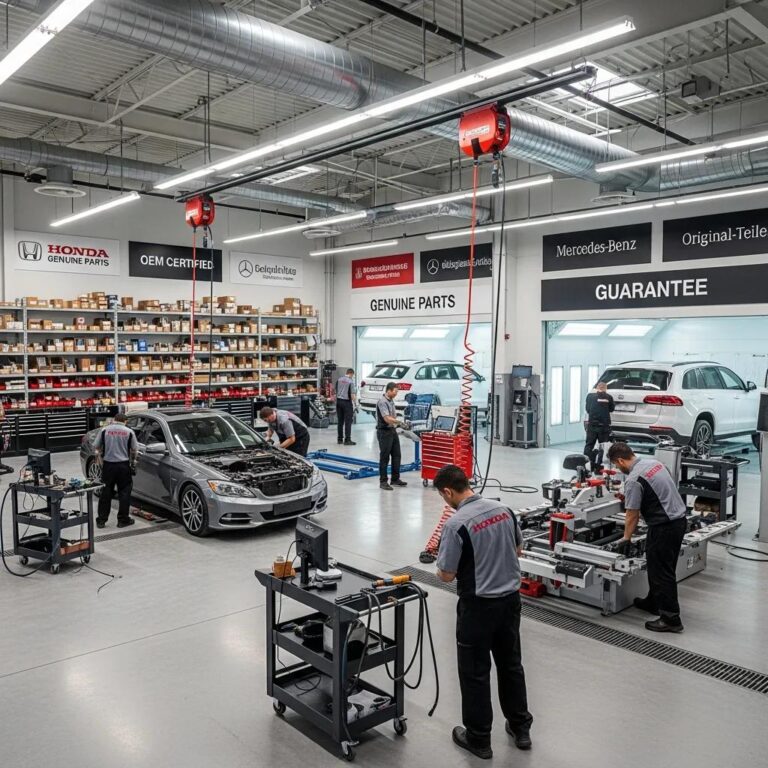
Choosing an I‑CAR Platinum and OEM‑certified shop means your vehicle is repaired to strict industry and manufacturer standards. Those certifications show technicians are trained on the latest procedures and safety practices — which helps restore your vehicle to its pre‑accident condition.
What Is the Step-by-Step Auto Body Insurance Claims Process for Collision Repairs?
Knowing the typical claims flow for collision repairs helps you avoid surprises and keeps the process moving.
How Are Repair Estimates and Damage Assessments Handled?
After you report the claim, your insurer often sends an adjuster to inspect the vehicle. The adjuster will compare the shop’s repair estimate with their findings and determine what the insurer will cover. Make sure estimates list parts, labor and procedures clearly so adjustments are straightforward.
What Role Does the Insurance Adjuster Play in Your Claim?
The adjuster investigates the accident, documents damage and recommends the payout. Keep the conversation open: share your photos, ask for clarification on any line items, and give your shop contact information so they can coordinate directly when needed.
How Do OEM Certified Repairs Impact Your Insurance Claim and Vehicle Safety?
OEM‑certified repairs help maintain your vehicle’s engineered safety, fit and finish — and often make claims and warranty matters simpler.
What Are the Benefits of Using OEM Parts vs. Aftermarket Parts?
OEM (Original Equipment Manufacturer) parts match the original specifications for fit and function. That can preserve safety systems and vehicle performance in ways aftermarket parts sometimes do not. OEM parts also help maintain resale value because future buyers see repairs were done to factory standards.
How Do OEM Certified Repairs Affect Your Vehicle Warranty and Resale Value?
Many manufacturers require repairs be done with OEM parts and approved procedures to protect warranty coverage. Documented OEM repairs also give buyers confidence at resale, which can support your vehicle’s value down the line.
What Can You Do If Your Auto Body Insurance Claim Is Denied or Disputed?
If your claim is denied or disputed, a calm, organized response improves your chances of a favorable outcome.
Common Reasons for Claim Denial and How to Avoid Them
Claims are often denied for missing documentation, policy exclusions, or late reporting. Avoid problems by documenting the scene, keeping records, and understanding your policy limits and exclusions ahead of time.
How to Dispute an Insurance Decision and Seek Resolution
If your claim is denied, start by reviewing the denial letter and gathering any additional evidence you have. Ask your insurer for a detailed explanation and request a re‑review. If that doesn’t resolve it, consider getting an independent estimate, speaking with a supervisor, or consulting a consumer advocate or attorney for next steps.
Frequently Asked Questions
What should I do if my insurance company suggests a repair shop I don’t trust?
You can choose your own repair shop. If the insurer recommends a shop you don’t trust, research local options, read reviews and ask friends or family for referrals. Tell your insurer which shop you want to use — they can’t force you to go somewhere you don’t want to.
How can I expedite the claims process after an accident?
Act quickly: take clear photos, collect witness and police information, and report the claim right away. Provide organized documentation to your adjuster and follow up if you haven’t heard back. Being prepared and responsive helps move the claim along faster.
What happens if I disagree with the insurance adjuster’s damage assessment?
If you disagree, get a detailed repair estimate from a trusted shop and share it with your insurer. Ask for a re‑inspection or a second opinion from an independent adjuster. Clear, documented evidence makes it easier to reach an agreement.
Are there any costs associated with disputing a denied claim?
Disputing a denial can involve costs, such as getting an independent estimate or legal advice. Weigh those expenses against the potential benefit of the claim payout. In many cases a clear, documented appeal or a supervisor review resolves the issue without significant cost.
How can I ensure my repairs are covered under my warranty?
Use OEM parts and certified repair procedures, and keep detailed records of every repair. Review your vehicle warranty terms so you understand any requirements. Proper documentation and certified repairs help preserve warranty coverage.
What should I do if my claim is taking longer than expected?
Contact your adjuster for a status update and ask if any documents are missing. If progress stalls, request escalation to a supervisor. Staying proactive and keeping all communications documented usually helps speed things up.
Conclusion
Handling an auto body insurance claim doesn’t have to be stressful. With the right documentation, a trusted repair shop and clear communication with your insurer, you’ll protect your safety and your investment. If you need help, reach out to experienced repair professionals or consult additional resources — and start the process with confidence.