Auto Body Repair Costs — What Every Vehicle Owner Should Know to Decide Confidently
Repairing a vehicle isn’t just about parts and paint — it’s about understanding the factors that drive the final bill. When you know what influences cost, you can choose repairs that protect your safety and your wallet. This guide walks through the main cost drivers — damage type and severity, parts choices, labor, and insurance — and explains how to get a reliable estimate. Read on and you’ll finish with a clear sense of what to expect when your car needs bodywork.
The automotive aftermarket is a complex ecosystem — many players affect how and where repairs get done, and that influences price and availability.
Who’s Involved in the Automotive Aftermarket — and Why It Matters for Repair Costs
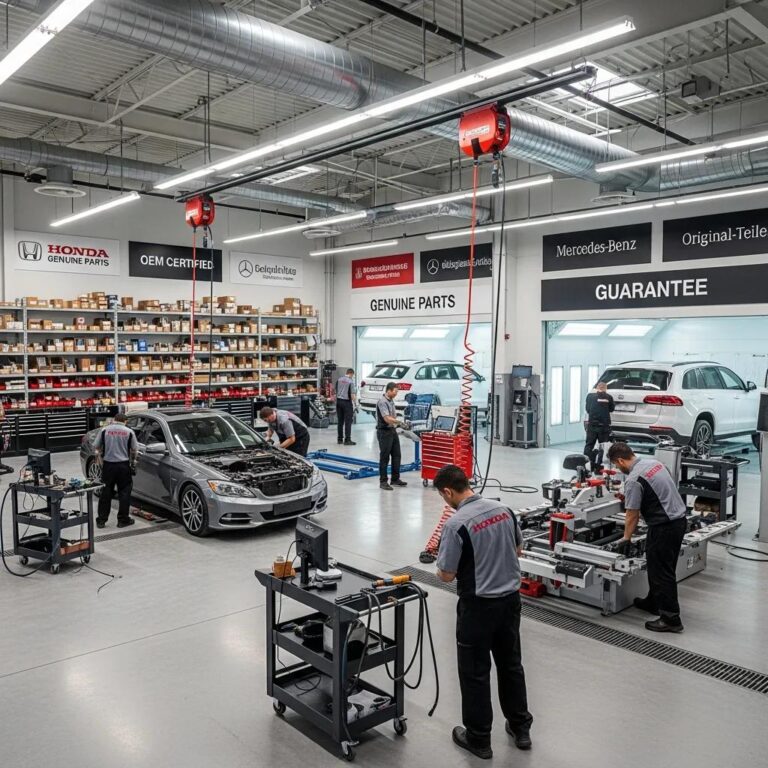
The automotive aftermarket brings together a wide range of players: vehicle manufacturers, parts makers, garage- and testing-equipment firms, distributors and retailers, jobbers and e-commerce sellers, insurers, leasing and fleet companies, repair shops, body shops, and data providers. Each stakeholder influences part availability, pricing, and repair workflows — all of which shape the final cost to the vehicle owner.
Automotive Aftermarket: Introduction to a Global Business, 1918
What Are the Key Factors Affecting Auto Body Repair Prices?
Several clear factors determine what you’ll pay for auto body repairs. Knowing these lets you set realistic expectations and compare repair options with confidence.
How Does Damage Type and Severity Influence Repair Costs?
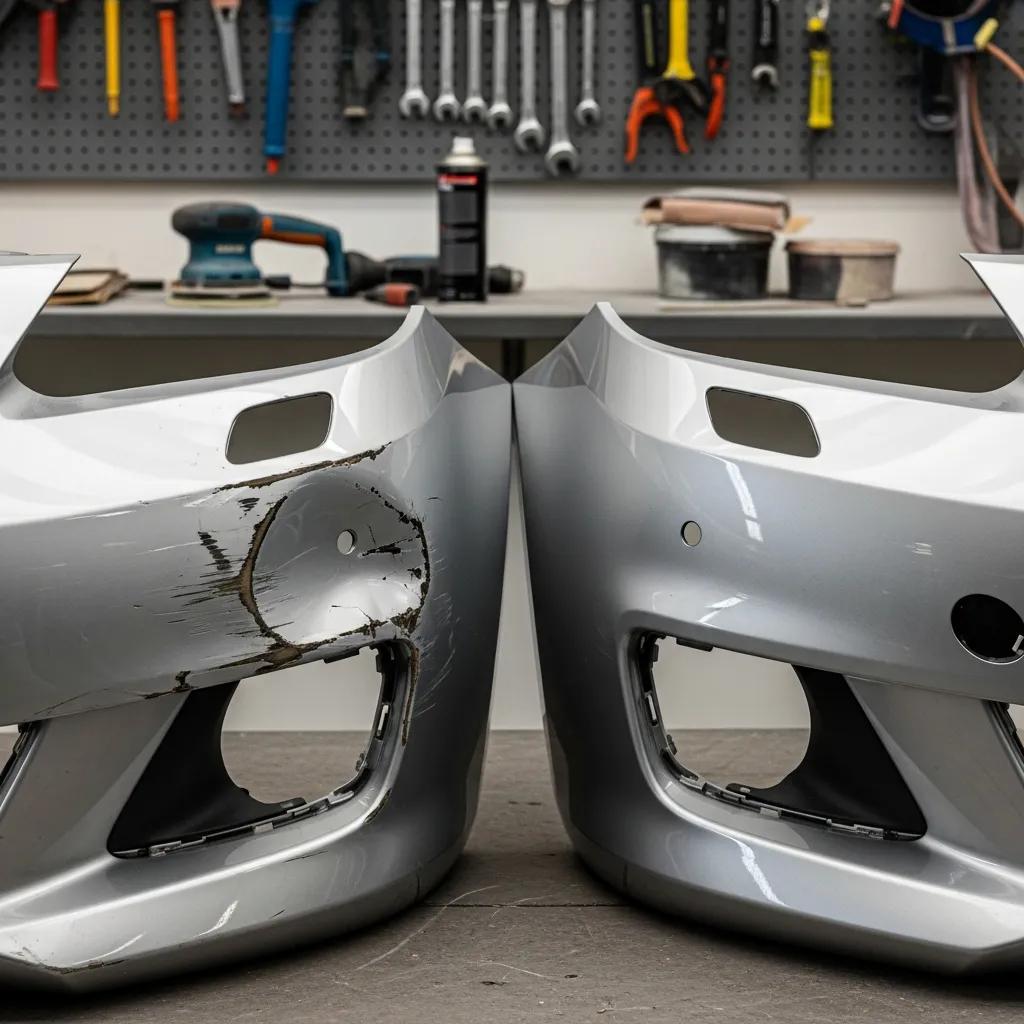
Simple surface problems — small dents, minor scrapes — usually require less time and fewer parts, so they cost less. Structural or extensive collision damage takes more labor, specialized tools, and sometimes replacement components, pushing costs higher.
For context: a straightforward bumper repair can run around $500, while significant frame or collision repairs can reach $4,000 to $6,000 or more, depending on damage and required work.
What Role Do Vehicle Make, Model, and Age Play in Pricing?
Your vehicle’s brand, model, and how old it is all matter. Luxury cars often need pricier OEM parts and specialized technicians. Older vehicles can hide additional issues or need more extensive restoration, which raises labor and parts costs.
As an example, a minor repair on a luxury sedan might cost $1,200 to $1,500, while the same minor damage on a standard sedan could be closer to $800 to $1,000.
How Do OEM Parts Compare to Aftermarket Parts in Repair Costs and Quality?
Choosing between OEM (Original Equipment Manufacturer) parts and aftermarket options affects price, fit, and sometimes safety.
What Are the Cost Differences Between OEM and Aftermarket Parts?
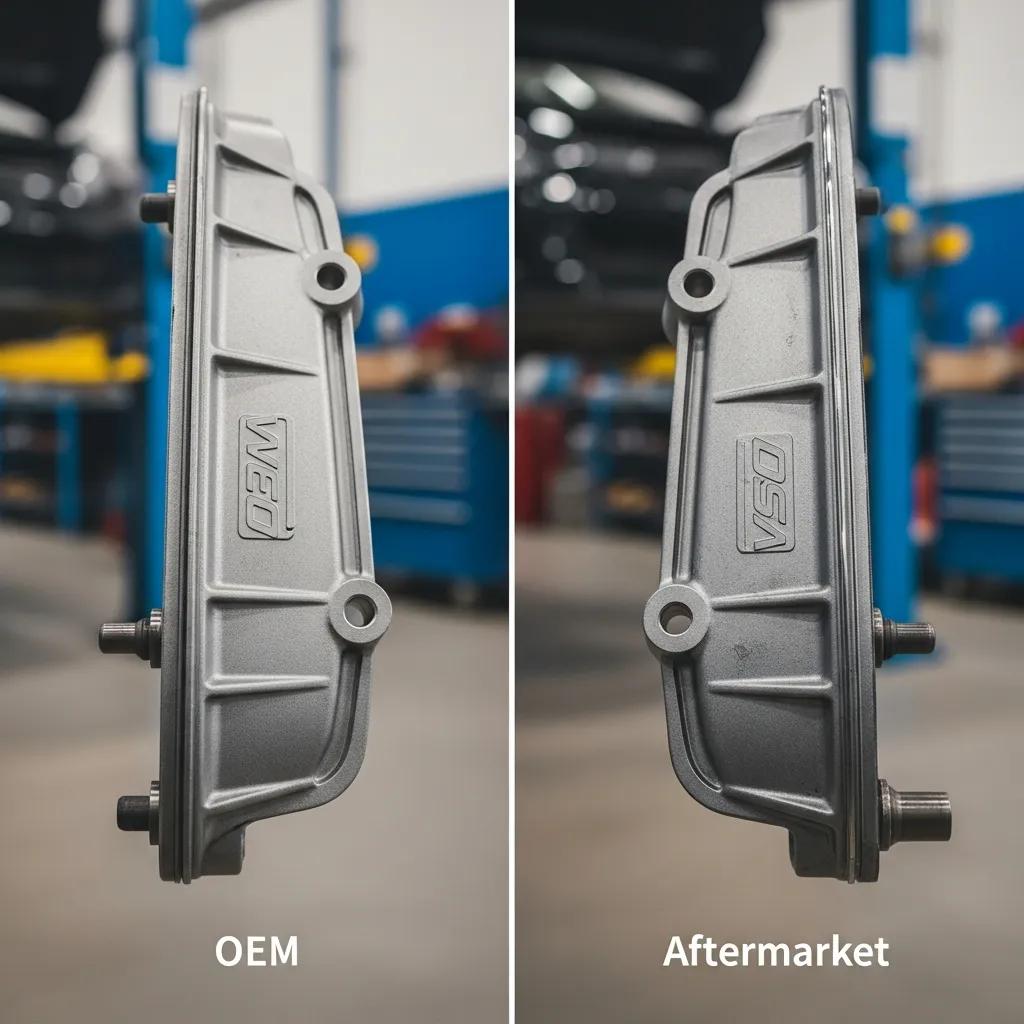
OEM parts generally cost more because they’re made to original factory specs. Aftermarket parts can offer savings but can vary in fit and finish depending on the manufacturer.
For example, an OEM bumper for a specific model may cost about $1,000 to $1,200, while an aftermarket alternative might be $500 to $700.
Why Choose OEM Certified Repairs for Safety and Warranty Benefits?
OEM-certified repairs help preserve safety features and warranty coverage because parts and procedures match the original build. Some insurers and vehicle warranties also require OEM parts for certain claims — an important consideration when deciding what to use for repairs.
Choosing OEM-certified work gives you greater assurance that repairs meet factory standards and that warranty protections remain intact.
How Do Labor Rates and Certified Technicians Impact Auto Body Repair Expenses?
Labor and technician skill are major components of repair cost — they determine how long a job takes and how well it’s done.
What Are Typical Labor Rates in Glendale, CA, and Surrounding Areas?
In Glendale, CA, typical labor rates for auto body work fall between $100 and $160 per hour. Rates vary by location, shop reputation, and the complexity of the job.
A well-known shop with a track record for quality will usually charge more than a small or newer shop, which may price lower to attract customers.
How Does Technician Certification Affect Repair Quality and Cost?
Certified technicians bring training and experience that often leads to more reliable repairs — and that expertise usually comes at a higher hourly rate. While certified work can cost more up front, it can reduce the chance of follow-up issues.
For example, a repair handled by certified techs might total $1,200 to $1,500, whereas a similar repair by non-certified staff could be $800 to $1,000, with potential differences in long-term quality.
What Is the Role of Insurance in Auto Body Repair Costs?
Insurance affects how much you pay out of pocket and which repair options are available to you.
How Do Deductibles and Coverage Affect Your Out-of-Pocket Expenses?
Your deductible and the specifics of your policy determine your immediate cost at repair time. Knowing your coverage helps you plan and avoid surprises.
For example, with a $500 deductible on a $2,000 repair, you would pay the $500 and your insurer would cover the remaining $1,500.
How Can Prime Time Collision Center Assist with the Insurance Claims Process?
Prime Time Collision Center helps customers navigate insurance claims and works with carriers to speed approvals and clarify coverage. With over 15 years of experience, we guide you through paperwork and communication so repairs start sooner and run smoother.
Our experience handling claims can take stress off your plate and help get your vehicle back on the road faster.
How Can Vehicle Owners Get an Accurate Auto Body Repair Estimate?
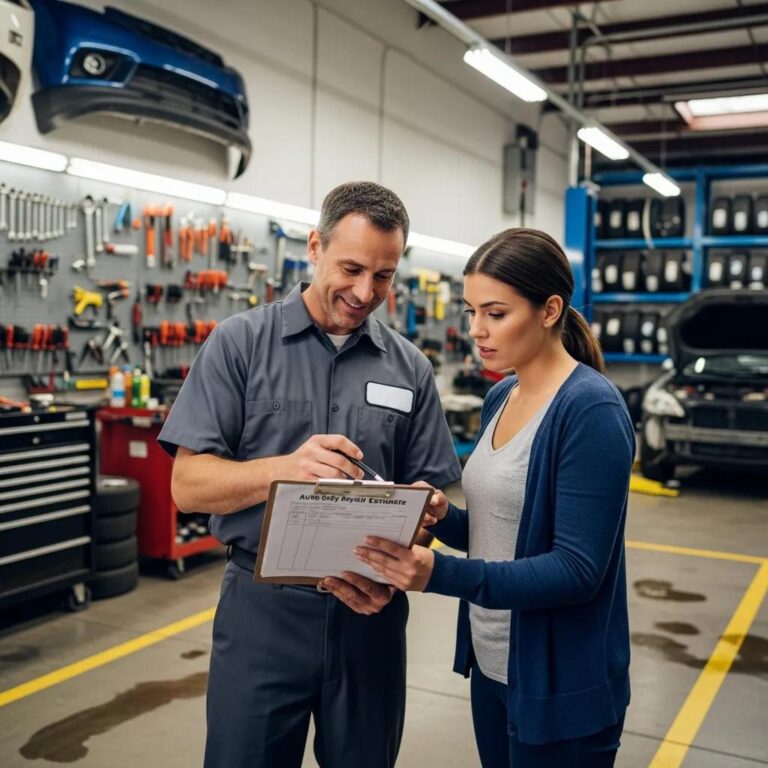
A clear, detailed estimate is the best way to know what a repair will cost and why.
What Is Included in a Free Detailed Repair Estimate?
A thorough estimate breaks down every part of the job so you understand the numbers. That transparency prevents surprises and makes comparing shops easier. A typical detailed estimate includes:
- Labor Costs: Estimated hours to complete repairs multiplied by the shop’s hourly rate.
- Parts Costs: Prices for OEM or aftermarket parts needed to complete the work.
- Additional Fees: Any extra charges such as disposal fees, taxes, or shop supplies.
How Are Hidden Damages and Advanced Diagnostics Accounted For?
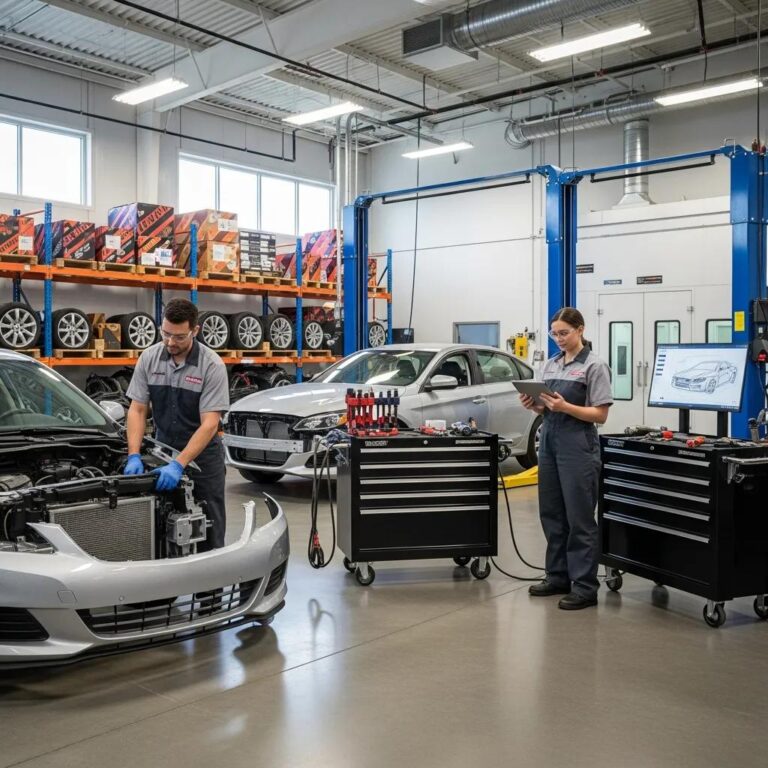
Hidden damage — like unseen frame issues or internal component damage — can add to the final bill. Shops that use advanced diagnostic tools and thorough inspections can identify these issues early and include them in the estimate.
For example, diagnostic checks may reveal frame damage that’s not visible at first glance, letting the shop include necessary repairs in the initial estimate rather than surprise you later.
Choosing a bodyshop that matches the repair type — and using smart shop selection — can improve cost-effectiveness and accuracy when complex or specialized repairs are needed.
Optimizing Repair Costs by Matching Damage to the Right Bodyshop
Vehicle damages vary and bodyshops have different specialties. Right now, repairs are often assigned based mostly on distance from the customer, which isn’t always the most cost-effective match. Research suggests routing repairs to the most appropriate shop for a given damage and context can lower overall costs and improve outcomes.
Optimized Vehicle Repair Cost by Means of Smart Repair Distribution Model, CR Rivero, 2018
What Are the Recent Industry Trends and Cost Statistics for Auto Body Repairs?
Keeping up with industry trends helps you budget and choose the right repair strategy.
How Have Repair Costs and Labor Rates Changed from 2023 to 2026?
Industry data shows repair costs have risen about 10–15% from 2023 to 2026, driven largely by higher labor rates and increased OEM part prices. That’s why planning and getting detailed estimates matter more than ever.
Why Do Electric Vehicles Typically Have Higher Repair Costs?
Electric vehicles often cost more to repair because of specialized components like battery packs and electric drivetrains, plus the special training and safety protocols required to service them. Repairs involving these systems tend to be pricier than comparable work on traditional vehicles.
This summary shows the main levers that change repair costs so you can compare estimates and ask the right questions.
Understanding what affects auto body repair pricing — from damage type to parts and labor — empowers you to make choices that protect value and safety. Get clear estimates, ask about parts and warranties, and choose a shop with the right experience for your vehicle. That approach makes the repair process predictable and fair.
Frequently Asked Questions
What should I consider when choosing an auto body shop?
Look for a strong reputation, clear warranties, and the right certifications for your vehicle. Check customer reviews, ask about the shop’s experience with your make and model, and confirm they provide transparent, itemized estimates. Shops that use modern diagnostic tools and stand behind their work offer the most reliable results.
How can I prepare for an auto body repair appointment?
Bring your insurance information, any past repair records, and photos of the damage if you have them. Be ready to discuss your expectations and ask for a written estimate that lists parts, labor, and timelines. Clear communication up front speeds the process and avoids misunderstandings.
What are the benefits of getting multiple repair estimates?
Getting several estimates helps you compare scope, price, and timelines. It can reveal whether an estimate is missing items or if a shop is overcharging. Make sure each estimate covers the same repairs so you’re comparing apples to apples.
Are there any financing options available for auto body repairs?
Many shops offer financing plans or work with third-party lenders to help spread repair costs. Some insurance policies also cover parts of a repair. Always review the terms before agreeing to financing, and ask the shop about available payment options when you get an estimate.
How can I ensure my vehicle’s warranty remains intact after repairs?
To protect your warranty, follow manufacturer guidance: use OEM parts when required and have repairs performed by certified technicians if the warranty specifies it. Keep thorough records of all work and parts used in case you need to validate a future claim.
What should I do if I notice issues after my vehicle has been repaired?
Contact the shop right away and describe the problem. Most reputable shops offer warranties covering workmanship and will make corrections. Document the issue with photos and, if the shop is unresponsive, you can involve your insurer or a consumer protection agency as a next step.
Conclusion
Knowing what drives auto body repair costs helps you make smarter choices — from choosing OEM parts to picking a qualified shop and understanding insurance coverage. Gather clear estimates, ask direct questions, and choose a repair provider that matches the work your vehicle needs. If you’d like help or a detailed estimate, connect with Prime Time Collision Center today.