How to Compare Local Body Shop Prices: A Clear Guide to Estimates and Repair Costs
Figuring out what auto repairs should cost isn’t always easy. Local body shops can give very different estimates, and knowing how to read those numbers helps you avoid surprises. This guide walks you through the parts of an estimate, what drives price differences, and practical tips for comparing quotes. We also cover how insurance affects pricing and why choosing a certified shop — like Prime Time Collision Center — can protect your vehicle and your wallet.
What Does an Auto Body Repair Estimate Include?
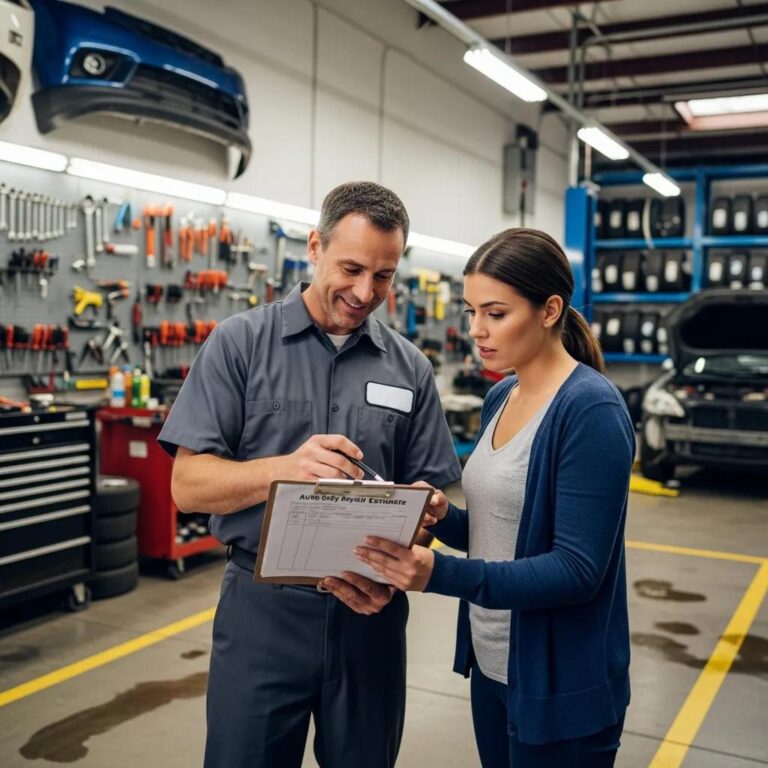
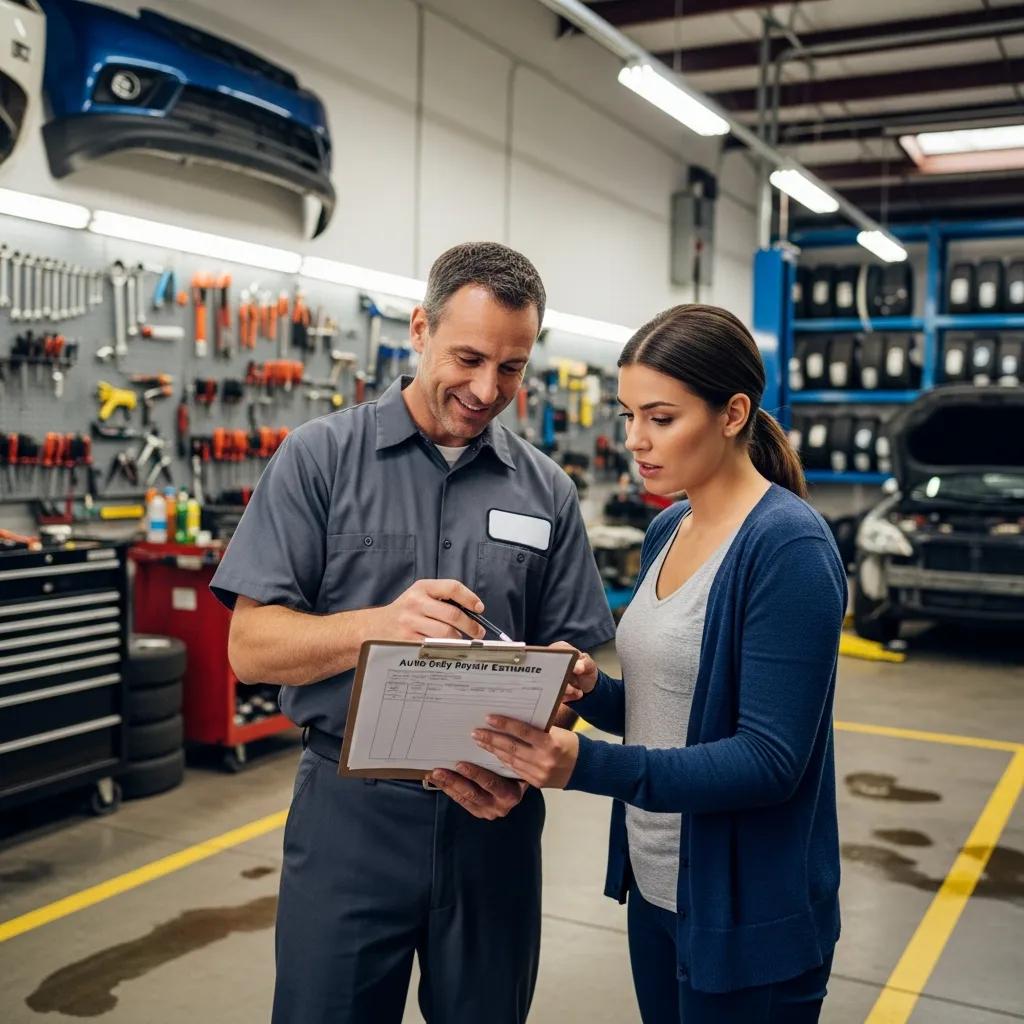
An estimate lays out the expected costs to fix your vehicle. Typical line items cover labor, parts, and any extra fees. Reading the estimate closely helps you see what’s required versus what’s optional and makes it easier to compare shops.
How to Read and Understand Each Line Item in Your Estimate
Break down the estimate piece by piece. Common items you’ll see are:
- Labor Costs: Charges for the hours technicians spend on repairs, usually shown as an hourly rate times the estimated hours.
- Parts Pricing: The price for replacement parts — either OEM (factory) parts or aftermarket options.
- Additional Fees: Miscellaneous items such as environmental fees, hazardous-material disposal, or shop supplies.
Understanding each piece helps you spot unnecessary charges and compare apples-to-apples between estimates.
What Are Common Terms and Acronyms in Collision Repair Estimates?
Here are a few terms you’ll likely see — knowing them makes conversations with the shop clearer:
- OEM: Original Equipment Manufacturer parts made by your vehicle’s maker.
- A/M: Aftermarket parts made by third-party suppliers.
- Estimate: A preliminary calculation of the repair cost based on visible damage and known factors.
Use these terms when you ask questions so you get precise answers from the shop.
Which Factors Affect the Cost of Auto Body Repairs?
Several things change what you’ll pay for bodywork. Knowing the common cost drivers helps you set expectations and choose the right options for your situation.
How Do Labor Rates and Technician Expertise Influence Pricing?
Labor rates differ from shop to shop. Key influences include:
- Location: Shops in higher-cost areas often charge more to cover overhead.
- Technician Expertise: Highly trained technicians usually cost more, but their work can prevent future problems.
Paying a bit more for experienced techs can save time and reduce the chance you’ll need follow-up repairs.
What Is the Impact of OEM vs. Aftermarket Parts on Repair Costs?
The parts you choose affect price and outcome. Quick comparison:
OEM parts often fit exactly and come with warranties. Aftermarket parts can save money but quality varies. Choose based on your budget and how important factory fit and finish are to you.
How Can You Compare Auto Body Repair Estimates Effectively?
Getting several estimates and comparing them thoughtfully helps you find fair pricing and the service level you want. Use these steps to compare effectively.
Why Is It Important to Get Multiple Quotes from Local Body Shops?
- Spot Market Rates: Multiple quotes reveal what repairs typically cost in your area.
- Compare Scope: Different shops may include or omit services — check what’s actually covered.
- Negotiate Confidently: Having other estimates gives you leverage when discussing price or scope.
Collecting a few estimates makes your choice clearer and reduces the chance of overpaying.
Research shows that picking a shop based only on distance isn’t always the most cost-effective choice — matching the damage to the shop’s strengths matters, too.
Optimizing Auto Body Repair Costs & Bodyshop Selection
Every vehicle damage case is different, and bodyshops have different specializations. Today, most repairs are assigned by proximity — which isn’t always the most efficient or economical approach. The paper outlines a method to match each repair to the bodyshop best suited to handle that specific damage and context, reducing overall repair cost.
What Red Flags Should You Watch for When Comparing Estimates?
Watch for these warning signs when reviewing quotes:
- Unusually Low Quotes: Extremely cheap estimates may mean poor parts or rushed work.
- Vague Descriptions: If line items lack detail, there could be hidden charges later.
- Pressure Tactics: A shop that pushes you to decide immediately may not have your best interests in mind.
Spotting these issues early helps you avoid costly surprises.
What Role Does Insurance Play in Auto Repair Pricing?
Your insurance policy and the claim process affect how much you pay and what gets covered.
How Do Insurance Estimates Differ From Body Shop Estimates?
Insurance companies often use standard labor rates and parts pricing that may not match a shop’s actual costs. Common differences include:
- Coverage Limits: Your policy might not cover every repair on the estimate, which can create out-of-pocket costs.
- Adjuster Assessments: Adjusters sometimes miss hidden damage, producing lower estimates than the shop provides.
Knowing these gaps helps you work with both the shop and the insurer to get a fair result.
How to Navigate Deductibles and Work With Your Insurance Adjuster?
- Know Your Deductible: This is what you pay before insurance kicks in — factor it into your decision.
- Communicate Clearly: Keep the adjuster informed and make sure all damage is inspected and documented.
- Keep Records: Save estimates, photos, and messages so you can support your claim if needed.
Being organized and proactive helps you get the most from your insurance and reduces surprises.
Why Choose a Certified Body Shop Like Prime Time Collision Center?
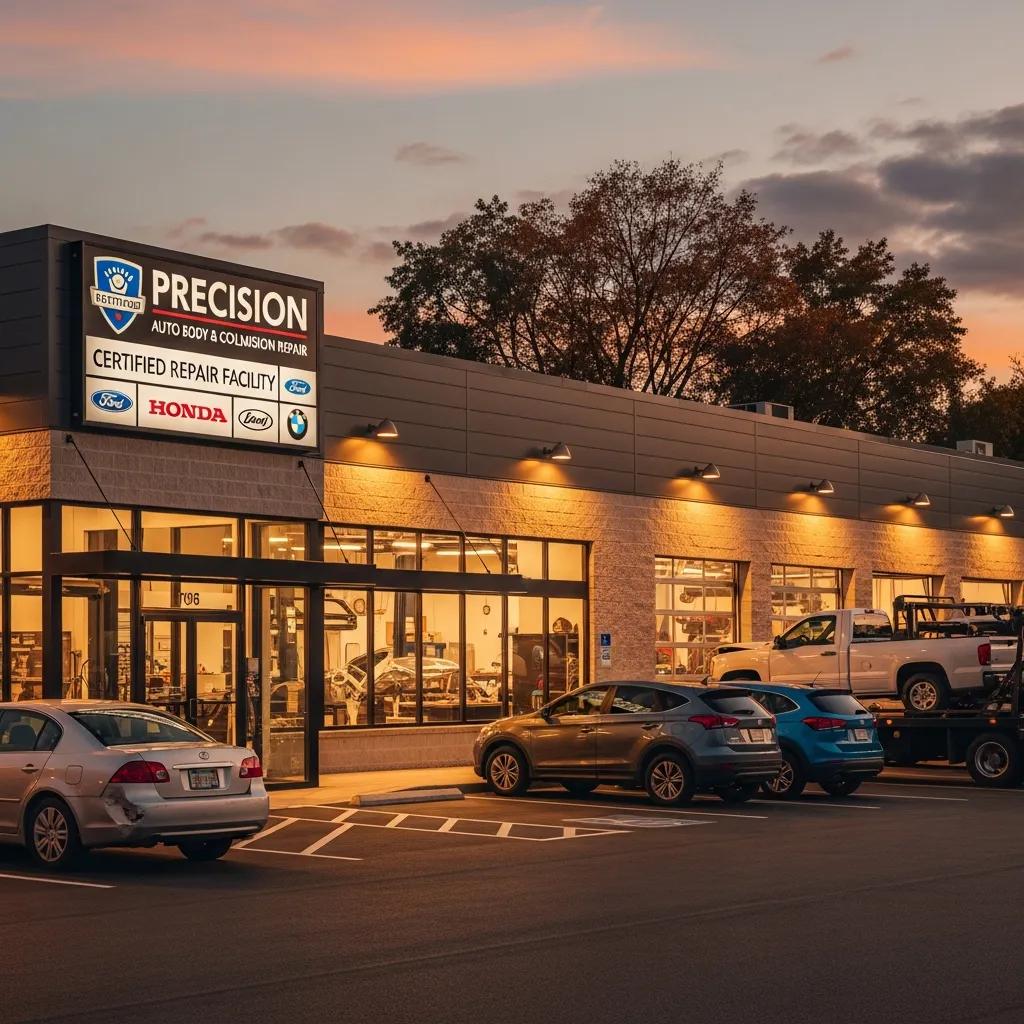
Working with a certified shop gives you confidence that repairs will be done right. Prime Time Collision Center focuses on OEM-quality repairs and clear communication so you know what to expect.
How Do I-CAR Platinum Certifications Ensure Quality Repairs?
I-CAR Platinum means technicians receive ongoing training on current repair methods. That translates to:
- Quality Assurance: Trained techs are more likely to get repairs right the first time.
- Safety Compliance: Following I-CAR standards helps ensure repairs meet safety expectations.
Choosing a certified shop reduces risk and protects your vehicle’s safety and value.
What Are the Benefits of Transparent Pricing and Lifetime Warranties?
Transparent pricing and reliable warranties build trust. The advantages include:
- Clear Cost Breakdown: You see exactly what you’re paying for, with fewer surprises.
- Long-Term Assurance: A lifetime warranty means future issues related to the repair are covered.
When a shop stands behind its work and prices, you can feel secure in your decision.
Frequently Asked Questions
What should I do if I receive conflicting estimates from different body shops?
Compare the details: check parts type, labor hours, and what’s included. Ask each shop to explain differences and request a line-item breakdown if needed. That will help you understand why one quote is higher or lower and give you the info to choose or negotiate.
How can I ensure the quality of parts used in my auto repairs?
Ask the shop where they source parts and whether they use OEM or aftermarket components. If they use aftermarket parts, ask for brand names and warranties. A reputable shop will be transparent and willing to show you the parts or documentation.
What is the average turnaround time for auto body repairs?
Turnaround depends on damage severity and shop workload. Small repairs can take a few days; major repairs may take a week or more. Ask the shop for an estimated completion date and check in if the timeline changes due to unexpected issues.
Are there any warranties or guarantees I should look for in auto repairs?
Yes. Look for written warranties on parts and labor and ask what the warranty covers and how long it lasts. A solid, documented warranty protects you if something goes wrong after the repair.
How can I prepare for my visit to a body shop for an estimate?
Bring your vehicle’s make, model, year, and any prior repair history. Take photos of the damage and have your insurance policy details ready, including your deductible. This helps the shop give a more accurate estimate quickly.
What should I do if I feel pressured to make a quick decision on repairs?
Take your time. Ask for the estimate in writing and request a few days to review it. If a shop pressures you to decide immediately, consider getting other quotes — a trustworthy shop will give you the space to choose.
Conclusion
Reading and comparing repair estimates lets you make smarter, more confident decisions. Know the parts of an estimate, get multiple quotes, and ask questions about parts and labor. If you want help or a trustworthy estimate, reach out — we’re here to make the repair process straightforward and reliable.