What Drives Auto Body Repair Costs: Labor, Parts, and the Biggest Price Factors
Repair costs for auto body work can change a lot depending on several clear factors. This guide walks you through the main cost drivers—labor, parts, and damage severity—so you know what to expect. We’ll also touch on how location and shop overhead affect price, how to navigate insurance estimates, and why choosing a trusted shop like Prime Time Collision helps ensure quality work and straightforward pricing.
What Are the Main Factors That Determine Auto Body Repair Costs?
Several core elements shape the price of auto body repairs. Knowing these helps you plan and pick the right shop. The biggest influences are labor rates, technician skill, and the kind of parts used in the repair.
Looking at the wider automotive aftermarket—parts, repair, and distribution—helps explain why post-sale vehicle maintenance can be complex.
Automotive Aftermarket: Repair, Parts, and Distribution
The automotive aftermarket covers repair and maintenance after a vehicle leaves the factory. It spans the life of a vehicle and includes the manufacture, distribution, and retail of parts, accessories, equipment, and chemicals that keep vehicles on the road.
Automotive Aftermarket: Introduction to a Global Business, 2024
How Do Labor Rates and Technician Expertise Affect Repair Prices?
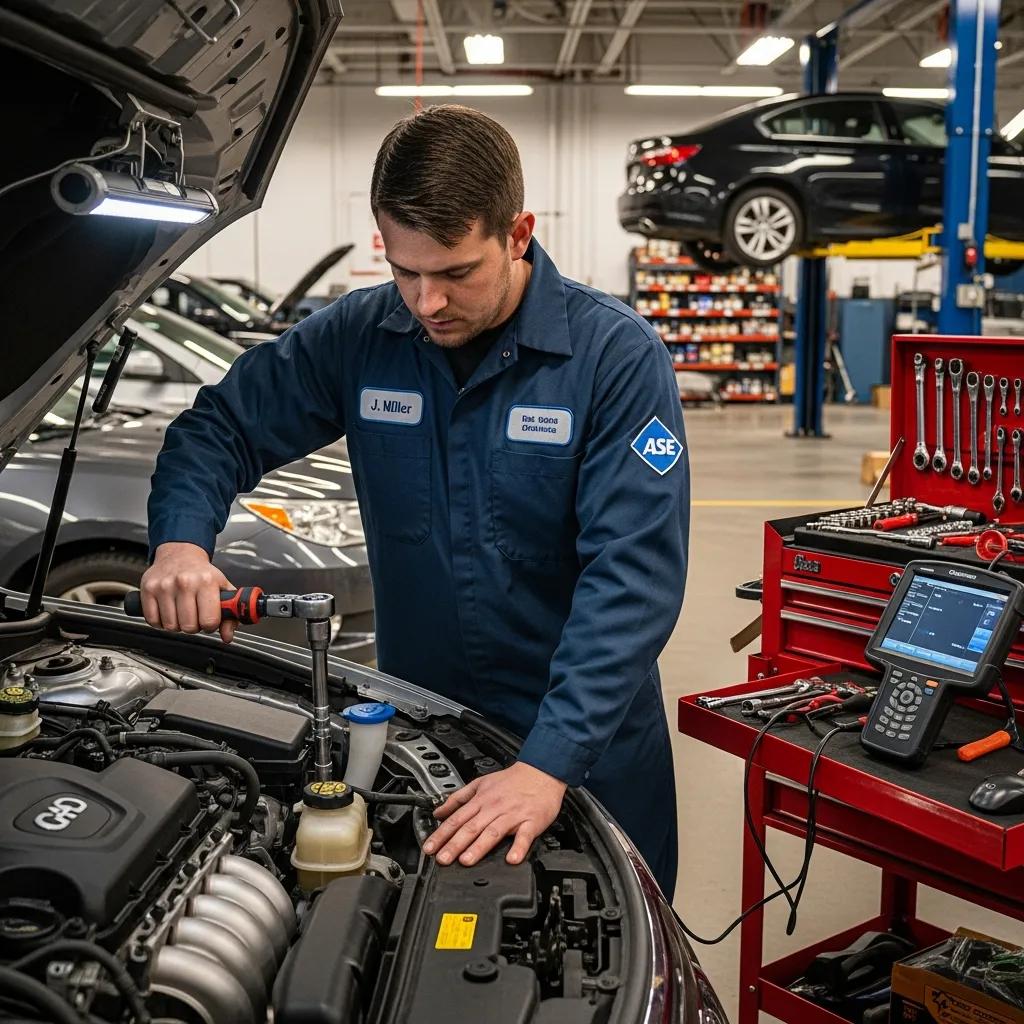
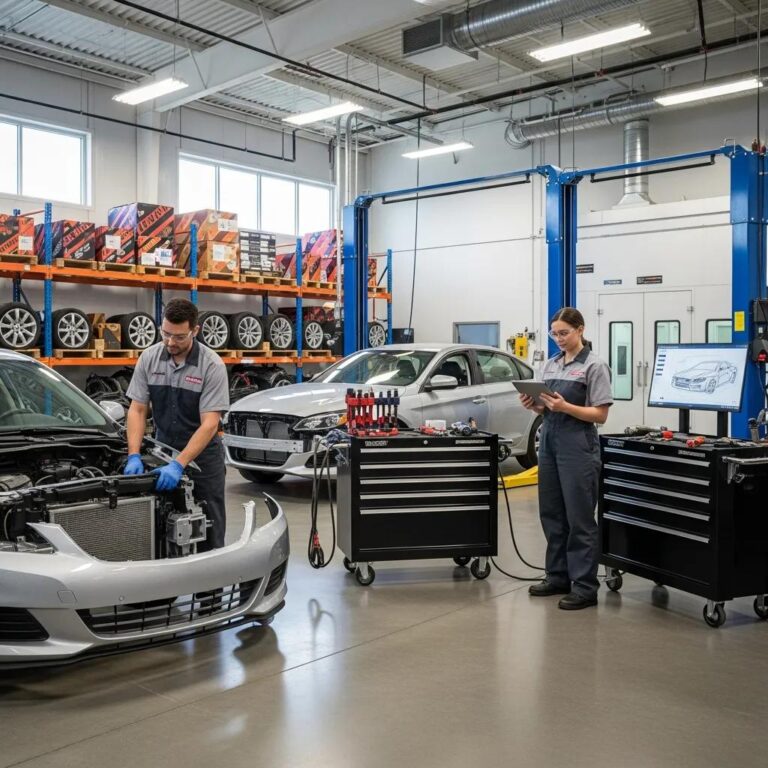
Labor costs differ by region and by shop because overhead and local wages change from place to place. Urban shops often charge more due to higher expenses. Another big factor is technician training—shops with I-CAR Platinum or similar certifications may have higher hourly rates, but that reflects deeper training and better repair outcomes. Investing in skilled technicians typically shortens repair time and improves fit, finish, and safety.
International studies of repair systems also show how certifications and specialized training raise service quality across markets.
Global Auto Repair Systems & Labor Expertise
This analysis compared auto repair institutions in the United States, Germany, and Japan to identify strengths and improvement opportunities. The study highlights specialized repair businesses in the U.S., Germany’s Vehicle Technician Meister training model, and Japan’s systems for recognizing high-quality repair shops as useful references for other countries.
해외 자동차정비제도 현황 분석을 통한 국내 제도 개선방안 연구, 2020
What Role Do Parts Types Play in Repair Pricing?
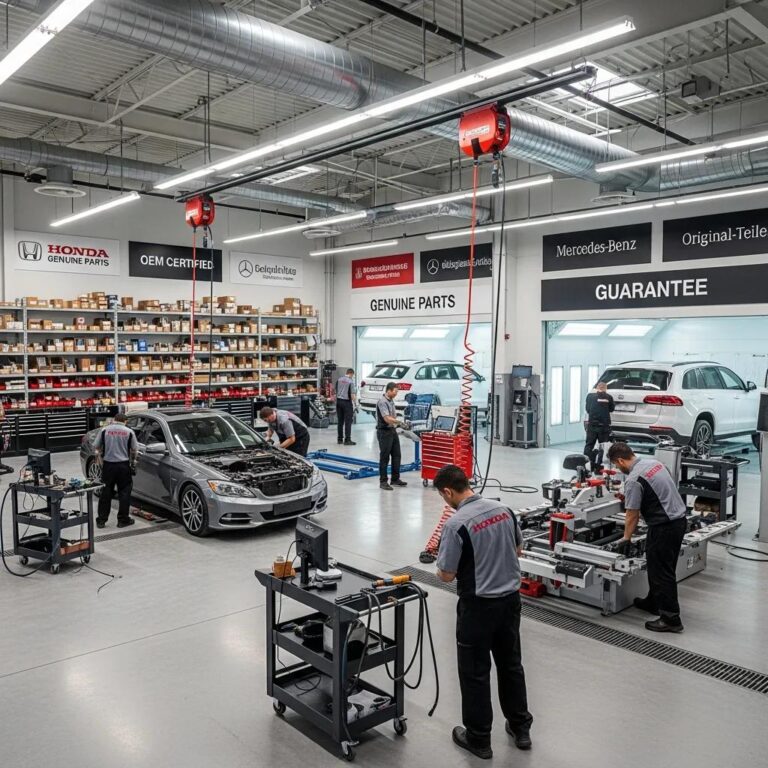
The parts you choose affect both cost and long-term performance. OEM (Original Equipment Manufacturer) parts are made by the vehicle maker and usually cost more because they match the original specifications. Aftermarket parts are often cheaper but can vary in fit and quality. While aftermarket parts can save money up front, lower-quality components may mean extra repairs later—so weigh price against long-term value.
How Does Vehicle Damage Severity Influence Repair Expenses?
How badly your vehicle is damaged is one of the clearest cost drivers. Small dents and scratches generally cost much less than repairs that involve structural components or frame work, which require more time, parts, and testing.
What Is the Cost Difference Between Minor Cosmetic and Major Structural Repairs?
Minor cosmetic work—think paint chips, small dents, and touch-ups—typically runs from about $150 up to $1,000 depending on scope. Major structural repairs, especially those involving the frame or safety systems, can run into the thousands. Knowing the likely scale of damage helps you budget and choose the right repair path.
How Do Vehicle Make, Model, and Advanced Technologies Like ADAS Affect Repair Costs?
Your vehicle’s make and model matter. Luxury and specialty vehicles often need pricier parts and experienced techs. Modern safety systems—like ADAS (Advanced Driver Assistance Systems)—add complexity because they require careful recalibration after repairs. That additional calibration and diagnostic time can raise the final bill.
Why Is Paint and Material Quality Important in Repair Pricing?
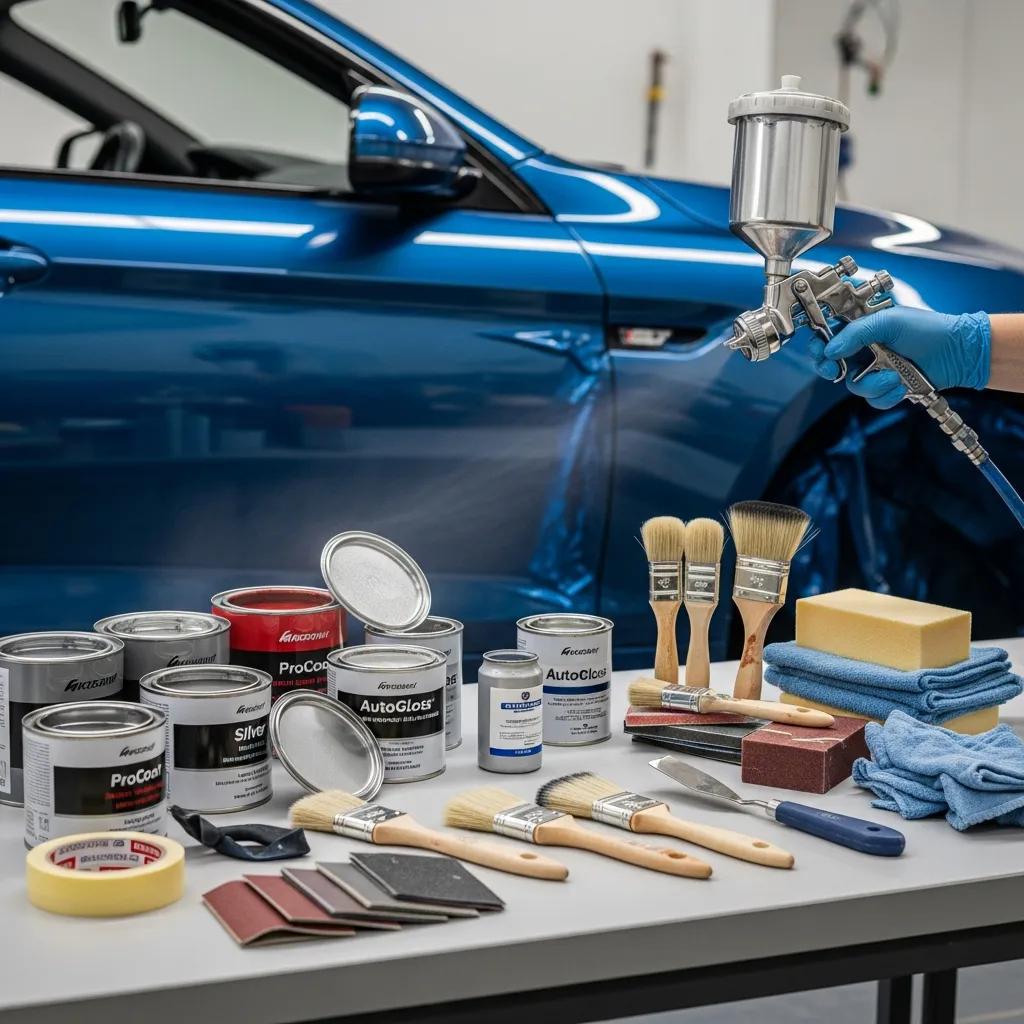
The paint and materials used can change both cost and how long the repair lasts. Higher-quality paints and preparation lead to a better-looking finish and longer durability, which is worth considering when the vehicle’s appearance matters.
How Does Paint Matching and Multi-Stage Finishing Impact Costs?
Matching factory paint—especially on special or metallic finishes—takes extra effort. Multi-stage paint jobs with multiple layers and clear coat increase labor and material costs but give a seamless match that preserves the vehicle’s value and appearance.
What Factors Influence the Expense of Using Advanced Materials?
Advanced materials like aluminum or carbon fiber require specialized tools and techniques to repair. Those materials can improve performance and weight, but fixing them costs more because of special handling, training, and equipment.
How Does Geographic Location and Shop Overhead Affect Body Shop Prices?
Where the shop is located plays a major role in price. Shops in metro areas often have higher operating costs than rural shops, and those costs are reflected in the repair estimate.
Why Do Labor Rates Vary by Region?
Local labor rates are driven by demand, cost of living, and the number of competing shops in the area. High competition can lower prices, while limited options and higher living costs push rates up.
How Do Shop Certifications and Warranty Offerings Influence Pricing?
Certified shops—those with I-CAR Platinum or manufacturer certifications—may charge more because they invest in training, tooling, and continuous education. Shops that offer strong warranties, including lifetime coverage on certain repairs, may price jobs higher up front but provide stronger long-term protection for your vehicle.
How Can Customers Navigate Insurance Claims and Repair Estimates?
Insurance and estimates can be confusing. Understanding the basics helps you get a fair outcome and avoid surprises.
What Should You Know About Deductibles and Coverage in Auto Body Repairs?
Your deductible is the amount you pay before insurance contributes. Coverage limits and policy terms determine what parts and repairs are covered, so review your policy and ask questions to avoid unexpected costs.
How Does Prime Time Collision Assist with Estimates and Insurance Processes?
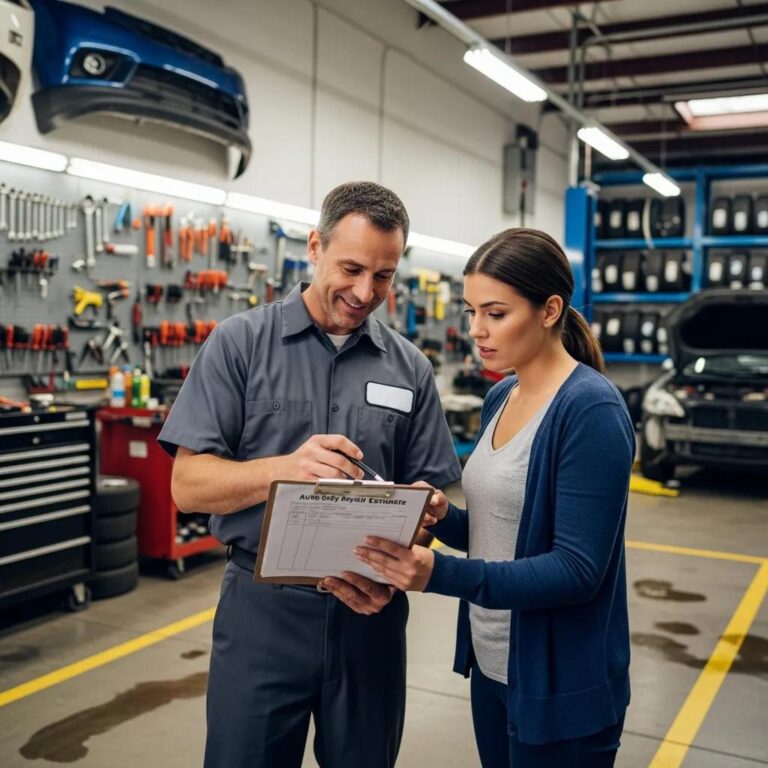
Prime Time Collision provides free, detailed estimates and works with all major insurers to simplify claims. Our team helps you understand options, documents repairs clearly, and coordinates with your insurer so the process is faster and less stressful.
Why Choose Prime Time Collision for OEM Certified Repairs and Transparent Pricing?
Picking the right shop matters for safety, fit, and resale value. Prime Time Collision focuses on OEM-certified repairs and clear pricing so you know the work is done right and the cost is fair.
What Are the Benefits of I-CAR Platinum Certified Technicians?
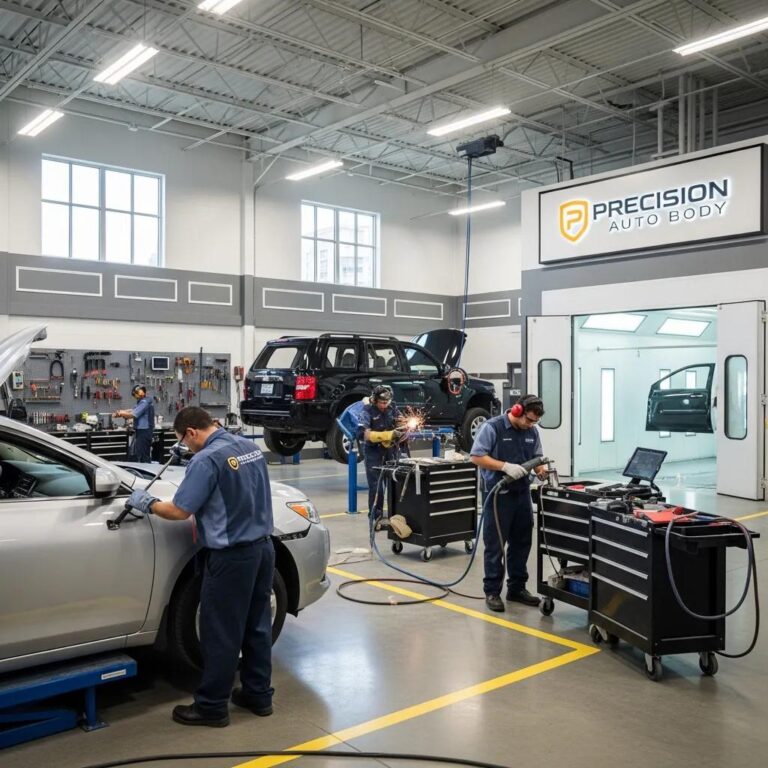
I-CAR Platinum technicians at Prime Time Collision complete advanced training that keeps them current with manufacturer procedures and safety standards. That expertise helps ensure repairs meet industry best practices and restore your vehicle to factory-level safety and appearance.
How Does Prime Time Build Trust Through Transparency and Lifetime Warranty?
We believe transparent pricing and open communication build trust. Prime Time Collision backs repairs with a lifetime warranty on qualifying work, so you can drive away confident that we stand behind what we do.
Frequently Asked Questions
What should I consider when choosing between OEM and aftermarket parts?
When choosing parts, weigh fit, warranty, and long-term value. OEM parts are made for your vehicle and usually fit precisely with manufacturer backing, but they cost more. Aftermarket parts can save money but vary in quality—research the supplier and look for warranties to avoid surprises. Pick the option that balances budget with your expectations for safety and longevity.
How can I estimate the total cost of my auto body repair?
Get multiple written estimates from reputable shops, and compare labor rates, parts choices, and included services. Factor in your insurance deductible and ask about potential extra charges like frame work or ADAS calibration. A clear, itemized estimate helps you plan and prevents unexpected bills.
What are the common mistakes to avoid when filing an insurance claim for auto repairs?
Avoid these common errors: don’t skip photos of the damage, keep all communications, and read your policy so you understand limits and deductibles. Get several estimates and research repair shops before committing. Clear documentation and patience make the claim process smoother.
How does the age of my vehicle affect repair costs?
Older vehicles can be cheaper to repair if parts are simple and available, but they may also need more frequent fixes and harder-to-find parts. Newer vehicles often cost more because of advanced electronics and specialty parts. Consider the vehicle’s value and future needs when deciding how much to invest in repairs.
What should I look for in a reputable auto body shop?
Look for certifications (like I-CAR Platinum), transparent estimates, positive reviews, and a clear warranty policy. Good communication and documented work—photos, parts lists, and calibration records—are signs of a shop that takes quality and customer service seriously.
How can I ensure my vehicle’s safety after repairs?
Ask for documentation of the repairs and any ADAS calibrations. Request a final inspection report and take the vehicle for a test drive. If you have concerns, get an independent inspection. Proper parts, certified technicians, and documented procedures are the best ways to ensure safety after repairs.
Conclusion
Understanding what affects auto body repair costs gives you better control when choosing repairs and a shop. By focusing on labor, parts, and damage severity—and by working with a shop that values transparency like Prime Time Collision—you’ll get safer, longer-lasting repairs and fewer surprises. Contact us to discuss your estimate and find the right approach for your vehicle.