
How to Choose a Certified, Trustworthy Body Shop Near You — What to Check Before You Commit
After an accident, choosing the right body shop matters. With so many options, it’s easy to feel unsure which shop will deliver
quality repairs and honest service. This guide walks you through the practical things to check — certifications, reputation, insurance help, and the value of OEM parts — so you can pick a shop that protects your car’s safety and resale value. Read on to learn what certifications to look for, how to vet a shop’s reputation, how insurers factor in, and why OEM parts matter.
What Certifications Should You Look for in a Reliable Auto Body Shop?
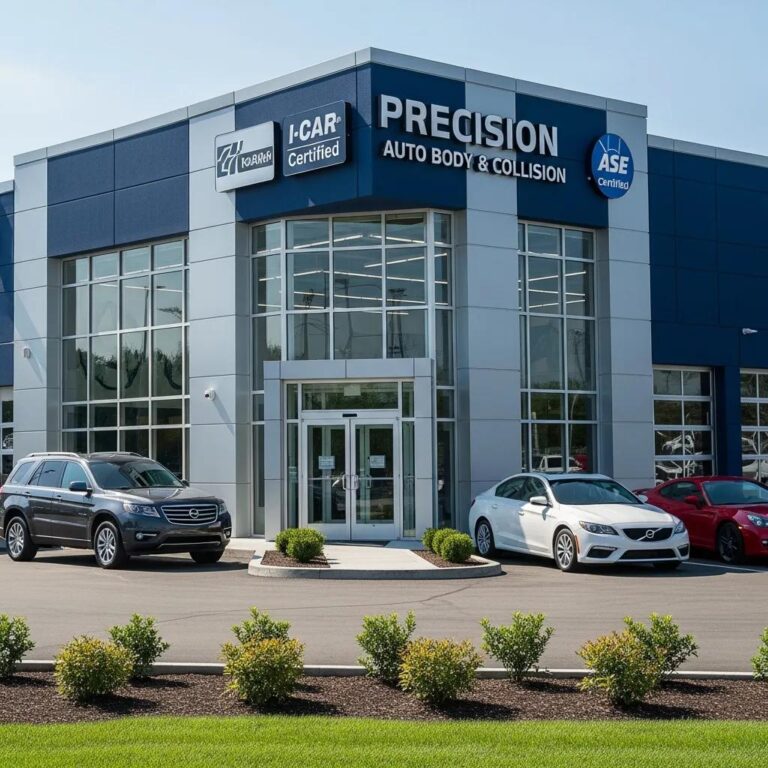
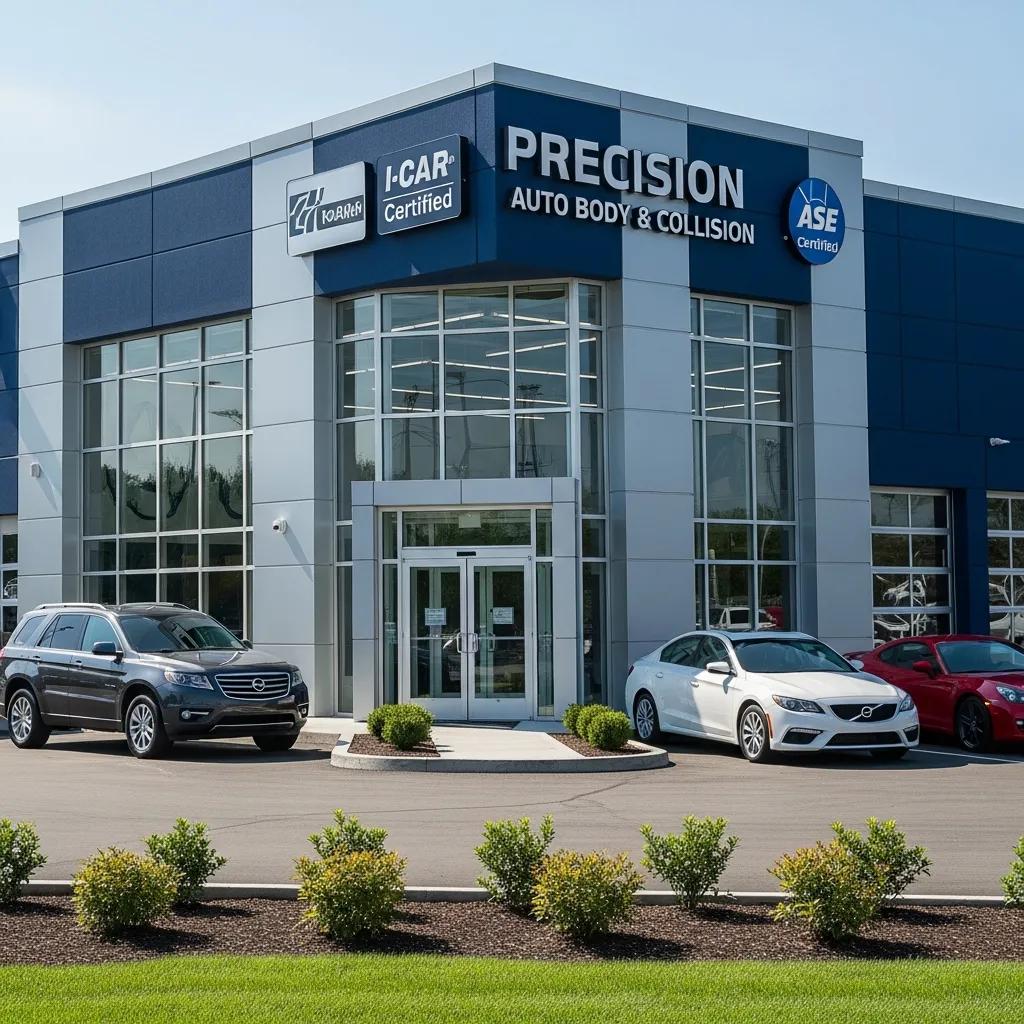
Certifications are a clear signal that a shop invests in trained technicians and up-to-date repair methods. Look for recognized credentials like I-CAR and ASE — they show the team has formal training and follows industry best practices. Certified shops are more likely to handle your vehicle correctly and responsibly.
Why I-CAR and ASE Certifications Matter for Quality Repairs
I-CAR (Inter-Industry Conference on Auto Collision Repair) and ASE (National Institute for Automotive Service Excellence) are widely respected in our industry. I-CAR focuses on collision repair techniques and evolving technologies; ASE verifies technicians’ skills across automotive systems. When a shop maintains these certifications, it signals ongoing training and a commitment to doing repairs right — so you get better results and more peace of mind.
For a closer look at the standards behind ASE certification, review the official guidelines for technician training programs.
ASE Certification Standards for Auto Body Technician Training
This document outlines the evaluation policies, procedures, and standards a training program must meet to earn ASE certification. It covers which automobile areas may be certified and the minimum requirements; details about evaluation team leaders and on-site reviewers; task lists, tools, and equipment needed; and how automobile programs are evaluated. The procedures section explains the certification process. Finally, it lists 10 program standards covering purpose, administration, learning resources, finances, student services, instruction, equipment, facilities, instructional staff, and cooperative agreements.
TITLE ASE Program Certification Standards for Collision Repair & Refinish Technician Training Programs. INSTITUTION National Automotive Technicians Education …, 1993
How Manufacturer Recognition (OEM) Protects Safety and Value
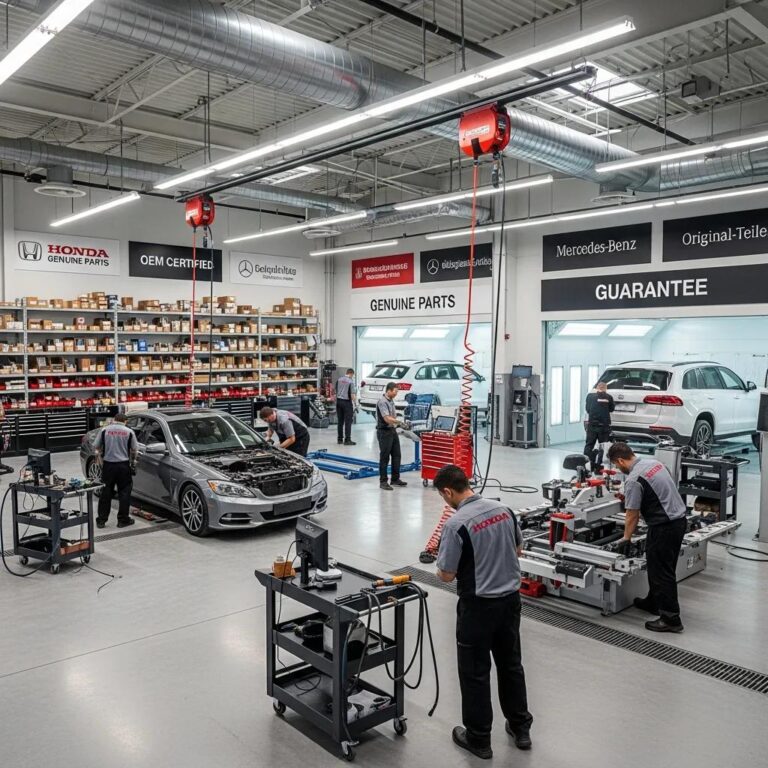
Some automakers recognize or certify shops that meet their repair and parts standards. While there’s no single universal “OEM certification,” manufacturer-recognized shops agree to use genuine parts and follow factory procedures. That helps keep your vehicle’s safety systems intact and preserves resale value. Choosing a shop that uses OEM parts or is acknowledged by the manufacturer means your vehicle will be restored closer to how it left the factory.
How to Evaluate an Auto Body Shop’s Reputation and Customer Service
Reputation and customer service reveal a lot about what working with a shop will feel like. Read reviews, check testimonials, and see how the shop explains estimates and warranties. A transparent, responsive shop that stands behind its work makes the repair process far easier.
Why Customer Reviews and Testimonials Matter
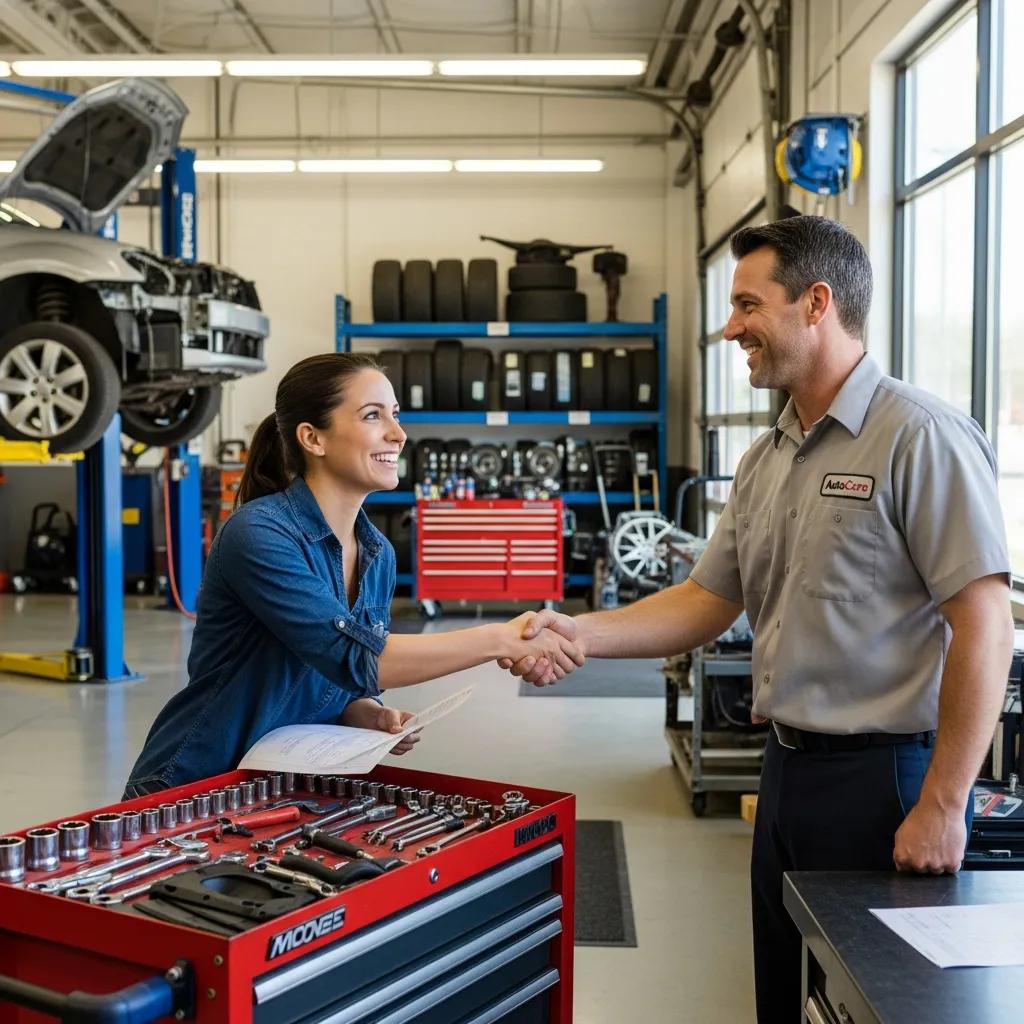
Reviews and testimonials act as real-world checks on quality and service. Look for detailed reviews across multiple sites — not just ratings. Consistent praise about communication, timeliness, and the final repair is a good sign. Pay attention to how the shop responds to criticism, too; a professional response shows they care about making things right.
Research into reconditioning and quality control highlights how inspection thoroughness links directly to customer satisfaction.
Quality Control & Customer Satisfaction in Auto Reconditioning
This study analyzes quality control (QC) practices at Carsome Certified Lab (CCL) during pre-owned vehicle reconditioning, using internal QC records, staff interviews, and customer surveys. Results show notable inconsistencies in aesthetic checks — roughly 30% of vehicles needed rework because defects were missed at first inspection. While overall satisfaction was high (75%), about 20% of customers reported dissatisfaction, mainly due to appearance issues. Statistical analysis found a strong correlation (p < 0.05) between thorough QC checks and higher satisfaction. The study recommends standardized QC protocols and the use of advanced tools (digital imaging, AI, etc.) to improve consistency.
Enhancing Quality Control in Automotive Reconditioning: A Case Study of Carsome Certified Lab, S Shahrin, 2025
How Clear Estimates and Warranties Build Trust
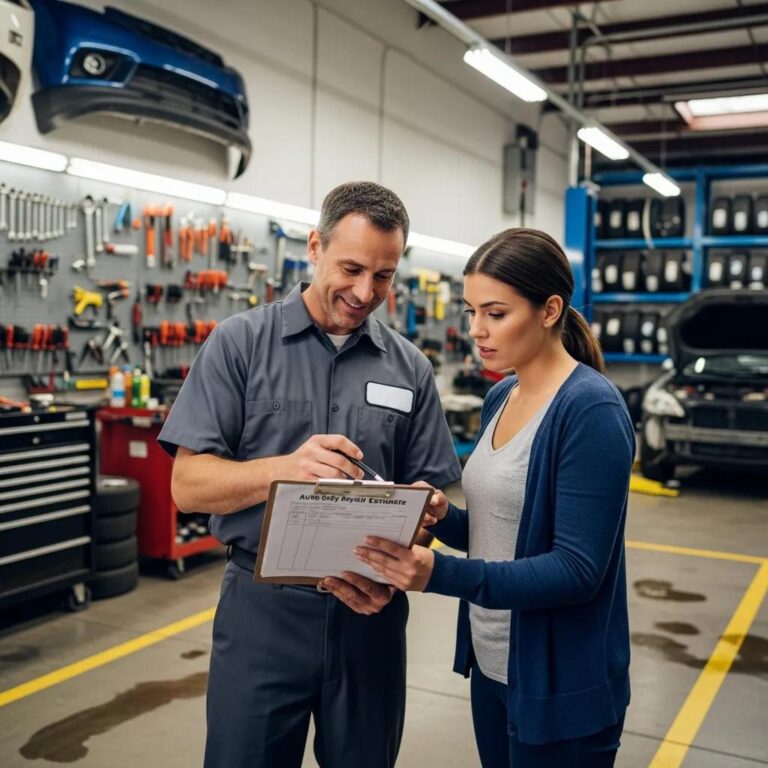
Transparency in the estimate and a solid warranty tell you a shop stands behind its work. A trustworthy shop provides a detailed, written estimate that explains parts, labor, and timelines, plus a warranty that covers workmanship and materials. When policies and pricing are open and easy to understand, you can move forward with confidence.
What You Should Know About Insurance-Approved Shops and Claims Assistance
Knowing how a shop works with insurers can make the repair process smoother. Many shops are insurance-approved partners and can help guide you through the claims steps. Understanding what help they offer — from paperwork to direct insurer communication — can save you time and stress.
How a Body Shop Can Help with Auto Insurance Claims
A good collision shop helps with the insurance side: filing estimates, submitting photos and documentation, and talking to adjusters when needed. That support speeds up approvals and keeps the process moving so you can get your car back sooner.
Do Insurance Companies Recommend Specific Body Shops?
Insurers often provide a list of preferred shops. Those shops have established working relationships with the insurer and may make claims processing easier. Still, you always have the right to choose where your vehicle is repaired. If you prefer a shop that isn’t on a preferred list, confirm they meet your standards for quality and guarantees.
Why Using OEM Parts Matters for Collision Repairs
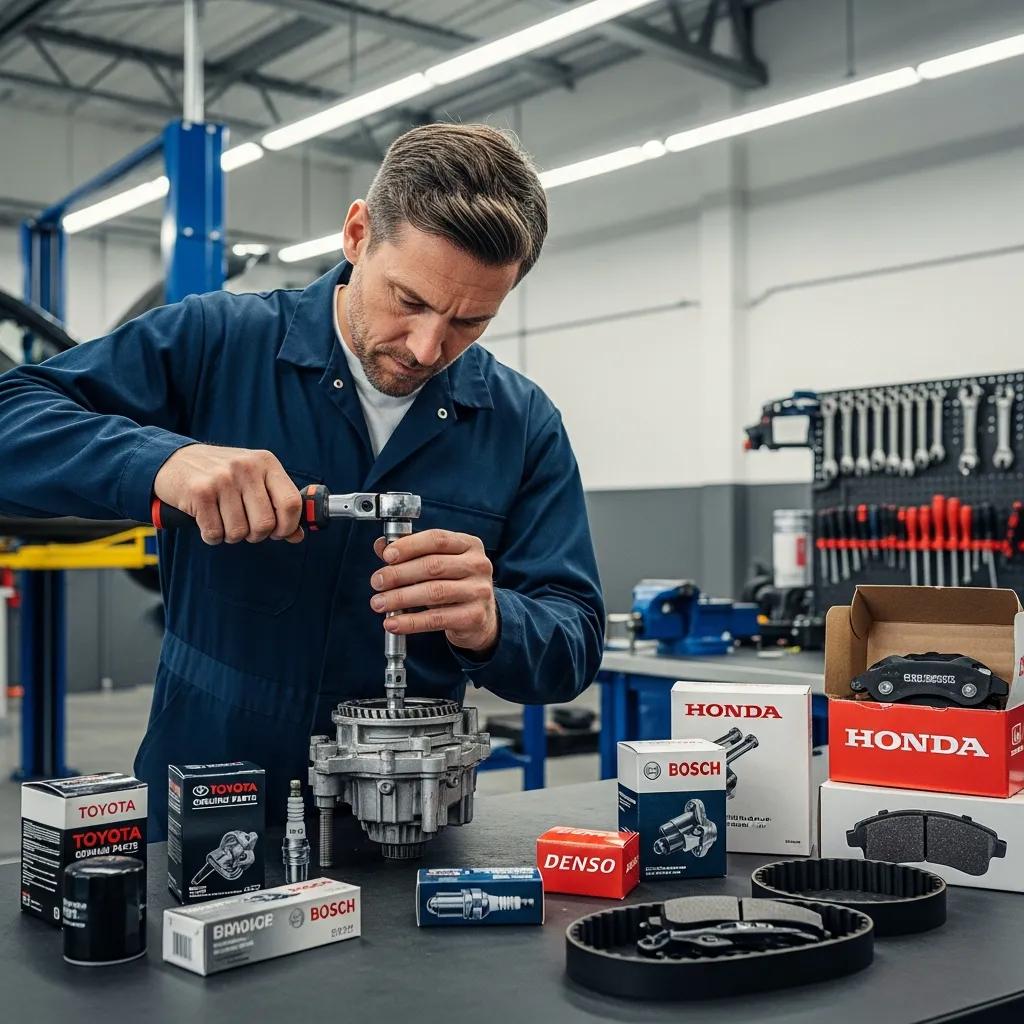
OEM parts are made by the vehicle manufacturer to fit your model exactly. Using those parts helps preserve safety features, fit, and finish. In this section we compare OEM and aftermarket parts and explain why that choice matters for safety and long-term value.
OEM vs. Aftermarket Parts — What’s the Difference?
OEM parts are built to the manufacturer’s specifications for fit and performance. Aftermarket parts come from third-party makers and can vary in quality and fit. While aftermarket options may be less expensive, they don’t always match factory tolerances or safety testing. Choosing OEM parts helps ensure repairs meet the manufacturer’s standards.
How Factory-Approved Parts Affect Vehicle Integrity
Factory-approved parts and repair methods help maintain a vehicle’s structural integrity and crashworthiness. OEM components are tested to meet safety standards so systems like airbags and crumple zones work as intended. Using those parts helps preserve your vehicle’s safety and performance, especially if it’s involved in a future collision.
Protecting crash safety and rigidity requires proper repair techniques, quality assurance, and sometimes advanced testing methods.
Quality Assurance for Vehicle Crash Safety & Rigidity
As vehicle bodies use more mixed materials, the right joining and bonding methods become critical. Adhesive technologies offer advantages but require strong quality assurance to ensure crash safety, rigidity, and corrosion resistance. Traditional destructive tests should be paired with non-destructive methods and early-stage simulation-based quality management to reduce costs and rework. Laboratory experiments and advanced testing protocols help verify adhesive performance and improve overall vehicle safety during production and repair.
Quality assurance of adhesive processes in the body shop, P Middendorf, 2015
What Local Services and Convenience Features Should You Expect from a Nearby Body Shop?
The services a shop offers can make a big difference in your experience. Extra conveniences — like free estimates, towing, and rental-car assistance — help simplify the repair journey and reduce the hassle while your car is in the shop.
How Free Estimates and 24/7 Towing Improve the Repair Process
Free estimates give you a clear picture of expected costs before you commit. Around-the-clock towing means you can get your vehicle to the shop whenever you need to, which is especially helpful after an accident. Both services reduce stress and make recovery faster.
Why Choose a Local Certified Collision Center in Glendale and Nearby Areas?
Choosing a local, certified collision center like
Prime Time Collision Center
gives you community-focused service and hands-on attention. With more than 15 years serving Glendale, Burbank, Pasadena, and Los Angeles, Prime Time focuses on OEM-quality repairs and building long-term trust. That local expertise means clearer communication and repairs done to manufacturer standards.
This table summarizes how common certifications affect repair quality and vehicle safety.
Picking the right body shop means weighing certifications, reputation, insurance support, and the parts they use. Prioritize shops that communicate clearly, stand behind their work, and follow manufacturer standards so your vehicle stays safe on the road.
Frequently Asked Questions
What should I do if I have a bad experience with a body shop?
Start by documenting the problem — photos, dates, and any written estimates or invoices. Talk to shop management and give them a chance to fix it. If that doesn’t resolve the issue, leave an honest review on Google or Yelp and consider filing a complaint with the Better Business Bureau or your local consumer protection office. Those steps can prompt a resolution and warn other customers.
How can I find out if a body shop is certified?
Check the shop’s website or call and ask which certifications their technicians hold. Look for I-CAR and ASE credentials and any manufacturer recognition. You can also verify certifications on the issuing organizations’ websites or in public directories. Reviews and photos on the shop’s listings may mention certifications, too.
Are there any warranties on repairs done at body shops?
Many reputable shops offer warranties covering workmanship and parts for a set period. Warranty terms vary, so ask for the details in writing: what’s covered, for how long, and how to file a claim. A clear warranty shows the shop is confident in its work.
What should I look for in a body shop’s customer service?
Look for prompt, clear communication, polite staff, and willingness to explain the repair steps. A good shop provides written estimates, keeps you updated on progress, and addresses concerns without delay. Friendly, knowledgeable technicians and advisors indicate a shop that values its customers.
How can I ensure my vehicle is repaired correctly?
Choose a shop with certified technicians and a solid track record. Ask about their repair process, use of OEM parts, and quality control steps. Request a detailed estimate and follow-up updates. A transparent shop welcomes questions and provides documentation of the work performed.
What are the benefits of choosing a local body shop?
Local shops offer personalized service and a better understanding of community needs. They often provide quicker responses, build relationships with customers, and may have established connections with nearby insurers and vendors. Supporting local businesses also helps the community economy while giving you a familiar, accessible partner for future needs.
Conclusion
Choosing a certified, trustworthy body shop protects your car’s safety and value. Focus on reputable certifications, honest customer feedback, clear estimates and warranties, and a commitment to OEM-quality repairs. Reach out to local certified collision centers for a personal estimate and expert advice — it’s the best way to make sure your vehicle gets the care it deserves.