
How to Compare Auto Insurance Quotes: A Clear, Practical Guide to Better Coverage and Real Savings
Comparing auto insurance quotes well starts with gathering apples‑to‑apples proposals, checking what’s covered (and what isn’t), and picking a policy that balances cost with protection for your car and family. This guide shows you how to get quotes, standardize them so you can compare fairly, and weigh trade‑offs between premiums, deductibles, and likely repair outcomes. You’ll learn which policy elements matter most, what personal and vehicle factors drive price, and a step‑by‑step process to compare quotes and decide with confidence. We’ll also explain why repair quality affects safety and resale value, and walk through the claims steps so you face fewer surprises after an accident.
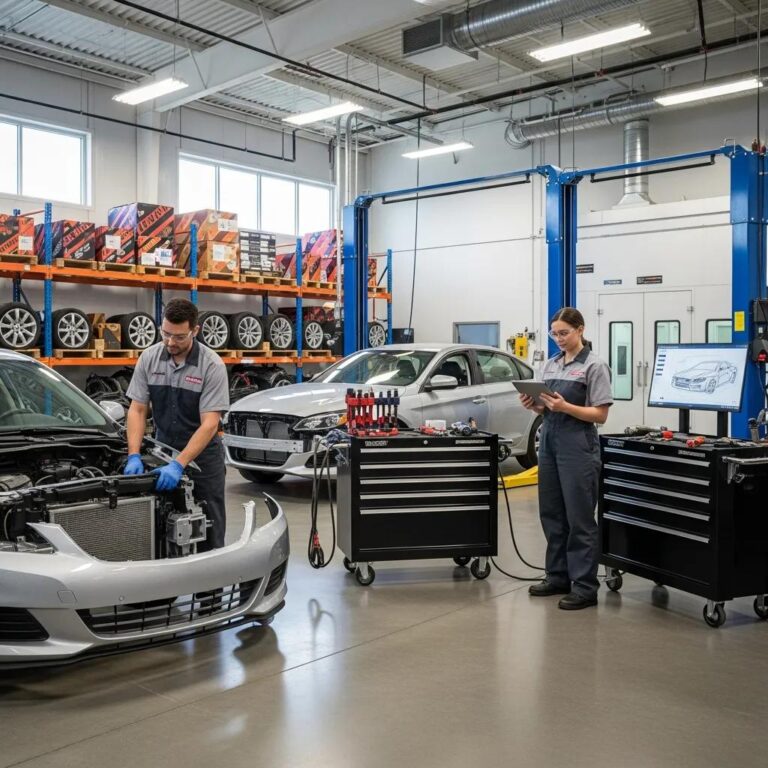
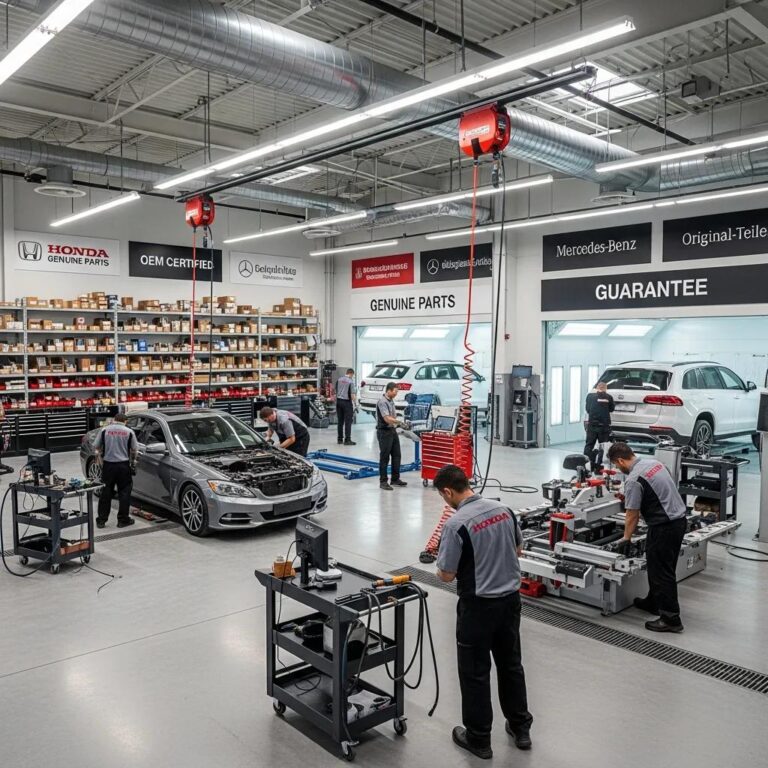
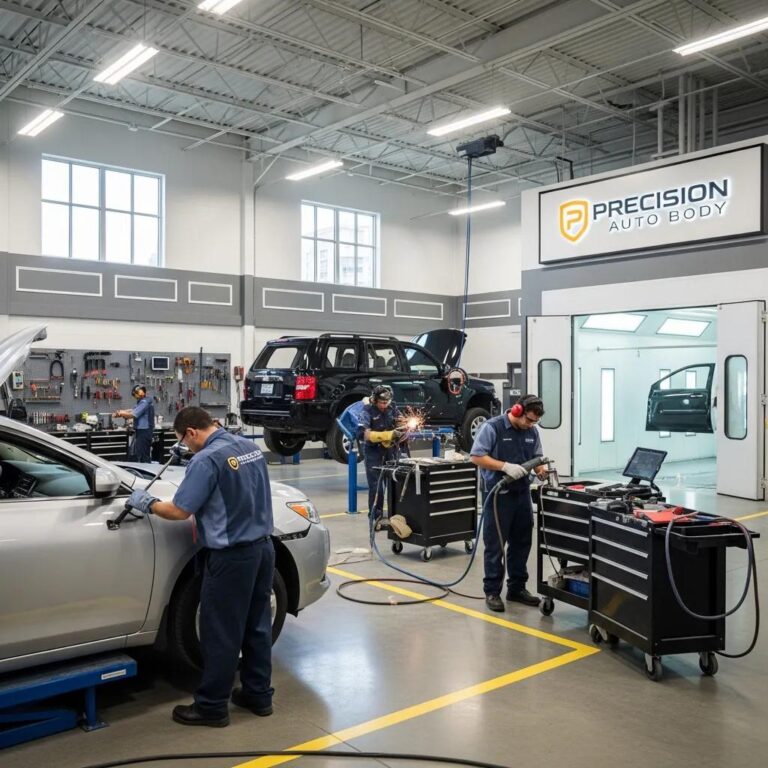
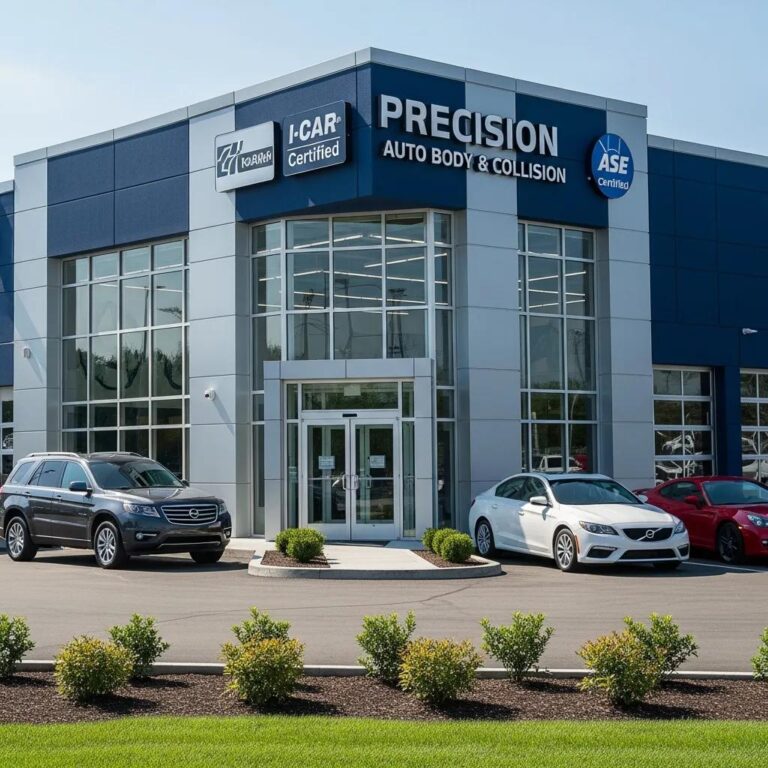
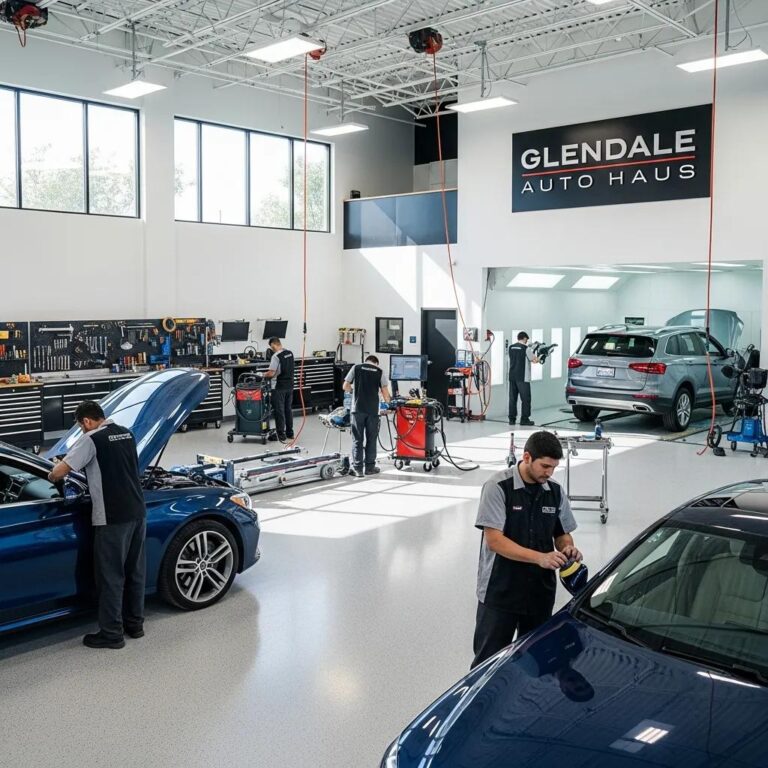
Prime Time Collision Center is a nearby resource for after‑accident guidance and factory‑quality repairs. We focus on OEM‑quality work, I‑CAR Platinum–certified technicians, free estimates, 24/7 towing, and insurance advocacy to help preserve safety and resale value. If you want help documenting damage or talking through repair procedures with your insurer, we serve Glendale and nearby communities and can coordinate estimates and repairs to factory standards. With that local support noted, let’s start with the insurance basics you should understand before comparing quotes.
What are the key components of an auto insurance policy?
An auto policy combines different coverages, limits, premiums, deductibles, and endorsements into a contract that shifts certain financial risks from you to the insurer. Knowing these pieces makes it possible to match like‑for‑like limits and exclusions when you compare quotes. The main items to check are liability, collision, comprehensive, uninsured/underinsured motorist coverage, plus optional add‑ons like rental reimbursement or roadside assistance. Pay close attention to coverage limits and the declarations page so you can compare total exposure and out‑of‑pocket risk accurately.
What coverage types should you understand?
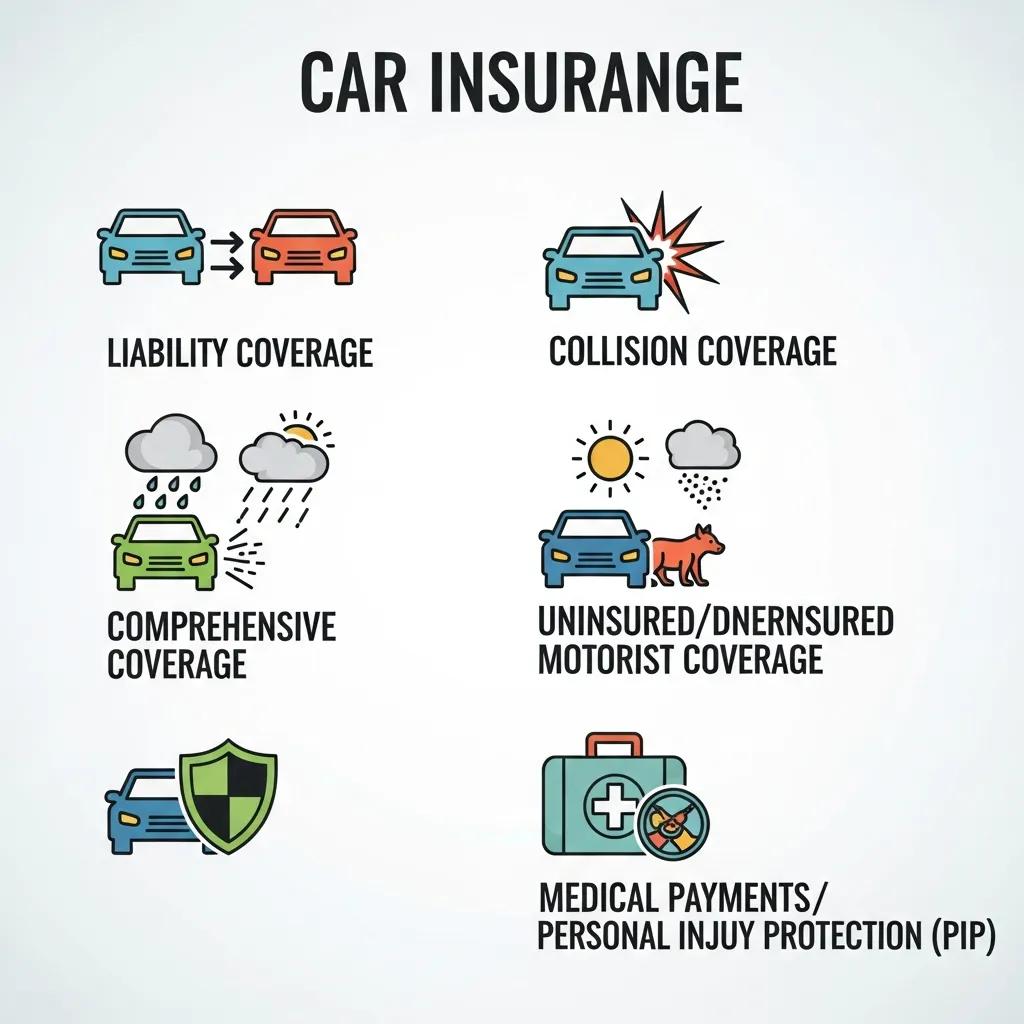
Liability covers other people’s medical bills and property damage when you’re at fault. Collision covers repairs to your vehicle after a crash and comprehensive covers non‑collision losses like theft, vandalism, or weather damage. Uninsured/underinsured motorist coverage helps when the at‑fault driver doesn’t have enough insurance. Add‑ons such as rental reimbursement or roadside assistance make the repair process easier. When you request quotes, ask each company to use the same limits (for example, 100/300/100 for bodily injury/property damage) and the same deductible so you can compare apples to apples.
How do premiums, deductibles, and limits affect your policy?
Your premium is what you pay to keep coverage in force, the deductible is the amount you pay out of pocket on a claim, and limits cap what the insurer will pay. Choosing a higher deductible usually lowers your premium but increases your cost after an accident; higher limits raise the premium but reduce your long‑term financial risk. A simple way to think about trade‑offs is: expected annual cost ≈ premium + (chance of a claim × expected out‑of‑pocket after deductible). Understanding premium, deductible, limits, and endorsements helps you decide whether you want lower year‑to‑year costs or stronger protection.
Below is a quick reference showing common coverages and typical scenarios.
| Coverage Type | What It Covers | Example Scenario |
|---|---|---|
| Liability Coverage | Pays third‑party medical bills and property repairs when you’re at fault | You hit another car at an intersection; their repairs and medical costs are covered |
| Collision Coverage | Pays to repair or replace your vehicle after an impact | You hit a guardrail and need bodywork and frame repair |
| Comprehensive Coverage | Covers theft, vandalism, weather damage, and animal strikes | A hailstorm dents panels and smashes a window |
| Uninsured/Underinsured Motorist | Covers your injuries or vehicle damage when the other driver lacks enough insurance | A driver without insurance hits you and leaves |
| Add‑ons (rental, roadside) | Covers a rental car or towing and minor on‑road service | Your car is immobilized after a crash and you need a rental |
Use the table to match the same coverages and limits across insurers. Next, we’ll look at what influences the premiums you’ll see in those quotes.
Which factors influence your auto insurance rates?
Insurers price policies by assessing risk across personal, vehicle, and location factors. Knowing what they look at helps you find better rates and spot discounts. Key factors include your driving record, age, ZIP code, credit‑related factors where allowed, vehicle make and safety equipment, annual mileage, and your chosen coverage limits and deductibles. Insurers also consider repair cost exposure—cars that are costly to fix or require OEM parts usually cost more to insure—so vehicle details affect both premiums and repair outcomes.
How do personal factors like driving record and location impact rates?
Your driving history—violations, accidents, and recent claims—directly affects your premium because it signals future risk. Your ZIP code matters: areas with more traffic, higher theft or vandalism rates, or frequent severe weather lead to higher premiums. Commute distance and where you park (garage vs. street) also matter because more miles equals more exposure. Understanding these factors lets you focus on discounts and behavior changes that can lower your rate.
What vehicle attributes and discounts can lower your premium?
Cars with advanced driver‑assistance (ADAS), multiple airbags, and anti‑theft devices often qualify for discounts because they reduce crash frequency or theft risk. Bundling auto and homeowners policies, multi‑car discounts, defensive driving course credits, and good‑driver discounts can also lower cost. Insurers may favor models that are cheaper to repair, while luxury or performance vehicles can increase premiums due to higher parts and labor costs. Find every available discount and combine them with safety features to get the best rates.
- Driving record, violations, and recent claims
- Vehicle safety features, model, and repair cost exposure
- Location (ZIP code) and annual mileage
- Discounts: multi‑policy, multi‑car, defensive driving, good‑driver
When you request quotes, mention these factors so companies can apply every discount you qualify for. Next we’ll cover a repeatable process for collecting and comparing quotes.
What is the step‑by‑step process to compare auto insurance quotes?
A good comparison follows a repeatable process: gather the same information for every insurer, request standardized quotes, record service and financial metrics, and evaluate total cost plus coverage completeness. Start by compiling VIN, current mileage, driving history, desired limits, and deductibles so each insurer prices the same scenario. Then request quotes with identical limits and deductibles and compare price, endorsements, insurer financial strength, and claims satisfaction to make a balanced choice. This approach helps you compare quotes fairly and pick the best mix of coverage and value.
How do you gather and standardize multiple insurance quotes?
Get quotes from several sources: insurer websites, independent agents, and aggregator tools, and use the same limits, deductibles, and endorsements for each request. Put each quote into a simple template listing insurer name, total price, deductible, limits, and discounts so you can compare side‑by‑side. Also note insurer ratings for financial strength and customer service to weigh reliability with price. Standardizing prevents false savings that vanish when coverages differ and prepares you for the evaluation step.
What criteria should you use to evaluate and choose the best quote?
Look beyond the premium. Compare total annual cost, expected out‑of‑pocket after deductible, the insurer’s reputation for handling claims, and repair‑network policies that determine where and how your car is fixed. Check whether the insurer requires a direct repair network, allows OEM parts and documented procedures, or prefers lower‑cost alternatives. Consider long‑term value: a slightly higher premium that guarantees factory‑quality repairs can save money and protect safety over time. One useful weighting is: price (40%), claims handling (30%), repair quality allowances (20%), discounts/endorsements (10%).
| Insurer / Quote | Limits / Deductible | Price (Annual) | Discounts / Notes |
|---|---|---|---|
| Example Insurer A | 100/300/100, $500 deductible | $1,100 | Multi‑policy, good‑driver |
| Example Insurer B | 100/300/100, $500 deductible | $1,050 | Defensive driving discount |
| Example Insurer C | 100/300/100, $1,000 deductible | $950 | Higher deductible; lower premium |
The template helps you see trade‑offs between price and out‑of‑pocket risk so you can choose the best coverage. With standardized quotes ready, the next important topic is how repair quality ties into your insurance choice.
Why does repair quality matter when choosing auto insurance?
Repair quality affects occupant safety, long‑term vehicle value, and future insurance outcomes. Poor repairs can compromise safety systems and lower resale value. Choosing policies or repair networks that allow OEM parts and factory procedures helps preserve original crash performance and proper ADAS calibration. Insurers that push low‑cost repairs may reduce short‑term payouts but increase the chance of improper repairs, future failures, and lower vehicle worth. Understanding this connection helps you weigh quotes with repair quality in mind.
How do OEM‑certified repairs affect your vehicle’s safety and value?
OEM parts and factory procedures preserve fit, strength, and the proper function of structural components and safety systems—critical after a crash. Correct ADAS recalibration and documented repair steps ensure sensors and driver‑assist features work as intended, protecting safety and resale value. When comparing quotes, check whether insurers permit OEM procedures so you don’t trade repair quality for a lower price.
What advantages do I‑CAR Platinum certified technicians provide?
I‑CAR Platinum certification means ongoing, advanced technician training in modern repair methods and safety procedures. That training leads to more accurate repairs, proper calibration, and better documented work—reducing the risk of future failures or safety issues. Repairs done by I‑CAR Platinum–trained technicians are more likely to meet insurer and manufacturer standards. Prime Time Collision Center highlights I‑CAR Platinum training among our credentials to reassure customers that repairs meet factory expectations.
| Repair Approach | Parts / Procedure | Insurance & Safety Implication |
|---|---|---|
| OEM / Factory‑Quality Repairs | OEM parts, documented procedures, ADAS calibration | Preserves crashworthiness and resale; supports OEM claims |
| Aftermarket / Unknown Parts | Non‑OEM parts, variable procedures | Possible fit or function issues; may reduce vehicle value |
| Economy Repairs | Lower‑cost parts and shortcuts | Greater risk of improper repairs and future problems |
| Certified Technicians | I‑CAR Platinum or equivalent training | Higher confidence in correct procedures and insurer acceptance |
| Undocumented Work | No recorded procedures or parts traceability | More disputes with insurers and unknown safety impact |
This comparison shows how repair approach affects safety and insurance outcomes and underscores why repair‑network rules matter when you compare quotes. Next we’ll cover practical steps for navigating the claims process after an accident.
How can you navigate insurance claims after an accident?

A clear claims process reduces stress and improves the chance of a proper repair. First ensure everyone is safe, then document damage, notify your insurer, get multiple estimates, and request OEM parts and documented procedures if you want factory‑quality repairs. Keep good photos, police reports, and written estimates to create a factual record that supports coverage and repair discussions. Asking for OEM parts and documented procedures in writing—request → insurer acknowledgment → documented repair—strengthens your position during a claim. These steps help you work effectively with repair shops and insurers.
What role does Prime Time Collision Center play in insurance claim assistance?
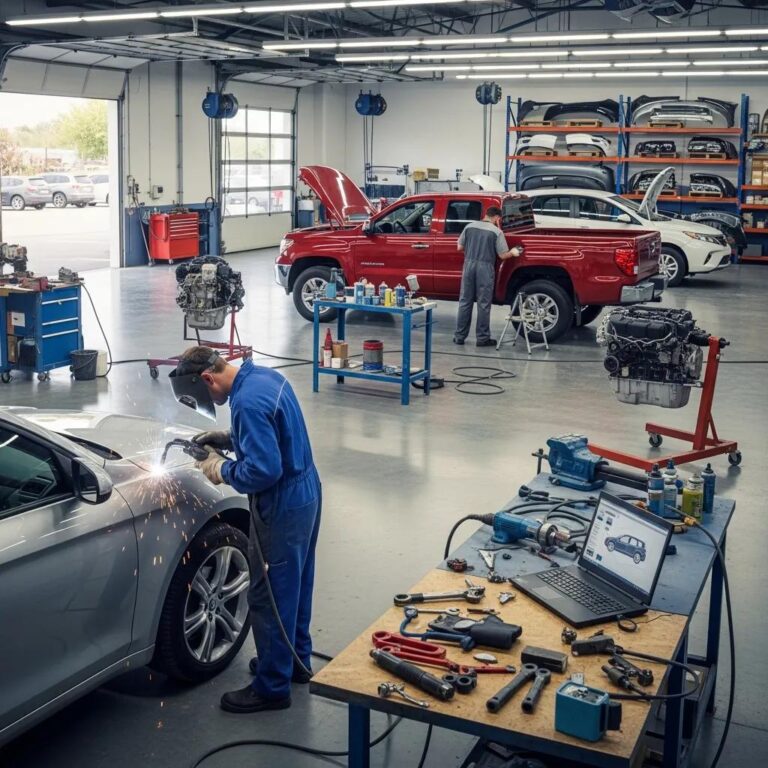
Prime Time Collision Center provides free estimates and works with insurers to advocate for factory‑quality repairs. We use I‑CAR Platinum–certified technicians and documented repair procedures, and we offer 24/7 towing to get vehicles off the road quickly. Our team prepares detailed estimates and repair plans to support OEM parts requests and the necessary ADAS calibration, which can reduce disputes over repair approach. If you need help during a claim, we can act as your local advocate to align insurer directions with manufacturer procedures.
How do I ensure my repairs are covered and meet factory‑quality standards?
Document all damage with photos and keep written estimates, then explicitly request OEM parts and documented repair procedures when you talk to your insurer and repair shop. Say something like: “Please confirm in writing that OEM parts and factory procedures will be used for structural and safety components.” Involving the repair shop early helps—shops that provide detailed estimates and credentials (for example, I‑CAR Platinum) can present the technical case to insurers. This documentation supports coverage decisions and increases the chance repairs meet factory standards.
- Ensure safety and document the scene: Take photos, exchange information, and file a police report if needed.
- Notify your insurer promptly: Give the facts and initial documentation to start the claim.
- Get detailed estimates: Request written estimates that list parts, labor, and calibration procedures.
- Request OEM parts and documented procedures: Ask for this in writing and have your shop back up the request.
Following these steps creates clarity for both insurer and repairer and reduces the risk of misunderstandings. Next, we answer common questions readers have about comparing insurance and repairs.
What are common questions about comparing auto insurance and repairs?
People often ask when to compare quotes, why looking only at premium can be misleading, and how repair networks affect outcomes. Short, practical answers help you act quickly and wisely. The responses below balance cost concerns with repair‑quality implications so you choose options that protect safety and long‑term value.
How often should you compare auto insurance quotes for best savings?
Compare quotes at least once a year and after major life changes—moving, buying a new car, a change in commute, or a clean driving year. Annual checks capture new discounts and market shifts; life events often create immediate savings or require different limits. Keep a short checklist (VIN, mileage, driving record, current limits) so you can quickly request comparable quotes and find the best rates when things change.
Why is comparing only premiums a mistake when choosing insurance?
Focusing solely on the lowest premium ignores deductibles, limits, exclusions, claims handling, and repair‑network policies that determine your real cost after an accident. A low premium paired with a high deductible or restricted repair allowances can lead to bigger out‑of‑pocket bills, poorer repairs, and safety trade‑offs. Consider total expected cost and repair‑quality allowances to avoid the hidden costs of cheap premiums and to make sure your policy supports OEM‑quality repairs when needed.
Common mistakes include assuming coverage is identical without checking the declarations page, overlooking repair‑network rules, and missing discounts you qualify for. Standardize limits, document insurer promises, and prioritize repair quality to get the best long‑term value. If you need post‑accident help with estimates or repair coordination, Prime Time Collision Center can assist with free estimates, towing, and insurer communication to support factory‑quality repairs.
Frequently Asked Questions
1. What should I do if I find discrepancies in auto insurance quotes?
If quotes don’t match, review each one line‑by‑line. Check coverage limits, deductibles, and exclusions. Call the insurers to clarify differences—sometimes an endorsement or optional extra is included by one company but not another. Document what you find and ask for corrected quotes so you’re comparing identical coverages. That makes your decision more reliable.
2. How can I ensure I’m getting the best discounts on my auto insurance?
Ask about every available discount when you request quotes. Common ones include multi‑policy, good‑driver, safety‑feature, and multi‑car discounts. Consider a defensive driving course if it qualifies for a reduction. Update your insurer when your situation changes (new vehicle, fewer miles, improved driving record) so you don’t miss savings.
3. What is the importance of reading customer reviews for insurance companies?
Customer reviews show how insurers handle claims, communicate, and solve problems—things you won’t see just by reading a policy. Reviews can reveal common complaints like slow pay‑outs or poor communication. Use them to judge whether an insurer’s service level matches your expectations for claims support.
4. How do I know if my current auto insurance policy is still adequate?
Review your policy after any life change—new job, move, different vehicle—or at least once a year. Check your limits and deductibles against your current needs and the value of your car. Comparing quotes regularly will also show whether you can improve coverage or save money with a different policy.
5. What steps should I take if my insurance claim is denied?
Start by reading the denial letter to understand why. Gather photos, police reports, estimates, and any correspondence with the insurer. Call the company to ask for clarification and submit any missing documentation. If needed, file an appeal with your supporting evidence. If the denial still seems wrong, contact your state’s consumer protection agency or consult an attorney who handles insurance disputes.
6. How can I prepare for a conversation with my insurance agent?
Bring your current policy, vehicle information, recent mileage, and notes on any life changes. Write down specific questions about coverage, limits, and discounts. A clear checklist helps you cover the key points and makes the conversation efficient and productive.
7. What are the benefits of using an independent insurance agent?
Independent agents represent multiple insurers, so they can compare coverage options and prices for you. They offer personalized service, help explain complex policy details, and can assist with claims and advocacy. That extra guidance often leads to better long‑term fit and satisfaction.
Conclusion
Comparing auto insurance quotes the right way helps you secure better coverage without overpaying. Learn the policy basics, understand what affects your rate, and weigh repair quality alongside price to protect your vehicle and family. Start by gathering standardized quotes and checking for every discount. For personalized help with estimates and repairs, contact Prime Time Collision Center — we’re here to support factory‑quality repairs and smooth claims handling.