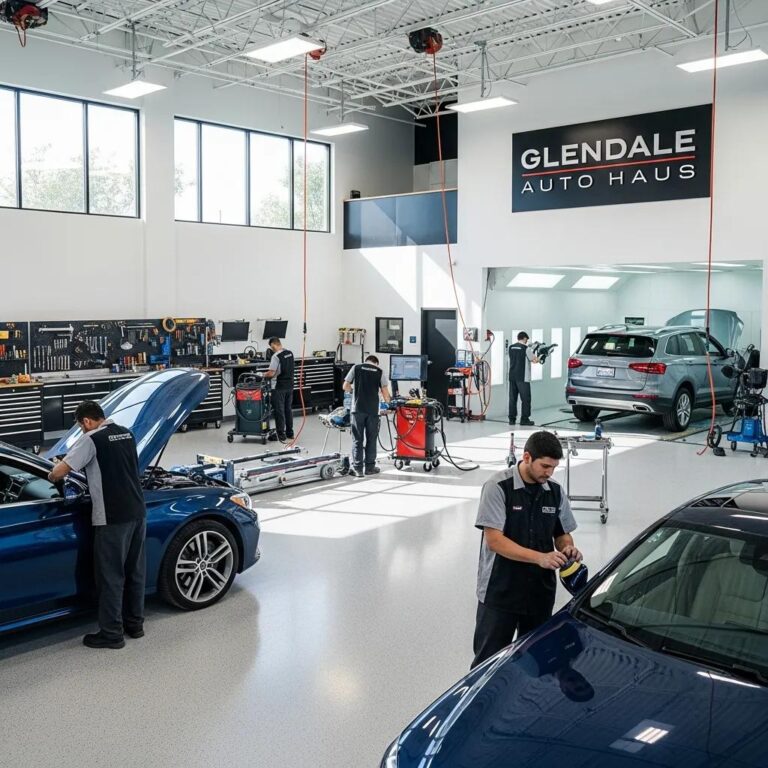
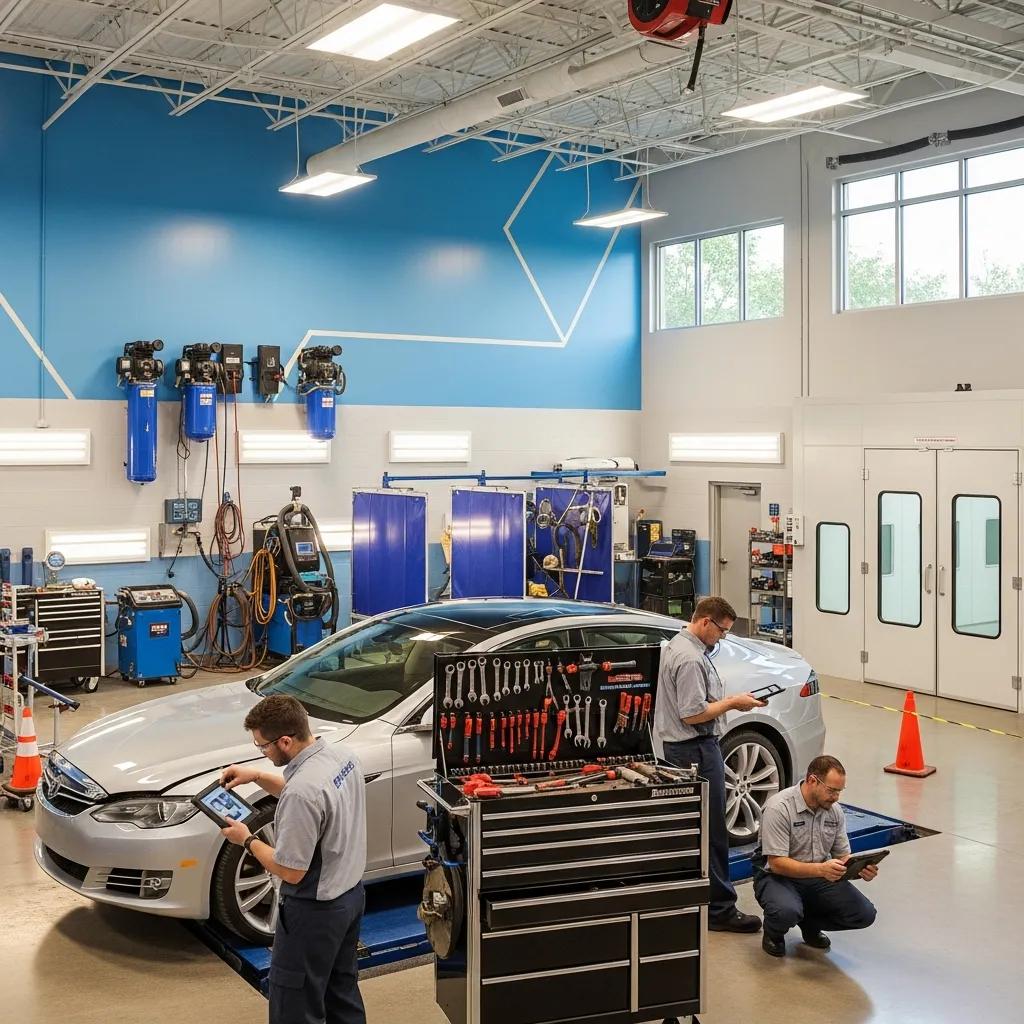
Adams Hill & Glendale Auto Body Repair — Fast, Safe Recovery After a Collision
After a crash in Adams Hill, drivers need straightforward steps and a trusted repair partner that protects safety and factory standards. This guide walks you through what to do at the scene, the collision repair services available nearby, and how to choose repairs that preserve safety and resale value. You’ll learn which fixes matter most for structural integrity and ADAS performance, when paintless dent repair (PDR) makes sense, and how OEM-certified work and clear insurance coordination speed a proper recovery. Where helpful, we explain how Prime Time Collision Center supports Adams Hill and Glendale drivers every step of the way.
What Should Adams Hill Drivers Do Immediately After a Car Accident?
Right after a crash, focus on safety, documenting the scene, and preserving evidence — these actions protect you and make claims and repairs smoother. Make sure anyone injured gets help and contact emergency services if needed. Photograph the vehicles, damage, and surroundings, exchange information with other drivers, and start your insurance claim. These steps also preserve options for OEM repairs and correct ADAS recalibration later.
- Check for injuries and, if needed, call 911; if the car is safe to move, get everyone to a secure spot.
- Take clear photos of all vehicles, damage, skid marks, traffic signs, and the general scene.
- Exchange names, phone numbers, and insurance details with other drivers; collect witness contacts if possible.
- Record vehicle details like visible VIN, odometer, and any dashboard safety alerts — these matter for repairs.
- Report the crash to your insurer and keep the police report number for claim and repair approvals.
Following these steps keeps you safe and preserves the evidence insurers and shops need — which makes it easier for local collision centers to arrange towing, inspections, and estimates.
How Does Prime Time Collision Center Support You After an Accident in Adams Hill?
Prime Time Collision Center helps drivers move from the scene to a clear repair plan. We coordinate 24/7 towing when a vehicle can’t be driven, perform an initial triage estimate to flag structural or safety issues, and advise on documenting damage for insurance. We can then schedule a full inspection and OEM-quality estimate so you know the repairs required and timing. For Adams Hill drivers, that early guidance reduces downtime and helps ensure repairs follow manufacturer procedures.
Early stabilization and accurate triage matter — that’s why fast, reliable towing and an informed initial inspection can protect repair options and overall vehicle safety.
Why Is 24/7 Emergency Towing Essential for Adams Hill Accidents?
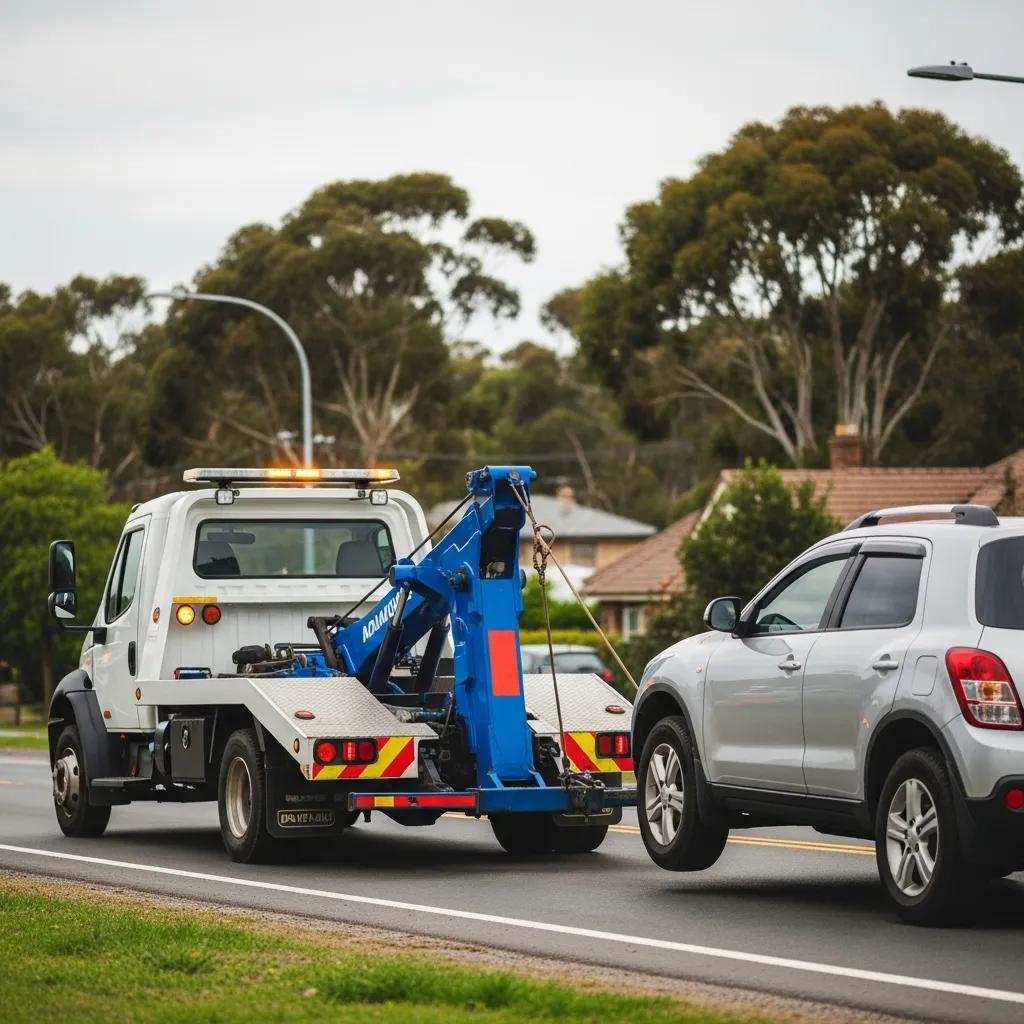
Round-the-clock towing lowers the chance of extra damage and preserves the evidence shops and insurers need for accurate estimates. If a car has frame or suspension damage, moving it incorrectly can make alignment problems worse or hide structural issues — professional towing prevents that. Early tow-in also lets technicians scan for ADAS warnings or airbag module faults right away, which affects repair scope and safety decisions. Faster access to a certified repair facility shortens downtime and helps owners decide on OEM parts and necessary calibrations sooner.
Using professional towing protects your vehicle’s condition and supports a faster path from incident to full, factory-quality repair — which ties directly into the services available locally for Adams Hill drivers.
Which Comprehensive Collision Repair Services Are Available in Adams Hill?
Adams Hill drivers have access to a full lineup of collision services to restore safety, fit, and finish after a crash. Common services include frame and structural repair, computerized paint matching and refinishing, paintless dent repair for qualifying dents, and ADAS calibration for vehicles with driver-assistance sensors. Modern shops also address EV-specific needs and sensor recalibration so safety systems meet manufacturer specs after repairs. Knowing what each service covers helps you pick the right repair path for safety and resale value.
The table below summarizes main repair services, why they matter, and typical timeframes so you can set realistic expectations and compare options.
This overview helps owners plan timing and discuss repair scope with their chosen collision facility.
| Service | Key Benefit | Typical Timeframe / Notes |
|---|---|---|
| Frame and Structural Repair | Restores chassis alignment and crash-energy management | From 1–5 days to several weeks, depending on parts and structural complexity |
| Paint Matching & Refinishing | Returns factory color match and clearcoat protection | Usually 1–4 days per panel; blending can add time |
| Paintless Dent Repair (PDR) | Fixes minor dents while keeping OEM paint intact | Often same-day to 2 days for eligible dents |
| ADAS Calibration & Sensor Recalibration | Restores accuracy of driver-assist and safety systems | 1 day to several days depending on equipment and parts |
| Scratch & Dent Removal (Traditional) | Repairs painted surfaces using fillers and repainting | Typically 1–5 days based on panel complexity and curing |
What Are the Benefits of Frame and Structural Repair for Adams Hill Vehicles?
Proper frame and structural repair returns the vehicle’s engineered crash paths and ensures safety systems work as intended after a collision. Aligning the chassis to manufacturer tolerances prevents uneven tire wear, steering pull, and compromised suspension geometry that can make a car unsafe to drive. Certified frame-straightening equipment and documented procedures produce measurable alignment results and support insurance and resale value. For owners, investing in correct structural repair reduces long-term issues and preserves the integrity of critical safety features.
Restoring the frame also enables accurate ADAS recalibration and gives paint work a correct foundation for a seamless finish.
How Does Flawless Paint Matching and Refinishing Restore Your Car’s Appearance?
Accurate paint matching combines computerized color readings, expert blending, and controlled curing to recreate the manufacturer finish and clearcoat depth across repaired panels. Proper layering and blending into adjacent panels prevents visible repair spots and keeps resale appeal intact, while quality clearcoat protects against UV and environmental wear. Technicians use color-matching software and calibrated spray booths to reproduce tint and reflectivity to OEM standards. Correct bake and quality checks ensure the finish resists chipping and retains gloss and texture over time.
A precise refinish not only restores looks but also provides long-term protection — and choosing the right paint process can reduce the risk of corrosion or finish failure on repaired areas.
How Does Paintless Dent Repair Benefit Adams Hill Car Owners?
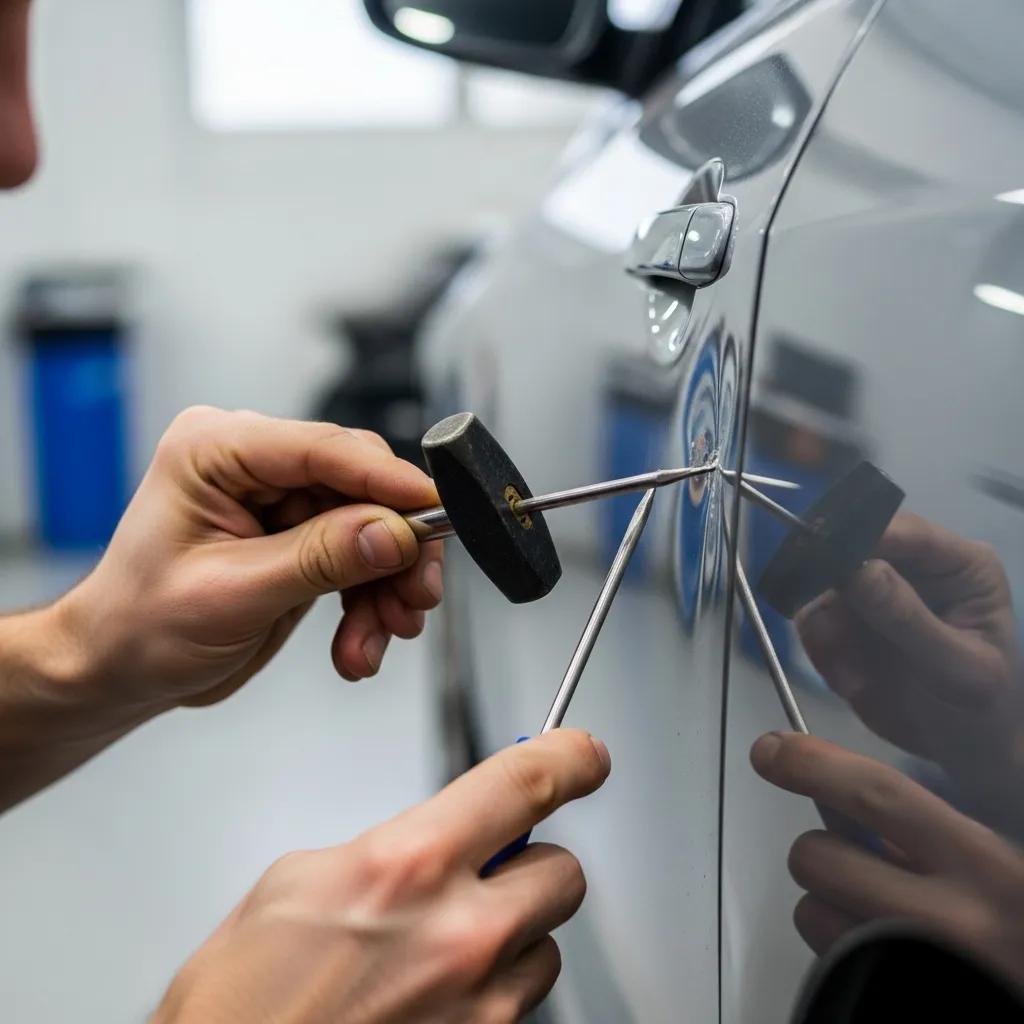
Paintless Dent Repair (PDR) reshapes metal from behind the panel without sanding or repainting, preserving the OEM paint while restoring the panel’s contour. For qualifying dents, PDR reduces repair time and cost because it skips filler and repaint steps, and it helps maintain vehicle value by keeping the factory finish intact. Turnarounds are often much faster than traditional bodywork, making PDR a practical option for door dings, hail damage, and similar impacts when conditions allow.
Below are PDR’s main advantages and quick guidance on when to choose it over conventional repairs.
- Preserves OEM Paint: No repainting keeps the factory finish intact.
- Faster Turnaround: Many PDR jobs finish in hours instead of days.
- Cost-Effective: Less labor and no paint materials normally lower the bill.
- Maintains Resale Value: Original paint avoids questions from future buyers and appraisers.
These benefits make PDR an excellent choice for many Adams Hill dents; the next section helps you identify qualifying damage.
What Types of Dents and Scratches Can PDR Effectively Fix in Adams Hill?
PDR is most effective on small-to-medium dents where the paint hasn’t cracked and there are no sharp creases or missing metal — examples include door dings, shallow hail dents, and minor bumper impacts. Good signs for PDR are smooth dent contours, intact paint without hairline cracking, and technician access to the panel’s backside. If the damage includes deep creases, paint loss, or structural deformation, traditional repair with filler and repainting will likely be required. A quick inspection by a qualified PDR technician will confirm eligibility and provide a time and cost estimate.
Spotting PDR-appropriate damage early can keep your car’s factory finish intact and avoid unnecessary repainting.
Why Choose Paintless Dent Repair Over Traditional Methods in Adams Hill?
PDR usually reduces downtime, cost, and impact to OEM finishes when the damage qualifies. Because it skips sanding and repainting, PDR avoids color mismatch risks and preserves the manufacturer clearcoat that helps protect the metal. It also gets your vehicle back on the road faster and is less intrusive to trim and sensor systems. That said, PDR has limits: severe dents, creases, or areas with inaccessible backs require traditional repair. Technicians will recommend the method that delivers the best cosmetic and safety outcome for your vehicle.
Weighing these trade-offs helps you pick the repair approach that balances appearance, cost, and long-term value — factors closely tied to OEM repair considerations covered next.
Why Is OEM Certified Auto Body Repair Crucial for Adams Hill Glendale Vehicles?
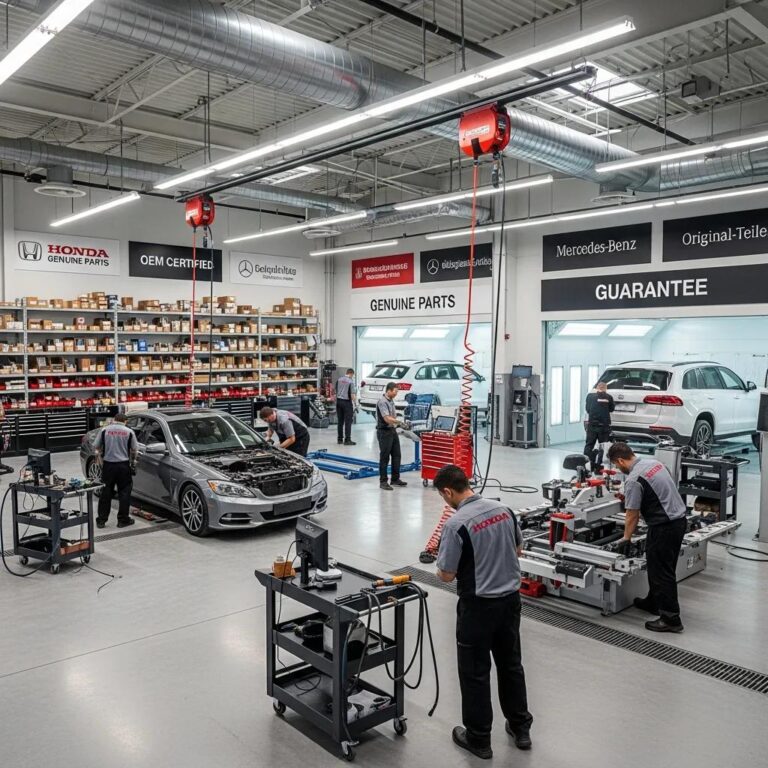
OEM-certified repair restores vehicles to manufacturer standards using trained technicians, proper tools, and approved parts and procedures — all important for keeping safety systems and warranties intact. Following OEM processes preserves crashworthiness, ensures correct fit and finish, and supports ADAS performance through precise recalibration. For owners, choosing OEM-certified work reduces the risk of degraded safety performance, warranty disputes, and devaluation from substandard parts or procedures. Knowing the difference between OEM-certified and aftermarket repairs helps you make informed decisions after a collision.
The table below compares OEM, aftermarket, and mixed approaches so you can see the potential effects on safety and vehicle performance.
| Repair Approach | Safety / Warranty Attribute | Effect on Vehicle |
|---|---|---|
| OEM-Certified Repairs | Uses manufacturer procedures and calibrated equipment | Helps preserve crashworthiness and warranty compliance |
| Aftermarket / Non-Certified Repair | May use non-standard parts or procedures | Higher risk of fit issues or warranty and safety concerns |
| Mixed Approach | OEM parts with non-certified procedures | Some benefits, but may still need calibration to meet specs |
This comparison shows why a certified repair path matters for long-term safety and warranty protection — and the next section highlights the certifications local providers hold.
What OEM Certifications Does Prime Time Collision Center Hold for Adams Hill Repairs?
Prime Time Collision Center lists I-CAR Platinum among its technician credentials, which means ongoing training across structural, refinish, and electronic repairs. I-CAR Platinum reflects a shop commitment to current collision repair standards and continuing education. We also emphasize OEM-quality repairs and back our work with a lifetime warranty, signaling confidence in durability and follow-up support for Adams Hill customers. If your vehicle needs brand-specific approvals, ask us to confirm manufacturer endorsements for your make and model.
Knowing a shop’s certifications helps you evaluate whether they follow rigorous training and quality practices that protect vehicle safety.
How Do OEM Parts and Repairs Maintain Vehicle Safety and Warranty?
OEM parts and manufacturer-aligned procedures ensure components meet original material, fit, and dimensional specs — essential for crash energy management, sensor accuracy, and proper assembly. Using certified parts lowers the risk of improper load paths or sensor misalignment that can compromise occupant protection and ADAS function. Correct installation and documented recalibration help preserve warranty conditions and reduce disputes with insurers or buyers. For complex ADAS or EV systems, following OEM procedures and using the right diagnostic tools is crucial to restore pre-accident performance.
Choosing OEM parts and calibrated repairs when needed supports long-term reliability and safety, and it naturally connects to how shops handle the insurance process to implement these standards.
How Does Prime Time Collision Center Assist with Insurance Claims in Adams Hill?
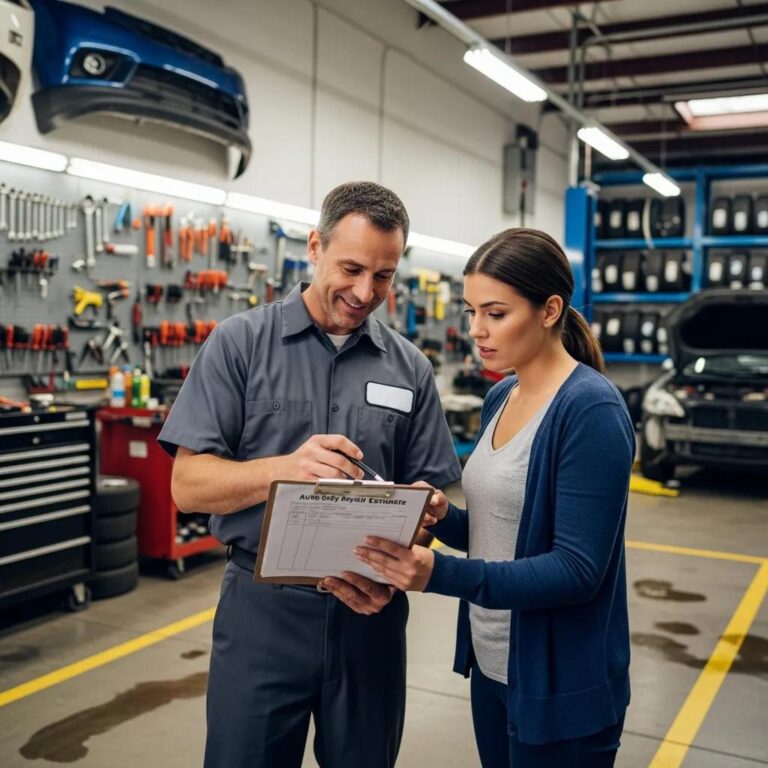
We help Adams Hill customers by documenting damage, coordinating with insurers, and guiding the repair timeline to reduce surprises. The process starts with a detailed estimate and photos, then we communicate with the adjuster to clarify repair scope and parts specs. Many shops, including ours, can offer direct billing or provide invoices formatted for insurers, and we schedule repairs and calibrations once approvals are in place. Clear, timely communication at each claim step reduces friction and supports using OEM parts and certified procedures when required.
The table below outlines typical claim steps, who handles them, and what you can expect so the workflow is easier to follow.
| Claim Step | Who Does It | What To Expect |
|---|---|---|
| Initial Report & Documentation | Customer files claim; shop documents damage | Police report and photos help open the claim |
| Estimate & Inspection | Collision shop prepares detailed estimate | Shop provides itemized repair plan and parts specifications |
| Insurer Approval & Authorization | Insurer reviews estimate; shop negotiates if needed | Approval, clarification requests, or adjuster inspection |
| Repair Scheduling & Execution | Shop orders parts and performs repairs | Account for OEM parts lead-times; repairs and calibrations completed |
| Final QA & Billing | Shop completes QA and submits final invoice | Direct billing options or customer settlement handled |
Which Insurance Companies Does Prime Time Collision Center Work With in Glendale?
Prime Time Collision Center works with all major insurers, giving us experience submitting detailed estimates, managing approvals, and accommodating different billing preferences. That said, we encourage customers to confirm carrier-specific processes and direct-billing or rental-car arrangements during the estimate so there are no surprises about deductibles or timelines. Clearing up those details early helps keep repairs aligned with manufacturer and insurer expectations.
What Is the Step-by-Step Insurance Claims Process for Adams Hill Customers?
The usual claim flow is: file the claim and get police documentation, get a thorough estimate and photos from a qualified shop, submit those to the insurer, receive approval or requests for clarification, then schedule repairs with parts ordering and final QA. Timelines depend on damage severity and parts availability, but fast documentation and clear communication speed things up. We help prepare estimates, talk with adjusters, and perform OEM-quality repairs once the claim is approved. Documenting ADAS components and planning for recalibration up front helps avoid post-repair safety issues.
Knowing these stages makes it easier to track progress from crash to completed, certified repairs.
What Do Adams Hill Customers Say About Their Auto Body Repair Experience?
Local feedback often centers on communication, repair quality, and timeliness. Reviewers commonly praise transparent estimates, regular updates during repairs, and the durability of the finished work — especially when OEM parts and proper calibrations are used. Lifetime warranties and technician certifications are frequent trust signals because they show accountability for long-term results. For Adams Hill residents, picking a shop with clear communication and a documented quality process increases the chances of a smooth repair experience.
Which Local Testimonials Highlight Prime Time Collision’s Quality and Service?
Local reviews highlight clear communication, careful damage documentation, and good fit-and-finish on returned vehicles. Customers mention reliable estimates, attention to ADAS alerts, and efforts to match factory paint as indicators of quality workmanship. References to lifetime warranty coverage and I-CAR Platinum-trained technicians reassure many owners that the shop stands behind its repairs. While experiences vary, these recurring themes help prospective customers prioritize shops that emphasize process and post-repair support.
How Do 5-Star Reviews Reflect Prime Time Collision’s Commitment in Adams Hill?
Five-star feedback often points to three strengths: straightforward communication throughout repairs, attention to detail in the finished work, and confidence in warranty-backed support from trained technicians. Positive reviews frequently note timely updates, clear explanations of repair scope, and satisfaction with paint and structural restoration that meets factory standards. These patterns suggest certification, workmanship, and service combine to build trust among Adams Hill customers. Consider these themes alongside objective indicators like technician training and warranty terms when choosing a collision partner.
This summary of customer themes brings us to the next step: getting an estimate or scheduling repairs.
Frequently Asked Questions
What should I consider when choosing an auto body repair shop in Adams Hill?
Look for certifications, clear customer reviews, and a full range of services. OEM certifications and documented technician training indicate a shop follows manufacturer procedures. Read testimonials about communication and finish quality, and ask whether the shop has experience with your vehicle make. Finally, confirm how they handle insurance, rentals, and warranty coverage so you know what to expect.
How can I ensure my vehicle’s safety features are properly calibrated after repairs?
Choose a shop that performs OEM-aligned repairs and has experience with ADAS recalibration. Ask if they use manufacturer diagnostic tools and follow OEM procedures, and request written documentation of any calibrations performed. That paperwork helps preserve warranties and proves the safety systems were restored correctly.
What is the typical timeline for collision repairs in Adams Hill?
Timelines vary with damage severity and parts availability. Minor work like PDR can take hours to a couple of days; panel refinishing often takes a few days; structural repairs may run from several days up to a few weeks. Your repair advisor should give a more accurate estimate once the damage and parts lead times are known.
Are there any warranties available for auto body repairs?
Many reputable shops, including Prime Time Collision Center, offer warranties on workmanship and sometimes on the parts used. Ask for details about coverage, length, and what’s included so you have clear expectations about post-repair support.
How can I prepare for my visit to an auto body repair shop?
Bring your insurance details, the police report (if available), and any photos you took. Make a list of questions about repair scope, parts, timelines, and warranty. Knowing your vehicle’s history and pointing out any ADAS alerts will help the technician provide a precise estimate.
What are the advantages of choosing OEM parts for repairs?
OEM parts are designed for your vehicle and meet the manufacturer’s specifications for fit and safety. Using OEM parts helps maintain crash performance, sensor accuracy, and warranty coverage, and it can protect resale value by ensuring a correct fit and finish.
Conclusion
Choosing Prime Time Collision Center for Adams Hill and Glendale repairs means your vehicle gets OEM-focused care with certified technicians, clear communication, and a lifetime warranty on our work. From emergency towing and accurate triage to advanced ADAS calibration and flawless refinishing, we aim to restore safety and value quickly and correctly. Contact us to schedule an estimate or repair — we’ll guide you through the claim process and get you back on the road with confidence.