

Allstate Car Insurance Claim Guide: How to File, Navigate, and Repair with Prime Time Collision Center
Clear, practical steps can make filing an Allstate claim less stressful and get your car repaired safely and quickly. This guide walks you through what to do right after an Allstate-related accident, how to file a claim by phone or online, what to expect during the claim lifecycle, and how repair choices affect safety and resale value. You’ll find step-by-step reporting instructions, the documentation Allstate typically asks for, how adjusters assess damage, and the difference between OEM-certified and conventional repairs. We also map expected timelines for reporting, estimates, approvals, and repairs, answer common policyholder questions about shop choice and claim status, and highlight how Prime Time Collision Center helps with towing, estimates, and insurer communication for drivers in Glendale, Burbank, Pasadena, and Los Angeles.
What Should You Do Immediately After an Allstate Car Accident?
Right after an accident, put safety first and capture clear documentation — both protect people and preserve the evidence your claim will need. Check for injuries and call emergency services if anyone needs help. Move to a safe location only when it’s safe to do so. Then document the scene with photos and notes, exchange information with the other driver(s), and get a police report number if an officer responds. Those basic actions keep your claim on solid footing. Below is a short, prioritized checklist you can follow at the scene.
- Stop safely and switch on your hazard lights to prevent further incidents.
- Call 911 if there are injuries or a crime; ask for a police report number.
- Photograph all vehicle damage, the surrounding scene, skid marks, and license plates.
- Exchange names, phone numbers, insurance details, and vehicle descriptions with other drivers.
- Write down witness names and numbers and make quick voice notes describing what happened.
This checklist captures the essentials Allstate will look for and prepares you to move forward with the claim process.
How to Ensure Safety and Document the Accident Scene
Start by checking everyone for injuries and calling emergency responders if needed. Only move vehicles if it’s safe — preserving positions can be important evidence. Take wide photos that show vehicle placement and closer shots of damage, VINs, and license plates. Photograph nearby signs, signals, and road conditions as well. Record short voice notes about the sequence of events and collect witness contact details; those quick narratives often clear up questions later. Good scene documentation reduces disputes during estimate review and makes it easier to file your claim accurately.
When and How to Notify Allstate About Your Accident
Tell Allstate about the accident as soon as reasonably possible. Call if you need immediate help, or use the Allstate app or website to upload photos and documents for convenience. Have your police report number, photos, driver and vehicle information, and policy number at the ready. Stick to factual descriptions and avoid assigning blame in your initial report — that keeps your statement clear and avoids complications later. If you’d like help organizing photos or documentation, Prime Time Collision Center can prepare materials, produce an initial estimate, and coordinate with Allstate to speed intake. Prompt notification starts the claim timeline and moves you toward the formal filing steps below.
How Do You File an Allstate Auto Insurance Claim?
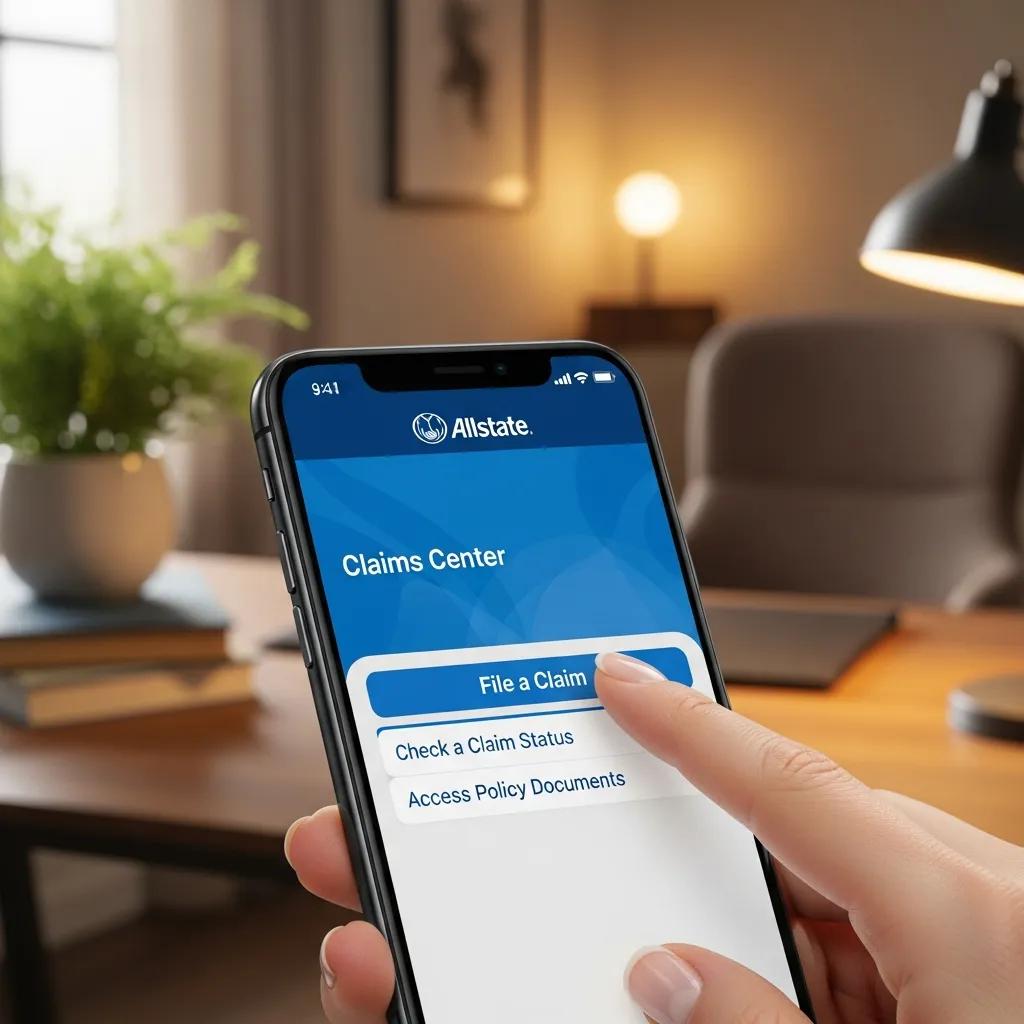
You can file an Allstate claim by phone, through the Allstate mobile app, or on the Allstate website. Each option collects the same key information to start an investigation: report the incident, upload photos and documents, get a claim number, and wait for an adjuster. For a smooth submission, gather your police report number, driver and vehicle details, photos of the scene and damage, witness contacts, and any medical notes if there were injuries. Prime Time Collision Center can help organize those items, create an initial repair estimate, and submit paperwork to Allstate on your behalf to avoid delays during intake.
Step-by-Step Process to Submit Your Claim Online or by Phone
The sequence below mirrors what Allstate asks for during intake and helps you get a claim number and next steps without surprises. Follow these steps in order to create a complete claim record and simplify the handoff to adjusters and repair shops.
- Collect essential details: police report number, photos, driver/vehicle information, and witness names.
- Pick a filing method: call Allstate for urgent needs or use the app/website to upload photos and documents.
- Give a clear, factual description of the incident without assigning fault; confirm your contact information.
- Write down the Allstate claim number and the name of the intake representative or claim handler.
- Ask what comes next: expected adjuster inspection timing, towing options, and how to submit estimates.
Following these steps creates a consistent claim record and prepares you to gather the documentation Allstate will want next.
What Information and Documentation Are Required for Your Claim
Use this quick-reference table to see the common documents Allstate typically requests when a claim is opened. Having these ready usually shortens adjuster review and speeds authorization.
| Item | Why It Matters | Example |
|---|---|---|
| Police report number | Official record used to verify facts | CHP or local incident report number |
| Photos of damage and scene | Visual evidence for estimates and liability | Wide and close-up photos, VIN and plate images |
| Driver and vehicle details | Identifies insured parties and vehicles involved | Name, phone, insurance policy number, plate |
| Witness contact info | Third-party statements can clarify events | Name, phone, short written witness note |
| Medical information (if injuries) | Supports injury claims and medical payments | ER report summary or treating provider contact |
Keep these items organized so you can provide a complete claim packet and move on to the claim lifecycle, explained next.
What Is the Allstate Car Insurance Claim Process?
An Allstate claim moves from your initial report into a series of review steps: adjuster assignment, inspection and estimate, approval or negotiation, payment, and repair scheduling. At each stage you can take actions to keep the claim moving. Adjusters assess damage, identify covered repairs, and compare shop estimates; understanding how estimates and approvals interact helps you advocate for OEM-quality repairs when safety systems are involved. Timelines vary by complexity — minor claims often move faster, while total-loss or injury claims take longer. The table below shows typical timeframes and the responsibilities tied to each step so you know when to expect adjuster contact and repair authorization.
| Claim Step | What Happens | Typical Timeline |
|---|---|---|
| Report filed | Claim created and number issued | Within hours to 24 hours |
| Adjuster inspection | Damage assessed, photos and notes recorded | 24–72 hours for scheduling |
| Estimate reconciliation | Shop and adjuster estimates compared | 2–7 days depending on complexity |
| Approval & payment | Carrier authorizes repairs or issues payment | Several days after agreement |
| Repair scheduling | Shop orders parts and schedules work | 3–14+ days depending on parts availability |
Knowing this lifecycle helps you coordinate with adjusters and your chosen repair shop, which matters when estimates differ — next, learn how to work with adjusters in practice.
Working with Your Allstate Adjuster: What to Expect

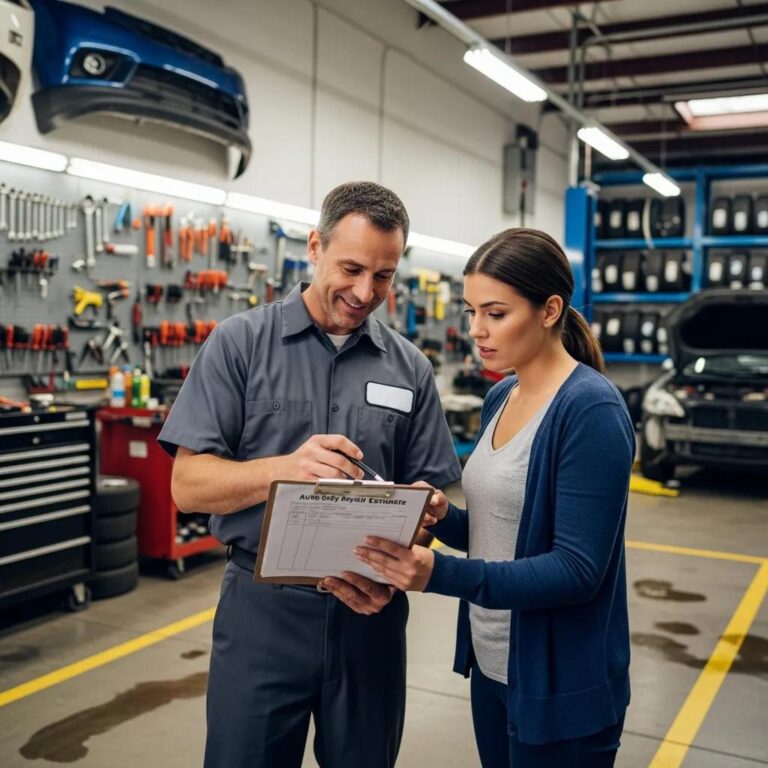
An adjuster documents damage, reviews estimates, and decides coverage and payment based on your policy and the evidence. Clear communication makes their job faster. During an inspection, expect questions about the sequence of events, visible damage, and any safety-system concerns — have your photos and the police report number handy. If you disagree with an adjuster’s estimate, get a second opinion from a certified shop and present an itemized repair recommendation; that often prompts a re-inspection or a discussion between the adjuster and the shop. Those steps lead into the next topic: how deductibles, estimates, and parts affect timing.
Understanding Deductibles, Damage Estimates, and Settlement Timelines
Your deductible, differences between estimates, and parts availability are the main drivers of settlement timing. Typically, your deductible is applied when repairs are authorized unless other arrangements are made. If a shop’s OEM-focused estimate differs from an adjuster’s estimate, documentation — photos, itemized labor, OEM procedures — is the way to resolve it, and sometimes a third-party review is used. Parts sourcing, modern vehicle complexity, and whether a claim involves total loss or injuries also affect timelines. Planning for alternate transportation and staying responsive with documentation and communication will help keep repairs on schedule.
Why Choose Prime Time Collision Center for Your Allstate Claim Repairs?
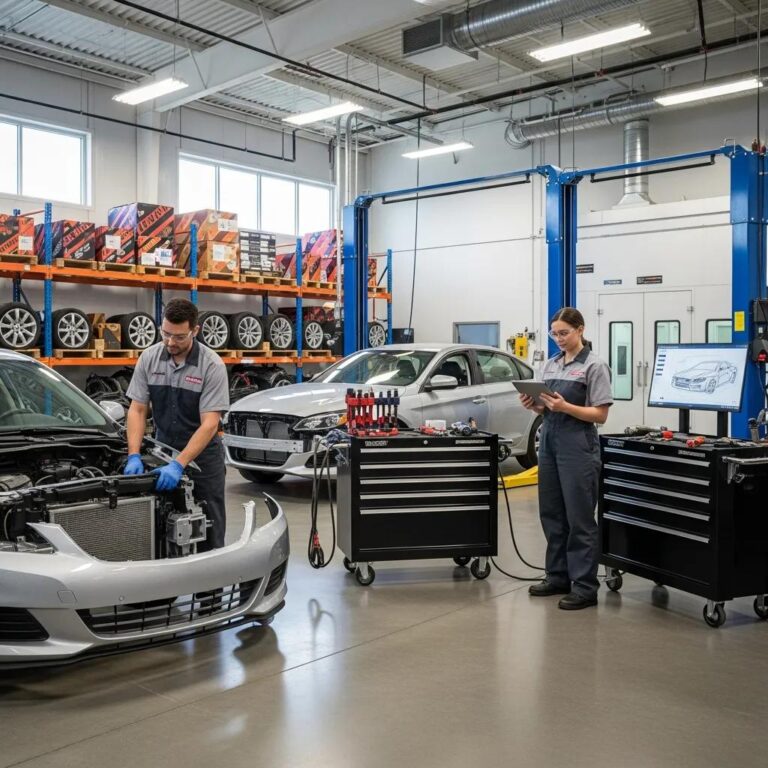
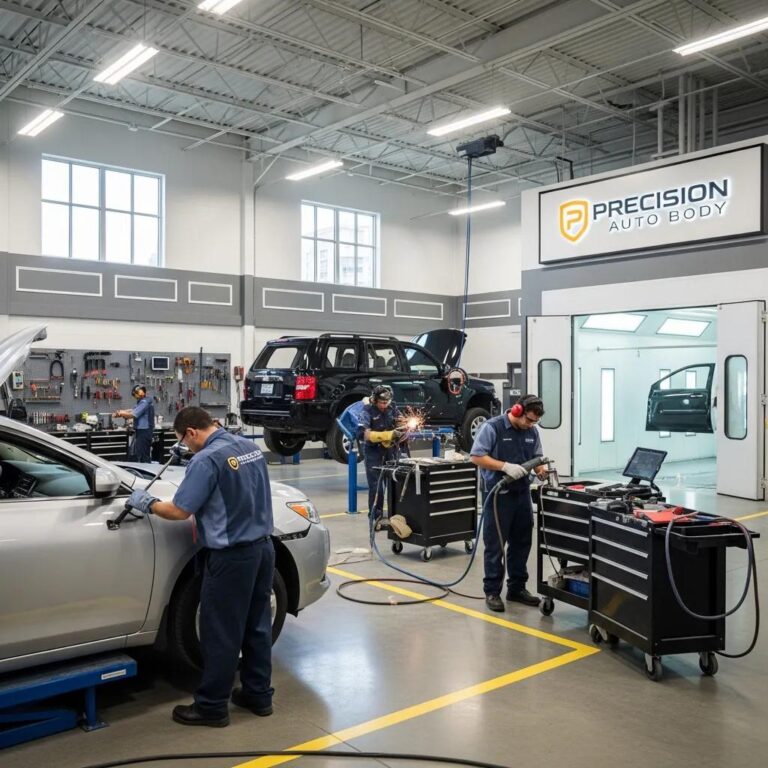
Prime Time Collision Center delivers OEM-quality collision repairs, I-CAR Platinum technicians, and active claims coordination that prioritize safety and long-term value. Following OEM procedures helps protect advanced safety systems and alignment specs, which preserves resale value and occupant protection. We provide free estimates, 24/7 towing coordination, and work with all major insurers while handling much of the claims communication to reduce administrative delays. We also back our work with a lifetime warranty on workmanship. For immediate help with towing or an estimate, local drivers can call (818) 396-4997.
| Feature | What It Means | Benefit / Value |
|---|---|---|
| I-CAR Platinum technicians | Technicians trained to industry gold standards | Safer, more accurate modern-vehicle repairs |
| OEM repair commitment | Uses factory procedures and compatible parts | Maintains safety systems and resale value |
| Insurance coordination | Direct communication with adjusters and carriers | Faster approvals and fewer administrative delays |
| Free estimates & 24/7 towing | Immediate support after an accident | Quicker intake and earlier repair starts |
| Lifetime warranty | Coverage for workmanship after repair | Long-term confidence and post-repair support |
This table highlights how certified, OEM-focused repairs plus active insurer coordination reduce risk and restore vehicles safely. Next, we explain why I-CAR and OEM standards matter.
Benefits of I-CAR Platinum Certified Technicians and OEM Certified Repairs
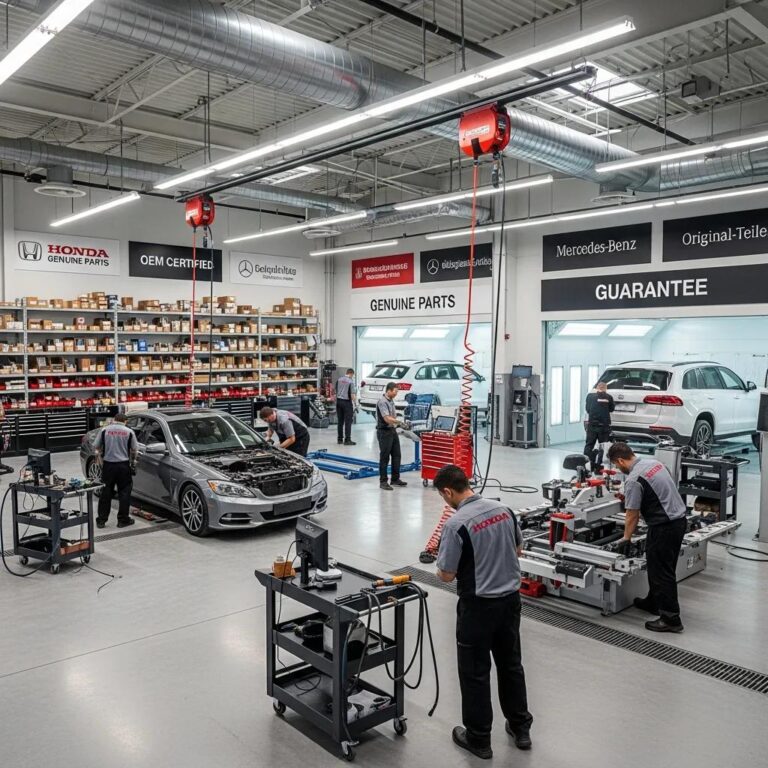
I-CAR Platinum certification reflects ongoing training to handle modern vehicle materials, structural repairs, and integrated safety systems — lowering the chance of improper repairs. OEM-certified repair procedures ensure manufacturer-recommended methods and recalibration steps are followed, which matters on vehicles with ADAS, airbags, and structural adhesives. For drivers, those technical standards mean restored crashworthiness, properly functioning sensors, and better resale value compared with inconsistent repair approaches. That’s why certified shops’ detailed estimates and documentation carry weight during claim reviews.
How Prime Time Collision Streamlines Insurance Communication and Offers Lifetime Warranty
We manage claims by coordinating 24/7 towing, creating detailed OEM-aligned estimates, submitting documentation to Allstate, and scheduling adjuster inspections to reduce downtime. Our insurer-facing estimate packets include photos, diagnostic notes, and OEM procedures to cut back-and-forth with adjusters and speed authorization. After repairs, our lifetime workmanship warranty gives you one point of contact for any follow-up concerns. These operational steps reduce friction and help get your vehicle repaired safely and efficiently.
What Are Your Rights as an Allstate Policyholder Regarding Repair Shops?
As an Allstate policyholder, you have the right to choose your repair shop. Insurers may recommend network repair facilities, but you can select any licensed, qualified provider. To exercise that right, tell Allstate which shop you want to use and give the shop’s estimate and contact information so the adjuster can coordinate inspections and approvals. Network shops might offer conveniences like direct billing, but choosing an independent OEM-certified shop can prioritize manufacturer-correct repairs and safety procedures. Knowing how to assert your choice and present documentation increases the chance your repair preference will be honored.
Can You Choose Any Collision Repair Shop for Your Allstate Claim?
Yes — you can pick any licensed repair shop for your Allstate claim. Policyholders are not required to use an insurer-recommended shop. To protect your choice, notify Allstate early, provide your chosen shop’s estimate, and ask for the adjuster to inspect the vehicle at that shop if possible. When choosing, consider whether the shop follows OEM procedures and employs certified technicians — strong documentation practices make disputes with adjusters less likely.
Comparing Allstate Approved Shops and Your Right to Select Prime Time Collision
Below is a neutral comparison of network or approved shops versus an independent, OEM-focused facility like Prime Time Collision Center. Use it to weigh features and outcomes rather than make a value judgment.
| Option | Characteristic | Impact for Vehicle Owner |
|---|---|---|
| Network/approved shop | May offer streamlined billing with insurer | Faster administrative processing in some cases |
| Independent OEM-focused shop | Emphasizes manufacturer repair procedures | Better preservation of safety systems and resale value |
| I-CAR Platinum shop | High technician training standards | Greater confidence in complex repairs |
| Shop that coordinates with insurer | Active communication reduces delays | Reduces back-and-forth and leads to quicker authorizations |
Use these trade-offs to choose a repair partner based on priorities like safety, convenience, and long-term value. Next, we answer common timing and status questions policyholders ask.
What Are the Most Common Questions About Allstate Car Insurance Claims?
Policyholders often ask about processing timelines, payment timing, checking claim status, and where to find local help. Below are straightforward answers and tips to reduce delays, plus how Prime Time Collision Center can assist with status checks and coordination for drivers nearby.
How Long Does Allstate Take to Process and Pay a Claim?
Timelines vary. Simple property-damage claims can move from report to repair authorization in a few days, while claims involving injuries, parts delays, or total-loss decisions can take weeks. Things that speed processing include complete documentation, clear photos, prompt adjuster access to the vehicle, and active communication between the shop and insurer. Missing evidence or complex damage extends timelines. To help things move faster, provide comprehensive records up front, get a detailed OEM-aligned shop estimate, and stay responsive to adjuster requests. Prime Time Collision Center helps by preparing thorough estimate packets and submitting them directly to the carrier.
How to Check Your Allstate Claim Status and Get Assistance in Glendale, CA
Check claim status through Allstate’s app, website, or by calling their claims number — you’ll need your claim number and personal identifiers. These channels show adjuster notes, payment status, and next steps. If you want local help, Prime Time Collision Center can communicate with Allstate for you, provide estimate and scheduling updates, and coordinate towing — call (818) 396-4997 for assistance. If progress stalls, request a status update from the adjuster, supply any missing documents quickly, and have your shop contact the carrier to clarify technical repair needs; those actions usually move things along.
Frequently Asked Questions
What should I do if my claim is denied by Allstate?
If Allstate denies your claim, read the denial notice carefully to understand the reason — common causes include missing documentation or policy exclusions. You can appeal by gathering additional evidence (photos, witness statements) and submitting a formal appeal to Allstate. It helps to involve your repair shop or an insurance professional to strengthen your case. Keep records of all communications during the appeal for reference.
How can I expedite the claims process with Allstate?
To speed up your claim, submit complete and accurate documentation when you file: police reports, clear photos of the scene and damage, and detailed damage descriptions. Respond quickly to adjuster requests and keep open communication with your repair shop. Using the Allstate app or website to upload documents can also help. Working with a shop like Prime Time Collision Center that coordinates directly with Allstate can reduce back-and-forth and shorten review times.
What happens if I disagree with the adjuster’s estimate?
If you disagree with an adjuster’s estimate, request a second opinion from another repair shop, ideally one that is OEM-certified. Present the alternate, itemized estimate to your Allstate adjuster along with supporting documentation like photos and repair recommendations. Open dialogue often resolves differences; if not, a re-inspection or third-party appraisal may be used.
Can I file a claim for damages not caused by an accident?
Yes. You can file claims for non-accident damage — theft, vandalism, or weather-related damage — depending on your coverage. Review your policy to confirm what’s covered. When filing, provide relevant documentation such as police reports for theft or vandalism and photos of the damage. Contact Allstate promptly to start the claim and meet any reporting deadlines.
What should I do if my vehicle is a total loss?
If your vehicle is declared a total loss, Allstate typically offers a settlement based on your vehicle’s actual cash value (ACV) before the accident. To support a fair settlement, gather maintenance records, recent repair receipts, and receipts for upgrades. You can negotiate the offer if you believe the ACV is too low, request a review, or get an independent appraisal.
How does Allstate determine the value of my vehicle for a claim?
Allstate calculates your vehicle’s value using actual cash value (ACV), which factors in make, model, year, mileage, condition, and market demand. They often use industry valuation tools and databases. To ensure a fair evaluation, provide documentation of your vehicle’s condition, maintenance history, and any recent upgrades. If you disagree with the valuation, present additional evidence or seek an independent appraisal.
Conclusion
Filing an Allstate claim doesn’t have to be overwhelming. Understanding each step and using local resources like Prime Time Collision Center can help you move from report to repair with confidence. If you’d like hands-on help with documentation, towing, or communicating with Allstate, contact us — we’re here to make the repair process smoother and safer for you. Call (818) 396-4997 to get started.