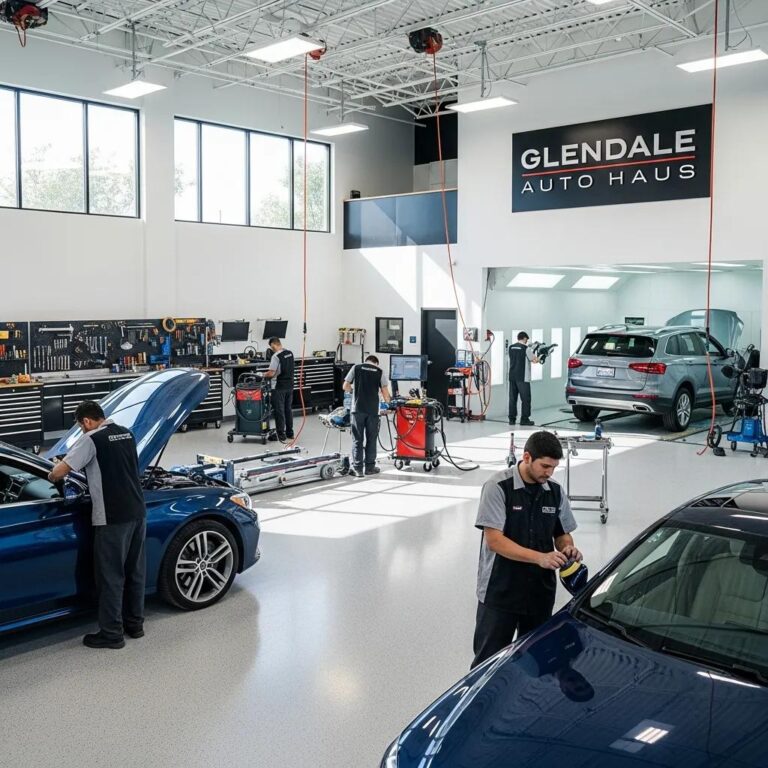
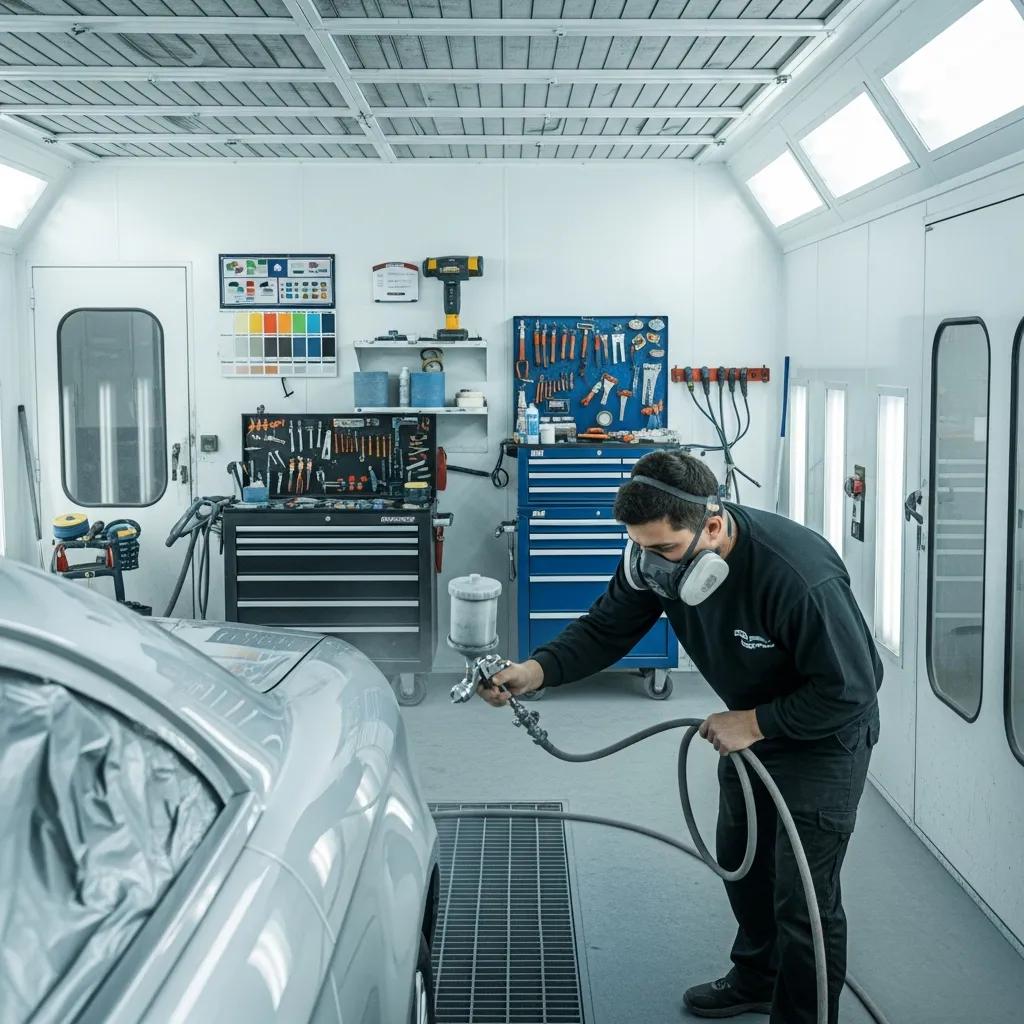
Atwater Village Auto Painting — OEM-Quality Paint Repair You Can Count On
A factory-fresh paint job does more than look good — it protects your car’s value and helps keep it safe. Drivers in Atwater Village need repairs that meet OEM standards, blend perfectly, and last. This guide walks through how professional car painting and collision paint repair deliver OEM-level results, how technicians match and apply modern waterborne paints, and what to expect when working with insurers. Common worries — color mismatch, short-lived finishes, and warranty questions — are addressed so you can pick the right shop. Below you’ll find the tangible benefits of OEM-certified paint work, a step-by-step look at the collision paint process, a breakdown of services and typical timelines, how insurance claims are handled, and what warranty protection looks like locally in Atwater Village. Throughout, we highlight how certified technicians and precise color-matching keep finishes durable and resale-ready for Los Angeles drivers.
Why Choose OEM-Certified Paint Work in Atwater Village?
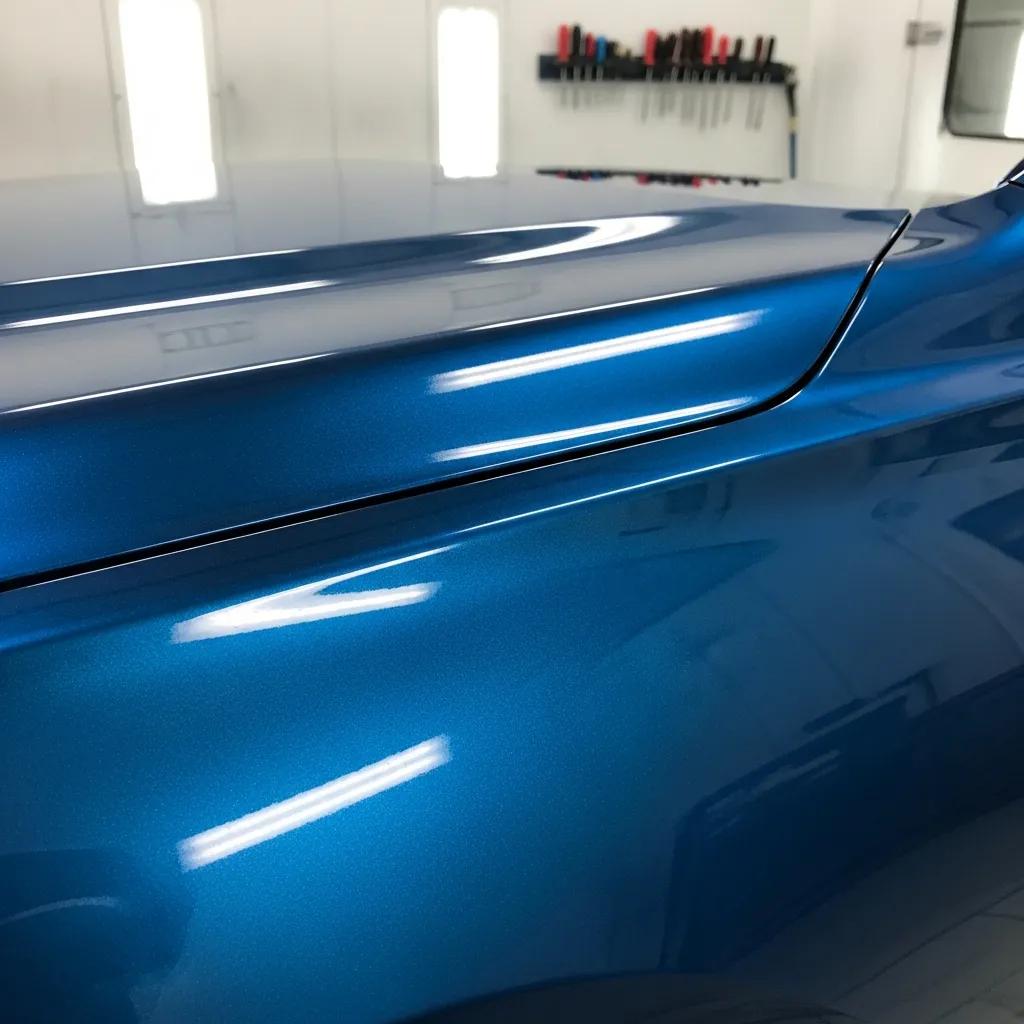
OEM-certified (or OEM-equivalent) paint repairs follow manufacturer materials and procedures to restore your vehicle to factory condition. That means better looks, longer durability, and continued corrosion protection after a collision. The difference comes from following the correct sequence — surface prep, primer, factory-matched basecoat, and clearcoat with the right cure times — so the repaired panel performs and ages like the rest of the car. Choosing OEM-quality work reduces visible seams, avoids problems from mismatched coatings, and helps protect resale value. Here are the key benefits you should expect when you insist on factory-standard paint repair in Atwater Village.
- Safety and Corrosion Protection: Proper primers and paint systems restore the protective layers around repaired panels.
- Accurate Color and Gloss: Manufacturer color codes and calibrated mixing systems create seamless transitions.
- Resale and Warranty Integrity: Factory-standard finishes support future warranty or lease requirements and preserve value.
- Longer-Lasting Finish: Correct materials and cure procedures reduce early fading, peeling, or delamination.
Those benefits become real when shops follow manufacturer procedures and use certified technicians. Local customers especially value a shop that proves it can deliver factory-level results and stands behind the work.
How OEM-Certified Repairs Deliver Factory-Like Results
OEM-certified repairs use manufacturer repair manuals and approved materials so finished surfaces match factory color, thickness, and adhesion. Technicians start with a careful assessment, isolate or mask nearby panels, and prepare the surface so primer and base layers bond properly. Using manufacturer color codes, calibrated mixing systems, and test sprays, they reproduce the original pigment — including metallic and pearlescent effects — and verify results with inspections under multiple lights, gloss checks, and adhesion tests. These quality control steps confirm the repaired panel meets factory tolerances before the vehicle is returned to you.
That focus on process and inspection prevents common issues like visible edge lines, mismatched metallic flakes, or premature clearcoat failure. It also explains why technician certification and advanced color matching matter so much.
Why I‑CAR Platinum Certified Technicians Matter
I‑CAR Platinum certification means technicians have advanced training across collision repair areas, including paint application, color science, and safety-related procedures. Certified techs read and follow manufacturer instructions, choose OEM-compliant materials, and apply correct curing and inspection routines — all of which reduce rework and finish defects. Their training is particularly important for complex, multi-stage finishes where small differences in mix ratios or spray technique show up. When repairs involve safety-critical panels, certified training makes sure the paint work fits into the broader repair without compromising protection.
Knowing your repair team is certified helps explain why some shops consistently deliver factory-quality finishes.
How We Handle Car Painting at Prime Time Collision Center in Atwater Village
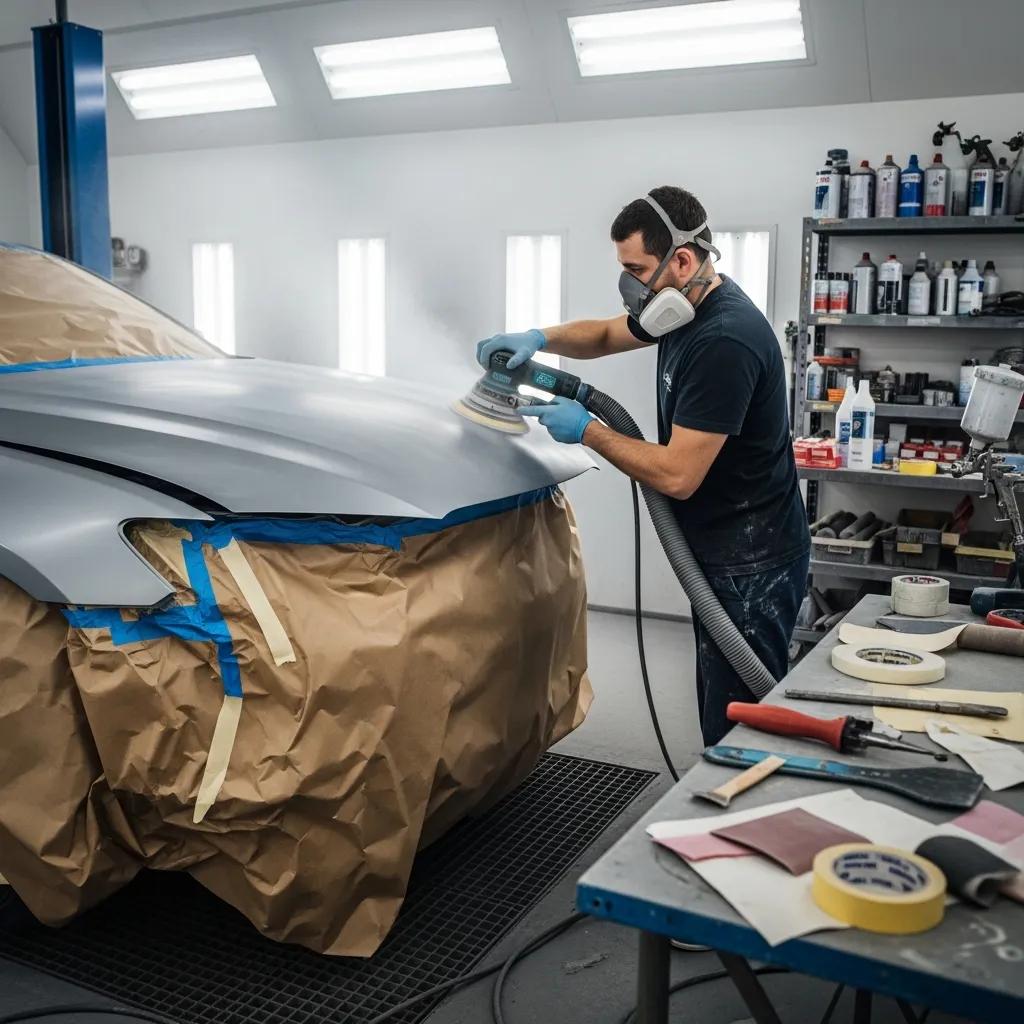
Our painting process starts with a full damage assessment and finishes with a documented quality check. At every step we focus on surface integrity, precise color matching, controlled application, and correct cure times. First we inspect for hidden structural or panel issues and decide whether OEM parts or procedures are required. Then we prepare the surface — sanding, corrosion treatment, and primers — before using computerized color matching and test sprays to dial in the basecoat. Primer, basecoat, and clearcoat are applied in climate‑controlled booths with measured recoats and cure stages, followed by polishing and a final check against OEM standards.
- Assessment and Documentation: Inspect damage, confirm OEM procedures, and prepare the estimate.
- Prep and Repair: Strip paint where needed, repair the substrate, and apply primer.
- Color Match and Test Spray: Scan color codes, mix paint, and verify on test panels.
- Application and Cure: Apply base and clear layers in controlled conditions, then allow proper curing.
- Inspection and Handover: Polish, review under multiple lights, and document the completed repair.
This staged workflow shows the path from estimate to finished finish and how certified technicians and calibrated tools work together to deliver a durable, OEM-like result at your local collision center.
Key Steps in Collision Paint Repair and Refinishing
Collision paint repair follows a sequence that protects structure, adhesion, and appearance. We start with teardown or access to reveal hidden damage, then correct any panel or structural issues so the substrate is right before coatings go on. Surface prep — cleaning, feathering, and sanding — creates the profile primers need. Any filler or corrosion repair is blended to factory contours. After priming, we apply the matched basecoat and clearcoat, allow specified cure times, then sand and polish to remove orange peel and bring out the gloss.
Following these technical steps lowers the risk of paint failure and sets up the advanced color-matching work that ensures pigment and flake alignment.
How Advanced Color Matching Creates Invisible Repairs
We use spectrophotometers and color management software to measure your vehicle’s original pigment, quantify spectral properties, and calculate a blend that reproduces factory color under different lights. Technicians scan the panel, record manufacturer color codes, and use computerized mixing systems to prepare blends that account for pigments, metallic flakes, and pearl layers. Test-sprays show how the mix behaves after drying; we tweak and retest until side-by-side comparisons under daylight, fluorescent, and showroom lighting show a seamless match. For complex metallic or multi-coat finishes, we layer mica or pearl components precisely and use clearcoat recipes that preserve depth and reflectivity.
This careful calibration is essential for invisible repairs and is another reason OEM processes and certified training protect appearance and resale value over time.
Which Car Painting Services Are Available in Atwater Village?
In Atwater Village we offer painting services from small spot repairs to full resprays, each matched to the damage and finish complexity. Services include dent and scratch spot repairs, bumper and panel repainting with blended edges, full-vehicle repainting for color changes or restorations, and specialty finishes for luxury cars that need multi-stage systems. The table below compares common services, typical use cases, and expected outcomes or timelines so you can choose the right option.
| Service | Typical Damage / Use Case | Expected Outcome / Timeframe |
|---|---|---|
| Dent and Scratch Paint Repair | Small-area scratches, minor dents with intact panels | Invisible spot repair, blending into adjacent panels; 1–3 days |
| Bumper and Panel Repainting | Localized collision damage or scuffs on single panels | Seamless panel repair with blended edges; 2–4 days |
| Full Vehicle Repainting | Complete color change, severe multi-panel damage, restoration | Factory-level respray with multi-stage clearcoat; 5–10 days |
| Luxury/Complex Finish Refinishing | High-end metallics, pearlescents, multi-layer finishes | Precision mixing, layering, and polishing; 4–8 days |
This breakdown helps you decide between a targeted spot repair and a full respray, which affects cost and scheduling for your repair.
How We Perform Dent and Scratch Paint Repairs
We start by determining whether the paint layer is intact and whether the metal underneath needs straightening. If the paint is intact, paintless dent repair can restore the contour without painting. Scratches that remove paint require controlled sanding, filler where needed, primer, and careful color blending into adjoining panels. Technicians use reduced-width spray techniques and feathering so the repair integrates visually. Final clearcoat and polish are applied with proper curing to match gloss and durability.
These focused repairs keep turnaround times and costs lower while preserving the factory finish so you can get back on the road with a near-original look.
What Full Repaints and Luxury Finishes Include
Full repaints involve complete surface prep, sometimes partial disassembly and masking, to ensure even coverage and access to seams before multi-stage systems are applied. For luxury or specialty finishes, we use manufacturer-grade basecoats and specialty clearcoats that deliver deeper gloss, UV protection, and better resistance to the elements, followed by multi-step polishing and inspection to remove minor imperfections. Post-cure color checks and gloss measurements verify consistency across panels, and final detailing returns the vehicle to showroom condition. Full resprays generally take several days to over a week depending on complexity to allow proper curing and finish correction.
Choosing a shop experienced with luxury finishes reduces the risk of visible flaws and ensures specialty materials and techniques are applied correctly.
How Prime Time Collision Center Handles Insurance for Paint Repairs in Atwater Village
Clear documentation, accurate estimates, and direct communication with adjusters speed approvals and reduce delays when insurance is involved. Typically we prepare a detailed estimate with photos and OEM repair recommendations, then submit that to the insurer. Prime Time Collision Center offers free estimates and works with all major insurers to provide OEM-based scopes, supplemental estimates if hidden damage appears, and approval tracking so repairs move forward without unnecessary hold-ups. The table below outlines claim stages, what we do, and what customers gain from the process.
| Claim Stage | What the Shop Does | Customer Benefit / Timeframe |
|---|---|---|
| Estimate & Documentation | Provide free, itemized OEM-based estimate and photos | Clear scope for insurer; quick initial review (1–3 days) |
| Approval Coordination | Communicate with adjuster and submit supplemental estimates | Faster approvals; fewer surprises during repair |
| Repair Execution | Perform OEM-specified repairs and document process | Repair transparency and insurer-compliant billing |
| Final Inspection & Billing | Share final reports and warranty documentation | Smooth claim closure and warranty support |
This approach reduces friction between owners and insurers and helps make sure paint repairs follow OEM methods rather than lower-cost shortcuts that can shorten finish life.
How Insurance Paint Claims Are Handled
We start by documenting damage thoroughly and creating an OEM-based estimate that explains required steps and materials to the insurer. We submit the estimate and photos to the adjuster, follow up to answer questions, and provide supplemental documentation if hidden damage is found during teardown. Once the insurer authorizes repairs, we schedule and complete OEM-quality work while keeping records for final inspection. Any supplemental charges are communicated and documented. After repair we deliver inspection reports and warranty paperwork to both you and the insurer to finalize billing and ensure coverage alignment.
Being upfront about each stage helps avoid surprises and shows how clear documentation and shop–insurer communication keep repairs moving smoothly.
Why Free Estimates Matter for Cost Accuracy
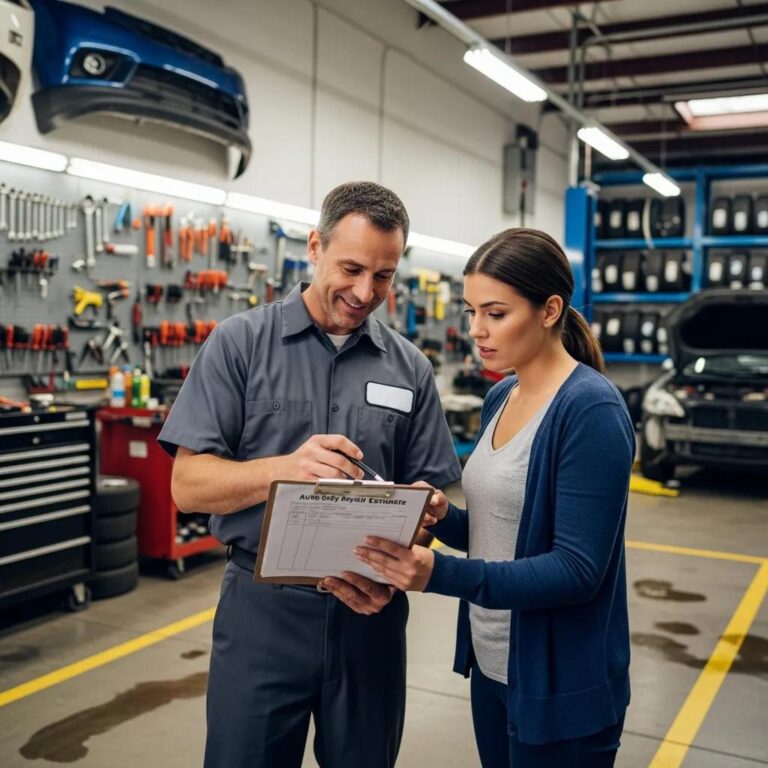
Free estimates give you an itemized view of needed repairs — labor, parts, materials — so you can compare options and avoid unexpected charges. During an in-person estimate our technicians assess visible and potential hidden damage, note manufacturer repair requirements, and recommend OEM-compliant parts or procedures. These estimates support insurance discussions by documenting required work and justifying OEM materials or supplemental repairs found after teardown. For customers, timely free estimates reduce uncertainty, help with budgeting, and shorten the time from claim to repair start.
Clear upfront estimates serve as both a diagnostic tool and a communication bridge between you, the shop, and any insurer.
What Warranty and Quality Guarantees Cover Paint Repairs in Atwater Village?
Knowing warranty terms helps you understand long-term protection and what’s required to keep coverage. Paint warranties usually cover defects in materials and workmanship from the repair itself, while exclusions often include environmental damage, new collisions, or owner misuse. The table below outlines typical warranty elements, what they cover, and customer actions or durations so you know what to expect if an issue arises.
| Warranty Element | Coverage | Duration / Customer Action Required |
|---|---|---|
| Materials & Workmanship | Defects from repair process or paint application | Typically limited lifetime or set period; report issue and schedule inspection |
| Finish Uniformity | Visible mismatch or delamination tied to repair | Re-inspection and corrective refinishing as needed |
| Exclusions | Environmental damage, new collisions, or owner misuse | Not covered; customer notified with explanation |
| Claim Procedure | Documentation, inspection, and corrective work | Provide service records and allow inspection within timeframe |
This warranty overview clarifies expectations so both customers and shops understand available remedies when paint issues relate to the repair.
What a Lifetime Paint Warranty Covers
A lifetime paint warranty on repair work commonly covers defects in workmanship and materials applied during the repair, such as peeling, delamination, or failure caused by improper application, provided the vehicle is maintained per the warranty terms. To keep coverage, owners should report issues promptly and allow the shop to inspect the vehicle. The shop then determines if the defect is repair-related and arranges corrective action. Warranties typically exclude damage from later collisions, environmental wear, or improper maintenance, so keep records of the original repair and any follow-up service when filing a claim. Clear communication about limits and process helps you understand the practical value of a lifetime warranty.
Knowing how to start a warranty claim and what’s covered gives confidence that paint repairs are backed by a long-term remedy for workmanship issues.
How Warranty Support Builds Trust
Warranty support is a trust signal: it shows the shop stands behind its materials and workmanship and reduces the perceived risk of choosing a repair provider. When a shop offers clear warranty terms and follows through with prompt inspections and corrective work, customers see higher service quality and are likelier to recommend the shop or return. Warranty backing also helps preserve resale value by keeping repaired panels up to standard — important for lease returns and pre-sale prep. Simple, documented warranty procedures plus transparent communication turn technical promises into real reassurance.
This is why many drivers prefer certified repair providers who document OEM procedures and publish clear post-repair policies.
Why a Local Atwater Village Paint Shop Makes a Difference
Picking a nearby auto paint shop offers practical advantages: faster in-person estimates, simpler drop-off and pickup, and easier follow-up inspections — all of which shorten repair cycles and improve responsiveness. Local shops usually have relationships with nearby parts suppliers and insurers, which speeds parts sourcing and approvals and keeps turnaround times lower than more distant options. Technicians who know the local climate and road conditions can recommend clearcoats and care practices that help paint last in Los Angeles. For drivers, proximity reduces downtime and makes it easier to verify finish quality before final acceptance.
For many residents, a neighborhood shop that combines technical skill with convenient service delivers the best balance of quality and practicality.
How Local Expertise Helps Collision Paint Repair
Local expertise speeds repairs through supplier networks and insurer contacts, cutting delays for OEM parts and approvals and reducing total repair time. Technicians familiar with area driving conditions and environmental factors can recommend coatings and care that resist regional UV exposure and air quality issues. Proximity also simplifies warranty follow-ups and touch-ups because you can return quickly for inspections or minor corrections without long travel. These logistical and technical advantages lead to faster, more reliable repairs for Atwater Village drivers who need both quality and convenience.
Those local benefits are why a certified neighborhood shop with clear processes often offers the best overall experience.
What Customers Say About Prime Time Collision Center
Customer reviews often highlight consistent repair quality, clear communication during insurance work, and satisfaction with finish matching and final inspections when a shop follows OEM standards and uses certified technicians. Aggregated feedback typically praises timely free estimates, the skill of technicians on high-end finishes, and help with insurer interactions. Showing representative reviews and ratings helps future customers judge reliability and fit, and checking local business profiles gives a current view of recent experiences.
For Atwater Village drivers, reading up-to-date reviews and choosing a shop that emphasizes factory-quality repairs and certified staff helps set realistic expectations for collision paint work.
Frequently Asked Questions
What should I look for when choosing a car painting service in Atwater Village?
Look for shops that follow OEM procedures and employ I‑CAR Platinum or similarly certified technicians. Read customer reviews that mention finish quality and communication during insurance claims. Ask about materials, warranties, and the exact steps they’ll take to match your factory finish. A good shop will give a clear, itemized estimate and explain the repair plan so you feel confident in their work.
How long does the car painting process typically take?
Timelines depend on the job. Minor spot repairs often finish in 1–3 days. Panel repaints usually take 2–4 days. Full vehicle resprays and complex luxury finishes generally run 4–10 days or more, depending on complexity and cure times. It’s best to confirm timing with the shop when you get your estimate.
Are there any specific care instructions after my car has been painted?
Yes. Avoid washing the vehicle for about two weeks so the paint can fully cure. When you do wash it, use a gentle, pH‑balanced soap and soft cloth. Try to keep the car out of extreme sun or heavy rain during the initial curing period. After the paint has cured, regular waxing and gentle care will help protect the finish.
What types of paint are used in OEM-certified repairs?
OEM-style repairs typically use manufacturer-specified paints, including modern waterborne basecoats and durable clearcoats. These products are designed to match factory color, gloss, and texture. Advanced color-matching tools help technicians reproduce the original finish so repairs are visually indistinguishable.
How can I ensure my warranty remains valid after paint repairs?
Follow the shop’s warranty terms: report any problems promptly and allow the shop to inspect the vehicle. Avoid damage from new collisions or severe environmental abuse, which are usually excluded. Keep records of the repair and any follow-up work — they’re useful if you need to file a claim.
What should I do if I notice issues with my paint job after repairs?
Contact the repair shop right away, document the issue with photos, and keep any service records. Most reputable shops will inspect and, if covered by warranty, correct defects at no extra cost. Quick communication helps ensure warranty coverage is honored and the problem is resolved efficiently.
Conclusion
Choosing OEM-quality car painting in Atwater Village means your vehicle gets reliable repairs that preserve value and appearance. With certified technicians, precise color matching, and clear warranty terms, you can expect a seamless finish that meets factory standards. If you’re ready, contact Prime Time Collision Center to schedule a free estimate and see the difference local, OEM-minded service makes.