
Auto Body Repair Warranties: What You Need to Know
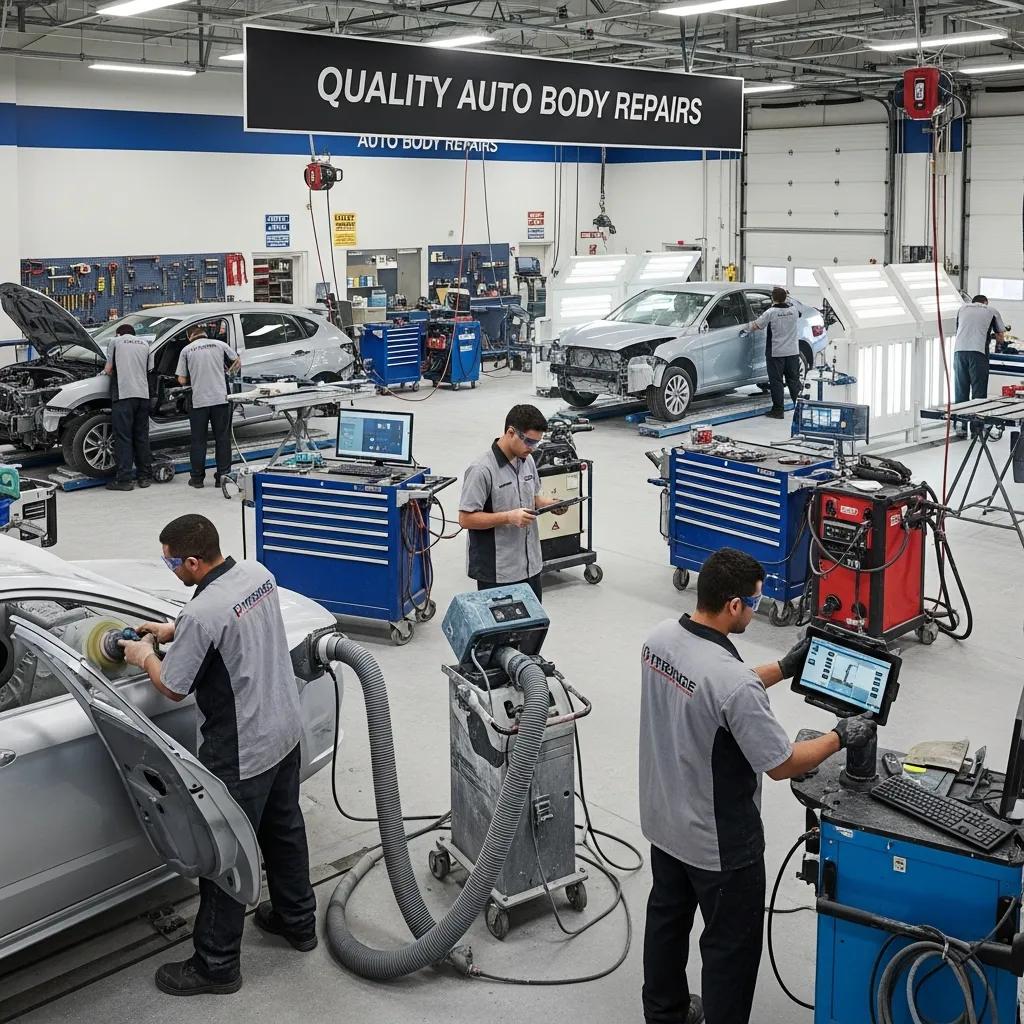
Auto Body Repair Warranties: What You Need to Know to Protect Your Repair for the Long Term
A repair warranty is a written promise from a repair shop or manufacturer to fix defects in workmanship, paint, or parts for a set period or under specified conditions. Knowing the different types of warranties gives you confidence and a clear way to get problems fixed if something shows up after a repair. This guide walks through common warranty types, what “lifetime” coverage usually includes, how shop and manufacturer guarantees differ, and practical steps to keep your warranty intact after service. You’ll also learn how certified repairs, OEM parts, and insurance interactions affect warranty validity — plus the exclusions that commonly void coverage. The article is organized into six practical sections: warranty types, how Prime Time Collision Center’s warranty works, why OEM-certified repairs matter, handling insurance claims, warranty exclusions, and frequently asked questions. When you finish reading, you’ll have actionable steps to protect your vehicle’s value, safety, and the long-term guarantee on your repairs.
What Types of Auto Body Repair Warranties Are Available?
Most warranty options fall into three categories: lifetime workmanship warranties from shops, limited-time shop warranties, and manufacturer warranties that cover factory defects and components. Each focuses on different risks — workmanship, paint, or parts — and differs by issuer, length, and whether it transfers to a new owner. Knowing these differences helps you pick a repairer and keep records so any future claim is easier to resolve. Below is a compact comparison to make those differences clear.
This table lays out the common warranty types and what you should expect when evaluating repair promises.
| Warranty Type | What It Covers | Typical Duration / Limitations |
|---|---|---|
| Lifetime workmanship warranty | Labor and defects tied to how the repair was done | Usually covers the original owner while the vehicle is maintained according to the shop’s terms |
| Limited shop warranty | Specific repairs or parts, sometimes paint | Time-limited (months to years); may exclude certain parts or conditions |
| Manufacturer warranty | Factory defects and covered components (powertrain, electronics, etc.) | Covers factory-determined defects and may require OEM parts for repairs |
In short: lifetime shop warranties focus on workmanship, limited warranties narrow the scope or time, and manufacturer warranties address factory issues. Knowing which applies helps you document repairs and make future claims smoother.
What Does a Lifetime Auto Body Warranty Cover?

A lifetime auto body warranty typically promises the shop will correct workmanship defects for as long as its terms remain in effect. Depending on the shop’s policy, that can also include paint work and certain parts installed during the repair. Lifetime coverage usually applies to failures caused directly by how the repair was performed — not to later accidents, normal wear, or unrelated damage. Expect maintenance and proper use to be conditions of coverage, and note that some parts (especially third-party or consumables) may carry separate limits. Knowing these boundaries helps you document issues quickly and avoid actions that might unintentionally void protection.
Lifetime warranties matter because they shift responsibility for repair quality to the shop — which makes it easier for you to get problems fixed. That sets up the next point: how limited shop warranties and manufacturer warranties differ.
How Do Limited and Manufacturer Warranties Differ?
Limited shop warranties cover a specific repair or component for a set time, while manufacturer warranties handle production defects and often use different claim channels and authorized dealers. A shop might guarantee paint adhesion for two years, for example, while a manufacturer covers airbags or the powertrain under its own terms. When both a shop and a manufacturer warranty could apply, clear documentation and OEM-compliant procedures help sort responsibility and avoid disputes. Good communication at estimate and approval time prevents surprises about who will address a particular issue.
Limited warranties are about defined scope and time — and that’s why shops that follow OEM procedures can make stronger, more reliable promises to customers.
How Does Prime Time Collision Center’s Warranty Guarantee Your Repair Quality?
At Prime Time Collision Center we back our repairs with a lifetime warranty that covers workmanship, paint, and parts where the policy specifies — all supported by factory-quality repair standards and the trust we build with customers. Our team includes I-CAR Platinum Certified Technicians and we follow OEM repair methods to reduce the chance of post-repair problems and keep warranty claims straightforward. We work with all major insurers, provide free estimates, and offer customer services like 24/7 towing to make sure repairs are documented and done right from the start. Those practices create a clear chain of custody for every repair, which helps resolve warranty claims quickly and fairly.
To show how coverage is applied in practice, the table below breaks down Prime Time’s lifetime warranty by category.
| Coverage Category | Coverage Scope | Prime Time Policy / Example |
|---|---|---|
| Workmanship | Structural and cosmetic labor | We fix defects at no charge if they result from our repair technique |
| Paint | Color match, adhesion, finish | We rework or touch up paint problems caused by shop processes |
| Parts | Replacement parts installed during repair | Parts fitted as part of the repair are covered as stated in the warranty terms |
This practical breakdown explains what a lifetime guarantee means at handoff and helps you know what paperwork to ask for. By combining certified technicians, OEM procedures, and insurance coordination, Prime Time aims to keep warranty enforcement simple and dependable.
What Is Included in Prime Time’s Lifetime Repair Guarantee?
Prime Time’s lifetime repair guarantee typically covers correction of workmanship defects, specified paint corrections, and parts installed by our shop as shown on the repair order, subject to the warranty’s terms. Coverage applies when issues are directly caused by the original repair; subsequent damage or unauthorized modifications are not covered. Keep your repair invoice and the warranty paperwork given at delivery to make future claims easier, and report defects as soon as you notice them so we can inspect and remediate. That process helps preserve both your vehicle’s safety and appearance.
Our warranty terms and technician certifications back these coverage promises, which brings us to how credentials protect warranty validity.
How Do I-CAR Platinum Certified Technicians Ensure Warranty Validity?
I-CAR Platinum certification shows our technicians complete ongoing training and meet high standards in collision repair, following repair methods OEMs recognize. When technicians use certified processes — for example, structural alignment or ADAS recalibration — the repairs are more likely to meet manufacturer expectations and avoid steps that could jeopardize a vehicle’s factory warranty. Certification also helps us document repairs and justify OEM parts or special calibration steps during insurance discussions. Demonstrating certified workmanship gives strong support for warranty claims and reduces disputes about repair quality.
Certification protects both safety and warranty integrity — which is why OEM parts and procedures matter for manufacturer warranty alignment.
Why Are OEM Certified Repairs Crucial for Maintaining Your Vehicle’s Warranty?
OEM-certified repairs use manufacturer-approved parts and prescribed procedures to restore your vehicle to factory standards. That alignment helps preserve safety systems, performance, and manufacturer warranty considerations. OEM parts and methods maintain original tolerances and system integration, lowering the risk that repairs will compromise airbags, sensors, or structural integrity. Choosing OEM-certified repairs reduces disputes with insurers or manufacturers because the repair follows recognized specifications and calibration steps. It also supports resale value and ensures complex systems work as intended after a collision.
Here are some systems where OEM parts and certified procedures matter most:
- Airbag and restraint systems need precise parts and installation to work correctly after a repair.
- ADAS sensors and camera systems require OEM parts and professional recalibration to restore driver-assist features.
- Structural components and frame elements must meet manufacturer specs to preserve crashworthiness and alignment.
These critical systems show where OEM fidelity prevents problems; next we’ll look at how OEM parts protect value and warranty standing.
How Do OEM Parts Protect Your Vehicle’s Value and Manufacturer Warranty?
OEM parts are made to the vehicle maker’s specifications and preserve fit, finish, and function — which helps keep resale value and avoids headaches when filing manufacturer warranty claims. OEM components reduce the chance of fit issues, sensor misalignment, or unexpected failures that lead to repeat repairs and depreciation. If warranty coverage is questioned, documentation showing OEM parts and procedures were used strengthens your case and often speeds insurer approvals. For buyers and inspectors, visible evidence of OEM-compliant repairs increases confidence in a vehicle’s structural and cosmetic integrity.
As vehicles get more complex, that OEM focus becomes even more important.
What Role Does Advanced Vehicle Technology Play in Warranty Considerations?
Modern cars include ADAS, electrified powertrains, and networked sensors that are sensitive to repair methods and calibration. Improper handling can compromise safety or void specific coverage. ADAS sensors often need recalibration after panel or windshield work, and EV/high-voltage systems require technicians trained to handle batteries safely and follow manufacturer repair steps. As complexity rises, so does the risk that an incorrect repair will affect warranty coverage — making certified technicians and OEM parts essential. Confirm that your repair shop follows OEM procedures for advanced systems to protect both safety and warranty standing.
With OEM parts and certification in mind, the next practical question is how to handle insurance claims while protecting your warranty.
How Can You Navigate Insurance Claims with Your Auto Body Repair Warranty?

Protecting your repair warranty during an insurance claim comes down to documentation and clear communication: shops usually warrant workmanship, while insurers pay for approved repairs. Start with a detailed written estimate and ask the repair shop to document OEM parts, calibration steps, and technician credentials in the claim file. During approvals, request that the insurer and shop note any required OEM parts or special procedures so the repair record supports future warranty enforcement. Keeping complete records and insisting on documented OEM processes reduces ambiguity if a post-repair issue appears and gives both insurer and shop the evidence they need to act.
Follow these practical steps to manage a claim while preserving warranty coverage:
- Document the damage: Take photos and keep the initial estimate and repair invoice.
- Request OEM procedures: Ask that OEM parts and calibration steps be recorded in the claim file.
- Keep warranty paperwork: Save the shop’s warranty terms and proof of certified technicians for any future claim.
These steps help ensure the repair chain is documented and the shop’s workmanship warranty stays enforceable — which leads into who is responsible for warranty coverage.
Who Is Responsible for the Repair Warranty: Insurance Company or Body Shop?
The shop that performed the repair is generally responsible for its workmanship warranty; the insurance company typically pays for covered repairs but doesn’t guarantee repair quality. If a defect is caused by how the repair was executed, your first recourse is the performing shop’s warranty. The insurer may help when disputes involve parts or approvals. Clear documentation — estimates, repair orders, and warranty papers — establishes responsibility and speeds remediation. Because the shop’s workmanship warranty is usually your primary remedy for post-repair defects, choosing a shop with certified technicians and clear warranty terms is a practical step up front.
How Does Prime Time Assist with Insurance Claims to Protect Your Warranty?
Prime Time Collision Center coordinates with all major insurance companies and documents OEM parts use and certified repair steps to protect your warranty rights during the claim process. We manage estimates, communicate required OEM procedures, and advocate for OEM parts and calibrated repairs when needed so you’re not left without a remedy. Our customer-focused services — like free estimates and 24/7 towing — help ensure thorough documentation at intake and strengthen the warranty record. Those practices aim to make the claims process smoother and protect your warranty by keeping repairs aligned with manufacturer expectations.
Our insurance handling practices both simplify claims and reinforce the documentation you’ll need if an issue appears after repairs.
What Are Common Exclusions That Can Void Your Auto Body Repair Warranty?
Warranties commonly exclude coverage for subsequent collisions, neglect, corrosion from unrelated causes, unauthorized modifications, and normal wear — because those issues aren’t caused by the original repair’s workmanship. Warranties are meant to address defects tied directly to how a repair was performed; they aren’t a liability tool for unrelated damage or owner misuse. Read warranty terms carefully to understand specific exclusions and follow any maintenance or inspection requirements to avoid unintentionally voiding coverage. The table below outlines typical voiding conditions and practical ways to prevent or remedy them.
| Condition / Action | Why It Voids Warranty | How to Avoid or Remedy |
|---|---|---|
| Subsequent collision damage | Not related to the original workmanship | Report new incidents separately and submit fresh estimates |
| Unauthorized modifications | Changes can alter repair integrity | Use approved parts and consult the shop before modifying |
| Lack of maintenance | Neglect can worsen issues unrelated to repair | Follow maintenance instructions and schedule inspections |
| Corrosion from unrelated sources | Environmental damage is separate from repair errors | Address rust early and document pre-existing corrosion |
Most exclusions relate to events or conditions outside the original repair’s scope. Careful maintenance and clear communication help preserve warranty coverage.
Which Conditions and Actions Typically Void a Body Shop Warranty?
Typical warranty-voiding actions include subsequent accidents, aftermarket changes that alter repaired systems, failing to follow recommended maintenance or inspections, and installing third-party parts without shop approval. These actions introduce new variables that make it hard to determine whether a defect is tied to the original repair. To avoid voiding coverage, report problems quickly, skip unapproved modifications, and keep records showing you followed care instructions. If remediation is possible — for example, replacing an unauthorized part with an OEM component — work with the shop to restore warranty eligibility.
Good record-keeping and prompt communication are your best defenses against losing warranty protection — and that brings us to how to maintain warranty coverage after a repair.
How Can You Maintain Your Warranty After Repairs?
After repairs, keep all invoices and warranty documents, follow the care and maintenance instructions given at pickup, and schedule any recommended follow-up inspections or calibrations. Report suspected defects to the performing shop right away and avoid unapproved changes that could complicate a claim. Photograph repairs and store digital copies of paperwork to make future claims faster, and ask the shop to note OEM parts and calibration steps on the repair order. These practices preserve the evidence needed to enforce a workmanship warranty and protect your vehicle’s safety and value.
Use this simple checklist to remember the key post-repair actions.
- Keep repair invoices, warranty paperwork, and photos together in one place.
- Follow the shop’s maintenance instructions and scheduled inspections.
- Report defects promptly and avoid unauthorized alterations to repaired areas.
Following this checklist keeps your warranty intact and supports fast remediation if issues appear.
Frequently Asked Questions
What Should I Do If My Warranty Claim Is Denied?
If a claim is denied, start by reviewing the shop’s reason for the denial. Common causes include missing documentation or not meeting warranty conditions. Gather the original repair invoice, any communication with the shop, and photos. Contact the shop to discuss the denial and ask for clarification. If needed, escalate to a manager or get a second opinion from another certified facility. Keep a record of all conversations and correspondence to support your case if you need to pursue further action.
Can I Use Aftermarket Parts Without Voiding My Warranty?
Using aftermarket parts can affect your warranty, especially if those parts change the repair’s integrity. Many warranties require OEM parts to ensure safety and compatibility. If you’re considering aftermarket options, talk with your repair shop first to understand potential impacts on coverage and document any agreement about parts used during repair.
How Can I Ensure My Warranty Remains Valid After Repairs?
To keep your warranty valid, follow the shop’s maintenance guidelines, report issues promptly, and keep all documentation like repair invoices and warranty papers in a safe place. Avoid unauthorized modifications to repaired areas and follow up on recommended inspections or recalibrations. Regular checks and timely communication with the shop help ensure ongoing compliance with warranty terms.
What Are the Most Common Reasons for Warranty Voids?
Common reasons warranties are voided include subsequent collision damage, unauthorized modifications, lack of maintenance, and using non-OEM parts. These factors make it hard to determine whether a defect is related to the original repair. To avoid voiding your warranty, follow the shop’s care instructions, report new damage quickly, and consult the shop before making changes to the vehicle.
How Long Does It Typically Take to Resolve a Warranty Claim?
Resolution time depends on the issue’s complexity and the shop’s process. After you report a defect and provide documentation, the shop will inspect the vehicle. Corrective work is then scheduled and can take additional time depending on parts availability and repair scope. Staying in regular contact with the shop helps keep the process moving and gives you updates on timing.
Are There Any Costs Associated with Filing a Warranty Claim?
Filing a warranty claim is usually free, but some shops may charge for inspections or diagnostics if the claim is found invalid. Clarify potential costs with the shop before starting a claim. If needed repairs aren’t covered under warranty, you may be responsible for those charges. Ask for a clear explanation of any fees so there are no surprises.
Is My Auto Body Repair Warranty Transferable to New Owners?
Many shop warranties are limited to the original owner unless the shop specifically states they’re transferable. Transfer rules vary, so get written confirmation before a sale if transferability matters. Whether a lifetime or limited warranty follows the vehicle affects resale value, so ask for a written policy or rider that spells out conditions and any fees. Clear documentation sets expectations for both buyer and seller and protects post-sale warranty claims.
How Do I File a Warranty Claim with Prime Time Collision Center?
To file a warranty claim with Prime Time Collision Center, gather your repair invoice and photos, contact the shop to report the issue, and schedule an inspection so our team can evaluate and document the defect. We work with customers and insurers as needed, note OEM parts usage and certified procedures, and schedule corrective work based on the inspection. Keep all original paperwork, note when you first saw the issue, and follow any instructions the shop gives to preserve inspection integrity. Our three-step approach — collect, contact, inspect — helps speed resolution under the shop’s lifetime warranty.
Conclusion
Knowing how auto body repair warranties work helps you protect your investment and ensure quality workmanship. Learn the different warranty types, understand coverage details, and prioritize OEM parts and certified repairs to reduce risk. Take simple, proactive steps after service to keep your warranty valid and safeguard your vehicle’s value. If you have questions about a specific repair or our warranty, reach out — we’re here to help.