Average Car Painting Cost in Los Angeles, CA: Your Practical Guide to Pricing and Services
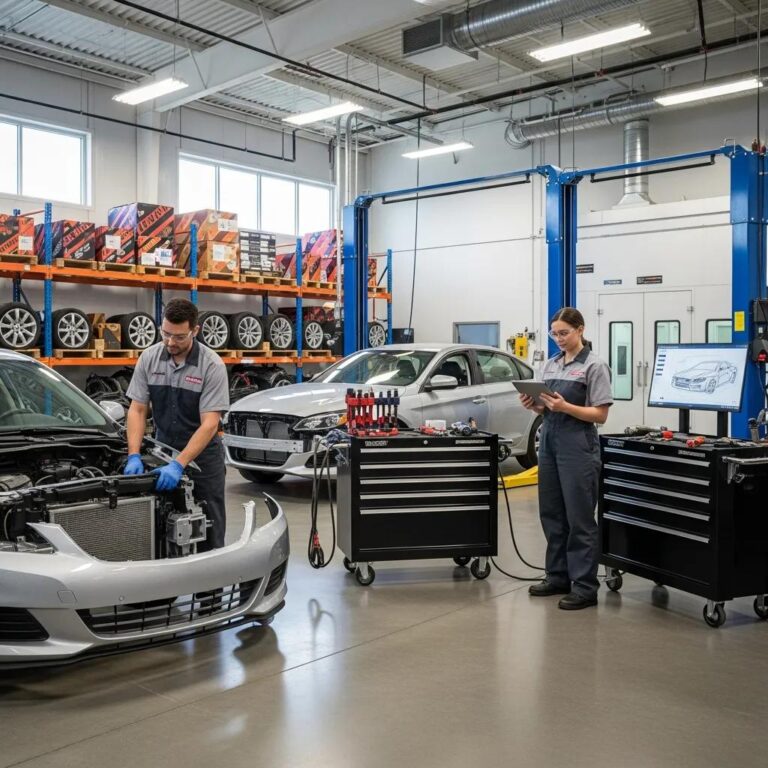
Car painting prices in Los Angeles vary a lot based on the job’s size, the paint system used, and shop practices. Small spot repairs can start in the low hundreds, while full resprays often run into the thousands. This guide breaks down why those price ranges exist, explains the common job tiers you’ll see locally, and gives you the practical tips to get accurate estimates while preserving factory-level quality. If you’ve ever felt unsure how to compare quotes, read insurance line items, or decide between a quick cosmetic fix and a factory-quality repair, this article clears that up. You’ll learn the main cost drivers (vehicle size, damage extent, paint type, prep work, labor rates), the difference between basic, standard, and premium jobs, how OEM and I‑CAR certifications matter, and step-by-step advice for handling insurance claims. The rest of the page walks through cost drivers, job types and price ranges, the importance of OEM-aligned repairs, how to work with insurers, and why local shops like Prime Time Collision Center are a practical choice for factory-quality paint work around Glendale and Los Angeles.
What Are the Key Factors Influencing Car Paint Cost in Los Angeles?
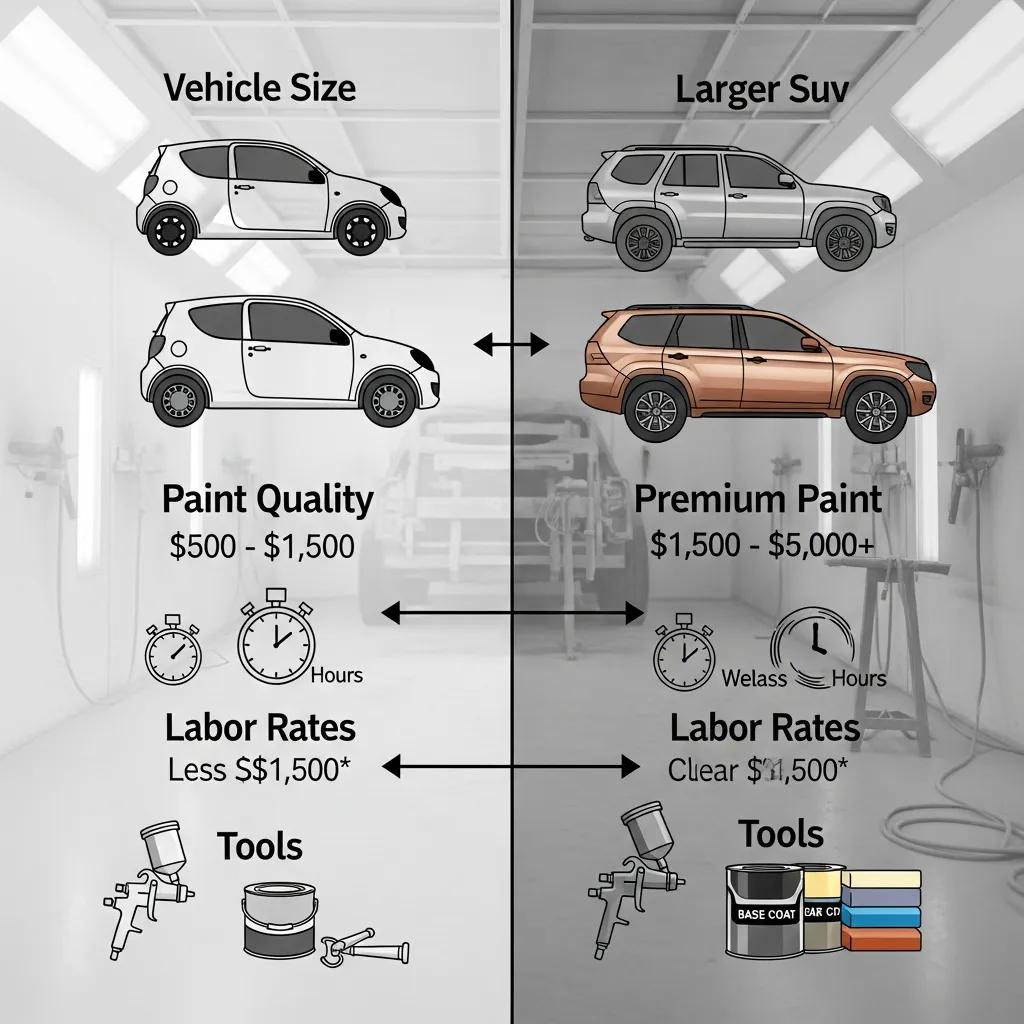
The biggest things that affect auto paint pricing in Los Angeles are vehicle size, how much bodywork is needed, the paint system and materials, how hard the color is to match, and local labor and material rates. Each factor usually adds labor hours, material cost, or both — which is why two similar-looking jobs can come in with very different estimates. Knowing these drivers helps you decide when a spot repair is enough or when a full respray or premium color match is worth it. Below is a quick map of common cost factors, the typical price impact, and why they make a difference when you’re comparing quotes.
| Cost Factor | Typical Price Impact | Rationale |
|---|---|---|
| Vehicle size/class | Medium → High | Larger vehicles need more paint, masking, and labor time. |
| Extent of damage | Low → High | Structural or multi-panel repairs add bodywork, filler, and alignment work. |
| Paint quality/type | Medium → High | Basecoat/clearcoat, metallics, and pearls require extra coats and materials. |
| Color matching complexity | Medium | Special or rare colors need custom mixing and careful blending to nearby panels. |
| Prep and corrosion repair | Medium → High | Rust removal, straightening, and thorough masking add prep time. |
| Local labor/material rates | Medium | City shops often have higher hourly rates and material markups. |
How Does Vehicle Size and Type Affect Painting Prices?
Vehicle size and panel complexity increase surface area to prep, paint, and finish, which raises labor hours and paint use. A compact sedan typically requires less masking and fewer gallons than a full-size SUV or pickup. Curved or sculpted panels need more sanding and blending for a seamless look. In practice, you might see a 10–30% price jump from a sedan to a large SUV for comparable repairs, and trucks may need extra masking for beds or cargo areas. Local labor rates in Los Angeles can amplify those differences, so when you compare estimates check both hours and hourly rates. Understanding how size affects cost helps you choose between a spot repair and a larger panel respray that could be more cost-effective long-term.
What Role Does Paint Quality and Type Play in Cost Variations?
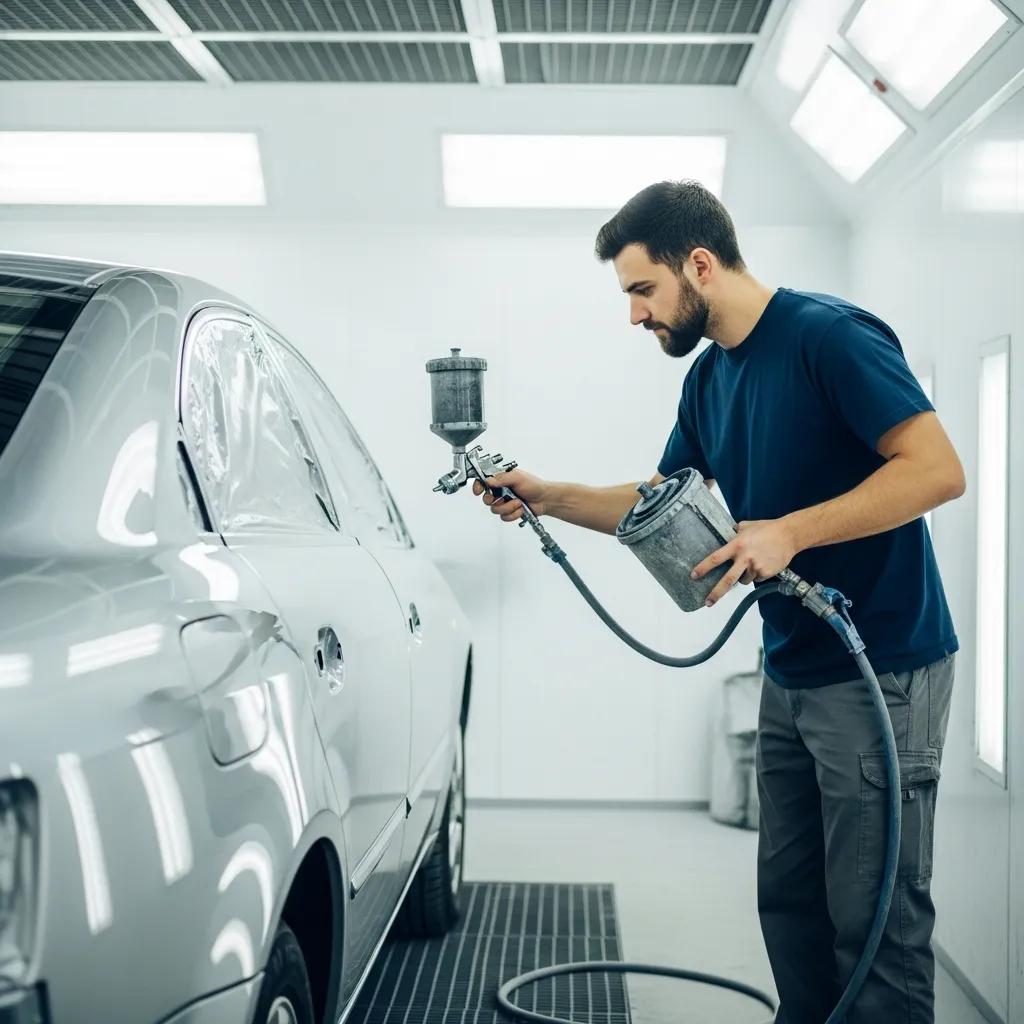
The paint system you choose — single-stage, basecoat/clearcoat, metallic, or pearlescent — changes material costs, number of coats, and blending effort. Single-stage is simpler and cheaper but rare on modern cars. Basecoat/clearcoat is standard and usually needs a base layer plus clear for durability. Metallics and pearls require extra base layers and precise blending to match light reflection. Premium finishes also need higher-grade clearcoats and controlled curing in a paint booth, which adds time and equipment use. Expect material and process premiums to add several hundred to over a thousand dollars depending on color complexity and finish type. The paint system you pick affects longevity and resale appeal, so match your choice to the car’s value and your budget.
Which Types of Car Paint Jobs Are Available and What Are Their Price Ranges?
Paint jobs generally fall into three tiers — basic, standard, and premium/custom — each with different inclusions, durability, and price ranges. Basic repairs handle small localized issues and are budget-friendly but limited in longevity and blend quality. Standard jobs include full-panel repaints with proper prep and blending for a near-factory look at a moderate price. Premium or custom work uses multi-stage systems, OEM materials, and post-finish corrections for high-value or restored vehicles. The table below compares tiers by price range, what’s included, ideal use-cases, and expected durability so you can pick the right level for your car.
| Job Tier | Typical Price Range (Los Angeles) | What’s Included | Ideal Use-Case |
|---|---|---|---|
| Basic paint job | $150–$800 | Localized sanding, small-area priming, one or two coats, light buffing | Minor scratches, lease-return touch-ups |
| Standard paint job | $800–$2,500 | Panel stripping, full repaint of affected panels, basecoat/clearcoat, color matching and blending | Multi-panel damage, visible mismatched panels |
| Premium/custom paint job | $2,500–$8,000+ | Full respray, multi-stage paint systems, OEM material use, meticulous blending, paint corrections | Luxury cars, restorations, complete color changes |
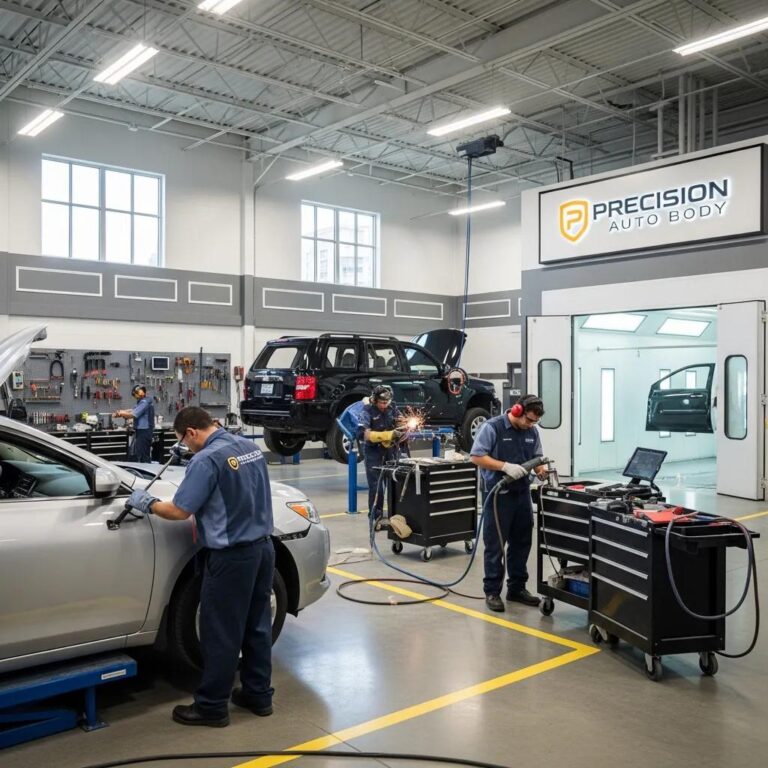
Recommended service levels and timelines: reputable shops around Glendale and Los Angeles follow industry-standard surface prep, color matching, and controlled spray booth processes. Basic spot repairs can be done in a day, standard panel jobs often take three to five days, and premium full resprays can run a week or longer depending on curing and corrections. Prime Time Collision Center follows these tiers, focusing on factory-quality steps and precise color matching to minimize visible transitions while protecting the vehicle’s finish.
What Is Included in a Basic Car Paint Job and Its Typical Cost?
A basic paint job fixes small, surface-level blemishes without major bodywork. Typical inclusions are localized sanding, spot priming, one or two coats of matching paint, minimal blending, and a final buff — which keeps costs and turnaround quick. In Los Angeles, basic repairs usually start in the low hundreds for simple touch-ups and can approach the higher end of the range when multiple small panels are involved. Owners pick basic jobs for minor dings or lease-return touch-ups, but expect some color-match limitations if adjacent panels aren’t repainted. Knowing these trade-offs helps you choose between a fast cosmetic fix and a longer-lasting repair that better preserves resale value.
How Do Standard and Premium Paint Jobs Differ in Price and Quality?
Standard jobs upgrade finish quality with thorough prep, full-panel painting, and careful blending to neighboring panels — giving a more durable, near-factory look than basic touch-ups. Premium jobs add higher-grade basecoats and clears, multi-stage application techniques, extended curing, and detailed color-matching steps that can restore or improve original factory appearance, especially for metallics and pearls. The price gap between standard and premium typically ranges from several hundred to several thousand dollars, driven by materials, technician time, and post-finish correction like wet sanding and buffing. For high-value or restored vehicles, premium work helps protect value and satisfaction; for everyday cars, standard jobs usually offer the best balance of cost and appearance. Your choice should reflect the vehicle’s value, finish complexity, and how long you plan to keep it.
Why Is OEM Certified Paint Repair Important for Your Vehicle?
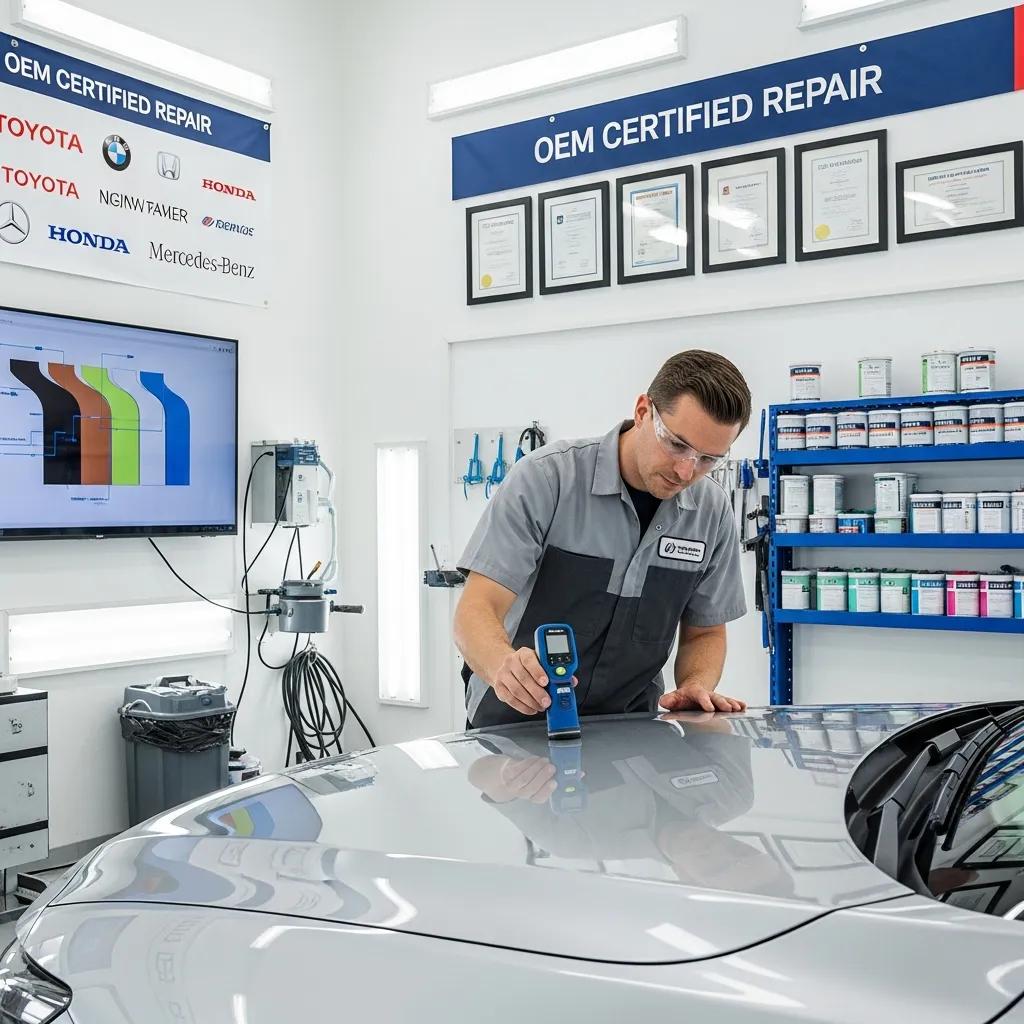
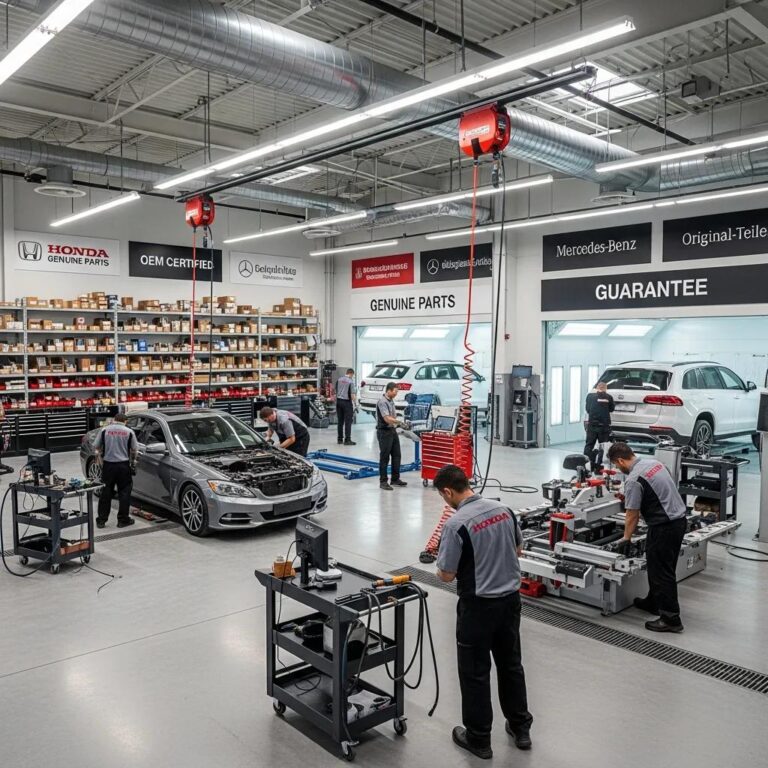
OEM-aligned paint repair matters because it preserves structural integrity, safety features, and factory warranty by following manufacturer-specified materials and procedures. OEM processes are designed to avoid interfering with modern vehicle systems — like sensors, adhesives, and corrosion protection — by specifying the correct repair sequence, compatible materials, and environmental controls. Using OEM-aligned techniques reduces the risk of warranty disputes and helps maintain resale value by keeping finishes and materials consistent with factory standards. If you drive a newer vehicle with integrated sensors or rely on your factory warranty, choosing OEM-compliant paint repair gives measurable benefits for safety and long-term ownership costs.
| Certification | What It Ensures | Benefit |
|---|---|---|
| OEM-aligned repair | Use of specified materials and repair sequences | Preserves vehicle safety and warranty alignment |
| Manufacturer paint specs | Exact color formulas and application parameters | Better color match and finish consistency |
| I-CAR/Industry standards | Technician training and documented procedures | Reduced rework and higher-quality outcomes |
How Does OEM Certification Ensure Safety and Warranty Preservation?
Following OEM procedures helps protect safety systems and warranties by requiring the right materials, adhesives, and repair sequences so crash structures, sensor function, and corrosion protection aren’t compromised. When repairs stray from manufacturer specs — with the wrong fillers or incompatible primers — there’s a real chance that calibrations, bonded joints, or corrosion-resistant layers are affected. Insurers and manufacturers may review repair records, so shops that document OEM alignment lower the risk of warranty denials or post-repair liability. That connection between process and systems is why many owners insist on OEM-compliant shops for paint repairs.
What Benefits Do I-CAR Platinum Certified Technicians Provide in Paint Repairs?
I-CAR Platinum certification shows high technician training, ongoing education, and documented competence across modern collision repair, including paint systems and color matching. Certified techs are more likely to use current best practices, cut rework, and coordinate paint repairs with electronic calibration and structural steps. That training results in better color matches, more consistent finishes, and adherence to safety-related repair procedures manufacturers expect. If you want a reliable, warranty-friendly paint outcome in Los Angeles, choosing a shop with I-CAR Platinum technicians increases that likelihood.
How Can You Navigate Insurance Claims for Car Painting in Los Angeles?
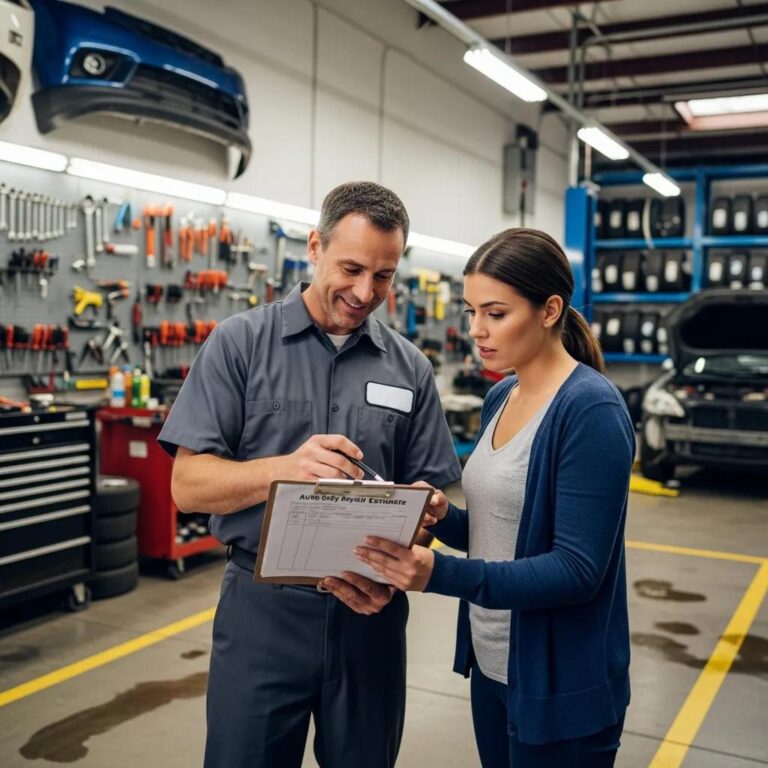
Working with insurance on paint repairs starts with clear documentation, an itemized estimate, and good communication with the adjuster so OEM methods and materials are approved. Begin with detailed photos and a written estimate that separates parts, paint, and labor, and ask the adjuster to note OEM repair steps and material specs when applicable. If an insurer suggests a lower-cost method that could hurt finish quality or warranty alignment, ask your repairer to submit manufacturer procedures or technical bulletins to support the work. Below is a step-by-step list to guide the claim process and reduce common friction points.
Follow these steps when you file a paint-related claim:
- Take clear photos of the damage from several angles and note adjacent areas that may need blending or extra panels.
- Get a detailed, itemized estimate that separates bodywork, parts, paint materials, and labor hours for transparency.
- Share the estimate with your adjuster and request written approval for OEM-aligned repair methods and any required parts/materials.
- If the insurer limits scope, ask the repairer to submit technical procedures or manufacturer repair bulletins to justify the work.
- Confirm the timeline and approvals before work starts to avoid unexpected out-of-pocket costs.
Following these steps helps the insurer see the technical needs of a paint repair and reduces the risk of under-quoting that can cause color mismatch or incomplete work. Next, see how a local shop can simplify this process for you.
What Is the Process for Working with Insurance Adjusters on Paint Repairs?
The typical process with adjusters includes inspection, estimate review, technical justification, and written approval; keeping clear records at every step smooths approval for OEM materials and blending work. Provide the adjuster with the shop’s itemized estimate and ask for explicit line items for paint type, number of panels, blending, and materials to avoid ambiguity. If the adjuster questions OEM materials or a premium finish, ask the shop to supply manufacturer repair procedures or technical bulletins that back up the approach. Keep a written record of all communications and approvals so any later warranty or dispute has documented support. Presenting adjusters with clear technical detail increases the chance the necessary paint processes will be authorized.
How Does Prime Time Collision Assist with Insurance Claims and Estimates?
Prime Time Collision Center offers services to reduce friction during insurance claims: free estimates, adjuster coordination, and 24/7 towing when needed — all designed to help get repairs started faster and with less hassle. We prepare detailed, itemized estimates that separate bodywork, paint materials, and labor so you can clearly communicate with insurers and advocate for OEM-compliant procedures when required. Serving Glendale, Burbank, Pasadena, and Los Angeles, our technicians can walk adjusters through repair needs onsite and provide the technical context that supports proper approvals. For direct help, call us at (818) 396-4997 or find our Google Business Profile for reviews and directions — it speeds up estimate and claim intake.
Estimate component breakdown table — this helps you read and compare quotes:
| Estimate Component | Attribute | Typical Inclusion |
|---|---|---|
| Inspection hours | Labor | Visual and dimensional check, sensor verification |
| Parts needed | Parts | OEM or equivalent replacements itemized separately |
| Paint type | Materials | Basecoat/clearcoat, metallic/pearlescent notes |
| Labor hours | Labor | Panel prep, masking, painting, curing, finishing |
| Estimated price | Total | Combined parts, paint materials, and labor estimate |
Use this table to spot missing line items and ask targeted questions if a quote looks incomplete.
Why Choose Prime Time Collision Center for Your Car Painting Needs in Los Angeles?
Prime Time Collision Center focuses on factory-quality repairs with I‑CAR Platinum certified technicians and OEM-aligned processes to help ensure a seamless color match and warranty-preserving work. We offer free estimates, 24/7 towing, and work with all major insurers to support claim approvals and reduce the legwork for customers. A lifetime warranty on repairs shows our commitment to long-term quality and post-repair support — giving additional peace of mind if follow-up is ever needed. Below are the main reasons customers pick Prime Time for paint work.
Prime Time Collision Center highlights:
- I-CAR Platinum Certified Technicians: Skilled, continuously trained techs using modern repair and paint methods.
- Free Estimates and 24/7 Towing: Practical services that make starting repairs easier.
- Lifetime Warranty on Repairs: Confidence that we’ll stand behind our work long after you drive away.
These benefits reduce repair friction and match the technical needs described above, making Prime Time a solid local choice for owners who want OEM-quality paint and help with insurance. To schedule or request an estimate, call (818) 396-4997 or check our Google Business Profile for reviews and directions.
What Unique Value Propositions Does Prime Time Collision Offer?
Prime Time’s strengths are technician certification, OEM-focused processes, and customer-convenience services that together support high-quality paint outcomes and easier insurance navigation. I‑CAR Platinum certification means technicians stay current on materials and repair sequences. Free estimates and towing remove logistical hurdles that delay repairs. And a lifetime warranty gives customers a clear post-repair safety net. Together, these elements deliver both technical quality and customer reassurance — especially important for complex or high-value paint jobs.
What Do Customer Testimonials Say About Our Paint Quality and Service?
Customer feedback for shops like Prime Time commonly highlights accurate color matching, professional handling of insurance, and responsive service during the repair process. Reviews often praise blended panels that match factory paint, the convenience of estimate and towing services, and the peace of mind provided by a lifetime warranty. Prospective customers should review our Google Business Profile for real examples and to confirm that our stated capabilities match actual customer outcomes.
- Color-match satisfaction: Many reviewers note repaired panels blend well with factory paint.
- Claims assistance: Customers appreciate shops that work directly with insurers to simplify approvals.
- Service convenience: Free estimates and towing make it easier to get repairs started.
Frequently Asked Questions
What is the average turnaround time for car painting jobs in Los Angeles?
Turnaround depends on the service. Basic spot repairs can sometimes be done in a day. Standard panel jobs typically take three to five days because of prep, drying, and blending. Premium or custom jobs — with more complex processes and higher-grade materials — can take a week or longer. Talk to your shop up front so you have a realistic timeline for your specific job.
Are there any warranties available for car painting services?
Yes. Many reputable shops, including Prime Time Collision Center, offer warranties on paint work that cover workmanship and materials. Warranty lengths vary — from limited time frames to lifetime coverage — depending on the shop and type of service. Always ask for the warranty details in writing before you agree to a job.
How can I maintain my car’s paint after a fresh job?
To protect a fresh paint job, avoid washing the car for at least two weeks so the paint can cure. After that, use gentle car wash soap and soft microfiber cloths. Regular waxing every few months helps preserve shine and protection. Park in shade or use a cover when possible to reduce sun exposure. Following these steps will help your new finish last.
What should I look for when choosing a car painting shop?
Look for I‑CAR Platinum or equivalent technician certifications, clear customer reviews, and transparent, itemized estimates. Ask about the paint systems used and whether the shop follows OEM repair procedures. A written warranty and a willingness to explain the repair process are also strong signs of a reputable shop.
Can I choose any color for my car paint job?
Yes. Standard factory colors are usually easiest and least expensive. Custom or specialty colors are available but can add cost and time for mixing and application. Consider how a new color might affect resale value and discuss options with the shop so you understand cost and timing implications.
What are the environmental considerations for car painting?
Environmental considerations include using low‑VOC paints and proper disposal of solvents and waste. Many modern shops use more eco-friendly paint systems and follow local regulations for handling and disposing of materials. Ask your shop about their environmental practices if this is important to you.
How does the insurance claim process work for car painting repairs?
The process usually starts with documenting damage, getting a detailed estimate, and sharing that with your adjuster. Request approval for OEM-aligned methods if needed. If an insurer suggests a cheaper approach that could compromise quality, have the shop provide technical documentation to support the correct repair. Clear communication and written records are key to a smooth claim.
Conclusion
Knowing the average car painting cost in Los Angeles helps you make smarter repair choices and get the quality you expect. By understanding the main cost drivers and the value of OEM-aligned repairs, you protect your investment and your vehicle’s resale value. If you want a smoother experience and factory-quality results, reach out to Prime Time Collision Center — our technicians are ready to help. Contact us to get an estimate and keep your car looking its best for years to come.