Collision Repair Costs in Glendale, CA — A Clear, Local Guide to Estimates & Factory‑Quality Repairs
Being in an accident is stressful. You need clear answers about safety, cost, and the next steps — fast. This guide breaks down typical collision repair costs in Glendale, CA and shows how to get reliable, factory‑quality repairs you can trust. You’ll find local price ranges for minor through major damage, the main cost drivers, how to weigh OEM versus aftermarket parts, and exactly what to look for on a transparent, line‑item estimate. We also explain your insurance rights in California, what to expect during a claim, and how certified technicians and modern diagnostics affect both price and safety. Practical items — timelines, a quick cost comparison table, and step‑by‑step instructions for scheduling a free estimate — are included so you can budget and choose a shop that puts safety and factory standards first.
What Are the Average Collision Repair Costs in Glendale, CA?
Costs in Glendale depend on damage severity, the parts needed, and whether advanced diagnostics or ADAS calibration are required. Minor cosmetic fixes usually run in the low hundreds to under $1,000. Moderate repairs — panel replacement or larger paint jobs — commonly fall in the mid‑to‑high thousands. Major structural or frame work, or full‑panel replacements, can climb into several thousand dollars depending on parts and labor. These ranges include parts, paint and materials, labor, and basic diagnostics, but do not always cover rare, high‑cost OEM parts or extensive ADAS recalibration. The best next step is a written, line‑item estimate — many Glendale shops, including trusted local providers, offer free initial estimates so you can compare prices and timelines with confidence.
Below is a quick, scannable table showing typical repair types, local cost ranges, and expected timeframes to help you get a realistic budget before you request a formal quote.
This table shows usual Glendale ranges and turnaround times so you can plan and focus on safety rather than just the lowest price.
| Repair Type | Typical Cost Range (Parts + Labor) | Typical Time (hours/days) |
|---|---|---|
| Minor bumper repair / paintless dent repair | $200 – $900 | 2–24 hours |
| Door panel replacement / refinishing | $600 – $2,200 | 1–3 days |
| Full bumper replacement and paint | $800 – $2,500 | 1–3 days |
| Frame straightening / structural repair | $1,500 – $6,000+ | 2–7 days |
| ADAS recalibration / diagnostics | $150 – $600 | 1–2 days |
This quick comparison clarifies how repair type affects both cost and downtime, and helps you ask for specific line items when getting an estimate.
How Do Repair Costs Vary by Damage Severity and Type?
Severity drives scope: a light scratch needs less labor and few parts, while structural damage means frame work, alignment, and safety system checks — and that raises costs quickly. Cosmetic fixes usually involve paint blending or small dent work, keeping turnaround short and costs lower. Moderate damage often requires panel replacement and multi‑stage paint work, which increases both price and time. Major collisions that impact frame rails, suspension geometry, or ADAS sensors require specialist equipment, certified technicians, and full safety inspections — that’s why structural repairs are the most expensive and need careful documentation for insurance.
Knowing how severity affects pricing helps you read estimates and choose the right repair path. The next section lists typical price bands for common repairs to make comparisons easier.
What Are Typical Price Ranges for Common Repairs Like Bumper and Frame Damage?
Different repairs fall into distinct price bands because of parts, paint work, and labor complexity. A bumper scuff that can be buffed or touched up usually costs a few hundred dollars; a full bumper replacement with color‑match paint can reach the low thousands depending on OEM panel prices. Replacing a door or quarter panel with full refinishing often lands in the mid‑to‑high thousands once labor and multi‑stage paint curing are included. Frame straightening and structural repairs are typically most expensive — they need alignment, certified frame racks, and safety verification — and vary widely based on severity and manufacturer specs.
When comparing estimates, ask if the price includes paint, materials, and diagnostics. Transparent, line‑item quotes let you compare offers fairly and discuss OEM vs aftermarket choices with your estimator.
Which Factors Influence Auto Body Repair Costs in Glendale?
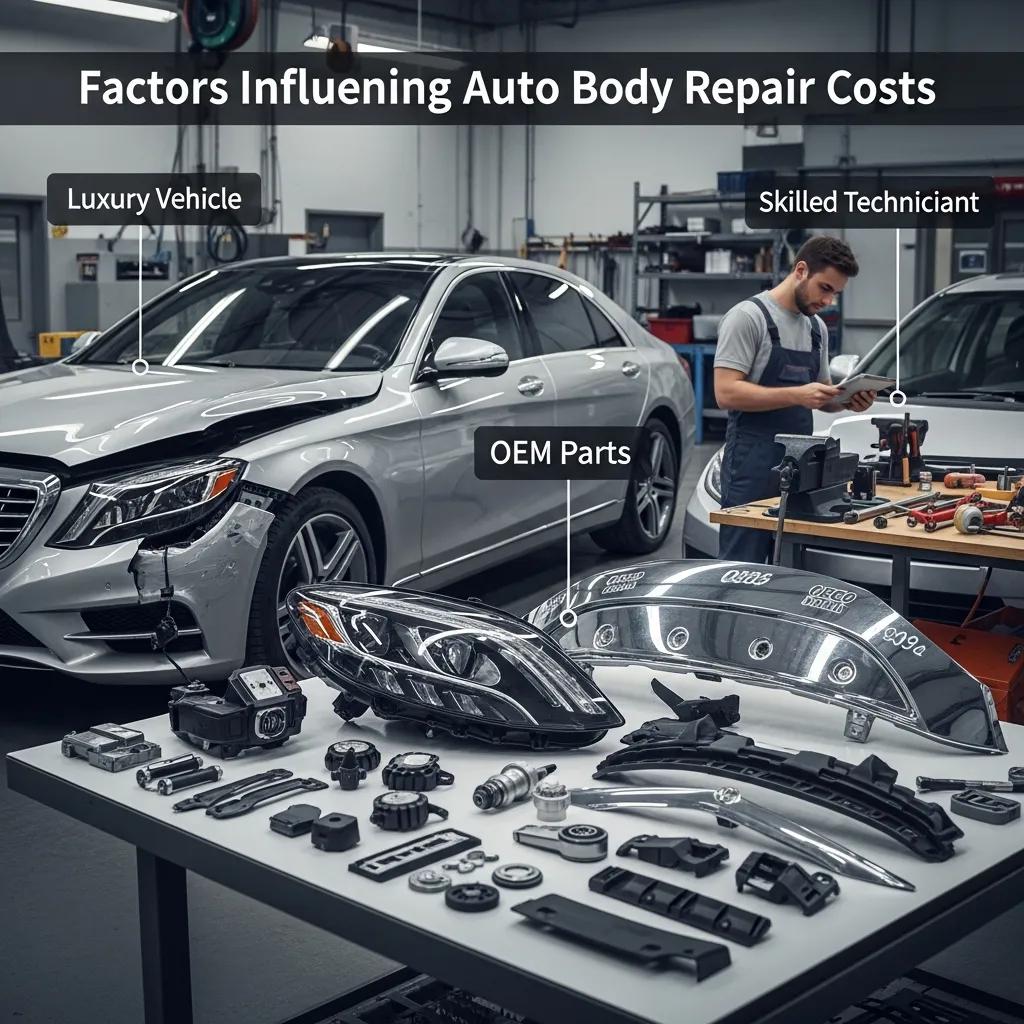
Several variables shape the final bill: damage severity, vehicle make and model, parts source (OEM vs aftermarket), technician certifications, local labor rates, and special tech needs like EV systems or ADAS recalibration. Severity establishes the baseline labor and parts. The vehicle’s brand and model affect parts availability and price — luxury and European cars generally cost more and may need specialized labor. Parts choice (OEM, aftermarket, used) impacts cost, warranty, and potentially resale value. Technician training and shop equipment affect repair accuracy and insurer acceptance. Labor rates and shop overhead in Glendale also influence invoices, and EVs or ADAS‑equipped cars often need extra time and diagnostics that raise cost.
The short list below highlights the top cost drivers so you know what to watch for when comparing estimates.
- Damage severity — sets labor hours and safety checks required.
- Parts source (OEM vs aftermarket) — changes unit cost, fit, and warranty.
- Vehicle type and technology (luxury, EV, ADAS) — requires specialized tools and tech time.
- Technician certifications and shop equipment — justify higher labor quality and warranty support.
These factors interact — severe damage on a luxury EV raises costs far more than similar damage on an older economy car. The table below gives a concise factor/impact view to guide your comparisons.
| Factor | How it Changes Cost | Typical Impact (Low/Medium/High & example $) |
|---|---|---|
| Damage Severity | Increases labor hours and parts needed | High — minor $200–$900; major $1,500–$6,000+ |
| Parts Source | OEM vs aftermarket price and fit differences | Medium–High — OEM premium ($200–$1,000+) |
| Vehicle Type (Luxury/EV) | Requires specialized parts and diagnostics | High — 10–50% price uplift |
| Technician Certification | Affects repair accuracy and insurer acceptance | Medium — justifies labor rate and warranty |
| ADAS/Diagnostics | Adds calibration time and diagnostic fees | Medium — $150–$600 per recalibration |
Spotting these elements on an estimate helps you judge whether it’s complete. When safety items appear, prioritize certified technicians and proper diagnostics to avoid costly surprises later.
How Do Vehicle Make, Model, and Year Affect Repair Prices?
Make, model, and year shape parts availability, unit cost, and how familiar a shop is with the vehicle — all of which affect estimates and timelines. Luxury and European cars often need higher‑cost OEM components and specialized tools or paint processes, which can add lead time and parts markup. Newer cars with ADAS require precise recalibration after body work, adding technician and diagnostic time. Older vehicles can often use used or aftermarket parts to lower immediate expense, but that may affect fit, finish, and resale value. When requesting an estimate, include vehicle year and trim so the shop can list exact part sources and calibration needs for a fair comparison.
Supplying accurate vehicle details upfront lets shops give a more precise line‑item estimate.
What Is the Cost Difference Between OEM Certified and Aftermarket Parts?
OEM versus aftermarket choices are a tradeoff between fit, warranty, upfront cost, and long‑term value. OEM parts match the manufacturer’s specifications, usually ensuring precise fit, preserving safety tolerances, and supporting factory warranties — but they cost more and can add several hundred to over a thousand dollars per component. Aftermarket parts vary widely in quality: some match OEM fit and save money, while lower‑quality options may not hold up and could hurt resale. For safety‑critical components and newer vehicles, OEM is often the safer choice to preserve crash performance and sensor compatibility. For minor, non‑structural panels, a reputable aftermarket option can be acceptable.
At Prime Time Collision Center, we prioritize OEM‑quality repairs and staff I‑CAR Platinum technicians to follow manufacturer procedures. That approach helps justify OEM parts when safety and long‑term integrity matter most.
How Does Prime Time Collision Center Ensure Quality and Certified Repairs?
We focus on factory‑quality repairs, ongoing technician training, documented processes, and warranty coverage so Glendale drivers get safe, reliable results. Our team includes I‑CAR Platinum certified technicians who follow current repair procedures, use industry‑grade equipment for frame and alignment work, and perform documented inspections and ADAS recalibrations when manufacturers require them. Our quality steps include pre‑ and post‑repair diagnostics, precise paint color‑matching with modern mixing systems, and final safety checks to confirm alignment and sensor function. We also coordinate with insurers and offer services like free estimates, towing assistance, and a lifetime warranty so you can feel confident in the repair long after you drive away.
These credentials and clear processes reduce the risk of mistakes and give you written records that support insurance claims and future resale.
What Are the Benefits of I-CAR Platinum Certified Technicians?
I‑CAR Platinum certification means our technicians receive advanced, continuous training across vehicle systems. That training leads to more accurate repairs, better safety outcomes, and fewer reworks. Certified techs learn current methods for vehicle construction, crash repair, welding standards, and ADAS calibration — helping ensure repairs meet manufacturer tolerances. This training speeds diagnostics, improves fit and finish, and gives insurers confidence in the quality of work. Choosing a shop with I‑CAR Platinum techs helps preserve safety features and can reduce long‑term costs that come from improper repairs.
Knowing the value of certification helps you prioritize shops that invest in training and modern equipment.
Which OEM Certifications Does Prime Time Collision Center Hold?
Prime Time follows factory‑quality procedures even when specific OEM certifications aren’t publicly listed on our site. We encourage customers to ask if they need confirmation of manufacturer programs for their vehicle. Many customers benefit from our documented repair process that follows OEM repair procedures and parts recommendations, and we work with all major insurance companies while maintaining I‑CAR Platinum standards. If you need proof of a particular OEM program or factory recognition, contact us and we’ll share available verification so your repair path aligns with manufacturer expectations.
This transparency lets you confirm any factory requirements before you authorize work.
How Can You Get a Free Collision Repair Estimate in Glendale, CA?
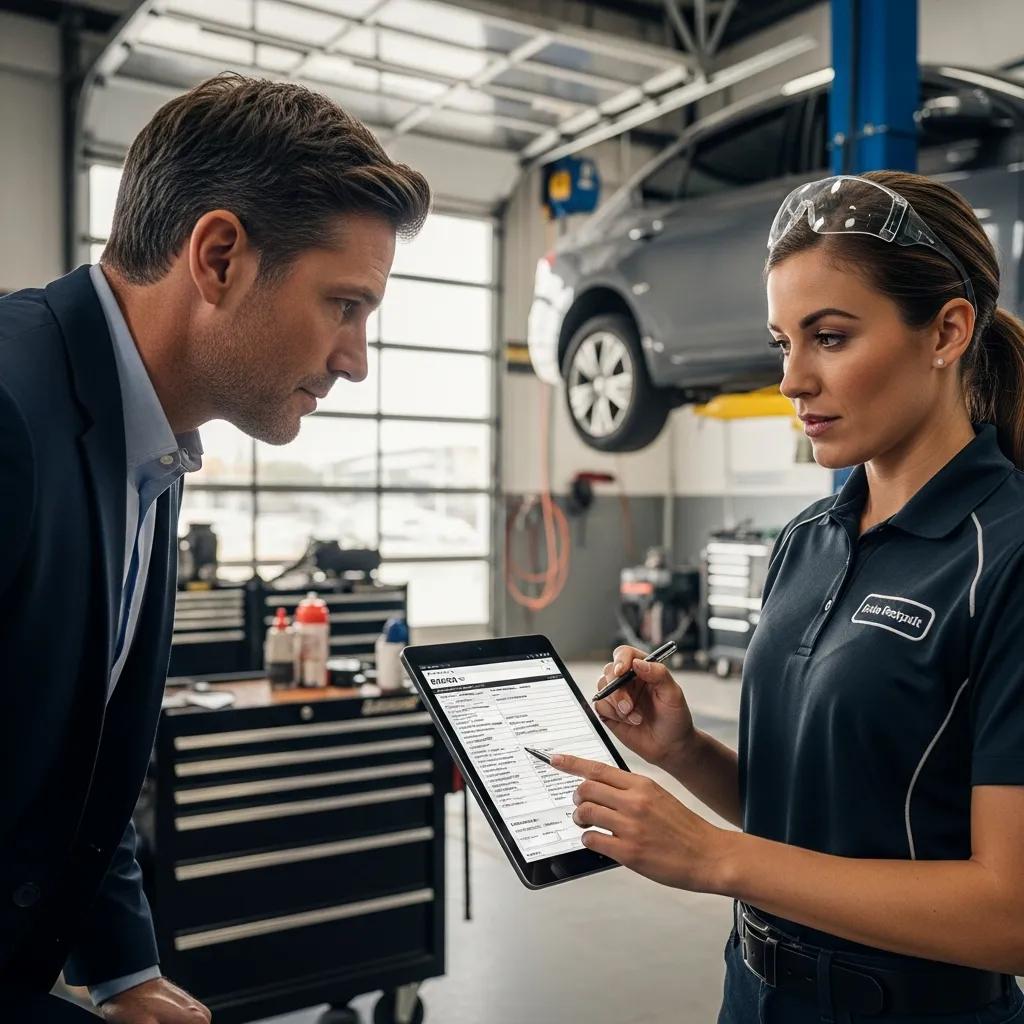
A clear, free estimate removes uncertainty and helps you compare repair options, insurance coverage, and timelines before you authorize work. Start by contacting the shop by phone or dropping off your vehicle and basic accident details. An inspector documents visible damage and runs diagnostics as needed. A thorough estimate lists parts, labor hours, paint and materials, and any required ADAS recalibration — and the shop usually provides photos and a written PDF or printed quote for your records. Many local shops offer towing to move your vehicle, and an accurate written estimate is essential for insurance negotiations, supplements, and setting a reliable repair schedule.
The table below outlines the common steps, what you’ll receive, and typical timeframes when scheduling a free estimate.
| Step | Action | What You Receive (Deliverable) | Average Time to Complete |
|---|---|---|---|
| 1 | Contact shop / schedule inspection | Appointment confirmation and checklist of needed documents | Same day to 2 days |
| 2 | Visual inspection & diagnostics | Written line-item estimate with photos | 30–90 minutes |
| 3 | Insurance coordination (if requested) | Submitted estimate, supplemental documentation | 1–3 days for insurer review |
| 4 | Authorization & scheduling | Repair schedule and estimated completion date | 1–3 days to schedule |
Knowing what to expect at each step shortens the path from uncertainty to a clear repair plan.
What Is the Process for Scheduling and Receiving a Free Estimate?
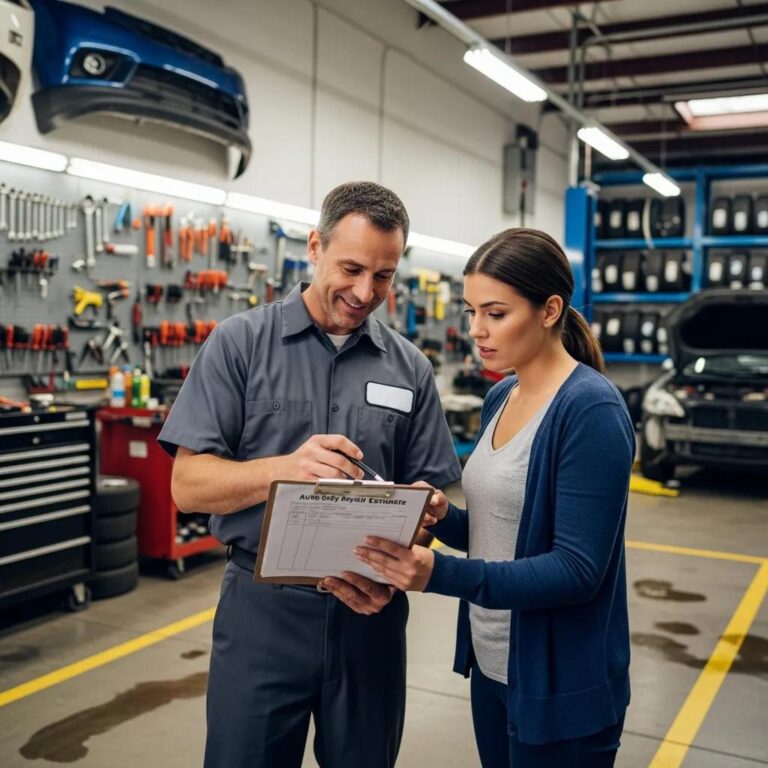
Scheduling a free estimate is simple: call or provide your vehicle details, then set an inspection appointment where an estimator documents damage, takes photos, and runs diagnostics as needed. During the appointment the estimator checks visible body damage and underlying components, lists required parts and labor, notes ADAS sensors or EV systems, and delivers a written, line‑item estimate that spells out parts, labor rates, and paint procedures. Most estimates take 30–90 minutes depending on vehicle complexity. You’ll receive photos and a PDF or printed copy to share with your insurer or compare with other quotes.
A concise written estimate and supporting photos speed insurer approval and make any supplements discovered during teardown easier to handle.
How Does Prime Time Assist with Insurance Claims and Approvals?
We help by preparing detailed documentation, communicating with insurers when you authorize us to do so, and submitting supplements if hidden damage appears during disassembly. Our estimators create line‑item bills, photos of structural or ADAS components, and diagnostic reports that back up necessary repairs. When additional parts or labor are discovered after teardown, we submit supporting documentation and follow up to help speed approval. This hands‑on coordination preserves your right to choose the repair facility and reduces administrative friction so insurance and customers can reach agreement faster.
By handling estimates, photos, and supplemental submissions, we keep repairs moving and keep you informed at every stage.
What Should You Know About Insurance Claims and Your Rights in Glendale?
Knowing your rights and how insurers operate helps protect repair quality, safety, and your wallet after a collision. In California you generally have the right to choose your repair shop — insurers can request estimates or inspections but cannot force you to use a particular facility. Presenting a written, line‑item estimate and a clear repair plan usually smooths insurer communications. Deductibles, total‑loss thresholds, and salvage rules will affect whether a repair or replacement is the right move, so review insurer determinations and ask questions if numbers don’t look right. Keep records of all communications, get written estimates, and request clear explanations for approvals or denials to protect yourself during the claims process.
These practices make it important to work with repair providers who produce detailed estimates and support supplements when needed.
Can You Choose Your Own Repair Shop After an Accident?
Yes — you typically have the right to pick your own repair shop. Tell your insurer your choice and provide a written estimate from that shop. While insurers may recommend preferred shops, they cannot force you to use them. To protect your interests, keep records of conversations, ask for written approvals of any insurer changes, and get a clear timeline before work starts. If a dispute arises, photos, diagnostic reports, and certified technician documentation strengthen your position and help preserve repair quality and safety.
Knowing this helps you prioritize certified repairs and OEM procedures over a lower‑cost option that might compromise long‑term safety.
How Does Prime Time Support You Through the Insurance Claim Process?
We prepare detailed estimates, take photos of damage, submit supplements when additional repairs are found, and communicate with insurers as you authorize. We document pre‑ and post‑repair conditions and provide clear line‑item breakdowns explaining parts choices, labor hours, and any ADAS recalibration needed. If supplemental repairs appear during disassembly, we prepare and forward the supporting documentation to help secure insurer approval and avoid delays. Our hands‑on approach keeps you informed, preserves your choice of shop, and reduces the administrative load during a stressful time.
Working with a shop that manages documentation and insurer communications reduces surprises and helps move your vehicle from estimate to completion more smoothly.
Why Choose Prime Time Collision Center for Your Collision Repairs in Glendale?
Prime Time combines certified technicians, a focus on OEM‑quality repairs, warranty protection, and practical services like free estimates and towing assistance to give Glendale drivers trustworthy repairs. Our I‑CAR Platinum technicians and documented workflows aim to restore vehicles to manufacturer tolerances so safety, performance, and resale value are preserved. We work with all major insurance companies to streamline approvals, back our work with a lifetime warranty, and offer conveniences such as towing coordination and complete repair documentation. Together, these services create a repair experience centered on clear communication, certified procedures, and long‑term vehicle integrity.
The sections below summarize what customers commonly praise and the extras that make recovery easier after an accident.
What Customer Testimonials and Reviews Highlight Our Service Quality?
Customers often praise shops that communicate well, deliver solid repairs, and meet promised timelines — the same qualities we emphasize. Positive reviews typically mention clear, line‑item estimates, thorough photo documentation, and regular updates during the repair process. People also appreciate when a shop helps with insurer coordination, towing, or rental assistance because those services reduce disruption after an accident. When evaluating a shop, look for consistent feedback about communication, workmanship, and warranty support to confirm reliability.
If you’d like to see recent customer feedback, ask us for references or public review links to confirm our service aligns with your expectations.
What Additional Services Like 24/7 Towing and Lifetime Warranty Are Offered?
Extra services take the logistics out of recovery and protect your repair over time. Prime Time offers towing assistance, a lifetime workmanship warranty, and help with insurance paperwork. 24/7 towing gets your vehicle to a certified facility quickly after an accident. Our lifetime warranty covers workmanship for as long as you own the vehicle, giving peace of mind about repair durability. We can also assist with rental coordination or shuttle options to keep you moving while repairs proceed. Clear warranty documents explain coverage limits and the process if you need follow‑up service.
To schedule a free estimate, request towing, or learn more about warranty terms, call Prime Time Collision Center at (818) 396-4997 and speak with an estimator who can outline next steps and available appointment times.
Frequently Asked Questions
1. What should I consider when choosing between OEM and aftermarket parts for my vehicle repair?
Consider fit, warranty, cost, and long‑term value. OEM parts match the manufacturer’s specs and usually provide the best fit and safety tolerance, but they cost more. Aftermarket parts can save money, but quality varies — some fit and perform well, others do not. Discuss your vehicle’s needs with your repair advisor so you can balance immediate savings against long‑term reliability and resale value.
2. How can I ensure that my collision repair shop is reputable?
Look for certifications like I‑CAR Platinum, read customer reviews, and confirm the shop provides transparent, line‑item estimates and warranty coverage. A reputable shop communicates clearly, documents damage with photos, and helps with insurance paperwork. Don’t hesitate to ask about training, equipment, and written guarantees before you commit.
3. What are the typical timelines for different types of collision repairs?
Timelines depend on damage type and severity. Minor repairs like paintless dent removal may take hours. Moderate jobs — door panel replacement or larger paint work — often take 1–3 days. Major structural repairs may require several days to a week or more, especially if parts must be ordered. Always get a timeline estimate during the inspection so you can plan.
4. How does the insurance claims process work after a collision?
First, report the accident to your insurer and provide required details. Get a written estimate from your chosen shop and submit it to your insurer. The insurer may review the estimate or send an adjuster. Your repair shop can assist by supplying documentation, photos, and supplemental requests to help expedite approvals and ensure necessary repairs are covered.
5. What should I do if my insurance company suggests a different repair shop?
You have the right to choose your repair shop. Politely tell the insurer you prefer a specific facility and provide a written estimate from that shop. Insurers may recommend shops but cannot force you to use them. Keep records of communications and provide any documentation the insurer requests to support your choice.
6. Are there any hidden costs I should be aware of when getting a collision repair?
Hidden costs can appear if further damage is found during teardown. Common additions include extra labor, ordered parts, or ADAS recalibration fees. Minimize surprises by choosing a shop that does a thorough inspection and provides a detailed, line‑item estimate. Make sure supplements are documented and communicated to your insurer.
7. How can I maintain my vehicle’s resale value after a collision repair?
Prioritize OEM parts and certified technicians to keep repairs aligned with manufacturer standards. Keep all repair documentation — estimates, invoices, and warranties — to show prospective buyers. Regular maintenance and keeping the vehicle in good condition after repairs also help protect resale value.
Conclusion
Knowing typical collision repair costs in Glendale, CA gives you the confidence to make informed choices about your vehicle’s restoration. Consider damage severity, parts selection, and technician certifications when evaluating estimates so safety and long‑term value come first. Request a transparent, line‑item estimate to compare options and navigate insurance smoothly. Contact Prime Time Collision Center today to schedule your free estimate and see our commitment to OEM‑quality repairs.