Best Auto Body Shop in Glendale CA: What to Look For
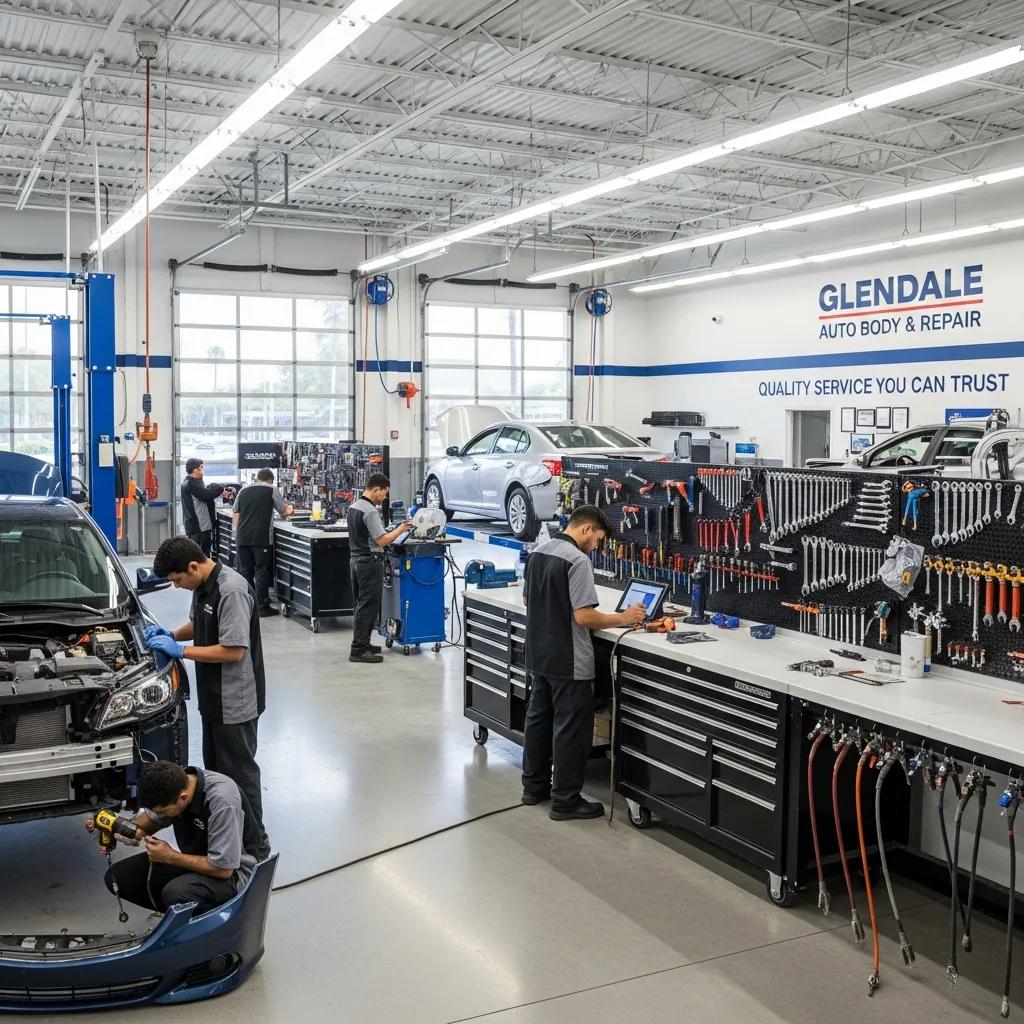
Best Auto Body Shop in Glendale, CA — How to Make Sure Your Collision Repair Is Done Right
We know a collision is stressful. The choice you make next — which shop repairs your car — affects safety, reliability, and resale value. This guide breaks down what “quality collision repair” looks like, how it protects your vehicle’s structure and systems, and the practical checklist you can use when comparing shops in Glendale. You’ll learn which certifications matter, which repair steps preserve crashworthiness, how ADAS and OEM procedures fit into modern repairs, and how to work with insurance without added headaches. Our goal is to give you clear, usable steps so you can choose confidently and reduce post-accident worry.
What Are the Key Factors to Consider When Choosing an Auto Body Shop in Glendale?
Picking the right shop starts with objective signals that predict repair quality and long-term safety. Look for technician training, following OEM repair procedures, proper structural and ADAS equipment, clear warranty terms, and proven experience handling insurance claims. Comparing shops by these criteria helps you focus on workmanship and correct processes instead of just price. Below are the primary items you should check when evaluating providers in Glendale.
The six essential factors to evaluate when selecting an auto body shop:
- Current certifications and technician training that show the shop follows industry standards.
- Use of OEM repair procedures and genuine or approved parts to protect vehicle systems and warranties.
- On-site ADAS calibration tools and trained staff to restore driver-assist systems correctly.
- Transparent warranty terms that state coverage and whether the warranty transfers with the vehicle.
- Documented experience handling insurance claims to simplify approvals and billing.
- Thorough damage assessment and quality-control steps that detect hidden problems and ensure safe reassembly.
These checks are a practical baseline. Next, ask specific verification questions — request certifications, sample repair documentation, and confirmation of equipment capabilities.
Introductory table comparing certifications and safety impact:
| Certification Type | What It Means | Why It Matters to Safety |
|---|---|---|
| I-CAR Platinum | Technicians complete required training and ongoing education | Keeps repair techniques current and reduces procedural mistakes |
| OEM Certification | Access to manufacturer repair procedures and approved practices | Ensures repairs meet factory tolerances and system requirements |
| Paint/Refinish Standards | Controlled paint booths and color-matching systems | Prevents corrosion and ensures proper finish longevity |
| ADAS Calibrations | Specialized tools and procedures to realign sensors and cameras | Restores driver-assist functions that affect safety |
Knowing how credentials and capabilities translate to safer, factory-quality repairs helps you avoid incomplete work that compromises safety or value.
How Does Repair Quality Impact Vehicle Safety and Longevity?
Repair quality determines how well your vehicle’s original crash energy management and safety systems are restored. Correct structural repairs — precise measurement, proper alignment, and certified welding or bonding — preserve the vehicle’s ability to absorb and redirect crash forces. Poor repairs, such as incorrect welds, misaligned frames, or mismatched panels, can change crash pathways, affect airbag timing, and weaken seatbelt anchorage. Beyond safety, high-quality repairs protect resale value and reduce recurring problems like water leaks, paint failure, and premature wear. That’s why certified processes and documented quality control should outweigh a low upfront price.
Good repair practices protect you now and keep your vehicle reliable over time — which brings us to why certifications and OEM procedures matter.
Why Are Certifications Like I-CAR Platinum and OEM Important?
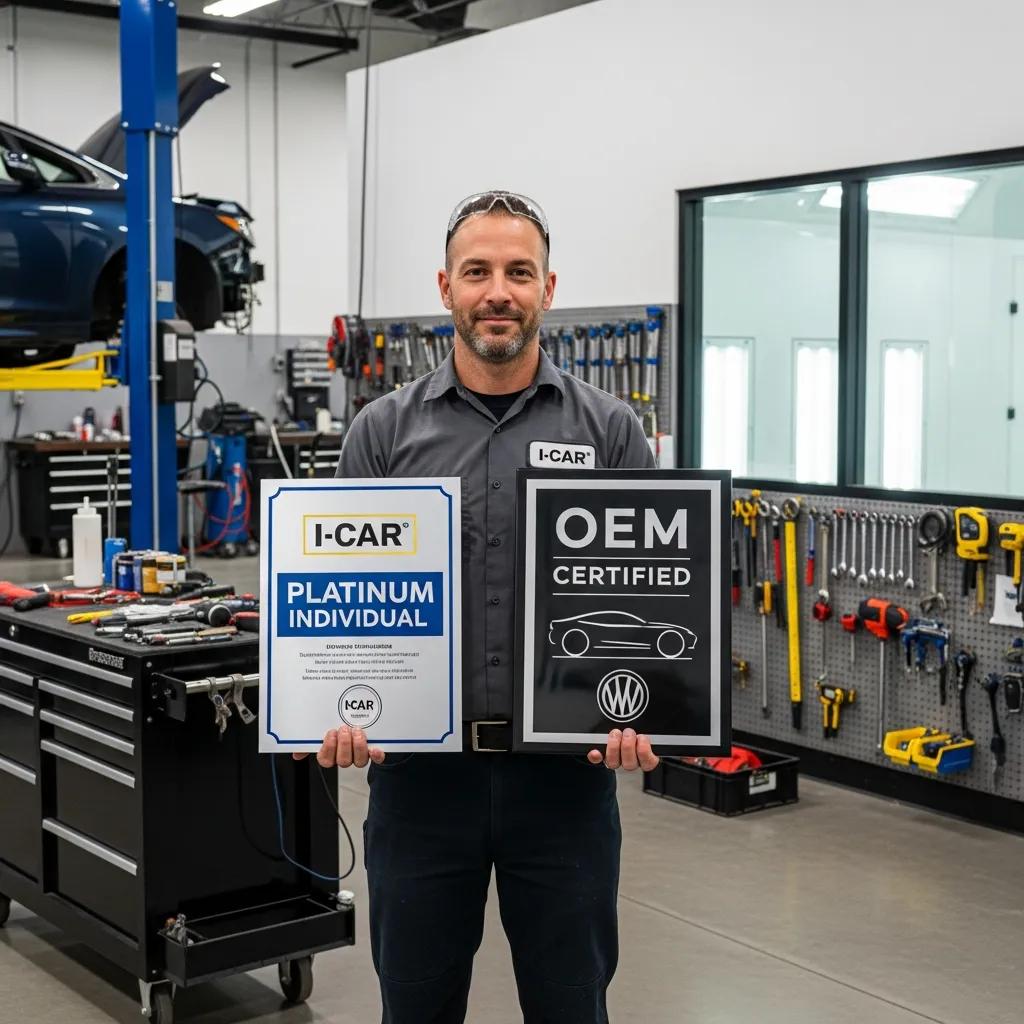
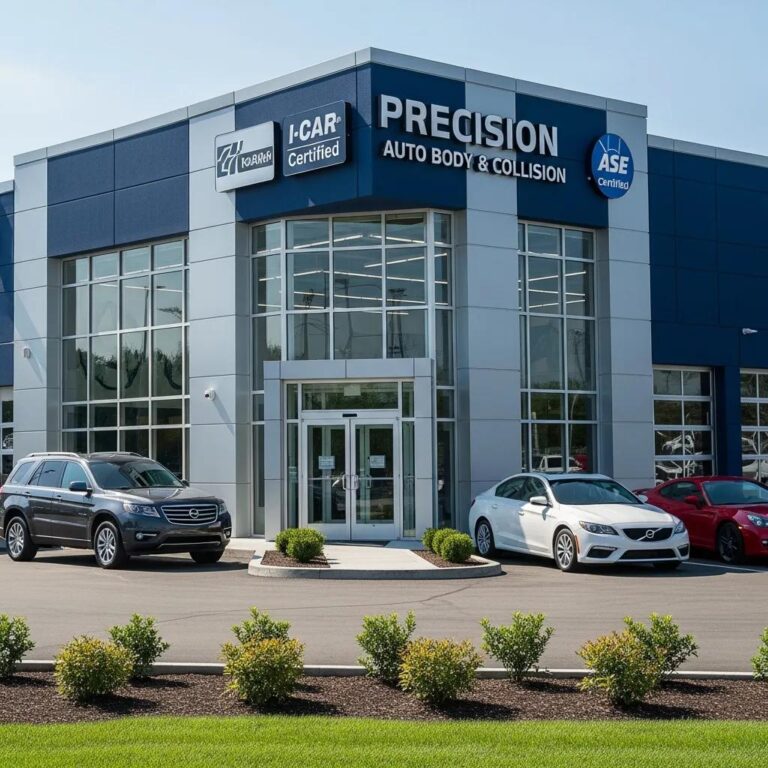
Certifications such as I-CAR Platinum and OEM approvals show a shop’s commitment to training, the right tools, and documented procedures. I-CAR Platinum means technicians have completed required coursework and keep up with new repair methods, lowering the risk of errors. OEM approvals indicate a shop follows manufacturer repair bulletins and has access to factory instructions critical for modern vehicles. These credentials reduce the chance of improper repairs, protect safety systems, and help preserve factory warranty expectations. A straightforward verification step is to ask a shop to show recent training logs or technician certificates.
The U.S. focus on certification and training reflects broader international efforts to standardize repair quality, as comparative studies show.
Global Standards for Quality Auto Repair & Certifications
A 2020 analysis comparing international vehicle repair systems noted that the U.S. specialized repair model, Germany’s Vehicle Technician Meister training, and Japan’s quality-recognition practices offer useful ideas for improving repair standards elsewhere.
해외 자동차정비제도 현황 분석을 통한 국내 제도 개선방안 연구, 2020
Understanding what these certifications mean helps you evaluate shops that hold them and how those credentials are applied in daily repair work.
How Does Prime Time Collision Center Stand Out with Certifications and Expertise?
Prime Time Collision Center is a local collision-repair shop focused on factory-quality results, trained technicians, and hands-on insurance support. We emphasize I-CAR Platinum training and following OEM repair procedures so repairs match current manufacturer expectations. Our services include collision repairs, paintless dent repair, frame and structural work, paint refinishing, ADAS calibration, and help with insurance claims to make the process easier for customers. These credentials and services explain why a shop that invests in training and OEM alignment can reduce safety and value risks after a crash.
Here are the main trust signals and customer benefits we highlight:
- I-CAR Platinum certified technicians who follow up-to-date repair standards.
- Commitment to factory-quality/OEM repair methods to protect vehicle systems and warranties.
- Insurance-claims assistance and a track record working with major insurers.
- Lifetime warranty on workmanship and paint to give customers long-term peace of mind.
These practical attributes should guide your verification process and explain what I-CAR Platinum actually guarantees.
What Does I-CAR Platinum Certification Guarantee for Your Repair?
I-CAR Platinum shows a shop’s technicians meet training and education benchmarks for modern collision repair. It requires coursework and ongoing training in areas like structural repair, electronics, welding, refinishing, and safety-system restoration. For you, that means a higher chance repair procedures follow current best practices and technicians are aware of manufacturer updates. While certification doesn’t promise perfect work every time, it’s a meaningful indicator that reduces the risk of widespread repair errors. Ask to see up-to-date training records or technician certificates when you want verification.
Knowing what I-CAR covers helps you move on to OEM alignment and why manufacturer processes matter for certain systems.
Which OEM Certifications Does Prime Time Hold and Why Do They Matter?
Prime Time emphasizes following OEM repair procedures even when a specific factory certification isn’t listed on this page. Following OEM protocols means accessing factory repair instructions, approved techniques, and recommended parts. That approach helps ensure structural components, restraint systems, and advanced electronics are restored to manufacturer tolerances. For vehicle owners, OEM alignment reduces the chance of post-repair issues and helps keep systems, safety, and resale value intact. When evaluating a shop, ask whether they can access and document manufacturer service information and whether they use genuine or OEM-approved parts when required.
Confirming OEM process access is a sensible next step before discussing how the shop documents repairs and coordinates with insurers.
How Can You Navigate Insurance Claims for Collision Repair in Glendale?
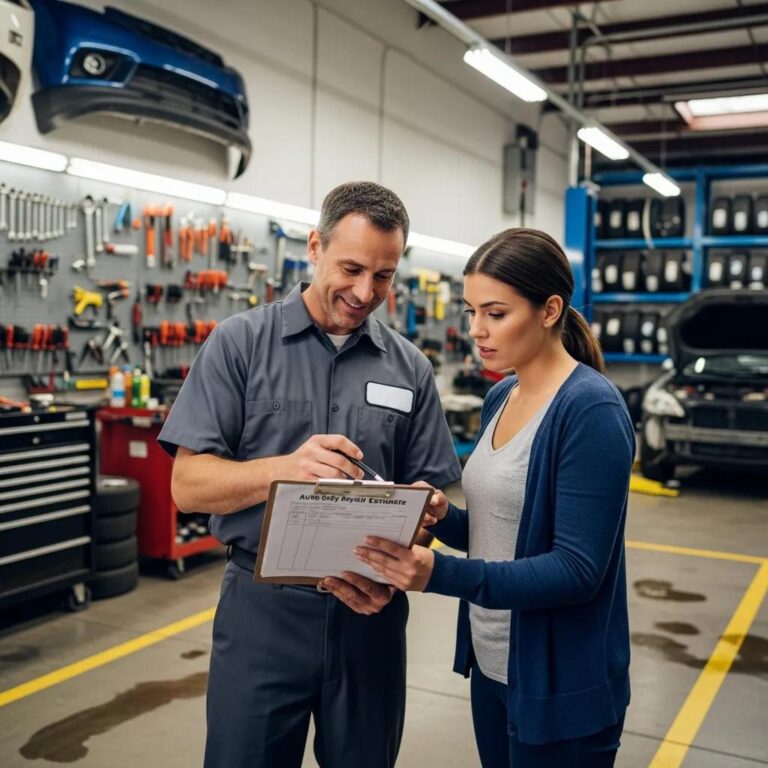
Handling insurance claims smoothly depends on clear documentation, timely communication, and understanding how adjuster estimates relate to repair plans. A reliable shop documents visible and hidden damage, prepares a detailed estimate with parts and labor line items, and talks directly with your insurer to explain necessary repairs and supplements. Good shops also coordinate rental assistance, verify your coverage, and help manage payment or deductible questions so you can focus on the repair. A clear, step-by-step approach reduces delays and helps prevent safety-driven repairs from being left out of an estimate.
Rising repair costs add complexity to claims, even as vehicle safety improves and accident rates shift.
Managing Collision Repair Costs & Insurance
Despite advances in vehicle technology, repair costs have risen faster than claim frequencies. That dynamic makes it important to manage repair scope and insurer communication to keep costs and outcomes aligned.
Designing for Insurability: Best Practices to Achieve Lower Vehicle Repair Costs, 2004
Follow these practical steps right after a collision to handle claims efficiently:
- Document the scene and file a claim: Take photos, collect statements, and report the incident to your insurer with the evidence you gathered.
- Get a detailed estimate: Request a free estimate that includes a hidden-damage inspection and notes on any OEM procedures needed.
- Coordinate with the shop and adjuster: Let the shop communicate with the adjuster to explain required repairs and request supplements when necessary.
- Authorize repairs and track progress: Approve the documented repair plan and monitor milestones until quality control is complete and you get the vehicle back.
These steps keep the focus on safe, documented repairs and are the foundation for how a shop supports you through insurance interactions.
Does Prime Time Collision Center Work with All Major Insurance Companies?
Prime Time Collision Center has experience working with major insurers to smooth claims and billing. That experience lets us talk directly to adjusters, submit supplements, and explain repair procedures so approvals better reflect safety-focused scopes. For customers, it cuts down on administrative work because we can manage much of the documentation and follow-up. Before you authorize work, confirm with us which insurer procedures we handle regularly and what documentation you should bring — for example, the claim number and photos.
What Is the Process for Hassle-Free Insurance Claim Assistance?
We follow a predictable process to assist with claims and keep you informed at every stage. First, we provide a free, complete estimate with photos and notes on possible hidden damage. Next, we liaise with your insurer, submitting documentation and clarifying any OEM or specialized repair needs. Once approved, we schedule repairs, manage parts ordering, and help with rental coordination if needed. Finally, we perform quality control, finish billing with the insurer, and give you documented work records and warranty details when you pick up the vehicle.
This transparent workflow reduces stress and gives you a clear timeline, which ties directly into the repair stages we perform in the shop.
What Is the Comprehensive Collision Repair Process at Prime Time Collision Center?
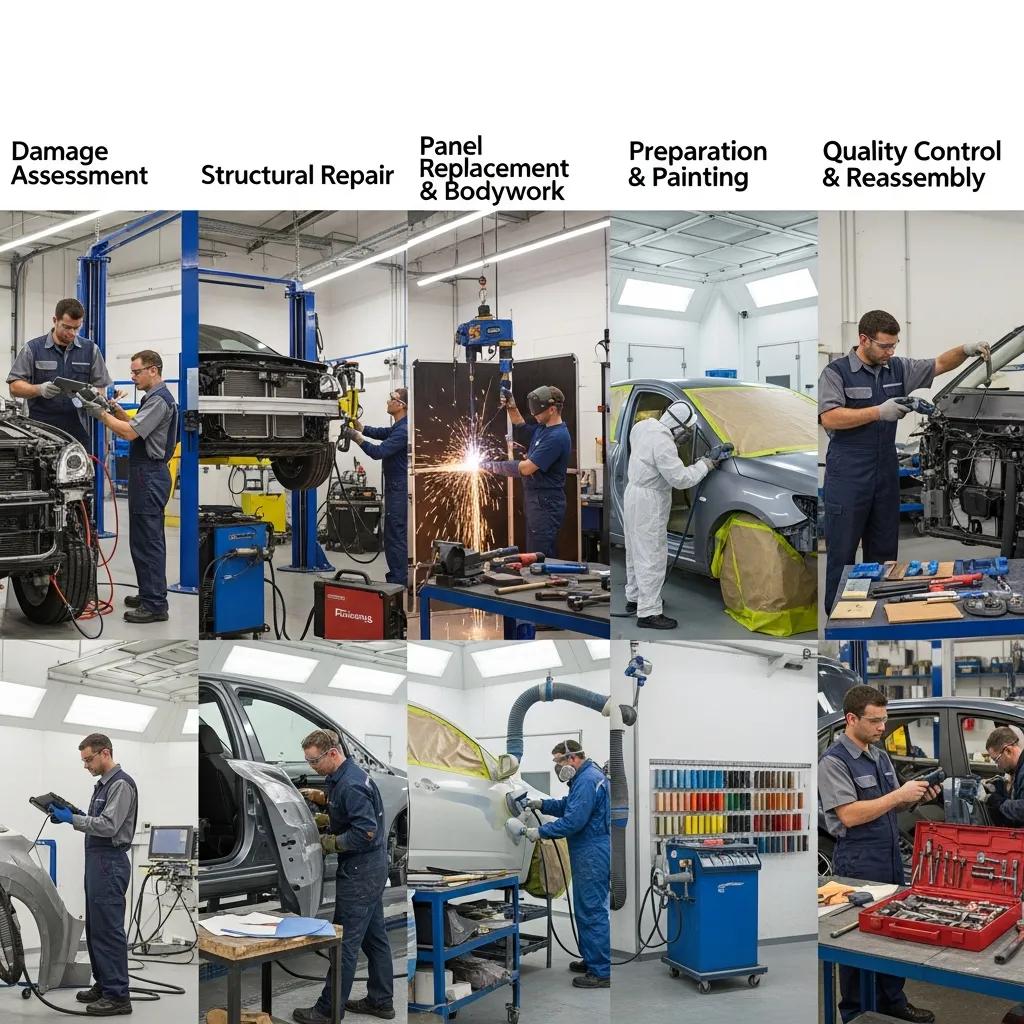
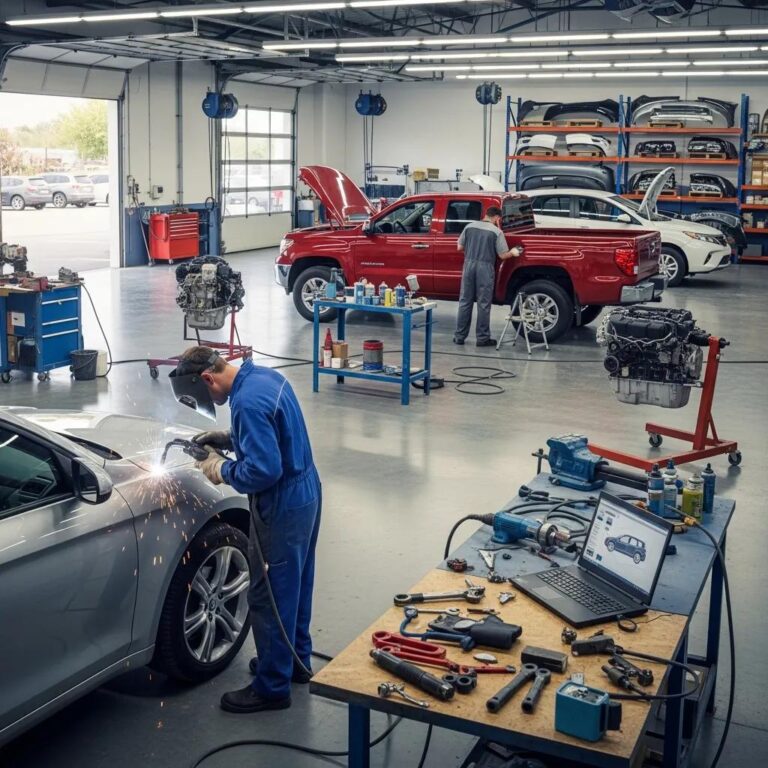
A complete collision repair follows a clear sequence: inspection, structural and mechanical restoration, paint and finish, ADAS calibration, and final quality control. We start with a detailed damage assessment and disassemble panels when needed to reveal hidden problems. From there we create a documented repair plan that follows OEM or manufacturer-recommended procedures. Structural work uses precision measurement and frame-alignment tools; refinish work happens in controlled paint booths with color-matching systems. The final steps include ADAS calibration and a multi-point inspection to confirm safety systems and fit-and-finish before you take the car home.
Key procedural steps summarized for quick reference:
- Assessment: Full inspection and documentation, including disassembly when hidden damage is likely.
- Repair: Structural, mechanical, and bodywork completed to OEM or industry standards.
- Quality Control: Paint, ADAS calibration, reassembly, and a final multi-point inspection before delivery.
Introductory table showing repair stages and expected outcomes:
| Stage | Step | Outcome |
|---|---|---|
| Assessment | Disassembly and hidden-damage inspection | Accurate, safety-focused repair plan |
| Structural Repair | Frame alignment and part replacement | Restored crash energy management |
| Refinish & Calibration | Paint work and ADAS sensor calibration | Restored appearance and system function |
| Final QC | Multi-point inspection and documentation | Safe return-to-service and warranty coverage |
This structure makes timelines and expected results transparent while aligning repairs with safety and manufacturer expectations.
What Are the Steps from Damage Assessment to Final Quality Control?
We begin with a visual inspection and photos, then perform partial disassembly if hidden damage is suspected. That exposes bent substructures, damaged attachment points, or compromised electronics. With the full scope known, the technician creates a repair plan referencing OEM procedures and required parts, then performs structural alignment or frame-straightening using precision tools. After structural and mechanical work, we move to body finishing and paint in controlled booths to ensure adhesion and corrosion protection. Final quality control includes ADAS calibration when required, fit-and-finish checks, and documented verification that all safety systems operate before we return the vehicle to you.
Modern collision repair must also address Advanced Driver-Assistance Systems (ADAS) — a critical component of vehicle safety that often requires post-collision calibration and verification.
ADAS Features & Post-Collision Vehicle Systems
ADAS includes systems from tire-pressure monitoring to parking assist and rear automatic emergency braking. These features affect vehicle behavior after a collision and often need calibration or service to function correctly.
An Investigation of the Factors Surrounding Crashes and Near—Crashes of ADAS-Equipped Vehicles, 2025
Clear documentation at every step helps you and your insurer understand the choices we made and supports warranty and resale value.
How Do Advanced Equipment and Certified Technicians Ensure Factory-Quality Repairs?
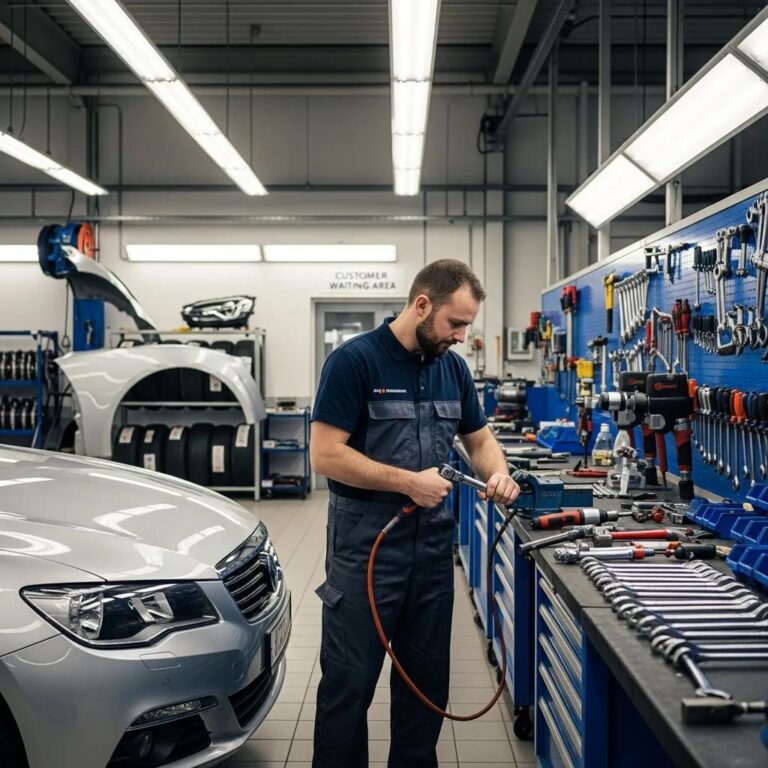
Advanced tools — computerized frame measuring systems, heated downdraft paint booths, color-matching technology, and ADAS calibration tools — give the precision required to meet OEM tolerances. Certified technicians interpret manufacturer repair bulletins, use approved welding and bonding techniques, and employ the correct fixtures for structural work.
When trained technicians use the right equipment, repairs more closely match factory assembly tolerances and preserve critical systems like restraint modules and sensor alignment. That combination reduces the chance of hidden failures and helps ensure long-term reliability after a collision.
Why Do Glendale Drivers Trust Prime Time Collision Center for Their Auto Body Needs?
Local drivers want three things: technical competence, clear communication, and helpful local support. At Prime Time Collision Center we combine certified technicians with practical services — lifetime warranty coverage on workmanship and paint, and 24/7 towing — so drivers recover faster after an accident. These elements reduce stress by pairing technical confidence (training and OEM procedures) with logistics that keep timelines and responsibilities clear. Our focus on factory-quality repairs and customer support is built to meet driver expectations for safety and lasting value.
Below are common themes from customer feedback and local service highlights that explain why those assurances matter.
What Do Customer Testimonials Reveal About Service Satisfaction?
Customers consistently praise timely communication, clear explanations of repair needs, and the quality of repairs that return vehicles to near-factory condition. Many note increased confidence when a shop shows certifications, documents repair procedures, and explains ADAS calibrations or structural work. Satisfaction also rises when the provider manages insurer interactions and shares transparent timelines and warranty paperwork.
These patterns show trust is earned through competence, transparency, and practical support — not just cosmetic results.
How Do Local Support and 24/7 Towing Enhance Customer Experience?
Immediate vehicle recovery through 24/7 towing secures the car and lets us inspect damage earlier, which shortens diagnosis and repair authorization time. Fast towing reduces secondary damage from theft or weather and lets us document the vehicle’s condition for insurance. Local knowledge of regional insurer processes and shop-insurer workflows also speeds approvals and scheduling. For drivers, prompt recovery and local coordination reduce stress and get you back on the road faster with documented, safe repairs.
These customer services pair well with guarantees and additional offerings that help you choose the right repair path, which we cover next.
What Additional Services and Guarantees Should You Expect from the Best Auto Body Shop?
Top shops offer specialized services and clear guarantees that match the damage type and your needs. Expect paintless dent repair (PDR) for minor dents without paint damage, OEM parts replacement for safety-critical components, ADAS calibration, towing and rental assistance, and transparent lifetime warranty terms for workmanship and finish. These options let you choose repairs that balance cost, appearance, and long-term value while ensuring safety tasks follow factory guidance. The short table below compares common services and benefits.
Introductory table comparing services, typical use cases, and benefits:
| Service | Typical Use Case | Benefit |
|---|---|---|
| Paintless Dent Repair (PDR) | Small dents with no paint damage | Fast, cost-effective restoration that preserves original paint |
| OEM Parts Replacement | Structural components and safety-critical parts | Maintains manufacturer tolerances and system compatibility |
| 24/7 Towing | Vehicle recovery after accidents | Immediate secure storage and earlier damage assessment |
| Lifetime Warranty | Workmanship and paint under normal use | Long-term protection and peace of mind |
Use this comparison to decide which services make sense for your vehicle and future needs.
When Should You Choose Paintless Dent Repair Versus Traditional Bodywork?
Choose paintless dent repair when the dent is shallow, the paint is intact, and technicians can access the back of the panel to massage the metal without disturbing the finish. PDR preserves factory paint, costs less, and is usually faster. Opt for traditional bodywork and repainting when there’s creasing, paint loss, corrosion, or structural damage under the panel. The right choice depends on a professional assessment that balances appearance, durability, and long-term value.
A careful professional evaluation will point you to the repair method that protects both look and function.
What Does a Lifetime Warranty on Repairs Mean for You?
A lifetime warranty typically covers workmanship and paint defects under normal use for the period the shop specifies, ensuring repairs meet quality expectations over time. Common exclusions include new accidents, misuse, normal wear, or third-party alterations, so get the written warranty terms that define coverage, transferability, and how to file a claim. Keeping repair invoices and warranty paperwork with your vehicle makes future claims and resale transparency much easier.
Knowing warranty scope and exclusions helps you decide how much value the guarantee actually provides.
Prime Time Collision Center encourages you to request a free estimate and inspection so we can recommend the right repair path and explain warranty details. Our focus on OEM-quality repairs, I-CAR Platinum-trained technicians, lifetime warranty coverage, 24/7 towing, and insurance-claims assistance is designed to lower post-accident stress and restore your vehicle safely and transparently. If you want a recorded assessment and clear next steps, request a free estimate or schedule an appointment with Prime Time Collision Center to compare repair options and timelines for your car.
- Get a free estimate: Request a detailed estimate after documenting the scene.
- Compare scopes: Use the checklist in this guide to confirm the proposed repair follows OEM and safety priorities.
- Authorize repairs with documentation: Confirm warranty terms and insurer coordination before approving work.
These actions help Glendale drivers move from uncertainty to a documented, safety-first repair plan that protects vehicle function and value.
Frequently Asked Questions
What should I do immediately after a collision?
First, make sure everyone is safe and call for medical help if needed. Take photos of the scene, the vehicles, and any damage. Exchange information with the other driver and collect witness names or contact details. Report the incident to your insurer as soon as possible and save all evidence — it will be important for your claim and the repair process.
How can I ensure the auto body shop uses OEM parts?
Ask the shop about their parts sourcing and insist on documentation showing which parts will be used. Reputable shops will tell you whether they use OEM parts or OEM-approved alternatives and can provide invoices or part numbers. If maintaining factory warranty is important, ask whether the shop follows manufacturer procedures and can document those steps.
What is the typical timeline for collision repairs?
Repair time varies by damage severity, parts availability, and shop workload. Minor repairs may take a few days; more extensive structural work can take weeks. A reliable shop will give you a timeline with milestones for each repair stage and provide regular updates if anything changes.
How do I know if my vehicle‘s warranty is affected by repairs?
Check your manufacturer warranty terms. Most warranties require repairs to use OEM parts and follow manufacturer procedures. Choosing a certified shop that documents OEM-compliant repairs helps protect your warranty. Always ask the shop how they document repairs to support any future warranty claims.
What are the benefits of choosing a shop with I-CAR Platinum certification?
I-CAR Platinum shows technicians have completed extensive, ongoing training. That means they’re more likely to follow current repair techniques and safety standards, use the right tools, and reduce the chance of repair-related problems. In short, it’s a strong indicator of a shop’s commitment to quality.
Can I get a rental car while my vehicle is being repaired?
Many shops assist with rental arrangements, especially if they have partnerships with rental agencies or work closely with insurers. Ask the shop about rental policies and confirm with your insurance provider what rental coverage you have while your car is in the shop.
What should I look for in customer reviews of an auto body shop?
Focus on comments about repair quality, communication, and how the shop handles insurance. Positive reviews that mention thorough documentation, on-time delivery, and repairs that restored vehicles to factory condition are good signs. Also consider the number of reviews and the shop’s response to any negative feedback.
Conclusion
Choosing the right auto body shop in Glendale means prioritizing safety, correct procedures, and clear communication. Look for certified technicians, OEM-aligned repairs, and transparent documentation so your vehicle is restored safely and retains value. Take the next step by requesting a free estimate from a trusted local provider like Prime Time Collision Center — your vehicle deserves careful, documented care to keep it safe and reliable.