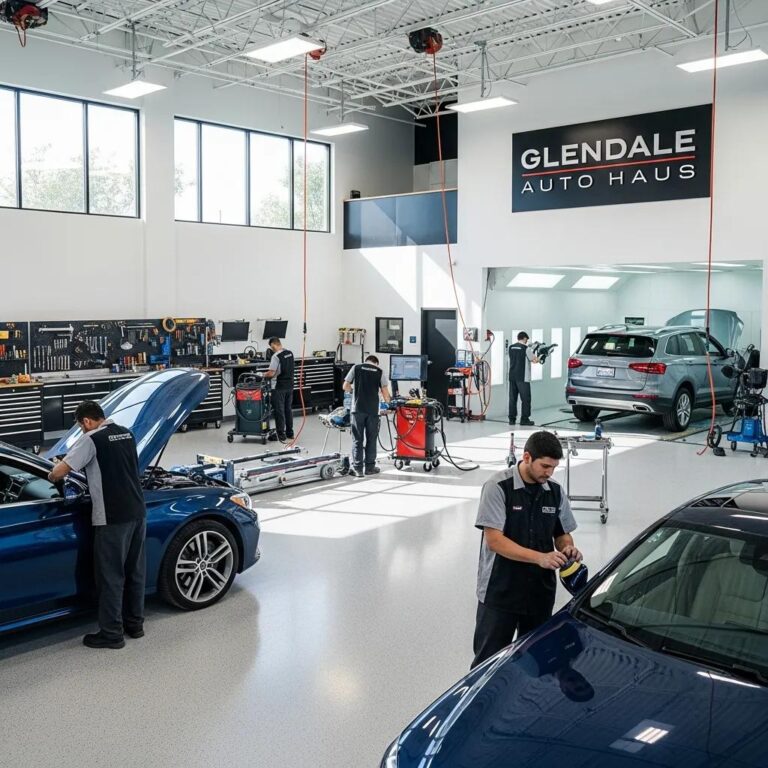

Best Glendale Auto Body Shop Reviews & Testimonials — Real Collision Repair Insights
After a collision you want repairs you can trust — repairs that follow factory procedures and preserve your car’s safety and value. This guide pulls together verified review themes, repair standards, common certifications, the services shops offer (from small dents to structural work), and practical next steps to get you back on the road with confidence. You’ll learn how to read Glendale auto body reviews, why I‑CAR and OEM procedures matter, what to expect from estimates and insurance, and the exact post-accident workflow that reduces stress and delays. We reference Prime Time Collision Center as a local option that practices these standards so you can decide where to take your vehicle.
Why Is Prime Time Collision Center Glendale’s Top-Rated Auto Body Shop?
Top-rated collision shops earn trust through consistent customer feedback, certified technician training, and clear coordination with insurers. In real terms that looks like repeat positive reviews, credentials such as I‑CAR Platinum, and a claims process that follows manufacturer repair methods and protects warranty coverage. For drivers, that translates to predictable repairs that protect crashworthiness, restore fit and finish, and cut down on surprises at pickup.
Prime Time Collision Center pairs a strong local reputation with visible trust signals and trained staff who follow documented repair methods. That combination reassures drivers who care about safety and resale value. Below are the common reasons shoppers rate a collision shop highly.
- Clear, consistent communication and timely repair updates.
- Technician certifications and adherence to manufacturer repair procedures.
- Reliable paint match and finish that mirror factory quality.
Those features raise natural questions about what customers actually report and how certifications affect repair outcomes. We cover that next.
What Do Customer Reviews Reveal About Our Service Quality?

Reviews for the best Glendale collision shops consistently point to responsiveness, straightforward communication, and results that meet expectations for paint and structural work. Customers often mention convenient drop-off and pickup, frequent progress updates, and a finished vehicle that looks and drives like it did before the accident. Positive testimonials also note warranty follow-through and a transparent claims process that reduced stress. When comparing shops, watch for repeated mentions of paint color match, on‑time delivery, and the shop’s willingness to explain repair choices.
- Communication: Customers value regular, easy-to-understand updates.
- Quality of Finish: Frequent praise for accurate paint matches and panel alignment.
- Aftercare: Reviews often highlight warranty support and follow-up inspections.
Those recurring praise points point to measurable benefits like fewer return visits and preserved resale value — which brings us to why technician credentials matter.
How Do I-CAR Platinum Certified Technicians Ensure Superior Repairs?
I‑CAR Platinum shows a team’s commitment to ongoing training and documented competency in modern collision repair. Technicians with this credential receive regular instruction on structural repair techniques, welding standards, adhesive use, and ADAS calibration — all steps that matter for safe, lasting repairs. A shop listing I‑CAR Platinum typically follows manufacturer-aligned procedures and keeps methodical repair documentation and verification steps as part of quality assurance.
I‑CAR training also improves electrical diagnostics and understanding of advanced driver‑assist systems, reducing the chance of post-repair sensor issues. Knowing this helps you ask focused questions about repair steps and equipment during the estimate so expectations are aligned before work begins.
What OEM Certifications Does Prime Time Collision Center Hold?
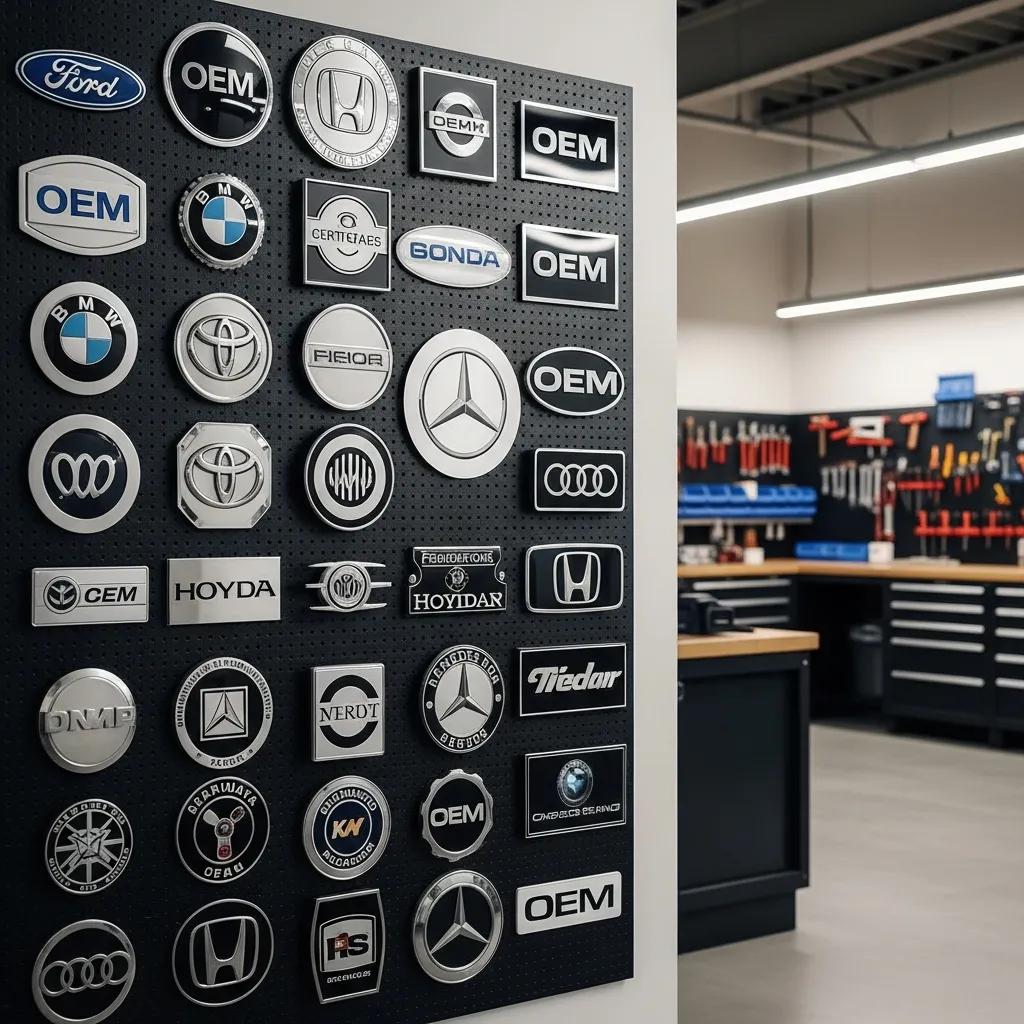
OEM-certified repair means following the vehicle maker’s published procedures, using approved parts or specified equivalents, and documenting each step that affects safety and warranty. Those practices help restore crash performance, ensure correct sensor calibration, and return structural alignment to factory standards. For owners, OEM adherence increases confidence in safety, fit-and-finish, and resale or lease-return outcomes.
The shop highlights factory-quality methods and certified workflows. The table below explains common certifications and factory-aligned practices so you know what to ask about during estimates.
| Certification / OEM Practice | What it Ensures | Value for Safety / Parts / Procedures |
|---|---|---|
| I-CAR Platinum training | Ongoing technician competency | Safer structural repairs; documented procedures |
| Manufacturer repair procedures | Step-by-step factory methods | Preserves crashworthiness and ADAS integrity |
| OEM parts sourcing (factory parts) | Correct fit and material specifications | Better structural compatibility and finish |
| ADAS calibration protocols | Proper sensor and system tuning | Restores safety systems to factory performance |
Use this comparison to guide questions at estimate time. If you need brand-specific confirmation, ask the shop for documentation showing adherence to a manufacturer’s repair procedures.
Why Are OEM Certified Repairs Critical for Vehicle Safety and Value?
Modern vehicles rely on engineered crumple zones, calibrated sensors, and precisely joined structures that often require factory-specific methods to restore performance. When repairs follow OEM procedures, the manufacturer’s tested outcomes for crash energy management and occupant protection are more likely to be preserved. There’s a financial upside too: properly documented OEM repairs reduce the risk of lost resale value or disputes at lease return.
For cars with advanced safety systems, skipping OEM methods can leave ADAS features miscalibrated or alter structural integrity. Asking clear questions — which parts will be used, what calibrations are needed, and how the shop documents procedures — helps you confirm the repair standard before work begins.
Which Vehicle Brands Are Covered by Our OEM Certifications?
Reputable collision centers handle a broad range of makes and models — from everyday compacts to luxury and high-performance vehicles — by following manufacturer service information and calibration procedures. Explicit OEM certifications for brands like BMW, Tesla, or Ford indicate formal recognition or specialized training. When certifications aren’t listed, practical indicators include whether the shop performs ADAS calibrations, orders OEM parts, and keeps manufacturer repair documentation.
- Luxury and specialty vehicles: Often need stricter OEM steps and calibrated systems.
- Mainstream passenger cars: Benefit from documented procedures to preserve crash performance.
- Electric and ADAS-equipped models: Require trained technicians for high-voltage and sensor work.
If your vehicle has unique repair needs, ask the shop to confirm capability for your make and model and to show how they document brand-specific procedures before you authorize work.
What Comprehensive Collision Repair Services Are Offered in Glendale?
Comprehensive collision repair covers everything from cosmetic fixes to structural restoration and electronics calibration, all aimed at returning your vehicle to pre-accident condition. A full-service shop will triage damage, provide an itemized estimate, coordinate with your insurer, perform repairs to documented standards, and complete final QA checks including ADAS calibration when needed. The benefit to owners is a single, continuous workflow that manages both aesthetics and safety systems.
- Collisionrepair: Structural and panel work to restore crashworthiness.
- Paintless dent repair (PDR): Quick cosmetic fixes that preserve original paint.
- Frame straightening and alignment: Restores chassis geometry for safe handling.
- Auto painting and color matching: Seamless, factory-like finishes.
- ADAS calibration and electrical diagnostics: Ensures sensors and safety systems function correctly.
Below is a service matrix that helps drivers estimate turnaround and likely outcomes for common repair types.
| Service | Typical Damage / Use Case | Example Outcome / Typical Timeframe |
|---|---|---|
| Paintless Dent Repair | Minor hail or door dings | Restored panel; same-day to a few days |
| Cosmetic Paint & Blend | Scratches, scuffs, small panel replacement | Seamless color match; 2–5 days |
| Structural Repair & Frame Straightening | Major collision with frame damage | Restored alignment and safety; 5–14+ days |
| ADAS Calibration | Sensor or camera displacement | Calibrated systems; same-day to 2 days |
| Full Repaint | Multiple panels or complete respray | Factory finish; 7–14 days |
This matrix helps you pick the right repair path and sets realistic expectations for scheduling and cost. The sections below explain how shops approach different damage severities and when specialized services like PDR or frame work are appropriate.
How Do We Handle Repairs from Minor Dents to Major Accidents?
Repair plans scale to the damage: minor dents get targeted, minimally invasive fixes, while major collisions require full diagnostics, structural alignment, and staged repair plans. The process starts with a visual inspection and photos to create an estimate, moves to insurer coordination when needed, and proceeds to repairs that prioritize structural integrity and system calibration. Minor cosmetic work often finishes in a few days; complex structural repairs can take one to several weeks, depending on parts and verification steps.
- Triage & Estimate: Visual inspection and documented estimate.
- Insurance Coordination: Direct communication to streamline approvals.
- Repair & QA: Structural repair, parts replacement, finish work, ADAS checks.
That staged workflow keeps you informed at each checkpoint and reduces surprises at delivery.
What Specialized Services Include Paintless Dent Repair and Frame Straightening?
Paintless dent repair (PDR) removes minor dents without repainting, preserving the factory finish and speeding turnaround when the paint is intact. PDR is ideal for door dings, small creases, and light hail damage. Frame straightening addresses misaligned chassis rails and suspension mounting points; it requires calibrated equipment, certified procedures, and post-repair alignment to ensure safe handling. The initial assessment determines whether PDR or frame work is the right approach based on metal deformation and paint condition.
- PDR checklist: Paint intact, dent accessible from behind, no sharp crease.
- Frame work checklist: Visible misalignment, suspension issues, or distorted frame rails.
Understanding these differences helps you approve the correct repair plan and know what to inspect at pickup.
How Does Prime Time Collision Center Simplify Your Post-Accident Repair Journey?
We keep the post-accident process straightforward and documented: safety and photos at the scene, a clear estimate and insurance coordination, scheduled repairs with regular updates, QA checks including ADAS calibration, and final delivery with warranty paperwork. That predictable pipeline reduces uncertainty and protects both safety and resale value. Use the checklist below right after a collision.
- Safety & Documentation: Make sure everyone is safe, exchange information, and photograph damage.
- Free Estimate: Get an itemized estimate listing parts, labor, and required calibrations.
- Insurance Assistance: We provide documentation and communicate directly with your insurer.
- Repair & QA: Certified technicians complete repairs and perform necessary calibrations.
- Delivery & Warranty: Final inspection and delivery with repair warranty documentation.
This step-by-step checklist helps you follow the claim and repair progress from estimate to keys.
What Is the Process for Free Estimates and Transparent Pricing?
Free estimates usually combine an in-person inspection with photos and an itemized report showing parts, labor, and any required calibrations. Transparency means the estimate spells out OEM parts versus alternatives, flags ADAS calibration needs, and lists timelines and potential contingencies. To speed the process, bring your insurance info, registration, and any photos from the incident; we’ll document damage and recommend manufacturer-aligned repair steps.
Our certified technicians deliver factory-quality repairs and we describe that approach during estimates so you understand parts choices and warranty implications. Clear, itemized estimates reduce disputes during insurer review and make authorization faster.
How Do We Assist with Insurance Claims for a Hassle-Free Experience?
We prepare a complete repair plan, submit an itemized estimate, and explain repair procedures that support OEM parts and calibration needs. When necessary, we advocate for proper parts and OEM-aligned methods to protect your vehicle’s safety and value. Shops that manage insurer interactions for customers can often speed approvals and cut administrative work for vehicle owners.
Our certified technicians deliver factory-quality repairs — and presenting that documented commitment during claims helps justify OEM parts and procedures to insurers. Offering a single point of contact for claim updates and scheduling also reduces delays and confusion.
What Guarantees and Support Does Prime Time Provide to Glendale Customers?
Reliable aftercare includes workmanship warranties, follow-up inspections, and clear instructions for warranty claims so owners know issues will be corrected. Strong warranty policies typically cover workmanship and paint match for a stated period and explain how to start a claim, what documentation is needed, and expected response times. For convenience, high-quality shops provide written warranty terms and an easy process to schedule follow-up inspections.
Below is a warranty comparison table that clarifies common coverage elements and how to request service.
| Guarantee / Warranty Type | Coverage | Value / How to Claim |
|---|---|---|
| Workmanship Warranty | Repairs performed to shop standards | Follow-up inspection; provide repair order as proof |
| Paint Match Warranty | Color and finish consistency | Inspect within warranty period; shop corrects mismatches |
| Structural Repair Assurance | Proper structural repair methods | Present repair order and schedule an inspection |
| ADAS Calibration Confirmation | Sensor calibration verification | Report symptoms; shop recheck and recalibrate as needed |
What Does Our Lifetime Warranty Cover on All Repairs?
A lifetime warranty typically covers workmanship and paint matching under normal use and lists exclusions such as new damage from later incidents or unauthorized modifications. Covered items usually include repair labor and finish work that fail due to workmanship; shops generally require the original repair documentation to start a claim. To use warranty support, provide the repair order number and a clear description of the problem so we can schedule a follow-up inspection and plan corrective steps.
Keep your repair paperwork and report any post-repair concerns promptly — early reporting simplifies resolution and helps preserve your warranty rights. Clear expectations at delivery make the follow-up process smoother for everyone.
How Can Customers Contact Us and Schedule Their Repair Appointment?
To schedule repairs or request a free estimate, use the shop’s website contact form, its business listing, or the phone/appointment options shown online to request an inspection. Include vehicle details and incident photos to speed the estimate, and ask up front about ADAS calibration, OEM parts, and warranty documentation. The shop can also provide towing and roadside guidance for drivers who need immediate help after an accident.
For customers ready to book, contacting the shop through its official web presence or business profile is the fastest way to confirm availability, request an estimate, and schedule repairs. Ask about towing availability and documented procedures to ensure a smooth handoff from the scene to the repair shop.
Frequently Asked Questions
What should I look for in a reputable auto body shop?
Look for consistent positive reviews, visible technician certifications, and clear adherence to OEM repair procedures. A reputable shop provides transparent, itemized estimates, steady communication, and a warranty on work. Also check experience with your vehicle’s make and model and whether the shop handles insurance claims efficiently.
How long does the repair process typically take?
Timelines vary by damage. Minor repairs like PDR can be same-day to a few days. Cosmetic paint and blends are often 2–5 days. Structural or frame repairs can take a week or more, and full repaints may require one to two weeks. Parts availability, repair complexity, and shop workload all affect timing — ask for an estimated timeline during your consultation.
What types of warranties should I expect from an auto body shop?
Expect workmanship warranties, paint match guarantees, and structural repair assurances from reputable shops. Workmanship warranties cover the quality of the repair, paint match warranties cover color and finish, and structural assurances confirm repairs meet safety standards. Review terms before authorizing work to understand coverage, claim steps, and any exclusions.
How can I prepare for my visit to the auto body shop?
Bring your insurance information, vehicle registration, and photos of the damage if you have them. Prepare a list of questions about parts (OEM vs. aftermarket), needed calibrations, estimated timeline, and warranty coverage. Having this information handy helps the shop produce a clear, accurate estimate.
What should I do if I notice issues after my vehicle has been repaired?
Contact the repair shop right away and provide your repair order number along with a description of the issue. Most reputable shops will schedule a follow-up inspection under warranty. Prompt reporting helps resolve problems faster and preserves your warranty coverage.
Are there any specific questions I should ask during the estimate process?
Ask which parts will be used (OEM vs. aftermarket), whether ADAS calibration is required, the expected repair timeline, and what warranties cover. Also ask how the shop documents adherence to manufacturer procedures and who will be your point of contact during the repair.
Conclusion
Choosing a shop like Prime Time Collision Center means your vehicle gets factory-minded repairs backed by certified technicians and clear processes. With safety, quality, and customer care at the center of our work, you can feel confident your car will be restored to its pre-accident condition and value. Ready to get started? Contact us for a free estimate — we’ll walk you through the next steps and make the process as smooth as possible.