
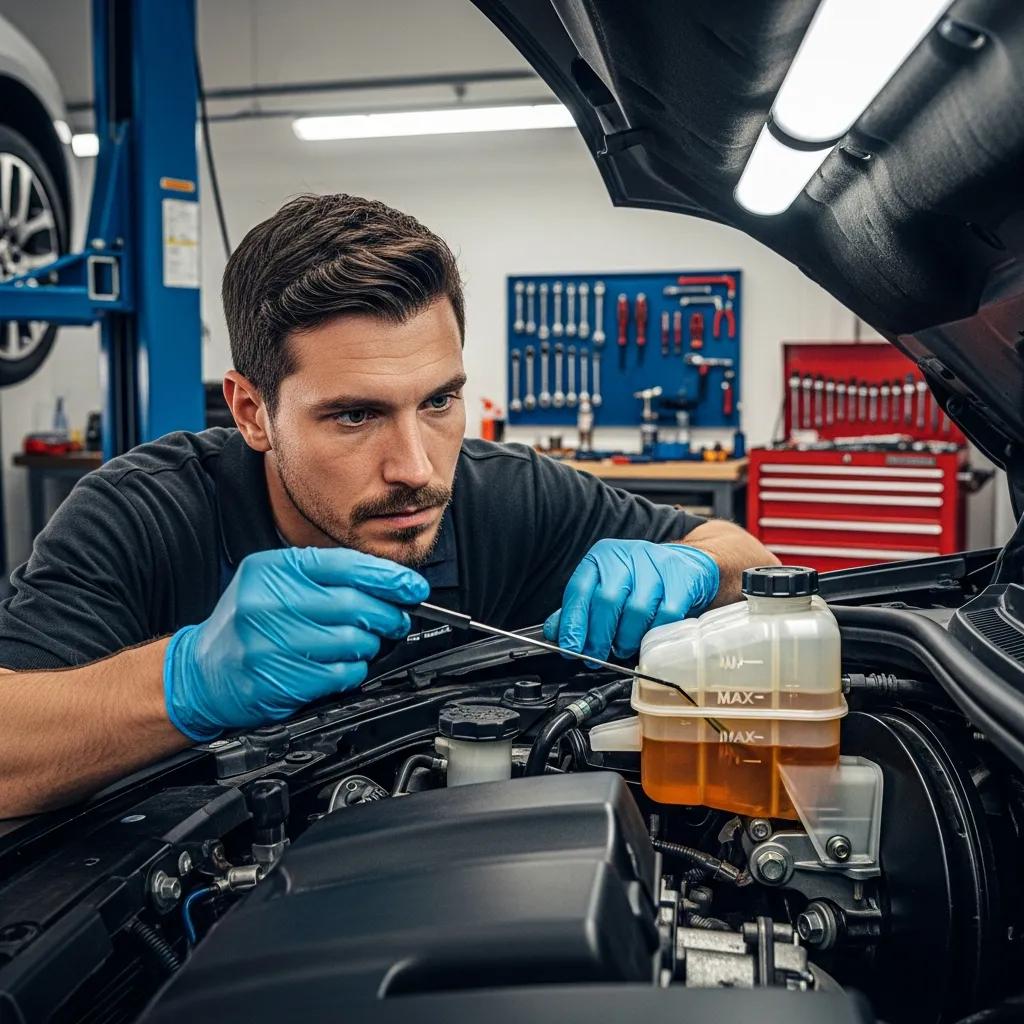
Brake Fluid Maintenance: Essential for Your Safety and Peak Braking Performance
Brake fluid is the hydraulic link between your foot and your vehicle’s stopping power. Keeping that fluid in good condition is one of the simplest things you can do to protect safety and ensure consistent brake performance. This page breaks down what brake fluid is, how it behaves inside your braking system, and why factors like boiling point and moisture absorption matter on the road. You’ll find clear guidance on when to change fluid, how to spot contamination, and why timely maintenance helps ABS and ADAS systems work as intended. We also include inspection tips, a practical maintenance schedule for different vehicle types, transparent cost drivers for a flush, and what a professional post-collision service looks like. Read on for straightforward checklists, side-by-side comparisons, and useful next steps to keep your brakes feeling solid and predictable.
What Is Brake Fluid and How Does It Ensure Vehicle Safety?
Brake fluid is a specially formulated hydraulic liquid that carries pedal force from the master cylinder to the calipers or wheel cylinders. Its job is simple but critical: stay nearly incompressible and resist boiling so pressure transfers cleanly every time you press the pedal. A high dry and wet boiling point and stable viscosity across temperatures keep the pedal responsive, while the fluid’s tendency to absorb moisture (hygroscopicity) determines how quickly it loses performance. Using the right DOT-rated fluid and replacing it on schedule helps protect stopping distance and the proper function of safety systems that depend on precise hydraulic control.
How Does Brake Fluid Work Within the Hydraulic Braking System?
When you push the brake pedal, the master cylinder pressurizes brake fluid and that pressure is sent through the lines to each wheel’s caliper or wheel cylinder. Because the fluid is essentially incompressible, the force you apply at the pedal is transmitted almost instantly, squeezing pads or shoes against rotors or drums to slow the vehicle. If the fluid becomes aerated, contaminated, or overheated, vapor or reduced viscosity can make the pedal feel soft and increase stopping distance — a dangerous situation in an emergency. That’s why the master cylinder, brake lines, ABS modulator, and reservoir all rely on clean, correctly rated fluid to perform safely under stress.
What Are the Different Types of Brake Fluid and Their Properties?
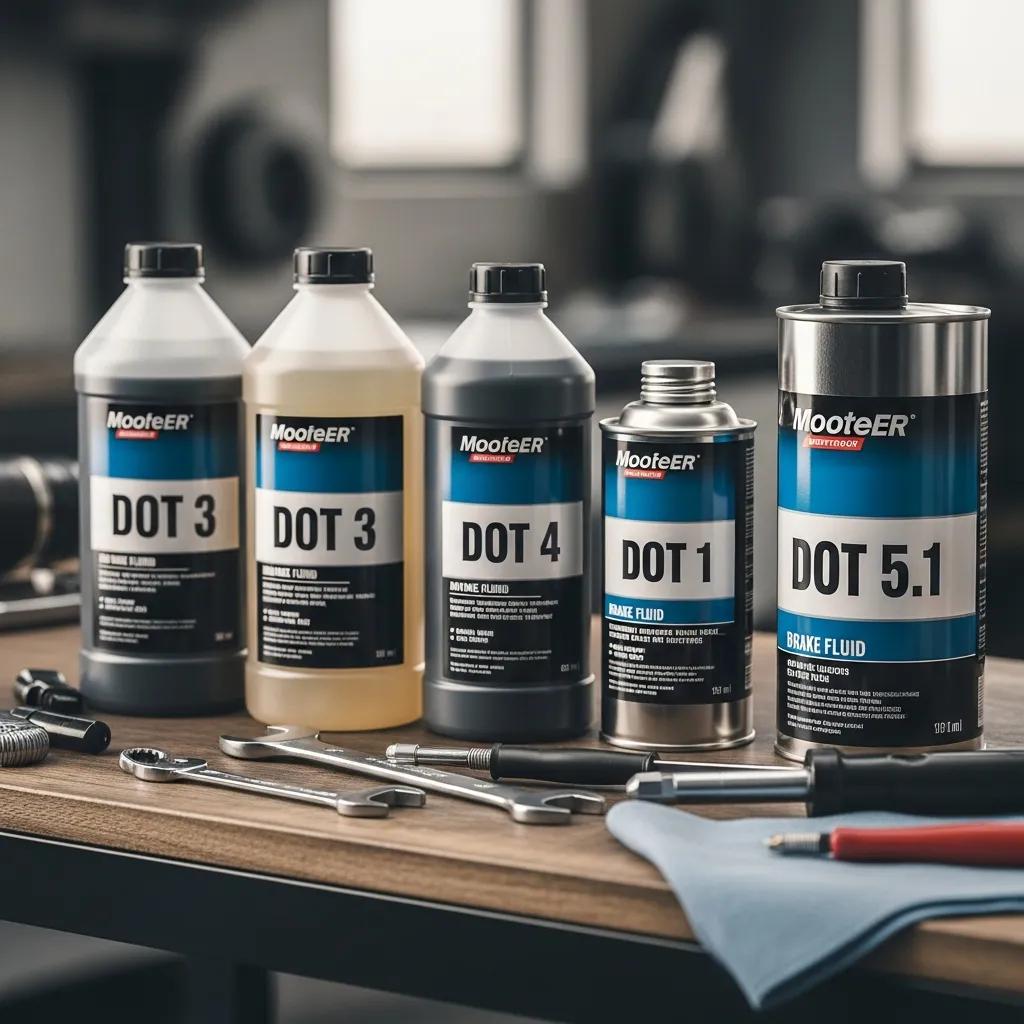
Brake fluids are grouped by DOT ratings that tell you their base chemistry and performance limits, like boiling point and how they handle moisture. Choosing the right DOT rating matters for seal compatibility and for ABS/ADAS components. Below is a concise comparison of the DOT ratings commonly found in passenger and performance vehicles, showing typical boiling points, moisture behavior, and recommended uses.
This DOT comparison helps owners and technicians match the fluid to OEM requirements and driving demands.
| DOT Rating | Characteristic | Typical Use |
|---|---|---|
| DOT 3 | Moderate dry boiling point (~205°C / 401°F), hygroscopic | Common in many older and economy vehicles |
| DOT 4 | Higher dry boiling point (~230°C / 446°F), hygroscopic | Standard for many modern passenger cars and light trucks |
| DOT 5.1 | High dry boiling point (~270°C / 518°F), hygroscopic | Performance cars and heavy-duty applications needing higher heat tolerance |
In short: DOT 4 or DOT 5.1 are often chosen where higher heat tolerance is required, but always use the DOT rating your vehicle’s manufacturer specifies to protect seals and system components.
When To Change Brake Fluid: Maintenance Intervals and Signs of Degradation
How often you replace brake fluid depends on the vehicle maker’s recommendation, how you drive, and local climate. Typical baseline intervals span multiple years, but heavy use — towing, mountain roads, or humid environments — speeds up degradation. Regular visual checks and moisture testing reveal when the fluid has absorbed too much water or picked up contaminants and needs flushing. Use the table below as a practical guide to interval planning for different vehicle classes and operating conditions.
| Vehicle Class | Recommended Interval | Why It Matters |
|---|---|---|
| Daily driver / commuter | 2–3 years or per OEM | Helps prevent moisture buildup and preserves ABS performance |
| Performance / sports car | Annually or every 12–24 months | Higher heat cycles demand more frequent fluid attention |
| Heavy-duty / towing | 12–24 months under load | Towing raises brake temperatures and accelerates fluid degradation |
| Electric vehicles (EVs) | 2–3 years per OEM guidance | Regeneration changes thermal load, but hydraulic systems still need care |
Always interpret these ranges against your owner’s manual and local conditions. Shortening intervals for humid climates or heavy-use scenarios reduces the risk of vapor lock and brake fade during repeated hard braking.
What Are the Recommended Brake Fluid Replacement Schedules?
Your vehicle’s OEM guidelines are the final authority on replacement intervals. Many manufacturers use a 2–3 year baseline for consumer vehicles, while high-performance or heavy-towing applications often call for annual service. Moisture lowers boiling points over time, so cars in coastal or very humid areas may need earlier service and regular moisture testing. When in doubt, follow the owner’s manual or ask a qualified service advisor for the correct DOT rating and interval for your model.
What Are the Common Signs of Low or Contaminated Brake Fluid?
Both drivers and technicians can spot signs that brake fluid needs attention. Common symptoms include a spongy or soft pedal with excess travel, the brake or ABS warning light on the dash, and dark or cloudy fluid in the reservoir. Technicians confirm these signs with moisture (ppm) tests and a visual check of fluid color and clarity to decide whether a flush or replacement is necessary. Catching problems early prevents progressive deterioration that can lead to brake fade or ABS faults.
- Watch for pedal softness, illuminated warning lights, and dark fluid in the reservoir.
- Any of these problems should trigger a fluid check and diagnostic by a qualified technician.
- Leaving issues unaddressed lets moisture and contaminants shorten component life and reduce safety.
Early recognition leads to straightforward inspection and repair steps that restore reliable braking and avoid bigger bills later.
How Does Brake Fluid Maintenance Impact Accident Prevention and Vehicle Safety?
- Good brake-fluid condition preserves stopping distance by keeping boiling points high and pressure transmission consistent.
- Reliable hydraulic response supports ABS and ADAS interventions when they’re needed most.
- Controlling vapor lock and fade reduces the chance of progressive failures during repeated heavy braking.
Those links between hydraulic health and crash prevention are why technicians prioritize moisture testing and OEM-recommended fluid changes during inspections.
Why Is Moisture Contamination Dangerous for Brake Performance?
Brake fluids are hygroscopic, which means they absorb water from the air. That water lowers the fluid’s boiling point and makes gas formation more likely under heat. A small percentage of absorbed moisture can dramatically reduce the wet boiling point and allow vapor to form during repeated hard stops or long downhill braking. Vapor compresses under pedal force and produces pedal fade — more pedal travel and less stopping power at critical moments. Scheduled flushes and a tight reservoir cap help prevent that moisture buildup.
How Does Proper Brake Fluid Maintenance Support Advanced Safety Systems?
ABS and ADAS systems rely on predictable, rapid hydraulic response to modulate braking. Contaminated or the wrong type of fluid undermines that predictability and can affect valve operation in ABS modulators. Using OEM-specified fluid and keeping it clean ensures compatibility with sensor-feedback loops and the hydraulic hardware these systems depend on. After major brake work, some vehicles may need ADAS verification or recalibration to confirm the systems respond correctly to known hydraulic behavior. In short, correct fluid and condition protect both mechanical brakes and the electronic safety systems that back them up.
What to Expect from Professional Brake Fluid Service at Prime Time Collision Center?
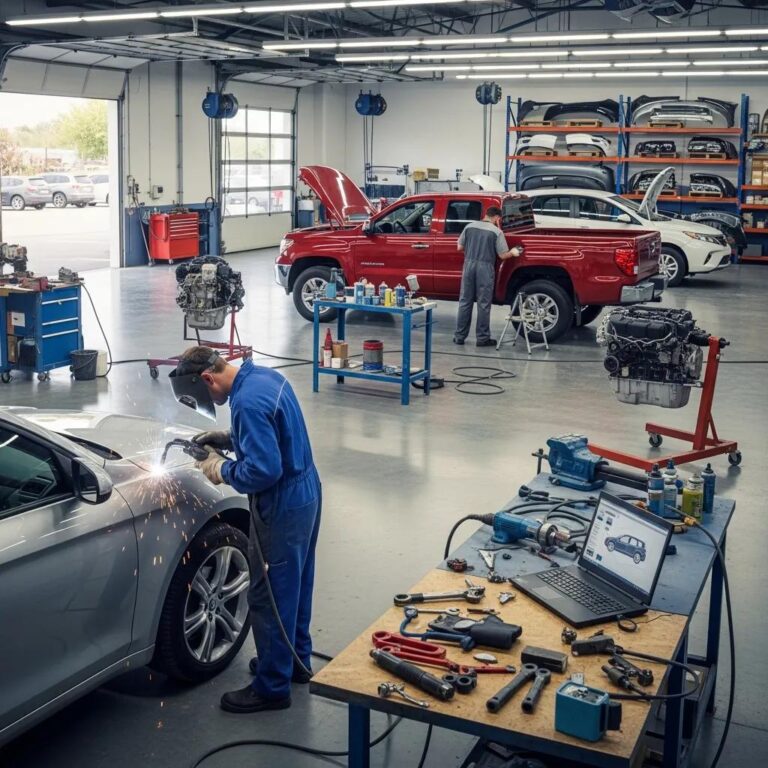
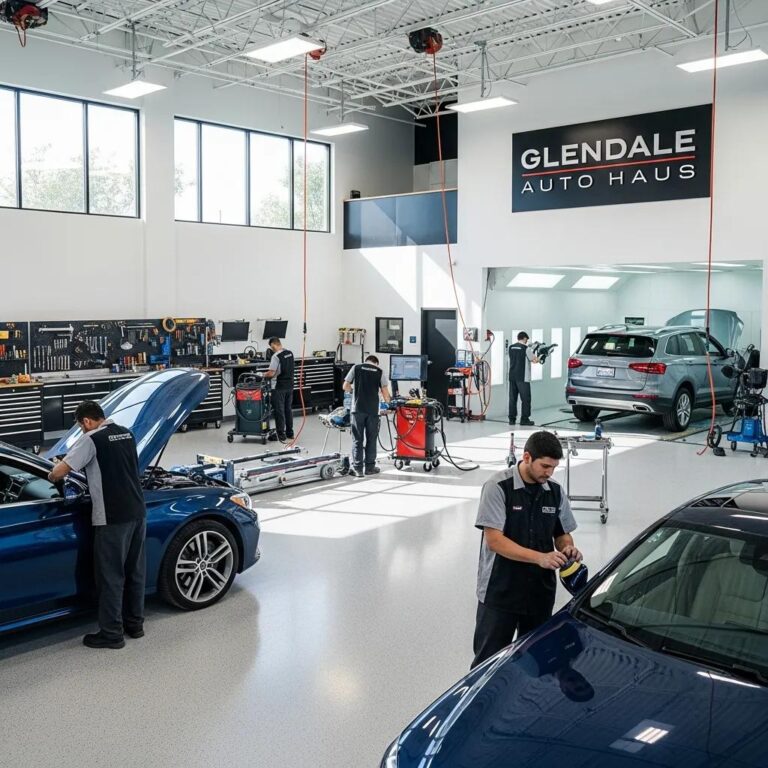
A professional service at Prime Time Collision Center starts with a complete inspection of the reservoir, lines, master cylinder, calipers, and ABS modulator to assess fluid condition and system health. Technicians measure moisture content, look for contamination, and recommend a flush or replacement per OEM criteria. The standard workflow includes a controlled flush to remove old fluid, filling with the correct DOT-rated fluid, bleeding ABS components as required, and recording the work for your records and insurance. We follow OEM-quality procedures on both routine maintenance and post-collision inspections to help you preserve safety and documentation after repairs.
How Does I-CAR Platinum Certification Ensure Quality Brake Fluid Maintenance?
I-CAR Platinum certification means our technicians have advanced training in OEM collision repair practices and diagnostic procedures. That training extends to disciplined methods for brake-system work — correct fluid selection, factory bleeding sequences, and careful ABS module handling — lowering the risk of errors that could affect safety. It also supports consistent documentation that insurers and manufacturers expect after a repair. Customers get service from technicians who understand both hydraulic mechanics and the repair protocols required after collision damage.
How Does Prime Time Collision Handle Insurance and Post-Accident Brake Fluid Checks?
We coordinate inspection reports and claims support so post-accident brake checks are recorded to OEM standards and integrated into estimates. Our documentation lists fluid condition, any component damage, and recommended repairs to create a clear record for claim approval and future warranty needs. For drivers involved in collisions, a professional post-accident inspection helps uncover hidden contamination or trauma that could affect braking safety later. To schedule a post-accident check or discuss claims handling, contact Prime Time Collision Center — we’ll walk you through the appointment and insurer coordination.
How Much Does a Brake Fluid Flush Cost and What Are the Benefits?
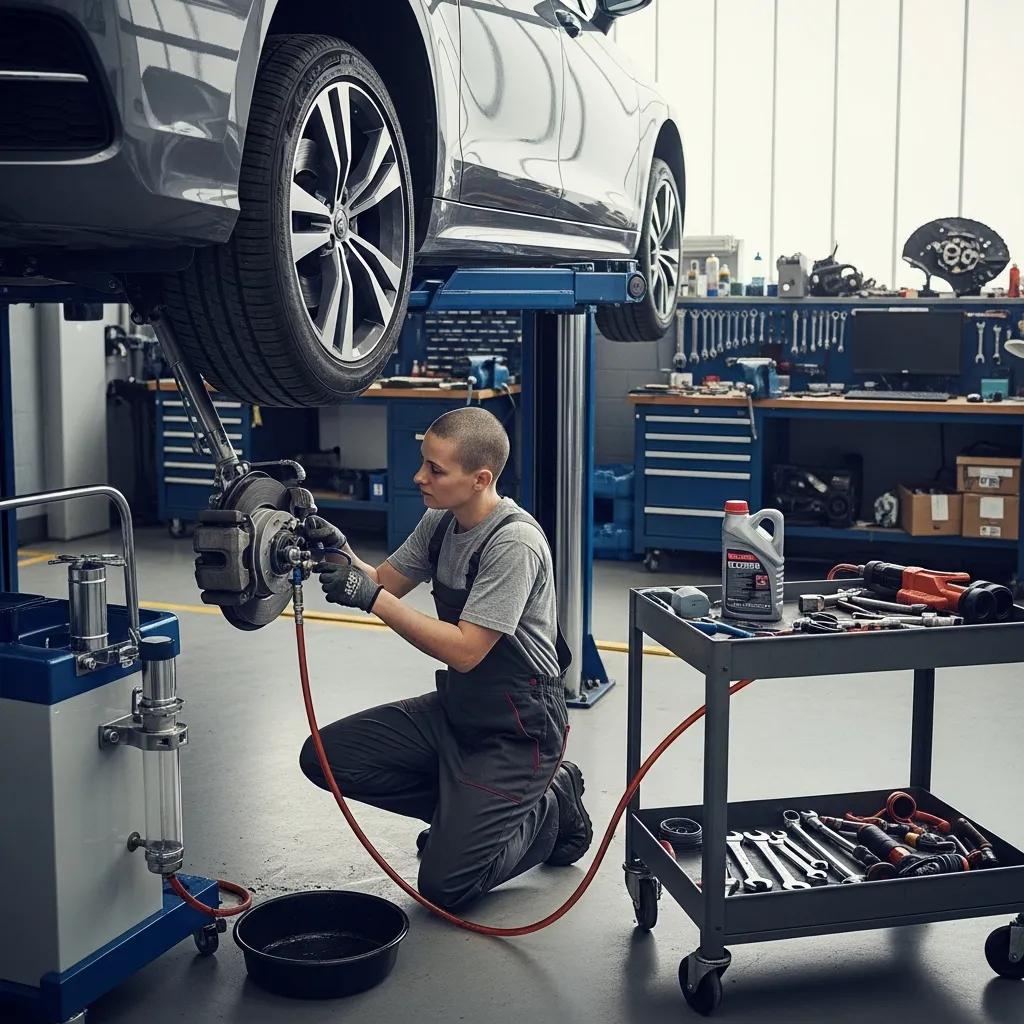
The cost of a brake fluid flush depends on the fluid type, vehicle complexity, labor rates, and any extra steps like ABS bleeding or ADAS checks. Consumer-facing price ranges reflect those variables and may be higher for certain DOT ratings or hard-to-reach systems. A proper flush restores pedal feel, prevents internal corrosion, and helps ABS/ADAS systems respond correctly — a small investment compared with the potential cost and risk of brake-related failures. Below is a breakdown of the common cost drivers so you understand what affects the estimate.
What Factors Influence Brake Fluid Flush Pricing?
Before the estimate, a technician will explain the pricing drivers so you know what each line item covers and why it impacts the total cost.
| Cost Factor | Typical Impact | Why it Matters |
|---|---|---|
| Fluid type (DOT rating) | Moderate to high | Higher-performance fluids cost more but provide better boiling points and longevity |
| Labor complexity | Moderate | Luxury or tightly packaged vehicles take longer to access components |
| ABS/ADAS service | Moderate to high | Extra bleeding or system verification increases time and cost |
| Disposal and environmental fees | Low to moderate | Proper disposal of contaminated fluid is required and adds a small fee |
Why Is Investing in Brake Fluid Replacement Cost-Effective for Safety?
- Timely brake-fluid maintenance preserves braking performance and reduces the chance of costly repairs down the road.
- Documented service follows OEM requirements and supports insurance or lease-related claims.
- Preventive flushes protect ABS/ADAS function and extend the life of hydraulic components.
We tie these benefits to professional service so owners can make informed, safety-first decisions that also protect vehicle value.
When discussing cost, Prime Time Collision Center highlights warranty-backed repairs and help with insurance claims as part of the service experience — giving you confidence that work follows OEM-aligned processes and is properly documented for resale or claims purposes.
Frequently Asked Questions
What Are the Consequences of Using the Wrong Type of Brake Fluid?
Using the wrong brake fluid can cause serious issues, including reduced braking performance or component damage. DOT ratings describe compatibility and performance limits — using a fluid with a lower boiling point than required can allow vapor to form under heat and cause brake fade. Incompatible fluids can also degrade seals or hoses, leading to leaks. Always follow your owner’s manual to ensure the correct fluid type is used.
How Can I Test My Brake Fluid for Contamination?
You can test brake fluid with a moisture meter or by inspecting its color and clarity. A moisture meter that reads above 3% water typically indicates a flush is necessary. Visually, clean fluid is clear to light amber; dark, murky fluid or visible particles suggest contamination. Regular checks keep braking performance reliable and reduce the risk of moisture-related failures.
Can I Change Brake Fluid Myself, or Should I Seek Professional Help?
Changing brake fluid can be done by a knowledgeable DIYer, but professional service is recommended if you’re not experienced with brake systems. Technicians use the correct DOT-rated fluid, follow proper bleeding procedures to remove air, and inspect related components for wear or damage. If you do it yourself, follow manufacturer procedures closely and take appropriate safety precautions.
What Should I Do If I Notice a Spongy Brake Pedal?
A spongy pedal often means air in the lines or contaminated fluid. Start by checking fluid level and appearance — dark or cloudy fluid may need a flush. If fluid looks normal, the system should be bled to remove trapped air. If the issue continues, have a technician perform a full inspection to find and fix the root cause.
How Does Brake Fluid Maintenance Affect Vehicle Resale Value?
Regular brake-fluid maintenance and clear service records can boost resale value. Buyers and inspectors view documented maintenance as evidence of good care. Neglecting fluid service can lead to performance problems and expensive repairs, which may lower resale price or deter buyers. Keeping up with recommended service shows responsible ownership and protects vehicle value.
What Are the Environmental Impacts of Brake Fluid Disposal?
Brake fluid is classified as hazardous waste and must be disposed of properly to avoid soil and water contamination. Local regulations often dictate how automotive fluids are handled. Professional shops handle disposal to meet environmental standards, so using an authorized service center ensures used fluid is processed correctly. Check local rules and avoid dumping fluids into drains or on the ground.
How Often Should Brake Fluid Be Changed for Different Vehicles?
General guidance is to replace brake fluid every 2–3 years for many passenger vehicles. Performance cars, heavy-towing vehicles, or cars driven in humid regions often need more frequent service. Electric vehicles still use hydraulic braking components in many designs, so follow OEM intervals even if regen braking reduces pad wear. Always consult the owner’s manual and shorten intervals if you notice a spongy pedal, longer stopping distances, or heavy-duty use. Regular moisture testing is the best objective way to decide if a premature flush is needed.
- Baseline: every 2–3 years for standard passenger cars.
- Performance/towing: consider annual or 12–24 month intervals.
- EVs: follow OEM guidance and monitor hydraulic performance.
Following these recommendations helps avoid unexpected braking problems and protects ABS/ADAS systems that depend on consistent hydraulic response.
What Are the Risks of Neglecting Brake Fluid Maintenance?
Neglecting brake-fluid care raises the chance of brake fade, vapor lock, longer stopping distances, and possible failure of ABS or ADAS interventions in emergencies. Contaminated fluid accelerates corrosion inside the master cylinder, calipers, and lines, which can lead to costly component replacement and reduced reliability. From an insurance or lease standpoint, missing required maintenance can complicate claims or lease-return inspections. After any collision, we strongly recommend a post-accident brake-fluid inspection to find contamination or hidden damage that could affect future safety.
- Safety risk: increased stopping distance and fade under load.
- Mechanical risk: corrosion and premature component wear.
- Administrative risk: complications with insurance claims and lease returns.
Timely inspections and following recommended intervals lower these risks and help preserve both safety and vehicle value.
Conclusion
Brake-fluid maintenance is a basic but vital safety task. It directly affects stopping distance and the reliability of advanced safety systems. Regular inspections and timely replacements prevent moisture contamination and internal wear, keeping you and your passengers safer on the road. Prioritize brake fluid as part of your vehicle’s care plan — and if you’d like help, schedule a brake-fluid service with Prime Time Collision Center to keep your brakes responsive and dependable.