Frequently Asked Questions
What should I look for when choosing an auto body repair shop?
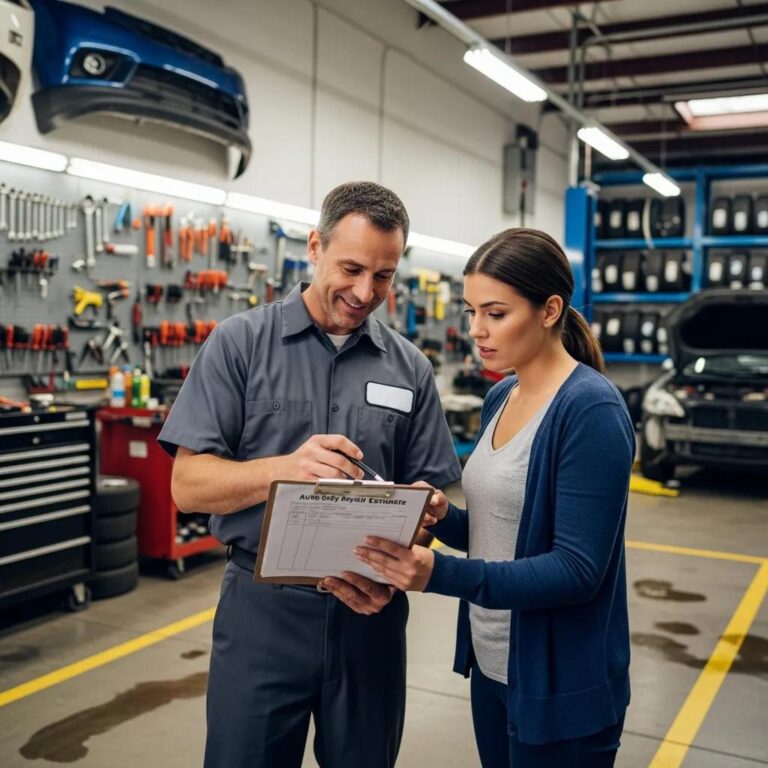
Look for a shop with certified technicians (for example, I-CAR Platinum), a commitment to OEM parts when appropriate, and clear customer feedback you can check. Ask about warranties, experience with your vehicle’s make and model, and how the shop communicates about timelines and unexpected findings. A trustworthy shop will give a transparent estimate, explain repair options, and keep you updated from intake to pickup.
How can I expedite my insurance claim after an accident?
Start fast: take clear photos, collect witness and police report details, and notify your insurer right away. Share documentation with both your adjuster and the repair shop, and follow up regularly so required information doesn’t stall the process. Staying proactive and keeping everyone in the loop helps speed approvals and gets repairs started sooner.
What are the benefits of choosing OEM parts over aftermarket parts?
OEM (Original Equipment Manufacturer) parts are built for your specific make and model, so they match fit, finish, and safety expectations. They typically offer better long-term durability and preserve warranty and resale value. Aftermarket parts can be a cost option for non-critical items, but OEM parts reduce the risk of fitment issues and ensure compatibility with manufacturer calibration requirements.
What is the difference between structural and cosmetic repairs?
Structural repairs restore the vehicle’s frame and load-bearing elements—work that directly affects safety and crash performance—usually requiring specialized equipment and measurements. Cosmetic repairs focus on appearance, like dents, scratches, and paint. Cosmetic fixes improve looks, but structural repairs are the priority after a collision because they affect how the car protects you on the road.
How do I know if my vehicle needs ADAS calibration after a repair?
If your vehicle’s sensors, cameras, or radar were impacted—or if you see warning lights for systems like lane-keep or adaptive cruise—calibration is likely required. Any repairs near sensor locations generally trigger a need for recalibration to ensure those systems work as intended. Ask your estimator or technician to confirm whether ADAS calibration is needed and include it in the repair plan.
What should I do if I am not satisfied with the repair work?
Tell the shop your concerns and provide specific examples or photos. Request a follow-up inspection—most reputable shops have warranty or satisfaction policies to resolve issues. If the shop can’t resolve the problem, escalate through your insurer or contact a consumer protection agency for guidance. Keep repair orders and documentation handy to speed any review.
Are there any specific maintenance tips for vehicles after collision repairs?
After repairs, follow any care instructions from the shop. Avoid washing the vehicle for about 30 days so paint can cure properly, and routinely inspect repaired areas for signs of bubbling, misalignment, or other issues. Keep up with scheduled maintenance and return to the shop promptly if you notice any problems so warranty-covered items can be addressed quickly.
What Should I Do Immediately After a Car Accident in Burbank?
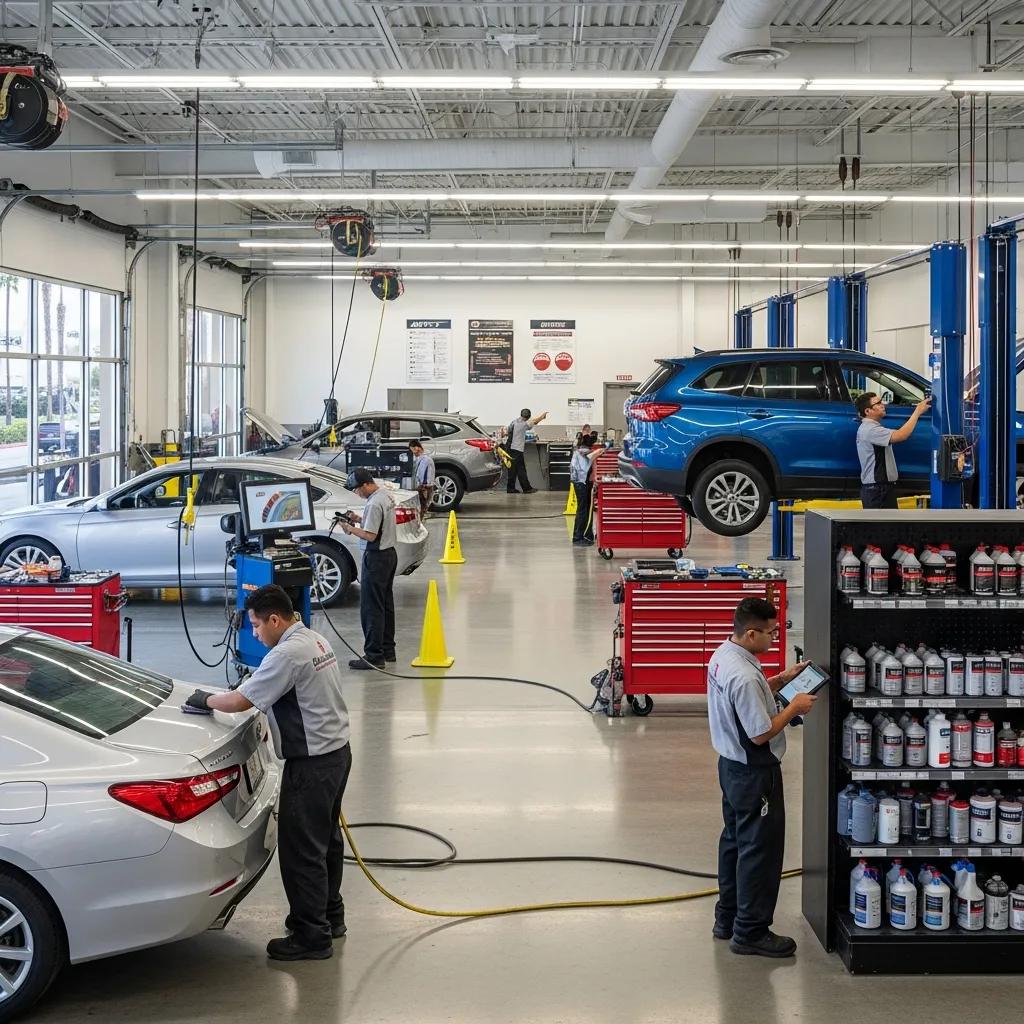
Right after a crash, protect people first, then document everything to preserve evidence for medical, legal, and insurance needs. Take clear photos, collect witness details, and call the police when required—these actions create an accurate record that supports injury care and the later repair process. Acting quickly also prevents delays in inspections and approvals, which helps get your vehicle back on the road sooner. The steps below cover the most important actions drivers should take immediately after an accident.
- Move to a safe spot if you can and check for injuries; call 911 for medical help or hazardous conditions.
- Photograph all vehicles, skid marks, nearby signs or signals, and any visible injuries to document the scene.
- Exchange names, phone numbers, insurance details, and license plate numbers with other drivers; write down witness contact info.
- File a police report when required and notify your insurer promptly to open a claim.
- Don’t admit fault at the scene and preserve vehicle evidence for a professional damage estimate.
Following these five steps builds a dependable record for medical and insurance processing, supports accurate damage assessments, and helps preserve repair options. From here, you’ll move into the next steps: calls, tow arrangements, and scheduling an inspection.
What Are the First Steps to Take After a Collision?
The first actions focus on safety, documentation, and clear communication so responders and insurers can act on your behalf. Move out of traffic if it’s safe, check for injuries, and call emergency services when needed—medical care is the top priority. Then document damage and the surroundings with photos or video from multiple angles, noting any visible mechanical issues. Finally, exchange contact and insurance information, collect witness statements, and file a police report if required—these records form the backbone of accurate estimates and protect your rights during the claim process.
These steps also make it easier to arrange secure transport to a trusted repair facility where a certified estimate and full damage evaluation can begin.
How Do I Arrange 24/7 Towing to Prime Time Collision Center?
If the car isn’t drivable, call your insurer to confirm tow coverage, then contact a local tow or the shop’s towing line for direct delivery. Prime Time Collision Center offers free 24/7 towing to a secure facility for drivers in the Glendale/Burbank area and will coordinate intake with insurers when authorized. Provide the vehicle location, VIN or license plate, and any claim number so the tow operator and the shop can prepare for intake and inspection.
Your vehicle will be logged, photographed, and stored in a secure lot for inspection; the shop will contact you with an estimate and next steps after the initial appraisal. Coordinated towing reduces handling delays and ensures technicians can preserve sensitive systems during transport.
How Does the Auto Insurance Claims Process Work for Collision Repairs in Burbank?
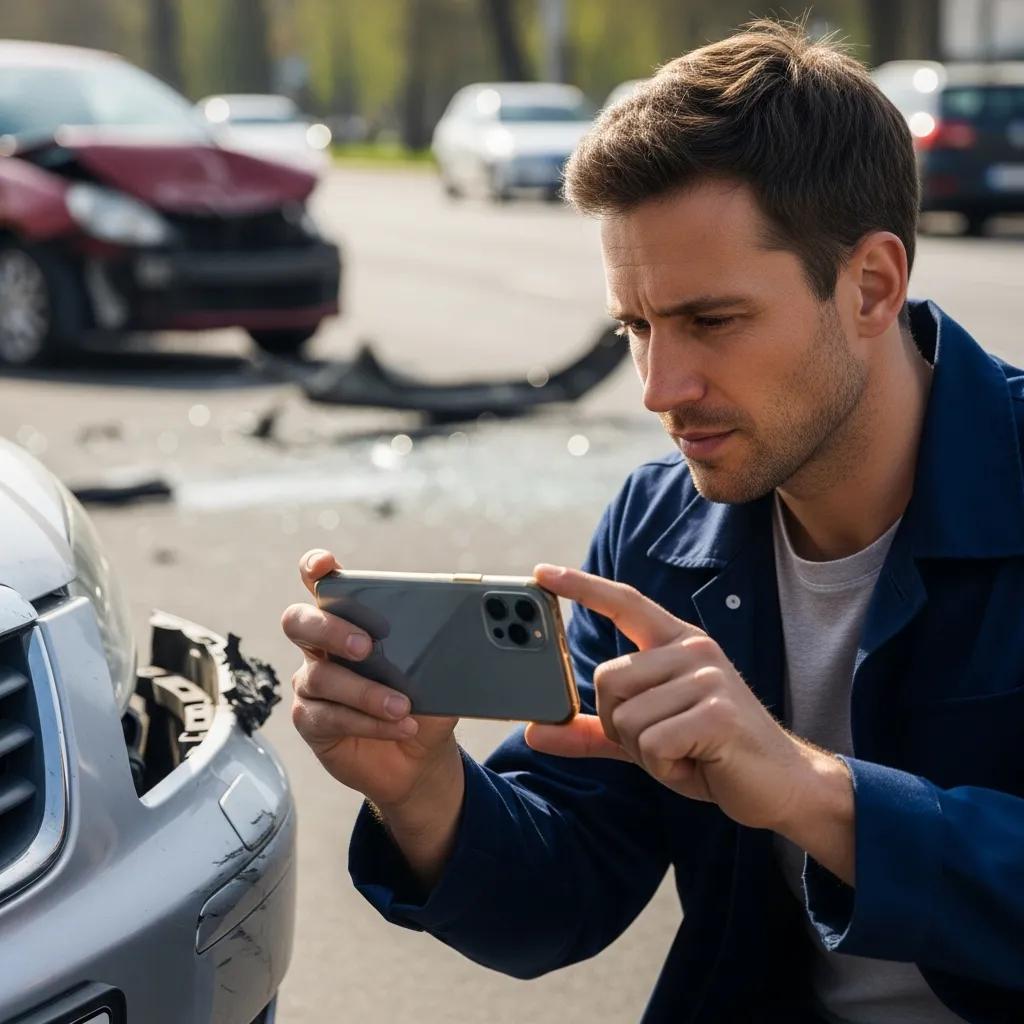
The claims process typically follows a clear sequence: report the claim, inspect and estimate damage, obtain authorization, complete repairs and quality checks, then finalize billing and return the vehicle. You report the claim, the shop inspects and repairs the vehicle, and the insurer coordinates approvals and payment. Knowing these stages helps you plan and gather necessary documents—photos, police reports, and proof of ownership—so the process moves smoothly.
Use these practical steps to keep the claim moving:
- Report the claim to your insurer and provide photos and the police report when available.
- Schedule an inspection with a certified repair shop so an estimator can document damage and recommend OEM parts when appropriate.
- Obtain repair authorization from the insurer; the shop may submit an estimate and work plan for approval.
- Proceed with repairs once authorization is received; expect quality checks and possible ADAS calibration.
- Complete final billing and inspection, review warranty paperwork, and pick up your vehicle.
Understanding who handles each step helps set expectations and keeps repairs on schedule. The table below summarizes typical insurer interactions and what you can expect at each phase.
This compact view shows typical actions and expected timelines for common insurer steps.
| Claim Phase | Typical Action by Insurer or Shop | Customer Expectation / Timeline |
|---|---|---|
| Report & Intake | Claim is logged and initial guidance provided | Contact insurer same day; an initial claim number is issued |
| Estimate & Inspection | Repair shop assesses damage and submits an estimate | Inspection within 1–7 days depending on availability |
| Authorization | Insurer reviews the estimate and authorizes work or requests a review | Authorization typically within days to a week; supplements may be needed |
| Repair Execution | Shop performs repairs, orders parts, and completes calibrations | Repair time varies; the shop provides an ETA and regular updates |
| Final Billing & Close | Insurer and shop process payment and finalize the claim | Final inspection and vehicle pickup occur after repairs are complete |
This overview helps set realistic expectations for each claim phase and clarifies responsibilities so you avoid surprises.
Do You Work with All Insurance Companies?
Yes — reputable collision centers typically work with a wide range of insurers to streamline estimates, approvals, and direct billing when possible. Shops that handle multiple insurers submit digital estimates, manage supplemental parts orders, and provide adjusters with the documentation they need to approve work timely. Bring your insurance card, claim number (if available), and any police or medical reports when you schedule an estimate so the estimator has complete context for the repair plan.
Letting the shop coordinate with your insurer reduces paperwork for you and helps prioritize safety-related repairs and necessary calibrations.
Can My Insurance Company Choose the Repair Shop?
Insurers may recommend preferred shops, but you usually have the right to choose where your vehicle is repaired. Preferred networks are about efficiency, but choosing a facility with certified technicians and OEM-focused procedures protects safety and resale value. Tell your adjuster which shop you want and confirm the shop will coordinate with your insurer. Prioritize qualifications like I-CAR training, OEM repair procedures, and documented calibration capabilities over convenience alone.
Choosing the right shop reduces the risk of poor repairs and helps ensure a safe, roadworthy outcome that aligns with warranty and resale expectations.
Why Are OEM Certified Repairs and I-CAR Platinum Certification Important?
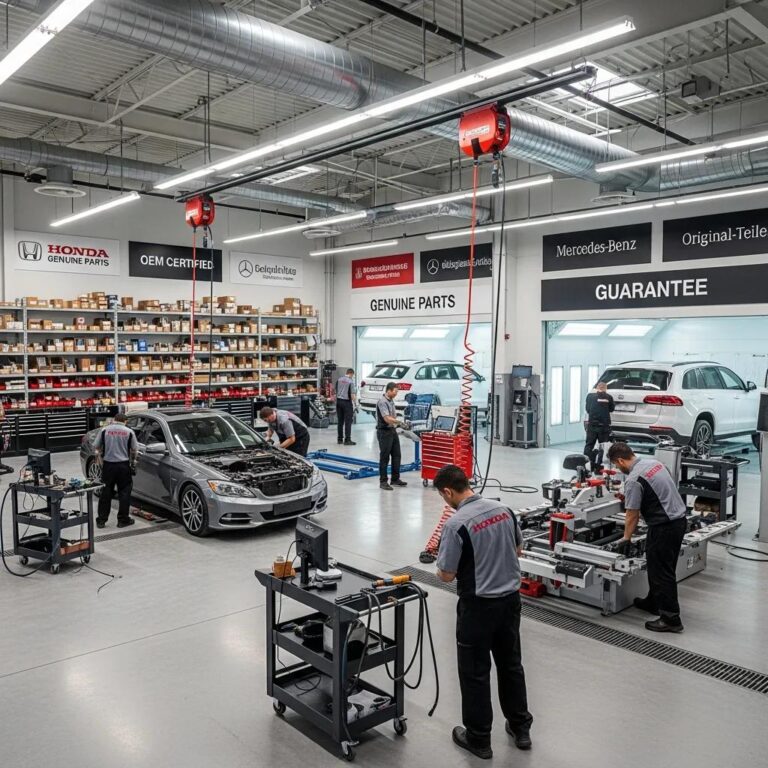
OEM-certified repairs and I-CAR Platinum training matter because they directly affect a vehicle’s structural integrity, crash performance, and system functionality after repairs. OEM parts are engineered for precise fit and tested compatibility, while I-CAR Platinum shows technicians receive ongoing, manufacturer-aligned training on modern materials and ADAS systems. Those qualifications lower the chance of improper repairs, help preserve warranties, and protect long-term vehicle value.
Below is a quick comparison showing how OEM versus aftermarket choices can influence safety and warranty outcomes.
| Part or Process | OEM vs Aftermarket | Safety / Fit / Warranty Impact |
|---|---|---|
| Structural components | OEM ensures engineered fit and documented crash performance | Higher safety assurance; preserves structural integrity |
| Body panels & paint | OEM match minimizes fit gaps and improves paint match | Better corrosion protection and resale appearance |
| Electronic modules & sensors | OEM modules require manufacturer calibration and testing | Ensures ADAS and safety systems function correctly |
This comparison highlights why OEM procedures and trained technicians matter when safety and long-term value are priorities.
What Does I-CAR Platinum Certified Technician Mean for My Vehicle?
I-CAR Platinum means technicians complete advanced, ongoing training in modern collision repair, including work on new materials, structural techniques, and ADAS calibration. It shows a shop-wide commitment to current best practices and documented training hours. For your vehicle, repairs by I-CAR Platinum-trained technicians reduce the chance of incorrect procedures, improve alignment and calibration outcomes, and support reliable long-term performance.
Knowing technicians hold this certification gives you confidence when discussing parts, repairs, and approvals with insurers and service advisors.
Why Should I Insist on OEM Parts for My Auto Body Repair?
Choosing OEM parts preserves engineered crash compatibility, proper fit, and paint matching—factors that affect safety and resale value. OEM parts are built to original specifications and often work with manufacturer calibration processes, which is vital for structural pieces and ADAS sensors. While non-structural items can sometimes be serviced with aftermarket parts, prioritize OEM for critical components and discuss options with your shop and insurer.
This approach helps you balance upfront cost against long-term safety and value.
What Are Common Repair Questions and Typical Timelines for Auto Body Work?
Customers often ask how long repairs will take and what affects timelines, including when paintless dent repair is appropriate. Timelines depend on parts availability, structural needs, and insurer approvals. Minor cosmetic work can be quick, while structural repairs and backordered parts extend time; ADAS calibration also adds necessary time but is critical for safety. Knowing typical durations helps you plan rentals and coordinate with your insurer and the repair shop.
The table below outlines common repair types, typical times, and factors that influence scheduling and duration.
| Repair Type | Typical Timeframe | Factors That Influence Time |
|---|---|---|
| Minor dents / bumper repairs | 1–3 days | Parts on hand, paint shop availability |
| Panel replacement & paint | 3–7 days | Parts lead time, paint curing, match complexity |
| Frame straightening & structural repair | 7–14+ days | Severity, alignment, supplemental damage |
| ADAS calibration & electrical repairs | 1–5 days (in sequence) | Access to calibration tools, software updates |
| Major collision with parts backorder | 2+ weeks | Parts sourcing, insurer approvals, specialty components |
This timeline guide sets expectations and explains why some repairs require extra time to ensure safety and a proper finish.
How Long Will My Collision Repair Take?
Repair time depends on damage severity. Minor cosmetic work can finish in days; structural or parts-dependent repairs often take one to several weeks. Delays usually come from parts availability, supplemental damage found during disassembly, insurer review cycles, and required ADAS or electronic calibrations. A short answer: many repairs are completed in one to two weeks, but complex cases can take longer. Stay in regular contact with your estimator and insurer for updated timelines.
Knowing these variables helps you plan transportation and rental coverage while repairs are underway.
What Is Paintless Dent Repair and When Is It Suitable?
Paintless Dent Repair (PDR) restores dents without repainting by gently massaging the metal back to its original shape, preserving the factory finish. PDR works best on small-to-medium dents where the paint is intact and there’s no sharp creasing. It’s faster and often less expensive than conventional bodywork, but it won’t work for large creases, damaged paint, or areas with limited access—those require traditional repair and repainting. A trained technician will inspect paint condition, dent size, and access before recommending PDR.
When PDR is an option, it’s a cost-effective way to retain the factory finish and avoid paint mismatch.
Do You Offer Specialized Repairs for Luxury and Electric Vehicles in Burbank?
Luxury and electric vehicles need technicians trained in OEM procedures and equipment for high-strength aluminum, carbon fiber, and high-voltage systems to restore safety and original performance. These vehicles use advanced sensors, lightweight materials, and manufacturer-specific calibration steps that require documented training and proper tools. Shops that invest in certified training, frame and calibration equipment, and OEM parts can service these vehicles while protecting warranty and resale value. For BMW, Mercedes, Tesla, and other advanced models, choose a shop with documented capabilities.
Technician training and the right equipment are the key differentiators when repairing complex or high-value vehicles.
Can Prime Time Collision Center Repair Luxury Brands Like BMW, Mercedes, and Tesla?
Yes. Prime Time Collision Center highlights OEM repair processes and technician training to handle luxury and advanced vehicles while protecting calibration and manufacturer procedures. For these brands, proper part selection, factory-aligned repair steps, and post-repair ADAS calibration are essential. Our I-CAR Platinum-trained technicians and OEM-focused approach support those steps while working with insurers to secure approvals and parts. When you schedule an estimate, tell us the vehicle make and any advanced systems so we can plan required OEM parts and calibrations.
Documented capabilities reduce the risk of improper repairs and help preserve warranty and resale value for luxury and EV owners.
What Specialized Equipment Is Used for Electric Vehicle Collision Repairs?
EV collision repairs use battery isolation tools, high-voltage safety gear, EV-capable lifts, and calibration systems to manage batteries and advanced electronics safely. Battery isolation prevents unintended discharge during repair, and thermal-safe handling protects both technicians and the vehicle. EV-capable lifting and frame equipment accommodate unique chassis and battery placements, while software tools allow ADAS and battery-management calibrations after mechanical work. Certified equipment and trained staff ensure repairs don’t compromise high-voltage systems or advanced safety features.
These specialized tools and procedures reduce risk and are required to perform safe, compliant EV repairs that preserve performance.
What Warranty and Customer Satisfaction Guarantees Does Prime Time Collision Center Provide?
Warranties and service guarantees give owners confidence that repairs were done correctly and that follow-up issues will be handled. Prime Time Collision Center stands behind repairs with warranty coverage, clear estimates, and post-repair inspections to support customer satisfaction. Warranties typically cover workmanship and repair processes, and documented follow-up procedures let customers report concerns so technicians can inspect under warranty. Clear communication about warranty scope, parts used, and recommended care helps drivers understand coverage and next steps if an issue arises.
Knowing a shop backs its work makes choosing a facility easier when safety, fit, and long-term value matter.
Is There a Warranty on Auto Body Repairs?
Yes—reputable collision centers offer warranties that cover workmanship and repair procedures, ensuring completed repairs meet quality standards and that follow-up work is available if needed. Warranty coverage usually includes paint quality, panel installation, and structural repair work performed by the shop, with a defined process to submit a claim if issues appear after pickup. To start a warranty review, contact the repair facility with photos and the repair order so technicians can determine whether the issue is covered and schedule corrective work. Prompt reporting and documentation streamline warranty resolution.
Understanding warranty scope and how to request follow-up service protects your investment after the initial repair.
How Does Prime Time Collision Center Ensure Customer Trust and Satisfaction?
Prime Time Collision Center builds trust through transparent estimates, photo documentation, certified technician training, and consistent communication during repairs so customers stay informed and confident. We work with all insurance companies to coordinate approvals, offer secure 24/7 towing for intake, and back repairs with warranty coverage so follow-up service is available when needed. Documented estimates, regular repair updates, and post-repair inspections are standard practices that reduce surprises and verify quality. For questions about estimates, towing, or warranties, contact the shop by phone to start the process.
These practices combine technical skill with clear customer service to deliver safe, reliable vehicle restoration.
Conclusion
Choosing the right auto body shop means your vehicle gets careful, certified repairs that preserve safety and performance. Prioritize certified technicians and OEM parts when safety and long-term value matter. If you’d like a consultation or an estimate, contact our team—we’re ready to help get your vehicle back to its best condition.