Certified Auto Body Repair in Burbank, CA — Factory-Quality Collision Care with OEM & I‑CAR Standards
Certified auto body repair returns your vehicle to its pre-accident safety and factory specifications by following manufacturer procedures, using approved parts, and confirming structural and system performance through testing and calibration. This guide breaks down what OEM certification and I‑CAR standards mean for collision repairs in Burbank, why those credentials matter for safety and resale value, and how a certified shop coordinates with insurers and modern vehicle systems like ADAS and EV structures. You’ll learn how OEM workflows differ from conventional repairs, why I‑CAR Platinum training matters for technicians, the services certified shops provide, and practical steps to streamline insurance claims after a crash. We also point to local service options and show how to verify certifications so you can pick a repair center that protects your car’s crashworthiness and long-term value. If you want factory-quality results, this guide lays out the key decisions, verification checks, and realistic timelines for repairs in the Burbank area.
What Does OEM Certified Auto Body Repair Mean for Your Vehicle?
OEM certified auto body repair means the shop follows the vehicle manufacturer’s repair procedures, installs approved parts and materials, and performs required testing so the vehicle meets factory safety and performance standards after repair. That matters because modern cars combine structure, restraint systems, and sensors — following manufacturer steps preserves crash performance and helps keep warranties intact. When repairs follow OEM guidance you get restored safety systems, consistent fit and finish, and proper corrosion protection, which help protect resale value. Knowing these differences helps you decide when to insist on OEM-standard work and what verification to request before approving repairs.
OEM certification looks like a sequence of precise steps — parts sourcing, written procedures, and quality checkpoints — which we outline below in a technical breakdown of the manufacturer-driven workflow. The next section drills into how those requirements protect safety-critical systems.
How OEM Certification Ensures Factory-Quality Collision Repairs

OEM certification enforces factory-quality repairs by requiring documented repair plans, specified parts (often OEM), controlled work environments, and post-repair verifications such as alignment and system tests. Manufacturer procedures spell out exact frame measurements, approved adhesives and welding processes for different metals, and paint steps that match the original finish and corrosion protection. Those checkpoints reduce variability and create traceable documentation insurers or future buyers can review. OEM work typically requires calibrated equipment and trained technicians familiar with material-specific workflows, which leads to repeatable outcomes that reflect factory standards.
The end result is a vehicle repaired to behave like the original design in a crash — a critical point for safety and warranty considerations. Comparing OEM–certified and non-certified approaches makes the trade-offs clearer when you’re choosing repair options after an accident.
Different repair approaches produce measurable differences in safety, parts quality, and process controls.
| Repair Type | Key Attribute | Impact |
|---|---|---|
| OEM-certified repair | Manufacturer procedures and approved parts | Preserves crash performance and keeps warranty alignment |
| Non-certified repair | Generic parts or informal processes | Greater variability in safety outcomes and fit/finish |
| Partial compliance | Mix of OEM parts with non-standard methods | Uncertain long-term reliability and gaps in documentation |
This comparison shows why owners of modern vehicles — especially those with advanced safety systems or luxury specs — often choose certified workflows to protect safety and value. Next, we explain the local benefits of working with a certified center in Burbank.
Why Choose an OEM Certified Collision Center in Burbank?
Picking an OEM certified collision center in Burbank lowers risk by making sure repairs follow factory instructions, preserving occupant safety and resale value. A nearby certified shop offers convenience for inspections, documented repair timelines, and faster insurer communication while maintaining manufacturer tolerances for structure and finish. Local credential verification — visible manufacturer affiliations, written repair plans, and calibration receipts — gives car owners confidence that work was done to spec. For cars with ADAS or electric drivetrains, local access to certified workflows helps prevent miscalibrated sensors or improper material repairs that can affect reliability.
Knowing what to ask for — detailed repair plans, parts provenance, and calibration reports — helps you validate OEM-compliant work. The next section highlights technician certification, specifically I‑CAR Platinum, and why it matters for repair outcomes.
How Do I-CAR Platinum Certified Technicians Enhance Collision Repair Quality?
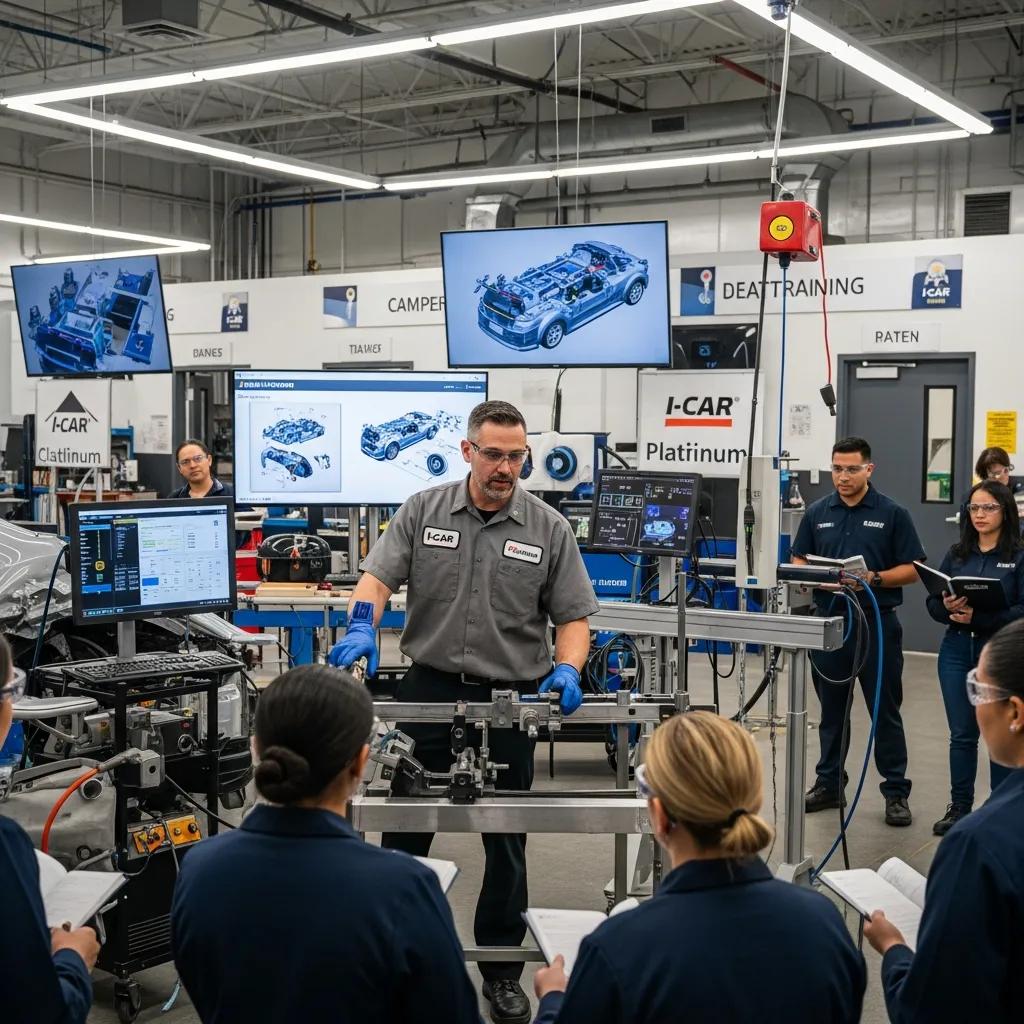
I‑CAR Platinum certification means a shop’s technicians have completed industry-recommended training across the full range of repair disciplines and stay current with evolving vehicle technology. Technicians with I‑CAR training understand structural repair, electrical diagnostics, ADAS recalibration, and material-specific techniques, which improves accuracy on complex jobs and lowers the chance of post-repair issues. Continuous education matters because vehicle designs change quickly; trained techs apply the right methods for modern steel, aluminum, and composite structures. The next subsection explains the training behind I‑CAR Platinum and why ongoing education matters for repair quality.
I‑CAR training ties directly to measurable benefits like correct ADAS calibration and accurate structural restoration; the following section spells out those safety implications in practical terms.
Training and Expertise Behind I-CAR Platinum Certification
I‑CAR Platinum requires documented training across multiple disciplines for a shop’s staff, focusing on up-to-date repair procedures and safety protocols. Modules cover structural repair methods, electrical systems, ADAS technologies, and materials-specific techniques for aluminum and mixed-material vehicles. The program encourages recurring coursework so technicians remain current. This continuous-learning model ensures shops approach new technologies — sensor-packed bumpers, EV structures, and other innovations — with proven procedures instead of ad hoc fixes. Techs who complete I‑CAR modules can interpret manufacturer repair bulletins, use correct joining methods, and verify repairs through testing, which reduces rework and improves safety margins.
Knowing the training behind I‑CAR Platinum clarifies why owners of modern vehicles should prefer certified technicians; the next subsection connects that training to the safety outcomes drivers can expect after repair.
Benefits of I-CAR Certified Collision Repair for Vehicle Safety
I‑CAR certified teams help restore vehicle safety by returning structural integrity, recalibrating ADAS sensors properly, and cutting the chance of electrical or mechanical failures after repair. Proper ADAS calibration is essential — small sensor misalignments can cause lane-keeping or automatic braking systems to behave unpredictably. Certified technicians follow procedures to verify sensors and cameras meet manufacturer tolerances. Structural repairs done to prescribed measurements restore energy-absorption pathways so crash performance resembles factory behavior. These safety benefits also reduce long-term liability and help preserve vehicle value with documented, industry-recognized repairs.
Understanding how certification maps to safety helps owners prioritize repair choices; next we outline the services a certified Burbank shop typically offers.
What Services Does a Certified Auto Body Repair Shop in Burbank Offer?
Certified auto body shops provide a full range of collision services — from minor dent removal to complex structural repairs, paint work, ADAS calibration, and EV-specific bodywork — all backed by documented estimates and insurer support. Services are selected based on damage type and vehicle technology so repairs use the right parts and procedures. For example, paintless dent repair preserves OEM paint on small dents, while frame alignment and parts replacement are required for frame damage. Below is a concise list of common services certified shops provide to help you match repair needs to solutions.
- Comprehensive Collision Repair: Structural and cosmetic repairs following OEM procedures for moderate-to-severe damage.
- Paintless Dent Repair (PDR): Minor hail and door‑ding repairs that preserve original paint and finish.
- ADAS Calibration: Sensor and camera recalibration after bumper, windshield, or suspension work.
- EV and Aluminum Body Repair: Material-specific workflows for electric vehicles and aluminum-bodied cars using specialized tooling.
| Service | Typical Damage / Use Case | Key Benefit / When to Choose |
|---|---|---|
| Paintless Dent Repair (PDR) | Minor hail, small door dents | Preserves OEM paint and finish; faster turnaround |
| Frame or Structural Repair | Collision with frame deformation | Restores alignment and crash performance |
| ADAS Calibration | Bumper, windshield, or sensor repairs | Ensures safety systems perform correctly after repair |
| EV/Aluminum Body Repair | Electric vehicles; lightweight alloys | Uses approved material processes to protect integrity |
This service map clarifies when each approach is appropriate and why certified procedures matter for modern vehicle systems. The next sections compare collision repair and PDR, then highlight advanced workflows like ADAS and EV repairs.
Comprehensive Collision Repair and Paintless Dent Removal
Comprehensive collision repair and paintless dent removal (PDR) serve different needs. Comprehensive repair handles structural, mechanical, and cosmetic damage and usually includes disassembly, parts replacement, frame alignment, paint refinishing, and system recalibration — it’s time‑intensive but necessary for safety-critical damage. PDR is ideal for small dents that haven’t broken the paint; technicians reshape the metal from behind the panel to preserve the factory finish. PDR is often faster and less expensive when the damage is eligible. The right choice depends on damage depth, paint condition, and whether sensors or structural components were affected.
Knowing the scope and limits of each method helps you choose the correct solution after an inspection. Next we outline the specialized equipment and workflows needed for ADAS, EV, and aluminum repairs.
Advanced Vehicle Repair: ADAS Calibration, EV, and Aluminum Bodywork
Advanced repairs require calibrated equipment and certified procedures because ADAS sensors, EV battery enclosures, and aluminum structures behave differently from conventional steel. ADAS calibration rigs and diagnostics verify cameras, radar, and ultrasonic sensors against manufacturer tolerances so driver aids work as designed after repair. EV work involves safe handling of battery housings and high‑voltage systems, while aluminum repairs use specialized welding, bonding, or riveting methods and tooling to preserve material properties. Shops equipped for these workflows document calibration and test results to show compliance with OEM expectations and provide traceability for owners and insurers.
Investing in proper tooling and training reduces the risk of improper repairs that could compromise safety and performance. The next section explains how certified shops help streamline the insurance process for customers.
How Does Prime Time Collision Center Simplify Insurance Claims After a Car Accident?
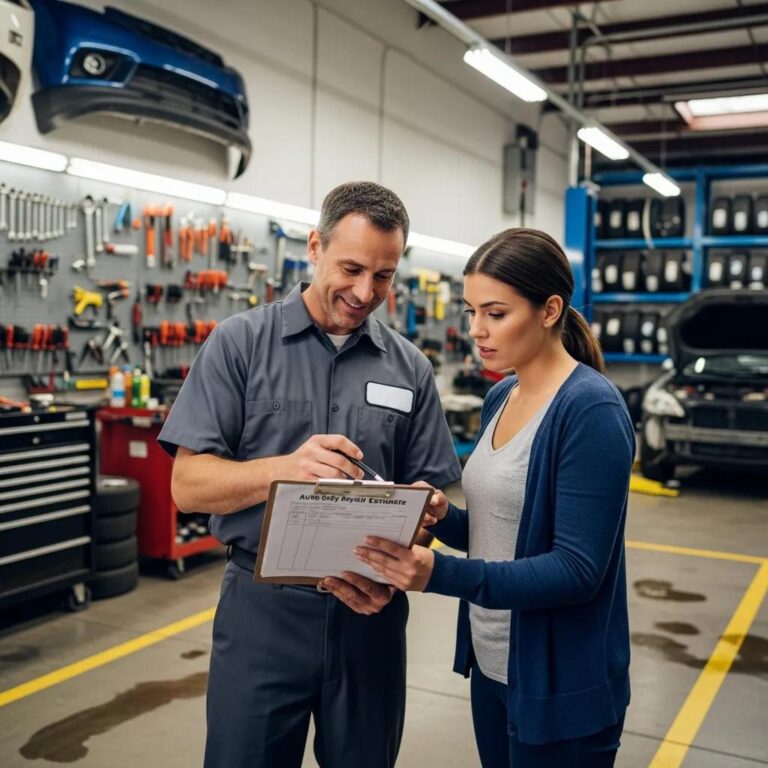
Prime Time Collision Center helps simplify the insurance claims process by delivering clear estimates, documented repair plans, and direct coordination with insurers to speed approvals and repairs. A certified shop that follows OEM procedures supplies the documentation insurers need — photos, manufacturer repair procedures, parts lists, and calibration reports — which reduces back‑and‑forth and potential delays. For customers, that translates to fewer administrative headaches and a clearer timeline from estimate to final inspection. Prime Time’s local presence in Glendale/Burbank also makes in‑person consultations and direct handoffs to adjusters easy, improving transparency and predictability.
- Initial Estimate and Documentation: We inspect the vehicle, photograph damage, and produce an OEM‑aligned estimate.
- Insurer Coordination: We share documentation with the adjuster and discuss required approvals or parts authorizations.
- Repair Scheduling and Execution: Work begins once approvals are in place; we perform OEM‑compliant repairs and calibrations.
- Quality Checks and Final Reporting: We complete tests, document calibrations, and deliver final reports to both the insurer and owner.
This step‑by‑step approach reduces confusion and speeds repairs for customers. The table below compares insurer‑facing services and the expected value the shop delivers during claims handling.
| Claims Service | Attribute | Value |
|---|---|---|
| Estimate preparation | Documentation detail | OEM procedures, photos, parts list |
| Insurer liaison | Communication approach | Direct handoff of repair plans to adjusters |
| Timeline management | Expected duration | Clear scheduling from approval to delivery |
If you need help after an accident, Prime Time Collision Center provides free estimates and works with insurers to coordinate repairs efficiently. Call (818) 396-4997 to discuss next steps or request an in‑person estimate at our Glendale locations listed below. The next section walks through the process in more detail so you know what to expect at each stage.
Step-by-Step Insurance Claim Assistance Process
Our insurance assistance starts with a thorough estimate that documents visible and likely hidden damage and continues through approvals, parts ordering, and final quality checks. During the initial inspection technicians record sensor locations, structural measurements, and any ADAS components that may be affected, creating a clear repair plan for the insurer to review. After approval we schedule repairs, source required OEM parts, and perform necessary calibrations while keeping you updated on timing. When repairs are finished we run final diagnostics and provide a documented report verifying systems were restored to manufacturer tolerances — a report you can share with insurers or future buyers.
Clear documentation at every step reduces disputes about repair scope and helps protect your interests. The next subsection explains what to expect when a shop works with all major insurance providers in the area.
Working with All Major Insurance Providers in Burbank
Working with all major insurers means the shop accepts direct communication from adjusters, submits required documentation promptly, and adapts to different insurer workflows while keeping OEM standards consistent. Expect transparency around estimate items, parts sourcing, and any recommended procedures that need extra authorization. Shops familiar with multiple insurers can often anticipate common approval questions, which cuts administrative delays and helps ensure OEM repair methods get proper consideration during claim reviews. For owners, that means fewer surprises on scope and clearer expectations for timing and cost.
Efficient insurer coordination shortens repair cycles and improves customer satisfaction. Next, we cover why Prime Time positions itself as a trusted, safety‑focused choice in the Burbank market.
Why Is Prime Time Collision Center the Safest Choice for Certified Collision Repair in Burbank?
Prime Time Collision Center combines OEM‑quality repairs, I‑CAR Platinum technicians, and customer‑first services — like free estimates, repair warranties, and 24/7 towing — to deliver a safe, traceable repair experience for vehicle owners in Burbank and nearby communities. Certified staff and documented procedures reduce uncertainty about repair methods, and our convenient Glendale locations make inspections and follow‑up simple. For owners who prioritize safety and factory standards, these elements create a clear value proposition that balances technical rigor with care for the customer. The next subsection summarizes warranty and satisfaction signals that back up that claim.
- I-CAR Platinum Technicians: Skilled staff trained in modern repair methods and safety systems.
- OEM-standard Repairs: Repair workflows aligned with manufacturer procedures and parts guidance.
- Customer Support Services: Free estimates, documented warranties on repairs, and 24/7 towing available.
These elements work together to minimize post‑repair surprises and protect your investment. The following sections expand on warranties and facility capabilities.
Warranties, Customer Testimonials, and Proven Repair Excellence
Repair warranties give owners measurable assurance that the work meets the shop’s quality standards, covering defects in workmanship or materials for the warranty period specified. Warranty terms vary, but the presence of a clear warranty signals a shop’s commitment to standing behind its work and resolving issues after delivery. Customer satisfaction is shown through documented repair completions, repeat business, and a solid local reputation — not just individual testimonials. Shops that emphasize OEM processes and certified technicians typically track quality outcomes and handle follow‑up concerns proactively. For owners, a transparent warranty plus documented repairs lowers long‑term risk and builds confidence in the repair choice.
Understanding warranty scope and the shop’s process for addressing post‑repair issues helps you decide where to entrust your vehicle. The next subsection describes the equipment and facility standards needed to meet OEM expectations.
State-of-the-Art Equipment and Facility for OEM-Standard Repairs
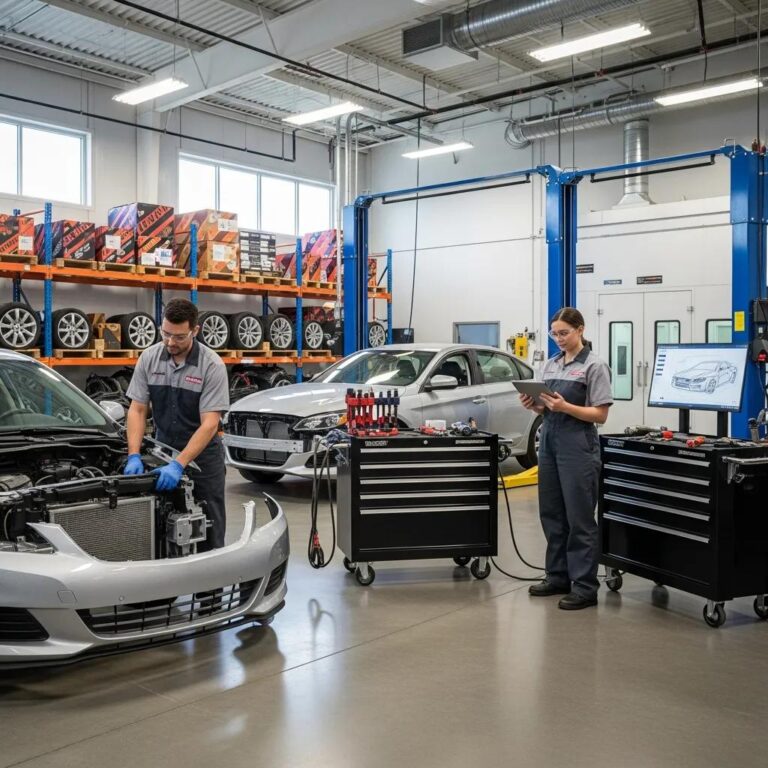
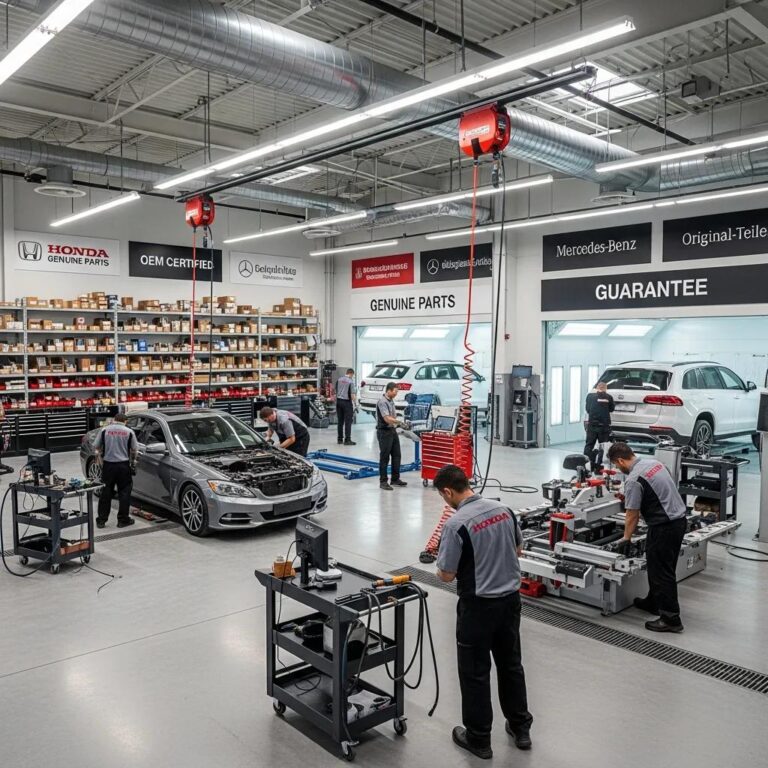
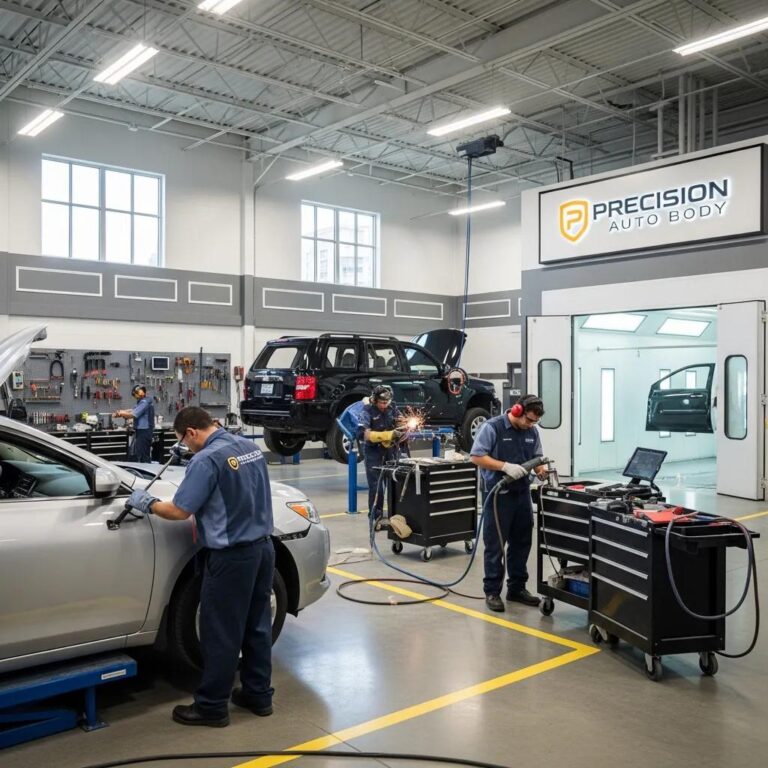
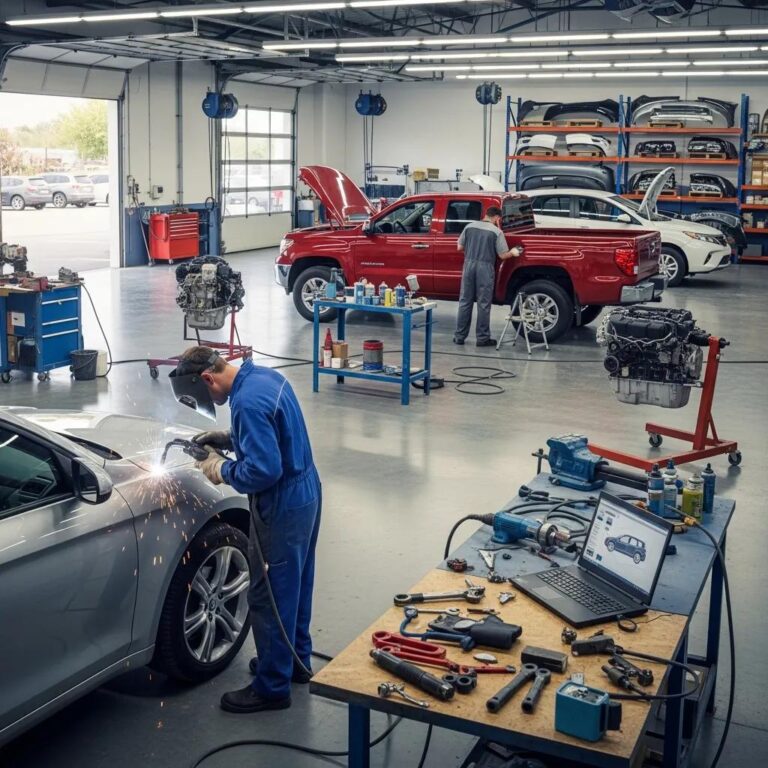
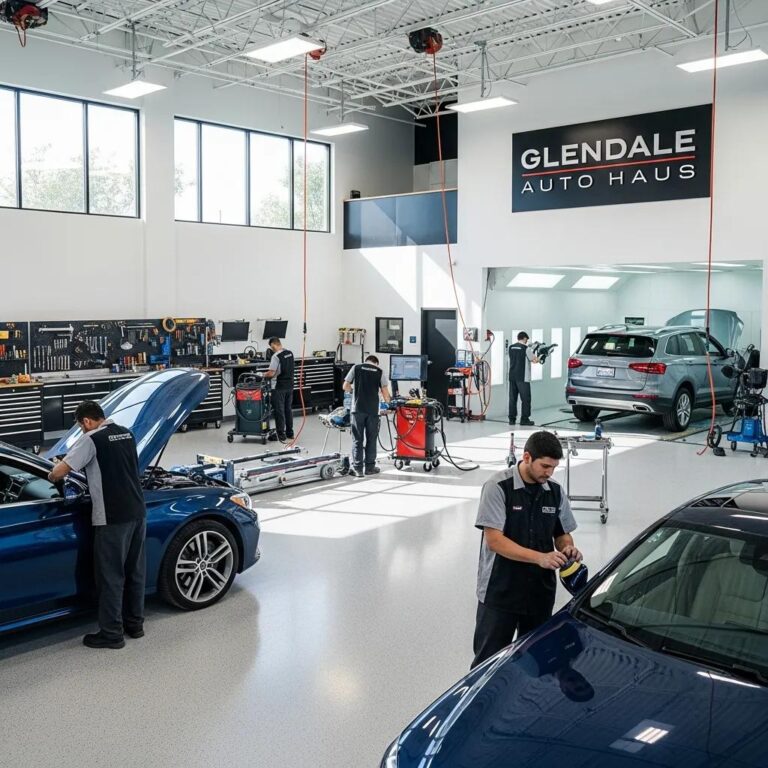
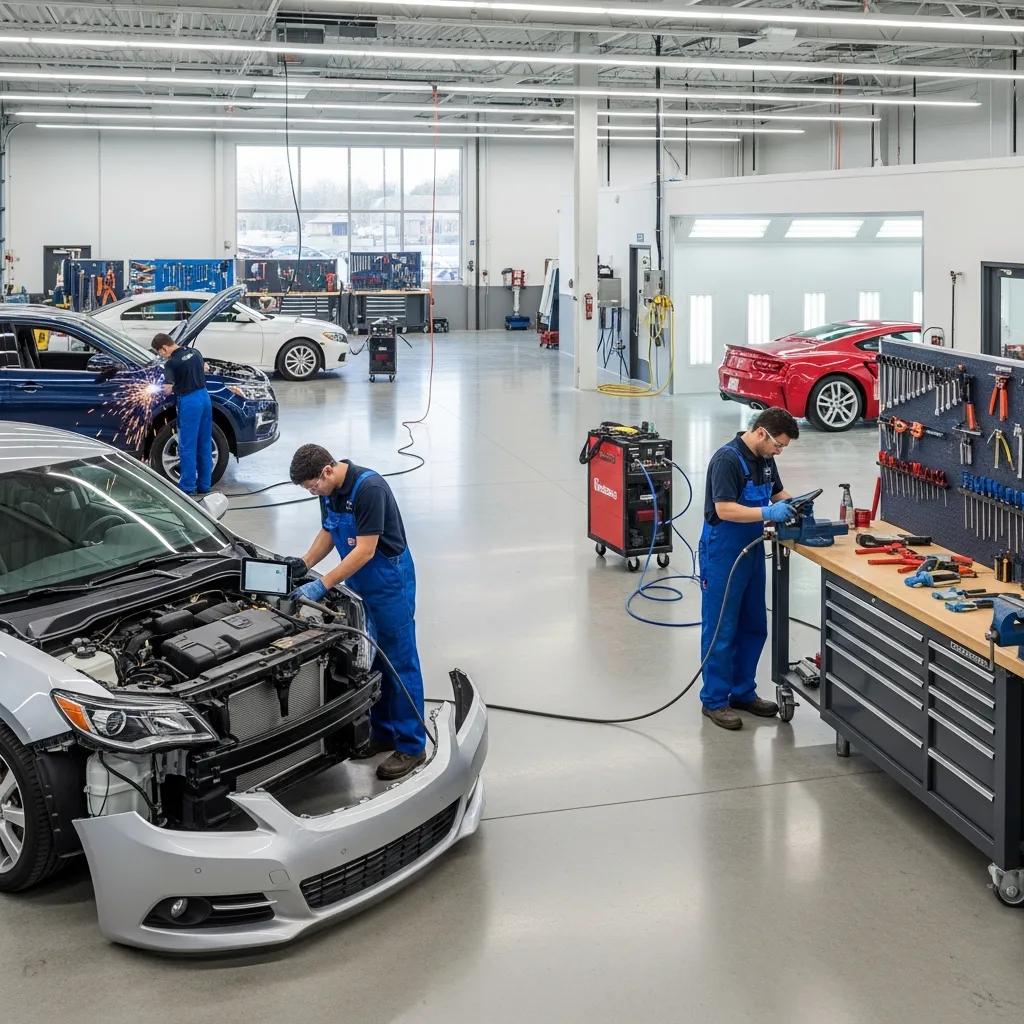
A facility that performs OEM‑standard repairs typically includes precision frame alignment systems, calibrated ADAS rigs, dedicated paint booths with controlled environments, and tooling for aluminum and mixed‑material repairs — each item supports the process fidelity manufacturers require. Frame racks and measurement systems restore tolerances, calibration rigs verify cameras and radar, and dedicated paint booths ensure correct color match and finish longevity. Material‑specific tooling prevents damage when working with aluminum or composite panels. Visual proof — photos of equipment or a shop tour — helps owners confirm that a facility can meet OEM expectations.
Shops that combine trained personnel with the right tooling are best positioned to deliver consistent, documented repairs that preserve safety and value. Prime Time Collision Center operates locally at the Glendale addresses listed below and can be reached for estimates or scheduling at (818) 396-4997.
6010 San Fernando Rd, Glendale, CA 91202
5236 San Fernando Rd, Glendale, CA 91203
Frequently Asked Questions
1. What should I look for when choosing an auto body repair shop?
Look for OEM certification and I‑CAR Platinum technicians, clear documentation, and visible manufacturer affiliations. Ask about experience with your vehicle’s make and model — especially if it has ADAS or is electric — and request estimates, timelines, and warranty details up front. A reputable shop should communicate clearly and make the repair process easy to follow.
2. How can I verify if an auto body shop is OEM certified?
Check the shop’s website or contact them for proof of certification and ask which manufacturers they’re affiliated with. Request documentation that outlines their compliance with OEM procedures. You can also verify certification through the vehicle manufacturer’s website or customer service to confirm the shop’s status.
3. What are the risks of choosing a non-certified repair shop?
Non‑certified shops may use generic parts or informal processes that compromise safety, fit, finish, and long‑term reliability. Repairs outside OEM standards can affect warranties and resale value. Choosing a certified shop reduces those risks by following manufacturer procedures and providing traceable documentation.
4. How does ADAS calibration work after a collision?
ADAS calibration adjusts sensors and cameras so driver aids operate correctly after a collision. It requires specialized equipment and trained technicians who follow manufacturer procedures. Even small sensor misalignments can cause lane‑keeping or automatic braking systems to behave improperly, so certified shops include calibration as part of the repair process.
5. What is the typical timeline for collision repairs at a certified shop?
Timelines vary by damage severity and services required. Minor work like PDR can take hours; structural repairs may take days to weeks. A certified shop will provide a detailed estimate with timelines for each repair phase and communicate changes as work progresses.
6. Are warranties offered on repairs, and what do they cover?
Yes — many certified shops offer warranties that cover defects in workmanship and materials for a specified period. Warranty terms differ, so ask for written details before proceeding. A clear warranty shows the shop stands behind its work and provides recourse if issues arise after delivery.
7. How can I simplify the insurance claims process after an accident?
Choose a certified shop that coordinates with insurers, provide your insurance information, and share the accident report if available. A reputable shop will prepare detailed estimates and repair plans to help speed approvals. Stay in open communication with both the shop and your adjuster to keep the process moving smoothly.
Conclusion
Choosing an OEM certified auto body repair shop in Burbank ensures your vehicle gets high‑quality repairs that protect safety and resale value. With I‑CAR Platinum technicians, OEM‑aligned workflows, and clear insurance support, you can trust your car will be restored properly. To get started, contact Prime Time Collision Center for a free estimate and see the difference certified collision repair makes.