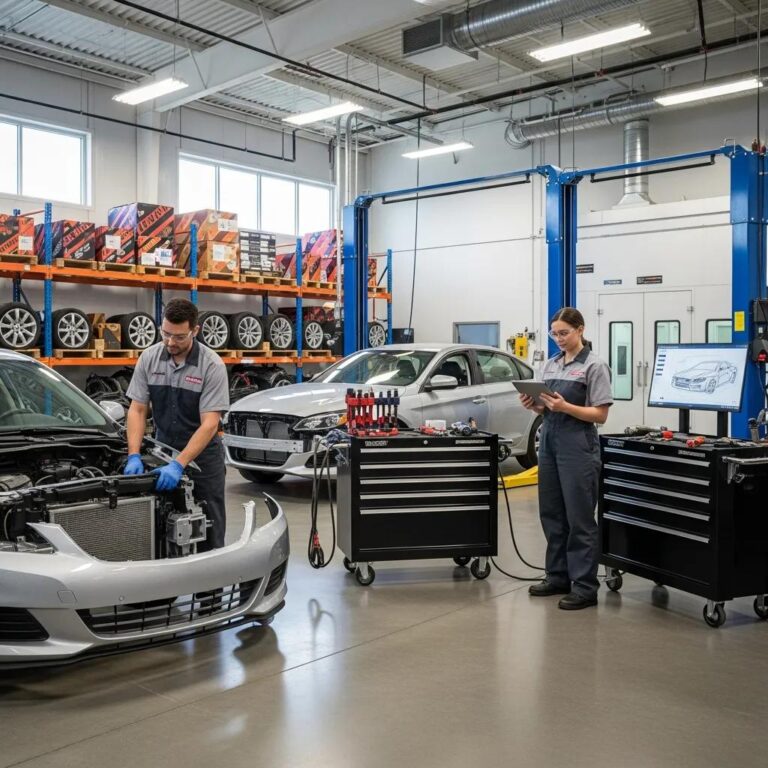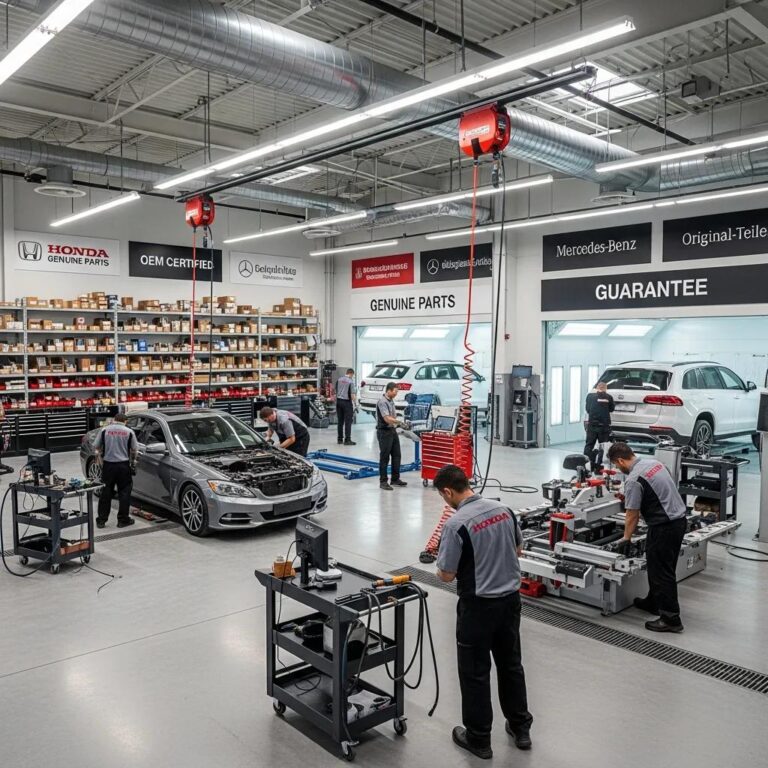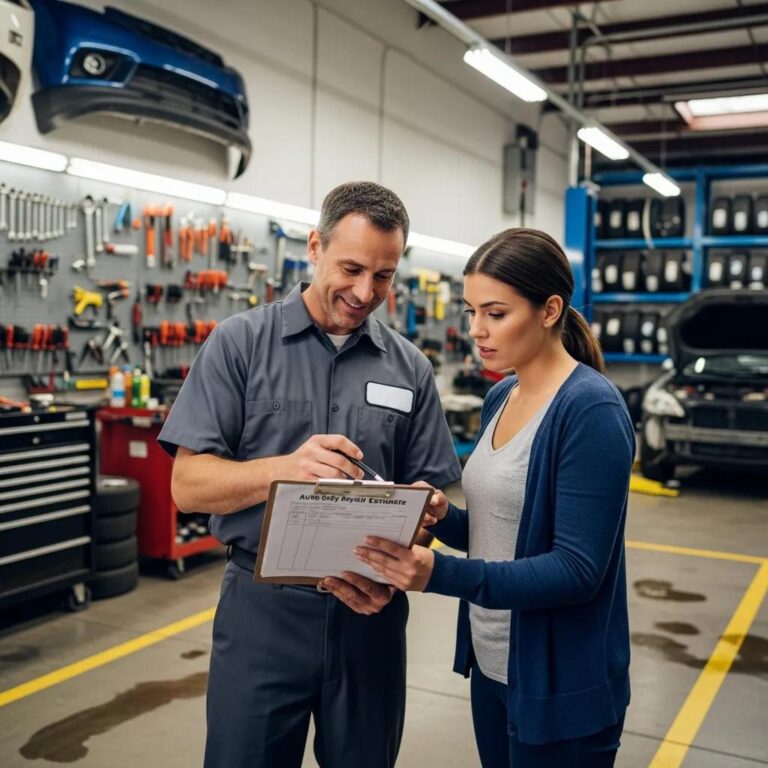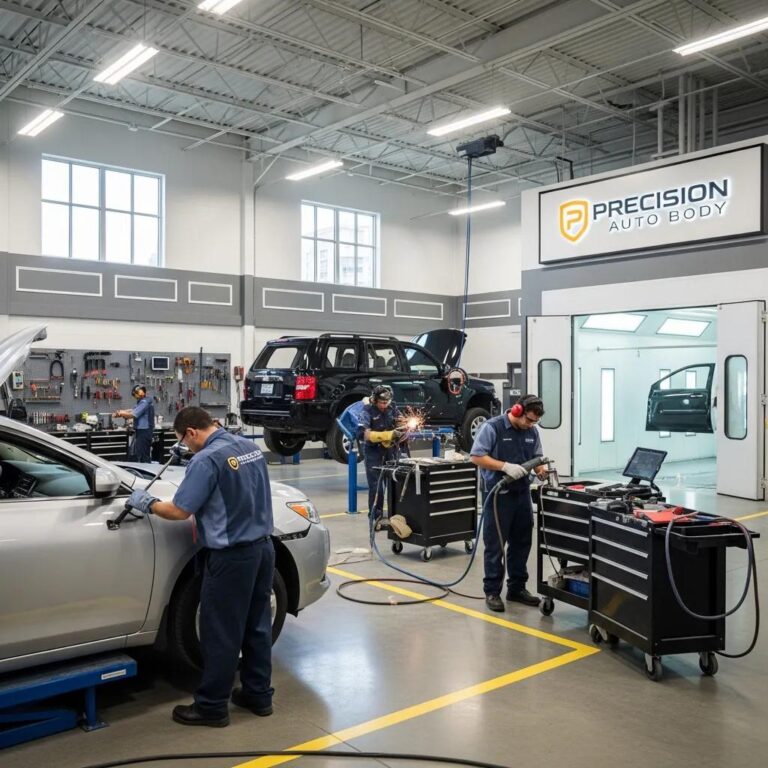
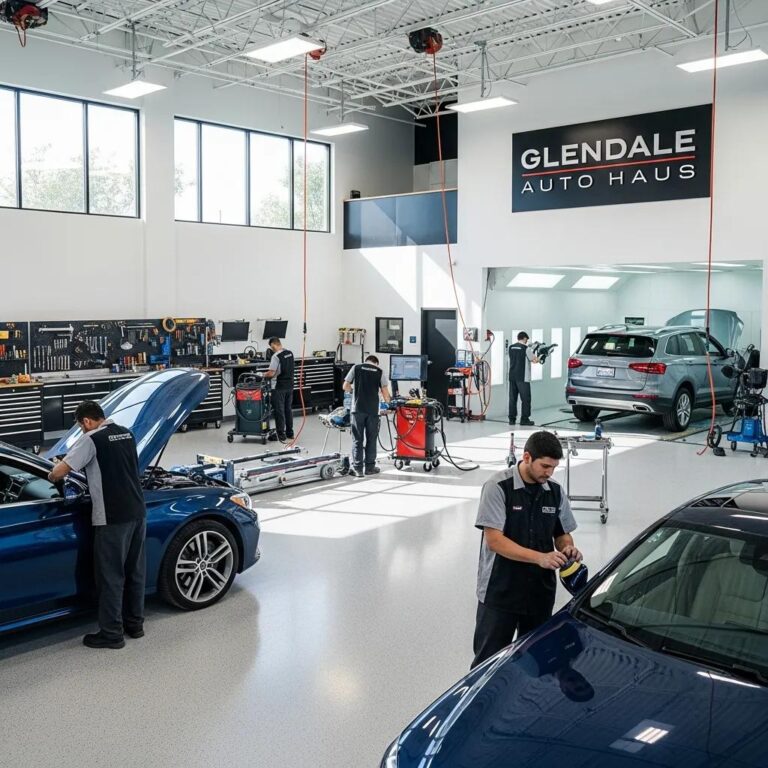
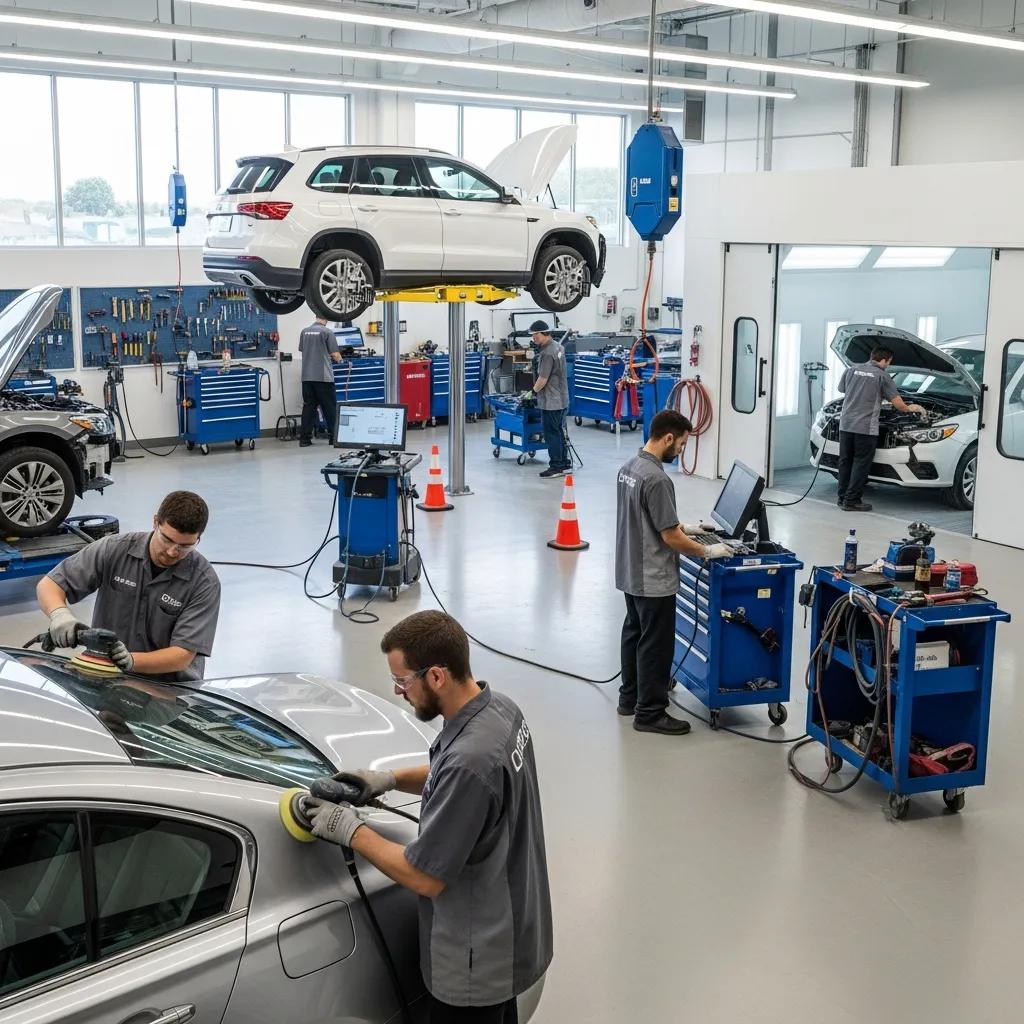
Certified Auto Body Repair in Glendale, CA — Your Trusted Guide to OEM & I‑CAR Certified Collision Services
“Certified” auto body repair means your vehicle is restored using manufacturer (OEM) procedures and industry-recognized training standards so safety, fit and finish are returned after a collision. This guide explains why OEM-certified repairs and I‑CAR Platinum–trained technicians matter for protecting structural integrity, safety systems and warranty coverage in Glendale, CA. You’ll find clear, practical information on repair workflows, insurer coordination, ADAS calibration, and how certified shops document work for resale and safety. We cover the benefits of certified repairs, the typical repair timeline, what I‑CAR Platinum means for technician skill, and how to handle insurance decisions after an accident. We also compare OEM expectations across luxury and EV brands and outline why following certified procedures reduces long-term risk for occupants. Throughout, we connect certifications, parts and safety so you can choose a repair path that preserves warranty and peace of mind.
Why Choose Certified Auto Body Repair in Glendale?
Certified repairs keep factory safety standards intact by using approved parts, documented procedures and trained technicians — the combination that lowers the chance of leftover structural or electronic issues after a crash. In short: OEM procedures and I‑CAR training ensure correct material handling, precise structural measurement and verified recalibration of safety systems so the vehicle performs close to its pre-accident condition. For drivers, that translates to measurable benefits—kept crash performance, preserved warranty options and clearer documentation for resale. Certified repair also better matches insurer expectations for modern cars with aluminum components and ADAS. For safety‑critical, warranty‑sensitive or high‑value vehicles in Glendale and nearby areas, certified repair is the safer choice.
Certified repair delivers several practical benefits:
- Preserved safety: Repairs that restore crashworthiness and protect occupants in future impacts.
- Warranty protection: Using OEM parts and methods helps maintain manufacturer warranty when applicable.
- Better resale value: Documented OEM and certified repairs increase buyer confidence.
- Reliable ADAS: Proper calibration makes driver‑assist features work as designed after repair.
Local shops that pair OEM capabilities with I‑CAR Platinum training bring the staff, tools and processes needed to perform these repairs right. Next, we’ll dig into the specific advantages of OEM‑certified repairs.
What Are the Benefits of OEM Certified Auto Body Repairs?
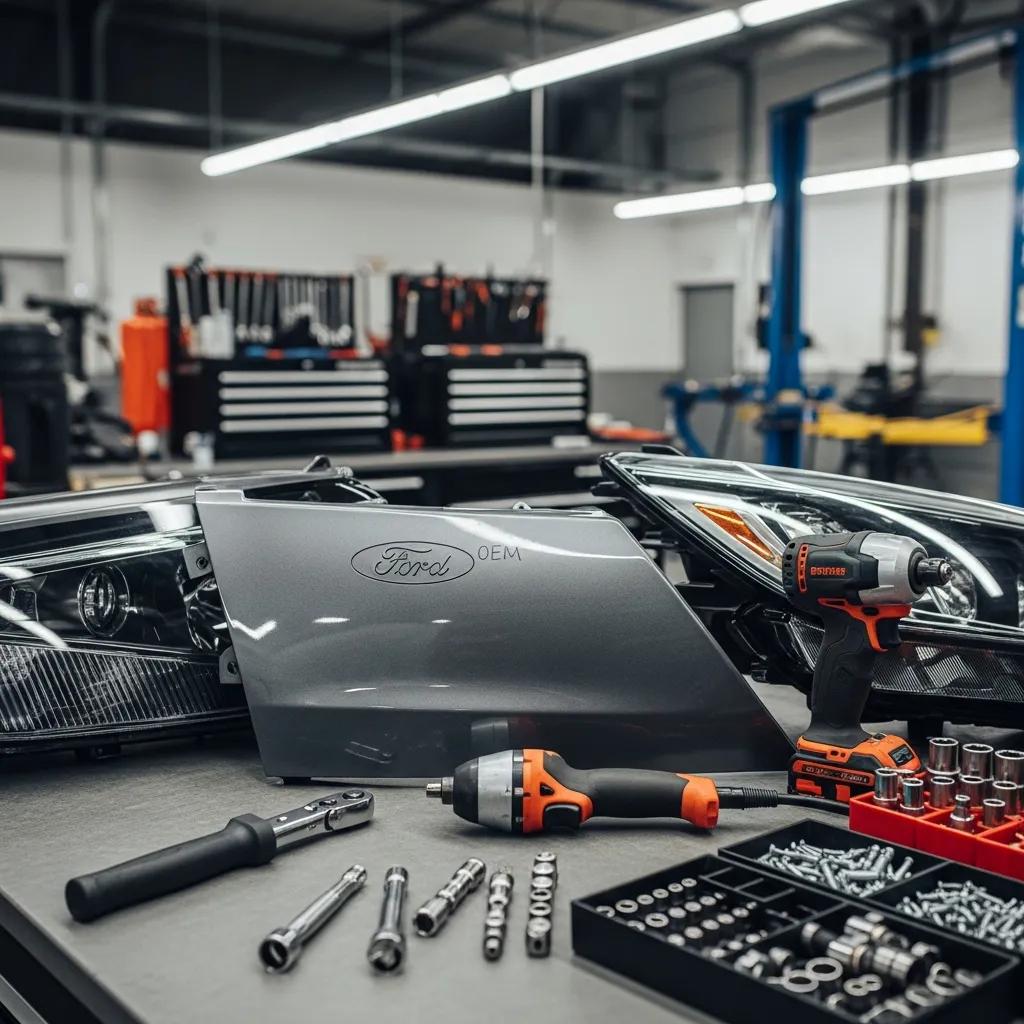
OEM certified repairs follow the manufacturer’s repair procedures, use specified parts and often require special equipment or calibration to restore factory safety and performance. OEM processes are built from crash testing and engineering data for each model; following them preserves designed deformation paths and airbag timing. For owners, the main benefits are documented warranty support, consistent material matching and corrosion protection, and stronger structural integrity after repair. Luxury and electric vehicles often require specialized techniques for aluminum, high‑strength steel and battery components, making certified shops essential for those platforms.
OEM‑certified repairs typically include:
- Genuine OEM parts or manufacturer‑approved equivalents used per the brand’s guidance.
- Repair steps that include structural measurement, welding specifications and corrosion protection.
- Documentation showing compliance with OEM recommendations for future owners and insurers.
Knowing OEM requirements leads into how I‑CAR Platinum training ensures technicians can apply those methods correctly.
How Does I-CAR Platinum Certification Ensure Quality Collision Repair?
I‑CAR Platinum shows a facility invests in ongoing training across technicians, estimators and management to keep up with current repair methods and evolving vehicle tech. The mechanism is continual education — technicians complete I‑CAR modules on structural repair, electronics, welding and ADAS — which reduces repair errors by aligning shop practices with manufacturer tolerances and safety priorities. The result is more predictable repair quality: Platinum shops are better prepared to diagnose complex damage, apply correct techniques and validate results with measurement and testing. For customers, a Platinum shop signals documented skill levels and up‑to‑date procedures, which supports safer, more reliable repairs.
I‑CAR training commonly covers structural analysis, aluminum repair, welding standards and ADAS recalibration — all areas that directly affect modern vehicle safety. That background helps explain how OEM‑certified service works locally and which brands need special care.
Understanding OEM Certified Collision Repair Services in Glendale
OEM certified collision repair focuses on three things: assessing damage against manufacturer criteria, using OEM parts or approved alternatives, and documenting quality assurance steps like structural measurement and system validation. The underlying mechanism is strict adherence to manufacturer repair procedures derived from engineering data — guidance on how panels, fasteners, adhesives and welds are restored. For Glendale drivers, this creates a repair path that supports warranty claims, maintains crash performance and lowers the chance of sensor or alignment failures after service. Certified work also often needs special tooling and parts ordering workflows to meet OEM standards, especially for luxury and electric vehicles.
Which brands a shop supports and what OEM certification means for each can vary. The table below compares common OEM expectations for three representative brands and explains the implications for parts, equipment and owner benefits.
This table compares OEM certification expectations across selected brands and explains why those differences matter for safety and warranty outcomes.
| Brand | OEM Certification Requirements | Owner Benefit |
|---|---|---|
| BMW | Follow manufacturer repair procedures, use specific tooling and calibrated alignment; certified parts often required for structural components. | Maintains safety systems and warranty; protects luxury resale value. |
| Tesla | Strict battery, structural and electrical procedures plus ADAS recalibration; parts and techniques are tightly prescribed. | Helps ensure EV battery safety and restored ADAS performance. |
| Mercedes-Benz | Detailed structural repair protocols, corrosion protection and factory paint‑match procedures using approved materials. | Preserves crash performance and premium finish quality. |
Because OEMs set different standards for parts, tooling and documentation, choosing a shop that can follow brand‑specific instructions is critical for safety and warranty preservation.
Next, we’ll walk through the practical workflow for OEM‑certified repairs so you know what to expect.
Which Vehicle Brands Do We Offer OEM Certified Repairs For?
Certified shops typically support a range of brands — mainstream and premium — by keeping access to OEM parts, special tooling and published repair procedures. Handling multiple brands means matching each repair to the OEM’s instructions: ordering specified parts, using required tools and performing any needed calibration or structural verification. The direct benefit is brand‑appropriate repairs that respect each maker’s materials and safety systems. Owners of luxury or electric vehicles should ask for OEM procedure documentation to confirm the shop can meet manufacturer expectations.
- BMW: Structural measurement and precise alignment for performance vehicles.
- Tesla: Battery‑safe procedures and ADAS recalibration for EV systems.
- Mercedes‑Benz: Corrosion protection and factory finish standards for premium fit and finish.
After confirming brand coverage, here’s how an OEM‑certified repair typically proceeds from estimate to delivery.
What Is the Process for OEM Certified Auto Body Repair?
OEM‑certified repairs start with a detailed damage appraisal and digital documentation of affected systems, then insurer coordination and authorization specifying OEM parts and procedures when needed. Accurate initial assessment catches structural, ADAS and hidden damage early so the right parts and tooling are ordered and repairs follow manufacturer tolerances. Typical steps include disassembly for inspection, structural repair or component replacement per OEM guidelines, paint and corrosion protection with approved materials, ADAS calibration, and final QA checks like alignment verification and system diagnostics. For owners, this means predictable timing and documented assurance that the vehicle meets manufacturer restoration criteria before you get it back.
A clear workflow for claim and repair coordination:
- Detailed damage appraisal with photos to document affected systems.
- Coordinate with the insurer and confirm OEM parts and procedures.
- Structural repair, parts installation, paint and corrosion protection per OEM methods.
- ADAS calibration and diagnostics to validate safety features.
- Final QA inspection, documentation and delivery to the owner.
These steps show how certified repairs protect safety and warranty, and how I‑CAR training helps technicians complete each step reliably.
I-CAR Certified Collision Repair: Expertise and Training Explained
I‑CAR certified repair emphasizes ongoing technician education so shop practices keep pace with changing vehicle designs, materials and electronics. The mechanism is structured curricula that keep technicians competent in structural repair, electronics and specialized materials. For customers, the benefit is tangible: I‑CAR‑trained technicians are better at diagnosing complex damage, choosing the right repair method and running verification tests that reduce rework and hidden failures. I‑CAR Platinum status reflects a facility‑wide commitment to training, combining individual certifications into coordinated organizational competence that aligns with OEM expectations and industry best practices.
Below is a simple table linking training areas to what technicians learn and the expected repair outcomes.
| Training Area | What Technicians Learn | Repair Outcome |
|---|---|---|
| Structural Repair | Frame measurement, use of jigs, welding procedures | Accurate alignment and restored crash performance |
| Aluminum Repair | Metal‑specific welding and fastening methods | Reduced distortion and correct bonding for lightweight parts |
| ADAS & Electronics | Sensor calibration and wiring diagnostics | Functional driver‑assist systems and validated safety checks |
This training‑to‑outcome mapping shows how I‑CAR education translates into better repairs and why Platinum certification matters for reliability.
Why Is I-CAR Platinum Certification Important for Technicians?
I‑CAR Platinum is the highest industry training recognition for collision facilities. It means technicians complete required learning paths across a broad set of repair functions and stay current as systems and materials evolve. The practical benefits are fewer repair variances, less risk of safety oversights and smoother communication with insurers and manufacturers on complex jobs. For owners, a Platinum rating is a good proxy for technician capability and a stronger expectation of correctly executed, documented repairs.
That assurance sets the stage for how trained staff deliver quality work in practice.
How Our I-CAR Certified Technicians Deliver Superior Repairs
Technicians following I‑CAR protocols use a disciplined workflow: precise measurement, OEM‑specified repair methods, then calibrated testing and documentation. That procedural rigor creates checkpoints that reduce the chance of missed damage. Technicians use measurement plates, follow welding and fastening criteria, and perform ADAS calibrations with manufacturer‑recommended tools and procedures to produce verifiable results. For customers, this means a repair process with built‑in validation, clearer progress updates and traceable records for warranty or resale questions — fewer surprises and better occupant protection.
Technician workflow checklist:
- Accurate initial measurements and digital documentation.
- OEM‑method structural repair and approved materials.
- ADAS calibration and diagnostic validation before delivery.
Those steps link training to outcomes and lead into how certified shops coordinate with insurers during claims.
Navigating Insurance Claims for Certified Auto Body Repair in Glendale
Insurance coordination matters after a collision because insurer authorization, parts approvals and payment flows determine whether OEM procedures are followed and how quickly repairs move. Certified shops present documented estimates, OEM repair instructions and calibration requirements to justify parts and labor that match manufacturer standards. The benefit to you is a better chance of keeping OEM procedures in the claim, clearer documentation for disputes and smoother timelines when the shop specializes in certified repairs. Knowing how insurers typically work with certified facilities helps you advocate for correct repairs and avoid pitfalls like aftermarket‑only approvals for safety‑critical components.
Typical insurer coordination steps:
- The shop provides a detailed estimate and OEM‑specific repair plan to the insurer.
- The insurer reviews the estimate, authorizes work and confirms parts and procedures (or provides a reasoned denial).
- The shop orders OEM parts or approved alternatives and proceeds with documented repairs once authorized.
- After repairs, the shop submits diagnostics and quality documentation to the insurer for final payment and records.
These steps show how certification and documentation support insurer acceptance and how to protect your repair choices.
How Do Insurance Companies Work with Certified Collision Centers?
Insurers evaluate detailed appraisals against your policy and will often accept certified shops’ OEM repair plans when presented with manufacturer procedures and parts justification. The process is review and authorization — insurers may request extra information for complex damage or ADAS work to ensure payments align with coverage. Certified shops can supply the technical documentation and diagnostics insurers need, reducing back‑and‑forth and increasing the chance of full‑scope repairs. Many certified centers act as an intermediary, explaining OEM requirements and helping secure approvals for safety‑critical items.
Checklist to speed insurer review:
- Provide comprehensive photos and an initial certified shop appraisal.
- Ask the shop to submit OEM repair procedure references where applicable.
- Request written insurer authorization before parts are ordered.
Being prepared helps you assert your repair choices and protects your vehicle. Next, know your rights when selecting a repair facility.
What Are Your Rights When Choosing Certified Auto Body Repair?
In most cases you have the right to choose your repair facility and to request OEM parts or manufacturer‑recommended procedures depending on your policy and state rules. That right protects consumer choice and safety. By exercising it, you can insist on certified repairs that preserve safety systems and provide documented warranty pathways, and you can escalate disputes if an insurer limits work to non‑OEM methods without valid reason. Recommended actions include requesting written estimates, keeping copies of all paperwork and asking the shop to communicate directly with your insurer to clarify OEM needs. Knowing and asserting these rights raises the chance your vehicle will be repaired to the right standard.
- The right to choose a repair facility and decline insurer “preferred” shops if you prefer.
- The right to request OEM parts or documented equivalents where policy allows.
- The right to dispute insurer decisions and request independent appraisals if needed.
Understanding these rights prepares you for the technical side of modern repairs, especially ADAS calibration and structural work.
Advanced Repair Technologies: ADAS Calibration and Structural Repairs
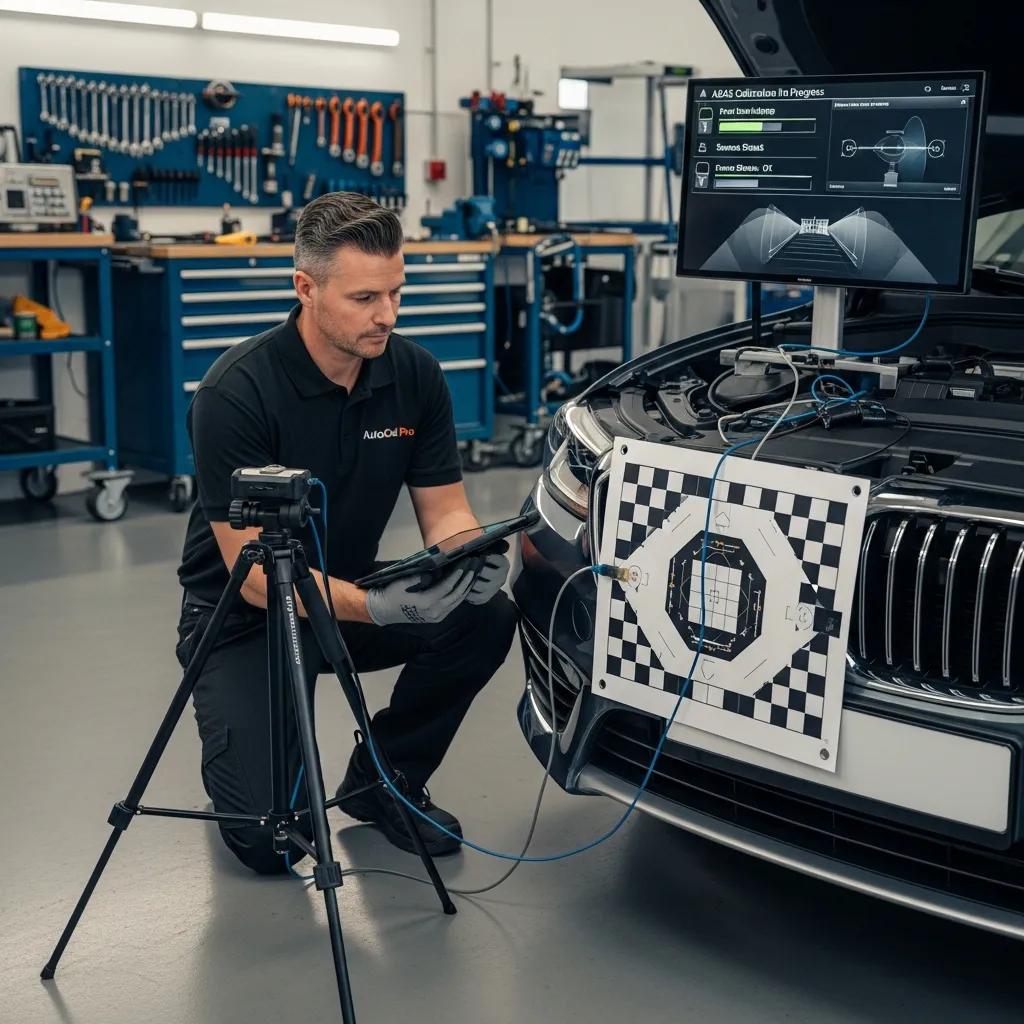
Modern collision repair increasingly requires specialized procedures — most notably ADAS calibration and precise structural work — because these systems are integral to safety and performance. The mechanism is systems integration: cameras, radar, lidar and sensors are part of driver‑assist networks whose alignment and software mapping must be restored to OEM tolerance to work correctly. The benefit is simple: properly calibrated ADAS and accurately measured structural repairs reduce sensor errors and preserve crash performance, which is critical for occupant safety and legal liability. Certified shops combine training, measurement tools and checklists to manage these complex repairs and document outcomes for owners and insurers.
The table below compares common ADAS components, calibration needs and their safety impact so you understand why calibration is non‑negotiable.
| ADAS Component | Calibration Requirement | Safety Impact |
|---|---|---|
| Front Camera | Static or dynamic recalibration after windshield or bumper work | Keeps lane‑keeping and traffic sign recognition accurate |
| Radar | Dynamic calibration with a test drive or target arrays | Maintains adaptive cruise and collision mitigation performance |
| Lidar | Manufacturer‑specific alignment and diagnostics | Supports object detection and advanced EV features |
Different sensors need different calibration methods and verification steps. Certified shops follow OEM‑recommended calibration types to validate system performance.
Why Is ADAS Calibration Critical After a Collision?
ADAS calibration matters because sensor misalignment or incorrect software mapping can make features like automatic emergency braking, lane‑keeping and adaptive cruise work unpredictably or fail, directly impacting road safety. Small offsets in camera or radar geometry can change detection zones and reaction timing, reducing collision avoidance effectiveness. Proper calibration restores the dependability of active safety systems and provides documented proof they operate within OEM tolerance. Professional calibration and diagnostic verification give you confidence these systems will perform as intended.
Typical calibration steps:
- Identify affected sensors during inspection and disassembly.
- Perform static or dynamic calibration per OEM instructions with specialized tools.
- Validate results with diagnostics and a test drive to confirm real‑world performance.
With calibration covered, here’s how certified shops approach structural and aluminum repairs that often accompany ADAS work.
How Do Certified Shops Handle Structural and Aluminum Repairs?
Certified shops follow OEM measurement targets, approved welding and bonding techniques, and manufacturer‑specified fasteners and corrosion protection. The mechanism is strict adherence to engineering data and material‑specific procedures. Aluminum needs controlled heat input, specified filler material and special inspection criteria to avoid weakening joins; high‑strength steels require calibrated heating and measurement protocols. The main benefit is that correct, material‑specific repairs preserve designed deformation paths and sensor mounting integrity, supporting overall crashworthiness. Certified facilities document measurements and procedures so future owners and insurers can verify the work met OEM requirements.
Aluminum/structural repair checklist:
- Use OEM‑specified jigs and measurement plates for frame alignment.
- Apply manufacturer‑approved welding or bonding techniques for aluminum joins.
- Run post‑repair diagnostics and physical inspections to confirm structural tolerances.
These practices tie back to training and QA processes that protect occupants and warranty status.
Customer Trust and Warranty: Why Certified Repairs Matter in Glendale
Certified repairs matter because they provide traceable proof that work was done using OEM procedures and trained personnel, which preserves safety, warranty rights and resale trust. The mechanism is documentation: certified shops record parts, procedures, calibration reports and technician credentials to demonstrate compliance with manufacturer and industry standards. For Glendale owners, that traceability means reduced long‑term risk, clearer title history for resale and better recourse if safety or warranty issues arise later. Trust grows when shops show visible certifications, share transparent documentation and communicate clearly about repair steps and verification testing.
Trust‑building elements customers should expect:
- Clear documentation of parts, repair procedures and ADAS calibrations.
- Open communication about timelines, insurer interactions and any OEM exceptions.
- Written proof of technician training such as I‑CAR Platinum and any OEM alignments.
These elements show how certified repairs protect both safety and value. Next, how certification ties to warranty protection and customer experience.
How Does Certified Repair Protect Your Vehicle’s Warranty and Safety?
Certified repair protects warranty and safety by following OEM methods so you don’t risk voiding warranty terms tied to structural or electronic components. The mechanism is documented compliance — when repair procedures, parts and calibration records are kept, owners can show they followed manufacturer expectations if questions arise. The benefit is twofold: immediate safety from correct repairs and longer‑term protection for warranty coverage and resale value. For airbags, sensors and structural members, certification and documentation prove work met factory standards.
Next, hear what local customers say about certified collision service.
What Do Glendale Customers Say About Our Certified Collision Services?
Local customers consistently praise clear communication, repair quality and the value of documented procedures when choosing certified collision services. Common themes in feedback include accurate timelines, visible verification testing and confidence in warranty protections. These recurring comments build community trust: documented calibration and OEM‑method structural work reduce surprises and make it easier to verify repair legitimacy. Many customers say certified work eased the stress of insurer negotiations and gave them peace of mind about safety.
When you’re ready to find certified service in the area, Prime Time Collision Center is a local provider with I‑CAR Platinum Certified Technicians and OEM Certified Repair capabilities. We work with all major insurance companies and offer Free 24/7 Towing, Free Estimates and a Lifetime Warranty on Repairs. We serve Glendale, Burbank, Pasadena and Los Angeles. Call us at (818) 396-4997 or visit 6010 San Fernando Rd, Glendale, CA 91202 for an in‑person estimate and repair coordination.
Ready to move forward? Follow these practical next steps:
- Take photos and get a police report if applicable, then request a detailed estimate from a certified shop.
- Ask the repair facility to document OEM procedures, ADAS calibration steps and provide written warranty terms.
- Confirm insurer authorization for OEM parts and procedures and get written approvals to prevent later disputes.
Those steps make certification actionable and help preserve safety, warranty and resale confidence.
Frequently Asked Questions
What should I look for when choosing a certified auto body repair shop?
Look for clear certifications (I‑CAR Platinum, OEM authorizations for your brand), positive customer reviews, and visible shop equipment for advanced repairs. Ask about warranties and what documentation they provide for parts, procedures and ADAS calibration — that paperwork matters for resale and warranty issues.
How can I ensure my vehicle’s warranty is protected during repairs?
Choose a certified shop that follows OEM procedures and uses genuine or OEM‑approved parts. Request written documentation of parts and procedures used. Work with your insurer to approve OEM methods up front and keep copies of all repair records to protect your warranty rights.
What is the typical timeline for OEM certified auto body repairs?
Timelines vary with damage severity and parts availability. An initial appraisal takes a few hours; once authorized, repairs can take days to weeks depending on complexity and calibration needs. Certified shops provide an estimated timeline but unforeseen damage or part delays can extend the job.
Are aftermarket parts acceptable for certified repairs?
Aftermarket parts may be used in some cases, but parts must meet OEM specifications to protect safety and warranty. For safety‑critical components, OEM parts or manufacturer‑approved equivalents are usually recommended. Always confirm with your repair shop which parts they plan to use.
What happens if my insurance company denies coverage for OEM repairs?
If insurance denies OEM coverage, review your policy for applicable language and gather documentation from your certified shop showing why OEM parts/procedures are necessary. You can request an independent appraisal or contact your state insurance regulator for help resolving disputes.
How do I prepare for a visit to a certified auto body repair shop?
Bring your insurance policy, accident details and any police reports. Take clear photos of the damage and make a list of questions about parts, procedures and warranties. This prep helps you communicate clearly and speeds up the estimate process.
Conclusion
Choosing certified auto body repair in Glendale helps restore your vehicle to factory safety and performance standards while protecting warranty and resale value. With I‑CAR Platinum‑trained technicians and strict adherence to OEM procedures, you can trust your vehicle is in capable hands. Choose certified repairs to protect your investment and gain real peace of mind on the road. Contact Prime Time Collision Center today to schedule your free estimate and see the difference certified service makes.