Certified Collision Repair Near Me — How to Choose the Best Auto Body Shop in Glendale, CA
We know how stressful an accident can be. Finding a trustworthy collision repair expert shouldn’t add to that stress. This guide walks you through the key things to look for when searching for certified repair specialists nearby — qualifications, important certifications, and how to assess the repair process so your car is returned safely and correctly.
Many owners worry whether their vehicle will be restored to its pre-accident condition. Choosing certified collision repair pros helps protect your car’s safety, appearance, and value. Below we cover technician qualifications, how to evaluate insurance-approved shops, specialized services to watch for, and why OEM certification matters.
What Defines a Certified Collision Repair Expert Near Me?
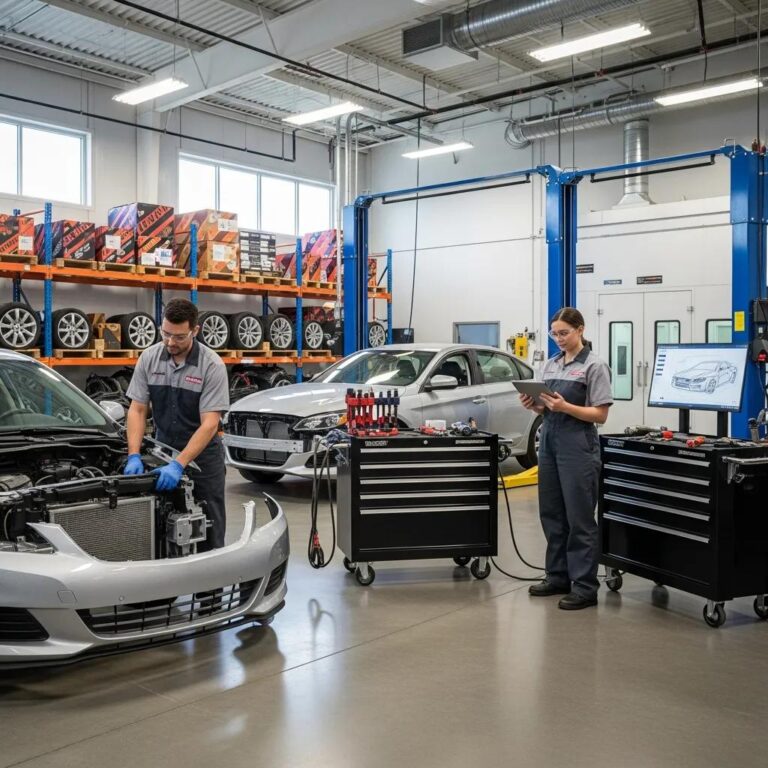
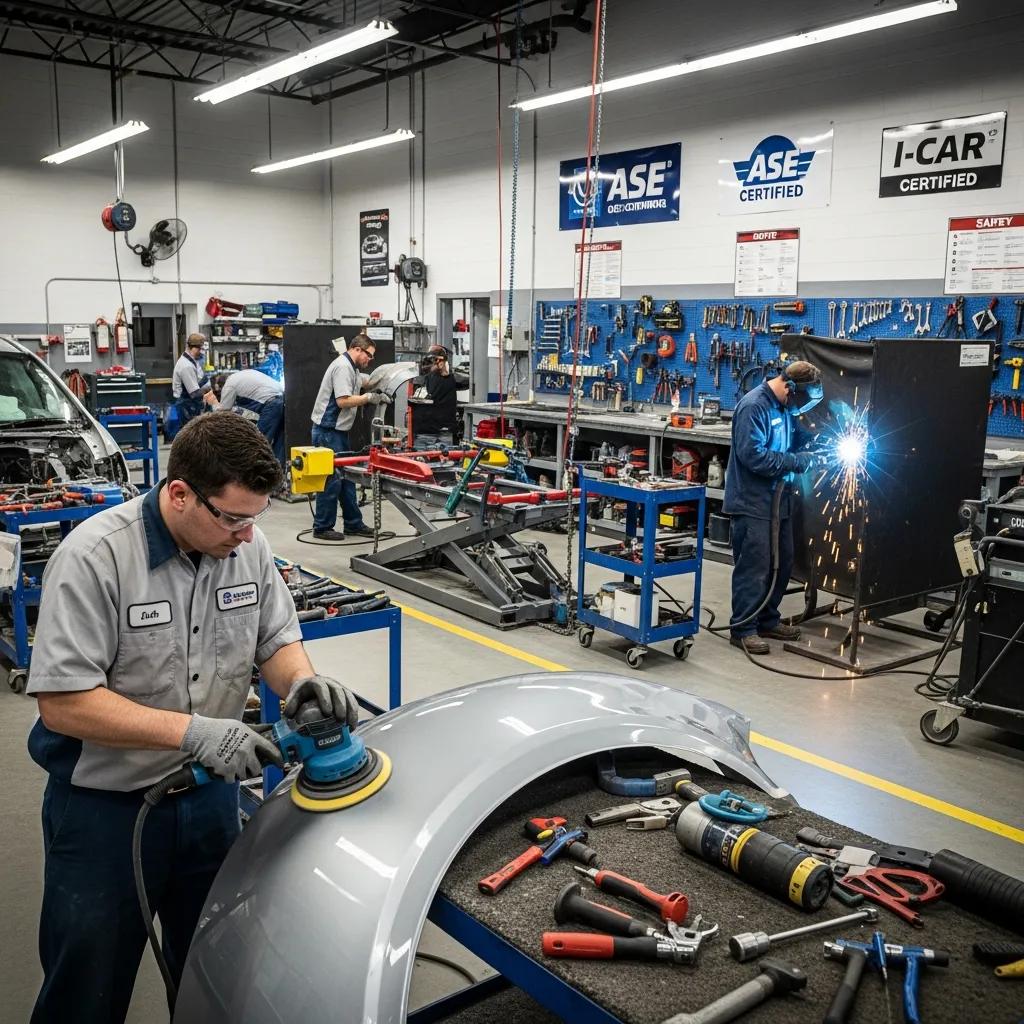
A certified collision repair expert has formal training and recognized certifications that prove they know how to repair vehicles to industry standards. Certifications like I-CAR Gold Class or OEM-specific approvals show a shop follows recommended repair procedures and uses the right tools and parts. That skill and training directly affect repair quality and vehicle safety.
These credentials do more than look good on a wall — they give you confidence that technicians follow current repair methods and safety protocols. When you understand what those certifications mean, you can choose a shop that will return your vehicle to safe, reliable condition.
Strong training and certification programs for auto repair are recognized around the world as a foundation for consistent, high-quality service.
International Standards for High-Quality Auto Repair
Studies comparing international systems note that the U.S. model of specialized repair shops, Germany’s Vehicle Technician Meister training, and Japan’s system for recognizing high-quality repair businesses are useful models to consider.
해외 자동차정비제도 현황 분석을 통한 국내 제도 개선방안 연구, 2020
Why Are I-CAR Gold Class and OEM Certifications Crucial for Quality Repairs?
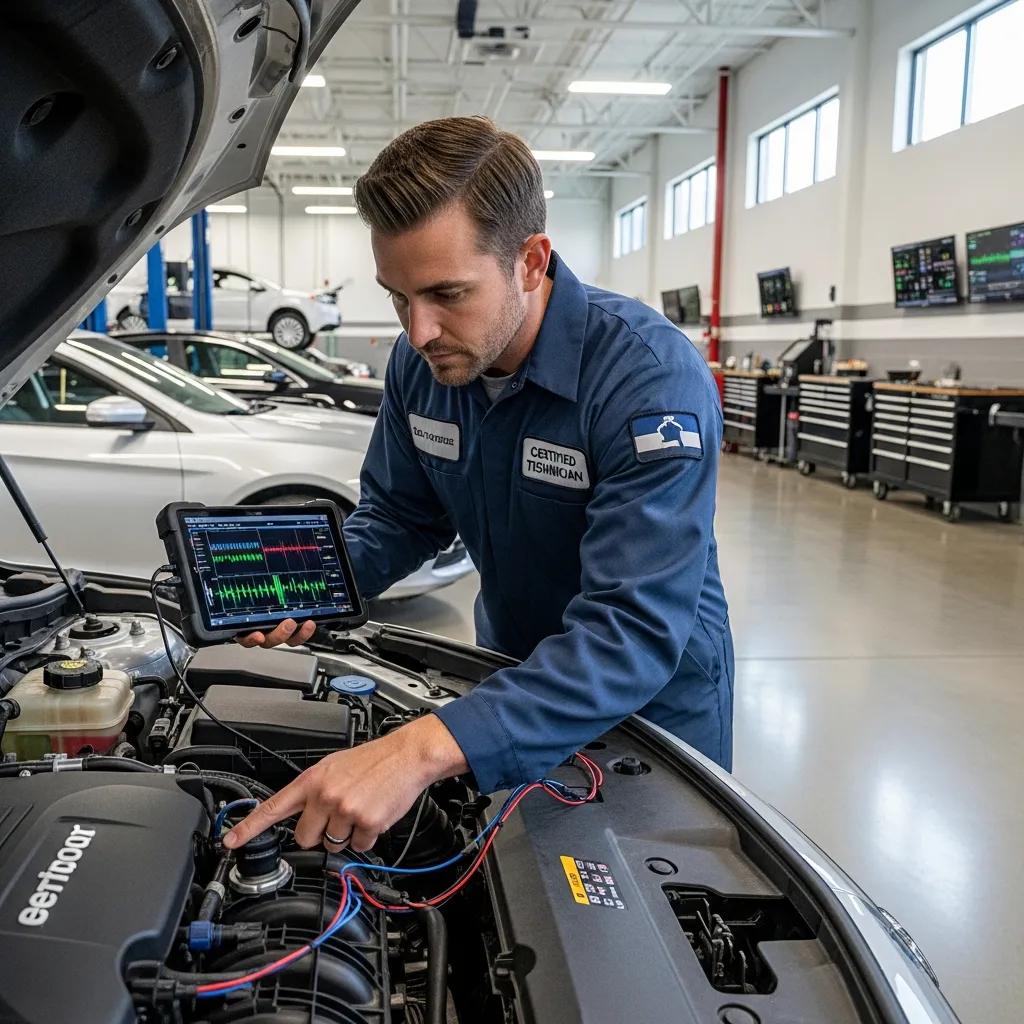
I-CAR Gold Class means a technician or facility has completed extensive, up-to-date training in collision repair techniques. It’s a sign they know current methods for structural, mechanical, and safety-related repairs. OEM (Original Equipment Manufacturer) certifications show a shop works to the vehicle maker’s standards and uses genuine or approved parts — important for warranty and performance.
Those certifications boost customer confidence because they indicate technicians follow proven procedures and use appropriate parts. That trust often translates to better results and a smoother experience for vehicle owners.
How Do Certified Technicians Ensure Reliable Collision Repair?
Certified technicians maintain their skills through ongoing training and follow industry standards during every repair. That includes updated techniques, safety procedures, and the correct use of diagnostic and repair equipment. Regular training helps technicians handle new vehicle technologies and materials safely and effectively.
Many of these training programs are built on formal skill standards created by organizations focused on automotive education and workforce readiness.
NATEF Skill Standards for Collision Repair Technicians
These standards outline what students should know and be able to do after completing an advanced collision repair program, organized by the technical areas defined by the National Automotive Technical Education Foundation (NATEF).
Collision Repair Technology Skill Standards Grades 9-14., 2006
Certified shops also follow strict repair protocols — from disassembly and structural checks to paint and reassembly — to reduce mistakes and protect vehicle safety systems. Choosing certified technicians lowers the risk of overlooked damage and helps ensure your vehicle is restored correctly.
How to Evaluate the Collision Repair Process at an Insurance Approved Collision Center?
Evaluating an insurance-approved collision center means looking for a clear, step-by-step process from estimate to final delivery. A trustworthy center will be transparent, explain what’s needed, and keep you informed throughout the repair.
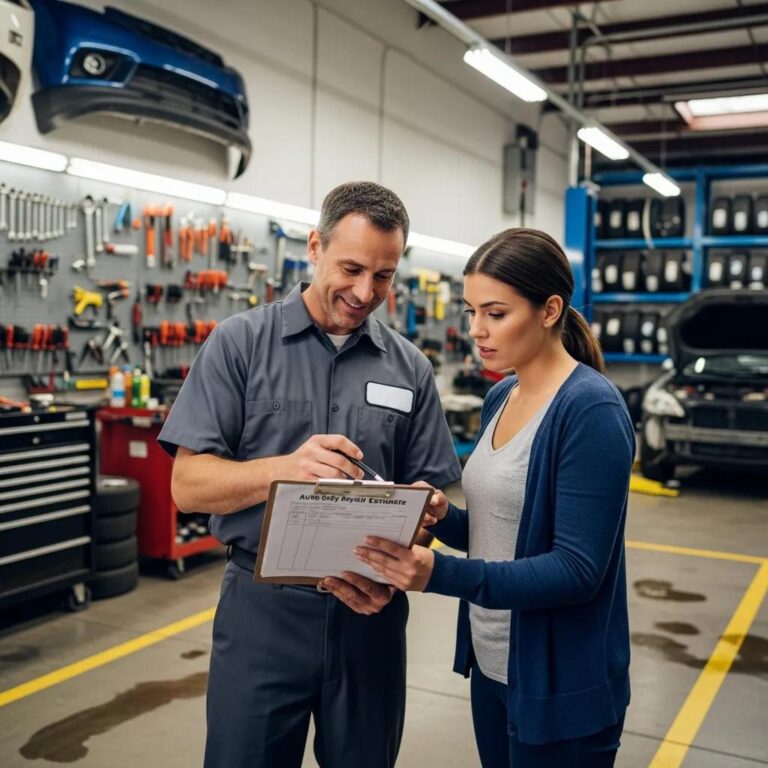
Free estimates are an important first step. A good estimate lists required work, parts, and labor, plus a realistic timeline. That level of detail helps you compare shops and avoid surprises down the road.
What to Expect from Free Estimates to Final Vehicle Delivery?
A free estimate should spell out the repairs, parts, and labor, and give a target completion date. The shop should notify you of any changes to cost or timing as work progresses. At delivery, expect a careful walk-through of the finished repairs so you can confirm everything meets your expectations before you drive away.
Clear communication at each milestone — estimate, repair, inspection, and delivery — is a strong sign of a quality collision center.
How Does Seamless Insurance Claim Assistance Simplify Your Repair Experience?
Many collision centers offer insurance-claim support to take the paperwork off your plate. A shop familiar with insurance processes can speed approvals and reduce back-and-forth, helping get repairs started sooner. That support is especially helpful if you’re already dealing with an insurance adjuster and unfamiliar forms.
Having a dedicated claims coordinator lets you focus on getting back on the road while the shop handles estimate approvals and insurer communication.
What Specialized Collision Repair Services Should You Look For?
Look for a shop that offers the specific services your vehicle needs. Not all shops handle every type of repair, so confirm they have experience with structural work, paint matching, ADAS systems, and any special materials your vehicle uses.
Common specialized services include frame straightening, dent repair, refinishing, and ADAS calibration — all critical to returning a vehicle to safe, factory-level performance.
Why Is ADAS Calibration Essential After a Collision?
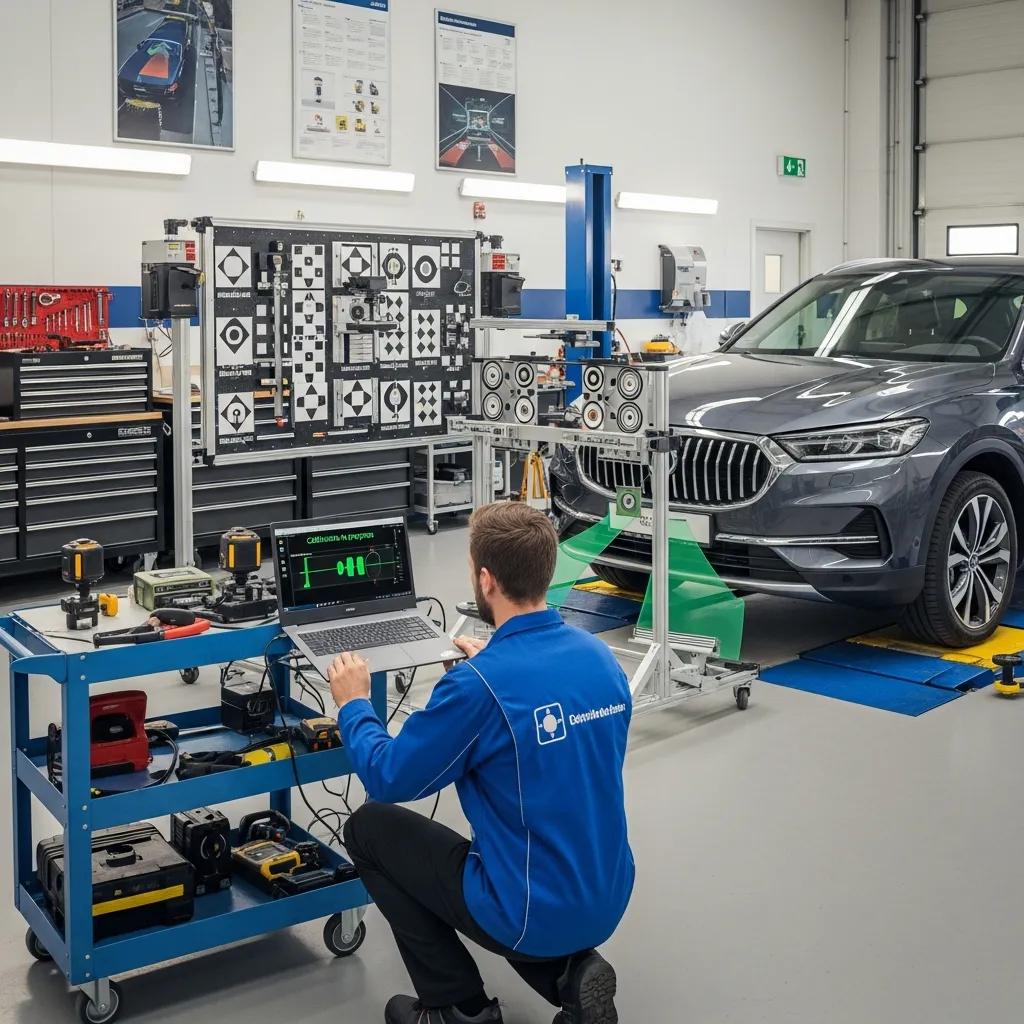
ADAS systems — like lane assist, adaptive cruise, and automatic braking — depend on precise sensor alignment. After a collision, those sensors can be off, which may reduce safety system effectiveness. Proper ADAS calibration restores sensor accuracy so safety features work as intended.
Many reputable shops include ADAS checks and calibration as part of their collision repair process to protect both safety and performance.
How Do EV Collision Repairs Differ from Traditional Vehicle Repairs?
Electric vehicles use different components and high-voltage systems, so repairs require special training and safety protocols. Technicians must know how to handle batteries, electric drivetrains, and lightweight materials like aluminum and composites. Those differences affect repair methods, tools, and safety procedures.
Choose a shop with documented EV experience and the proper equipment to ensure safe, correct repairs for electric vehicles.
Why Choose an OEM Certified Auto Repair Shop in Glendale, CA?
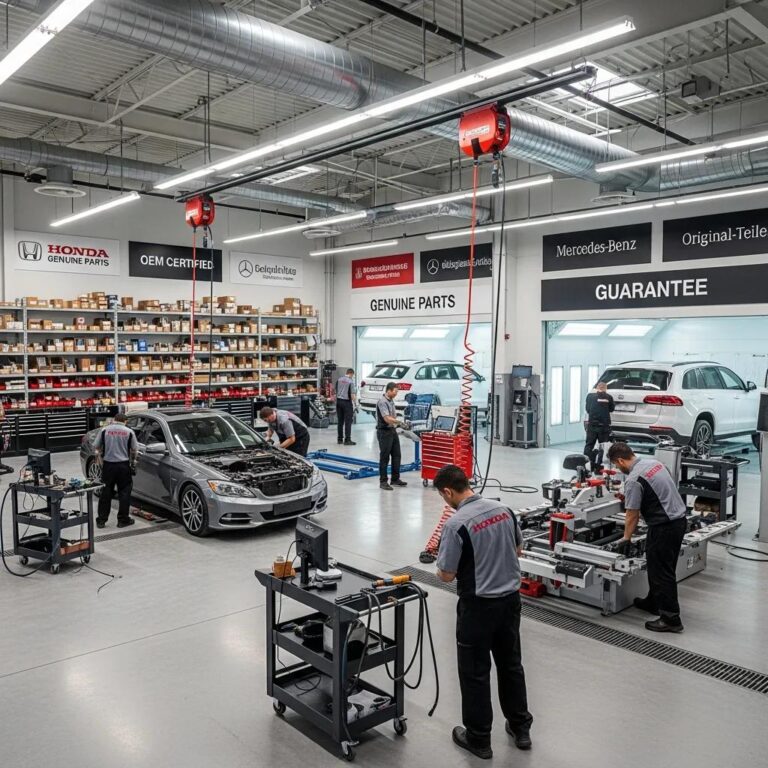
OEM-certified shops follow manufacturer repair procedures and use genuine or approved parts, helping preserve your vehicle’s warranty, safety, and long-term performance. That adherence to factory standards matters when you want repairs done right.
OEM-certified facilities also invest in training and technology so technicians can handle modern vehicle systems. That investment shows a commitment to quality repairs that meet or exceed maker specifications.
How Do OEM Certified Repairs Maintain Your Vehicle’s Factory Standards?
OEM-certified repairs follow manufacturer guidelines and use approved parts to restore original function and safety. That approach helps maintain the vehicle’s performance, preserves warranty coverage where applicable, and protects resale value.
When you opt for an OEM-certified shop, you’re choosing repairs that aim to return the vehicle to the maker’s intended standards.
What Are the Benefits of a Lifetime Warranty on Collision Repairs?
A lifetime warranty on repairs gives long-term peace of mind. These warranties typically cover workmanship and materials, so if an issue arises related to the repair, the shop will address it at no extra charge.
Offering a lifetime warranty shows a shop stands behind its work and values customer confidence — an important factor when selecting where to have major repairs done.
How to Identify the Best Auto Body Shop Glendale CA for Your Collision Repair Needs?
Finding the right shop starts with research: read customer reviews, check certifications, and tour the facility if possible. Look for clear estimates, open communication, and staff who can explain the repair process in plain language.
Also confirm the shop’s certifications and industry affiliations — reputable shops will share that information and discuss it with you.
What Role Do Customer Testimonials and Reviews Play in Choosing a Shop?
Reviews tell you how past customers experienced a shop’s communication, repair quality, and follow-through. Pay attention to consistent praise or recurring complaints — patterns are more telling than a single review. A steady record of satisfied customers is a good sign of reliable service.
Look for examples that match what matters to you: fast turnaround, clear updates, quality paint matching, or excellent warranty support.
How Does Advanced Equipment and Technology Impact Repair Quality?
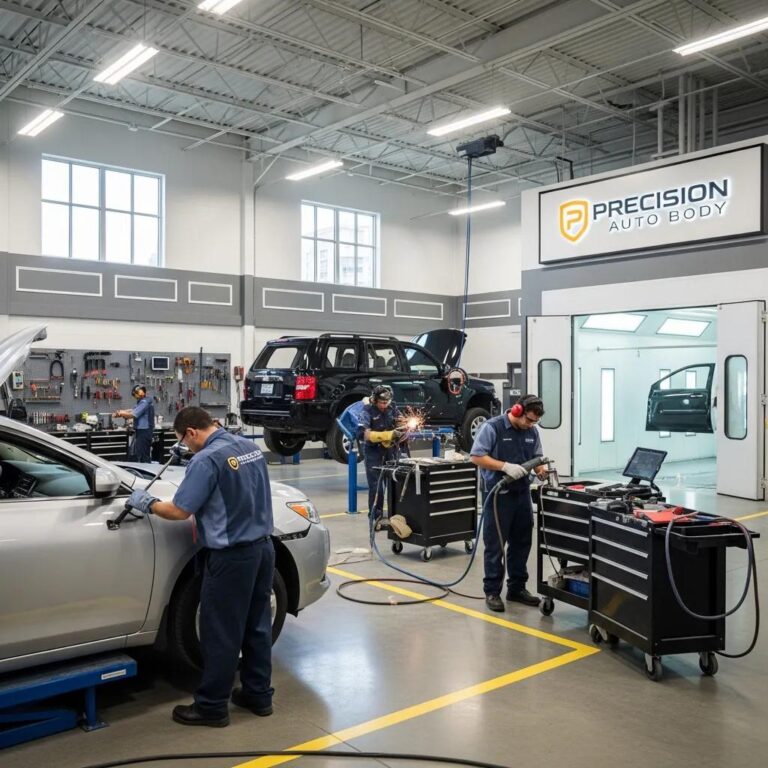
Shops with modern tools and diagnostic equipment can diagnose damage more completely and perform repairs more precisely. Investing in up-to-date technology shows a shop is prepared to handle today’s complex vehicle systems and materials.
Better tools and training often lead to faster, more accurate repairs and fewer surprises after delivery.
The table above highlights common specialized services and their benefits — comprehensive repairs matter when safety, appearance, and value are on the line.
In short, choosing a certified collision repair expert helps ensure your vehicle is returned to safe, factory-level condition. Understand the qualifications, evaluate repair processes, and prioritize OEM-certified shops to get the best outcome and lasting peace of mind.
Frequently Asked Questions
What should I look for in customer reviews when choosing a collision repair shop?
Focus on specific details: repair quality, communication, timeliness, and how the shop handled follow-up issues. Look for consistent praise or recurring problems across multiple reviews. A large number of positive, detailed reviews is more reliable than a few brief ones.
How can I ensure my vehicle’s warranty remains intact after repairs?
Use an OEM-certified shop or one that documents use of genuine or manufacturer-approved parts and procedures. Ask for written proof of parts used and the repair methods, and keep that documentation with your service records.
What are the signs of a reputable collision repair shop?
Look for certifications, clear and detailed estimates, good customer reviews, transparent communication, warranties on work, and a clean, organized facility with trained staff who explain repairs clearly.
How important is it to ask about the repair timeline?
Very important. A clear timeline helps you plan and shows the shop is organized. Ask about possible delays and how you’ll be notified if the schedule changes.
What should I do if I’m not satisfied with the repair work?
First, raise the issue with the shop and document your concerns. A reputable center will work to correct problems. If the shop won’t resolve it, keep records and consider escalating to your insurer, a consumer protection agency, or the Better Business Bureau.
Are there any specific certifications I should look for in a collision repair shop?
Yes — I-CAR Gold Class and OEM certifications are key indicators of trained technicians and manufacturer-aligned repair practices. Also check for affiliations with recognized industry organizations and evidence of ongoing technician training.
Conclusion
Choosing a certified collision repair expert is the best way to protect your vehicle’s safety, appearance, and value after an accident. Know what certifications matter, inspect the repair process, and prioritize OEM-certified shops for the most reliable results. When you’re ready, contact a trusted collision center to discuss your vehicle and begin the repair process with confidence.