Common Habits That Quietly Wear Out Your Car — Simple Driving Changes to Cut Repairs and Keep Your Vehicle Lasting Longer
Small, repeated driving habits add up — and they often show as costly repairs or reduced safety long before you expect. This guide walks through the everyday behaviors that damage engines, brakes, transmissions, suspension, tires, and fuel systems, and it gives practical, easy-to-follow steps to prevent those problems. You’ll learn which habits to break, the early warning signs to watch for, and when it’s time to get a professional diagnostic or an OEM-quality repair. Each section explains the damage mechanism, common symptoms, and likely repair consequences so you can spot trouble early and act before a minor issue becomes major. We cover engine, transmission, suspension and tires, fuel system, and general maintenance behavior, then finish with advice on inspections and certified repairs to restore safety and longevity. Keep reading to pinpoint the habits costing you money and discover simple changes that extend your car’s life.
What Are the Most Common Driving Habits That Damage Your Car?
Most car damage is repeatable — it comes from habits that continually stress a specific component. Heat, friction, and contaminated fluids are frequent culprits across engines, brakes, transmissions, suspension, tires, and fuel systems. Below is a compact top-five list of the highest-impact habits with a one-line cause and a practical prevention tip for each, so you can spot and stop damaging behavior fast.
- Revving a cold engine: Oil doesn’t circulate fast enough at cold temperatures, increasing metal-on-metal wear; prevent by idling briefly and driving gently until the engine warms.
- Riding the brakes: Continuous light pressure generates heat that warps rotors and wears pads faster; prevent by giving more following distance and using engine braking where possible.
- Running on low fuel: The pump runs hotter and can pull sediment into filters; prevent by keeping fuel above reserve and replacing filters on schedule.
- Hitting potholes or curbs: Impacts transfer force into rims, tires, and suspension components; prevent by slowing, avoiding hazards when safe, and steering clear of deep potholes.
- Skipping routine maintenance: Small issues compound into major failures when service is deferred; prevent by following manufacturer intervals and getting prompt diagnostics.
That list highlights the systems most at risk and quick first steps to correct behavior. The sections that follow dig into how two of these habits — revving a cold engine and riding the brakes — damage parts, why it matters, and what to look for.
How Does Revving a Cold Engine Cause Premature Engine Wear?
Revving a cold engine speeds wear because oil takes time to warm up and flow. Cold oil is thicker and circulates more slowly, so sudden high RPMs can leave bearings, camshafts, and valve train parts under-lubricated. That increases microscopic abrasion and accelerates long-term wear. Common signs include ticking or knocking during warm-up, worse fuel economy, and quick oil discoloration. Left unchecked, these symptoms can lead to bearing damage and expensive engine work. The fix is simple: let the engine idle a short moment, avoid high RPMs until the temperature gauge nears normal, and drive gently for the first few miles so oil and cooling systems stabilize.
Why Is Riding the Brakes Harmful to Your Brake System?
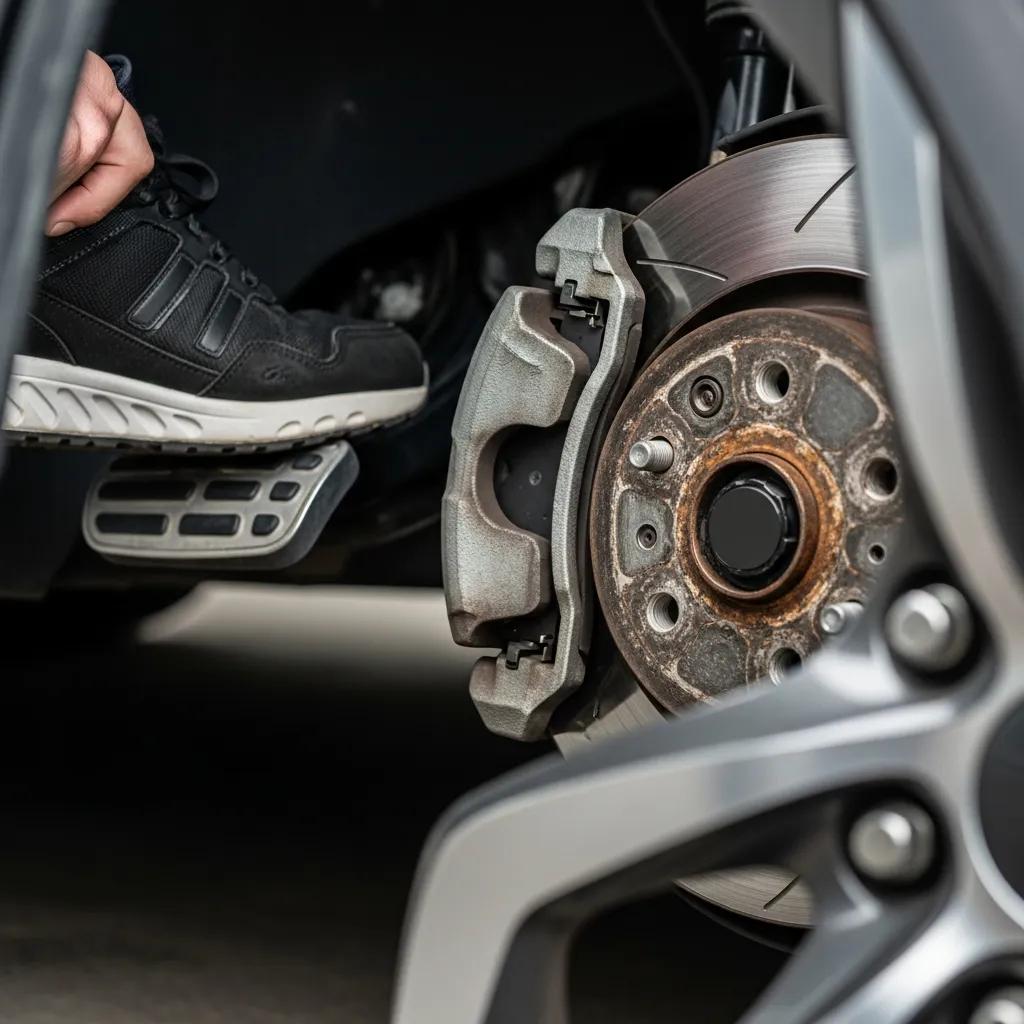
Riding the brakes keeps pads in light contact with rotors and produces continuous heat that shortens component life. That heat causes pads to glaze, rotors to warp, and — in severe cases — brake fluid to boil, which reduces braking effectiveness. You may notice a burning smell after long downhill driving, a soft or spongy pedal, or vibration and pulsing when you brake. These symptoms point to worn pads, warped rotors, or contaminated brake fluid and mean it’s time for inspection or service. Prevent this by keeping a safe following distance, using a lower gear for descents to rely more on engine braking, and having brakes checked if performance drops.
After covering engine and brake damage, it’s worth looking at how shifting and clutch habits also shorten transmission life and harm drivability.
Prime Time Collision Center inspects wear caused by these common habits and offers OEM-grade diagnostics and repair options. Our I‑CAR Platinum certified technicians read wear patterns, find early signs of component failure, and recommend targeted services to restore performance. If you’re in Glendale or nearby, call Prime Time Collision Center at (818) 396-4997 or stop by 6010 San Fernando Rd, Glendale, CA 91202 to schedule a free estimate and professional inspection. Early diagnostics often lower total repair cost and help ensure repairs meet factory standards.
How Do Transmission-Damaging Habits Affect Your Vehicle’s Performance?
Transmission damage from bad habits builds over time but often shows early as drivability problems that affect safety and comfort. Improper shifting, aggressive launches, riding the clutch, and ignoring fluid checks raise operating temperatures, wear synchros and gears prematurely, and stress mounts and seals. Early signs include slipping, delayed or rough engagement, grinding in manuals, and visible fluid leaks. Acting quickly with a diagnostic can prevent a rebuild. The next two subsections explain how sloppy shifting and resting pressure on controls directly harm transmission and clutch systems.
What Are the Effects of Shifting Gears Improperly on Transmission Health?
Shifting improperly — forcing shifts, not fully releasing the clutch, or choosing the wrong gear speed — stresses synchros and gear teeth and accelerates wear or chipping. In manuals, grinding during shifts usually signals worn or failing synchros; ignored, this can lead to hard engagement or total failure. In automatics, aggressive, rapid changes overheat fluid and damage clutch packs. Warning signs include unusual noises during shifts, delayed engagement, and slipping. If you see these, check fluid level and condition and schedule a professional transmission diagnostic. Proper technique — matching engine speed, fully engaging and releasing the clutch, and avoiding aggressive shifts — reduces mechanical stress and lengthens transmission life.
Why Does Resting Your Hand on the Gearstick or Foot on the Clutch Cause Wear?
Resting your hand on the gearstick or keeping your foot partially on the clutch applies tiny, constant pressure to linkage and the release bearing. Over time that micro-pressure causes clutch slippage, premature bearing wear, and linkage misalignment, which leads to rough engagement and extra heat in the clutch assembly. You might notice the clutch biting higher than usual, a shorter clutch life, or the need for frequent adjustments. The remedy is behavioral: keep both hands on the wheel except when shifting and rest your foot beside, not on, the clutch when it’s not in use.
To connect shifting habits with maintenance, here are the transmission warning signs and immediate steps to take.
- Grinding or crunching during shifts: Have the clutch and synchronizers inspected promptly.
- Delayed engagement or slipping: Check fluid level and condition, then schedule a diagnostic.
- Unusual noises or visible leaks: Stop driving if severe and arrange an inspection to prevent more damage.
These precautions help drivers catch transmission issues early and reduce the chance of major repairs. Next we’ll look at suspension and tire damage from road impacts and loading.
Which Driving Practices Lead to Suspension and Tire Damage?
Suspension and tire problems come from both single impacts and ongoing habits that alter alignment, damping, and tire health. Potholes, curbs, and speed bumps send concentrated forces through the wheel into struts, control arms, and bushings, while underinflation or overloading causes uneven wear and extra stress on springs. Watch for bulges, vibration, pulling to one side, uneven tread wear, and reduced ride comfort; quick checks for alignment, rim damage, and suspension play can prevent more extensive repairs like strut or wheel-bearing replacement. The next sections break down immediate pothole damage and the cumulative effects of overloading, followed by an easy EAV table for comparison.
How Does Hitting Potholes and Speed Bumps Impact Suspension and Tires?
A hard hit from a pothole can cause a tire sidewall bulge, bend a rim, or throw alignment out of spec; repeated impacts speed up wear on shocks, struts, and mounting bushings. The shock travels from the wheel into bearings, ball joints, and control arms — drivers may notice vibration, pulling, or a new knocking sound after an impact. Immediately inspect tires for cuts or bulges, check rims for dents, and test alignment; if symptoms continue, get a professional suspension inspection. Slowing for unknown hazards and avoiding them when safe reduces the chance of sudden damage and protects long-term suspension health.
Intro to the EAV table: The short table below summarizes common suspension-related driving practices, their immediate effects, and likely long-term repair needs so you can prioritize inspections.
| Driving Practice | Immediate Effect | Long-term Repair Needs & Symptoms |
|---|---|---|
| Hitting potholes | Tire sidewall bulge, rim dent | Alignment, tire replacement, bent rim repair, vibration |
| Repeated curb strikes | Sidewall damage, wheel imbalance | Wheel bearing or suspension arm replacement and alignment |
| Overloading vehicle | Sagging, compressed springs | Shock/strut replacement, spring fatigue, accelerated tire wear |
This comparison helps you decide which inspections matter based on what you see and feel. Next we cover load management and vehicle specifications.
What Are the Risks of Overloading Your Vehicle on Suspension and Ride Quality?
Pushing a vehicle past its GVWR strains springs, shocks, bushings, and tires, degrades handling, and makes braking and steering less predictable. Excess weight shortens shock life and can cause permanent spring sag or broken mounts, leading to bottoming out and uneven tire wear — all of which reduce traction and increase failure risk under load. Signs include a sagging rear end, lower ride height, and premature wear focused on the inner or outer tread. Manage payload, redistribute cargo, and use proper tie-downs to avoid these issues.
Always follow manufacturer load limits and inspect suspension parts if you regularly carry heavy loads.
These suspension and tire concerns often overlap with fuel-system and maintenance habits, where issues like running low on fuel can create problems across other systems.
How Can Fuel System Damage Result from Common Driving Habits?
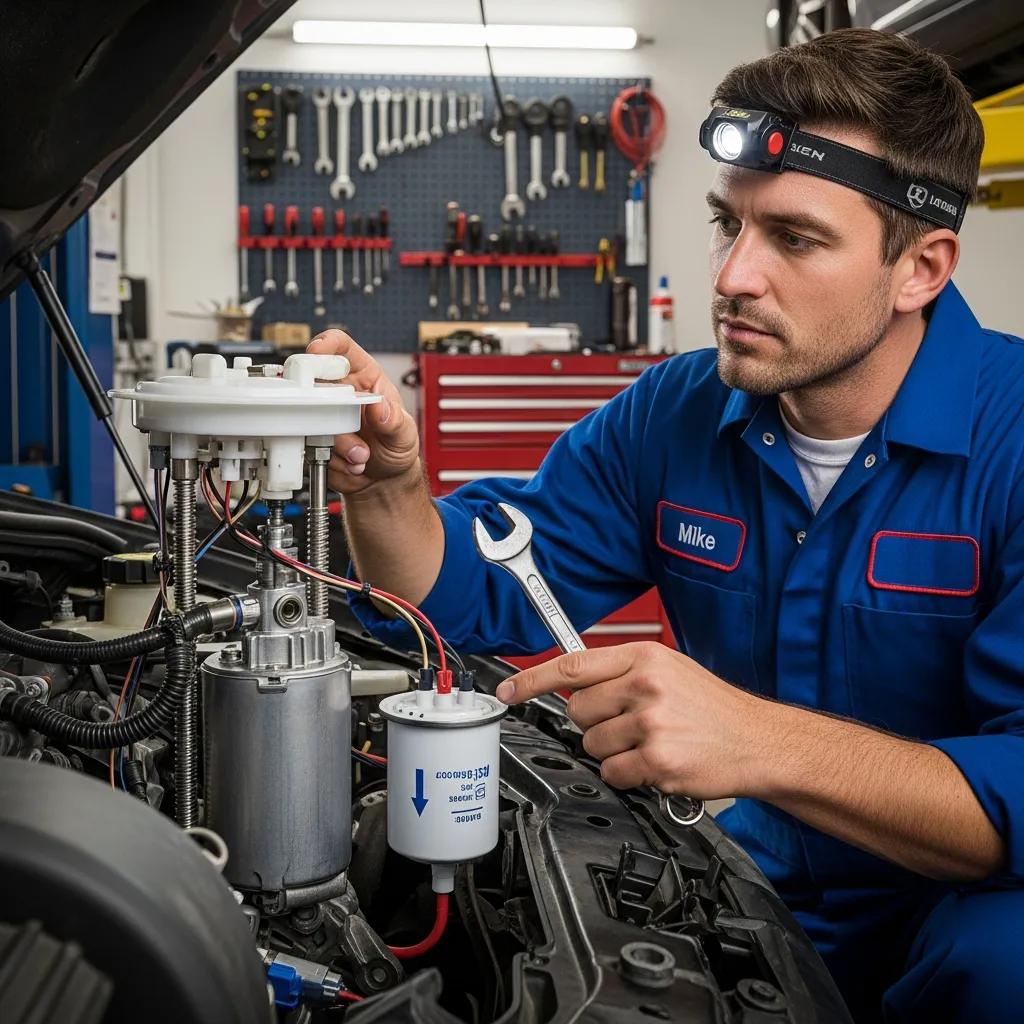
Fuel system components depend on steady, clean fuel and proper lubrication to last. Driving on low fuel makes in-tank pumps run hotter and can pull sediment into filters; frequent short trips that never reach full operating temperature encourage condensation and contamination. Signs of fuel-system strain include stuttering under load, loss of power, and inconsistent fuel pressure — sometimes triggering the check-engine light. Addressing these symptoms with filter or pump service and a pressure test prevents more serious failures. The next subsection explains how low-fuel driving damages pumps and filters, plus quick prevention steps.
Why Is Driving on Low Fuel Harmful to Your Fuel Pump and Filters?
When fuel levels are low, the in-tank pump has less fuel to cool and lubricate it, so it runs hotter and its service life shortens. Low fuel also makes it easier for tank-bottom sediment to be drawn into filters and injectors. As filters clog, fuel flow drops, causing stuttering, hesitation under acceleration, or hard starting — signs of low fuel pressure and pump strain. Prevent this by keeping your tank above reserve, changing fuel filters at manufacturer intervals, and booking a diagnostic if you notice hesitation or loss of power. Prompt pressure and filter checks stop a failing pump or contaminated injectors from becoming a larger repair bill.
To make prevention actionable, follow these fuel-system maintenance tips.
- Keep fuel above the reserve mark: Higher fuel levels help cool the pump and avoid sediment pickup.
- Replace fuel filters on schedule: Fresh filters protect pumps and injectors from clogging.
- Schedule diagnostics for stuttering or power loss: Early pressure and flow tests prevent catastrophic pump failures.
Those steps cut the risk of expensive fuel-system repairs and tie directly into routine maintenance behavior covered next.
What Are the Consequences of Ignoring Warning Lights and Skipping Routine Maintenance?
Ignoring dashboard warnings or deferring routine service turns small problems into major repairs, hurts reliability, and raises total ownership costs. Warning lights — engine, oil, ABS, TPMS — point to issues from low fluids and faulty sensors to looming mechanical failure; ignoring them lets problems like fluid starvation, overheating, or broken components progress. Routine maintenance — oil changes, fluid flushes, brake service, and tire rotations — prevents cumulative wear and preserves performance and resale value. The table below maps common warning lights to likely causes and recommended diagnostic or repair actions so you can act quickly when a light appears.
Intro to warning-light table: Use this quick reference to match dashboard lights with probable causes and recommended next steps.
| Warning Light | Possible Cause | Likely Repair / Diagnostic Action |
|---|---|---|
| Engine (Check Engine) | Misfire, sensor fault, or emissions issue | Scan for codes, inspect ignition/fuel systems, repair as indicated |
| Oil pressure/level | Low oil level or pump issue | Check oil level, change oil/filter, diagnose pump if pressure low |
| ABS/Brake | Sensor fault, low fluid, or hydraulic issue | Inspect brake fluid, sensors, and ABS module; service brakes as needed |
This quick-reference encourages prompt diagnostics instead of delay. The next subsections explain how ignored lights escalate and why sticking to service intervals matters for longevity.
How Does Ignoring Dashboard Warning Lights Lead to Costly Repairs?
Warning lights are early alerts — letting them go lets root causes worsen. A sensor or fluid warning can progress to engine damage, a failed catalytic converter, or compromised braking systems that threaten safety. For example, ongoing low oil pressure can quickly damage bearings or seize components, and an unresolved ABS fault can hide braking issues that increase stopping distances. The right move is to scan for trouble codes, address fluid or sensor issues, and bring the vehicle to a certified shop before problems cascade. Early diagnostics narrow repair scope and cost while restoring safety.
Why Is Skipping Routine Maintenance Detrimental to Car Longevity?
Routine maintenance stops small degradations from compounding into big failures by keeping fluids fresh, parts inspected, and wear items replaced on schedule. Skipping oil changes, fluid flushes, brake service, or tire rotations increases friction, raises operating temperatures, and accelerates seal and bearing wear — commonly leading to premature replacements and higher total ownership cost. A basic checklist — oil/filter, brakes, transmission fluid, coolant, tire rotation, and alignment — followed at manufacturer intervals keeps systems within design tolerances and preserves resale value.
Following scheduled maintenance and fixing issues early reduces cascade failures and keeps your car safer and more dependable.
How Does Proper Car Care and Expert Repairs Prevent Damage from Bad Driving Habits?
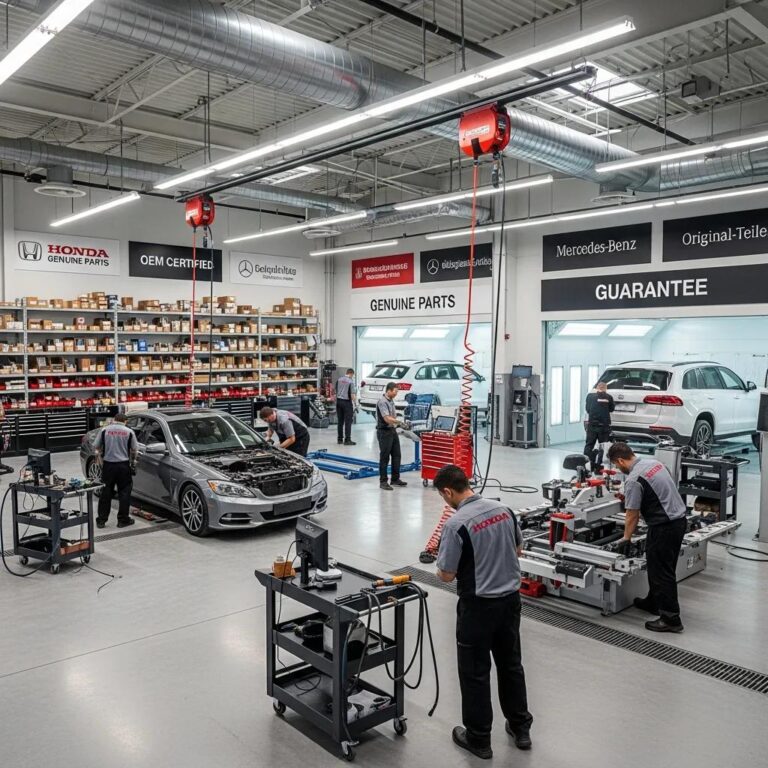
Timely inspections and OEM-standard repairs stop minor wear from turning into major failures by restoring factory tolerances and safe operation, especially after impacts or recurring misuse. Professional diagnostics find root causes — contaminated fluids, bent suspension geometry, or worn brake parts — and certified repairs replace or refurbish parts to manufacturer specifications.
Why Choose Prime Time Collision Center for OEM Certified Repairs and Maintenance?
Prime Time Collision Center delivers factory-quality repairs performed by I‑CAR Platinum certified technicians who follow OEM procedures to restore safety and function. We handle insurance claims with experience across major carriers, offer free estimates and 24/7 towing after collisions, and stand behind our work with a lifetime warranty so customers can trust repairs are done right.
Prime Time serves Glendale, Burbank, Pasadena, and Los Angeles with diagnostics, collision repair, paintless dent repair, and maintenance — all with an emphasis on OEM standards. For dependable OEM-certified repairs and a formal estimate, call Prime Time Collision Center at (818) 396-4997 or visit us at 6010 San Fernando Rd, Glendale, CA 91202 to schedule an inspection.
How Can Regular Inspections and Quality Repairs Extend Your Vehicle’s Life?
Regular inspections catch wear patterns and small damage early — brake pad thickness, transmission leaks, suspension play, tire irregularities, and diagnostic trouble codes — allowing precise repairs that prevent cascading failures. A routine inspection should cover brakes, fluids, suspension, tires, belts, and a code scan; addressing items like warped rotors or leaking seals keeps performance and safety on track. Investing in OEM-quality repairs preserves factory fit and function, protects resale value, and reduces repeat work compared with quick cosmetic fixes. Schedule inspections after notable symptoms or at manufacturer intervals to stay proactive.
For routine checks and collision-related diagnostics, Prime Time Collision Center provides free estimates, 24/7 towing, and a lifetime warranty so repairs are completed right the first time.
- Key inspection checkpoints: Brakes, fluids, suspension, tires, belts, and warning lights.
- Benefits of certified repairs: Restored safety, factory fit, and preserved resale value.
- How to act: Book a diagnostic when you notice performance changes, persistent warning lights, or after road impacts.
Combining better driving habits, timely maintenance, and OEM-standard repairs reduces repair costs and helps your vehicle last longer. The guidance above gives practical steps you can take now and points to professional support when you need it.
Frequently Asked Questions
What are some signs that my car is experiencing wear from bad driving habits?
Signs vary by system, but common indicators include unusual noises (grinding, knocking), lower fuel economy, vibrations, and dashboard warning lights. A burning smell after braking, a soft brake pedal, pulling to one side, or uneven tire wear are all clues that something needs attention. Regular inspections help catch these problems before they get worse.
How often should I schedule routine maintenance for my vehicle?
Follow your owner’s manual for manufacturer-recommended intervals. As a general guide, many vehicles need an oil change every 5,000–7,500 miles, and services like tire rotations, brake checks, and fluid inspections every 6 months or around 6,000 miles. Staying on schedule prevents small issues from growing into costly repairs.
Can bad driving habits affect my vehicle’s resale value?
Yes. Repeated neglect and harsh driving accelerate wear and lead to repairs that may reduce resale value. Buyers look for maintenance history and signs of abuse; keeping your car well-maintained and avoiding damaging habits makes it more attractive and valuable on resale.
What should I do if I notice a warning light on my dashboard?
Don’t ignore it. Check your owner’s manual to identify the light, then scan for trouble codes or schedule a diagnostic with a certified technician. Some lights indicate minor issues, but others can signal serious problems that get worse with delay — prompt checks reduce repair costs and safety risks.
How can I improve my driving habits to extend my vehicle’s life?
Small changes deliver big results: avoid aggressive acceleration and hard braking, keep a safe following distance, don’t rev a cold engine, and maintain proper tire pressure. Keep your fuel tank above reserve when possible, and follow service intervals for filters and fluids. These habits reduce stress on components and stretch service life.
What are the benefits of choosing OEM-certified repairs for my vehicle?
OEM-certified repairs use parts and procedures that match factory specifications, preserving performance, safety, and fit. Certified technicians know the correct methods for your vehicle model, which lowers the chance of repeat work and helps maintain resale value. In the long run, that quality often saves money and protects your investment.
Conclusion
Better driving habits plus regular maintenance and certified repairs are the best way to protect your car and lower repair bills. By knowing the common behaviors that cause wear and learning the early warning signs, you can act before problems grow. For expert diagnostics or OEM-quality repairs, schedule an inspection with Prime Time Collision Center — we’ll help get your vehicle back to safe, reliable condition. Take the first step toward a healthier car today.