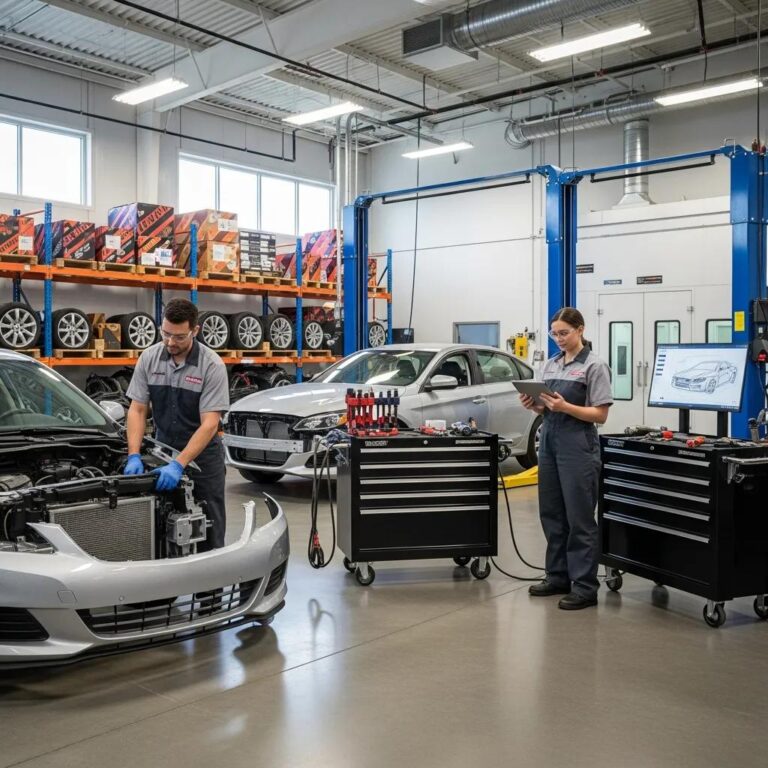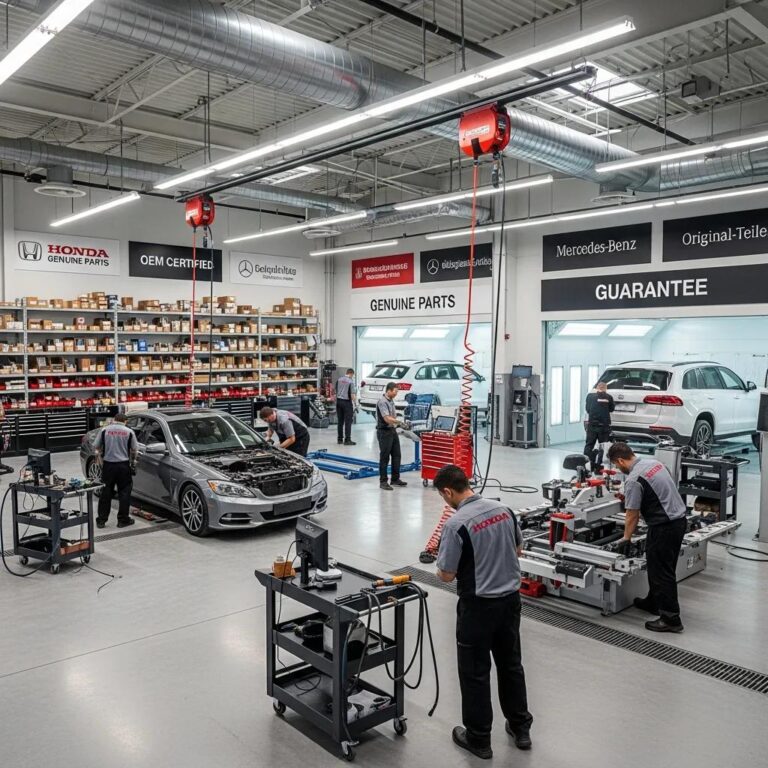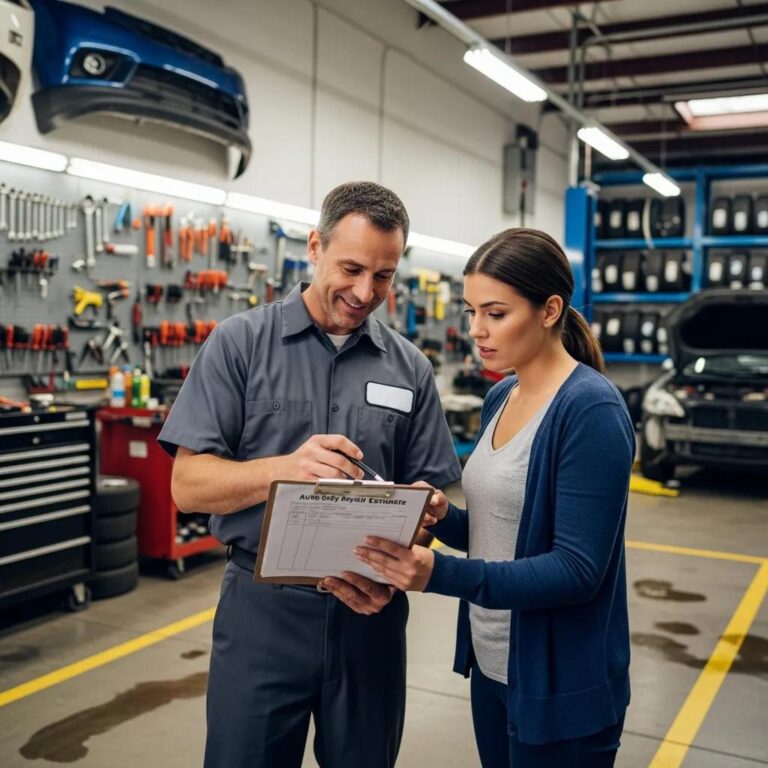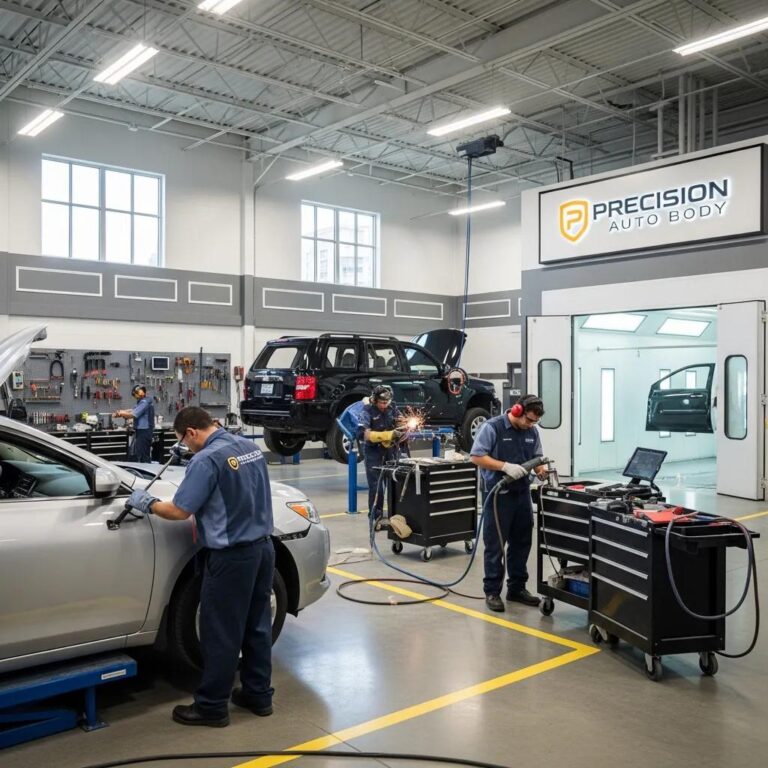
Customer Reviews — Prime Time Collision Center (Burbank): Real Feedback on Quality & Service
If you were in an accident near Burbank, this page gathers customer reviews and certification cues so you can judge repair quality and service with confidence. You’ll see what local drivers praise most, how certifications and OEM practices affect safety and resale, and practical steps to take when filing an insurance claim. The content focuses on verified review themes — repair quality, communication, and insurance support — and ties those themes to the technical credentials that matter. Below we preview five focused sections: local review summaries, what top-rated shops do differently, insurance-claims navigation, the services customers value most, and how to verify reputation and certifications. Each section uses clear structure and evidence-style tables to show typical experiences and explain why credentials matter in modern collision repair. Where relevant, we reference Prime Time Collision Center’s stated services so you can compare independent signals with shop-specific facts.
Local review summaries help separate surface-level fixes from factory-quality repairs. The sections that follow prioritize practical explanation and only include business details when they directly aid your decision. Expect clear lists, concise summary tables, and step-by-step guidance that walk you from claim intake to post-repair verification. This approach helps you read aggregate ratings, spot meaningful review evidence, and pick a repair provider that protects safety systems and resale value after a collision.
What Do Burbank Drivers Say About Prime Time Collision Center?
Local customer sentiment usually clusters around three things: repair quality, communication, and insurance coordination. Those themes show up in aggregate ratings because they shape the repair timeline and the final vehicle outcome. Knowing what to look for in reviews makes it easier to tell whether a shop followed OEM procedures and documented safety-critical work like sensor calibration and frame alignment. Below we summarize common review types and the outcomes drivers report so you can find examples that match your situation.
Across reviews, a few concrete outcomes keep coming up — both technical results and service behaviors that reduce follow-up problems. The short list below highlights the dominant patterns we see in local ratings and testimonials.
- Repair quality and fit/finish: Customers call out panel gaps, paint match, and alignment as signs of factory-level work.
- Communication and timeline transparency: Shops get high marks when staff give clear status updates and realistic completion dates.
- Insurance coordination and claims support: Positive reviews note when a shop helps with estimates, insurer communication, and scope adjustments that protect OEM standards.
Use these themes as a quick checklist when you read longer reviews or inspect before/after photos. The table below condenses representative reviewer types, the services they received, and the typical outcomes so you can compare your case to similar ones.
Summary of representative local experiences to make comparisons faster. The table below shows reviewer type, service, and key outcome so you can spot patterns by vehicle class and claim complexity.
| Reviewer / Vehicle Type | Service Received / Claim Type | Rating / Key Quote / Outcome |
|---|---|---|
| Commuter sedan owner | Minor rear bumper repair, insurance claim | 5★ / “Seamless repair, paint match excellent” |
| Luxury SUV owner | Structural and panel repair after collision | 5★ / “Factory fit restored; safety sensors calibrated” |
| Fleet vehicle manager | Multiple-vehicle repairs with insurer coordination | 4★ / “Handled claims quickly; minimized downtime” |
This compact view shows service breadth across everyday drivers, luxury owners, and commercial accounts. Match your situation to these examples to predict likely outcomes when choosing a shop.
How Do Customer Testimonials Reflect Repair Quality and Trust?
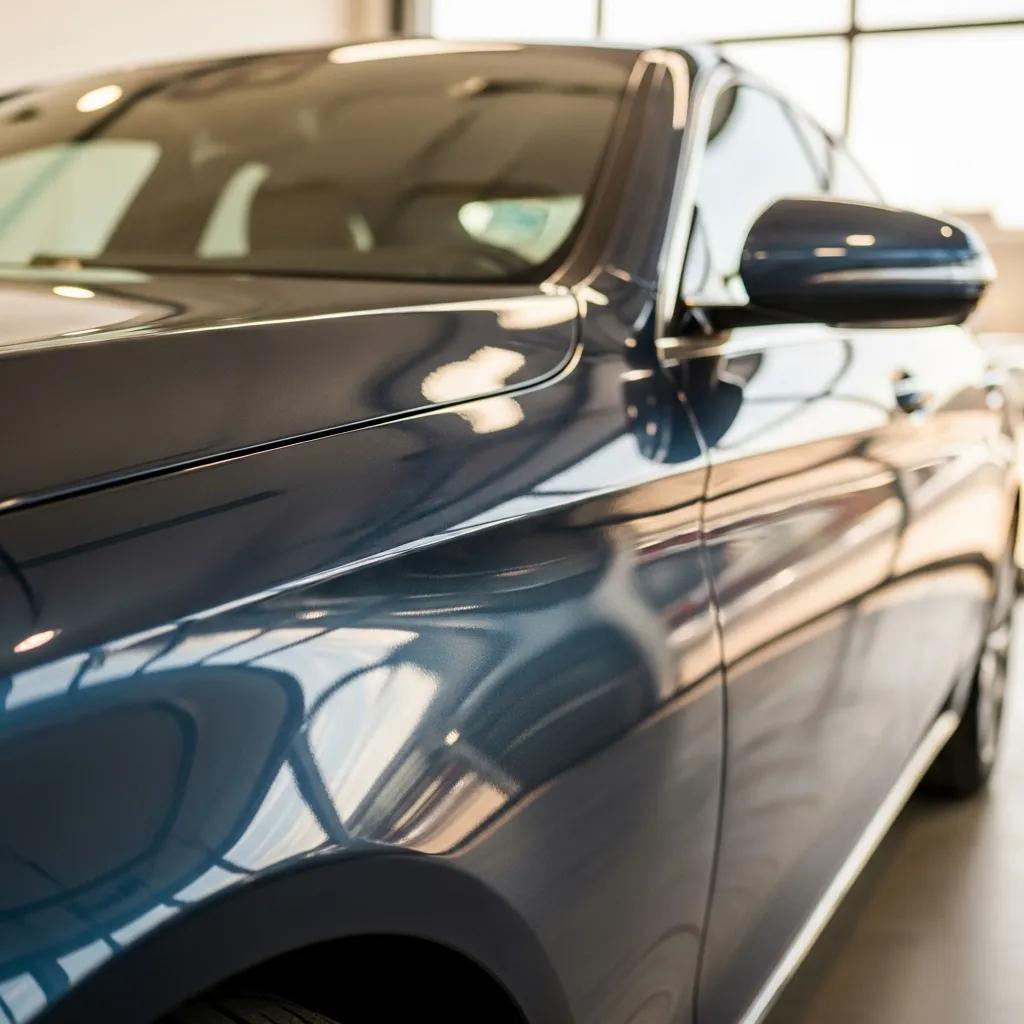
Testimonials usually mention two things: how the vehicle looks and how it performs after the repair. Comments about seamless panel gaps, consistent paint gloss, and aligned trim point to careful disassembly and OEM-compliant reassembly. Notes about restored sensor function, passing inspections, and no follow-up issues indicate the repair included diagnostics and quality checks. Together, those details are the best indicators that the work was thorough — not just a cosmetic cover-up.
Reviews also highlight service behaviors that build trust: documented estimates, photos of repair stages, and proactive updates when an insurer asks for more information. Mentions of warranties or follow-up support show systems of accountability, not one-off fixes. These trust signals naturally lead into how certifications show up in real customer stories.
Which Reviews Highlight Our OEM Certified and I-CAR Platinum Services?
Some reviews explicitly call out OEM parts, factory fit, or technician expertise — details that matter when safety systems are involved. Owners of cars with advanced driver-assist features often note whether lane-assist, parking sensors, or airbag systems worked correctly after repair; those comments suggest whether OEM parts and calibration procedures were followed. Positive excerpts that mention factory fit or calibrated sensors are good signs the shop followed manufacturer standards.
We also see a correlation between certification mentions and higher satisfaction: reviewers who note certified training alongside good outcomes tend to be the most pleased, especially for high-value or safety-critical vehicles. That pattern helps prospective customers favor shops that commit to manufacturer-recommended repair methods when preserving safety and resale value matters most.
Why Is Prime Time Collision Center Rated Among the Best Collision Repair Shops in Burbank?
Top-rated collision shops combine proven repair processes, trained technicians, and clear customer communication. OEM-certified repairs mean replacement parts and procedures match manufacturer intent, which preserves crashworthiness and electronic system integration. I-CAR Platinum technician credentials show the shop invests in ongoing training — a key factor for accurate structural repairs and sensor calibrations. Together, these elements explain why higher ratings cluster around shops that both advertise and demonstrate these capabilities.
To make certification claims easier to interpret, the table below lines up each credential or service attribute with what drivers should reasonably expect. That helps you separate marketing language from practical guarantees and prioritize safety-critical needs.
| Certification / Service | What it Guarantees | Value to Driver (Safety / Resale / Warranty) |
|---|---|---|
| OEM-certified repair | Use of manufacturer parts and repair procedures | Preserves crash performance and resale value |
| I-CAR Platinum technicians | Advanced technician training and ongoing education | Ensures proper structural repair and diagnostics |
| Warranty-backed repairs | Repair warranty and follow-up service | Reduces long-term risk and offers accountability |
This comparison shows how certifications connect to concrete benefits. Shops that combine these attributes typically earn higher marks for both technical work and customer experience.
What Makes Our OEM Certified Repairs Stand Out for Burbank Vehicles?
OEM-certified repairs use manufacturer-approved parts, measured fit tolerances, and specified repair sequences so structural integrity and safety systems are preserved. That matters when airbags, crumple zones, and computer-controlled safety features depend on precise assembly and correctly routed wiring. For drivers worried about long-term performance and resale, OEM compliance reduces the chance of future diagnostic errors or weakened crash protection from mismatched components. Choosing a shop that documents OEM part use and follows factory procedures is a practical way to protect safety and value.
In plain terms: OEM parts and procedures aim to return your vehicle to its pre-accident condition. Generic parts or shortcuts can introduce differences in fit, corrosion protection, and system behavior. Reviews that mention factory match usually reflect the care and procedures behind a proper restoration.
How Do Our I-CAR Certified Technicians Ensure Factory-Quality Results?
I-CAR certification focuses on ongoing training for collision repair pros, covering structural repair, electronics, and calibration methods that match modern vehicle complexity. Technicians with this training follow diagnostic steps, verify structural geometry, and perform required sensor recalibrations so safety systems work as intended. That disciplined approach reduces the risk of hidden post-repair failures you wouldn’t catch in a quick visual check. When a shop highlights I-CAR training, customers can expect systematic checks and documentation as part of the repair process — not just surface work.
Beyond training, I-CAR–aligned workflows usually include quality checkpoints during disassembly, repair, and reassembly, which are essential for vehicles with ADAS features. Reviews that report restored sensor behavior or smooth inspections often reflect those structured processes.
How Does Prime Time Collision Center Support Insurance Claims for Burbank Customers?
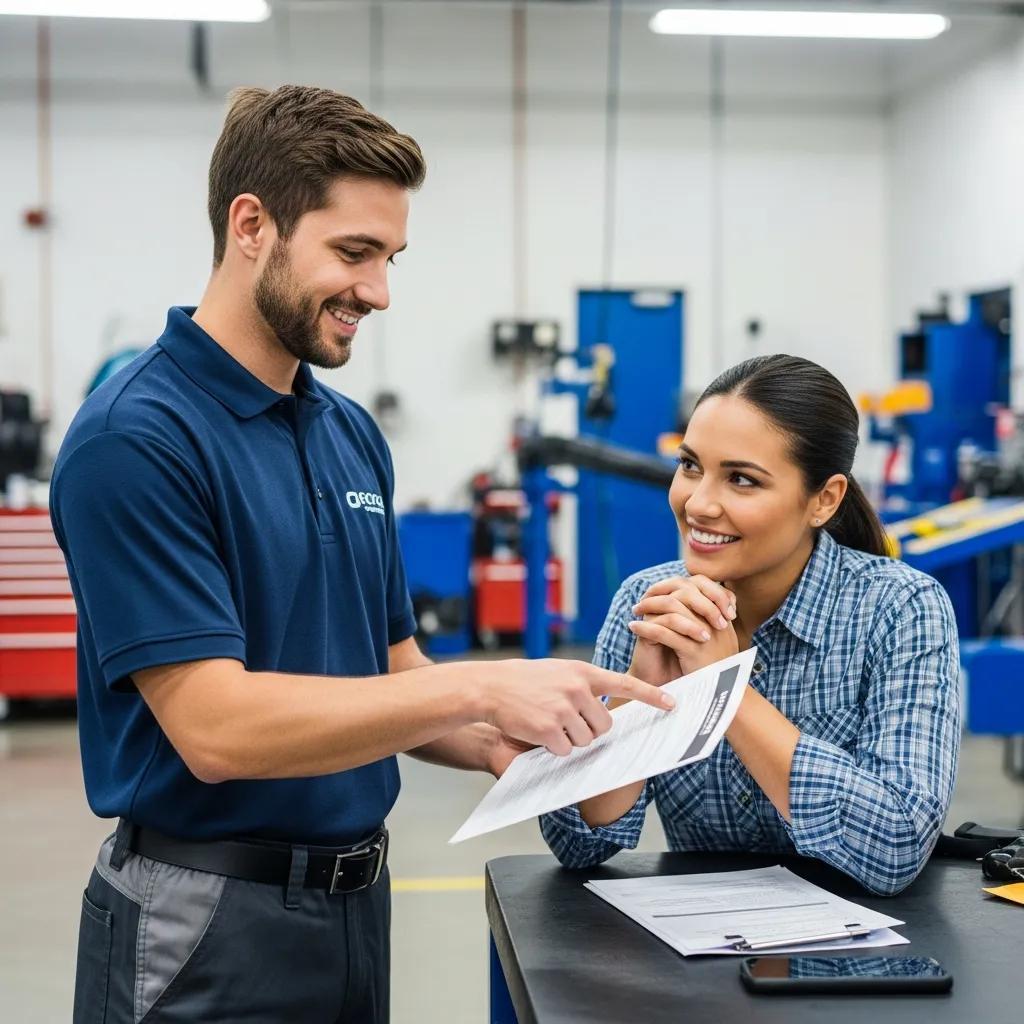
Handling an insurance claim after an accident can be stressful. Shops that act as effective partners simplify the process by offering a clear sequence: free estimates, documented damage assessments, insurer communication, and coordination of repair authorization. That reduces your workload and keeps timelines transparent — a common reason customers give high ratings. The table below outlines typical claim steps, who usually handles them, and the expected outcomes so you know what to expect.
| Claim Step | Who Does It | Expected Time / Outcome |
|---|---|---|
| Initial estimate and damage assessment | Repair shop or estimator | Free estimate provided; documented scope for insurer |
| Insurer review and authorization | Shop coordinates with insurer | Estimate approved or negotiated; scope clarified |
| Repair and quality checks | Certified technicians and shop QA | Repairs completed; diagnostics and calibrations verified |
This step-by-step guide clarifies who’s responsible at each stage and what outcome to expect, helping you compare shops on the basis of real support shown in reviews.
What Is the Process for Navigating Insurance Claims After an Accident?
After you’re safe, document the scene and contact your insurer — then get a professional estimate from a reputable collision shop. A shop can prepare a documented estimate and photos that speed insurer review and reduce scope disputes. After the insurer authorizes the work, certified technicians complete the repairs following OEM or industry standards, then run quality checks and any needed sensor calibrations. The simple sequence — document, estimate, authorize, repair, verify — keeps you informed and lowers the chance of surprise costs or omitted work.
Shops that follow this sequence often earn “hassle-free” praise in reviews. Choosing a facility that offers free estimates and insurer coordination can noticeably improve the repair experience. The next section confirms whether those immediate support services are available locally.
Do We Offer Free Estimates and 24/7 Towing Services in Burbank?
Fast access to free estimates and emergency towing is frequently praised in local reviews because it reduces stress and secures the vehicle quickly. According to the shop’s information, Prime Time Collision Center provides free estimates and 24/7 towing, which helps move a damaged vehicle from the roadside to a documented repair intake fast. Those first touchpoints shape a customer’s view of responsiveness and professional care. When reviews mention quick towing and clear initial estimates, satisfaction through the repair process is usually higher.
Knowing a shop coordinates towing and provides a documented free estimate lets you focus on safety and documentation rather than logistics. That kind of support commonly appears in testimonials as the reason customers chose the shop and returned later.
What Are the Top-Rated Services and Customer Experiences at Our Burbank Auto Body Shop?
Top-rated services at collision centers commonly include structural collision repair, paint matching, OEM part replacement, and paintless dent repair. High satisfaction ties to consistent visual and mechanical outcomes: a paint color and gloss that match the factory, panels that align correctly, and restored functionality. For owners of luxury or tech-heavy vehicles, precise paint matching and sensor recalibration are especially important and show up often in positive reviews. The short list below shows the services that most consistently earn top marks.
These services frequently receive the best customer ratings and explain why they matter for long-term outcome and value.
- Structural and frame repair: Correct frame alignment restores crash performance and is essential for safety.
- OEM parts and factory fit: Using manufacturer parts preserves system integration and resale value.
- Paint matching and refinishing: High-quality paint work keeps the vehicle looking factory-new and hides collision evidence.
These services often appear together in complex repairs, and when they’re done well they drive higher overall ratings. The next section explains which combinations most often lead to high satisfaction.
Which Services Receive the Highest Customer Satisfaction Ratings?
Ratings are highest where technical precision meets cosmetic quality — for example, OEM structural repairs with matched paint and calibrated electronics. Luxury-brand repairs often emphasize panel fit and preserved interior/electronic function, while commuter repairs get top marks when turnaround time and communication are consistent. Shops that deliver documented quality checks and offer post-repair warranties tend to earn greater loyalty and repeat business. Use these links between service and performance when you compare providers.
Documentation and photos of each repair stage amplify satisfaction because they give tangible proof of the process and result. Reviews that include this evidence are especially useful for drivers who plan to resell or insure the vehicle later.
How Do Video Testimonials and Before-and-After Galleries Demonstrate Our Quality?
Before-and-after photos and short videos provide clear visual proof of repair accuracy: panel fit, gap consistency, and paint texture. Video testimonials that pair customer comments with close-up repair shots give both social proof and technical evidence — showing not just that a car looks good, but that technicians addressed alignment and sensor work. Captions that note repair steps or parts used strengthen the credibility of written reviews and help prospects verify claims. Look for images with consistent light reflection across panels and notes about calibration steps as signs of factory-quality results.
High-quality galleries paired with testimonial clips create a layered trust signal: visible repair quality plus direct customer endorsement. That combination often correlates with better aggregate ratings and helps set realistic expectations for future customers.
How Can Burbank Drivers Verify Our Reputation and Certification Credentials?
Verifying a collision shop’s reputation means checking multiple sources and confirming certification claims through authoritative channels. Aggregate ratings are a good starting point, but the details — dates, photos, owner responses, and documented repair notes — make reviews useful. Certification claims like I-CAR Platinum or OEM alignment should be backed by visible proof on the provider’s site and in repair records. Below are practical steps drivers can use to validate reputation and certifications before committing to a repair.
Start by checking multiple review platforms and looking for consistent themes rather than single comments. The list below gives concrete verification steps and the signals to watch for.
- Check aggregate review trends and read recent, detailed reviews that include photos or repair descriptions.
- Look for explicit mentions of OEM parts, calibration steps, or technician training in reviews and in shop responses.
- Request documentation of certifications and ask that repair records note part source and calibration procedures.
Following these steps helps you go from surface-level ratings to evidence-based verification of capability. The final subsection explains why certifications matter in straightforward terms.
Where to Find Verified Customer Reviews and Aggregate Ratings?
Verified reviews and local aggregations are helpful but not enough on their own. Prioritize reviews with dates, photos, and owner responses for higher reliability. Look for entries that describe the repair process or include visual proof — those details reduce the chance of generic or paid testimonials. When possible, compare multi-year trends rather than single spikes, and note how the business replies to both praise and criticism. These tactics reveal performance patterns and help you find providers that consistently meet OEM and safety expectations.
Cross-referencing platforms and verifying service documentation strengthens confidence in reviews. Drivers who follow this verification process are better positioned to predict likely outcomes for their specific vehicle and claim.
Why Are OEM and I-CAR Certifications Important for Your Vehicle’s Safety?
OEM and I-CAR certifications matter because they reflect structured processes and training meant to preserve a vehicle’s original safety design and performance. OEM-aligned repairs use correct parts and sequences so structural geometry and electronics behave as intended in future incidents. I-CAR training keeps technicians current on repair methods for new materials, sensor systems, and calibration procedures, lowering the risk of latent faults after repair. For safety-minded drivers, certifications are more than marketing — they’re proxies for consistent procedures and ongoing professional development.
Knowing what these certifications imply helps drivers favor shops that document their methods and offer warranty-backed work. That documentation and transparency show up again and again in the highest-rated customer reviews.
Contact & Next Steps
If you want a free estimate, insurer coordination, or emergency towing, Prime Time Collision Center provides those services and lists a local Glendale address and phone number for direct contact. The shop describes itself as a local auto body and collision repair center focused on OEM-quality repairs, insurance claims support, and customer trust. Services noted include free estimates, 24/7 towing, repair warranties, and coordination with insurance companies. When you call or visit, ask for a documented estimate, proof of OEM part sourcing, and confirmation of technician I-CAR training to make sure your vehicle gets the right procedures.
Use the verification checklist above when reviewing testimonials and galleries. Prioritize providers that combine visible repair evidence with documented certifications and clear insurer coordination. Those combined signals — customer reviews, before/after proof, and formal certifications — are the most reliable basis for choosing a collision repair partner after an accident.
Frequently Asked Questions
What should I look for in customer reviews when choosing a collision repair shop?
Focus on specific themes: repair quality, communication, and insurance support. Look for mentions of panel fit, paint matching, and how safety systems performed after repair. Positive reviews that describe clear timelines and transparent processes are strong indicators of reliability. Testimonials that reference OEM parts and certified technicians are especially valuable for safety and resale concerns.
How can I ensure that a collision repair shop uses OEM parts?
Ask the shop for documentation that lists the parts used. A reputable shop will include part numbers and sources in a detailed estimate. Check reviews for mentions of OEM parts and the shop’s commitment to manufacturer procedures. Certifications or written confirmations of OEM-compliant repairs add confidence.
What are the benefits of choosing an I-CAR certified technician?
I-CAR certified technicians receive ongoing training on modern repair methods and technologies. This training helps them handle structural repairs, electronics, and required calibrations correctly. Choosing a shop with I-CAR–trained techs reduces the risk of post-repair problems and helps ensure safety systems function as intended.
How does the repair process affect my vehicle’s resale value?
Quality repairs using OEM parts and following manufacturer specs help maintain structural integrity and safety features — both important to buyers. Thorough documentation, warranties, and certifications increase buyer confidence. Poor-quality repairs with generic parts can lead to future issues and reduce resale value.
What steps should I take if my insurance claim is denied?
First, review the denial letter to understand why. Gather relevant documents — repair estimates, photos, and police reports. Contact your adjuster to discuss the denial and supply additional evidence. If needed, file a formal appeal with supporting documents. Your repair shop can often help by providing detailed estimates and photos to support your case.
Are there any warranties on collision repairs?
Many reputable shops offer warranties on workmanship and materials, though terms vary. Ask about warranty length and what it covers before you authorize work. A solid warranty provides reassurance that the shop will address any post-repair issues without added cost.
How can I prepare for my visit to a collision repair shop?
Bring your insurance information, accident report, and any prior estimates. Take photos of the damage and be ready to discuss the accident and any concerns. Ask about the shop’s certifications, warranty policy, and expected timeline so you can make an informed decision.
Conclusion
Choosing a reputable collision repair shop like Prime Time Collision Center helps ensure your vehicle gets OEM-quality repairs that protect safety and resale value. Customer reviews consistently emphasize repair quality, clear communication, and insurance coordination — all important factors when you’re recovering from an accident. Prioritize shops that document their work, show certifications, and provide visible before/after proof. Contact Prime Time Collision Center for a free estimate and see firsthand how documented processes and trained technicians make a difference.