
Find Trusted, Top-Rated Body Shops Near You — Customer-Rated, OEM-Certified Repairs
Choosing a reliable body shop shouldn’t feel like guesswork. This guide walks you through the most important signs of a top-rated shop — from customer satisfaction scores to OEM-certified repairs. Many vehicle owners worry about repair quality and who to trust after an accident. By knowing what to look for, you can make confident decisions that protect your vehicle’s safety and resale value. We’ll cover the traits of excellent shops, show how Prime Time Collision Center meets those standards, and explain why OEM certification matters.
What Makes a Body Shop Top-Rated for Customer Satisfaction?
Top-rated shops earn their reputation by putting customers first. High ratings and positive reviews usually point to clear communication, reliable timelines, and repair work that stands up to inspection. In short, customer satisfaction reflects both how a shop treats people and how well it restores vehicles.
Studies consistently show a strong link between service quality and customer satisfaction in the auto repair industry.
Customer Satisfaction & Service Quality in Auto Repair
Examines how service quality influences customer satisfaction and loyalty in automobile repair businesses, highlighting that better service often leads to repeat customers and stronger trust in the shop.
Determining the impact of service quality on customer satisfaction and loyalty: a study of automobile repair services sector in Ebonyi State, EE Izogo, 2013
How Do Customer Ratings Reveal Repair Quality and Service?
Ratings come from surveys, online reviews, and direct feedback. When a shop consistently receives high marks, it usually means repairs were done right, customers were kept informed, and expectations were met. Reviews help future customers choose wisely and push shops to keep high standards.
Why Do Certified Technicians and OEM Certifications Matter?

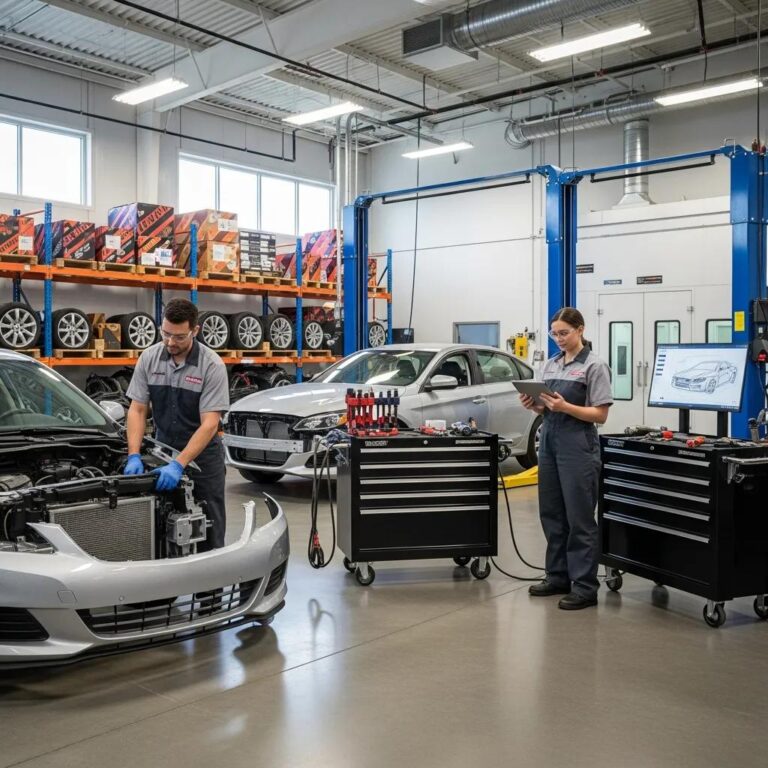
Certified technicians bring tested skills and up-to-date training to each repair. OEM certifications mean a shop follows the vehicle maker’s specifications — using the right parts, tools, and procedures. That focus preserves your car’s structural integrity, safety systems, and long-term value.
These technician standards come from formal certification programs that verify competence in collision repair and refinishing.
ASE Certification Standards for Auto Body Repair Training
Outlines the evaluation policies and minimum requirements for auto body technician training programs seeking certification from ASE, including curriculum areas, on-site evaluation, task lists, and required tools and equipment.
TITLE ASE Program Certification Standards for Collision Repair & Refinish Technician Training Programs. INSTITUTION National Automotive Technicians Education …, 1993
How Does Prime Time Collision Center Deliver Exceptional Customer Satisfaction?
Prime Time Collision Center
prides itself on clear communication, factory-standard repairs, and technicians certified to work on modern vehicles. Our reviews and repeat customers reflect hands-on care and attention to detail — from the estimate to the finished repair.
What Are the Benefits of Our Certified Technicians and Factory-Standard Repairs?
Our certified technicians use current repair methods and manufacturer-approved parts so your vehicle is restored to factory standards. That means safer repairs, consistent performance, and better protection of your vehicle’s resale value. Customers can expect precise work and straightforward explanations at every step.
How Do Customer Testimonials and Reviews Show Our Commitment?

Real customer stories highlight our focus on timely repairs, helpful communication, and quality workmanship. These firsthand accounts give future customers confidence that Prime Time Collision Center stands behind every job.
Why OEM Certified Collision Repair Protects Safety and Value
OEM certified collision repair ensures vehicles are returned to the manufacturer’s safety and performance standards. Using the right parts and procedures preserves safety systems and helps maintain resale value.
What Does OEM Certification Mean and Which Manufacturers Are Included?
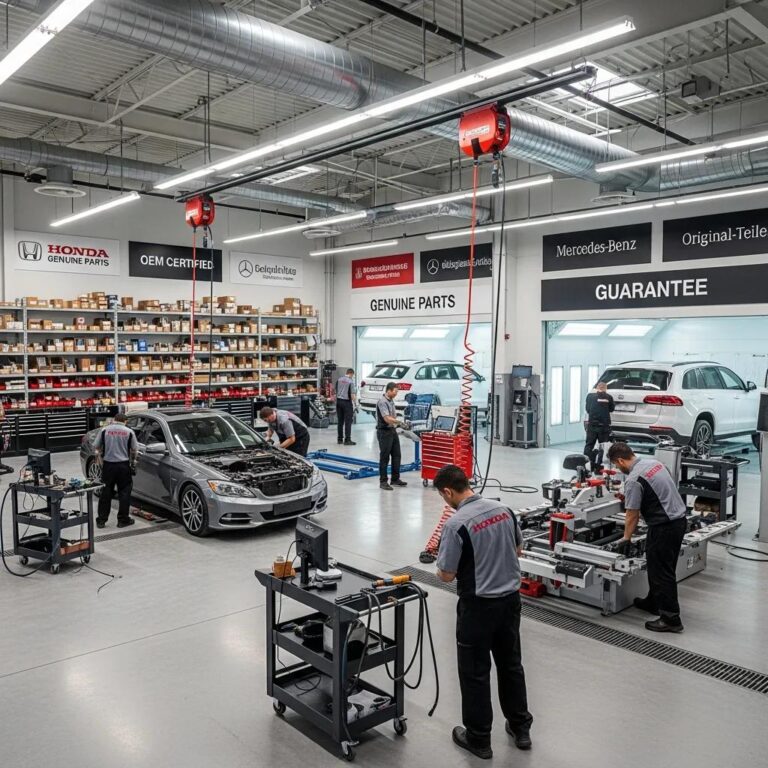
OEM certification means a shop has met the specific standards set by vehicle manufacturers. Those standards cover many makes and models and require correct parts, tools, and repair processes. Choosing an OEM-certified shop gives you assurance that repairs follow the manufacturer’s expectations for safety and durability.
Such certifications support overall vehicle safety and can reduce manufacturer liability by documenting proper repair processes.
OEM Certification for Automotive Safety & Quality
Discusses how verification and testing of vehicle software and subsystems contribute to overall vehicle safety, and how a certification process builds confidence in safety and reduces OEM liability.
Automotive software certification: current status and challenges, CW Lin, 2016
How Does ADAS Calibration Improve Post-Accident Safety?
Advanced Driver Assistance Systems (ADAS) must be calibrated after certain repairs. Proper calibration makes sure features like lane-keeping, automatic braking, and adaptive cruise control work as intended — a critical step in returning your vehicle to safe operation.
How Does Prime Time Collision Center Make Insurance Claims Easier?
Insurance paperwork can be stressful. We work directly with major insurers to simplify claims, keeping the process smooth so you can focus on getting back on the road.
Which Major Insurance Companies Do We Work With?
Prime Time Collision Center partners with multiple major insurance carriers to streamline claims and approvals. These relationships help speed up estimates and get repairs started faster.
How Do We Help Customers With Free Estimates and Claims?
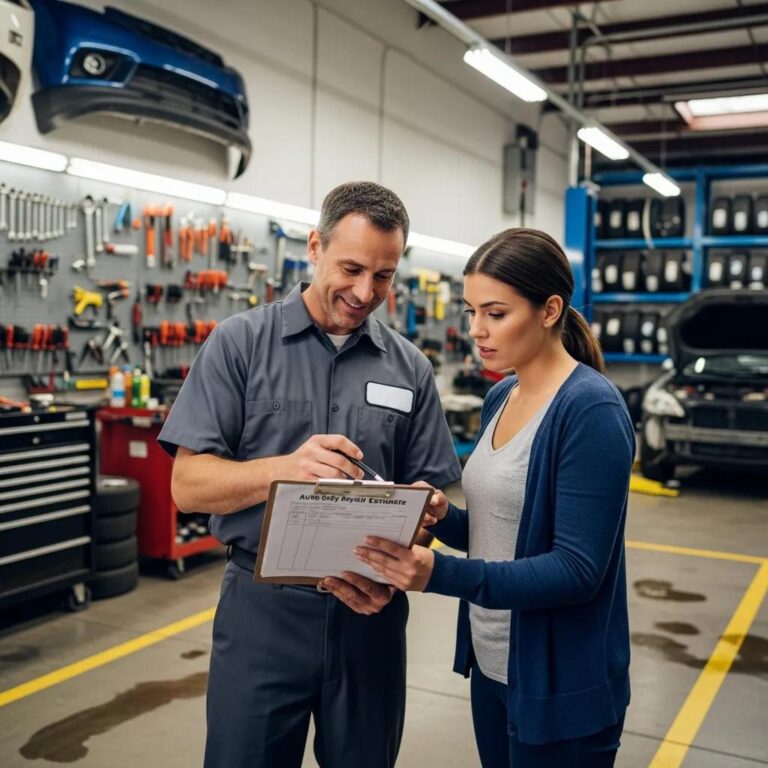
We offer free, detailed estimates and guide you through the claims process. Our team explains repair needs, timeline options, and estimated costs so you know what to expect — and we keep you updated as work progresses.
What Full-Service Repairs Do Top-Rated Body Shops Provide?
Leading body shops provide a complete range of services to restore vehicles to pre-accident condition — from structural repairs to finish work — all done to factory or manufacturer standards.
How Are Frame Repair, Dent Removal, and Painting Done to Factory Standards?
Frame straightening, dent removal, and paint work use specialized tools and proven methods to meet factory tolerances. Skilled technicians ensure structural integrity and a smooth, color-matched finish that looks and performs the way it should.
What Advanced Equipment and Techniques Ensure Quality and Safety?
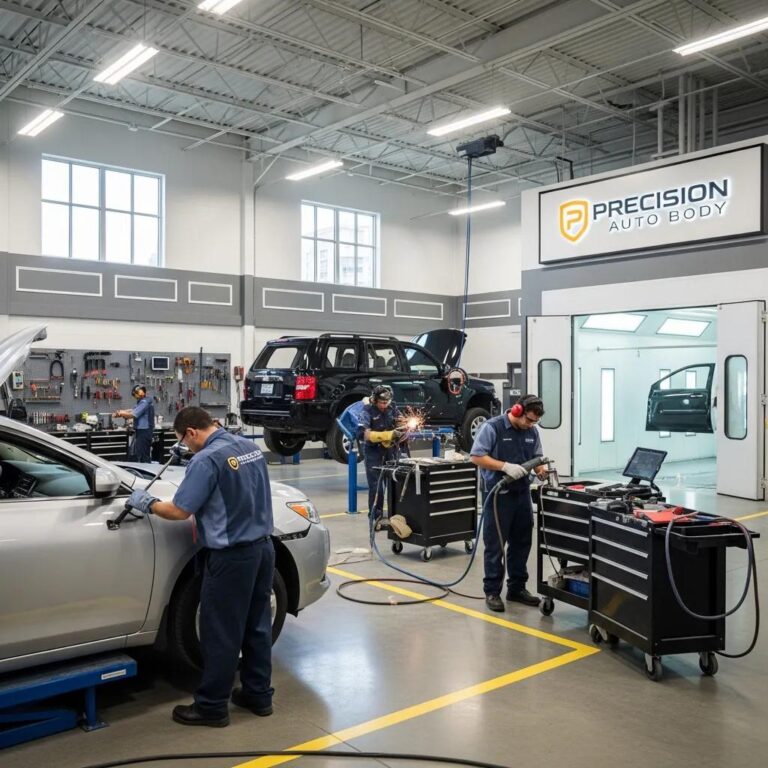
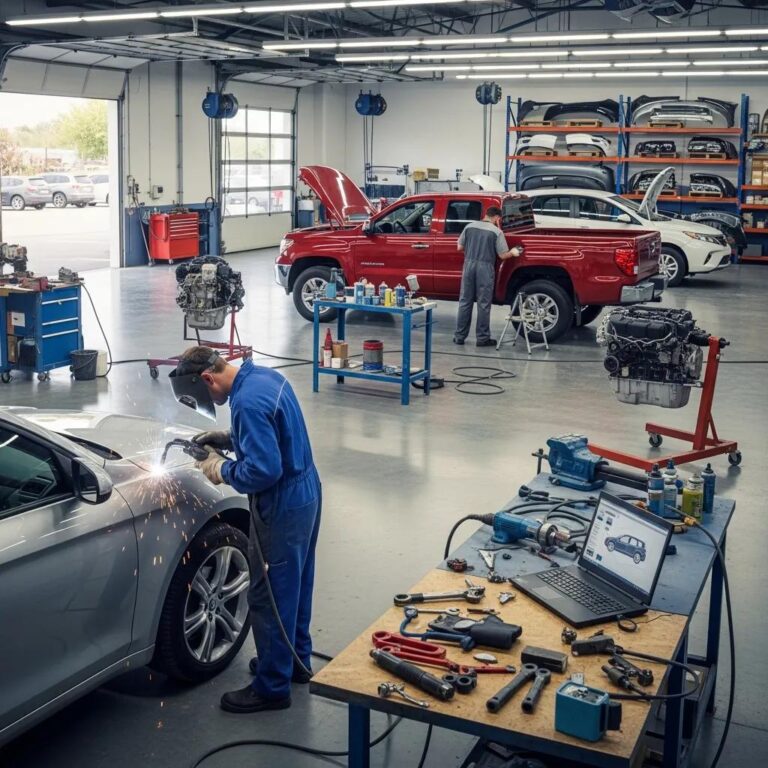
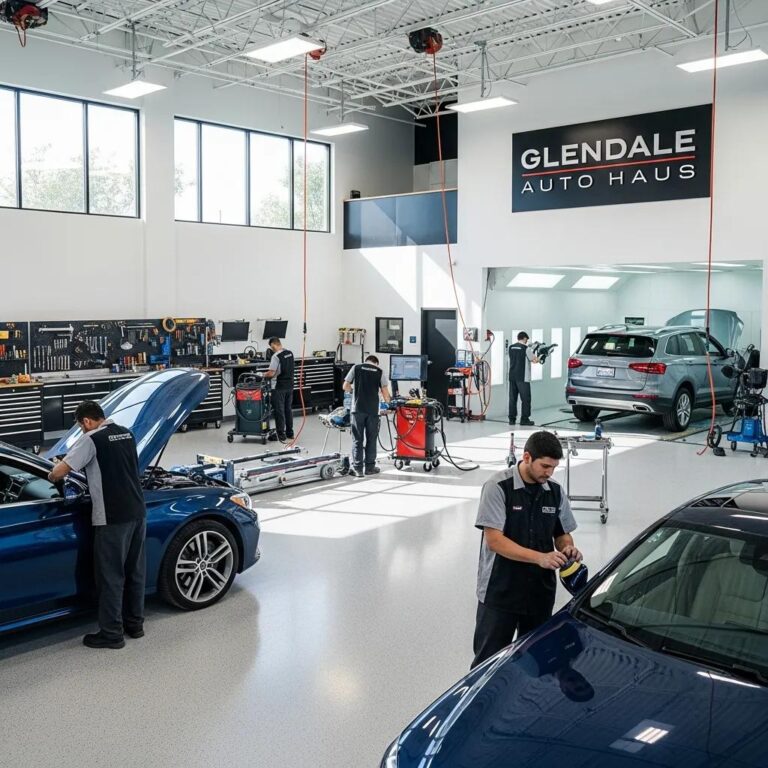
Quality repairs depend on modern equipment: computerized frame alignment systems, controlled paint booths, and calibrated diagnostic tools. Investing in this technology helps shops deliver reliable, safe repairs and consistent results.
How Does Prime Time Collision Center Stand Out Among Insurance-Approved Shops?
Prime Time Collision Center separates itself with a commitment to craftsmanship, responsive customer care, and transparent processes — even when working with insurers.
What Warranty and Quality Guarantees Do We Offer?
We back our work with warranties so you can drive with confidence. Our guarantees reflect the care we take on every repair and our commitment to long-term quality.
How Do Our Glendale, CA Services Meet Local Expectations?
Based in Glendale, CA, we serve our neighbors with a local focus: listening to feedback, improving processes, and delivering repairs that meet community standards. That local commitment builds trust and repeat business.
Frequently Asked Questions
What should I look for when choosing a body shop?
Look for strong customer reviews, valid certifications, and a full range of services. Verify that technicians are trained, that the shop uses OEM parts when required, and that pricing is transparent. Visit the shop if you can — a clean, organized facility and friendly staff are good signs.
How can I ensure my vehicle receives OEM certified repairs?
Choose a shop recognized by your vehicle’s manufacturer or one that clearly advertises OEM certifications. Ask to see certifications, confirm parts sourcing, and request that repairs follow manufacturer guidelines. A reputable shop will explain the process and provide proof of training or certifications.
What is the typical timeline for vehicle repairs at a body shop?
Repair time depends on damage severity. Small paint or dent jobs can take a few days; structural repairs or parts replacement may take a week or more. A trustworthy shop will give an estimated timeline after inspection and keep you updated if anything changes.
Are there any additional costs I should be aware of during repairs?
Additional costs can appear if hidden damage is found or if you choose upgraded parts. Ask for a detailed estimate up front and request that the shop notify you before approving extra work. Review warranty terms so you understand what’s covered.
How can I prepare my vehicle for repairs at a body shop?
Remove personal items and aftermarket accessories, and bring any insurance or previous repair paperwork. Keeping the car clean helps technicians assess damage accurately. Clearly communicate your expectations and ask questions about the repair plan.
What should I do if I’m not satisfied with the repairs?
First, speak with the shop about your concerns — most reputable shops will address issues promptly. If problems remain, review your warranty and contact your insurance adjuster if applicable. You can also reach out to local consumer protection agencies for guidance.
Conclusion
Choosing a top-rated body shop means prioritizing certified technicians, manufacturer-approved repairs, and clear communication. Those things protect your vehicle’s safety, performance, and value. Prime Time Collision Center combines factory-standard repairs with friendly, transparent service to make the repair process easier for you. Learn more about how we can help by visiting our website today.