DIY Car Care vs. Professional Auto Service: Which Is Best for Safe, Certified Post-Accident Repairs?
The first hours and days after a collision shape whether your car stays safe to drive and keeps its factory protections. This article walks through the real choice between fixing things yourself and sending the vehicle to a certified shop. DIY can look cheaper and faster, but it can miss hidden structural issues, compromise advanced safety systems, and complicate insurance or warranty claims. You’ll get a clear rundown of the risks of DIY post-accident work, why professional collision repair protects safety and value, how OEM procedures and ADAS calibration matter, and simple rules for when to call a certified shop. We also cover how a shop helps manage claims and point you to local OEM-quality repair resources. Read on for actionable checklists, step-by-step guidance, comparison charts, and practical next steps to keep your vehicle—and your family—safe.
What Are the Risks and Limitations of DIY Car Care After an Accident?
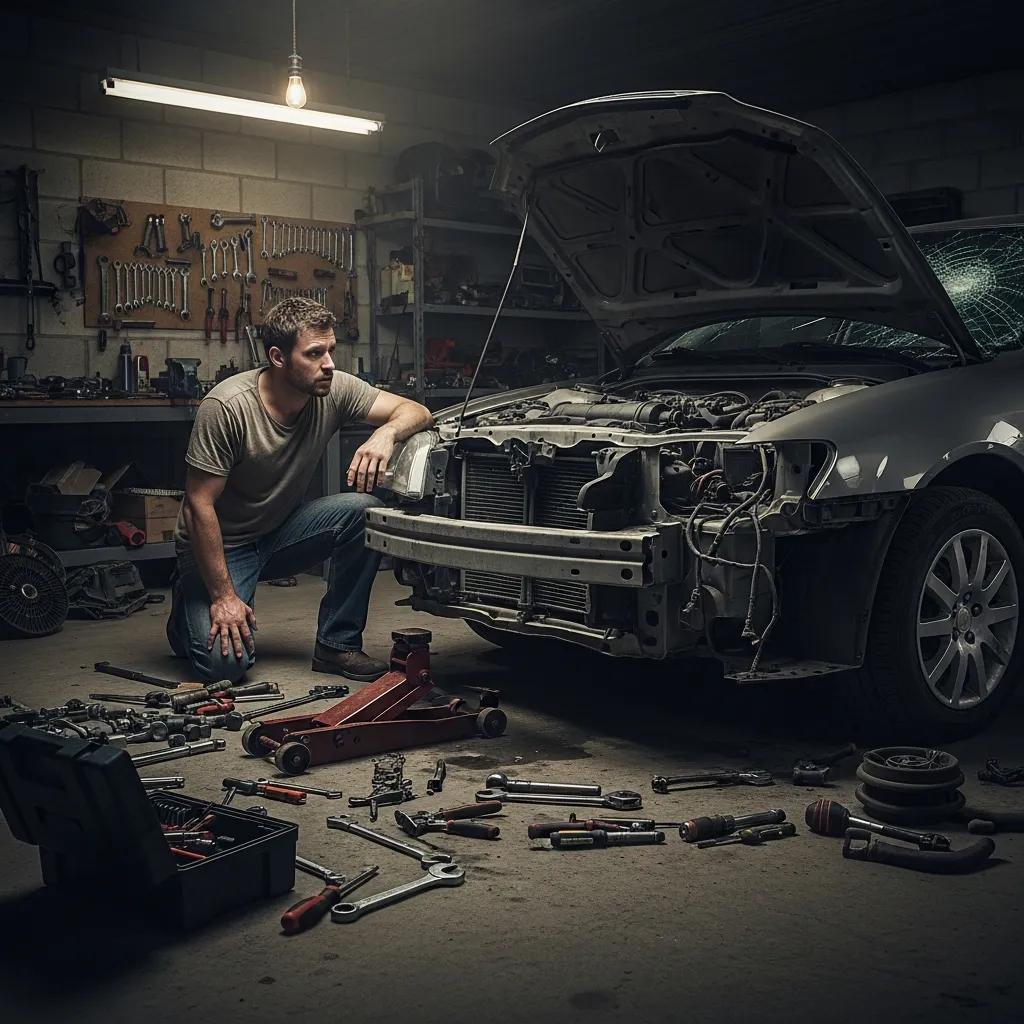
“DIY after a collision” means any inspection or repair done outside a certified shop by an untrained individual. It often focuses on obvious dents and paint while missing structural, mechanical, or electronic problems. The risk is simple: surface fixes can hide compromised crash-energy management, misaligned frames, or improperly secured restraint systems—any of which reduce occupant protection in later impacts. Knowing these limits helps owners decide about towing, getting professional estimates, and choosing OEM-certified repair paths that document and correct hidden damage. Spotting these issues early prevents downstream safety failures and preserves insurance and warranty options. That clarity also makes it easier to know which DIY tasks are safe and which require a professional hand.
Common, serious risks from DIY repairs to watch for right away include:
- Hidden structural damage that remains unseen after superficial checks, reducing crashworthiness.
- Incorrect welding, panel alignment, or bolt torque that changes crumple zones and restraint timing.
- Missed ADAS recalibration after bodywork or part replacement, which can disable lane-keeping, automatic braking, and other systems.
- Using non-OEM parts or shortcuts that may void warranties and lower resale value.
- Poor or incomplete documentation that complicates insurance settlements and future inspections.
These risks explain why a professional inspection is often the right next step after a collision. The sections that follow show how DIY work creates these problems and give practical decision rules for when to stop and call for help.
How Can DIY Repairs Compromise Vehicle Safety and Structural Integrity?
DIY repairs often miss three critical damage types: frame or subframe distortion, weakened welds or bonds, and misaligned panels that change load paths. If frame deformation goes unnoticed, the vehicle’s crash energy management won’t behave as designed, raising injury risk even in minor subsequent collisions. Improper techniques—like spot-welding instead of factory seam welding or using the wrong adhesives—can weaken structural connections and alter airbag timing. Certified inspections uncover these problems with measured frame checks, calibrated diagnostic scans, and test-fit procedures. That’s why leaving structural work to trained technicians preserves the vehicle’s original safety design and creates repair documentation insurers and buyers can trust.
When Should You Avoid DIY Car Repairs to Prevent Further Damage?
Don’t attempt DIY repairs when visible damage comes with performance changes, dashboard warnings, or signs of structural compromise—uneven panel gaps, dragging noises, or a steering pull. If an airbag deployed, the frame looks crumpled, or ADAS warnings persist after any fix, stop driving and request a professional tow to avoid worsening mechanical or safety-system damage. Also tow the vehicle if you see fluid leaks, brake issues, or suspension problems; driving can increase damage and repair costs. When uncertain, a certified shop inspection gives a documented baseline for your insurer and ensures OEM assessment of safety systems before any further action.
Why Is Professional Auto Service Essential for Collision Repairs?
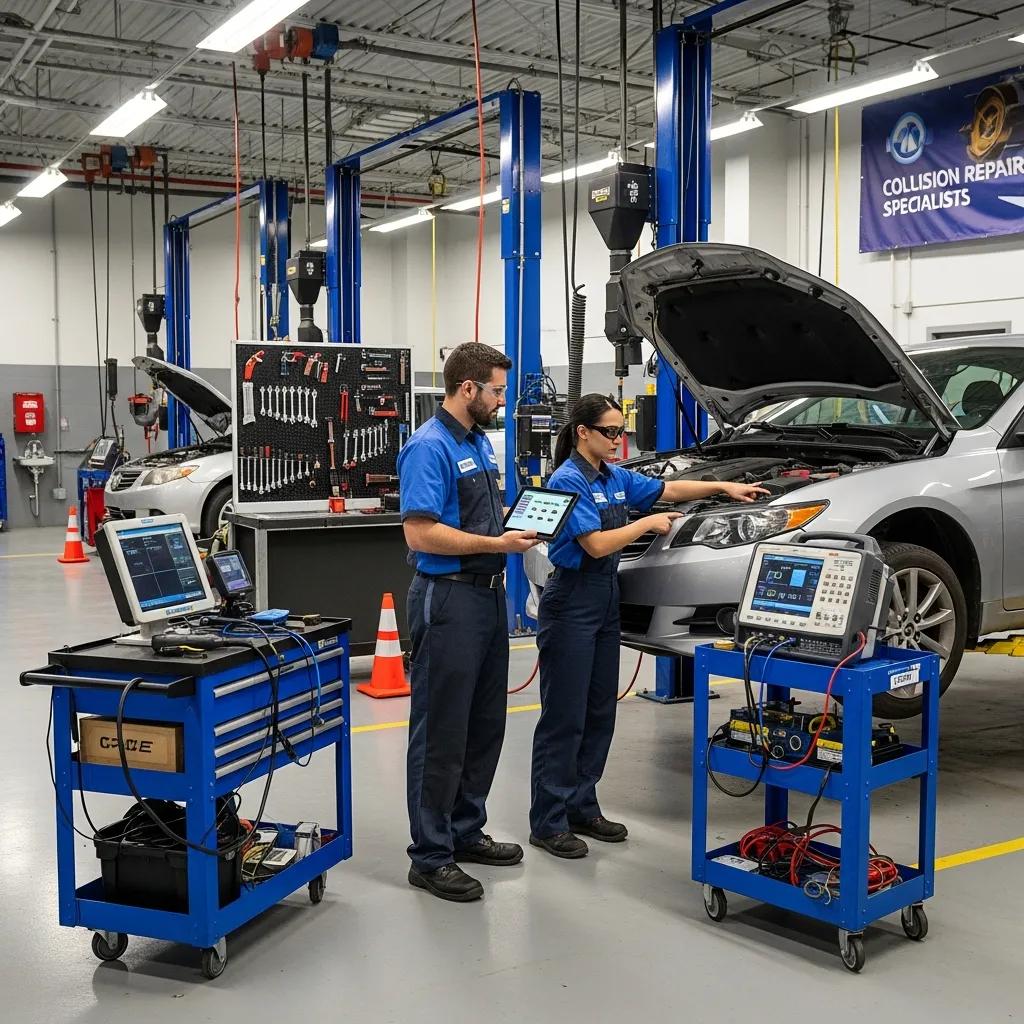
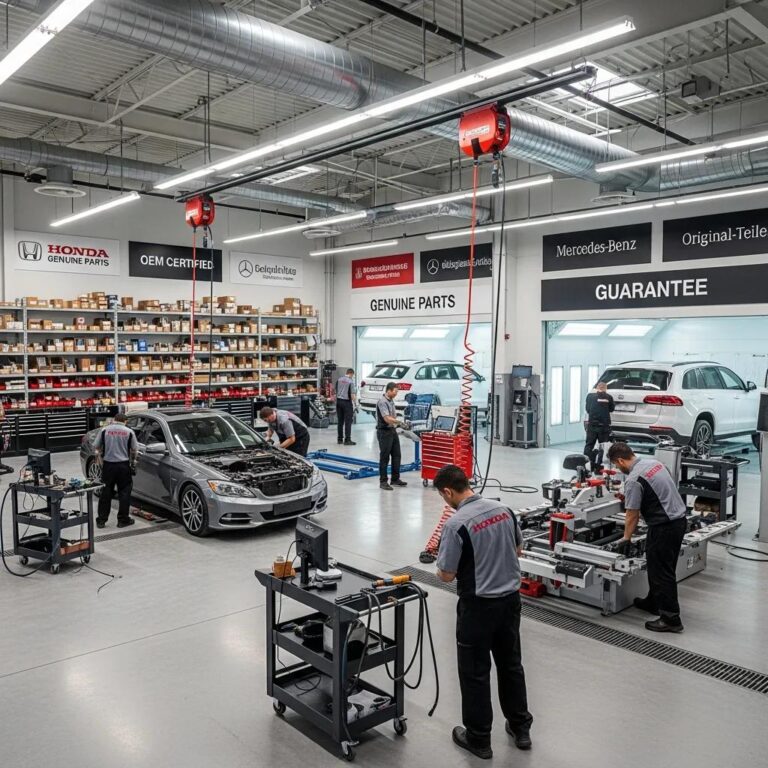
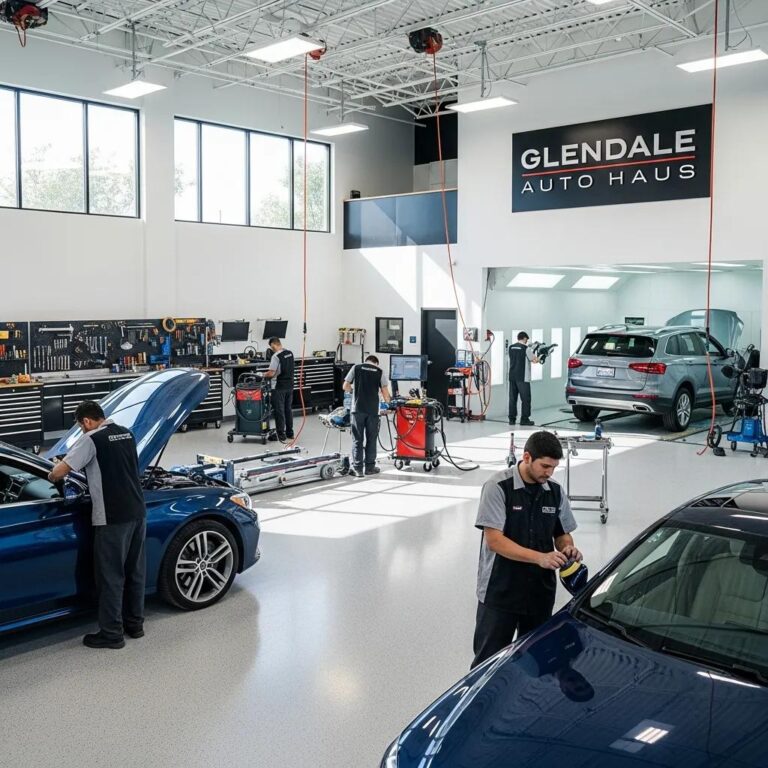
Professional collision repair means trained technicians following manufacturer procedures, using calibrated tools, and installing certified parts to return the vehicle to factory safety and performance. What makes professional service essential is the combination of OEM repair plans, documented measurements, and testing protocols that restore crash-energy paths, structural bonds, and safety system function. For owners, the payoff is restored occupant protection, preserved warranty and resale value, and a repair history insurers and buyers can rely on. Understanding this makes it clear why certified shops are the preferred option after accidents—and why we focus on OEM standards and technician credentials below.
Professional shops offer clear advantages after a collision:
- Certified procedures that match manufacturer specifications and preserve crashworthiness.
- Technicians trained with factory tools and diagnostics to find and fix hidden damage accurately.
- Thorough documentation that supports insurance claims and protects warranty and resale value.
Those advantages reduce long-term risk and expense. The next sections explain how OEM repairs and I-CAR Platinum training help deliver those outcomes.
How Do OEM Certified Repairs Ensure Vehicle Safety and Performance?
OEM-certified repairs follow manufacturer instructions for parts, joint methods, torque specs, and calibration steps so safety systems and structural geometry are restored. The key is procedure fidelity: using genuine parts and prescribed sequences—like pull-and-measure for frames and factory welding patterns—recreates original crash energy management and stiffness. That approach preserves safety margins, prevents fit-and-finish problems, and protects warranties that depend on documented OEM methods. The table below compares OEM and aftermarket approaches across safety, warranty impact, and long-term value.
| Repair Approach | Characteristic | Impact on Safety and Value |
|---|---|---|
| OEM Certified Repair | Genuine parts and factory procedures | Maintains original crashworthiness and warranty protection |
| Aftermarket Repair | Non‑OEM parts or generic procedures | May change sensor performance and structural behavior |
| Mixed Approach | OEM parts with nonstandard methods | Creates documentation gaps affecting claims and resale |
What Role Do I-CAR Platinum Certified Technicians Play in Quality Repairs?
I-CAR Platinum certification shows a technician or facility has advanced training across structural, electronic, and refinish areas and maintains ongoing education to meet manufacturer updates. That continuous competency means technicians are likelier to use current OEM repair data, spot complex hidden damage, and apply correct calibration and welding methods. For owners, I-CAR Platinum training lowers the chance of repair errors, supports consistent safety outcomes, and strengthens repair documentation for insurers and buyers. Knowing a shop uses I-CAR Platinum technicians gives practical reassurance that repairs follow today’s industry standards.
How Does Professional Repair Support Insurance Claims After a Car Accident?
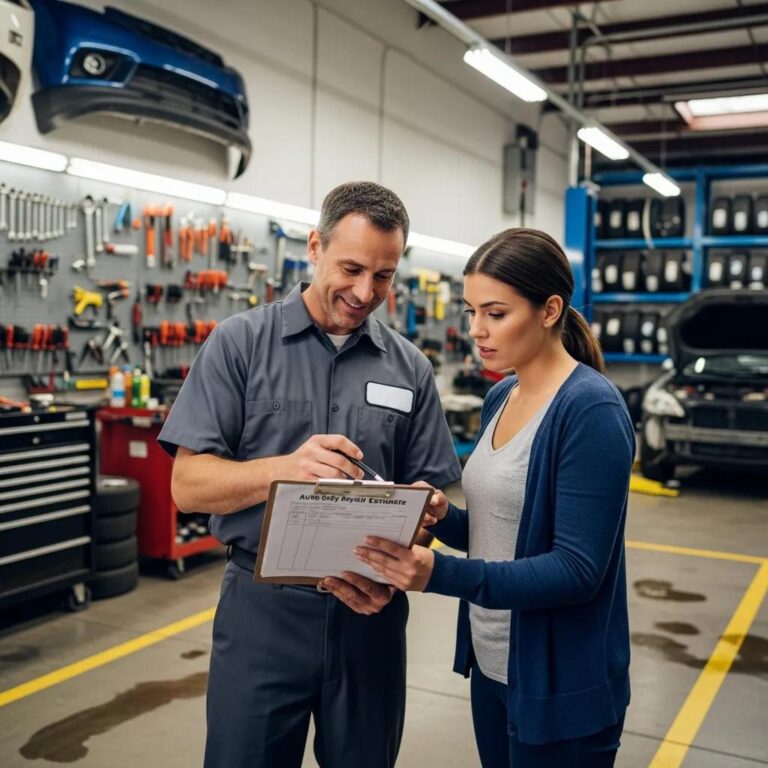
Collision shops act as technical partners during insurance claims by producing detailed estimates, documenting hidden damage, and communicating with adjusters to secure proper approvals and scope. Their support centers on documentation and advocacy: a complete shop estimate links visible damage to required OEM procedures and parts, helping adjusters understand necessary work and avoiding undervaluing structural repairs. For owners, that means a smoother claims process, less risk of under-repair, and clearer negotiations when insurers question parts or procedures. Below is the typical flow and how the shop supports you at each step.
- Initial Estimate: The shop documents visible and suspected hidden damage and outlines a repair plan.
- Adjuster Review: The insurer inspects or reviews documentation and authorizes scope based on OEM procedures.
- Repair Authorization: Repairs proceed using certified methods and parts, with interim documentation.
- Final Inspection and Advocacy: The shop verifies repairs and requests any additional work discovered during repair.
Each step depends on accurate documentation and technical clarity—services professional shops provide. The following sections detail what you should prepare and how a local shop helps with insurer interactions.
What Is the Process of Filing and Managing Auto Insurance Claims with Expert Assistance?
When filing a claim with shop support, start by collecting the police report, photos, and notes about visible damage. Bring the vehicle to a certified shop for a documented estimate that highlights suspected hidden damage and OEM requirements. The shop will produce a comprehensive estimate and may work with your insurer to schedule an adjuster or provide technical justification for specialized procedures like ADAS calibration or structural straightening. Once authorized, repairs proceed with documented checkpoints and test drives; the shop supplies final photos and repair records to close the claim and support future warranty or resale questions. This approach reduces disputes and ensures everyone—owner and insurer—works from the same evidence-based repair plan.
How Does Prime Time Collision Center Advocate for You During Insurance Negotiations?
Prime Time Collision Center helps by offering free estimates, coordinating with insurers, and documenting OEM repair needs to justify required parts and procedures—strengthening approvals and settlement accuracy. Our technicians are I-CAR Platinum certified and follow factory-quality repair processes, so we can provide technical justification for work that affects structural integrity, ADAS calibration, and warranty preservation. Immediate support includes free 24/7 towing and free estimates to get your vehicle to safety and start the claims process quickly. For direct help, call Prime Time Collision Center at (818) 396-4997 or visit one of our Glendale locations to begin an estimate and insurer coordination.
What Are the Benefits of OEM Certified Collision Repair Over Aftermarket Alternatives?
OEM certified collision repair prioritizes manufacturer-specified parts, alignment tolerances, and calibration routines to protect safety systems, fit and finish, and warranty coverage. The central idea is preserving the factory design: OEM parts and documented procedures keep sensor positions and structural geometry intact—critical for ADAS performance and occupant protection. For owners, that means a vehicle returned to manufacturer standards, stronger resale value, and fewer latent safety issues that can arise when sensors or structure are improperly repaired. The table below clarifies trade-offs between OEM parts and aftermarket options across safety, warranty, fit/finish, and resale value.
| Part Source | Safety Implication | Warranty & Resale | Fit/Finish |
|---|---|---|---|
| OEM Parts | Maintains sensor placement and crash performance | Supports factory warranty and resale value | Exact fit and finish |
| Aftermarket Parts | Can shift sensor geometry or material properties | May raise warranty questions and reduce resale value | Variable fit; potential gaps or finish mismatch |
| Reconditioned Parts | Lower cost but variable integrity | Needs documentation to avoid future disputes | May require refinishing to match factory appearance |
How Do OEM Parts and ADAS Calibration Preserve Warranty and Resale Value?
Using OEM parts and following manufacturer-prescribed ADAS calibration ties repairs back to factory standards, helping preserve warranties and producing documentation that supports higher resale values. The mechanism is traceable fidelity: records showing OEM parts and completed calibrations prove repairs met manufacturer criteria, easing buyer or insurer concerns about hidden compromises. Practically, that means fewer warranty disputes and stronger resale credibility—buyers rely on verified repair histories when assessing post-accident vehicles. Keeping OEM procedures creates a defensible repair record that protects both safety and economic value.
Why Is ADAS Calibration Critical for Modern Vehicle Safety Systems?
ADAS features—forward-collision warning, automatic emergency braking, lane-keeping, adaptive cruise, and others—depend on precisely aligned cameras, radar, and lidar sensors. Any bodywork or component replacement that shifts sensor position requires calibration to restore correct function. When sensors are misaligned, detection accuracy, reaction timing, and reliability suffer, which can cause false alerts or missed hazards. Proper calibration with OEM procedures and specialized equipment resets system thresholds and ensures integrated safety features behave as intended. Given the potential life-or-death consequences, ADAS calibration should be done by certified technicians with access to manufacturer data and calibration rigs.
When Should You Choose Professional Car Service Over DIY for Your Vehicle?
Choose professional service when your vehicle shows structural damage, safety systems were affected, or when complex diagnostics and calibrations are needed. Professional shops provide documented, durable repairs that reduce long-term risk. The reason to prefer professional service is simple: risk minimization. Trained shops find and repair hidden damage, use the right tools, and deliver warranty-backed work that prevents repeat fixes. The result is lower total cost of ownership through fewer callbacks, preserved warranty coverage, and maintained resale value. The decision table below helps you quickly see which scenarios are DIY-friendly and which require expert attention.
| Repair Scenario | Required Expertise/Tools | Recommended Action |
|---|---|---|
| Minor cosmetic paint chips | Basic tools, touch-up paint | DIY acceptable if no structural damage |
| Frame or suspension damage | Frame machine, measuring fixtures | Seek professional repair |
| Airbag deployment | Diagnostic tools, module replacement | Professional service required |
| ADAS sensor misalignment | OEM calibration equipment | Professional calibration required |
| Brake system or fluid leaks | Brake tools, diagnostics | Professional inspection and repair |
Which Repair Scenarios Require Specialized Tools and Expertise?
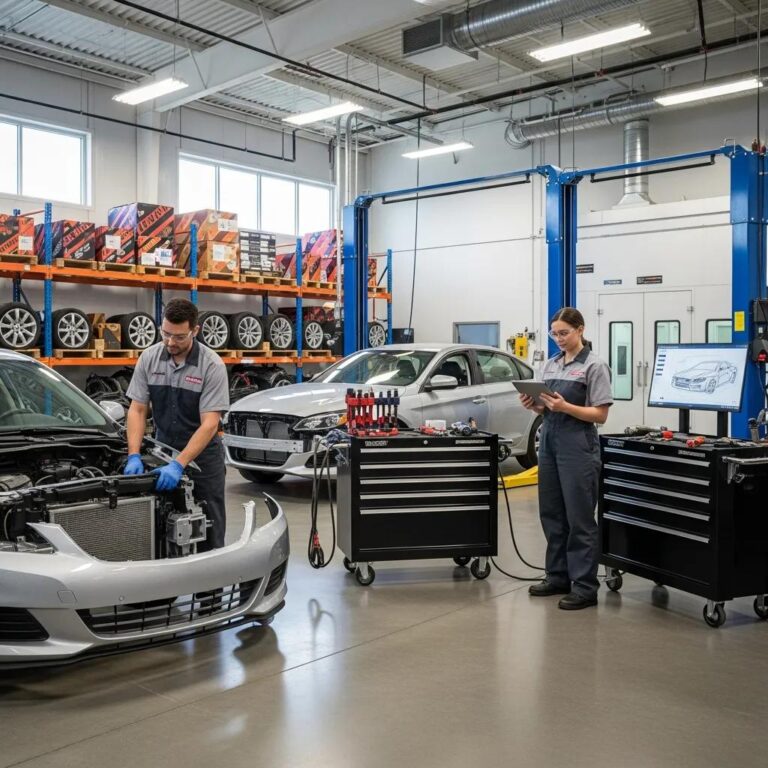
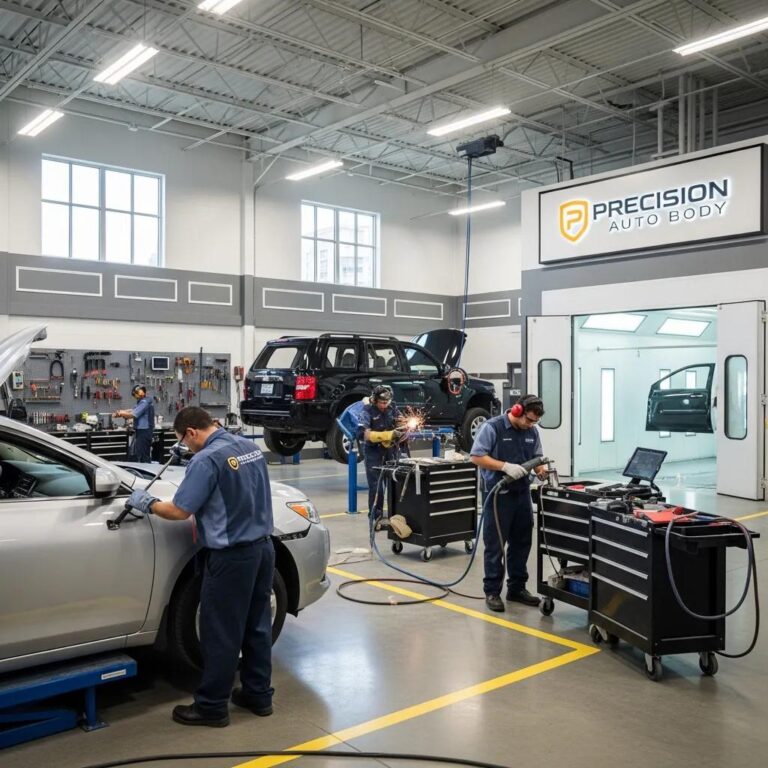
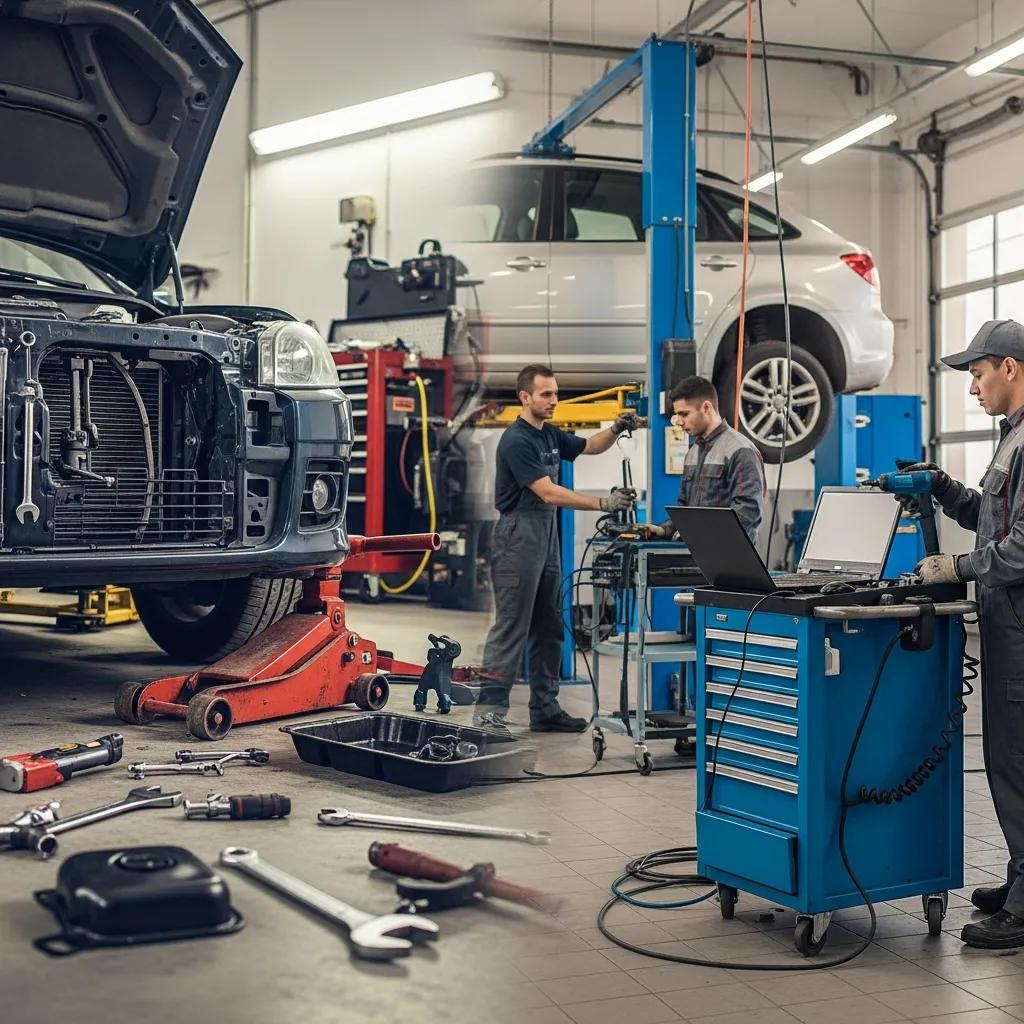
Some repairs demand equipment and skills most owners don’t have, including frame straightening with measurement systems, factory welding or bonding techniques, paint-booth refinishing to match OEM coatings, and ADAS calibration rigs tied to manufacturer procedures. Trying these without proper tools can cause misaligned structure, compromised corrosion protection, and faulty sensor function. Professional shops combine the right machines, calibrated diagnostics, and trained staff to complete these repairs reliably. Recognizing these cases helps owners avoid safety compromises and ensures repairs are durable and manufacturer-compliant.
How Does Professional Service Save Time, Cost, and Ensure Long-Term Safety?
DIY fixes can look cheaper up front, but professional service prevents repeated repairs, uncovers hidden failures, and protects resale value—reducing lifetime ownership costs. Certified shops document repairs, offer warranties, and use OEM parts and procedures that lower the chance of future disputes or buyer concerns. In practice, owners who choose professional repair often save time by avoiding rework and get clearer insurance outcomes, which together preserve safety and financial results. Viewing repair as a lifecycle investment—rather than a single expense—shows why professional service is often the smarter choice.
What Makes Prime Time Collision Center the Safest Choice for Professional Auto Repairs in Glendale and Surrounding Areas?
Prime Time Collision Center is a local collision shop focused on OEM-quality repairs, trained technicians, and hands-on claims support across Glendale, Burbank, Pasadena, and Los Angeles. We emphasize factory-quality work by I-CAR Platinum certified technicians, offer free estimates and 24/7 towing to remove immediate risk after a collision, and work with all major insurers while backing repairs with warranties. Our promise rests on combining certified training, OEM procedures, and documented processes to restore vehicles to manufacturer standards. If you want documented, warranty-backed repairs with insurer coordination, Prime Time Collision Center provides local, staffed locations to start the repair and claim process.
Key features that support safe repairs and peace of mind:
- I-CAR Platinum certified technicians who follow factory repair data.
- Free 24/7 towing and free estimates to get damaged vehicles to the shop quickly.
- Collaboration with all major insurance companies and warranty-backed repairs.
These services create a repair pathway focused on safety, documentation, and customer advocacy. The sections below describe our certifications and the testimonial themes that reinforce trust.
How Do Our Certifications and Repair Processes Guarantee Factory-Quality Results?
I-CAR Platinum and similar certifications show our technicians maintain advanced, manufacturer-aligned training across structural, electronic, and refinish disciplines—supporting consistent application of OEM repair procedures. Our process—inspection, documented estimate, OEM procedure implementation, calibration, and quality checks—ensures measured restoration of structure and safety systems instead of quick, ad-hoc fixes. That documented workflow lowers the chance hidden damage is missed and gives insurers and owners clear evidence of factory-level methods. By combining certified staff with repeatable steps, we reduce repair variability and increase confidence in long-term safety.
What Do Customer Testimonials Reveal About Our Trusted Collision Repair Services?
Customer reviews consistently highlight strong communication, thorough documentation, and confidence in repair quality—reflecting our focus on transparency and factory-level results. Customers appreciate timely updates through the estimate and repair process, clarity during insurance interactions, and satisfaction with the fit and finish of completed work. We encourage prospective customers to read local testimonials and request a documented estimate so they can judge repair quality and responsiveness before committing. These trust signals complement our technical certifications and guide customers toward informed decisions.
Frequently Asked Questions
What should I do immediately after a car accident?
Put safety first: move to a safe location if you can, check for injuries, and call emergency services when needed. Take photos of the scene and exchange information with other drivers, including insurance details. Report the incident to your insurance company. After addressing immediate needs, consider having your vehicle towed to a certified repair shop for a full inspection—hidden damage isn’t always visible right away.
How can I determine if my vehicle needs professional repairs after a minor accident?
Look for unusual noises, dashboard warning lights, or changes in how the car handles. Even if damage looks minor, internal components can be affected. If you notice performance issues or if an airbag deployed, seek a professional inspection. Certified technicians can find hidden damage and ensure safety systems are working correctly—essential for your safety and the vehicle’s integrity.
What are the costs associated with professional auto repairs after an accident?
Repair costs vary based on damage severity, parts needed, and labor. Structural work, ADAS recalibration, and OEM parts typically cost more than cosmetic fixes. Get detailed estimates from certified shops that break down parts and labor. Many shops also work directly with insurers to manage claims, which can lower your out-of-pocket costs.
How can I ensure that my vehicle is repaired to OEM standards?
Choose a certified shop that follows manufacturer guidelines and uses genuine OEM parts. Look for I-CAR Platinum technicians and request documentation of the repair process, including parts used and calibrations performed. That documentation helps maintain warranties and resale value and shows repairs met factory standards.
What should I look for in a collision repair shop?
Consider certifications, customer reviews, and experience with your vehicle make and model. I-CAR Platinum certification indicates advanced training. Also check for warranties on repairs and the shop’s ability to work with your insurer. Clear estimates and regular communication about timelines help ensure a positive experience.
Can I use aftermarket parts for repairs, and what are the implications?
You can choose aftermarket parts, but be aware of the trade-offs. Aftermarket parts may not match OEM safety or quality standards and can affect performance or sensor function. Using non‑OEM parts might impact warranties and resale value. If you opt for aftermarket components, choose reputable manufacturers and ensure the shop documents their use to prevent future disputes with insurers or buyers.
What role does ADAS calibration play in post-accident repairs?
ADAS calibration is critical because it ensures advanced safety systems—lane-keeping, automatic emergency braking, adaptive cruise, and others—work correctly. Any bodywork or component replacement that shifts sensor position can cause inaccurate readings and compromised safety. Professional shops use specialized equipment to recalibrate systems to OEM specs, restoring functionality and keeping the vehicle compliant with manufacturer standards.
Conclusion
Choosing professional service for post-accident repairs gives you the best chance of restoring your vehicle to original safety and performance standards. Relying on certified technicians and OEM procedures minimizes risks from DIY fixes and helps preserve your vehicle’s warranty and value. For a smoother, safer repair experience, contact a trusted local shop that prioritizes quality and customer advocacy. Take the next step for your vehicle’s safety by reaching out to Prime Time Collision Center today.