DIY vs Professional Auto Body Repair: Making the Right Choice
DIY vs. Professional Auto Body Repair: How to Choose the Right Option for Your Vehicle
Deciding whether to handle repairs yourself or bring your vehicle to a shop comes down to safety, cost, time and insurance. This guide walks you through the trade-offs so you can make a clear, practical choice. You’ll learn the common risks of DIY fixes, why some repairs require professional procedures, and how to compare true costs — including hidden damage and resale impact. We also explain how certified repair processes restore structural integrity, why ADAS and other advanced systems need specialized calibration, and which documents matter for insurance and resale. Keep reading for a decision matrix, cost comparisons, and checklists you can use after a collision or minor damage. Sections cover DIY limits, professional benefits, when to choose a shop, resale and safety implications, plus a local example in Glendale, CA.
What Are the Risks and Limitations of DIY Auto Body Repair?
DIY auto body repair means owners tackle paint, panel or minor structural work without following shop procedures. The biggest risk is missed inspection: what looks cosmetic can hide frame harm, suspension misalignment, or damaged mounts that affect safety. That incomplete work raises the chance of future failures, worsened crash performance, and potential insurance or warranty disputes if repairs aren’t factory-compliant. Knowing these risks helps you decide when a professional assessment and documented repair are necessary to protect passengers and preserve vehicle value. Below we list frequent DIY mistakes and explain how they can escalate into bigger problems.
DIY approaches often miss crucial details:
- Poor assessment: Overlooking structural or suspension damage while focusing only on the panel.
- Improper repairs: Using fillers or adhesives that don’t meet OEM specs.
- Ignoring electrical and sensor systems: Missing wiring issues, connectors, or misaligned ADAS sensors that affect safety.
These examples show the safety and long-term cost risks of DIY work. The next section breaks down common owner mistakes and how they lead to larger issues.
What Common Mistakes Do Vehicle Owners Make in DIY Repairs?

A common error is underestimating hidden damage: a shallow dent can mask bent brackets, misaligned mounts, or displaced fasteners that ruin fit and function. Poor surface prep — bad sanding, contaminants, or mismatched paint — leads to visible failure and faster corrosion. DIYers also use non-OEM adhesives, fillers, or parts that lack the fatigue resistance and tolerances required for crash loads, which hurts durability. Finally, failing to test or recalibrate electronic sensors after work can create problems for stability control and other safety systems. Knowing these mistakes helps you pick which jobs are safe to attempt and which need factory procedures, and it leads into the warranty and safety consequences of DIY work.
How Does DIY Repair Affect Vehicle Safety and Warranty?
DIY repairs can reduce occupant protection if airbags, seatbelt pretensioners or ADAS sensors are disturbed or not checked after an impact — problems that can prevent proper deployment or sensor function. From a warranty and insurance standpoint, visible non-professional work or non-approved parts can prompt disputes or coverage denial if tied to later mechanical failures. Unverified repairs also lack the documentation insurers and buyers rely on to confirm factory-quality restoration, which lowers resale confidence. If you care about retained safety performance and claim reliability, professional documentation and OEM-compliant procedures are often the deciding factors. The next section covers those professional benefits in detail.
What Are the Key Benefits of Professional Collision Repair Services?
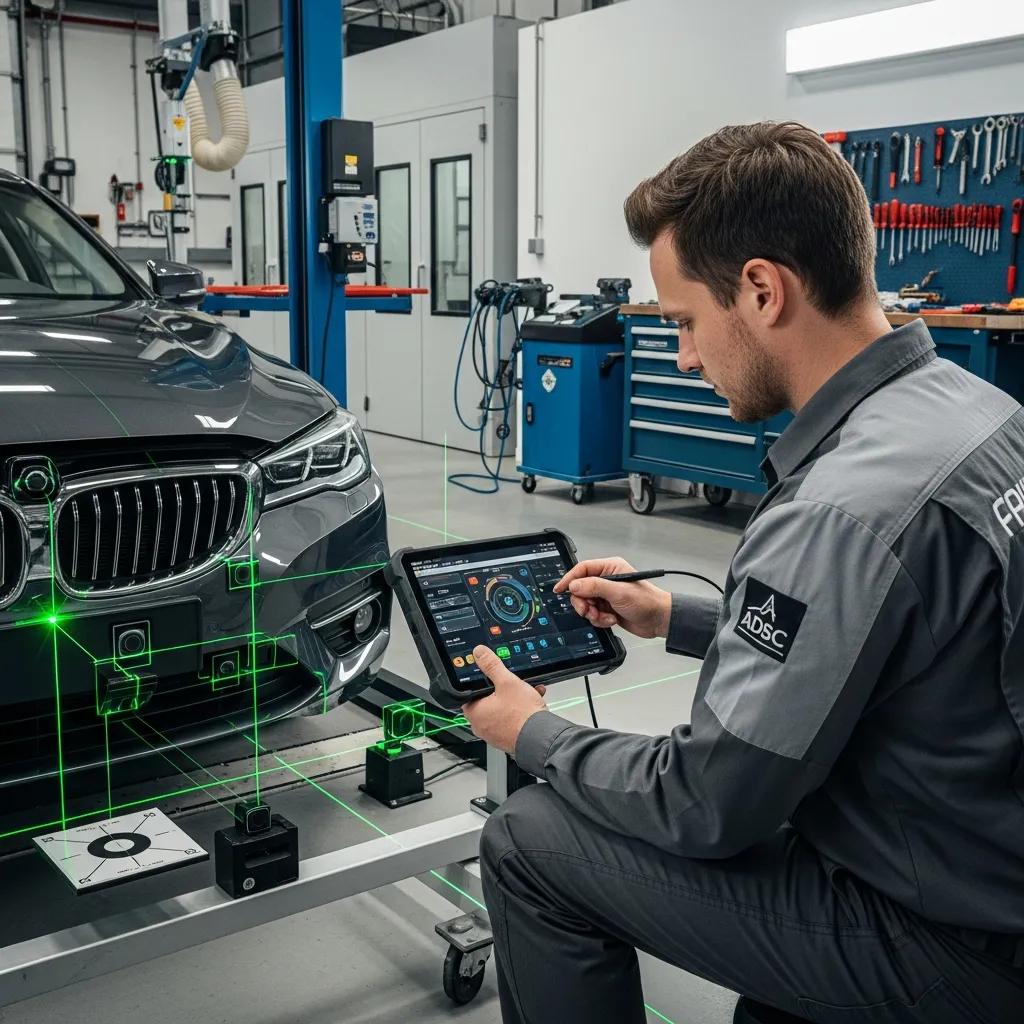
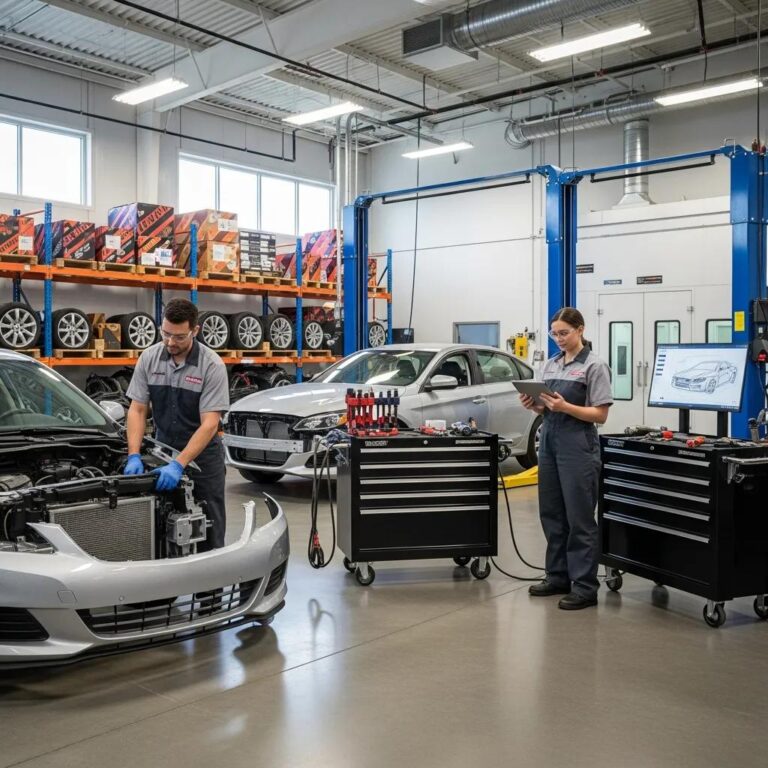
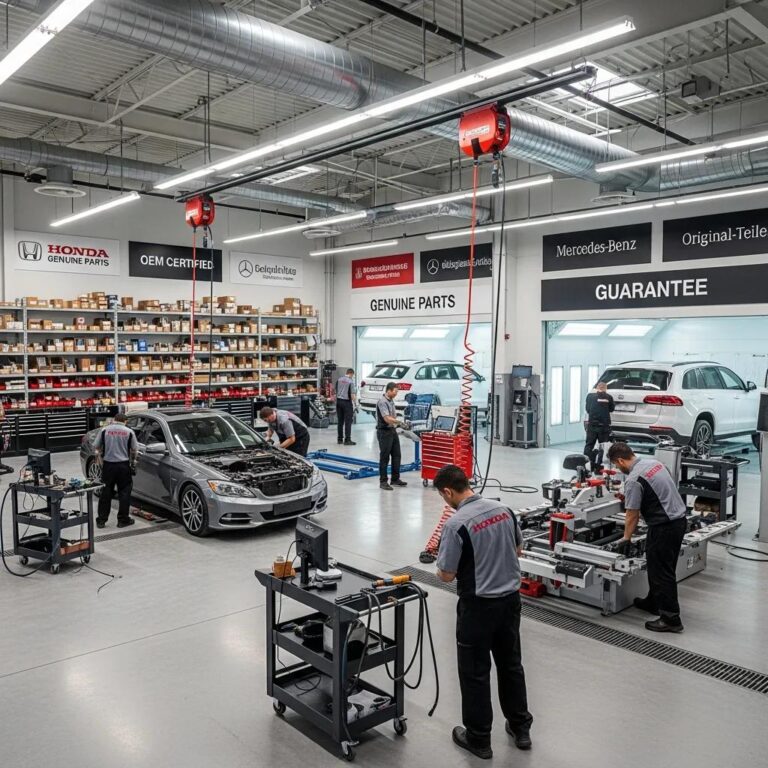
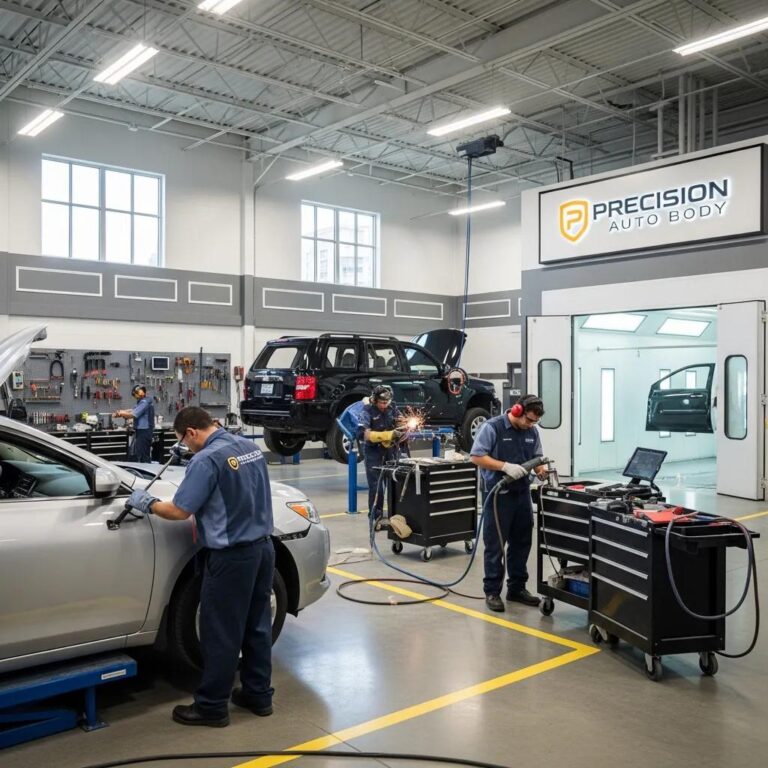
Professional collision repair restores vehicles using documented procedures, calibrated equipment and trained technicians to bring structure, safety systems and finish back to OEM standards. The value comes from following manufacturer repair specs and using specialized tools — frame measuring systems, calibrated torque tools and controlled paint booths — that ensure repeatable results and material compatibility. For owners, that means restored safety performance, warranty-ready documentation, accurate paint matching and confidence that insurance claims are supported with credible records. These capabilities lower long-term ownership costs by avoiding rework, reducing depreciation and protecting occupant safety. Below is a concise table that maps common certifications and techniques to what they mean for you.
The certification and technique mapping shows practical benefits for vehicle owners:
| Certification / Technique | Attribute | What It Means For You |
|---|---|---|
| I-CAR Platinum training | Technician competency and ongoing education | Repairs follow current manufacturer practices for better safety and consistent results |
| OEM repair procedures | Documented steps and approved materials | Maintains factory tolerances to preserve structural performance |
| Frame straightening equipment | Accurate measurement and repair of structural components | Restores alignment to protect suspension and crash safety systems |
| Paint booths & color matching tech | Controlled environment and calibrated color systems | Durable, visually accurate finishes with fewer repaint traces |
This table connects certifications and tools to real owner benefits. The next section explains how certified technicians turn those capabilities into factory-quality results.
How Do Certified Technicians Ensure Factory-Quality Repairs?
Certified technicians follow a clear workflow: assess damage, make a repair plan using OEM manuals, fit manufacturer-approved parts and materials, and run multi-point inspections to validate alignment and safety systems. Training and certifications teach construction details, weld and fastener specs, and how those affect crash behavior and longevity. Specialized tooling — frame racks, laser measurement systems and calibrated jigs — lets technicians meet factory tolerances that DIY methods can’t. Post-repair checks include functional airbag tests, sensor diagnostics and road alignment verification, which together restore safety performance and create the documentation insurers and buyers expect. The following subsection covers how OEM certifications and I-CAR Platinum status improve outcomes for owners.
What Advantages Do OEM Certifications and I-CAR Platinum Status Provide?
OEM certifications and I-CAR Platinum status show a shop and its technicians keep current training, access manufacturer repair information, and run quality systems aligned with industry standards. The tangible benefit is consistent application of factory procedures, which reduces variation in outcomes and gives stronger evidence to insurers and future buyers that repairs met manufacturer expectations. Certified shops often have access to approved parts and technical updates, improving repair accuracy. Those credentials also help shops document work in a way that protects warranty interactions and resale value, making certification a practical signal of lower risk when you choose a professional provider.
How to Compare Costs: DIY Auto Body Repair vs Professional Services
Comparing DIY and professional costs means looking beyond the initial price to downstream expenses like rework, lower resale value, safety risk and lost warranty coverage. DIY can seem cheaper for small cosmetic fixes, but when you add tool purchases, consumables and the odds of corrective repairs, total cost can exceed a single professional job. Professional work includes warranty protection, OEM procedures and insurance coordination that often cut owner liability for major repairs and preserve market value. The table below gives a focused comparison of practical attributes to weigh.
This comparison highlights direct and hidden cost factors:
| Repair Approach | Cost Factors | Value Implication |
|---|---|---|
| DIY repairs | Materials, tools, time, risk of rework | Lower upfront cost but higher chance of expensive mistakes |
| Professional repair | Labor, OEM parts, warranty, documentation | Higher upfront cost but lower long-term risk and better resale outcomes |
| Insurance-supported repair | Claim handling, authorized shop work | Potential out-of-pocket savings and a documented repair history |
The table shows professionals often deliver better long-term value. Below are specific DIY cost factors and the warranty/insurance advantages professional shops provide.
DIY repairs include several true cost factors to consider:
- Tools and equipment: Buying specialty tools and paint gear you may only use once.
- Time and skill investment: Hours learning and working instead of doing other things.
- Hidden damage costs: Later repairs for unseen structural or mechanical problems you missed.
These factors often make DIY less economical over the life of the vehicle. The next subsection explains how professional shops add value through warranties and insurance support, with a short example of shop assistance.
What Are the True Cost Factors in DIY Repairs?
True DIY costs combine material and tool expenses with less visible costs: time, the learning curve, and the risk of incomplete repairs that require later professional correction. Specialist tools for alignment, welding and calibrated painting are costly, and using them imperfectly can damage finish or structure, leading to rework that usually exceeds initial savings. Time is a real cost — hours diagnosing, sourcing parts or fixing mistakes often match or surpass a shop labor bill. Finally, DIY work can void parts of your warranty or complicate insurance claims, creating uncertain future expenses. Knowing these factors helps you make a realistic cost/benefit choice that prioritizes safety and long-term value.
How Does Professional Repair Offer Value Through Warranty and Insurance Support?
Professional shops follow OEM procedures and document repairs, creating records that support insurance claims and keep warranty credibility intact — valuable if a later issue appears. Shops that work directly with insurers reduce administrative friction for owners, helping secure approved repair plans and parts consistent with coverage. Reputable shop warranties provide repair guarantees that reduce rework risk, and OEM-compliant repairs avoid disputes over whether aftermarket work caused later failures. For owners, that means more predictable costs and less financial exposure over time. The next section gives decision criteria to help you choose a shop instead of attempting a DIY fix.
As a practical example, some local Glendale shops offer streamlined insurance coordination and lifetime warranties, which can lower long-term ownership risk and simplify claims handling.
When Should You Choose a Professional Auto Body Shop Over DIY?
Choose a professional shop when damage affects structural components, safety systems or ADAS sensors, or when paint matching and finish quality matter for resale. The main decision drivers are safety impact, electronic sensor involvement, and whether insurance or lease-return documentation is needed — if any apply, go pro. Professional repair also makes sense if you lack calibrated tools or training to restore factory tolerances; attempting advanced repairs without those resources increases risk. The decision matrix below helps you quickly determine when to prioritize a shop visit.
Use the decision matrix to guide choices after an initial inspection:
| Damage Type | DIY Feasible? | Professional Recommended Because |
|---|---|---|
| Cosmetic scratch (clearcoat only) | Yes, if small and superficial | Minor surface fixes can often be handled without professional paint blending |
| Panel dent with alignment issues | No | Panel removal and alignment usually need fixtures to restore proper fit |
| Frame or suspension damage | No | Structural repair requires measurement and certified equipment |
| ADAS sensor or airbag system impacted | No | Calibration and safety validation require manufacturer procedures |
This matrix shows clear thresholds where professional work is necessary. Below are quick decision points you can use on the spot.
When to choose a professional shop — quick criteria:
- If structural damage or frame deformation is present, choose a professional immediately.
- Any involvement of ADAS sensors, airbags or other safety electronics requires professional calibration.
- Insurance claims, lease returns or resale considerations favor documented, factory-compliant repairs.
These criteria help owners make fast, safe decisions. The subsections that follow offer a short inspection checklist and a technical explanation of why ADAS calibration exceeds DIY capabilities.
How to Assess Damage Severity and Complexity for Repair Decisions
Start with a simple checklist: inspect panel gaps and alignment, look for fluid leaks, drive slowly to check wheel alignment, and watch for dashboard warnings that indicate sensor or airbag issues. Visible misalignment, humming, uneven tire wear or warning lights point to suspension, steering or sensor problems that need professional diagnosis. For cosmetic-only damage, do a small test repair and check fit and finish; if gaps or edges aren’t within tolerance, get a shop estimate. If you find electrical connectors, structural seams or sensor housings involved, seek a professional assessment to avoid making things worse. The next section explains why ADAS and advanced systems require shop-level calibration and equipment.
Why Are Advanced Repairs Like ADAS Calibration Beyond DIY Capabilities?
ADAS calibration depends on manufacturer-specific procedures, calibrated targets and diagnostic tools that align sensors with the vehicle’s control modules. Small misalignments can trigger false warnings or unsafe behavior. Calibrations often require exact vehicle positioning, controlled distances and software-guided steps so cameras, radar and LIDAR systems work within design tolerances. Incorrect calibration can disable features like automatic emergency braking or lane-keeping assistance, creating direct safety hazards and potential legal exposure. Regulatory and insurance standards increasingly require documented calibration after collision repairs, so these tasks should be done by technicians with OEM tools and verified procedures.
How Does Professional Repair Impact Vehicle Resale Value and Safety?
Professional repairs done to OEM procedures with documented work orders help preserve resale value by reassuring buyers and appraisers that the vehicle was restored to manufacturer standards. The benefit comes from transparency: records showing OEM parts, calibrated systems and certified inspections reduce perceived risk and bargaining discounts at resale. Professionally restored structural integrity and validated safety systems also lower the chance of future mechanical failure, which improves long-term ownership economics. Below are specific ways certified repairs influence buyer confidence and appraisal outcomes.
Certified repairs support resale and safety in specific ways:
- Documentation: OEM procedures and receipts prove factory-compliant work and reassure buyers.
- Safety validation: Post-repair inspections and ADAS calibrations restore confidence in vehicle safety.
- Reduced depreciation: Documented repairs typically lead to smaller trade-in discounts than undocumented DIY fixes.
These points connect directly to how OEM-certified repair preserves value. The following subsections examine those effects in more detail.
What Role Does OEM Certified Repair Play in Maintaining Resale Value?
OEM-certified repair creates verifiable records showing manufacturer procedures and approved parts were used and that required calibrations and inspections were completed — information buyers and appraisers favor. This documentation lowers perceived post-accident risk and usually results in higher trade-in offers or less aggressive buyer negotiation, because the vehicle’s history includes professional validation. OEM-compliant work also reduces the chance of later discovery of repair-related failures during pre-sale inspections, which can otherwise trigger costly claims or price drops. For owners planning to resell, investing in certified repairs often leads to a smaller depreciation penalty than undocumented DIY fixes.
How Do Professional Repairs Ensure Structural Integrity and Safety Compliance?
Professional repairs use measurement, alignment and fastener torque procedures to factory specifications, restoring structural geometry and connection integrity that directly affect crash performance. Shops leverage frame measurement systems and calibrated jigs to spot deviations from factory dimensions and then follow OEM structural repair methods to correct them. Technicians verify fastener torques, weld quality and component fit, then perform post-repair inspections and functional tests for airbags, restraints and ADAS systems to confirm safety compliance. That sequence — measure, repair to spec, inspect and validate — ensures structural repairs are durable and demonstrably meet manufacturer safety expectations.
What Makes Prime Time Collision Center the Trusted Choice for Auto Body Repair?
Prime Time Collision Center is a Glendale, CA auto body and collision repair shop focused on OEM-quality repairs, straightforward insurance support and customer trust. The shop highlights I-CAR Platinum technicians and an OEM-aligned approach that supports structural restoration, precise paint matching and electronic calibrations. Prime Time offers direct insurance coordination, free 24/7 towing for collision customers, and a lifetime warranty on repairs — services designed to reduce disruption after an accident. Serving greater Los Angeles, the center is a single-source option for collision repairs, paintless dent removal, routine mechanical work and coordinated insurance assistance to help owners protect safety and resale value.
Prime Time’s credentials translate into practical owner benefits:
- I-CAR Platinum technicians who receive ongoing training to handle modern vehicle technology.
- OEM repair procedures and factory-quality paint matching that preserve finish and function.
- Lifetime warranty on repairs plus convenience services like free 24/7 towing to minimize disruption.
These attributes show how a certified local provider can reduce long-term costs and uncertainty. The subsections below explain technician competencies and service details.
How Do I-CAR Platinum Certified Technicians Enhance Repair Quality?
I-CAR Platinum certification requires ongoing training and validated skills across vehicle technologies, so technicians stay current with new materials, joining methods and electronic systems. That training improves consistency because technicians follow manufacturer-accepted practices and understand how structures, adhesives and sensors interact. For owners, the outcome is fewer surprises after repair: consistent fit and finish, accurate structural restoration and proper sensor calibration that together preserve safety and reduce rework. Ongoing education also helps shops adapt to emerging vehicle technologies and remain aligned with OEM expectations.
What Hassle-Free Insurance and Warranty Services Does Prime Time Offer?
Prime Time Collision Center coordinates with insurers to streamline claims and get approval for OEM-compliant repairs, reducing the paperwork owners face. The shop offers free 24/7 towing for collision customers to safely move vehicles to a certified facility and limit further damage. Prime Time also backs its repairs with a lifetime warranty, giving documentation and peace of mind that helps avoid future out-of-pocket costs tied to the original collision work. For owners across the Los Angeles area, these services combine to protect safety, simplify claims and preserve vehicle value.
- Insurance coordination: Direct support with claims to align repair plans with your coverage.
- Towing convenience: Free 24/7 towing to reduce stress immediately after a collision.
- Lifetime warranty: Warranty documentation that limits long-term exposure to rework costs.
These services show how a certified local shop turns professional repair advantages into real owner benefits. For next steps, visit practical options to decide between DIY and professional repair.
Frequently Asked Questions
1. What should I consider when deciding between DIY and professional auto body repair?
Consider the damage extent, your experience and the tools required. If the repair touches structural parts or safety systems, choose a professional. Factor in long-term costs of DIY work — hidden damage, potential warranty or insurance issues and resale impact. Safety and compliance with manufacturer standards should guide your decision.
2. How can I ensure that a professional repair shop is reputable?
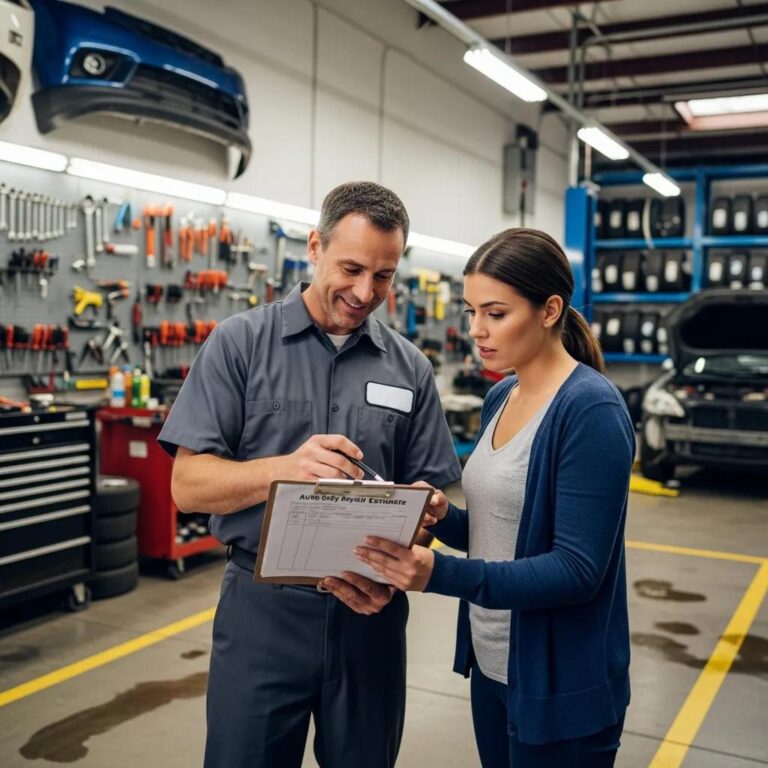
Look for credentials like I-CAR Platinum and OEM certifications, which show adherence to industry standards. Read reviews and ask for examples of work on your vehicle make. Ask about warranties and clear, itemized estimates. A transparent shop that communicates and provides documentation is usually a reliable choice.
3. What are the potential hidden costs of DIY auto body repairs?
Hidden costs include buying specialty tools and materials you may only use once, plus the time spent learning and working. Mistakes can require professional fixes that increase total expense. DIY repairs can also complicate insurance claims or void warranty coverage, creating unpredictable future costs.
4. How does professional repair documentation benefit vehicle owners?
Documentation verifies that OEM standards were followed and parts were approved, which helps with insurance claims and reassures buyers at resale. Detailed repair records reduce disputes with insurers and support higher trade-in or resale values by proving the vehicle was restored correctly.
5. What types of repairs are typically not suitable for DIY approaches?
Avoid DIY for structural damage, frame alignment and advanced safety systems like ADAS sensors. These repairs need specialized tools, training and manufacturer procedures. Any repair that requires precise calibration or impacts airbags and restraint systems should be handled by professionals.
6. How can I assess the severity of damage to my vehicle?
Start with a visual check of panel gaps and alignment, look for fluid leaks, and note any dashboard warnings. Drive slowly to detect unusual noises or steering changes. If you see misalignment, uneven tire wear or warning lights, get a professional assessment to prevent further complications.
7. What are the long-term benefits of choosing professional repair services?
Professional repairs enhance safety, protect resale value and reduce the risk of future mechanical failures. Following OEM standards preserves structural integrity and safety systems. Documented repairs give buyers confidence and can improve trade-in offers. Investing in professional service helps avoid costly rework and keeps your vehicle reliable over time.
Conclusion
Choosing between DIY and professional auto body repair affects safety, vehicle value and long-term costs. Professional services offer documented, OEM-aligned repairs that preserve safety and resale potential. By choosing certified technicians, you reduce the risks tied to DIY fixes and gain peace of mind. For a seamless repair experience, reach out to a trusted professional shop to discuss your options.