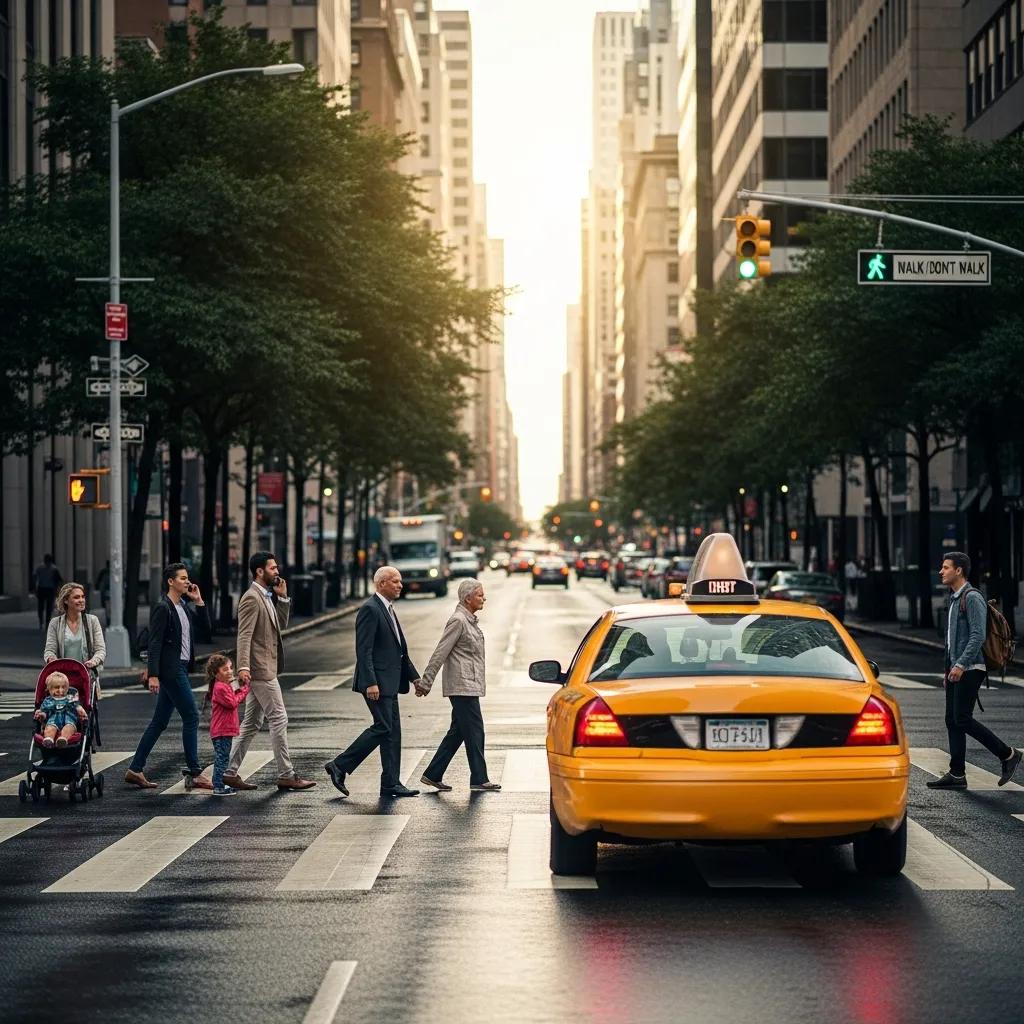
Pedestrian Safety Tips for Drivers — Simple Steps for Safer Streets
Pedestrian collisions remain a serious concern on our roads. The best thing drivers can do is stay alert and predictable. This guide explains how what you do behind the wheel — from obeying crosswalk rules to keeping ADAS systems calibrated after a crash — works together to protect people on foot. You’ll find clear driver responsibilities, local crosswalk rules that apply in Glendale and California, practical tips beyond just ditching distractions, and why OEM/I‑CAR–level repairs matter for pedestrian safety systems. We also cover focused strategies for school zones and busy city streets, with checklists and quick-reference tables you can use right away.
What Are the Key Driver Responsibilities for Pedestrian Safety?
Driver responsibility is about consistent habits that help you spot pedestrians sooner, react faster, and follow right-of-way rules. That means yielding where the law requires, removing distractions, making eye contact when possible, and controlling speed so you can stop safely. Each habit directly reduces crash risk or the severity of injuries. Practicing them every trip makes your behavior predictable to pedestrians and other drivers — and predictable is safe.
Below are the top responsibilities to prioritize on every drive, with short explanations you can keep in mind before you head out.
- Yield at crosswalks and intersections: Stop and give pedestrians the legal right-of-way so they can cross safely.
- Eliminate distractions while driving: Silence alerts, set your route before you go, and keep hands and eyes on driving.
- Make visual contact with pedestrians: When possible, catch a pedestrian’s eye to confirm intentions and avoid surprises.
- Manage speed, especially in mixed-use areas: Slower speeds give you time to stop and reduce injury risk if a crash happens.
These basics lead into practical routines — like proper yielding and scanning patterns — that make pedestrian safety part of every trip.
How Does Yielding at Crosswalks Protect Pedestrians?
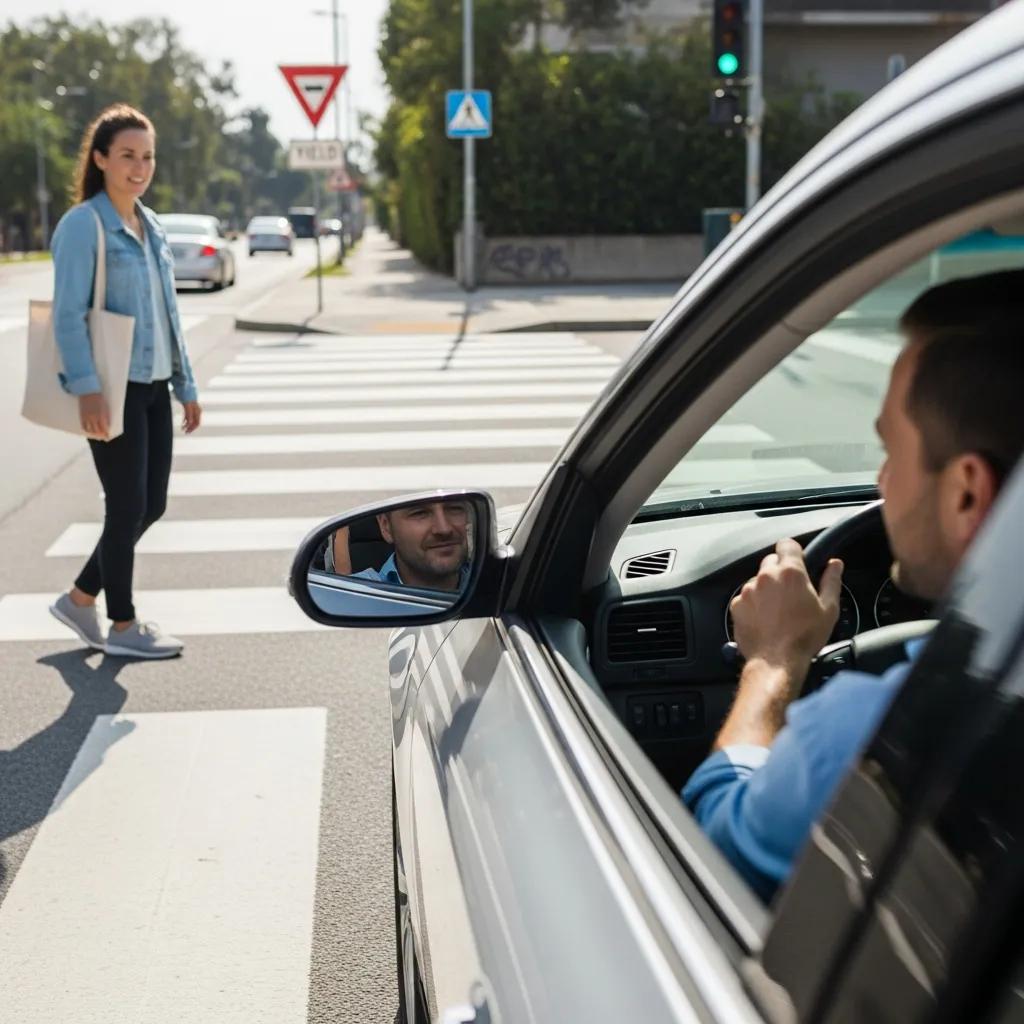
When drivers yield at crosswalks they physically create space for people to cross, which reduces risky evasive moves and secondary crashes. Yielding gives both the pedestrian and following cars time to react, smoothing traffic flow and lowering crash severity. Practically, yielding means stopping at the limit line, checking all lanes, and not moving until the crosswalk is clear. Studies and traffic-safety data show consistent yielding cuts near-misses and injuries, especially where foot traffic is heavy.
Yielding starts with seeing pedestrians — and that’s why removing distractions is the next critical step. The following section explains how distractions blunt detection and what you can do right away to fix it.
Why Is Eliminating Distractions Crucial for Driver Awareness?
Distractions — visual, manual, or cognitive — reduce your ability to notice pedestrians and delay braking. Even a few seconds on your phone can be the difference between a near-miss and a collision. Simple changes restore awareness: put phones out of reach, set navigation and music before you drive, and ask a passenger to handle calls or directions. If you need to read a map or respond to a message, pull over safely. These small habits make it much easier to spot people at crosswalks, near parked cars, or at intersections.
Less distraction improves your scanning and eye contact with pedestrians, and it sets you up to manage speed and sightlines — topics covered in the next sections.
What Are the Crosswalk Safety Rules Drivers Must Follow in Glendale, CA?
Understanding local and state crosswalk rules helps you avoid violations and anticipate pedestrian actions. In California, pedestrians generally have the right-of-way in marked crosswalks and when they’re within an intersection crosswalk; drivers must stop and remain stopped until they clear the roadway. Treat unmarked crosswalks at intersections with caution: slow down, scan carefully, and be ready to stop. Following these rules keeps crossings predictable and safer for everyone.
Below is a compact table that outlines common crosswalk situations, the legal rule, and a practical step you can take when driving in Glendale.
The table lets you compare crosswalk types and the actions you should take when you see pedestrians.
| Crosswalk Scenario | Rule / Requirement | Glendale Action / Practical Step |
|---|---|---|
| Marked crosswalk at intersection | Driver must yield to pedestrians in crosswalk | Stop at the limit line and remain stopped until the crosswalk is clear |
| Unmarked crosswalk at intersection | Pedestrians legally have right-of-way within intersection | Slow down approaching intersections and scan both directions |
| Mid-block marked crosswalk | Yield to pedestrians in the crosswalk; watch for turning vehicles | Reduce speed and don’t pass vehicles stopped at the crosswalk |
| School crossing with crossing guard | Obey crossing guard and posted instructions | Stop when signaled and expect children nearby |
Keeping these actions in mind makes driver behavior more predictable and reduces conflicts with pedestrians.
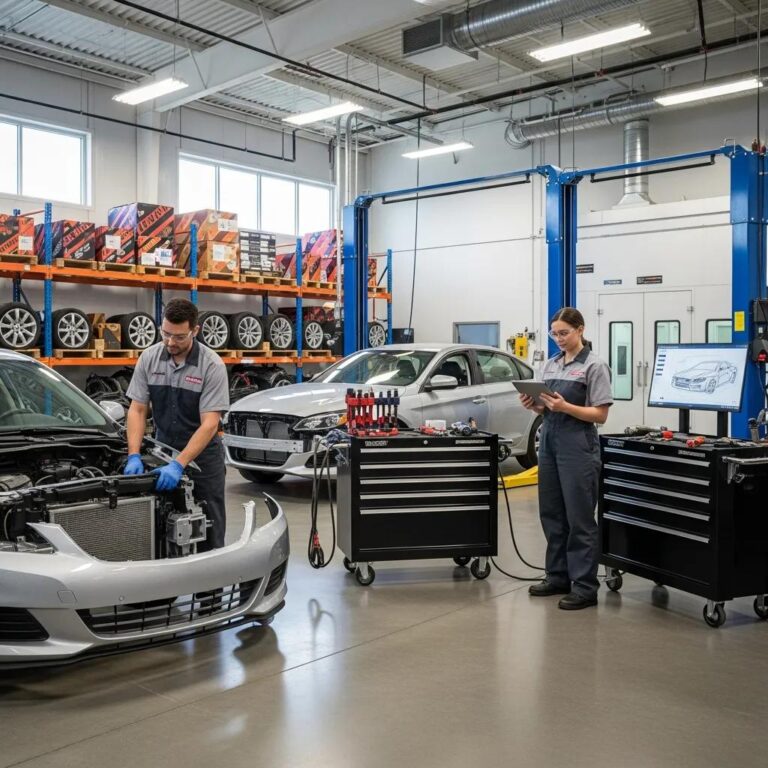
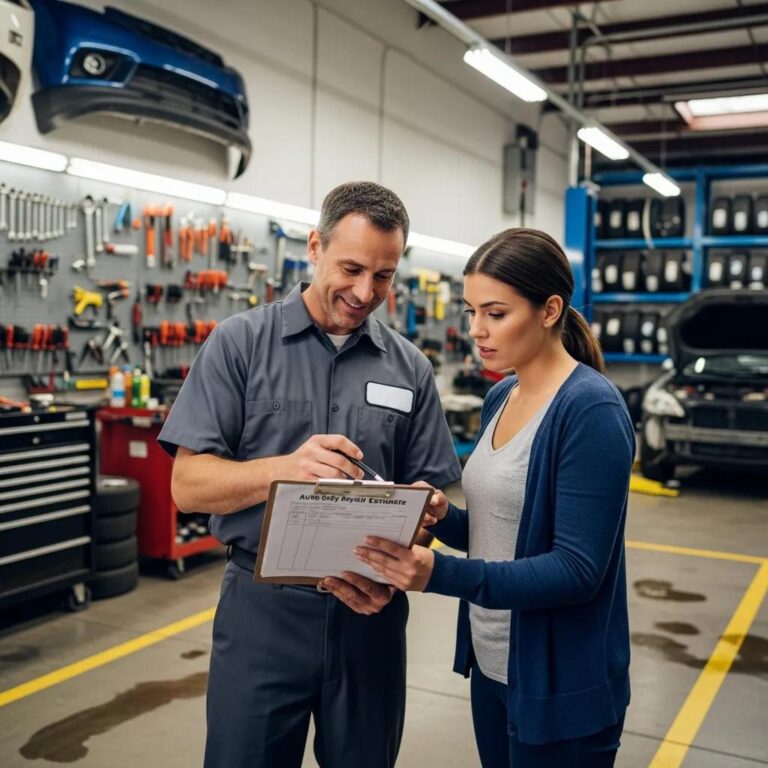
When a collision does happen, local collision repair shops can help restore safety systems and get you back on the road. Prime Time Collision Center offers free repair estimates, assistance with insurance claims, and 24/7 towing. Our I‑CAR Platinum technicians follow factory repair standards to restore vehicles to OEM safety specifications — an important step for systems that protect pedestrians.
Which Local Laws Define Pedestrian Right of Way?
California’s vehicle code and the Driver Handbook spell out pedestrian right-of-way: in marked crosswalks and intersections, pedestrians have priority and drivers must yield. For everyday driving, that means approaching any crosswalk with reduced speed, being ready to stop, and never blocking the crosswalk. If you’re unsure, check your state’s driver guide — knowing the rules reduces uncertainty and improves safety for everyone.
In short: treat any crosswalk, marked or unmarked, as a place to slow, scan, and be ready to yield. Next, we cover concrete crossing practices to follow.
What Are Safe Crossing Practices Near Crosswalks?
Safe crossing practices are easy, practical habits you can use immediately. Stop before the limit line, don’t stop in the crosswalk, and never pass a car that’s stopped at a crosswalk — that car may be yielding to someone you can’t see yet. Yield to pedestrians waiting to cross and don’t speed up through a crosswalk when people are present. These behaviors make interactions predictable and reduce sudden surprises.
Forming these habits means scanning mirrors and blind spots before you move. That attention to your surroundings ties into broader strategies for preventing pedestrian accidents beyond just avoiding distractions.
How Can Drivers Prevent Pedestrian Accidents Beyond Avoiding Distractions?
Preventing pedestrian accidents also means managing speed, reducing blind spots, and improving visibility so you spot people earlier. Slower speeds shorten stopping distance and cut the force of impact. Adjusting mirrors and seating reduces blind zones where pedestrians can hide. Proper headlight use and clear sightlines help you see people sooner at night or in crowded streets. Combine these checks into a simple pre-drive routine and you’ll lower your risk on every trip.
The next sections explain how speed changes stopping distance and how to improve night visibility with ready-to-use checks you can do before driving.
What Role Does Speed Management Play in Pedestrian Safety?
Speed is a major factor in pedestrian safety: higher speed increases stopping distance and the severity of impact. Slowing down in residential areas, school zones, and downtown streets gives you time to react and reduces injury risk if something goes wrong. Some practical steps: anticipate pedestrian activity at intersections, use visual cues to keep appropriate speeds, and slow well in advance of places with lots of foot traffic. Lower speeds also make it easier to safely correct for sudden events, like a child stepping off a curb.
Slower driving ties directly to the next point — improving night vision when it’s harder to see pedestrians.
How Can Drivers Improve Night Driving Visibility to Protect Pedestrians?
At night, make sure headlights are aimed and clean, reduce inside glare, and slow down to match reduced sight distance. Simple night checks: clean the windshield and headlight lenses, replace dim bulbs, use low beams around other drivers, and switch to high beams on dark roads when safe. Increase scanning and reduce speed in poorly lit areas — pedestrians in dark clothing are much harder to see. These steps buy you precious extra seconds to react.
Good visibility and calm speeds are core defenses against pedestrian collisions and connect to how vehicle systems like ADAS supplement driver awareness — and why certified repairs matter after a crash.
Why Are Certified Collision Repairs Essential for Pedestrian Protection Systems?
Modern pedestrian protection often depends on ADAS features that must be restored to manufacturer specifications after an impact. Certified repairs use OEM parts and factory-approved procedures to protect structural integrity and correctly calibrate cameras, radar, and other sensors. When repairs follow OEM protocols, ADAS components are realigned and tested so pedestrian detection and automatic emergency braking work as intended. Without proper repairs and calibration, misaligned sensors can miss pedestrians or give false alerts — creating new risks.
To make this concrete, the table below compares common ADAS components, the risks they face after a crash, and the repair or calibration steps that restore safety benefits.
The table gives a quick, non-technical view of why certified work matters when sensors or alignment may be affected.
| ADAS Component | Post-Collision Risk | Repair / Calibration Requirement & Safety Benefit |
|---|---|---|
| Front camera (windshield-mounted) | Misalignment or cracked mount reduces detection accuracy | Realign and recalibrate the camera to restore pedestrian detection and AEB reliability |
| Radar sensor (bumper area) | Shock or repositioning alters range/angle | Replace or recalibrate per OEM specs to ensure accurate distance and threat detection |
| Ultrasonic sensors (parking) | Damage or obstruction reduces object detection | Clean, replace, and recalibrate sensors to improve low-speed pedestrian alerts |
| Steering/axle misalignment | Affects sensor reference frames and vehicle dynamics | Perform alignment and system recalibration to maintain coordinated ADAS responses |
Accurate repairs and calibration restore pedestrian detection performance and lower future crash risk — which is why many vehicle owners choose certified technicians.
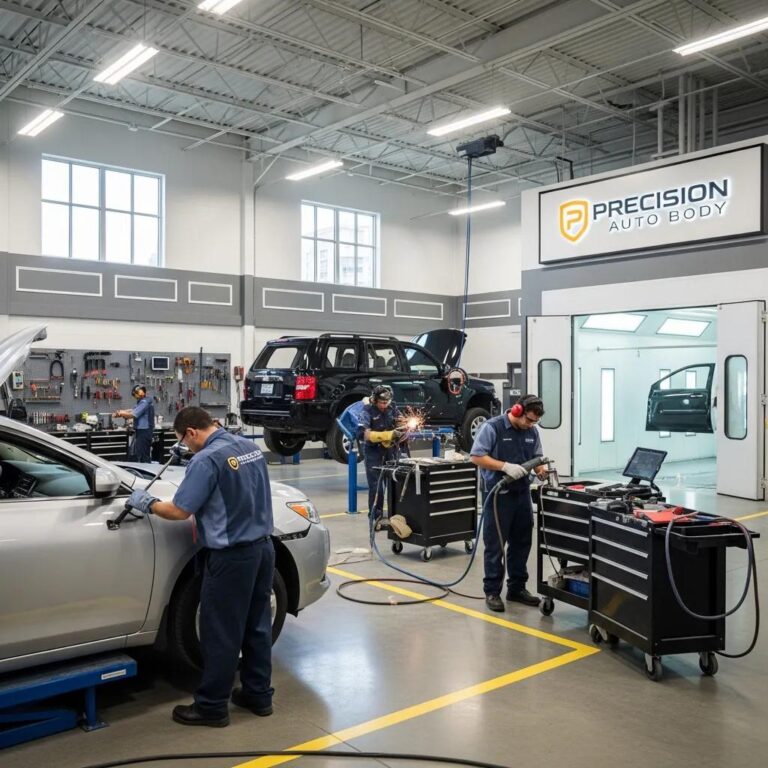
Prime Time Collision Center follows OEM-quality repair workflows and employs I‑CAR Platinum certified technicians. We provide free repair estimates, help with insurance claims, and offer 24/7 towing to support drivers across Glendale, Burbank, Pasadena, and Los Angeles. Choosing certified repairs and timely calibration helps ensure ADAS and structural systems that protect pedestrians work as designed.
How Does ADAS Calibration After Collision Enhance Pedestrian Detection?
After a crash, ADAS calibration confirms sensor alignment and runs the static and dynamic checks the manufacturer requires. Calibration corrects camera angles, radar sweeps, and lidar references so the system accurately reads the vehicle’s surroundings and recognizes pedestrians. When done to OEM standards, calibration restores the timing and reliability of warnings and automatic braking. Skipping these steps can leave systems misaligned and less effective — increasing risk for pedestrians.
Calibration typically includes visual inspection, mechanical adjustment, and test drives or diagnostics with factory tools. Certified technicians are trained and equipped to perform these steps and validate that pedestrian protection systems are back to spec.
What Makes OEM Certified Repairs Critical for Vehicle Safety Features?
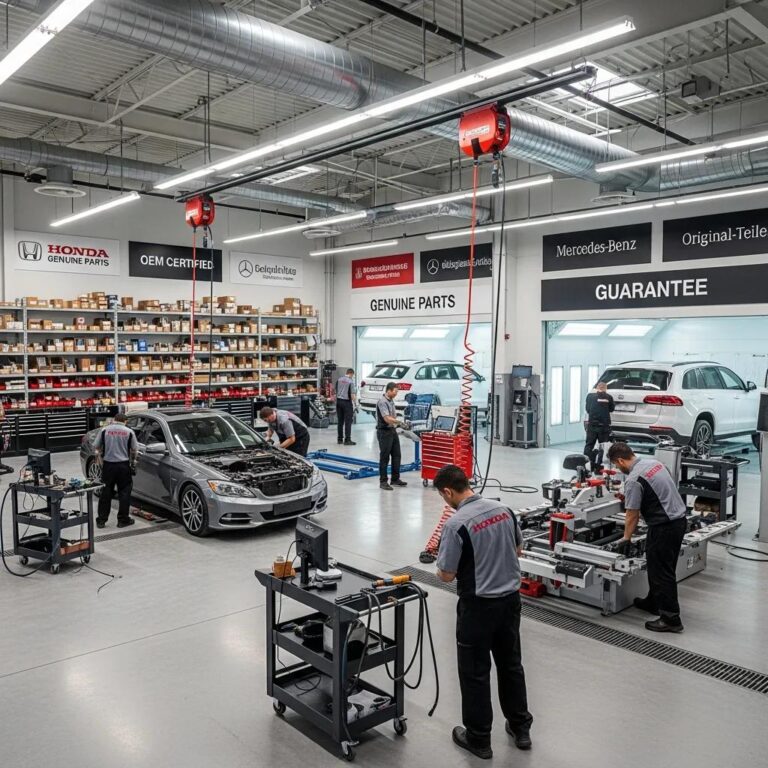
OEM certified repairs use original parts and factory procedures that preserve the vehicle’s crashworthiness and the integration of safety systems. Manufacturer parts match the materials and tolerances designed for energy absorption and sensor fitment. Certified technicians follow repair sequences that restore structure and sensor mounts exactly. Proper repairs keep structural elements and electronic safety features working together — essential for pedestrian protection features like AEB to perform reliably after a crash.
Knowing the difference quality repairs make helps drivers decide where to have post-collision work done and reinforces why certified shops are part of the pedestrian-safety solution.
What Are Safe Driving Practices Near Vulnerable Road Users in School Zones and Urban Areas?
Protecting vulnerable road users requires context-specific adjustments. In school zones, slow down and expect unpredictable movement. In dense urban areas, watch for blocked sightlines, frequent curb activity, and mixed traffic of walkers, cyclists, and scooters. Both settings call for lower speeds, more frequent scanning, and patience around delivery vehicles or stopped traffic. These practices reduce last-second conflicts and work alongside vehicle safety systems to protect pedestrians.
The short checklists below give focused behaviors you can apply right away around schools and in busy city streets.
Use these checklists routinely to lower incidents near schools and in dense urban corridors.
- School-zone checklist: Slow to posted speed, obey crossing guards, and watch for children between parked cars.
- Urban-area checklist: Scan sidewalks and door zones, yield to crossing pedestrians, and avoid blocking intersections.
- Mixed-traffic checklist: Give space to cyclists and scooters, check mirrors for vulnerable users, and proceed slowly during peak pedestrian times.
How Can Drivers Increase Awareness in School Zones?
Awareness in school zones starts with slowing down and scanning for children during arrival and dismissal. Obey posted school speeds, stop for crossing guards, and expect kids to appear between vehicles or from behind parked cars. Don’t pass stopped vehicles at crosswalks and minimize distractions while in school areas. Consistently practicing these steps creates predictable driver behavior and keeps kids safer.
Those same habits translate well to urban driving, where hazards are different but the need for attention is the same.
What Challenges Do Urban Areas Present for Pedestrian Safety?
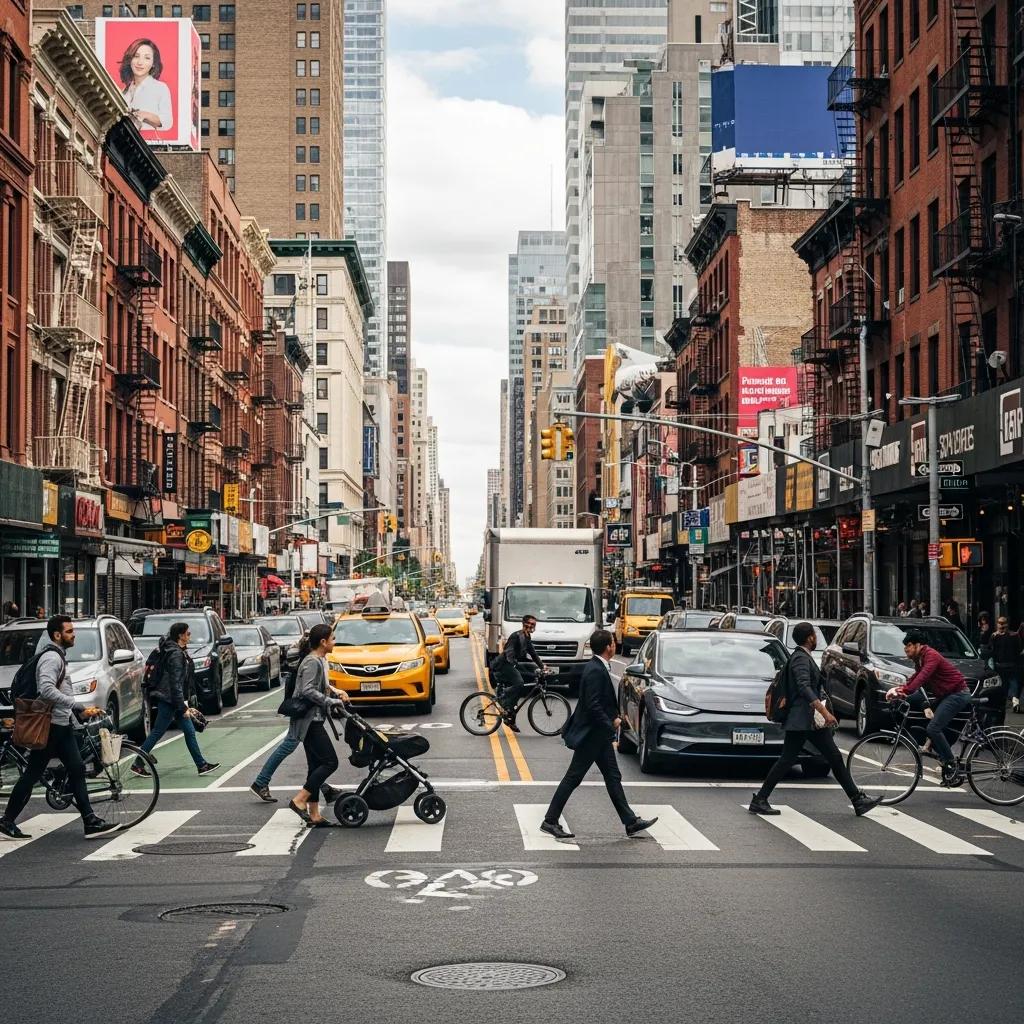
Urban streets come with tight sightlines from parked or delivery vehicles, dense pedestrian traffic, frequent jaywalking, and many types of road users. These conditions increase hidden approach angles and last-second crossings, so drivers should slow down, widen scanning patterns, and be patient. Practical tactics include increasing following distance, scanning between parked cars, and anticipating temporary obstructions from loading vehicles. Adapting to these urban hazards turns reactive driving into proactive risk management.
Remember: careful driving combined with well-maintained safety systems and certified repairs creates layered protection for vulnerable road users and improves outcomes if incidents occur.
Prime Time Collision Center specializes in OEM-quality collision repairs and employs I‑CAR Platinum certified technicians who follow manufacturer repair and calibration procedures to restore safety systems after impacts. We offer free repair estimates, insurance-claim assistance, and 24/7 towing to help drivers in Glendale, Burbank, Pasadena, and Los Angeles. Choosing certified repairs and timely calibration helps ensure ADAS and structural systems that protect pedestrians operate as intended.
Frequently Asked Questions
What should drivers do if they encounter a pedestrian in a crosswalk?
Stop before the limit line and let the pedestrian cross. Remain stopped until the crosswalk is clear. This follows the law and prevents collisions — and it helps pedestrians know they can cross safely.
How can drivers improve their scanning techniques to spot pedestrians?
Scan ahead, check sidewalks and door zones, and use mirrors often. Look for movement near parked cars and at intersections. Anticipate where people might step into the street and slow down in those areas. Practice makes scanning a habit.
What are the consequences of failing to yield to pedestrians?
Consequences range from fines and points on your license to higher insurance rates and civil liability. Most importantly, failing to yield can cause severe injury or death. The legal and emotional costs make yielding a critical responsibility.
How do weather conditions affect pedestrian safety and driver behavior?
Rain, fog, and snow reduce visibility and traction, increasing stopping distance and the chance of missing pedestrians. In bad weather, slow down, increase following distance, and be extra vigilant for people who may be harder to see.
What role do vehicle safety features play in protecting pedestrians?
Features like automatic emergency braking and pedestrian detection can warn you or apply brakes if a collision is imminent. They’re helpful but not a replacement for attentive driving. Keep these systems calibrated and maintained so they work when you need them.
How can community initiatives improve pedestrian safety?
Local efforts — better crosswalks, clearer signage, traffic calming, and education campaigns — make streets safer. Enforcement of traffic laws and community awareness programs also reduce risky behavior. Safer streets are a community effort.
What should drivers do after a collision involving a pedestrian?
Ensure everyone is safe and call emergency services if needed. Stay at the scene, avoid admitting fault, and document what happened with photos and witness info. After immediate needs are met, get a certified inspection and repairs so your vehicle’s safety systems are restored.
Conclusion
Keeping pedestrians safe starts with simple, consistent choices: yield when required, eliminate distractions, control your speed, and keep vehicle safety systems properly repaired and calibrated. Small actions by drivers add up to safer streets for everyone. If you need help after a collision, Prime Time Collision Center is here to restore your vehicle and its safety systems to factory standards. Browse our resources for more tips on safe driving and pedestrian protection.