
Summer Car Care: Your Hot‑Weather Maintenance Checklist
Summer heat puts extra stress on every part of your car. A few simple checks now can prevent roadside breakdowns, costly repairs, and safety risks later. This guide explains why summer maintenance matters, how heat speeds wear on cooling systems, batteries, tires, fluids and the AC, and exactly what owners can do—whether it’s a quick at‑home check or when to bring the car in for professional service. We cover cooling system inspections, battery care, tire pressure guidance, fluid checks, AC performance, and sun protection for paint and interiors, plus quick checklists and comparison tables to help you decide fast. Follow these tips to reduce overheating, improve fuel economy, and protect your car’s value while staying safe on the road.
How Can You Prevent Car Overheating with a Cooling System Check?
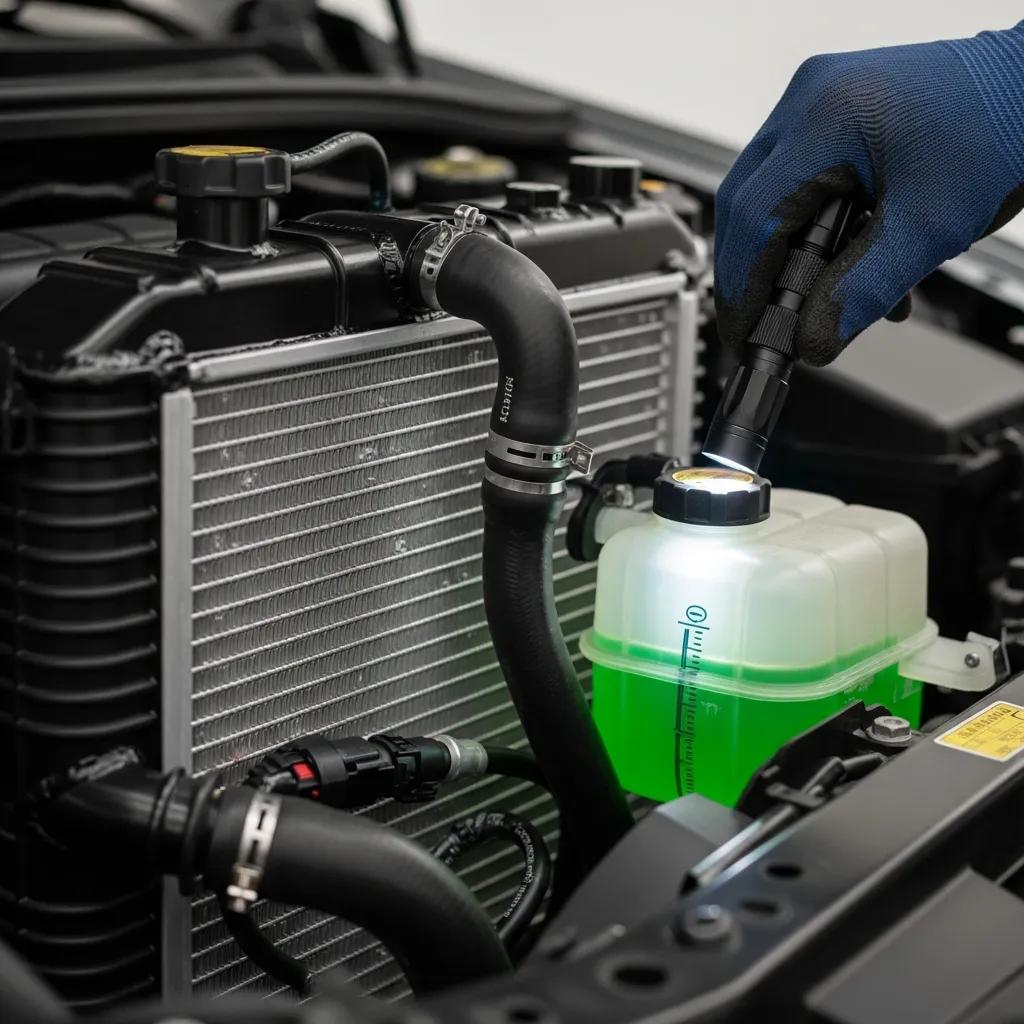
A cooling system check confirms the radiator, coolant, hoses, thermostat, water pump and fans are all working together to keep engine temperature in range. Heat increases engine stress and speeds evaporative loss, so checking coolant level, spotting leaks, and making sure fans engage are the simplest, most effective preventive steps. Regular checks boost reliability and give early warning signs that can avoid emergency towing or major engine damage. Use the short checklist below before long summer trips or during heatwaves.
- Inspect Coolant Level: With the engine cold, make sure the coolant reservoir sits between the min/max marks and that the coolant mix matches manufacturer recommendations for boil protection.
- Check Hoses and Clamps: Look for cracks, soft spots, bulges or loose clamps—these are common precursors to failure.
- Test Fans and Thermostat: Run the engine to operating temperature and verify the cooling fans come on and the temperature gauge holds steady.
Those three checks give a fast assessment and often catch common problems before they lead to overheating.
If you notice ongoing coolant loss, visible leaks, overheating under load, or steam from the engine bay, treat those as red flags and get professional diagnostics rather than attempting advanced DIY fixes.
Each cooling component wears differently and has specific signs to watch for; the table below helps you identify what to inspect and what to expect during service.
Radiator and related component inspection guide:
| Component | Common Sign | Recommended Action |
|---|---|---|
| Radiator | Visible leaks, corrosion, clogged fins | Have a pressure test done; repair or replace radiator as needed |
| Hoses | Cracks, soft spots, bulging, loose clamps | Replace old hoses and tighten or swap clamps |
| Coolant | Low level, rust‑colored contamination, wrong mix | Flush and refill with the correct coolant mixture; verify boiling point |
| Water Pump | Coolant seepage, bearing noise, overheating | Replace the pump and check seals and belt condition |
| Fans/Thermostat | Overheating at low speeds, fans not engaging | Test fan circuitry/relay; replace thermostat if temperature control is erratic |
This comparison shows which items are quick DIY fixes (topping off coolant, replacing hoses) and which usually need professional tools (pressure testing, water pump replacement).
Knowing the difference helps you pick the right next step and reduces the chance of misdiagnosis.
At Prime Time Collision Center our I‑CAR Platinum Certified technicians follow OEM repair procedures for cooling system work. Drivers in Glendale and the greater Los Angeles area — including Burbank and Pasadena — can get a pre‑summer cooling inspection with free estimates to catch subtle issues early. We also offer a lifetime warranty on qualifying repairs and insurance‑claim assistance if more extensive work is required. Schedule a professional pressure test or coolant flush when DIY checks reveal persistent problems or your temperature gauge repeatedly runs high.
What Are the Key Components of the Car Cooling System to Inspect?
The radiator, coolant, hoses, thermostat, water pump and cooling fans are the core parts that move heat away from the engine. The radiator sheds heat, coolant carries and raises the boiling point, hoses route fluid, the pump circulates it, the thermostat controls flow and fans add airflow at low speeds.
In hot weather hoses can soften and rupture, coolant can degrade or boil off, and fans or the thermostat can fail under sustained load. Quick owner checks include visually inspecting hoses for soft spots or cracks, confirming coolant level and clarity, and running the engine to ensure the fans turn on and the temperature gauge stabilizes.
If you find discolored coolant, contamination, or swelling at hose ends, treat those as warning signs and seek professional attention. A pressure test at a shop can reveal leaks not visible at ambient pressure, and a thermostat test will catch a stuck‑closed unit that causes rapid overheating. Understanding how each part functions helps you act quickly and avoid a breakdown on a hot day.
When Should You Seek Professional Cooling System Maintenance?
Bring the car to a shop if you see persistent overheating, unexplained coolant loss, external leaks, steam, or a sweet antifreeze smell—these indicate problems that need diagnostics. Professionals can perform pressure testing, coolant analysis, thermostat checks, fan and relay diagnostics, and full cooling system flushes to restore proper heat transfer. Those services uncover hidden issues—micro‑leaks, head gasket concerns or failing components—that DIY checks won’t reliably detect, and they ensure repairs meet OEM standards for engine protection. Picking a qualified shop that offers free estimates, insurance help and warranty coverage makes repairs easier to manage.
Early professional work protects engine components and avoids secondary damage like warped heads or seized pumps, which are far costlier to fix. If symptoms show up during normal driving or after heavy climbs in hot weather, don’t wait—schedule an evaluation right away.
Why Is Car Battery Health Critical in Hot Weather?
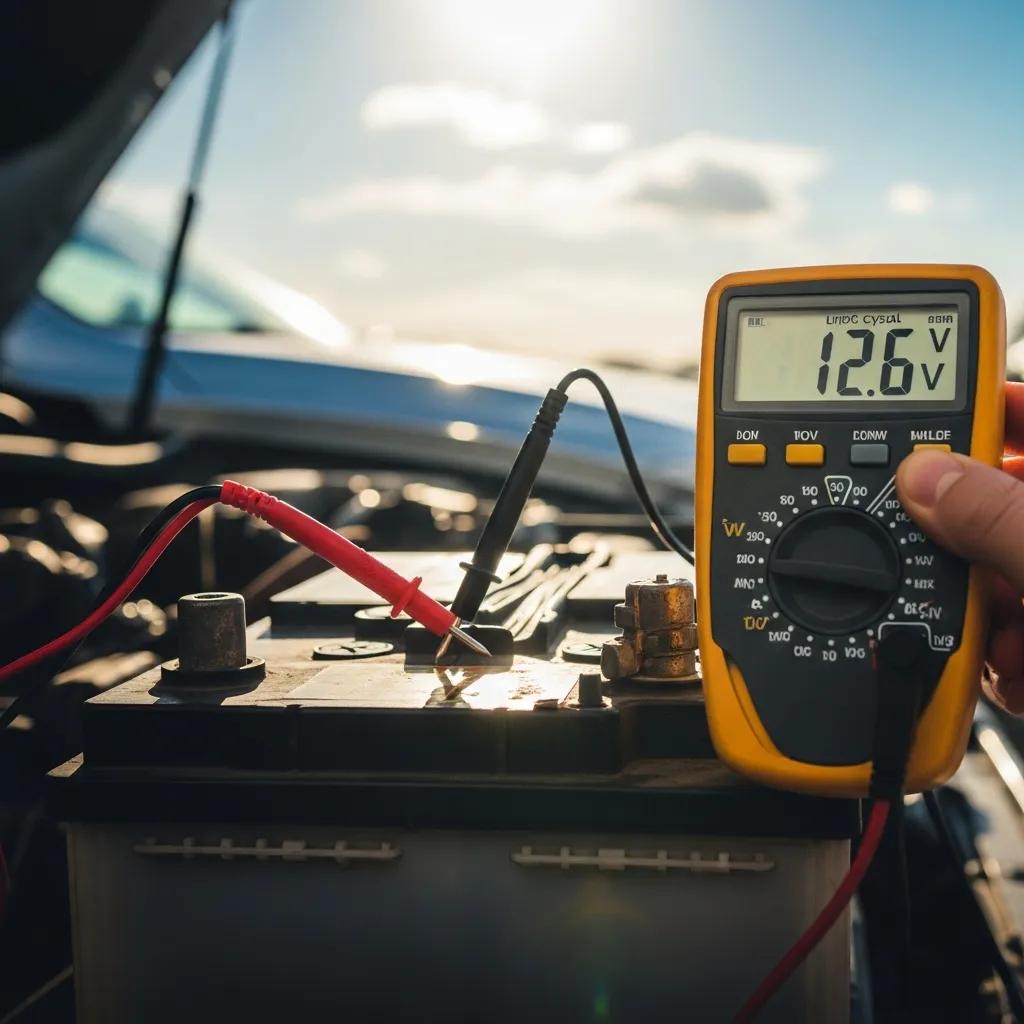
High temperatures speed up the chemical reactions inside lead‑acid batteries, which increases corrosion and electrolyte loss and shortens service life. Heat puts stress on battery plates and seals, reducing capacity and raising the chance of sudden failure—exactly when you don’t want to be stranded. Keeping batteries healthy in summer leads to more reliable starts, fewer jump starts, and longer battery life. The short list below summarizes heat‑related effects and simple owner steps to avoid failure.
Key heat effects on batteries and prevention tips:
- Accelerated Degradation: Heat speeds internal corrosion and electrolyte evaporation, shortening lifespan.
- Reduced Cranking Power: Higher internal resistance can cause slow cranks or starting failure.
- Visible Signs: Swollen cases, terminal corrosion, or frequent jump starts mean replacement is likely soon.
Do basic maintenance: clean terminal corrosion, secure the battery hold‑down to reduce vibration, and check voltage regularly. A professional battery load test gives a clear picture of remaining capacity and cranking ability so you can replace proactively and avoid roadside trouble.
Prime Time Collision Center provides battery testing and replacement and offers 24/7 towing support for drivers who experience sudden battery failure. In one local example, a proactive battery test before a heatwave saved a family’s road trip by identifying a weak battery and replacing it before it failed—avoiding an overnight tow and lost time. For drivers in Glendale and nearby communities, routine checks combined with professional testing cut the risk of expensive emergency interventions.
How Does Heat Damage Affect Car Battery Performance?
Heat raises the rate of internal corrosion and encourages electrolyte evaporation, both of which degrade battery plates and reduce capacity over time. Mechanically, higher temperatures can warp internal plates and damage separators, accelerating failure compared with milder climates. Practically, this shows up as slower cranking, hard starts after the car sits, and reduced reserve under heavy accessory loads like AC and lights. Watching for swelling, fluid loss (on serviceable batteries), and terminal corrosion helps catch damage early and lowers the chance of a no‑start.
Batteries usually give warning signs—dim headlights at idle, slower starter engagement, or dashboard battery alerts—so act quickly when you see symptoms. Replacing a weak battery before it dies prevents being stranded and saves the alternator and starter from repeated jump‑start strain.
What Are the Signs of a Weak Battery and How to Test It?
Weak battery signs include slow engine cranking, dim interior or exterior lights, dashboard warning lights, terminal corrosion or a swollen case. For a quick home check, measure open‑circuit voltage with a multimeter: about 12.6 volts at rest is healthy, readings under ~12.4 volts suggest partial discharge, and below 12.0 volts indicates a deeply discharged or failing battery. Shops run load tests that draw a controlled current and monitor voltage under load—this reveals real‑world cranking capability and remaining cold‑cranking amps. If a load test fails or voltage under load drops below manufacturer limits, replace the battery to avoid imminent failure.
In hot climates, test every six months or before long summer trips so you can plan replacements. When replacing, choose the manufacturer‑recommended specifications and have terminals cleaned and tightened to get the best performance from the new battery.
How Do You Maintain Optimal Tire Pressure for Safe Summer Driving?
Tire pressure rises with ambient temperature because air expands, and hot pavement raises internal tire temperature while driving—both change pressure and affect handling and blowout risk. Correct inflation keeps the contact patch working for traction, prevents uneven wear, supports braking and reduces rolling resistance for better fuel economy. Check PSI with a calibrated gauge when tires are cold to avoid misleading hot readings. The table below shows general PSI ranges by vehicle class and recommended check frequency for hot climates.
Tire pressure recommendations by vehicle class:
| Vehicle Type | Recommended PSI Range (General) | Check Frequency |
|---|---|---|
| Compact/Sedan | 30–35 PSI | Check weekly during heatwaves |
| Midsize/SUV | 32–38 PSI | Check weekly and before long trips |
| Light Truck | 35–45 PSI | Check weekly; consider load adjustments |
| Luxury/Performance | 30–40 PSI (follow door placard) | Check weekly and monitor tread temp |
These are general guidelines—always follow the door‑jamb placard or owner’s manual for exact cold PSI. Adjust for heavy loads or towing; underinflation in heat increases sidewall flex and blowout risk, while overinflation reduces the contact patch and can cause center wear.
Good measuring technique and routine checks make a real difference: check tires cold, inspect sidewalls for damage, and watch tread depth. Keeping PSI correct reduces heat‑related blowouts and improves overall safety.
What Is the Recommended Tire Pressure Range for Hot Weather?
Follow the manufacturer’s cold PSI shown on the driver’s door placard as your baseline, but general ranges help if you don’t have the manual handy. As a rule of thumb, air pressure changes roughly 1 PSI for every 10°F (≈5.5°C) of temperature change, so a morning cold reading is the reliable reference. Most compact and midsize cars target 30–35 PSI cold; SUVs and light trucks often need slightly higher pressures. Overinflation reduces traction and can wear the center tread; underinflation raises heat buildup and sidewall stress—both increase the risk of a summer blowout.
For heavy loads, towing or long highway runs in hot weather, consult your manufacturer recommendations and consider approved pressure increases within safe limits. When uncertain, check weekly during heatwaves to prevent pressure drift from becoming a safety hazard.
How Often Should You Check and Rotate Tires During Summer?
During hot months, check tire pressure at least weekly and always before long trips to account for temperature shifts and hot pavement heating. Tire rotation should follow manufacturer intervals—commonly every 6,000–8,000 miles—to promote even wear; in hot climates, inspect more often for sidewall cracks, bulges and uneven tread. If you frequently carry heavy loads or tow, check tires more often and consider earlier rotation or replacement when wear appears uneven. Address vibration, pulling or irregular wear promptly to preserve handling and reduce blowout risk.
If you find fast pressure loss, bulging or tread separation, stop driving and get professional help immediately. Regular rotation and alignment checks extend tire life and keep handling safe under heat stress.
Which Essential Fluid Checks Should You Perform for Summer Car Maintenance?
Heat speeds fluid breakdown and increases thermal stress on engine oil, transmission fluid, brake fluid and power steering fluid, so summer checks are important to avoid damage. Each fluid has a thermal or safety role: engine oil lubricates and carries heat, transmission fluid cools and protects gears, brake fluid must resist boiling and transmit pressure reliably, and power steering fluid keeps steering responsive under load. The table below summarizes why each fluid matters in heat and recommended maintenance actions.
Critical summer fluid checklist:
| Fluid | Why It Matters in Heat | Maintenance Action/Frequency |
|---|---|---|
| Engine Oil | Reduces friction and helps dissipate heat; viscosity matters in high temps | Use manufacturer‑recommended oil; consider synthetic for better thermal stability; change per service interval |
| Transmission Fluid | Prevents overheating and gear wear; degraded fluid reduces cooling | Check level and color; service if burnt smell or dark fluid; follow service interval |
| Brake Fluid | Must resist boiling under high brake temperatures | Inspect level and color; flush per manufacturer or when contaminated |
| Power Steering Fluid | Ensures smooth steering; overheating can cause leaks and pump wear | Check level and leaks; replace if contaminated |
| Washer Fluid | Visibility safety in dusty, sun‑exposed conditions | Top off regularly during dusty summer months |
Keeping fluids clean and at the right level reduces component stress and prevents cascading failures—seized bearings, slipping transmissions or reduced braking performance. Regular visual checks and periodic professional sampling or flushes keep systems operating safely under high temperatures.
Why Are Engine Oil and Transmission Fluid Vital in Hot Conditions?
Engine oil and transmission fluid control friction and carry heat away from critical parts that run hotter in summer. Oils with better thermal stability maintain protective viscosity under stress—synthetics resist thinning at high temps and keep the lubrication film strong, protecting bearings, pistons and gearbox parts during sustained load. Transmission fluid that darkens or smells burnt signals oxidation and reduced cooling ability, which raises the risk of slipping and internal damage. Following manufacturer change intervals and considering higher‑grade synthetics in hot climates helps prolong engine and transmission life and prevents heat‑related failures.
Professional fluid service may include flushing, filter replacement and inspection for metal particles that indicate wear. If you notice slipping gears, delayed engagement or rough shifting, get transmission service promptly to avoid costly rebuilds.
How to Check and Maintain Brake, Power Steering, and Washer Fluids?
A quick visual check of brake, power steering and washer reservoirs is effective: brake fluid should be clear or light amber—dark fluid suggests contamination or moisture absorption; power steering fluid should sit within the labeled range and be free of burnt smells; washer fluid should be topped up for clear visibility. Contaminated brake fluid lowers boiling point, so flush according to the manufacturer or when moisture content is high. Power steering leaks usually show low fluid plus whining under load and should be repaired quickly to avoid pump failure. Washer fluid keeps the windshield clear of heat‑driven grime and bugs, which improves safety in summer driving.
Do these checks monthly during summer and before long trips. If you find contamination, leaks or degraded fluid, schedule professional service to keep safety‑critical systems in good working order. Proper fluid care complements cooling and tire maintenance for full hot‑weather protection.
How Can You Ensure Your AC System Performs Well in Summer Heat?
A working AC keeps cabin temperatures down and driver focus up—and it reduces extra engine load that can add to overheating risk. Main AC parts include the compressor, refrigerant lines, condenser, expansion valve and cabin air filter; leaks, low refrigerant or clogged filters lower cooling power and strain the compressor. Simple owner checks are measuring vent temperature against outside air, noting airflow strength, and listening for odd noises or musty odors that signal issues. Fix AC problems before peak heat to avoid discomfort and possible secondary mechanical stress.
Below are common troubleshooting steps and guidance on when to seek a professional recharge or filter replacement. Regular cabin filter replacement improves airflow and reduces HVAC strain, directly helping cooling performance on hot days.
What Are Common AC Issues and How to Detect Them?
Typical AC problems in hot weather include low refrigerant from leaks, a weak compressor, clogged condenser fins, or a blocked cabin air filter that limits airflow. Detect issues by comparing vent temperature to ambient air—a clear temperature drop shows cooling is working—while reduced airflow or unusual noises point to mechanical trouble or obstructions. Musty odors often mean mold or bacteria in the cabin filter or evaporator, and strange compressor noises can signal imminent failure. Regular checks catch these symptoms early and reduce the chance of a full system breakdown when you need AC most.
If basic fixes—like replacing the cabin filter—don’t restore performance, have a professional locate refrigerant leaks, test the compressor, and safely handle refrigerant during recharge. Timely service avoids more expensive compressor replacements later.
When Should You Replace the Cabin Air Filter and Recharge Refrigerant?
Replace the cabin air filter per manufacturer guidance or sooner if airflow drops, odors appear or debris is visible; in dusty or urban summer conditions, every 12,000–15,000 miles or annually is a practical rule. Recharge refrigerant when the system undercools, pressures look abnormal, or a leak test confirms loss—refrigerant work requires certified service for safety and environmental compliance. A proper recharge restores pressures and cooling, while a fresh filter improves airflow and cabin air quality. Always use qualified technicians for refrigerant service so the system gets the correct charge and leaks are found and fixed.
Between filter changes and professional recharges, quick owner checks—vent temperature and airflow—help you decide whether a DIY filter swap will do or a shop visit is needed. Good AC care keeps you comfortable and focused on long summer drives.
Prime Time Collision Center assists drivers with HVAC diagnostics, cabin air filter replacement and refrigerant recharge as part of our maintenance and repair services. Our I‑CAR Platinum Certified technicians and insurance‑claim support offer an integrated option for drivers who need reliable AC service alongside collision or body work in Glendale and the wider Los Angeles area.
What Are Effective Ways to Protect Your Car’s Exterior and Interior from Sun Damage?
UV exposure breaks down paint, plastics, leather and fabrics—causing fading, drying and cracking over time. Protecting both exterior and interior preserves appearance and prevents expensive refinishing or upholstery work later, which matters for resale or leased vehicles. Simple measures include regular washing to remove corrosive grime, applying wax or sealants for UV protection, using sunshades and covered parking to limit exposure, and conditioning leather and vinyl to replace lost oils. The short list below highlights easy, prioritized steps you can take now.
Practical sun‑protection measures:
- Regular Washing and Waxing: Removes contaminants and adds a UV‑resistant barrier.
- Use Sunshades and Covered Parking: Lowers interior heat and cuts UV exposure.
- Interior Conditioning: Use leather/vinyl conditioners periodically to keep materials supple and prevent cracking.
Professional paint protection—like ceramic coating or detailing—offers longer‑lasting defense against UV, bird droppings and road grime. For most drivers, a mix of at‑home care and occasional professional detailing balances cost and long‑term protection.
How Does UV Exposure Affect Paint and Interior Materials?
UV rays break down polymers in paint, plastics and fabrics through oxidation, causing color fade, chalking and loss of gloss. Inside, sunlight dries leather and vinyl, which leads to stiffness and micro‑cracks that speed wear and reduce comfort and value. Prolonged exposure can also weaken dashboard plastics and fade instrument clusters, while heat accelerates adhesive breakdown around trim. Regular cleaning, UV‑protective waxes or coatings and interior conditioning slow those chemical processes and help materials last longer.
Addressing UV damage early—removing contaminants quickly and applying protectants—reduces how much restoration is needed later. Protecting your vehicle now is a cost‑effective step in preserving long‑term value.
What Protective Measures Like Waxing and Sunshades Can You Use?
Combine low‑cost, immediate actions with occasional professional services for the best results. Regular waxing or paint sealants add a sacrificial layer that blocks UV and reduces oxidation, while ceramic coatings deliver longer‑lasting hydrophobic and UV protection for drivers who want extended durability. Sunshades, window visors and shaded parking cut cabin temperatures and protect interiors and electronics. For leather or vinyl, use a product made for automotive interiors to restore oils and flexibility and lower cracking risk.
Schedule professional detailing or paint protection before the hottest months for maximum seasonal benefit. Decide on the right mix of DIY and pro services based on your vehicle, budget and local climate.
Frequently Asked Questions
What are the benefits of using synthetic oil in hot weather?
Synthetic oil stands up to high temperatures better than conventional oil. It resists breakdown, keeps viscosity more consistent, and maintains a strong lubrication film—helping reduce friction and engine wear. In hot climates, synthetic oil can extend oil change intervals and improve reliability, and it may slightly boost fuel efficiency by reducing internal engine drag.
How can I tell if my car’s AC system needs servicing?
Look for weak vent airflow, warmer‑than‑expected air, odd noises when the AC runs, or musty smells coming from the vents. Moisture or puddling near AC components can also indicate a problem. Simple checks of vent temperature and airflow help identify issues early; if a filter change doesn’t help, get a professional diagnosis for leaks or compressor problems.
What should I do if my tires show signs of uneven wear?
Uneven wear can point to alignment issues, incorrect inflation or suspension problems. Have a professional inspect alignment, balance and suspension components to find the root cause. Regular tire rotations—typically every 6,000–8,000 miles—help prevent uneven wear. If wear is severe, replace the affected tires to restore safe handling and performance, especially in summer driving conditions.
How often should I check my car’s fluids during summer?
Check fluids at least once a month during summer or before long trips. High temperatures speed fluid breakdown, so monitor engine oil, transmission fluid, brake fluid and coolant for level, color and consistency changes. If you see contamination or low levels, schedule professional service to avoid larger problems down the road.
What are the risks of driving with low tire pressure in summer?
Low tire pressure increases tire flexing, raising heat buildup and the chance of a blowout—especially on hot pavement. It also causes faster, uneven wear and reduces fuel economy and handling. Check tire pressure weekly during hot months and keep tires inflated to the manufacturer’s recommended levels shown on the driver’s door placard.
How can I protect my car’s interior from heat damage?
Use sunshades to block UV and lower cabin temperatures, park in the shade when possible, and use reflective window covers for extra protection. Condition leather and vinyl regularly to keep materials supple and prevent cracking. If it’s safe, cracking a window slightly can reduce heat buildup. Regular cleaning to remove dust and debris also helps preserve interior surfaces through the summer.
Conclusion
Proactive summer maintenance keeps your car reliable and safe when temperatures rise. Regular cooling system checks, battery and tire care, fluid inspections and AC and sun protection all work together to prevent breakdowns and protect vehicle value. These straightforward steps make summer driving less stressful—if you want full peace of mind, schedule a maintenance visit with our team and we’ll help you get ready for the season.