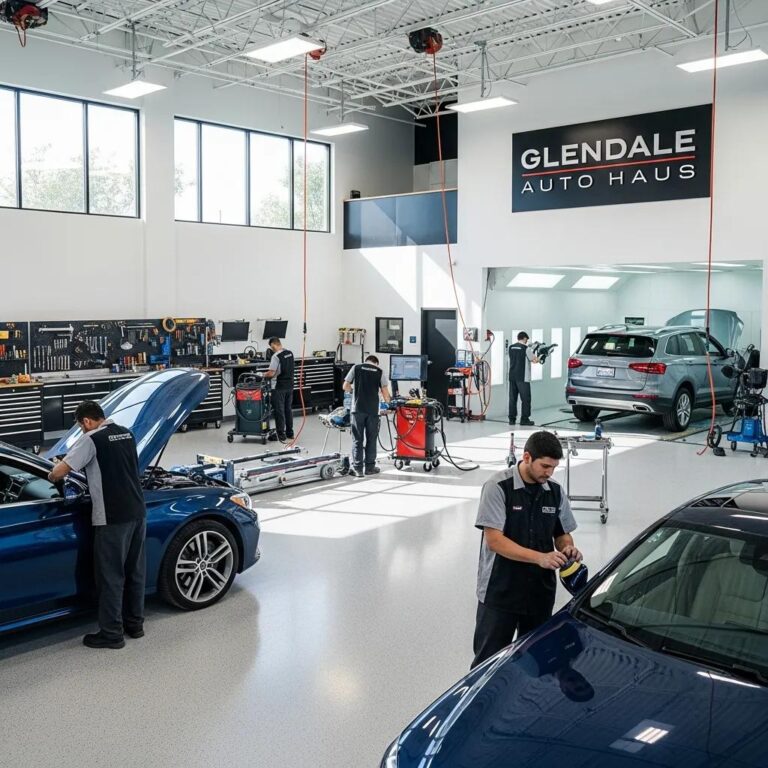

Find Trusted Dent Repair in Pasadena, CA — Local Auto Body Experts
Dent repair in Pasadena covers everything from paintless dent repair (PDR), which reshapes metal without repainting, to traditional panel replacement and refinishing when paint or structure is damaged. This guide explains each method, why OEM‑level procedures matter for safety and resale, and how to handle insurance and post‑accident steps so you get reliable Pasadena dent removal. You’ll learn how to assess damage, choose between PDR and traditional repair, and what to expect from certified technicians doing OEM‑quality work. We also walk through insurance coordination, estimates, and the best approaches for lease returns or hail damage — including answers to local searches like “dent repair near me Pasadena,” “PDR near me Pasadena,” and “door ding removal Pasadena.”
What Dent Repair Services Are Available in Pasadena, CA?
Local dent repair options include minimally invasive Paintless Dent Repair and full traditional repairs that may involve panel replacement and paint blending. PDR preserves factory paint and is ideal for shallow dents and door dings. Traditional repair handles cracked paint, deep creases, or structural issues through replacement and refinishing. Shops in the area commonly offer hail damage repair, lease‑return dent removal, and specialized work for luxury vehicles that require OEM parts and procedures. Knowing your options helps match the repair approach to cost, timeline, and long‑term vehicle integrity.
Which approach fits your damage:
- Paintless Dent Repair — best for shallow dents with intact paint and good access behind the panel.
- Traditional Dent Repair — needed when paint is cracked, metal is stretched, or a panel must be replaced.
- Hail & multiple dents — often handled with a mix of PDR for many spots and traditional methods for the worst areas.
This quick overview leads into how PDR protects your vehicle’s finish and when to choose a different path.
How Does Paintless Dent Repair Preserve Your Vehicle’s Original Finish?
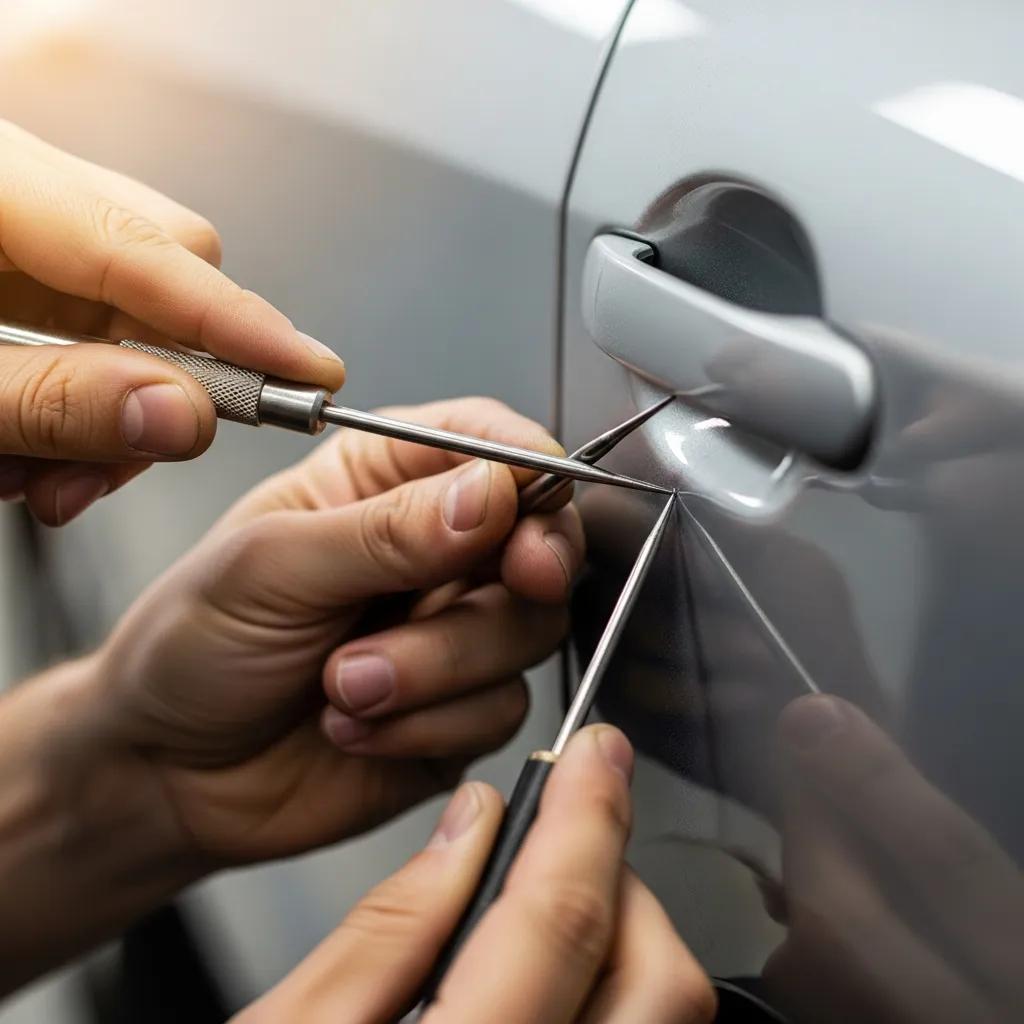
Paintless Dent Repair (PDR) restores creased or indented metal by accessing the dent from behind and using specialized rods or glue‑pulls to return the panel to its original shape — all without sanding or repainting. Because PDR keeps the OEM paint and clearcoat intact, it reduces the risk of color mismatch and helps maintain resale value and warranty considerations. PDR is typically faster and uses no paint or solvents, making it an efficient, environmentally friendlier choice for small door dings, minor bumper dents, and many hail spots.
PDR works when the paint is undamaged and technicians can reach the back of the panel. Those limits determine whether a technician will recommend PDR or a traditional repair, and they’re important to understand before talking to your insurer.
When Is Traditional Dent Repair Necessary for Severe Damage?
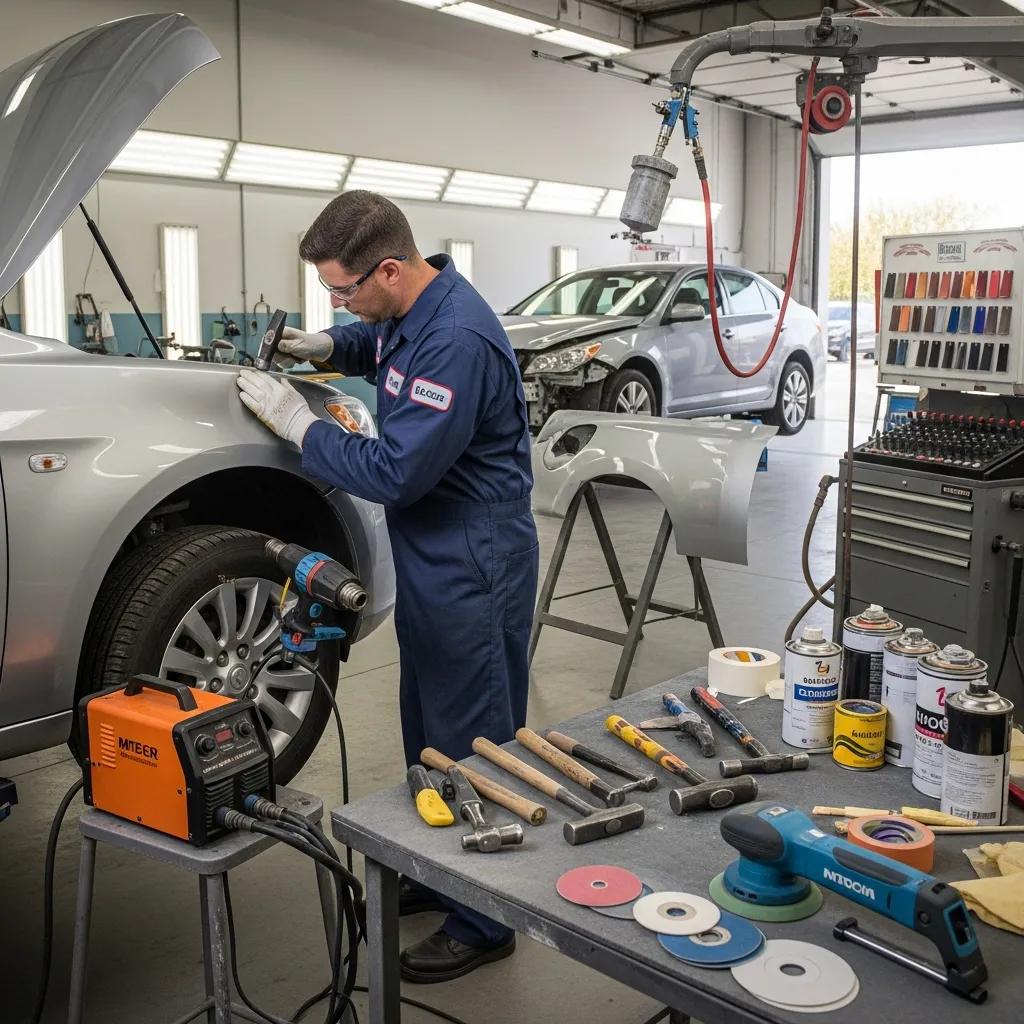
Traditional dent repair is required when paint is cracked or missing, metal is stretched or sharply creased, or a panel edge is damaged and can’t be reshaped safely. That process typically includes panel repair or replacement, corrosion protection, primer and paint application, and paint blending to match surrounding panels — all steps that restore appearance and structural integrity when PDR isn’t an option. Serious collision damage that affects structure or ADAS mounting points also needs certified technicians following OEM procedures so safety systems work correctly after repair.
Traditional work usually takes longer and costs more, but it restores the vehicle to manufacturer standards, keeping it safe and roadworthy. That’s why OEM certification and technician training matter.
| Service Type | Common Damage Types | Typical Benefit |
|---|---|---|
| Paintless Dent Repair (PDR) | Shallow door dings, small creases, many hail dents | Preserves OEM paint, faster turnaround, lower cost |
| Traditional Dent Repair | Paint cracking, deep creases, panel edge damage | Restores structural integrity; allows OEM part replacement |
| Hail Damage Repair | Multiple small dents across panels | Mix of PDR and traditional work optimizes cost and finish |
| Lease Return Dent Removal | Small dings, bumper scuffs | Helps meet lease return standards and avoid penalties |
Use this table to compare common services and pick the repair type that fits your damage and goals.
Why Choose OEM Certified Dent Repair in Pasadena?
OEM‑certified dent repair follows manufacturer procedures, uses approved materials, and restores structural and safety systems to factory specs. Choosing OEM‑focused repairs protects occupant safety, preserves warranties, and helps maintain resale value by using correct parts and documented processes. Certified technicians follow methods that reduce the chance of improper adhesives, wrong fasteners, or missed ADAS calibrations — issues that can affect safety and performance.
Look for trust signals like certification levels and repair guarantees. These show a shop has the training and shop processes to follow OEM guidelines and deliver lasting results.
| Certification / Standard | What it Means | Why it Matters for Safety / Resale |
|---|---|---|
| I‑CAR Platinum | Advanced, ongoing technician training | Keeps repairs up to date and lowers the risk of improper fixes |
| OEM Repair Procedures | Manufacturer repair sequences and approved parts | Helps preserve structural integrity and warranty coverage |
| ADAS Calibration Standards | Measured sensor alignment and system verification | Ensures safety systems work correctly after repairs |
| Repair Warranty | Shop‑backed guarantee on workmanship | Protects your investment and supports resale value |
This table links certifications to real customer outcomes so you can see how training and processes affect safety and long‑term value.
What Are the Benefits of Repairs by I‑CAR Platinum Certified Technicians?
I‑CAR Platinum shows a shop’s commitment to continuous training in current repair techniques, materials, and procedures. Technicians with this certification understand structural, non‑structural, and electronic repair methods — which means fewer reworks and more accurate results. For vehicles with ADAS, certified techs are more likely to perform required calibrations and post‑repair tests. The result: safer repairs, stronger documentation for insurers, and better alignment with OEM expectations.
Choosing a certified team reduces the chance of incomplete or improper repairs and helps keep your vehicle at factory standards.
How Do OEM Certified Repairs Ensure Vehicle Safety and Integrity?
OEM certified repairs follow manufacturer sequences that specify proper materials, fasteners, bonding methods, and inspection steps needed to restore crashworthiness and component fit. That includes corrosion protection, torque specs, adhesive standards, and post‑repair inspections that verify alignment and function. For cars with ADAS, OEM protocols include calibration steps and test drives to confirm sensors and cameras work correctly. Following these methods lowers the risk of hidden failures and preserves the vehicle’s long‑term performance.
Knowing these technical steps helps you ask for documented OEM procedures and certified technicians when safety and resale value matter.
How Can Prime Time Collision Center Assist with Insurance Claims for Dent Repair?
Prime Time Collision Center helps simplify insurance claims by providing clear estimates, submitting documentation to major insurers, and coordinating approvals so repairs move forward within policy terms. We assess whether PDR or traditional methods are appropriate and submit the correct scope of work to minimize delays or denials. For Pasadena and the greater Los Angeles area, we emphasize OEM‑quality repairs and offer conveniences — like free 24/7 towing for estimates and warranty‑backed repairs — to reduce friction during the claim process.
Understanding the claim workflow helps you protect repair scope and timelines while meeting insurer requirements.
- Initial Contact and Estimate: Request an estimate and schedule an assessment so we can document damage and recommend PDR or traditional repair.
- Estimate Submission: We compile photos and a repair plan, then submit everything to your insurer for review and authorization.
- Approval and Scheduling: Once approved, we schedule repairs, order parts if needed, and coordinate with the adjuster.
- Repair and Quality Verification: Technicians follow OEM procedures and perform ADAS calibrations if required, then complete a final quality check before invoicing.
These steps show what to expect when coordinating dent repair through insurance and how to keep the process moving smoothly.
What Is the Step-by-Step Process for Hassle-Free Insurance Claim Handling?
Start by documenting the damage and getting a professional estimate, then submit that estimate to your insurer for authorization. Photograph the damage, secure the vehicle, and contact your insurer to report the claim. Get a detailed written estimate from the repair shop that lists recommended PDR or traditional repairs and any ADAS work. The shop will submit the estimate, coordinate with the adjuster, and schedule repairs once approved. After repairs, a post‑repair inspection confirms quality before final invoicing.
Following this sequence reduces surprises and helps ensure the repair aligns with insurer expectations and your needs.
Do Insurance Companies Cover Paintless Dent Repair in Pasadena?
Coverage for Paintless Dent Repair depends on your policy and the type of damage, but PDR is commonly accepted — especially for hail and minor dents — because it’s cost‑effective and preserves factory paint. Insurers often approve the most appropriate method that safely restores the vehicle; for small dents with intact paint, authorized PDR is frequently preferred. Always get a documented estimate and insurer authorization before work begins to confirm coverage. If paint is cracked or structural work is needed, insurers typically authorize traditional repairs, which the shop documents to avoid disputes.
Confirming coverage early with both your insurer and a certified shop keeps expectations clear and preserves the best repair options.
What Should You Do After a Car Accident to Get Dent Repair in Pasadena?
After an accident, put safety first, document the damage, and get a professional estimate quickly — these steps protect your vehicle and your claim. Make sure anyone injured gets help, call emergency services if needed, and move the vehicle to safety if it’s drivable. Take clear photos of all damage and the scene, exchange contact and insurance details, then notify your insurer and schedule an estimate with a certified shop that can document required repairs and recommend PDR or traditional methods. Early assessment helps prevent later disputes over repair scope and supports lease‑return or resale needs.
- Check for injuries and call emergency services if anyone is hurt.
- Move the vehicle to a safe spot if it’s drivable and document the scene.
- Take clear photos of damage, license plates, and the surroundings.
- Exchange contact and insurance information with other parties and witnesses.
- Contact your insurer and schedule an estimate with a certified repair shop promptly.
This checklist protects you and creates the documentation insurers and shops need to authorize appropriate repairs.
How to Assess Damage and Choose the Right Dent Repair Service?
Assess damage by checking paint condition, dent depth, location, and rear access to the panel — these factors determine PDR eligibility and whether OEM procedures are required. Shallow dents with intact paint and good access are strong PDR candidates. Paint cracking, large creases, or edge damage point to traditional repair. Also consider lease deadlines, luxury finishes, or ADAS systems that may require OEM‑certified work and documented repairs. A certified technician’s early estimate clarifies cost, timeline, and whether the repair will preserve factory specifications.
A clear assessment helps you pick the right repair and reduces the risk of inadequate work that could affect safety or resale.
When to Contact Prime Time Collision Center for Fast and Reliable Repairs?
Contact Prime Time Collision Center after you’ve documented damage and want an expert estimate that fits insurance or lease‑return timelines. We offer free 24/7 towing for estimates and work with major insurers to streamline authorization. If you face a lease return deadline, visible safety concerns, or your insurer asks for a certified estimate, schedule an early assessment. Our I‑CAR Platinum‑certified technicians follow OEM standards and provide warranty‑backed repairs to protect vehicle integrity and resale value. Call our Pasadena‑area service line to discuss towing, estimate scheduling, and timelines for PDR or traditional repair.
Reaching out quickly lets us document repairs, coordinate with your insurer, and begin work with clear expectations for turnaround and quality.
How Does Prime Time Collision Center Provide Convenient Dent Repair Services in Pasadena?
Prime Time Collision Center pairs OEM‑quality repairs with customer conveniences that reduce downtime: free 24/7 towing for estimates, prioritized turnaround for many repairs, and help with insurance paperwork. These services make it easier for busy owners to get the right repairs — fast for eligible PDR jobs and thoroughly for traditional repairs that need OEM processes. For Pasadena drivers, we balance speed with certified training and warranty protection so dents are fixed correctly without sacrificing safety. We provide clear timelines and document progress so you always know where your repair stands.
- Free 24/7 towing for estimates removes the hassle of arranging transport when a vehicle is unsafe to drive.
- Faster turnaround for eligible PDR often means same‑day or next‑day service, minimizing disruption.
- Warranty‑backed repairs give you recourse if any issues appear after work is completed.
These conveniences lower the barrier to professional dent removal while ensuring cosmetic and safety standards are met.
What Are the Advantages of Free 24/7 Towing and Fast Turnaround Times?
Free 24/7 towing removes a big logistical burden after an accident or when a vehicle can’t be driven, letting technicians inspect damage and give an accurate estimate quickly. PDR jobs that qualify can often be completed in hours to a day, while traditional repairs are scheduled with transparent timelines and progress updates. Faster handling reduces rental needs, shortens claim cycles, and lowers inconvenience. Combined with OEM processes and warranty protection, these services help you balance speed with correct, documented repairs.
Prompt assessment and clear scheduling also help insurer coordination and reduce disputes about scope and timing.
Is Mobile Dent Repair Available for Pasadena Vehicle Owners?
We offer mobile dent repair for limited PDR jobs when access, lighting, and workspace are suitable. Technicians can fix small door dings and localized dents at your home or workplace for convenience. Larger repairs, panel replacement, ADAS calibration, or paint work require a shop environment to meet OEM procedures and safety standards. When mobile repair isn’t appropriate, free towing or shuttle options can bridge the gap so certified repairs are completed properly in‑shop.
Knowing mobile PDR limits sets realistic expectations while preserving OEM‑quality outcomes.
What Are Common Questions About Dent Repair in Pasadena, CA?
People commonly ask about cost, timelines, PDR eligibility, and insurance coverage. Answers depend on damage specifics, vehicle type, and whether OEM procedures or ADAS calibration are required. PDR is generally less expensive since it avoids paint and parts; traditional repairs cost more because of parts, paint, and labor. Timelines range from hours for many PDR jobs to days or weeks for complex traditional repairs that need parts and curing time. Understanding these factors helps you plan and choose the approach that balances cost, time, and long‑term vehicle integrity.
| Question | Attribute (Cost / Time / Coverage) | Value (Range / Notes) |
|---|---|---|
| How much does dent repair cost? | Cost | PDR: typically lower; Traditional: higher depending on parts and paint |
| How long will repairs take? | Time | PDR: hours to 1 day; Traditional: several days to a couple of weeks |
| Will insurance cover PDR? | Coverage | Often yes for hail/minor dents with authorization; verify your policy |
| Can ADAS require recalibration? | Technical | Yes — recalibration can add time and cost but is essential for safety |
This table is a quick guide; a documented estimate from a certified shop clarifies exact cost and timeframes for your vehicle.
How Much Does Dent Repair Cost in Pasadena?
Cost varies with repair method, dent size and location, and whether OEM parts or ADAS calibration are needed. PDR usually costs less because it avoids replacement parts and paint. For example, a small door ding suitable for PDR can be fixed in a few hours at modest cost, while a deep crease needing panel replacement and paint blending will be pricier and take longer. Factors like luxury finishes, number of panels affected, and insurance coverage also affect price. The most reliable way to know is an in‑person estimate from a certified shop that outlines recommended methods and parts.
Getting an early estimate helps prevent surprises and supports insurer authorization for the correct repair scope.
Can All Dents Be Fixed with Paintless Dent Repair?
Not all dents are eligible for PDR. The method requires intact paint, rear access to the panel, and metal that can be reshaped without cracking or stretching. Good PDR candidates include shallow dings, small creases, and many hail dents where the paint is unbroken and panel access exists. Dents with paint damage, sharp folds, proximity to panel edges, or structural/bumper damage will need traditional repair. A certified technician can inspect your vehicle and recommend PDR when appropriate or document why traditional repair is safer.
| Service | Typical Estimate Process | Typical Benefit |
|---|---|---|
| PDR Eligibility Check | Technician inspects paint and access, documents condition | Quick decision and faster scheduling for repairs |
| Traditional Repair Quote | Includes parts, paint, labor, and possible ADAS calibration | Complete restoration to OEM standards |
| Insurance Documentation | Detailed photos and written estimates submitted to adjuster | Helps secure authorization and clarify scope |
This summary shows how different service paths are scoped and documented so you can move forward with confidence.
When you’re ready for a professional estimate or need help coordinating an insurance‑authorized dent repair, Prime Time Collision Center serves Pasadena and the greater Los Angeles area from our Glendale facility. We offer certified technicians, free 24/7 towing for estimates, and warranty‑backed OEM‑quality repairs. For immediate assistance or to schedule an estimate and towing, call (818) 396-4997 and ask for guidance on next steps and timelines.
Frequently Asked Questions
What should I do if my vehicle has multiple dents from hail damage?
If your vehicle has multiple hail dents, bring it to a certified repair shop for a full assessment. Many shops combine PDR for minor dents with traditional repairs where needed — a hybrid approach that balances cost and appearance. Document the damage and get a detailed estimate to share with your insurer, since many policies cover hail damage and may approve PDR.
How can I ensure my dent repair is covered by insurance?
Start by reviewing your policy to see what’s covered. After an incident, document damage with photos and get a professional estimate from a certified shop. Submit that estimate to your insurer before work begins. Clear communication between the shop and your insurer helps avoid disputes and ensures necessary repairs are authorized.
Are there any warranties on dent repair services?
Reputable shops, especially those offering OEM‑level repairs, usually provide warranties that cover workmanship and materials. Ask about the shop’s warranty terms — what’s covered and for how long — so you know what recourse you have if issues arise after the repair.
What factors influence the cost of dent repair?
Cost depends on the dent’s size and location, the repair method (PDR vs. traditional), and any extra work like paint blending or panel replacement. Luxury finishes, shop labor rates, and repair complexity also affect price. A detailed estimate will break down these elements so you can understand final costs.
How long does it typically take to complete dent repairs?
Repair time varies by method and damage. PDR can often be done in a few hours to one day for minor dents. Traditional repairs that involve parts, paint, and curing typically take several days to a couple of weeks. Ask your shop for an estimated timeline when you get a quote.
Can I perform dent repairs myself, or should I hire a professional?
DIY fixes might work for tiny, superficial dents, but professional repairs are recommended for the best results. Certified technicians have the right tools, training, and experience to protect your vehicle’s integrity and resale value. Attempting PDR or complex repairs without proper knowledge can make damage worse.
What should I look for in a reputable dent repair shop?
Look for certifications, customer reviews, and warranty offerings. I‑CAR Platinum certification signals ongoing technician training, while OEM repair procedures show the shop follows manufacturer guidelines. Read testimonials and ask for recommendations to find a shop that prioritizes quality and customer care.
Conclusion
Choosing the right dent repair service in Pasadena means balancing speed, cost, and long‑term value. Whether you qualify for Paintless Dent Repair or need traditional panel work, OEM‑certified repairs protect safety, warranty, and resale value. For a smooth, documented experience and help with insurance claims, contact Prime Time Collision Center. Call us today to schedule an estimate and get your vehicle back in great condition.