Frame Straightening and Structural Repair: When Is It Necessary

Frame Straightening and Structural Repair: When It’s Needed, What It Costs, and How the Process Works
Frame straightening and structural repair restore a vehicle’s load-bearing framework after a collision so crash performance, steering, and alignment meet factory standards. This guide breaks down what counts as frame damage, why precise structural work matters for safety, and how following OEM procedures with certified technicians gets vehicles back to designed performance. You’ll learn the differences in repair strategy for unibody versus body-on-frame vehicles, the visual and driving cues that suggest structural issues, and the diagnostic and repair steps shops use to measure and correct frame deformations. We also explain cost drivers, how insurance typically handles these repairs, and practical tips for choosing a shop and navigating estimates and claims after an accident.
How Unibody and Body-on-Frame Vehicles Differ

Manufacturers use two main structural approaches: unibody and body-on-frame. Unibody construction combines the body and frame into a single load-bearing shell, while body-on-frame mounts the vehicle body to a separate ladder or perimeter frame. That difference changes how technicians inspect and repair damage. Unibody repairs often focus on precision panel alignment, subframe work, or section replacement to restore designed load paths. Body-on-frame damage typically centers on straightening or replacing frame rails and related bolt-on components. Knowing the construction type guides which measurement points, inspection checks, and repair methods—like structural welding or part replacement—are necessary to preserve crash energy management and occupant safety. The table below offers a quick comparison for owners and technicians.
For those who want more technical background, research further explores the trade-offs and optimization methods for each architecture.
Comparing Unibody vs. Frame Body Vehicle Structures
This paper compares two supporting‑structure concepts, evaluates the pros and cons of each, and proposes topological optimization methods adapted to manufacturing processes. It analyzes technical, technological, and functional aspects of both load‑carrying designs and presents iteration strategies for optimizing each concept in vehicle body production.
Comparison of unibody and frame body versions of ultra efficient electric vehicle, W Skarka, 2019
Unibody vs. body-on-frame — quick reference:
| Construction Type | Load-Bearing Element | Common Vehicle Examples | Typical Repair Approach |
|---|---|---|---|
| Unibody | Integrated body shell (monocoque) | Most modern cars, crossovers, many SUVs | Precision measurement, panel and subframe alignment, section replacement to OEM tolerances |
| Body-on-Frame | Separate frame rails supporting the body | Trucks, large SUVs, some off-road vehicles | Frame rail straightening or replacement, bolt-on part replacement, welding and torque per OEM |
| Repair Complexity | High precision to protect crumple zones and panel fit | Requires straightening capacity and rail replacement capability | Uses laser measurement and calibrated frame racks for accurate results |
This comparison shows why shops must tailor repairs to a vehicle’s architecture and follow manufacturer guidance. The next section explains how unibody design affects measurement and repair decisions.
How Unibody Construction Changes Repair Needs
Because unibody vehicles use exterior panels and the floor as structural elements, damage to doors, pillars, or floor sections can alter load paths and how the car absorbs crash energy. Unibody repair is about precision: technicians use laser measuring systems and OEM reference points to confirm centrelines, panel gaps, and attachment points match factory specs after straightening or replacement. When load-bearing sections are affected, controlled structural welding or section replacement—performed to certified procedures—restores intended crumple behavior and occupant protection. Since unibody work often combines structural and cosmetic repairs, a documented plan listing measurements, parts, and weld procedures is essential for safety and for insurance records.
Next, we’ll cover how body-on-frame vehicles require different measuring and straightening techniques.
Repair Considerations for Body-on-Frame Vehicles
Body-on-frame vehicles concentrate strength in discrete frame rails and crossmembers. Collisions that deform those rails can often be corrected by straightening, heat‑controlled repairs, or rail replacement depending on the distortion. Technicians check rail alignment, bolt-on fitment, and suspension mount integrity; if rails fall outside repair tolerances, replacement preserves crashworthiness and factory geometry. Shops use hydraulic frame machines and calibrated pulling fixtures to return dimensions to spec, and bolts, fasteners, and torque values are followed per OEM instructions. Deciding whether to straighten or replace includes checking residual stress, attachment‑point condition, and suspension geometry—all of which affect safety and drivability.
Knowing these architectural differences helps owners interpret the signs that suggest structural damage; the next section lists common indicators to watch for after an impact.
Common Signs of Frame Damage to Watch For
Spotting frame damage early avoids secondary problems and keeps the car safe. Typical signs include visible misalignment, changed driving behavior, and new noises. Look for uneven panel gaps or doors and trunks that won’t close flush, a steering wheel that’s off-center when driving straight, or persistent pulling to one side despite correct tire pressure. Other indicators are uneven tire wear that alignment won’t fix, premature suspension wear, and unusual vibrations or clunks from bent crossmembers or shifted mounts. The quick list below makes it easy to scan symptoms and decide whether to get a professional structural inspection.
Key visual and driving signs of frame damage:
- Uneven panel gaps, doors or trunk that don’t sit flush, or a misaligned hood or fenders.
- Steering wheel off-center, constant pull to one side, or steering wander at highway speeds.
- Uneven tire wear that alignment alone doesn’t correct, often heavier on one side.
- New or worsening vibrations, clunks, or creaks over bumps or while turning.
- Headlight aim problems and uneven ride height between the two sides of the vehicle.
Many of these symptoms overlap with suspension or alignment issues, so targeted diagnostics are the next step. The following subsection explains how uneven tire wear and pulling can point to structural rather than suspension causes.
When Tire Wear and Pulling Suggest Frame Problems
Uneven tire wear and a vehicle that pulls can come from bad suspension geometry or from a shifted frame that moved mounting points and changed caster/camber values. If multiple alignment attempts don’t fix the pattern, or pulling continues after worn suspension parts are replaced, these are red flags for structural misalignment at the subframe or rails. Technicians separate causes by measuring toe, camber, and caster, inspecting subframe mounts, and checking factory reference points with laser systems. If measurements show structural deviation, the repair plan focuses on frame straightening or subframe replacement rather than repeated alignments—protecting tire life and restoring handling.
This diagnostic logic leads into a fuller list of visual and performance symptoms that warrant a structural inspection.
Visual and Performance Clues of Structural Damage
Mismatched panel gaps, doors that drag, or crooked trunk lids often signal shifted attachment points and possible structural damage. Performance clues—excessive vibration, odd steering feedback, or degraded handling—point to changed stiffness or suspension geometry. A thorough inspection looks for bent control arms, cracked welds, displaced crossmembers, and distorted mounting points. Road-testing under controlled conditions reveals handling quirks, and laser measuring ties those symptoms to specific structural deviations versus worn parts. Documenting symptoms with measurements supports insurance estimates and helps pick repair methods that restore original performance.
Understanding these signs leads into the diagnostic and repair workflow technicians follow to straighten frames and restore structure.
How Frame Straightening and Structural Repair Work

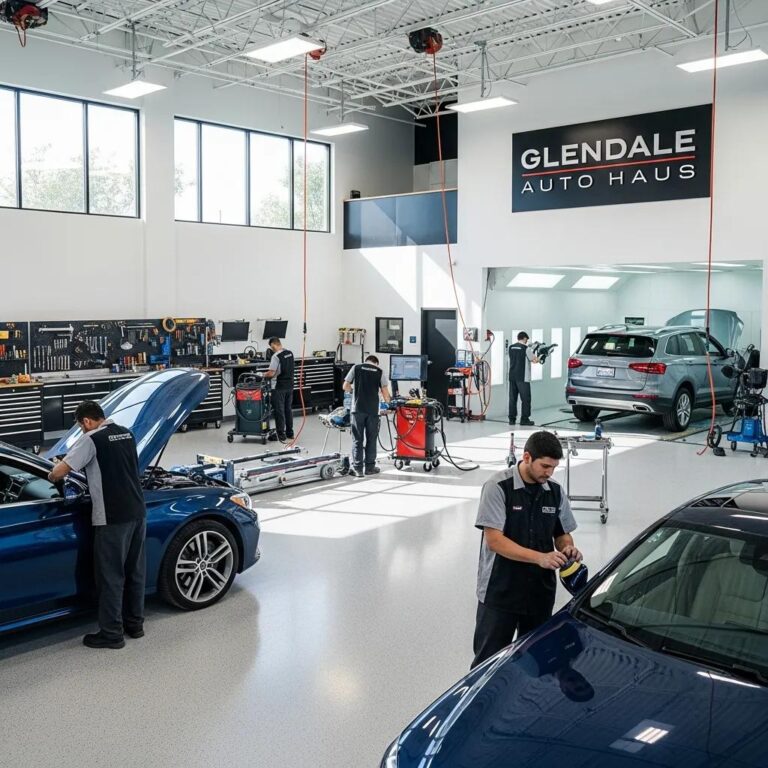
Structural repair starts with a full damage assessment: visual checks, digital photos, and measurements against OEM reference points to identify load-bearing components. Precision measurement defines how far dimensions are out of spec and whether straightening, section replacement, or component replacement is the right call. Estimates list the labor, parts, and OEM procedures needed to restore the vehicle. When straightening is appropriate, technicians use computerized frame racks and hydraulic pullers guided by laser measurement to apply controlled forces and verify dimensions throughout the process. Final steps include structural welding or bolt-on restoration to manufacturer specs, corrosion protection, paint, reassembly, and a QA road test with post‑repair measurements to confirm the vehicle’s crashworthiness.
Before we look at shop equipment, the next table summarizes common diagnostic tools and how they influence repair accuracy and decisions.
| Diagnostic Tool | Accuracy / Role | Application in Repair |
|---|---|---|
| Laser measuring system | High — checks OEM reference points to millimeter tolerances | Establishes initial damage baseline and confirms post‑pull alignment |
| Computerized frame rack with digital readout | High — controls pull vectors and logs applied force | Performs straightening to prescribed dimensions |
| Hydraulics and pull towers | Medium‑high — provide the corrective force | Used for rail pulls and controlled reversal of deformation |
This tool comparison shows why measurement-driven repairs matter. The next subsection describes advanced technologies that deliver the required accuracy.
Advanced Technologies Used in Frame Straightening
Modern frame straightening depends on laser measuring systems, computerized frame racks, and digital documentation tools that map current dimensions against OEM specs within millimeters. Laser systems capture crossmember positions, suspension pick‑up points, and fixture locations; computerized racks calculate pull vectors and monitor deformation in real time so technicians can apply corrective force precisely. These tools reduce guesswork, provide repeatable verification, and generate measurement reports for insurance and future audits. Using calibrated equipment helps ensure structural welding and component replacement restore original crash energy paths and occupant protection.
Restoring structural integrity is especially important on vehicles that use advanced materials or high‑performance designs.
Composite Structure Repair for Vehicle Safety & Performance
The chassis of a Formula 1 car is largely carbon fiber composite. Primary structures like the monocoque/survival cell, suspension mounts, and many secondary parts are made from composites. During operation these components can sustain a range of damage—from minor dents to serious structural failures after accidents. Though F1 teams operate with sizable budgets, they frequently repair parts rather than replace them, provided repairs restore safety and performance to original levels.
Damage evaluation and repair of composite structures, 2008
These capabilities lead into a standard, step‑by‑step repair workflow; the next section presents that sequence for quick reference.
Step‑by‑Step Structural Repair Workflow
Below is a typical workflow from initial assessment through final testing.
- Complete a damage appraisal with photos and a laser‑measurement baseline.
- Disassemble affected areas to expose hidden structural damage.
- Mount the vehicle on a calibrated frame rack and map pull vectors to OEM data.
- Perform controlled pulls and straightening with hydraulic equipment while monitoring laser readouts.
- Repair or replace structural components and perform structural welding per manufacturer procedures.
- Reassemble, apply corrosion protection and paint, then run final alignment and inspections.
- Road test and re-measure to confirm restored geometry and handling.
Following this ordered workflow produces consistent, verifiable repairs. High-quality shops apply these practices to protect crashworthiness and vehicle value. Prime Time Collision Center follows OEM procedures, uses certified technicians, and documents measurements with modern equipment to restore vehicles to factory specifications for customers in the Glendale area.
Why OEM Procedures and I‑CAR Platinum Technicians Matter
Following OEM repair procedures and using well‑trained technicians matters because manufacturers define how crash energy should be managed and which tolerances, fasteners, and weld methods preserve designed performance. I‑CAR Platinum technicians complete extensive, manufacturer‑specific collision training that keeps skills current with new materials, ADAS systems, and structural techniques. Sticking to OEM instructions reduces the chance of altered crash energy paths, helps preserve resale value, and ensures safety systems work as intended after repair. For vehicle owners, documented OEM‑compliant repairs and technician certification provide verifiable assurance that structural work met industry best practices.
What I‑CAR Platinum Certification Means for Repair Quality
I‑CAR Platinum certification means a shop has assigned technicians who completed required training hours across multiple role‑specific courses, demonstrating competence in modern collision repair methods. Practically, this means the team understands material‑specific welding, structural adhesives, and correct procedures for recalibrating safety systems—reducing the chance of shortcuts. The certification also signals ongoing professional development, keeping technicians current with high‑strength steels, aluminum protocols, and other evolving repair requirements. Shops with this level of training deliver more consistent, documented repairs that align with manufacturer expectations.
How OEM Procedures Help Preserve Crashworthiness
OEM repair instructions spell out correct joining methods, weld specifications, fastener torques, and allowable straightening limits to preserve original load paths and crumple behavior. They specify replacement parts and documentation practices that together keep the vehicle’s engineered performance in future collisions. Following manufacturer guidance prevents weakened joints, misaligned energy‑management structures, or improperly reinstalled safety components that could reduce protection. Repairers who follow OEM procedures and keep traceable records help ensure vehicles continue to meet safety expectations after repair.
What Affects Frame Straightening Cost and How Insurance Factors In
Cost for frame straightening depends on damage severity, vehicle construction, parts required, labor hours, and special materials like high‑strength steel or aluminum that need specific handling. Insurance often covers necessary repairs to restore pre‑loss condition, but adjusters may differ on whether straightening or replacement is appropriate—affecting the claim outcome. Other cost drivers include towing, time on diagnostic equipment like laser systems, structural welding, and paint and refinishing for replaced panels. The table below outlines these drivers so you can see how they contribute to an estimate.
As vehicle technology advances, collision repair costs and insurability remain industry challenges that both owners and shops must navigate.
Managing Collision Repair Costs & Vehicle Insurability
Despite technological advances, vehicles will continue to be involved in collisions. Rising average repair costs can outpace declines in claim frequency. The paper discusses how to design for insurability and keep collision repair costs under control.
Designing for Insurability: Best Practices to Achieve Lower Vehicle Repair Costs, 2004
| Cost Component | Attribute | Typical Impact |
|---|---|---|
| Damage severity | Extent of visible and hidden deformation | Biggest variable — major deformation increases labor and parts |
| Labor/time | Hours for measuring, straightening, welding, and paint | High impact when precision measurement and reassembly are required |
| Parts/materials | OEM parts, high‑strength steel, replacement subframes | Specialized materials and OEM parts raise cost |
| Insurance acceptance | Coverage decisions and adjuster approvals | Determines whether straightening or replacement is authorized |
This breakdown shows how several elements shape cost. Practically, owners should watch these key drivers:
- How extensive the structural deformation is and whether hidden damage requires more disassembly.
- Material complexity—aluminum or high‑strength steels need special welding and fixtures.
- Labor hours for precision measuring, repeated verification, and repainting structural components.
Main Cost Drivers for Frame Alignment and Structural Work
Major drivers are the degree of frame distortion, which parts must be replaced, and the time to perform OEM‑compliant welding and finishing. Mixed‑metal constructions and high‑strength alloys require calibrated procedures and special fixtures, adding labor and equipment costs. Diagnostic time on laser systems and post‑repair verification add billable hours but prevent rework and help ensure safety. Knowing these components helps owners evaluate estimates and prioritize repairs that protect long‑term value and safety.
How Prime Time Collision Center Helps With Insurance Claims
Prime Time Collision Center works with all major insurers to guide customers through the claim process, preparing detailed estimates and documentation that reflect OEM procedures and measured damage. We offer free estimates and 24/7 towing so vehicles get safely to the shop for assessment. Our technicians document laser measurements, photographs, and OEM repair instructions and share that information with adjusters to support appropriate repair decisions. This approach streamlines communication, increases the chance insurers approve OEM‑quality repairs, and keeps you informed at every step.
Why Choose Prime Time Collision Center for Structural Repairs in Glendale, CA?
Prime Time Collision Center is a local collision repair facility focused on OEM‑quality repairs, clear insurance support, and building customer trust. Our shop employs I‑CAR Platinum certified technicians, works with all major insurers, and emphasizes factory‑quality repairs to preserve crashworthiness. We handle collision repairs, mechanical work, paintless dent repair, and routine maintenance, and we provide free estimates and round‑the‑clock towing for post‑accident support. Serving Glendale, Burbank, Pasadena, and greater Los Angeles, we document repairs with modern measurement tools and follow manufacturer procedures to help you get back to safe, factory‑aligned performance.
Local Experience and What Customers Value
Our local expertise comes from working on the vehicle types common around Glendale and nearby communities. We handle complex structural repairs that must follow OEM procedures and documented measurement practices. Customers tell us they value clear communication, transparent estimates, and our technical ability to manage mixed‑material repairs and ADAS recalibrations. Reviews tend to highlight safety, communication, and repair quality—our technicians document work and provide measurement reports customers can share with insurers. That local familiarity helps reduce repair cycle time and improves coordination with insurers and vehicle owners.
How Free Estimates and 24/7 Towing Improve the Experience
Offering free estimates removes the upfront barrier to knowing the scope of damage and the expected repair steps. Our estimates include laser‑measured baselines and documented procedures so you can make an informed choice without surprise costs. 24/7 towing gets your vehicle to the shop quickly after an accident, preventing weather or roadside damage and allowing immediate triage. Together, these services speed the claims and repair process and give you confidence that repairs will follow OEM guidance by certified technicians—making the road back to safe driving smoother for local drivers.
- If you suspect frame damage: Get a measurement‑based assessment rather than relying on visual checks alone.
- If an insurer disputes repair scope: Request documented laser measurements and OEM repair procedures to support the necessary work.
- For local help: Choose a center that follows OEM procedures and employs certified technicians to ensure documented, safe repairs.
Frequently Asked Questions
What should I do if I suspect my vehicle has frame damage?
If you suspect frame damage, bring the vehicle in for a professional inspection that uses advanced measurement tools—like laser measuring systems—to accurately diagnose damage. A full check will identify structural misalignments or hidden issues that affect safety and handling. Early detection prevents further problems and ensures repairs are done correctly.
How can I choose a qualified repair provider for frame straightening?
Choose a shop that follows OEM procedures, has certified technicians (I‑CAR training is a strong indicator), and provides clear, itemized estimates. Read customer reviews that mention structural repairs and ask for documented measurement reports. A reputable shop should explain the repair steps and share the evidence that supports the work.
What are the risks of not repairing frame damage?
Leaving frame damage unrepaired can compromise handling, alignment, and crashworthiness—raising the risk in a future collision. Structural issues can cause premature wear on suspension and tires and reduce resale value. Prioritize repairs to protect safety and long‑term vehicle integrity.
How does insurance coverage affect frame repair costs?
Insurance often covers necessary repairs that return the vehicle to its pre‑accident condition, but coverage details vary. Insurers may decide between straightening or replacement, which affects the claim. Providing detailed estimates, laser measurements, and OEM repair procedures helps the adjuster approve the appropriate work.
What advanced technologies are used in frame straightening?
Common technologies include laser measuring systems, computerized frame racks, and hydraulic pullers. Laser systems verify dimensions to OEM specs, computerized racks control pulling vectors and record forces, and hydraulics provide the corrective power. These tools increase accuracy, reduce guesswork, and produce documentation for insurance and quality assurance.
What is the typical timeline for frame straightening and structural repairs?
Timelines vary by damage extent and parts availability. Simple repairs can take a few days; complex structural work may take several weeks. Factors include part lead times, the need for specialized equipment, and shop workload. Discuss timing with your repair provider so you know what to expect.
Conclusion
Frame straightening and structural repair are critical to restoring vehicle safety and performance after a collision. By recognizing signs of damage and choosing a repair shop that follows OEM procedures with certified technicians, you help ensure your vehicle is returned to factory specifications and maintains crashworthiness and value. If you need expert help or a free estimate, contact Prime Time Collision Center and we’ll guide you through the inspection, repair, and claims process.